The Ritz-Carlton, Nikko — Natural Onsen on Lake Chuzenji, the Resort You Will Not Want to Leave
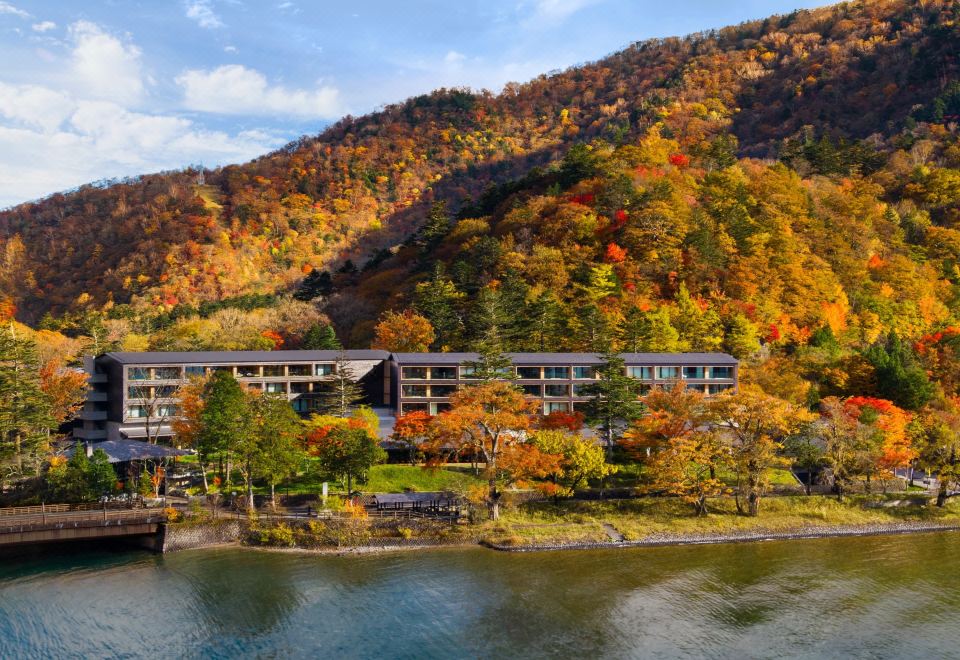
Picture the scene: floor-to-ceiling windows framing Lake Chuzenji in deep jade, Mount Nantai standing over the water like a guardian, steam rising from an open-air onsen thirty metres away, and air so clean and cold it feels like something you forgot existed. The Ritz-Carlton, Nikko opened in July 2020 as the brand's first property anywhere in the world with a natural hot spring onsen — fed by the celebrated Yumoto spring deep in Nikko National Park. The 9.6/10 score from 74 verified reviews on Trip.com is not an accident.
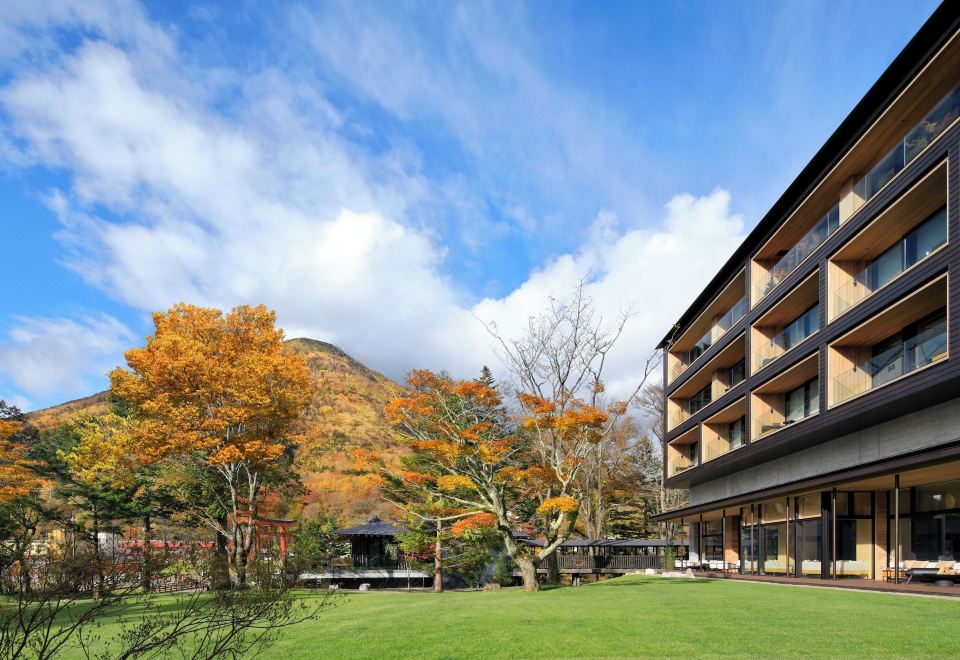
Honestly — hotels that can claim a genuine world first are rare. The Ritz-Carlton, Nikko is the first property in the entire Ritz-Carlton portfolio to have a natural hot spring onsen, sourced from the Yumoto spring in Nikko National Park. The resort sits on the shore of Lake Chuzenji in Oku-Nikko, covering roughly 19,000 square metres between Chuzen-ji Temple and Futarasan Shrine — both part of the UNESCO World Heritage Site. All 94 rooms and suites exceed 57 square metres, include a traditional engawa balcony, and look out across either the lake or the forested slopes of Mount Nantai. Designed by Melbourne-based Layan Architects, every room incorporates authentic Tochigi crafts: Nikko-bori wood carvings, Kanuma-kumiko geometric latticework, and Mashiko-yaki ceramics — the kind of detail you notice on day two, not day one.
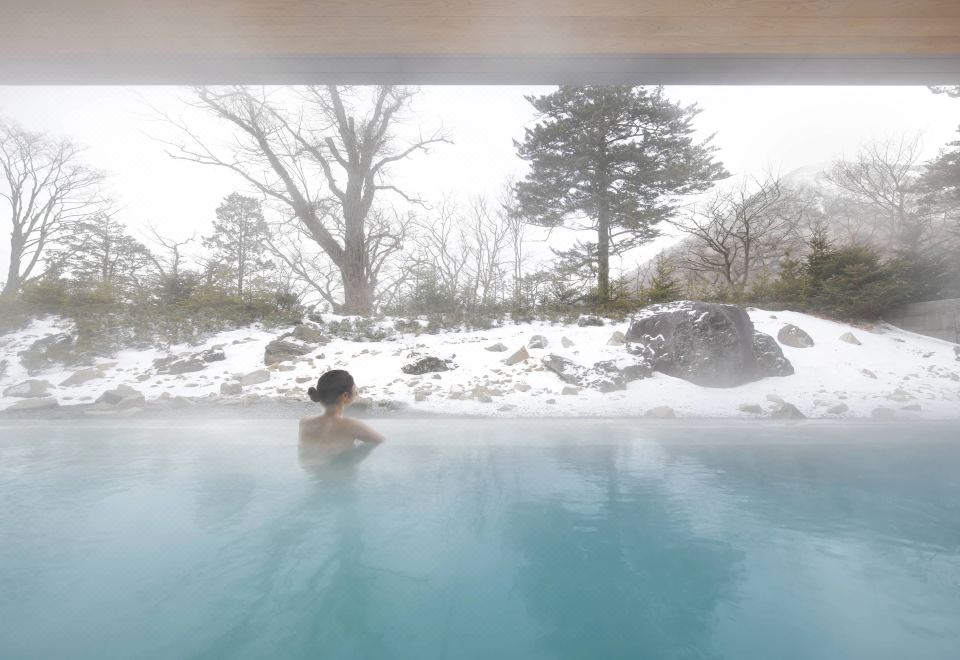
One guest recalls: "The outdoor onsen in winter — soaking in hot spring water while snow settled on the rocks and trees all around, total silence, steam everywhere. That is the one experience from this entire Japan trip they will never forget."
Before you book, there is something worth knowing clearly: The Ritz-Carlton Nikko is not a hotel near the Toshogu shrines. If your Nikko plan is built around visiting the famous shrine complex and the historic town, a property close to Shinkyo Bridge will serve you far better. This resort is in Oku-Nikko — reached by climbing the 48-hairpin Irohazaka mountain road, a 40 to 45-minute bus or taxi ride from Nikko Station. A taxi down the mountain each way costs roughly ¥5,000–7,000 and local buses run infrequently. The honest framing is this: choosing The Ritz-Carlton Nikko means choosing the resort as the destination — the onsen, the lake, the forest — rather than using it as a base for sightseeing. If that is the trip you want, it is extraordinary. If it is not, there are better options at the foot of the mountain.
The rooms carry their price in the views. Garden View rooms start at around ¥80,000 per night and look across the forested grounds; Lake Chuzenji View rooms with a private balcony run from ¥120,000 to ¥160,000+, while the Lake Chuzenji View Suite at 115 sqm — with a separate living area — commands considerably more. The Ritz-Carlton Suite on the fifth floor covers 277 sqm. Every room comes with a deep soaking tub framing a view, pressed linen pyjamas replenished daily, and a lighting control system that some guests spend the first evening figuring out. The bathrooms feature generous stone soaking tubs positioned to look at the garden or sky — the kind of small architectural decision that makes a room feel like it was built specifically for you.
The onsen is the reason most guests decide the price is worth paying. Both indoor and outdoor baths are fed by Yumoto natural spring water — a faint milky-blue tint and a gentle mineral scent that distinguishes it from piped water immediately. The outdoor rotenburo opens at 5:30 am, and guests consistently single out the early-morning session — mist drifting off the warm water into cold mountain air, forest completely still — as the experience they remember longest from Japan. Winter is something else entirely: the baths are open through snowfall, and the combination of hot spring water and snow-covered rocks draws comparisons from guests to the most memorable travel moments of their lives. Baths are gender-separated; the spa offers massage and treatment services from the 24-hour fitness studio.
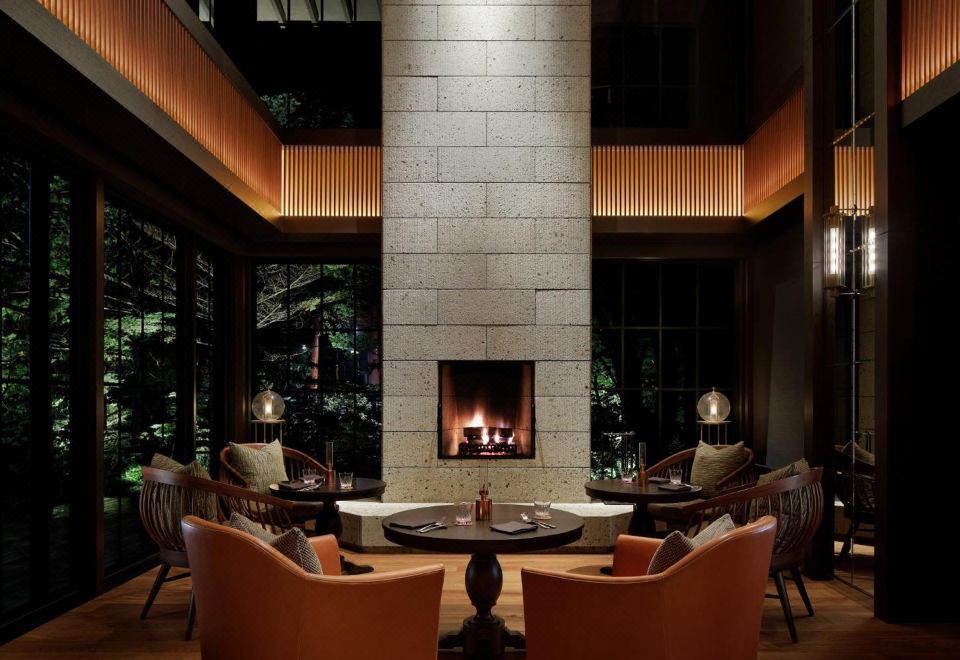
Four dining options cover most needs: The Japanese Restaurant for kaiseki, sushi and teppanyaki using locally sourced Tochigi ingredients; Lakehouse for Western-style dishes with lake views (particularly good for lunch on a clear day); The Lobby Lounge for tea and light meals by the fireplace; and The Bar for Japanese whiskies and house cocktails. Quality across all four draws consistent praise — breakfast is singled out as the best meal of the trip by a notable number of reviewers. The honest counterpoint: food and beverage prices at the resort run significantly higher than comparable luxury hotels. Several reviews specifically note costs that feel two to three times the rate of similarly rated properties. Budget accordingly — outside dining options in Oku-Nikko are very limited, which means the hotel restaurants are your primary choice for most meals.
What separates this property from a standard urban luxury hotel is the depth of activities tied to the natural setting: guided forest walks in the national park, cycling around the lake, stargazing programmes at night, kayaking, and fly-fishing on the Daiya River (advance booking required through the concierge). Kegon Falls — one of Japan's most celebrated waterfalls — is about ten minutes on foot. During autumn foliage season in October and November, the entire mountain turns red, orange and yellow against the lake surface; guests describe this as some of the most spectacular scenery they have ever seen in Japan. A few honest notes for those weighing the decision: the isolation that makes the resort serene also means that a spontaneous dinner in town requires planning and expense; there is no traditional swimming pool — the onsen is the water facility; and room lighting controls drew a handful of mentions from reviewers who found them counterintuitive on arrival. None of these are significant drawbacks given the 9.6/10 score. To be direct: this is a resort built for travellers who want to immerse fully in the setting, and on that promise it delivers with complete conviction.
Summary from Booking & Agoda
- ✓ Natural onsen indoor and outdoor — winter soaking in snow-covered surroundings is described by guests as unforgettable
- ✓ All rooms 57+ sqm with private engawa balcony and deep soaking tub with garden or lake views
- ✓ Secluded natural setting inside a national park — no traffic noise, no crowds
- ✓ Breakfast widely praised as one of the best meals of guests' Japan trips
- ! Food and beverage prices at the resort are significantly higher than comparable luxury hotels — several reviews cite 2 to 3 times normal rates
- ! ~40-45 minutes from Nikko shrines and town; taxi costs ¥5,000-7,000 each way down the mountain
- ! No traditional swimming pool — onsen is the water facility
- ✓ Yumoto natural hot spring water — visible blue tint and mineral scent confirm it is genuine, not tap-heated
- ✓ Full activity programme: guided forest walks, cycling, stargazing, kayaking, fly-fishing
- ✓ Kegon Falls 10 minutes on foot · Forbes Five-Star 2026 independently verified
- ! Very limited outside dining options in Oku-Nikko — the resort's restaurants cover almost all meal occasions by necessity
- ! Lake View rooms during autumn foliage (Oct–Nov) are expensive and fill months in advance
- ! In-room lighting controls described as complex by several reviewers on first night
- 💡If your Nikko itinerary centres on Toshogu Shrine and the historic town — a property near Shinkyo Bridge or Nikko Station will serve you far better. The 40-minute winding mountain road and expensive taxi fares make daily commuting genuinely impractical. This resort is for people who want to be in the forest, not commuting through it.
- 💡If your food and drink budget matters — plan for roughly ¥10,000–15,000 per person per dinner at the resort restaurants. Outside options in Oku-Nikko are genuinely scarce. If you want to control food costs, you need to factor in taxi rides down to town, which adds cost and time.
- 💡If the nightly rate is above your comfort level — Nikko Kanaya Hotel near Shinkyo Bridge offers genuine historic atmosphere and character from approximately ¥20,000–40,000 per night. You trade the lake views and natural onsen for walkability and history, which is a reasonable trade for many travellers.