Nikko Kanaya Hotel — Japan's Oldest Western-Style Resort, Open Since 1873
Have you ever walked into a hotel and felt you were stepping directly into the pages of history? At the Nikko Kanaya Hotel that is not a feeling — it is a fact. Since 1873 this hilltop property has received guests from Albert Einstein and Helen Keller to Charlie Chaplin. The 9.0/10 score from 93 verified reviews on Trip.com confirms that history enthusiasts are still deeply devoted to it.
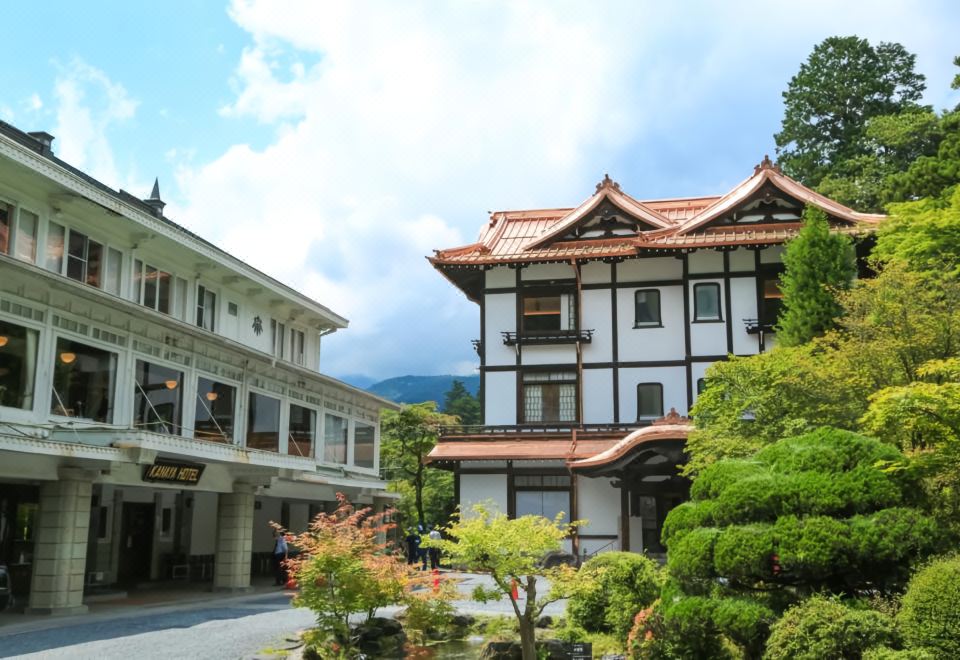
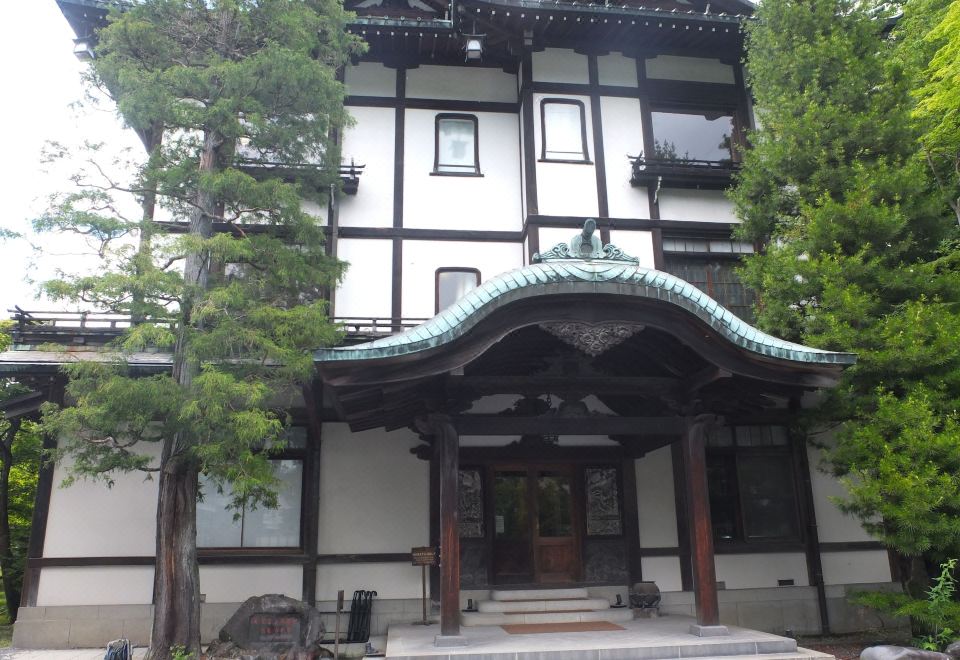
To be honest — if you are looking for the hotel in Nikko with the most compelling story, Nikko Kanaya Hotel has no rival. The property began in 1873 when Kanaya Zenichiro, a musician at Toshogu Shrine, opened his family home to foreign visitors on the advice of American diplomat James Curtis Hepburn. By 1893 the operation had expanded into a full hotel on 14 acres of forested hillside adjoining the shrine grounds. The architecture you see today blends Western Meiji-era colonnades with Japanese roof forms in a way that feels entirely natural — because it grew up here rather than being designed from scratch. No hotel in Japan still taking guests can claim a longer unbroken history.
One guest recalls: "They walked into the lobby, looked up and saw black-and-white photographs of Einstein and Charlie Chaplin on the wall. They still remember that moment — it made clear that this is not simply a hotel."
The location is the best of any hotel in Nikko. Perched on the hill directly above Shinkyo Bridge, the property sits within easy walking distance of every major World Heritage site: Toshogu Shrine is five minutes on foot, Rinnoji Temple roughly eight minutes, Futarasan Shrine a little further. One of the understated advantages of staying here is the ability to walk down to Shinkyo in the early morning — before tour groups arrive — and stand on the red lacquered bridge with the cedar forest to yourself. People who have done this describe it as one of the clearest memories of their entire trip to Japan.
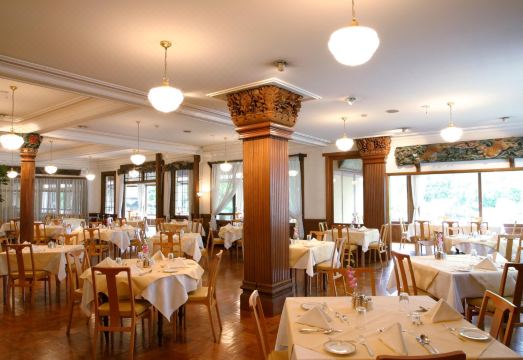
The Main Dining Room is the heart of the hotel. Picture a lofty hall that has been serving meals for over a hundred years: ornate carved wooden columns rising to the ceiling, rows of round globe lamps, parquet floors, white tablecloths laid with silver — and a French menu passed down through generations of Kanaya chefs without compromise. Two dishes draw the most attention from guests who have eaten here: Rainbow Trout, a local river fish that has been on the menu since the early decades, and the famous Hyakunen Curry — a curry recipe unchanged for over a century. Both are served at dinner and, in some formats, at lunch. Book a table in advance for peak season; the dining room fills quickly.
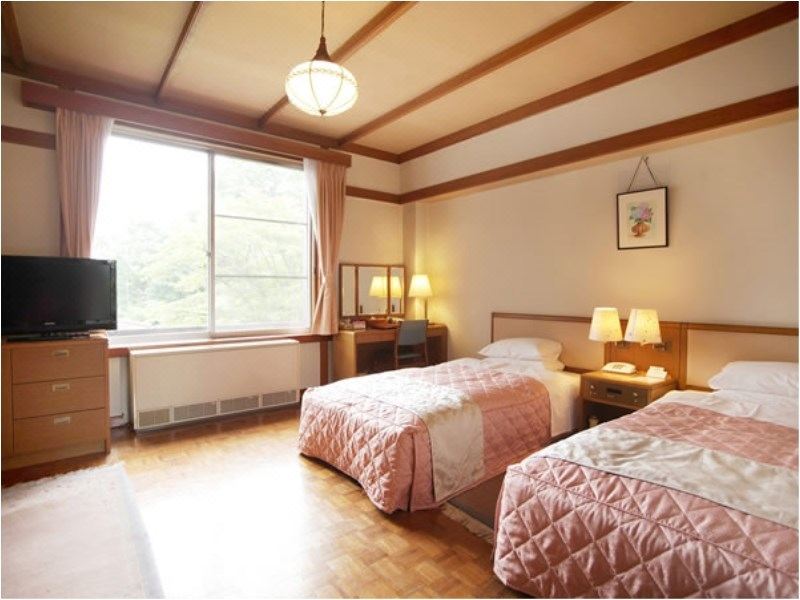
Rooms are spread across three buildings: the Main Building (1893), the New Building (1901) and the Annex (1935, most recently renovated in 2006). The total is 71 rooms, which is generous for a property of this character. Rooms in the Annex draw consistent praise for their size — noticeably larger than the Japanese hotel average — original parquet floors, thick curtains and period pendant lamps that make you feel you are reading in a room from the 1920s. Standard rooms start at around ¥20,000–25,000 per night without meals; packages including French dinner and breakfast run approximately ¥35,000–45,000 per night for two. Autumn foliage (October–November) and cherry blossom (April) see prices rise; booking 2–3 months ahead is recommended for those periods.
Some things worth knowing before you book, because this is a genuinely historic building. Rooms in the older wings can carry a slight musty note and some floors show a gentle slope — a characteristic the building has had for decades. A few reviewers also note that some bathroom fixtures have not kept pace with the rest of the renovation work. If this concerns you, specify the Annex Building when booking; the 2006 renovation is noticeably fresher. There is also the question of the shuttle bus: the service exists but its schedule is not clearly published online — call the hotel in advance rather than assuming it will be waiting at the station. The driveway up to the main entrance is steep, so arriving by taxi from Nikko Station is strongly recommended over walking with luggage. At ¥20,000–45,000 a night depending on meals, Kanaya sits in a price band where guests sometimes compare it against newer hotels with more polished facilities. The truth is that Kanaya does not compete on modern amenities — it competes on meaning. There is no onsen here, no spa treatment menu, no rooftop bar. What it offers instead is the chance to sleep inside a building that has been standing for over 150 years, in a room down the hall from where Ulysses S. Grant stayed in 1879. Whether that trade feels worth it depends entirely on what you came to Nikko for.
To put it plainly: Nikko Kanaya Hotel is not a modern luxury hotel, and it does not try to be. But if you came to Nikko for its history and want to feel that history from inside a room rather than just looking at it from a courtyard, there is nothing in the city that comes close. The night you spend at Kanaya is the night you tell people about — 'I slept in the hotel where Einstein walked the same corridor.' Some things simply cannot be replicated.
Summary from Booking & Agoda
- ✓ Historic atmosphere that no other property can replicate — you feel it the moment you walk into the lobby
- ✓ Walking distance to Shinkyo Bridge and all World Heritage shrines — no buses or taxis needed for sightseeing
- ✓ Main Dining Room French cuisine is consistently praised; Hyakunen Curry draws guests back specifically for it
- ✓ Room sizes are notably larger than the Japanese hotel average, especially in the Annex
- ! Older wings can carry a slight musty smell and some floors have a slight slope — request Annex if this matters
- ! Shuttle schedule is unclear online — call ahead rather than assuming pickup availability at the station
- ! Pricing feels high relative to the facilities on offer compared with modern competitors
- ✓ Living history you can actually touch — vintage photos of famous guests line the corridors, History House is free to visit
- ✓ French restaurant with a menu unchanged in its essentials for over a hundred years; Rainbow Trout is a must
- ✓ Walkable to every major World Heritage site in Nikko without needing transport
- ✓ Staff are warm and attentive — service quality consistently exceeds expectations for the price
- ! Some bathrooms in the older buildings are clean but visibly dated in their fixtures and design
- ! The driveway up to the hotel is steep — taxi from Nikko Station is strongly recommended with luggage
- ! Peak season (foliage, cherry blossom) rooms sell out fast and prices rise noticeably
- 💡If you are sensitive to musty smells or require a modern bathroom — specify the Annex Building when booking. It was most recently renovated in 2006 and is in noticeably better condition than parts of the Main Building. The Main Building has the most historic character but also shows the most age.
- 💡If you are travelling with young children or guests with limited mobility — the driveway to the hotel is steep and should not be attempted with heavy luggage on foot. Use a taxi directly from Nikko Station. The hotel has a shuttle service, but its schedule is limited and poorly communicated online — call ahead.
- 💡If your priority is a full resort experience with onsen, spa and modern wellness facilities — Kanaya does not offer that. It has an outdoor pool (seasonal) and billiards, but no hot spring and no dedicated spa. The Ritz-Carlton Nikko at Lake Chuzenji is the right choice if those facilities matter.