Lanyu IGANG Hotel — the most hotel-like stay on Orchid Island, highest score on Lanyu
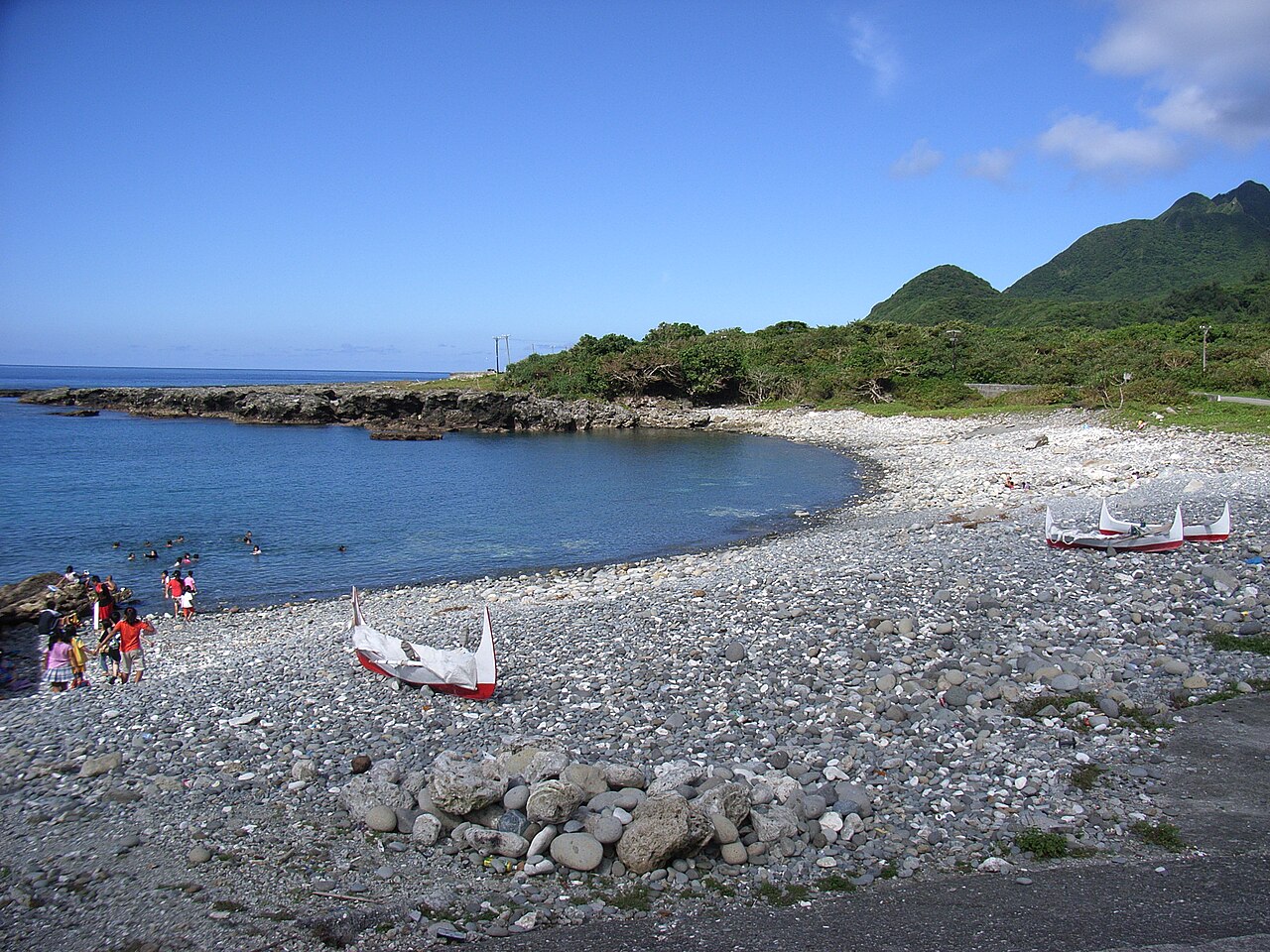
On an island where most lodging is still basic homestays, Lanyu IGANG Hotel (蘭嶼IGANG文旅) is the closest thing to genuine boutique-hotel infrastructure you will find on Orchid Island. It sits right on the beach in Iraralay (漁人), the fishing village of the Tao people, on the island's western flank. The name IGANG comes from the Tao language — it means "tribal coordinate," the large rocks fishermen once used as landmarks to navigate home. Step out of your room, and the Pacific is in front of you.
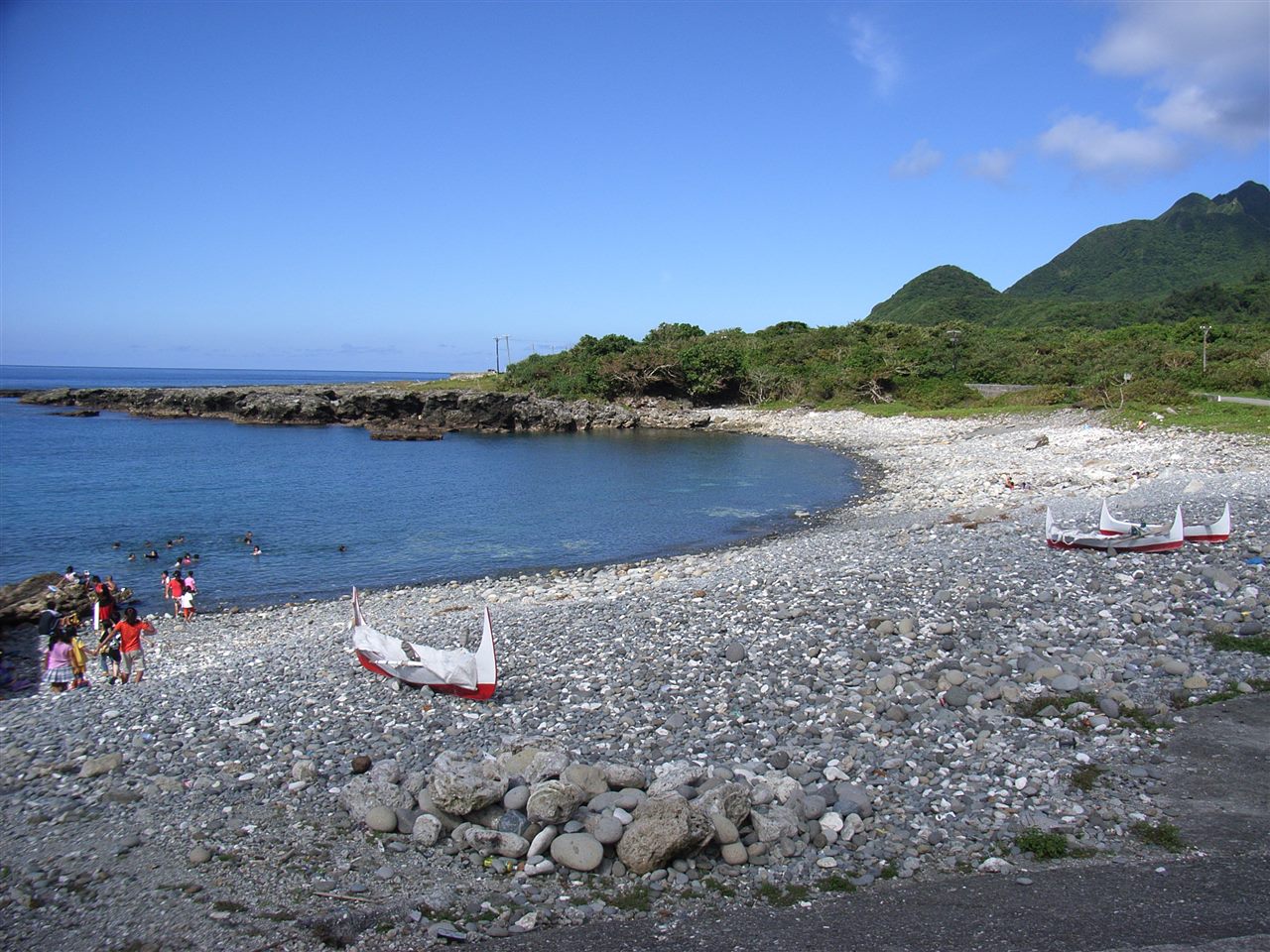
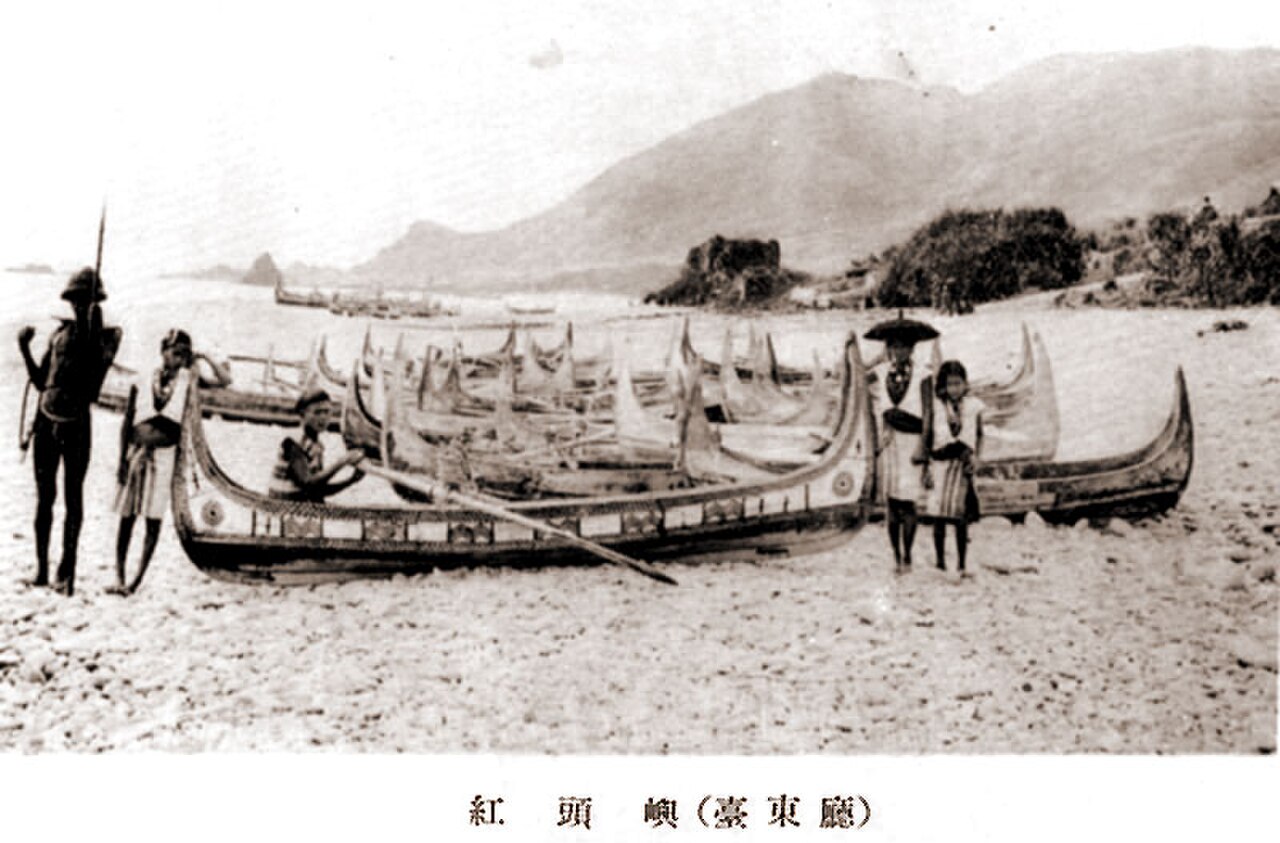
Orchid Island (蘭嶼, or Ponso no Tao in the Tao language) is a small volcanic island 64 km off Taiwan's southeastern tip. It is home to roughly 4,000 Tao (Yami) people, one of Taiwan's indigenous nations, whose culture revolves around fishing, traditional underground houses (jipanapan) built to withstand typhoons, and elaborately carved ceremonial canoes. Before you book IGANG, the first thing to understand is this: you are not going to a resort. You are visiting a living community, and that is precisely what makes it remarkable.
One guest recalls: "IGANG felt more like staying with a knowledgeable friend than a hotel. The host explained Tao traditions, pointed out where to snorkel, and the sunset from the lawn was the most beautiful they'd ever seen — stars absolutely everywhere that night."
The property has just two suites: the Humpback Whale Suite and the Ribbon Bird Suite, each sleeping up to four guests. Both are named after creatures sacred to the Tao people. Every room has a balcony facing the sea — you can watch the sunrise from bed — and the communal sunset lawn at the front of the building faces west, making it the ideal spot on this side of the island for a sundowner as the sky turns orange and gold over the Pacific.
What guests mention most consistently is the host. This is not a hands-off check-in operation. The host is the gateway to almost every meaningful experience on the island: mountain hiking (NT$400/person), deep diving (NT$2,600), night snorkelling, the rare Night Flying Fish Experience (NT$700/person), a tour of traditional underground houses (NT$300), traditional boat paddling (NT$600), and complimentary SUP. There's also a shared kitchen — genuinely unusual at this accommodation level anywhere in Taiwan — where guests can self-cater with groceries from the island's small market.
The hand-drip coffee reading lounge, positioned to catch the sound of the sea, reflects the philosophy of the whole place: slow down, listen, and stop performing tourism. Wi-Fi is free throughout, parking is free (scooters), rooms have private bathrooms, air conditioning, hair dryers and a washing machine. The facilities are solid for a boutique of this scale — well above what most island homestays provide.
A note on Tao cultural etiquette, which your host will also explain: The Tao people's underground houses (jipanapan) and ceremonial canoes (tatala) are not photo opportunities. Please do not photograph them without explicit permission. Do not enter a village resting pavilion uninvited, and do not join rituals or ceremonies unless specifically invited. These are not arbitrary rules — they are how a 4,000-year-old culture is preserved. IGANG's host will walk through all of this with you before you head out, and guests who approach the island respectfully consistently report the most rewarding experiences.
Iraralay village sits on the western edge of the island, conveniently close to Orchid Island Airport — the easiest side to reach on arrival day. The main season (April to September) brings calm seas, excellent snorkelling along the coral reef that surrounds the island, and the warm Japan Current flowing through. October to March brings frequent typhoons; most accommodation including IGANG may close temporarily during this period, and flights are often cancelled. Always confirm availability directly before booking any dates outside peak season.
At NT$3,000–5,000 per night, IGANG costs more than a standard Orchid Island homestay. But when you factor in the beachfront setting, the boutique finishes, the private sunset lawn, shared kitchen access, and the host's encyclopaedic knowledge of the island — all combined with the highest guest score on the island — IGANG is the most complete offering on Orchid Island for travellers who want genuine depth, not just a bed by the sea.
Summary from Booking & Agoda
- ✓ Highest-scored property on Orchid Island — guest quality ratings are consistently excellent
- ✓ Host is knowledgeable and genuinely welcoming — arranges Tao cultural activities and island guidance
- ✓ True beachfront in Iraralay — step off the property directly onto the sand
- ✓ Shared kitchen and communal vibe create a real sense of island community
- ! Only two rooms — books up fast, especially during peak summer season
- ! Located in Iraralay village, which some guests find a little isolated from other island facilities
- ! Priced above average for Orchid Island, though most guests consider it excellent value
- ✓ Truly beachfront — not just 'near the beach', you open the door and there is the ocean
- ✓ Host functions like the best local friend you could have — plans your entire island trip
- ✓ Rooms are clean and stylish, far above the standard of a typical Orchid Island homestay
- ✓ Complimentary SUP and several affordable activities bookable on the spot
- ! Only 2 rooms — book months in advance for any public holiday or long weekend
- ! Getting to Orchid Island itself takes planning (flights or ferry from Taitung) — factor this in
- ! Oct–Mar typhoon season means potential closures; always confirm with the property directly
- 💡Small sample size (46–55 reviews) — the score is excellent but fewer reviews than most mainland hotels mean individual experiences have more weight → read the most recent reviews before booking to confirm current quality
- 💡Closed in winter (October–March) — typhoons are frequent and flights to the island are often cancelled → plan your visit between April and September for reliability
- 💡You're staying in a living Tao community — cultural protocols apply: no photographing underground houses or ceremonial canoes without permission, no entering village pavilions uninvited → your host will brief you; follow the guidance and you'll have a far richer experience