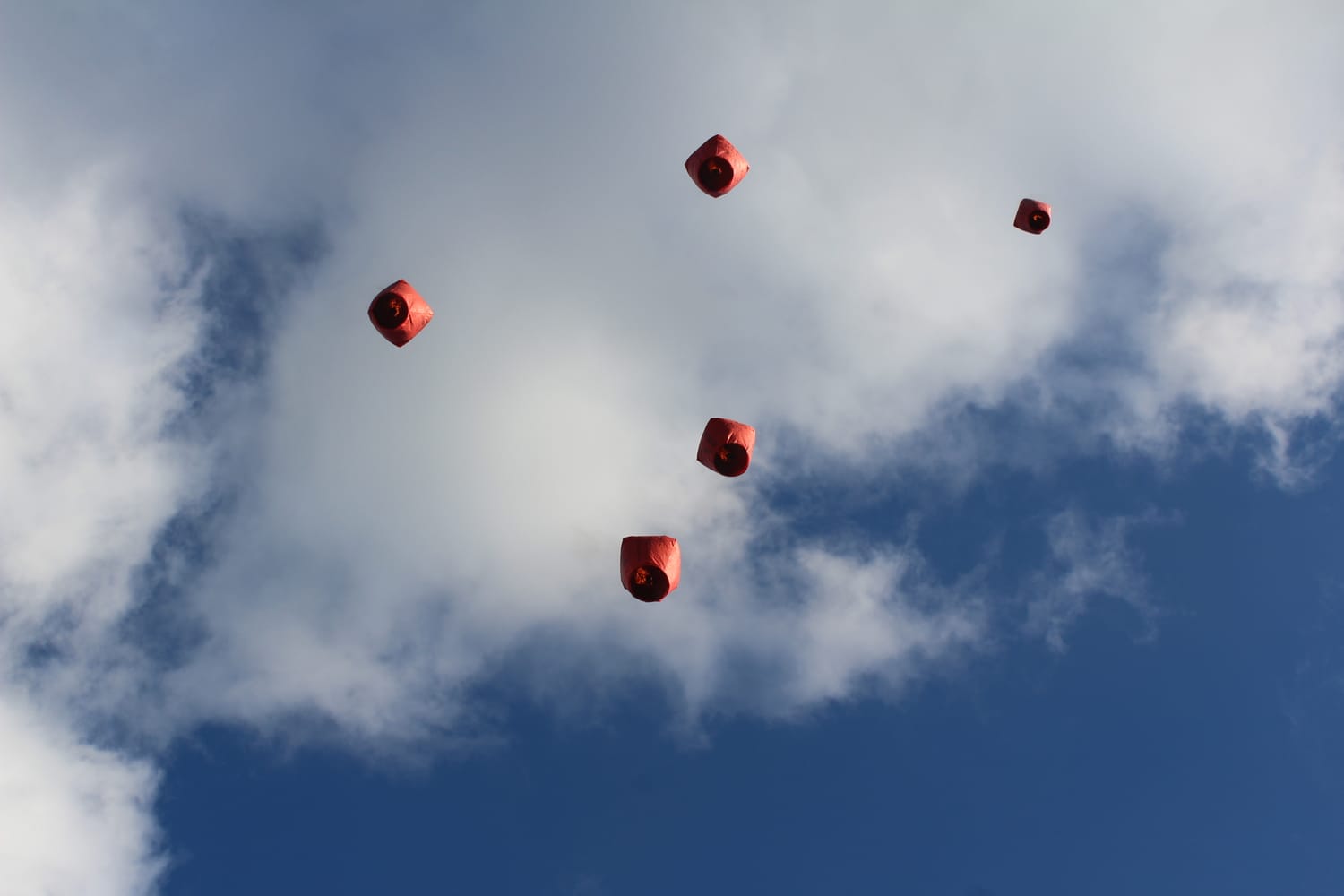
In a former coal-mining valley northeast of Taipei, a little train rumbles slowly past towns where time seems to have stopped — and there is one ritual that draws travellers from across the world. You write a wish on a paper lantern, light the flame, and let go, watching your own lantern climb until it is just a small orange dot in the dark sky. We map out the whole Pingxi Line day trip for you, from the first train out of Taipei to the festival night when hundreds of lanterns rise at once.
About 90 minutes northeast of central Taipei, in the Pingxi District (平溪) of New Taipei City, a narrow valley once thrived on coal mining a century ago. The mines closed long ago, but the valley still lives on one thing — the sky lantern (天燈, tiandeng), a square paper lantern with a flame lit inside so the rising hot air carries it up like a tiny hot-air balloon. As local legend tells it, valley villagers once used these lanterns as a signal that it was "safe to come home" after hiding from bandits in the forest. Over time it became a tradition of sending hopes and blessings up to the sky.
What makes Pingxi special is that you don't just watch — you do it yourself. You pick a lantern colour that matches your wish (each colour carries a different meaning: red for health, pink for love, yellow for wealth), dip a brush in ink and write your wish across all four sides of the lantern. Then the shopkeeper lights it and photographs the moment you let go. The whole experience is tied to the Pingxi branch railway line, a tiny single-track line the Japanese built in 1921 to carry coal. Today it is a slow, scenic tourist train that trundles through small valley towns. This guide covers everything — how to ride the train, the one-day pass, the stops worth visiting, how to release a lantern, the festival, and an honest look at the environmental side before you go.
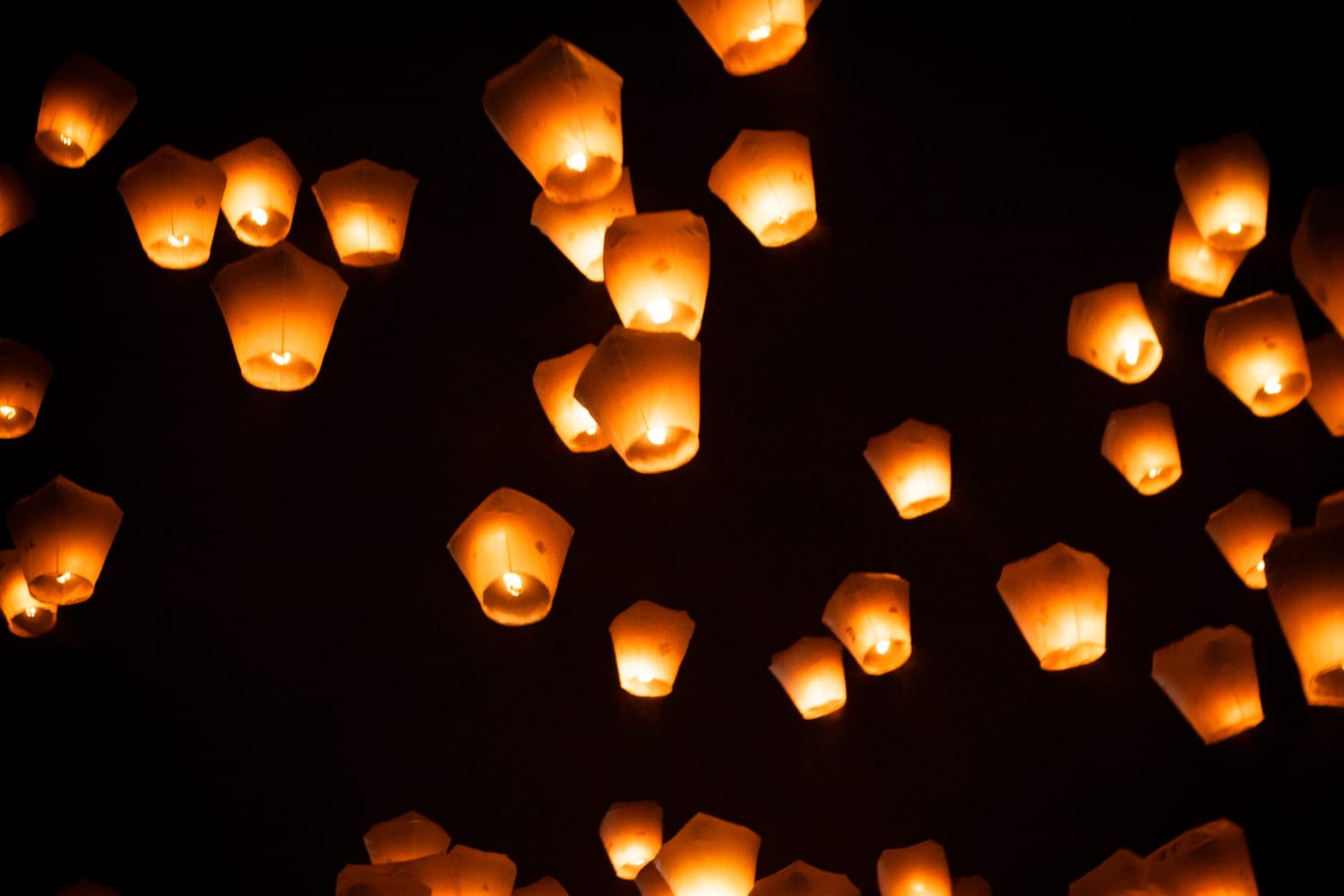
Sky lantern release in Shifen (approximately NT$200-400) or a full Klook day tour with hotel pickup + Jiufen + lantern release in one go — no need to figure out the TRA + bus connection yourself.
The Pingxi day trip is all about the train — a TRA mainline service takes you to the mouth of the valley, then the little Pingxi branch line climbs in, one station at a time.
Always check train status before you go: the Pingxi Line is a single-track branch line deep in the valley and has closed for repairs at times after typhoon damage, with replacement shuttle buses running instead. Before you travel, check the Taiwan Railways (TRA) website to confirm the Pingxi Line is running normally — especially after a storm or around festival dates.
The Pingxi Line has several stations, but these four are the ones travellers stop at most — listed in order from the mouth of the valley inward.
Stop 1 · Closest to Ruifang
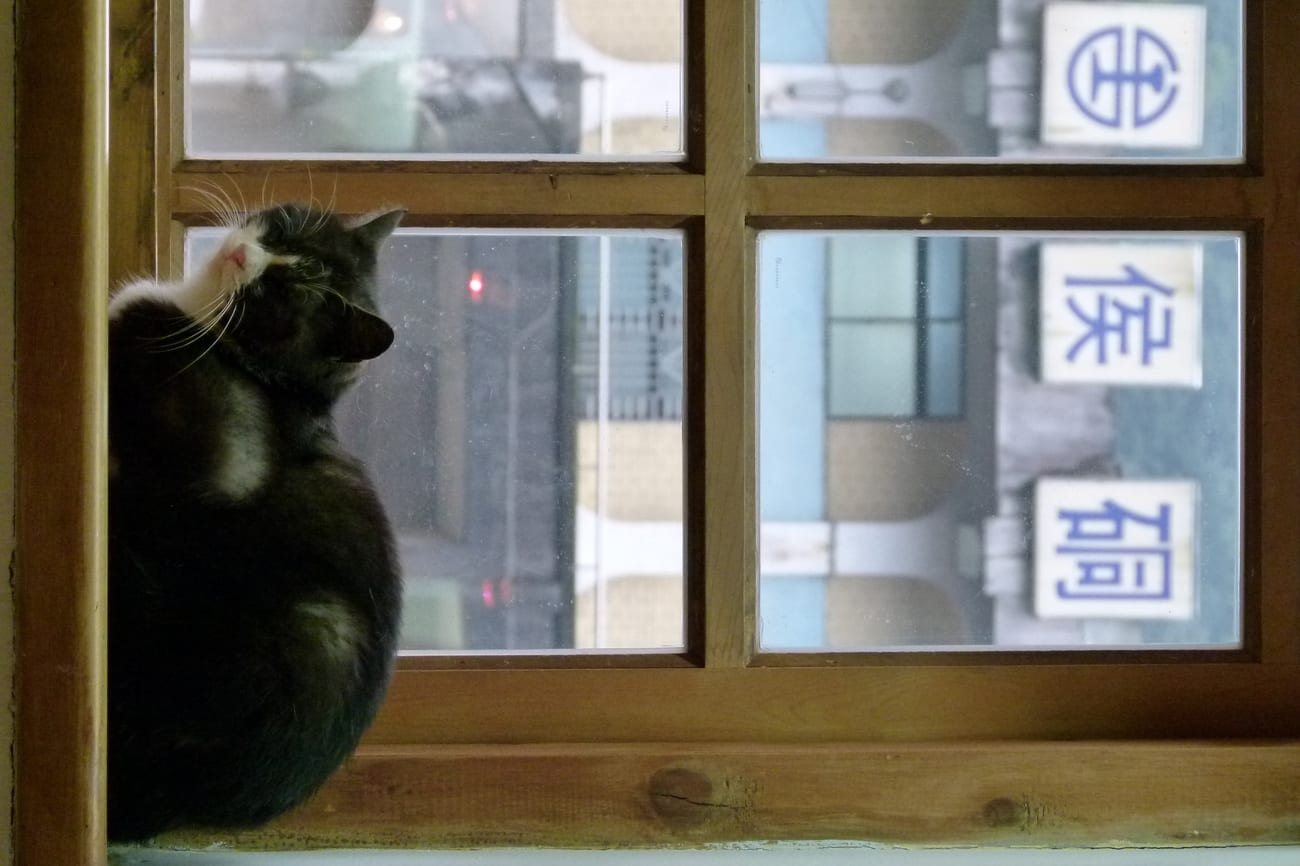
The first stop on the Pingxi Line, just about 6 minutes from Ruifang. Houtong was once Taiwan's largest coal-mining town; today it is the famous "Cat Village", home to well over a hundred resident cats. There is a cat-shaped footbridge over the tracks, cat-themed shops, and the relics of the old coal-washing plant to explore.
An honest note: the cats are cared for and fed at set points — please don't pick them up, feed them yourself, or make loud noise. Allow about 1–1.5 hours.
The most famous and most crowded stop on the line. Shifen Old Street runs right alongside a still-active railway track — people release lanterns straight off the rails and step aside when a train comes through, the image most associated with this area. Nearby is Shifen Waterfall, the widest waterfall in Taiwan, a short walk from the station.
An honest note: Shifen gets extremely crowded at weekends. Wherebest has a separate Jiufen + Shifen day-trip guide with full detail on Shifen and the waterfall.
Stop 3 · Namesake of the Line
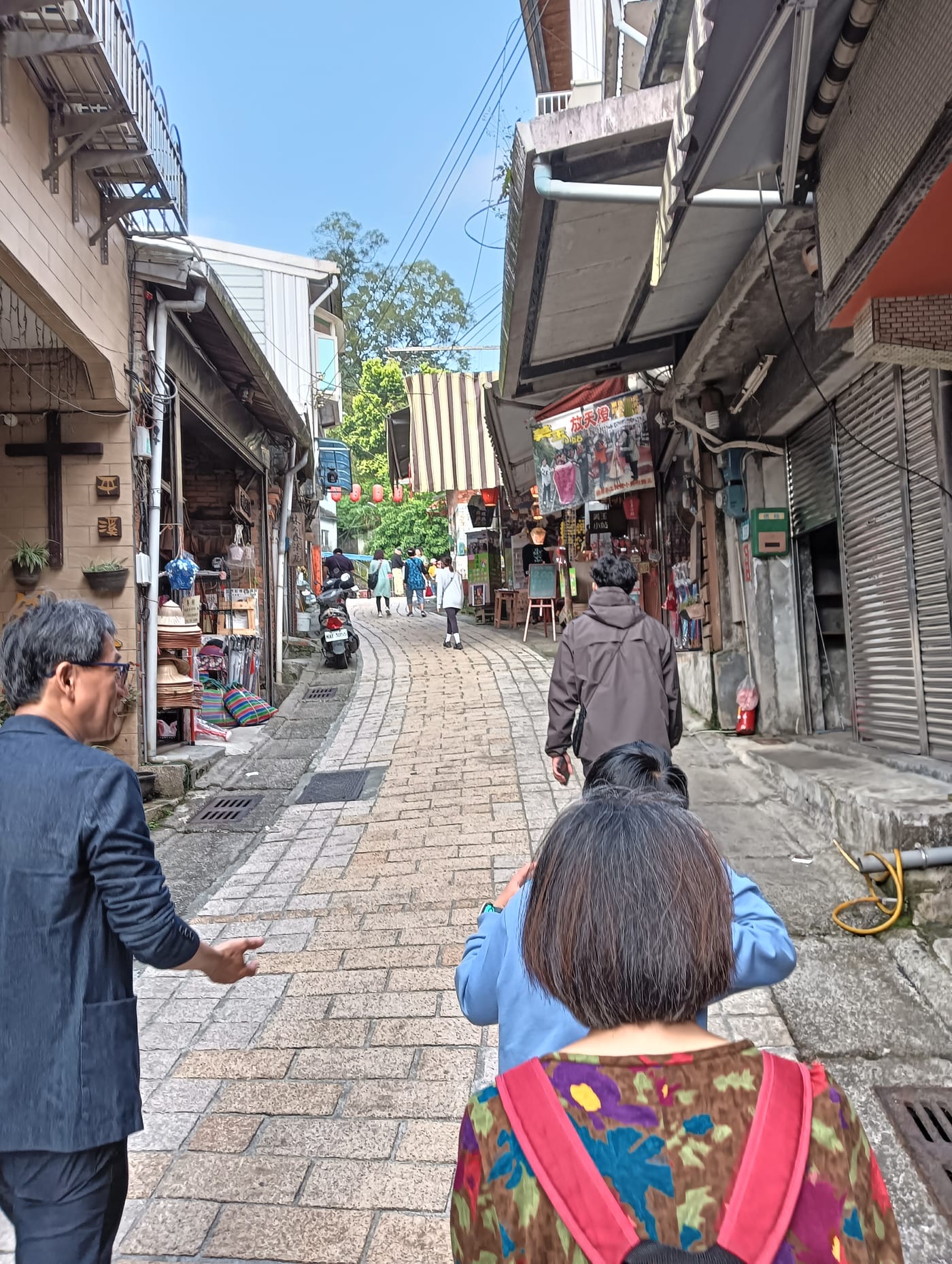
The town that gives the whole line its name. Pingxi Old Street is a narrow lane climbing the hillside, lined with old houses, lantern shops and local eateries. The classic photo spot is the point where the elevated railway track crosses over the town rooftops — you can stand and wait for a train to pass right above your head.
An honest note: Pingxi is much quieter and less crowded than Shifen — great if you want to release a lantern in a calm setting. Some shops close on weekdays.
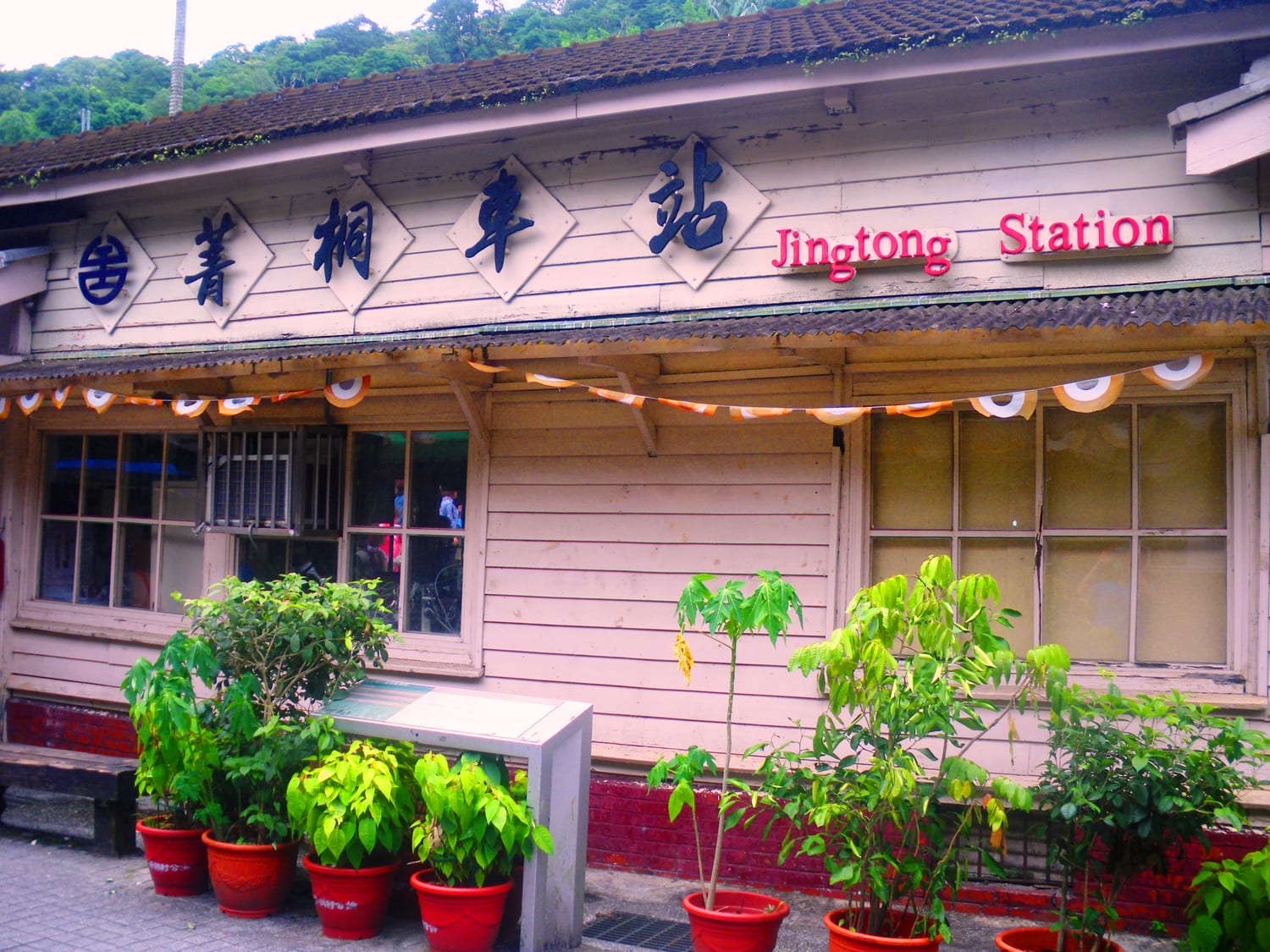
The end of the Pingxi Line. The station building is a wooden structure the Japanese built in the 1930s and is still in use — one of the few wooden railway stations left in Taiwan. Around it you'll find Jingtong Old Street, old mine-works ruins, and the local tradition of writing a wish on a bamboo tube (竹筒) and hanging it up in place of a lantern.
An honest note: Jingtong is the quietest station, a fitting end to the line. It is the turnaround point — check the return timetable carefully.
There are smaller stops to explore too: beyond the four main stations, the Pingxi Line has smaller stops that nature lovers enjoy, such as Sandiaoling, with a lovely three-tier waterfall hike, and Wanggu, with small waterfalls. With a one-day pass you can add these freely — but some hiking trails close for repairs, so check first.
You can release a lantern year-round, no festival required — the process is simple, and the shopkeeper helps you with every step.
Lantern shops line the old streets of Shifen, Pingxi and Jingtong, open roughly 09:00–19:00. A lantern comes in many colours, and each colour carries a different meaning — red for health, pink for love, yellow for wealth, purple for study, blue for career. You can pick a single-colour lantern or a multi-colour one (each side a different colour).
The shop spreads the lantern out on a frame and gives you a brush and ink — write your wish or draw on all four sides of the lantern. Any language is fine: write your name, a wish, or a message to someone you love. Take your time with this part — it is the heart of the whole experience.
At Shifen, lanterns are released on the railway tracks (staff watch for safety and the train schedule). The shopkeeper lights the fuel beneath the lantern so hot air begins to fill it, and meanwhile takes photos and video on your own phone for free — the service is included in the price.
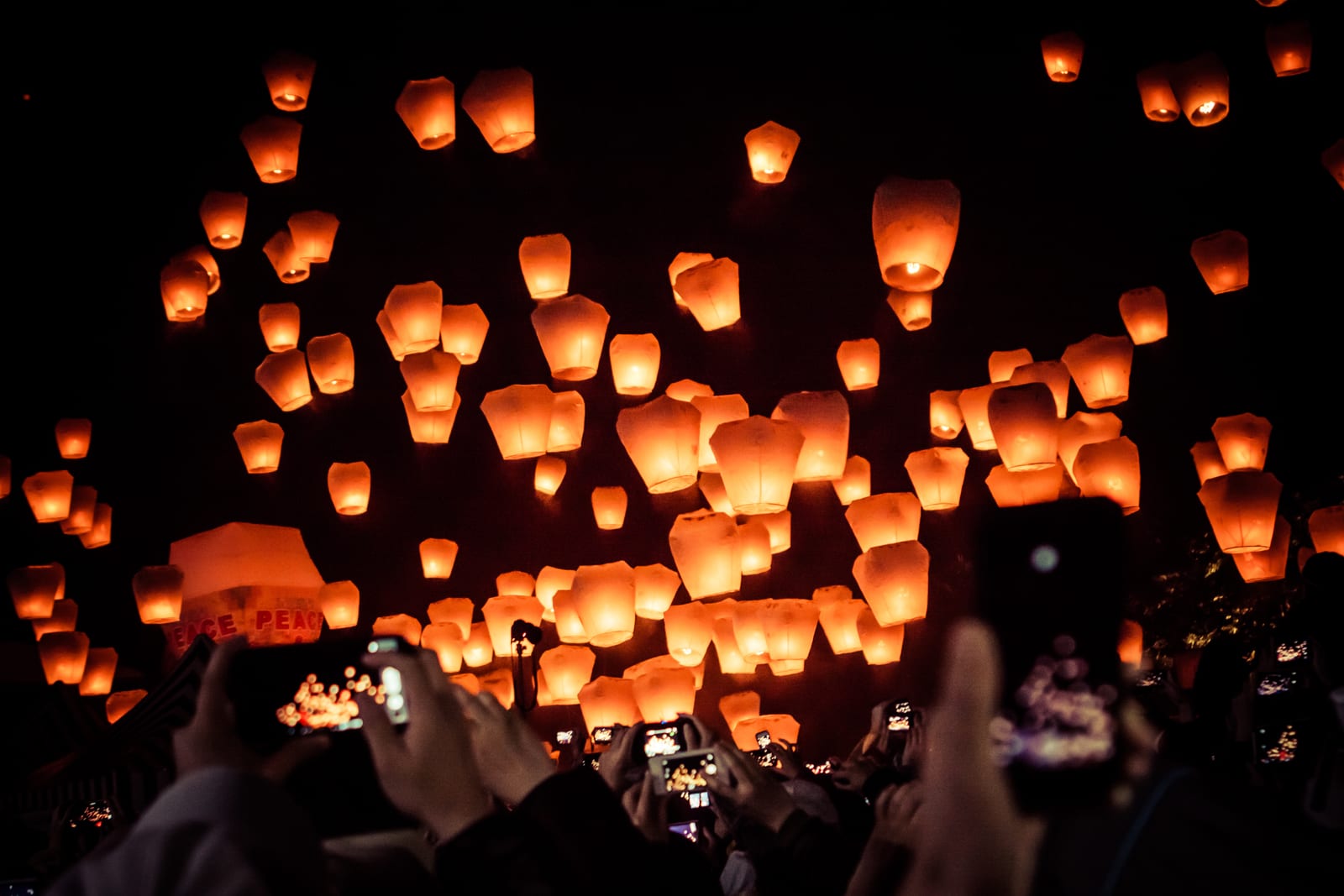
As the lantern starts to pull upward, the shopkeeper tells you to let go together. The lantern rises slowly over the valley; many people stand and watch until it becomes a tiny orange dot and disappears into the sky. It is an unexpectedly quiet, moving moment.
Rough pricing: a single sky lantern costs about NT$150–200, depending on whether it is a single colour (cheaper) or multi-colour (pricier) — the price includes the brush, ink, lighting service and photos. Prices vary slightly by shop and time of day, so ask before you start writing. One lantern can be shared and released by several people, so it works well for a group.
Once a year, around the Lantern Festival (the 15th day of Lunar New Year), Pingxi hosts a mass lantern release — one of the most spectacular festivals on earth.
The Pingxi Sky Lantern Festival (平溪天燈節) is held around the Lantern Festival, which falls on the 15th day of Lunar New Year. In the main ceremony, lanterns are released en masse in waves — hundreds rising together in a single beat. The sight of hundreds of orange lanterns ascending over the dark valley at once has earned the festival a place on many "see it once in your life" lists. For 2026, the festival is held on two dates: February 27 in Pingxi District and March 3 at Shifen Square, with mass releases running roughly between 17:00 and 20:00.
If you want to release a lantern in the official ceremony yourself, you need a voucher — there are two ways to get one. (1) Pre-register online through the festival's official website (a fee applies), then exchange the activity number for a lantern voucher at a service counter in the afternoon on the day. (2) Free on-site vouchers are handed out in very limited numbers from around 10:30 on a first-come, first-served basis. One voucher covers one lantern shared by up to four people. Visitors without a voucher can still watch the mass release for free — and even just watching is well worth the journey.
Spectacular — but it takes serious planning: on festival day the crowds run into the tens of thousands, and return trains on the Pingxi Line can have multi-hour queues — people have waited hours at Shifen Station as full trains passed by. Restroom and food lines are long. Late February to early March weather sits around 15–20°C with possible drizzle, so plan for a late return, bring warm and rain-proof layers, and avoid bringing young children or elderly travellers if they can't handle dense crowds. If you simply want to release a lantern in comfort, a normal weekday is far better than festival day.
Sky lanterns are genuinely beautiful, but they do carry an environmental cost — we believe being honest about it helps you choose to release one more responsibly.
When a lantern's flame burns out, the lantern itself falls into the forests and streams around the Pingxi valley. The paper and the wire frame do not break down easily. It is estimated that hundreds of thousands of lanterns are released in Pingxi every year, leaving tens of tonnes of debris in the surrounding hills — which can harm wildlife and add to fire risk. This is a long-standing criticism, and it is a real one worth knowing.
On the other side, there are concrete efforts to address the problem. New Taipei City has set up lantern-shell collection points and offers shopping discounts at Pingxi businesses to tourists who return lantern debris. Some elderly local residents collect fallen lantern shells from the hills as a small income. And biodegradable, eco-friendly lanterns have been developed, designed to burn up completely or break down on their own without leaving litter. If you do decide to release a lantern, we suggest you look for shops selling eco-friendly lanterns, release only at the designated spots, release just what you need, and return any debris if you see a collection point — releasing one lantern with intention is better than releasing several without a thought.
The trick is to ride all the way to the terminus first, then stop off station by station on the way back — outbound trains are emptier and the timetable is easier to manage.
Head to Taipei Main Station, board a TRA local train toward Keelung/Su'ao, and get off at Ruifang in about 40–50 minutes. At Ruifang, buy the NT$80 Pingxi Line one-day pass at the ticket window, and photograph the timetable.
Get on the Pingxi Line and ride all the way to the terminus, Jingtong, first. Explore the old wooden station, Jingtong Old Street, and write a wish on a bamboo tube — arriving early means Jingtong is still quiet and easy for photos.
Take the train back and get off at Pingxi. Wander the steep old lane, wait for a train to cross the rooftops, and release a lantern here in a quieter setting than Shifen if you want to avoid the crowds.
Continue to Shifen, the liveliest stop. Release a lantern on the railway track running through the old street, grab some street food, then walk to Shifen Waterfall, the widest waterfall in Taiwan.
Before heading home, stop at Houtong Cat Village — cross the cat-shaped bridge and say hello to the hundred-plus cats, then take a short ride back to Ruifang and a TRA train to Taipei. Or, if you still have energy, continue to Jiufen for its red-lantern lanes at dusk.
Everything hinges on the timetable: Pingxi Line trains run only about once an hour, so the times above are a rough guide only. The key is to plan around the actual timetable for the day, don't pack the schedule too tightly, allow waiting time at every station, and check the last return service from Jingtong/Shifen carefully — don't miss the final train.
Pingxi and Jiufen are close together and both branch off at Ruifang Station — so most travellers pair the two into a single day trip.
Because both Pingxi and Jiufen start from Ruifang Station, the most popular day-trip formula is to ride the Pingxi Line during the day and finish at Jiufen at dusk. Use the daylight hours to release lanterns and ride the Pingxi Line at a relaxed pace, then in the evening take a bus or train back to Ruifang and head up to Jiufen — a mountain town of red-lantern lanes and old teahouses, at its most beautiful when all the lanterns light up. Wherebest's full Jiufen + Shifen day-trip guide lays out the connections and timing in detail.
If you'd rather travel in comfort and save time, many people choose a van tour combining Pingxi/Shifen with Jiufen in one day, with a driver taking you to each stop in order — no need to gamble on the Pingxi Line trains that run only once an hour. It is especially worthwhile if you are travelling with elderly relatives or young children, or on a tight schedule.
There are van day tours that combine Pingxi/Shifen lantern releases with Jiufen in a single day — compare prices and departures on Klook (this is an affiliate link; we may earn a commission at no extra cost to you).
Keep exploring around Taipei — pair it with Jiufen, add the Yehliu rock park, or browse every top sight in the city.
Pingxi's natural partner — Shifen sits on the same Pingxi Line, finishing in Jiufen's red-lantern lanes at dusk.
See the One-Day Guide →A sea-carved rock cape north of Taipei — hunt down the Queen's Head and pair it with Pingxi on a north-coast day.
See the Yehliu Guide →All the best things to see in Taipei in one place — temples, towers, markets and mountains, with how-to-get-there and tips.
See Taipei Attractions →Hotels along the Pingxi Line fill fast on festival nights. Jiufen — just 30 minutes away — is the best base: sea-view B&Bs, peaceful mornings, and no Pingxi-area inventory scramble.
7 Jiufen sea-view B&Bs (30 min to Pingxi) + 1 Taipei train-hub hotel — hand-picked for the Feb 27 + Mar 3, 2026 festival nights. Something Easy Inn · Ocean Theory · Sunshine B&B · HappyLand · Twilight House · citizenM North Gate.
See 8 Base Hotels for the Festival →The Pingxi Line passes several villages including Shifen — read our comparison to pick the best stop for your one-day trip.
Compare 3 old towns north of Taipei — atmosphere, crowds, prices, and an honest answer to "Can I do all 3 in one day?"
Read the comparison →Pingxi is the day to ride a slow train and not rush — open the full Taipei city guide to plan every day, or find a well-placed hotel to use as your base.