Otaru is small enough to walk across in half an hour — but the area you pick still determines whether you see the canal at the right time, sleep above hot springs, or step straight onto a ski slope. Here is how to choose.
Otaru is not a city where you get lost choosing neighbourhoods. Everything fits within a 20-minute walk. But the feeling of where you sleep is meaningfully different depending on which part of the city you choose — and that difference can make or break the photographs and memories you take home.
Stay near the canal and you step outside into gas-lamp light reflecting off 1923 stone warehouses the moment the crowds thin in the evening. Stay near the station and you get a larger range of hotels, in-house natural hot-spring baths, and an immediate connection to the train back to Sapporo. Pick Sakaimachi and your mornings start among glass workshops and Meiji-era merchant buildings. Choose Asarigawa and you leave the city entirely for a quieter onsen village with a ski run next door.
We've split the city into four distinct areas, with the honest trade-offs and real reviewed hotels in each. No area is wrong — it depends entirely on what kind of trip you want.
For the majority of visitors, staying close to JR Otaru Station makes the most practical sense. The canal is a 10-minute walk. Sakaimachi Street is 15 minutes on foot. You catch the train back to Sapporo directly without carrying luggage across town. And several hotels here have rooftop natural hot-spring baths — meaning you get the onsen experience every night without leaving the building. Room rates start around ¥8,000–12,000 per night, covering a wider range than the Canal District.
The anchor hotel for this area: Dormy Inn Premium Otaru — rooftop natural hot spring, directly across the street from the station, and consistently one of the highest-rated properties in the city (9.2).
See the full Otaru city guide →Honest vibe, access notes, and real reviewed hotels — with links to the full reviews.
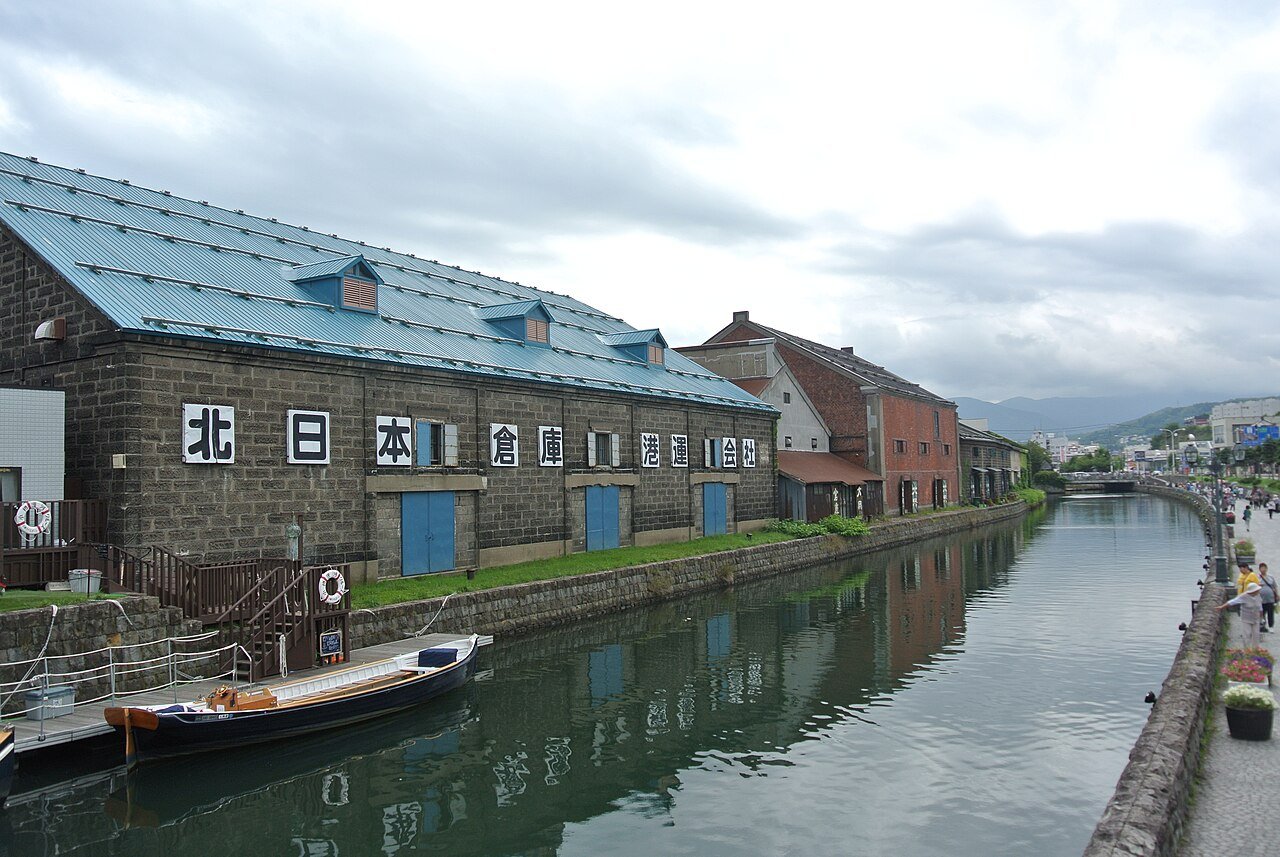
Area 1
Right for: Anyone who wants to step outside their hotel and be standing at the edge of the canal. Otaru Canal was built in 1923 during the city's heyday as Hokkaido's trading hub; the restored stone warehouses now line a promenade that is genuinely beautiful after dusk when the gas lamps come on and the day-trippers from Sapporo have gone. Staying here means you see that version of the canal rather than rushing to get there. The trade-off: rooms cost roughly 20–40 percent more than equivalent properties near the station.
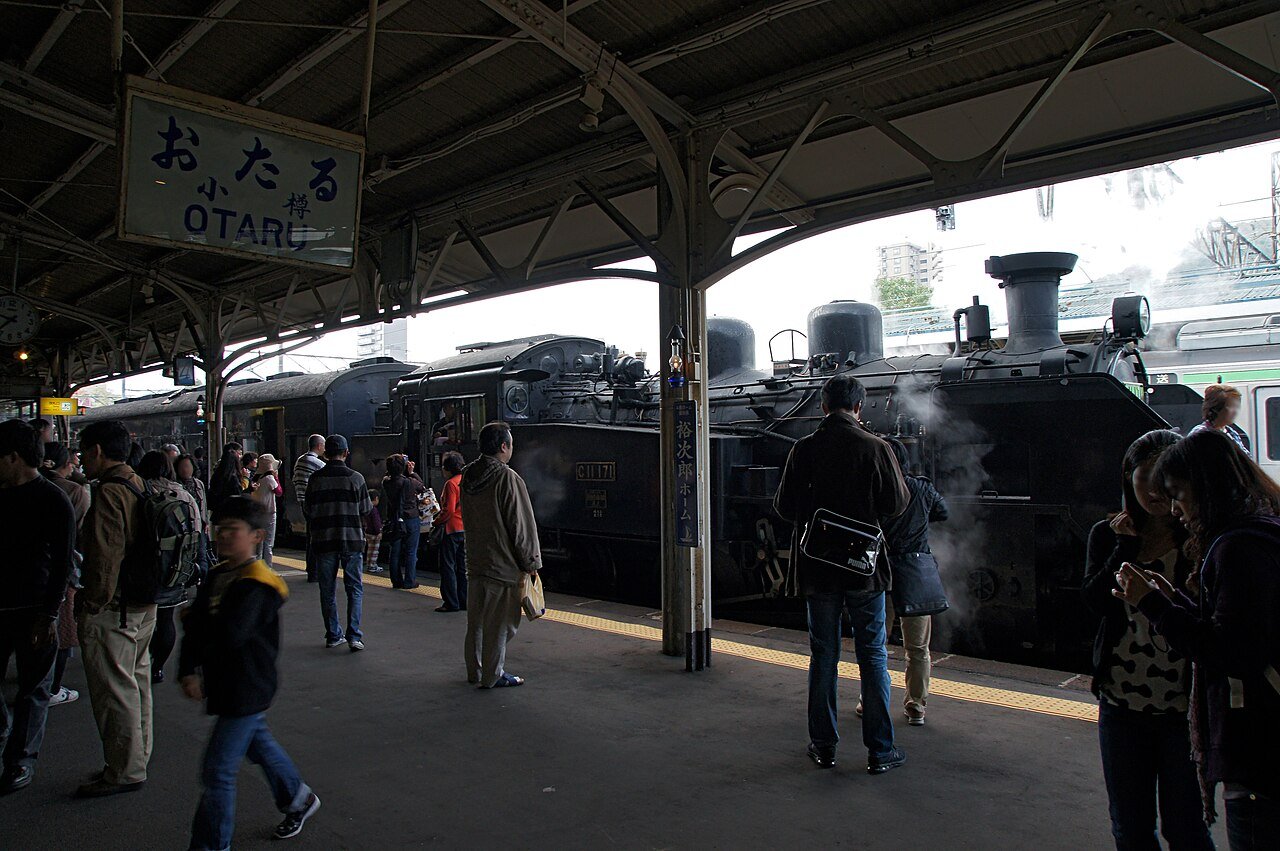
Area 2
Right for: Travellers who want practical convenience and value — everything is walkable from here, heavy luggage is no problem when the platform is 30 seconds away, and several hotels have natural hot-spring baths built in. You arrive, drop your bags, and every major sight is under 15 minutes on foot. Hotels in this area run from budget guesthouses to well-rated 4-star properties, giving you the widest range in the city.
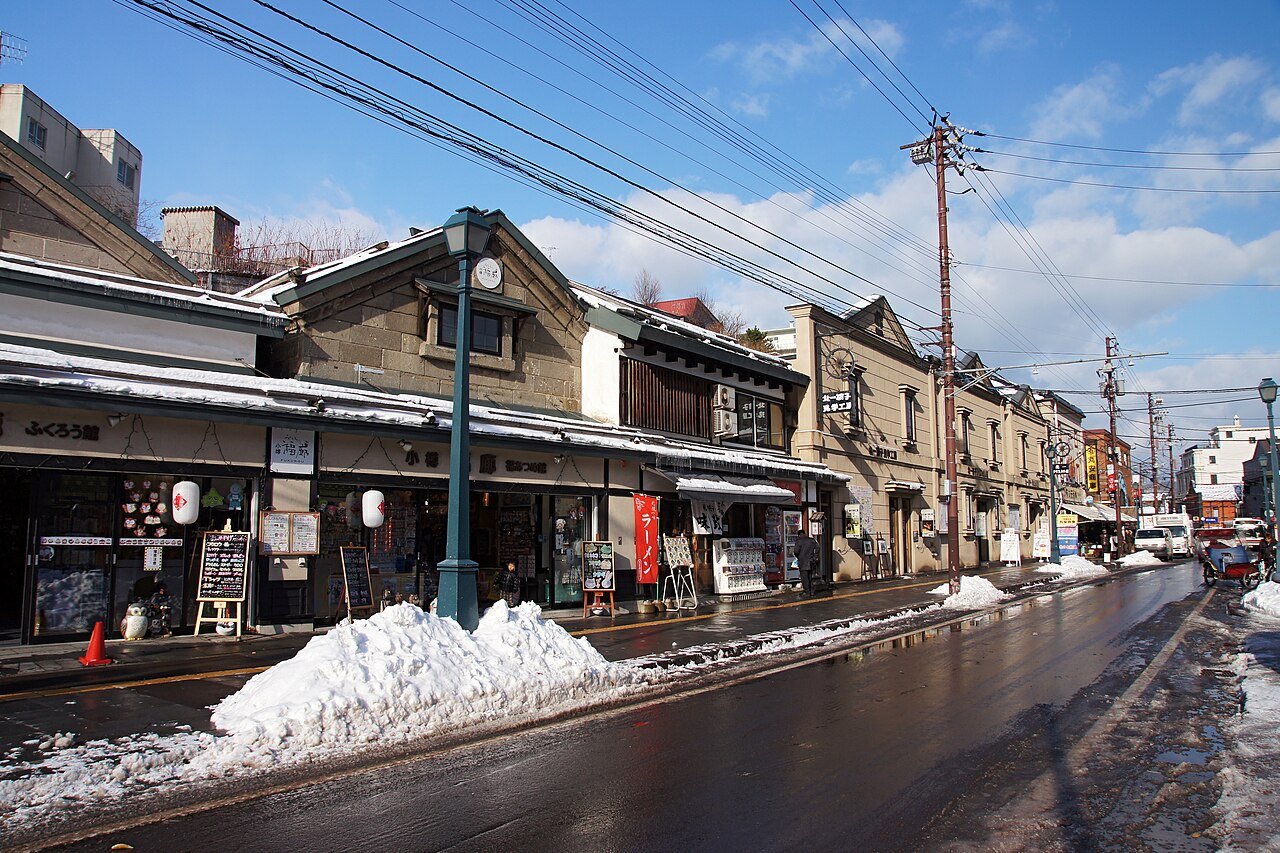
Area 3
Right for: People who want to be immersed in Otaru's craft identity rather than its canal. Sakaimachi is the preserved merchant street where Meiji-era bank and trading buildings have been converted into Otaru glass workshops, Kitaichi Music Box Museum, and seafood restaurants. It quiets down after 5 pm, which some people find a downside and others find a reason to stay. Minami-Otaru Station puts you five minutes from the middle of the street.
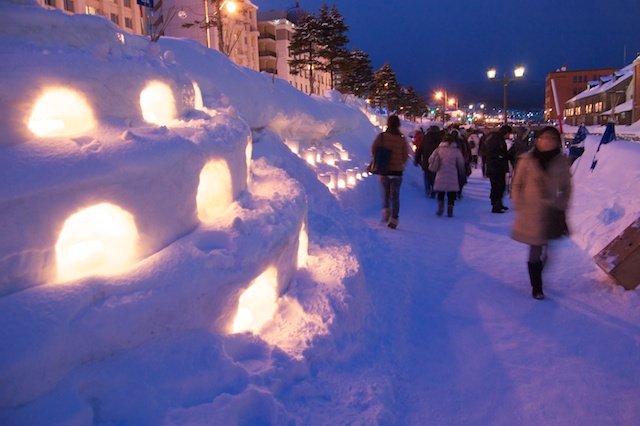
Area 4
Right for: Travellers who want to leave the city entirely for a quieter onsen and nature setting. Asarigawa Hot Spring is about 20–25 minutes from JR Otaru Station by car — a proper resort valley with ryokan and hotels built around natural hot-spring water, and a ski slope immediately adjacent in winter. Packages often include dinner and breakfast as well as onsen access. This is the right choice if skiing or a true ryokan night is the priority, not if sightseeing in the city is.
Budget hotels near the station start around ¥7,000–9,000 per night (roughly US$50–65) and often include onsen access. Read the Dormy Inn Premium Otaru review for a detailed example of what you get at that price point. If you want the canal setting, expect to pay 20–40 percent more. For a full ryokan experience at Asarigawa Onsen, rates typically start around ¥15,000–20,000 per person with two meals.
All three of our reviewed Otaru hotels sit in the central area between the station and the canal: Authent Hotel Otaru (9.1) · Dormy Inn Premium Otaru (9.2) · Hotel Nord Otaru (9.1). Pick the one that best matches your style.
Otaru's entire central area is within walking distance of the same cluster of restaurants — the Sushi Street (Sushiya-dori) and Sakaimachi Street seafood shops are the two main corridors. From any hotel in the Station, Canal, or Sakaimachi areas you can reach either on foot within 10–15 minutes. See the Otaru city guide for specific restaurant recommendations.