12 Nagoya Meshi you must try
Ranked by how essential they are and how impossible they are to find outside Aichi — some you can only eat here, nowhere else on earth
 1
1
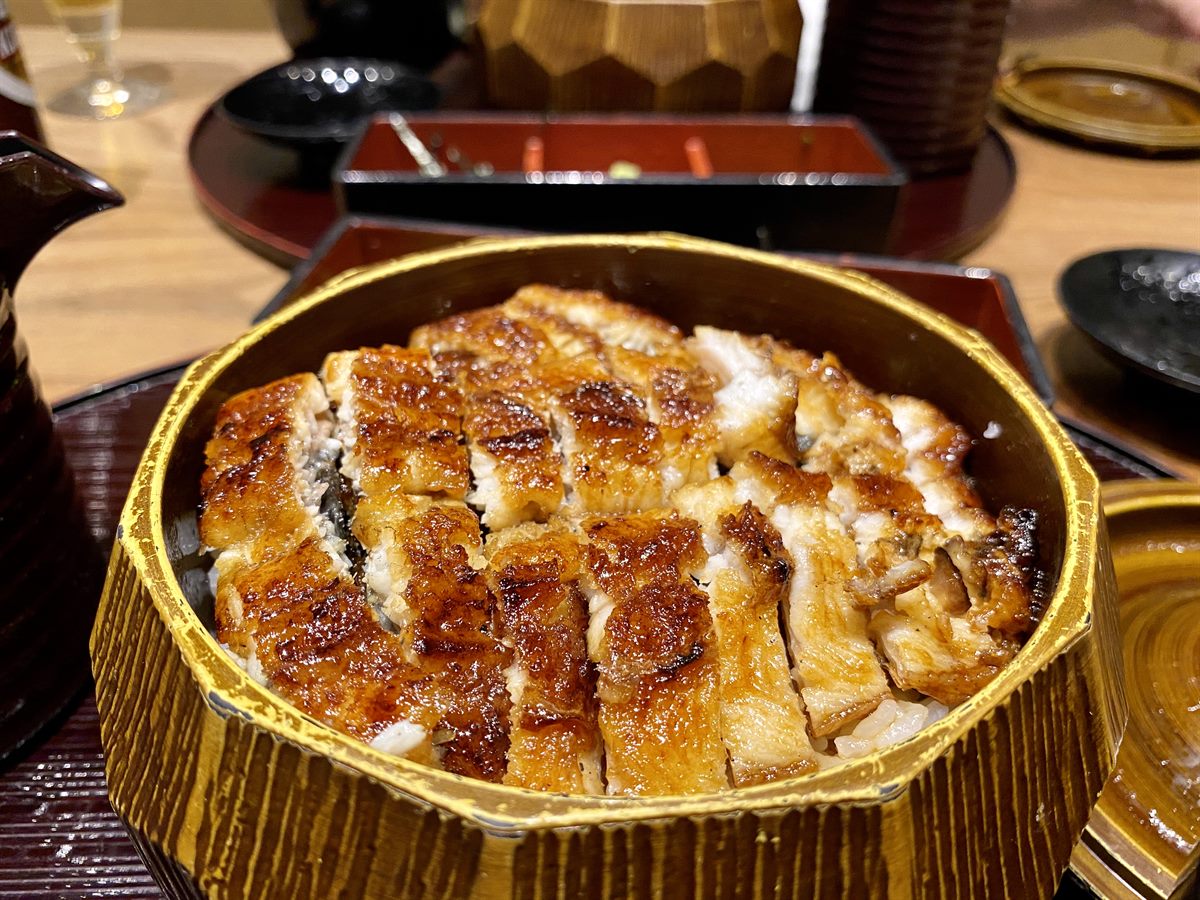
If there's one dish you must eat in Nagoya, it's Hitsumabushi — eel (unagi) grilled Nagoya-style, then chopped into small pieces and laid with sauce over rice in a round wooden tray called a "hitsu." The fun is the three ways to eat it from one bowl: portion one — eat the eel with plain rice to taste it raw and unadorned; portion two — add condiments (wasabi, spring onion, seaweed) for more complex flavour; portion three — pour hot dashi over it to turn it into a deeply comforting Ochazuke. Three ways in one tray means you never tire of this bowl from the first spoonful to the last.
 2
2
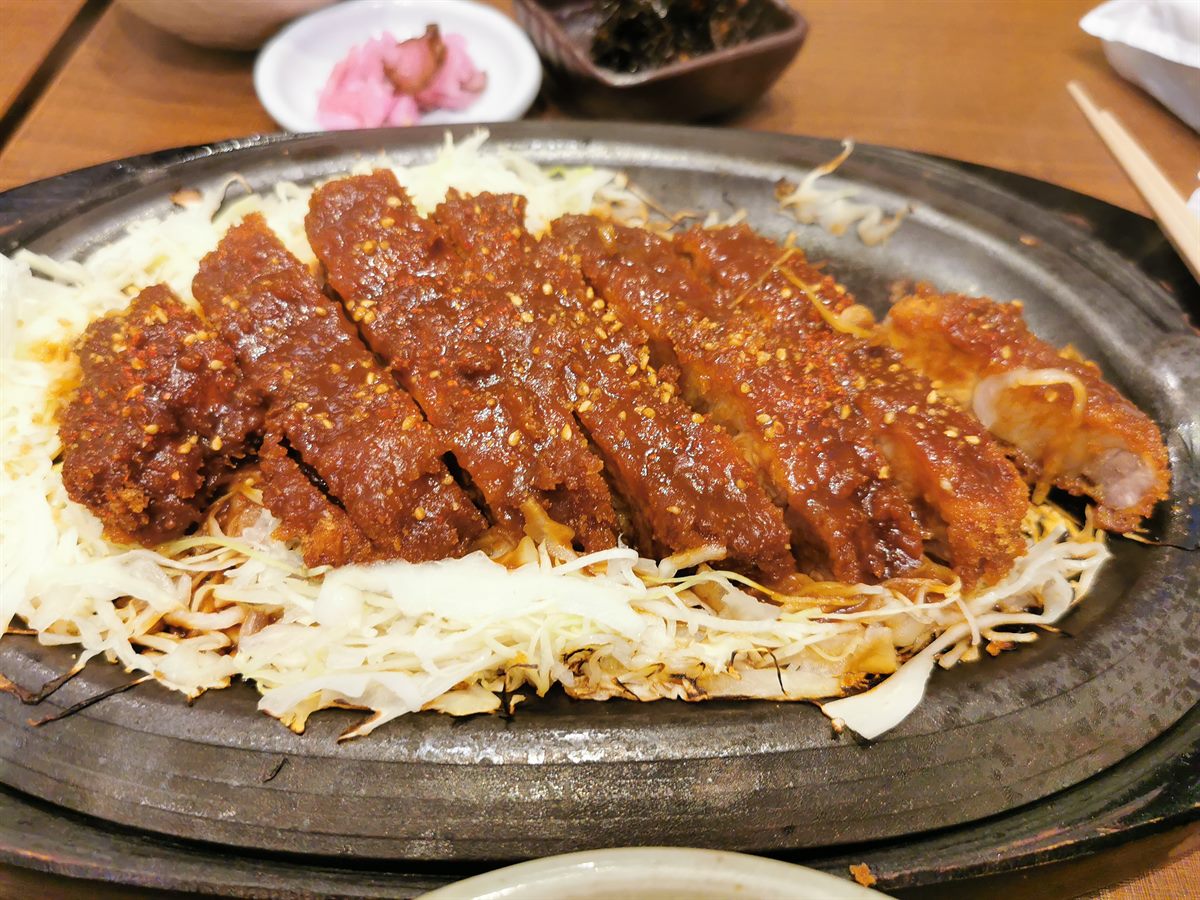
Ever eaten ordinary tonkatsu and felt the sauce was missing something? Try Miso Katsu and you'll know the answer — the same crispy breaded fried pork, but the sauce is thick, viscous Hatcho Miso simmered with sugar and sake, coming out heavy, glossy and dark brown, coating every piece of pork evenly. The flavour is sweet and deeply umami at the same time. Believe it or not, you can polish off a big plate of white rice with this sauce on your own and never feel weighed down.
 3
3
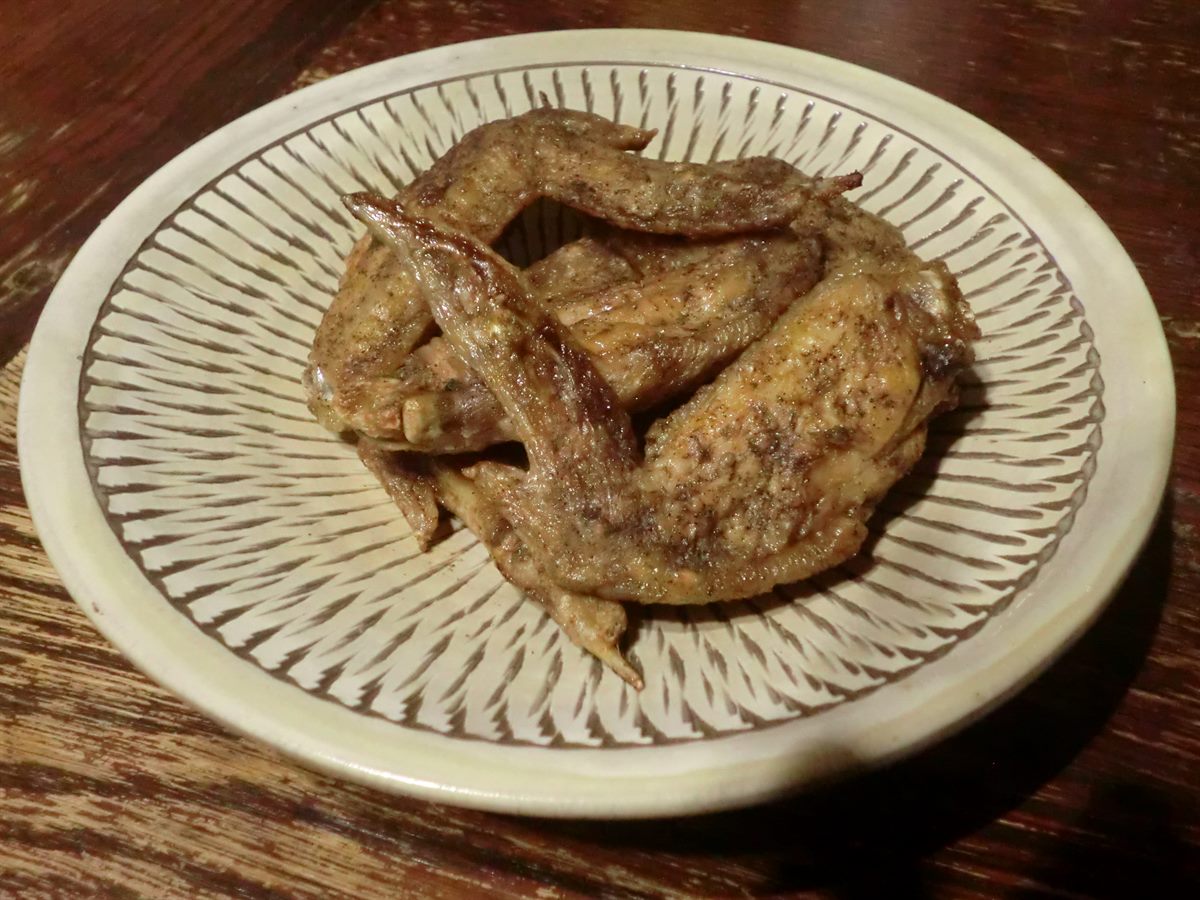
Wings this crisp have to be fried twice — first at a low temperature, then at a high one, giving them a shattering crispness that wings elsewhere in the world can't match, with no batter at all. After frying, they're glazed with a black-pepper sauce and a sweet sauce that blend together perfectly. Served piping hot, eaten alongside draft beer in an izakaya — a formula Nagoya has been making since the early 1960s. Furaibo claims to have invented them; Sekai no Yamachan made them world-famous.
 4
4
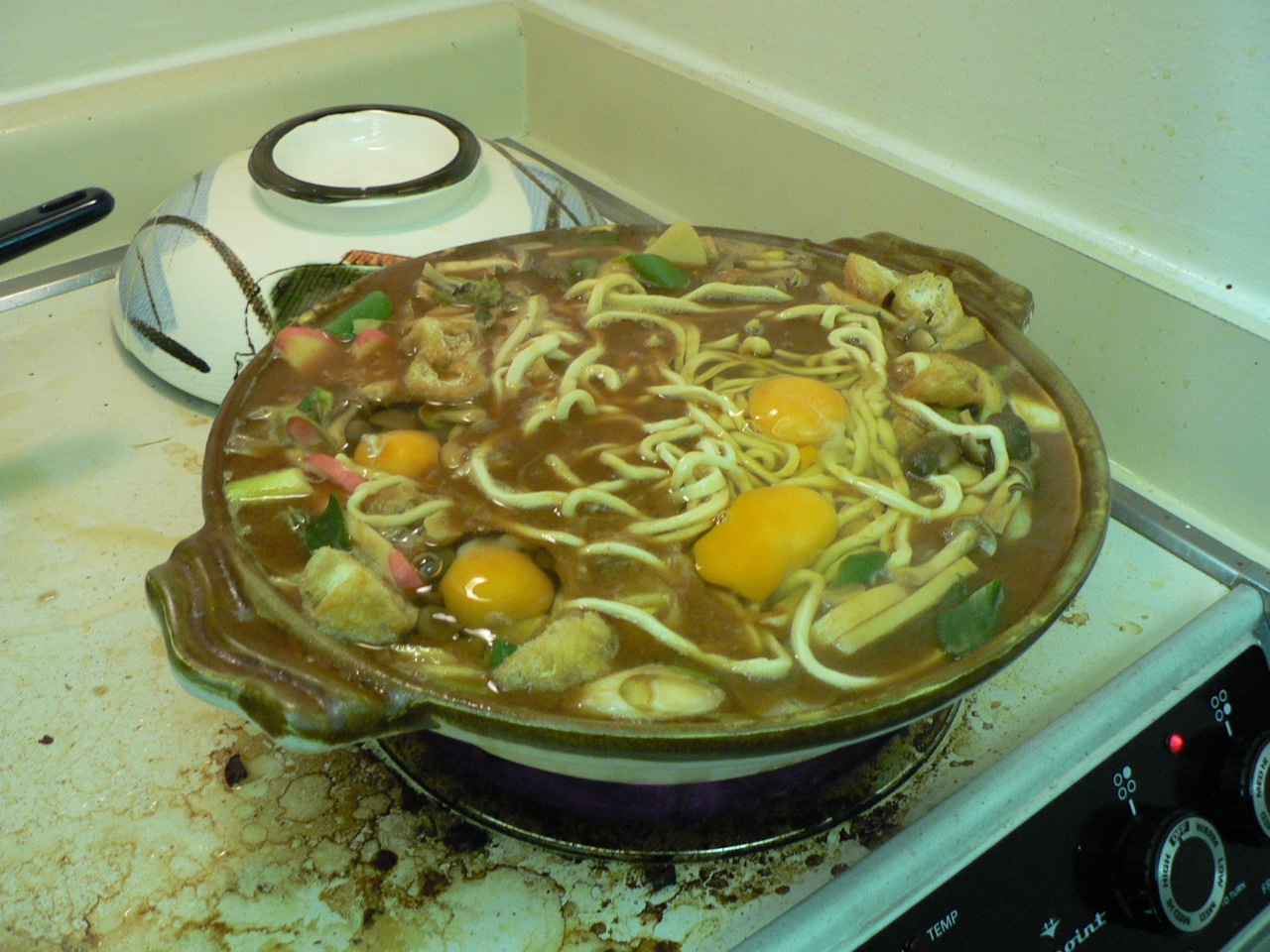
Ordinary udon is soft and slippery, but Misonikomi Udon noodles are deliberately firmer — raw noodles simmered directly with Hatcho Miso broth in a clay pot. The noodles absorb the rich miso broth as they cook, with an extra-chewy texture that pre-cooked udon can't deliver. It arrives bubbling in the clay pot with a raw egg floating on top, kamaboko (fish cake) and spring onion. The lid doubles as a rice plate — a tradition that shows the pot is too hot to set its lid on the table.
 5
5
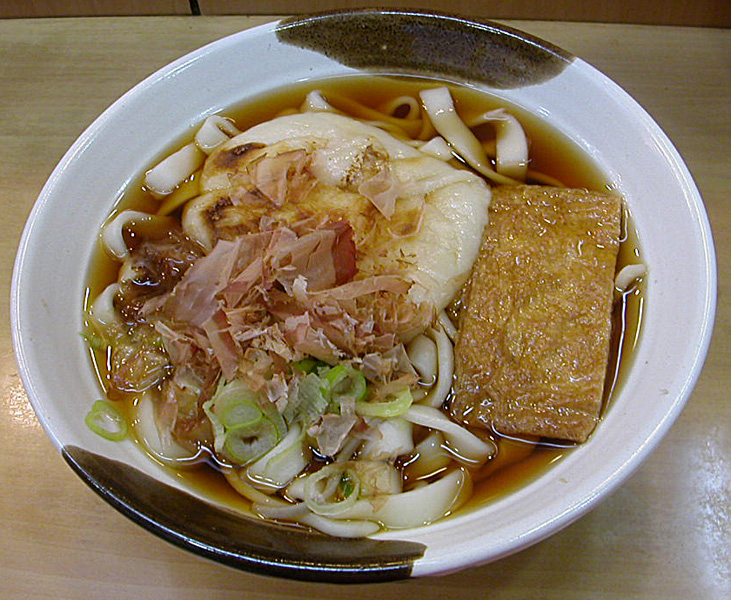
If udon were wider than usual until it became a flat noodle, that's Kishimen — broad, thick, soft wheat noodles that look like white fettuccine, especially slippery, clinging to the broth better than round noodles. The clear dashi broth is golden-amber from konbu seaweed and katsuo fish, served with kamaboko, fragrant fried tofu and blanched spinach. The most remarkable spot is Miya Kishimen inside Atsuta Jingu shrine — eating noodles in the grounds of a 1,900-year-old shrine is an experience found nowhere else in the world.
 6
6
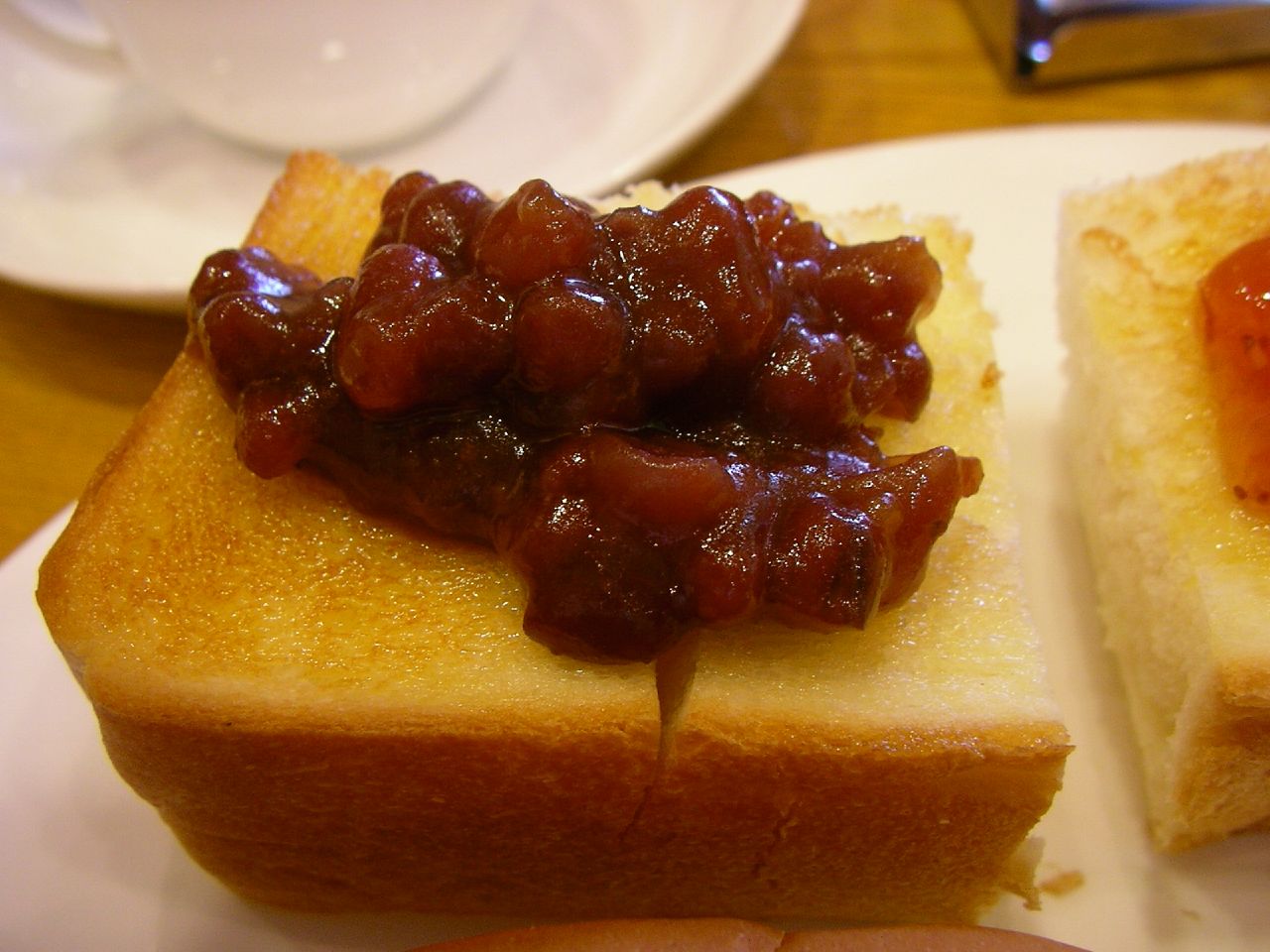
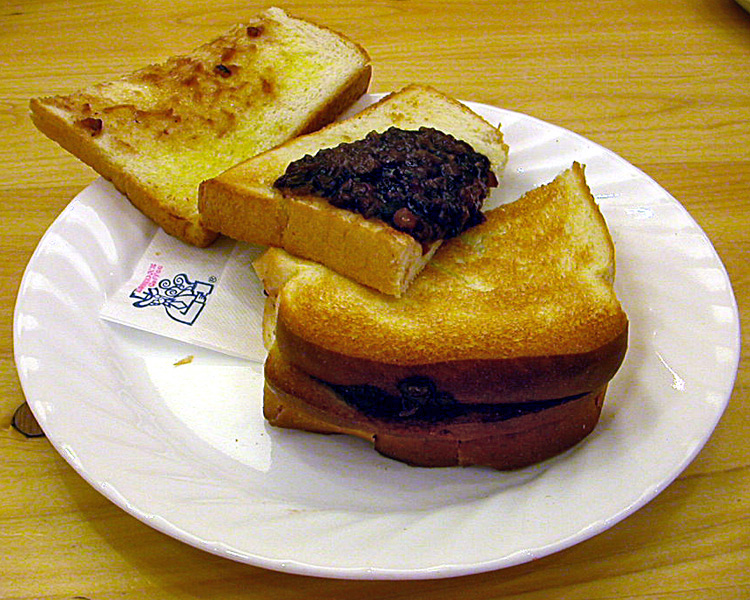
Ever heard of "Morning Service," where Japanese coffee shops give you toast and eggs for free? That's a Nagoya tradition in particular, and Ogura Toast is the star of that breakfast — a 2 cm-thick slice of Japanese bread toasted until the edges are crisp, spread with butter until it melts, then topped with a thick layer of sweet "Ogura-an" red bean. The result is sweet and rich, buttery and fragrant, crisp and soft all at once — a simplicity that leaves many people puzzled at how it can taste this good. Nagoya's kissaten open early, and ordering a single coffee gets you this set for free before 11:00 a.m.
 7
7
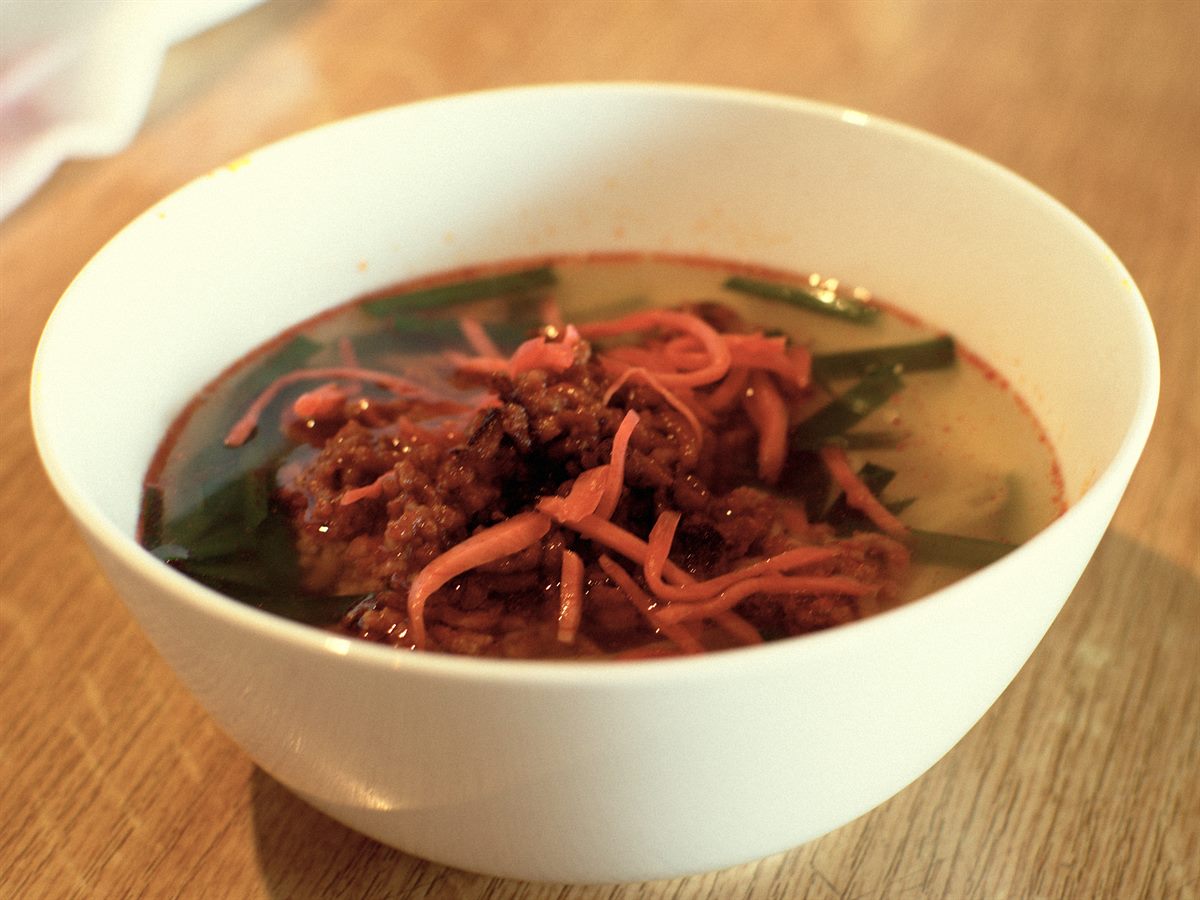
The name "Taiwan Ramen" leads many to think it's a ramen from Taiwan, but the truth is this dish was invented in Nagoya in the 1970s by a Taiwanese chef, Kuo Ming-you, at Misen. He drew inspiration from the Ta-a noodles of his hometown, then deliberately made it spicier with bird's-eye chillies and minced pork stir-fried in soy. The result is a clear-broth bowl with a stinging, distinctive heat that Nagoya people proudly claim as their own. There are spice levels to choose from — if you don't eat spicy food, say "karaku nai de onegaishimasu."
 8
8
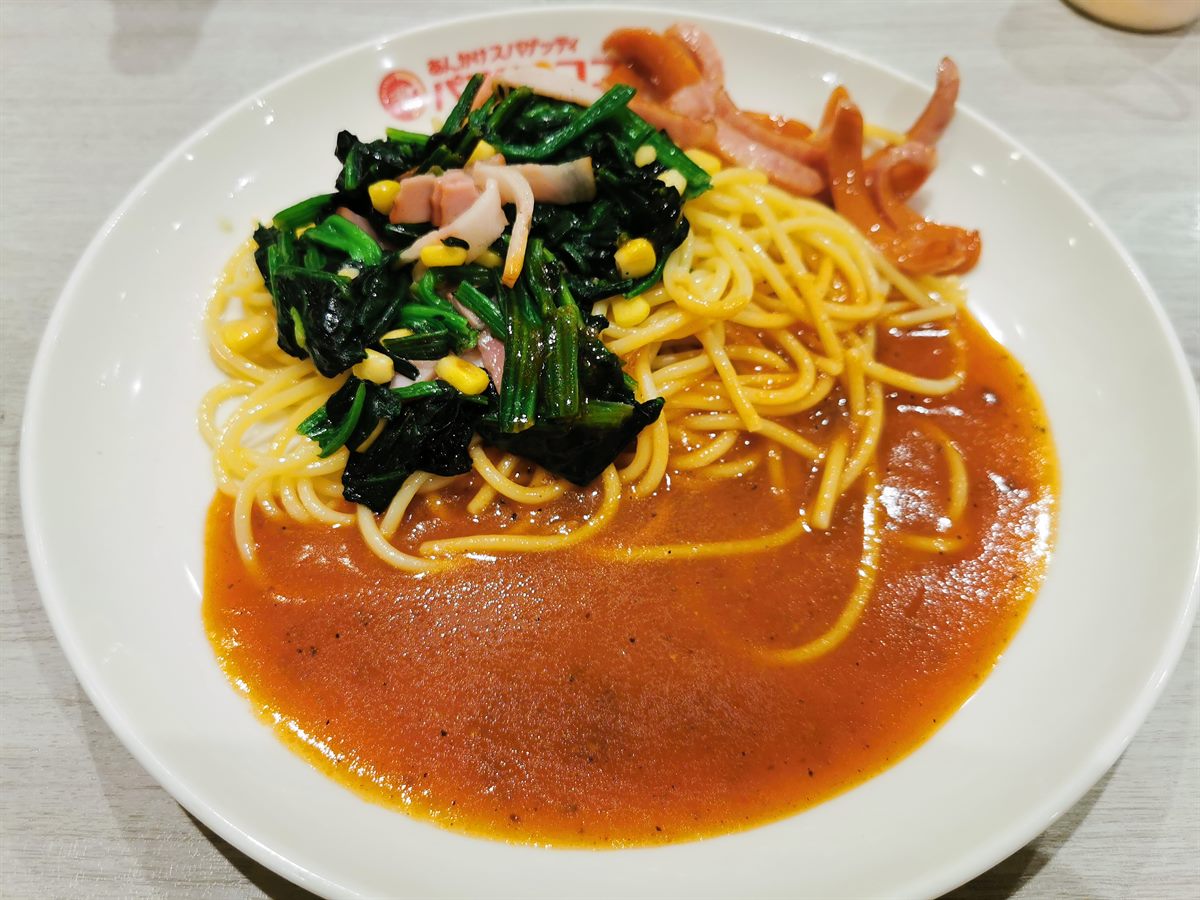
A spaghetti that's neither Italian nor typically Japanese — extra-thick noodles boiled until soft, then tossed with ankake sauce, a thick, viscous, slightly spicy vegetable-and-meat sauce that comes out a reddish-brown like Japanese gravy. The main toppings are usually sausage, fried egg or cheese, served on a big plate that looks like 1970s France arrived in Nagoya. It's one of the 18 official Nagoya Meshi dishes, and you can only find it in Nagoya.
 9
9
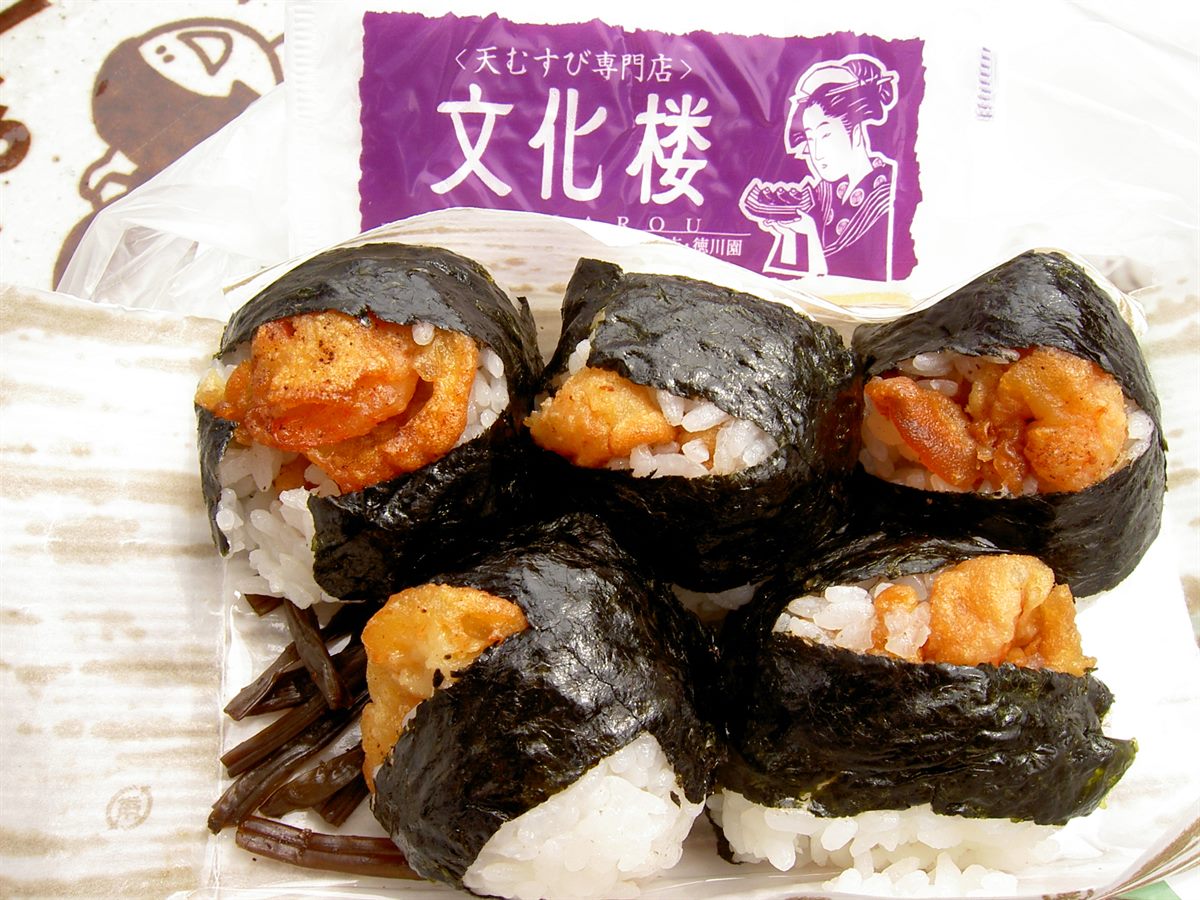
Ordinary onigiri (rice balls) hold fish, umeboshi or salmon — Tenmusu holds tempura shrimp, with a crispy fried shrimp placed in the centre, wrapped in cooked rice and nori seaweed all around. In one bite you get the crispness of the shrimp, the softness of the rice and the fragrance of the seaweed. It originally came from a restaurant in the city of Tsu in Mie Prefecture, but built its fame from Nagoya. It's sold all over Japan now, but the best is still made here.
 10
10
To understand Nagoya, you have to sit in a kissaten in the morning at least once — order a single ¥550 coffee and the shop brings you Ogura Toast red-bean bread, a boiled or onsen egg, and at some shops a salad or miso soup on the side, at no extra charge. This is "Morning Service," a Nagoya way of life, not a promotion. Nagoya people sit in kissaten on average twice as long as Tokyoites. The atmosphere is warm, the chairs are big, and no one rushes you out. Open from 07:00, with Morning Service until 11:00 a.m.
The signature dish that made Komeda Coffee famous enough to become a nationwide chain — soft, warm baked bread topped with fragrant custard sauce and a scoop of cold vanilla ice cream, so you get both hot and cold in one bite. The fluffy bread soaks up the sauce beautifully, while the ice cream slowly melts into more sauce. It's not a main breakfast but an afternoon dessert that suits the kissaten atmosphere perfectly. There's a smaller "Mini Shiro Noir" for lighter appetites.
Not a dish itself, but the ingredient that gives everything in Nagoya Meshi its identity — Hatcho Miso is made purely from soybeans, fermented in giant hinoki (Japanese cypress) barrels for 2–3 years, with no rice or barley added like Shiro Miso. The result is a dark-brown, nearly black miso, thick in texture, with a slightly bitter-spicy taste and very high umami. It's produced in the city of Okazaki, 30 minutes from Nagoya. If you have time, you can buy some to take home at Kakukyu (カクキュー), open since 1645.