Four neighbourhoods with completely different personalities — colonial history on a hillside, a panoramic harbour night view, or a no-fuss transport hub. Pick the one that fits your trip and Nagasaki will deliver its best.
Here is something nobody warns you about: book a hotel near Nagasaki Station for the convenience, and you'll be riding the tram for 15–20 minutes every morning before you reach a single major sight. Book up in Minami Yamate and you'll be walking to Glover Garden in ten minutes — but getting to Dejima Wharf for dinner means hopping back on the tram. Neither is wrong. They're just different trips.
Nagasaki has four distinct areas worth knowing. Each has a different feel, different price band, and different things you can reach on foot. Understand those differences before you book and you'll have a far smoother time.
Want the full picture of what there is to do first? Read the Nagasaki city guide before deciding on a base.
For most first-time visitors, the Minami Yamate / Oura area is the strongest choice. Walk up a gentle slope and you're at Glover Garden — the colonial-era merchant mansions that define Nagasaki's visual identity. Oura Cathedral, Japan's oldest surviving church and a UNESCO World Heritage site, is 5 minutes on foot. Hollander Slope and the Higashiyamate Western Residences are around the corner. The tram stop (Oura Kaigan Dori, Line 5) is 2–3 minutes from the main hotels and connects to every other part of the city.
Two hotels reviewed here sit in this area: Hotel Monterey Nagasaki (4-star Portuguese-style heritage hotel · Chapel Bussola · score 9.0 · from ¥12,000) and ANA Crowne Plaza Gloverhill (4-star IHG · 3-minute walk to Glover Garden · score 8.7 · from ¥12,000).
See the full Nagasaki guide →Real hotel picks with full review links — choose the fit for your trip style
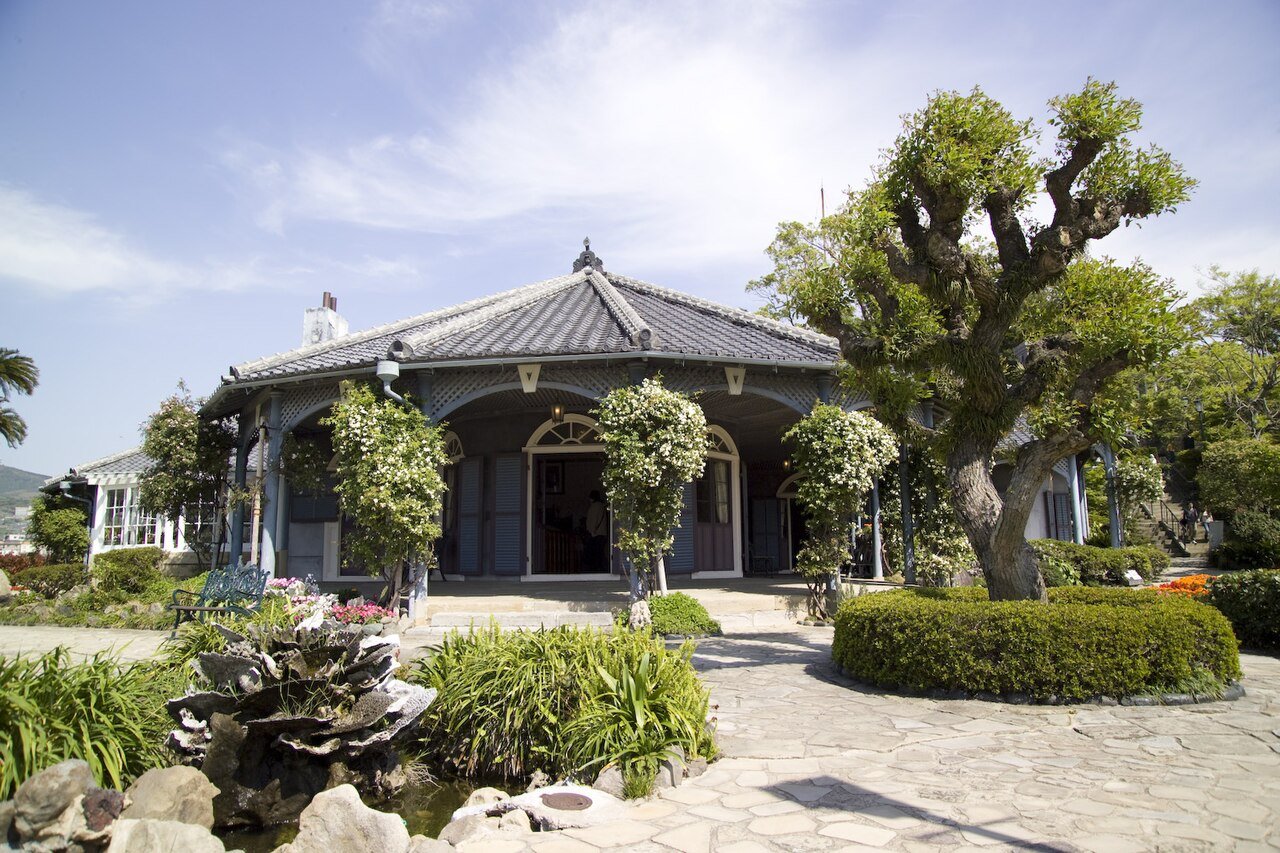
Area 1
Best for: Visitors who came to absorb Nagasaki's layered history — the Portuguese-era churches, the Dutch trading legacy, the Meiji-period Western mansions. You can spend half a day walking this neighbourhood without touching the tram. In the evening the streets are quiet and atmospheric, unlike most Japanese city hotels. The only caveat: it is hilly, and getting anywhere outside the immediate area means tram or taxi.
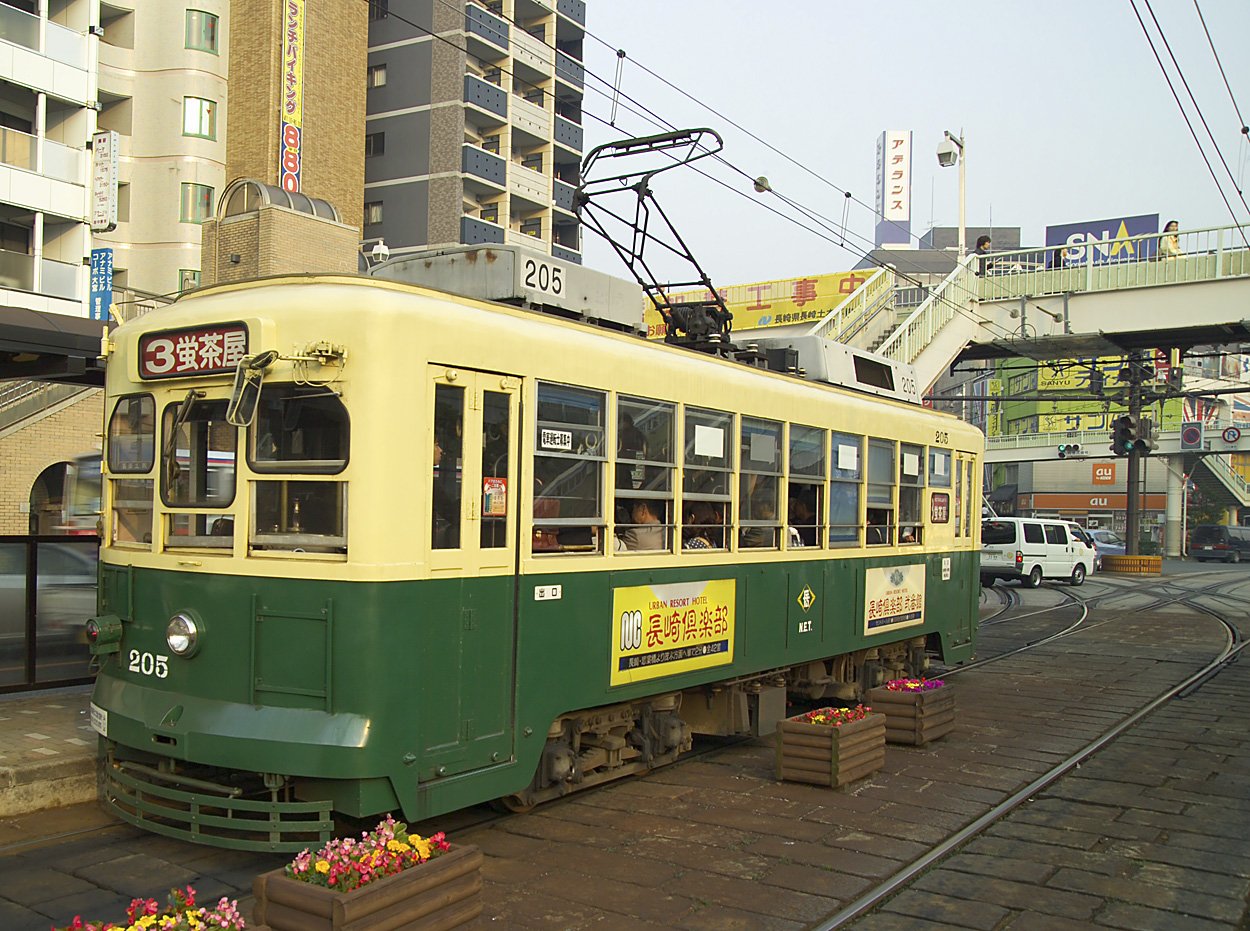
Area 2
Best for: Travellers who want the most practical base — arrive by train, check in immediately, and head out by tram. Amu Plaza shopping centre is attached to the station. The airport limousine bus stops right outside. All tram lines depart from here. The honest downside: there is no real "Nagasaki atmosphere" in this zone — it feels like any modern Japanese station area. You will be riding the tram 15–20 minutes every time you want to reach the historic sights.
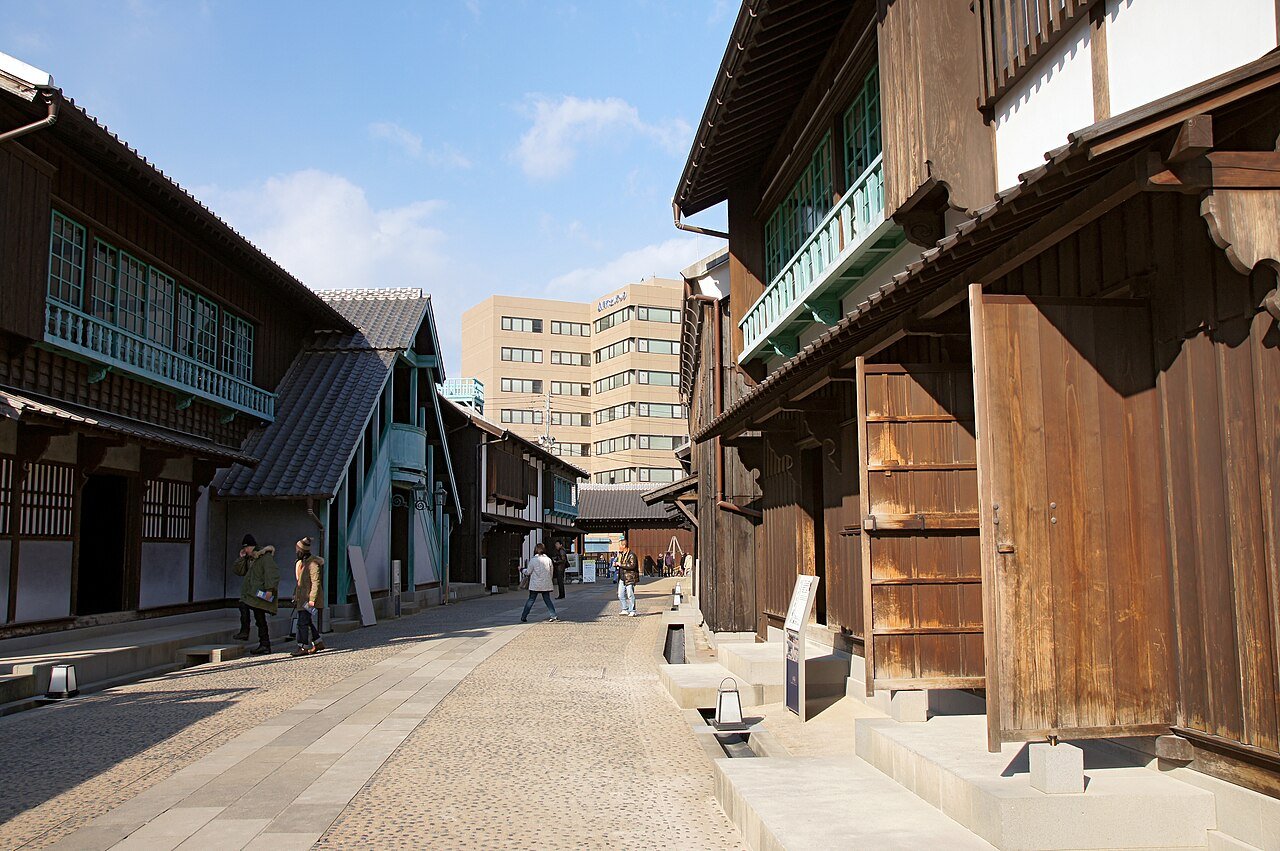
Area 3
Best for: People who want a genuinely central base with walking access to Dejima (the old Dutch trading post), Shinchi Chinatown, Meganebashi (Spectacles Bridge), and Hamanomachi shopping arcade. The evening scene is livelier than the historic hillside. Champon noodles and Sara Udon are on every street corner. The harbour ferry to Gunkanjima departs from a pier you can walk to — handy if the island tour is on your itinerary.

Area 4
Best for: Couples and travellers who want Nagasaki's famous harbour night view from their own room — not just from a public observation deck. Nagasaki's night cityscape ranks alongside Hakodate and Kobe as one of Japan's top three. Garden Terrace Nagasaki faces every room towards the harbour, designed by architect Kengo Kuma. Honest trade-off: this is not in the city. There are no convenience stores nearby. You depend entirely on the hotel shuttle (timetabled) or a taxi every time you leave.
Nagasaki is noticeably cheaper than Tokyo or Osaka. Clean 3-star hotels near the station or Dejima waterfront start at around ¥8,000–10,000/night (roughly £40–50 / $55–70). Hotel Monterey and ANA Crowne Plaza in the historic district start at ¥12,000 — the premium is small for the location difference. Garden Terrace on Mount Inasa starts at ¥22,000 for a standard room, ¥42,000 for the harbour-view suite. Rates jump noticeably during Golden Week (late April–early May) and autumn leaf season (November).
Compare and book across all areas at Trip.com Nagasaki or Agoda Nagasaki.
Four tram lines cover all major neighbourhoods. A single ride costs ¥140; a day pass is ¥600 and pays for itself after five rides. Trams run roughly every 5–10 minutes during the day. From Minami Yamate to JR Nagasaki Station takes 15–20 minutes; to Peace Park and the Atomic Bomb Museum around 20–25 minutes. The area maps at each stop are in Japanese and English. Keep the day-pass card out — you tap on and tap off.