Trams clattering past Dutch-era warehouses, a Chinatown older than any other in Japan, and a ghost island rising from the sea 18 km offshore — Nagasaki rewards visitors who arrive prepared. Here is everything worth knowing before you step off the train.
Nagasaki sits on the western tip of Kyushu. The main options are the shinkansen from Fukuoka, an intercity bus, or a flight into Nagasaki Airport followed by a bus transfer.
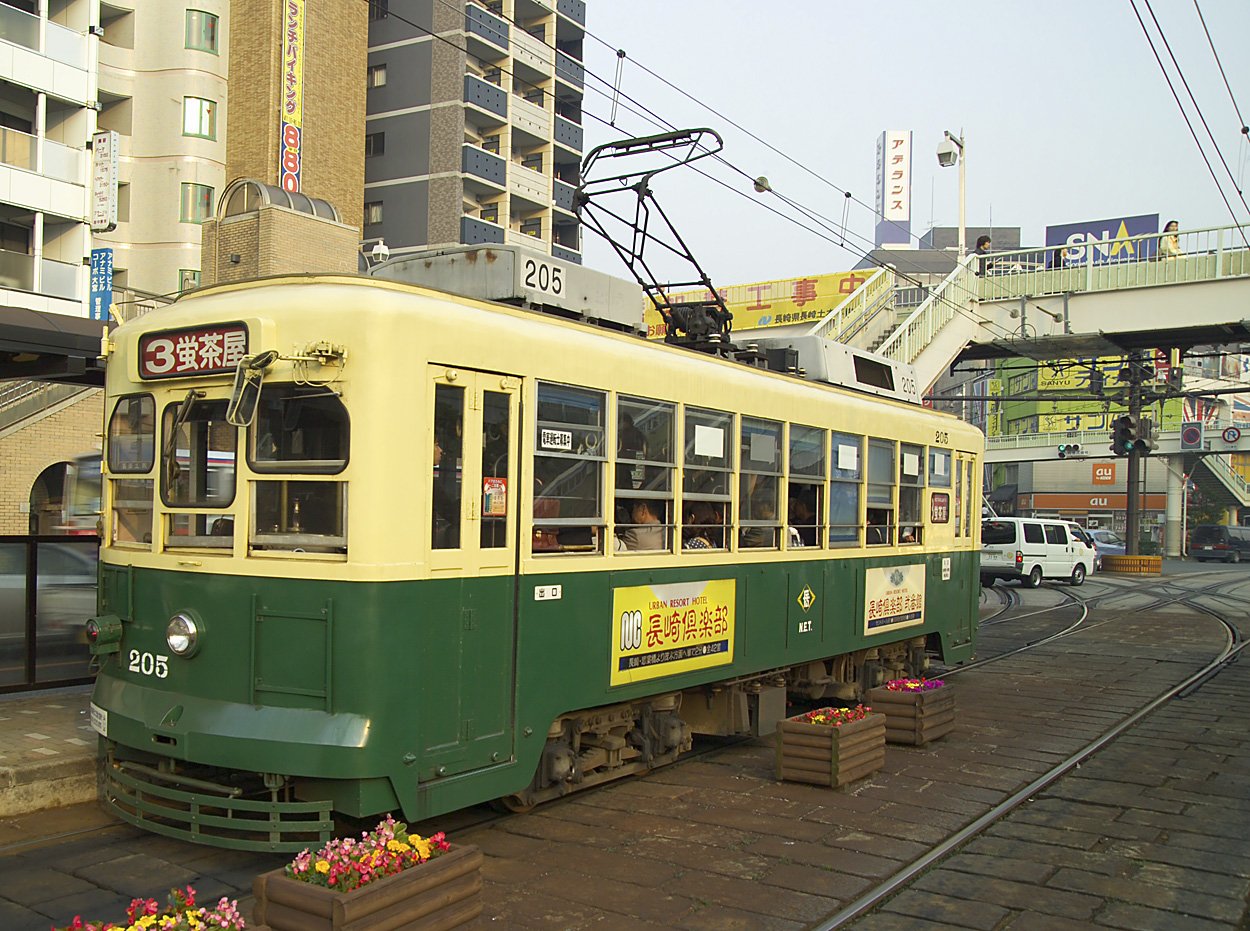
Nagasaki is one of the few Japanese cities where streetcars still run daily — they connect almost everywhere you want to go.
One of the first things you notice on arrival: Nagasaki has a working electric tram network (路面電車 Romen Densha) that has been running for over a century. Flat fare of ¥140 per ride regardless of distance (children ¥70), running from 6:00 to 23:00 with trams every 5–8 minutes. Stops and in-car announcements are in English. It is genuinely one of the most foreigner-friendly transit systems in Japan.
Unlimited rides for the full day at ¥600 adult / ¥300 child. Pays for itself after 5 rides. On a proper sightseeing day (Glover Garden, Peace Park, Chinatown, Dejima, Oura Cathedral) most visitors take 8–10 tram rides. A 24-hour app-based pass is also available for ¥700.
Board from the rear door, pay ¥140 (cash or IC card) when exiting at the front. If transferring between lines, tap your IC card at Shinchi-Chinatown or Shiminkaikan stops within 30 minutes — you will not be charged the second fare. IC card short-hop rate is ¥100.
Covers areas the tram cannot reach, particularly the hillside districts and Inasayama (the mountain overlooking the city). Fares ¥150–300 depending on distance. Google Maps works accurately for Nagasaki bus routes — enter your stop in English and it will return correct results.
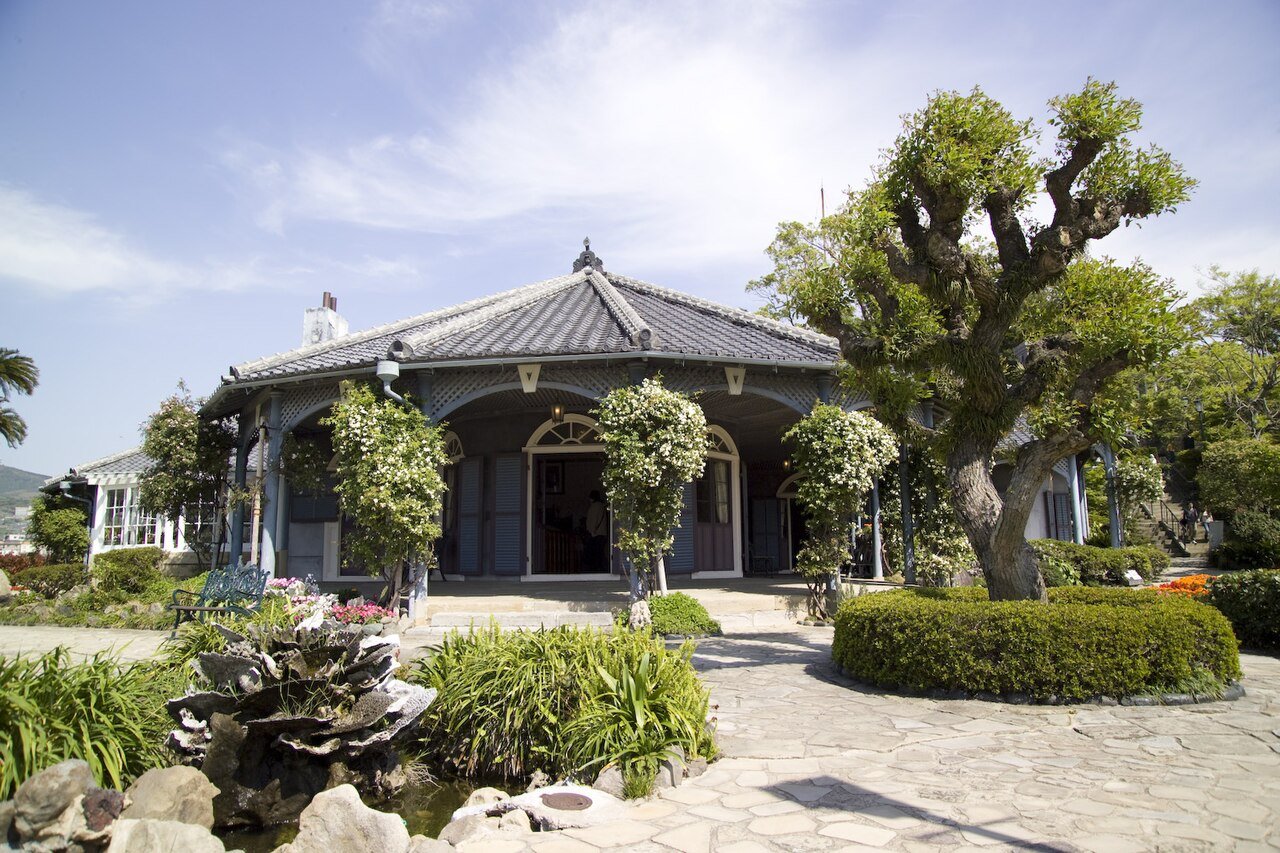
Central Nagasaki is walkable, but the city is built on hills — Glover Garden and Hollander Slope involve steep cobblestone climbs. Taxis start around ¥700. Leave heavy bags in coin lockers at Nagasaki Station (¥300–600 per day) before heading out. Closed-toe shoes with grip are essential; high heels and flip-flops are a bad idea here.
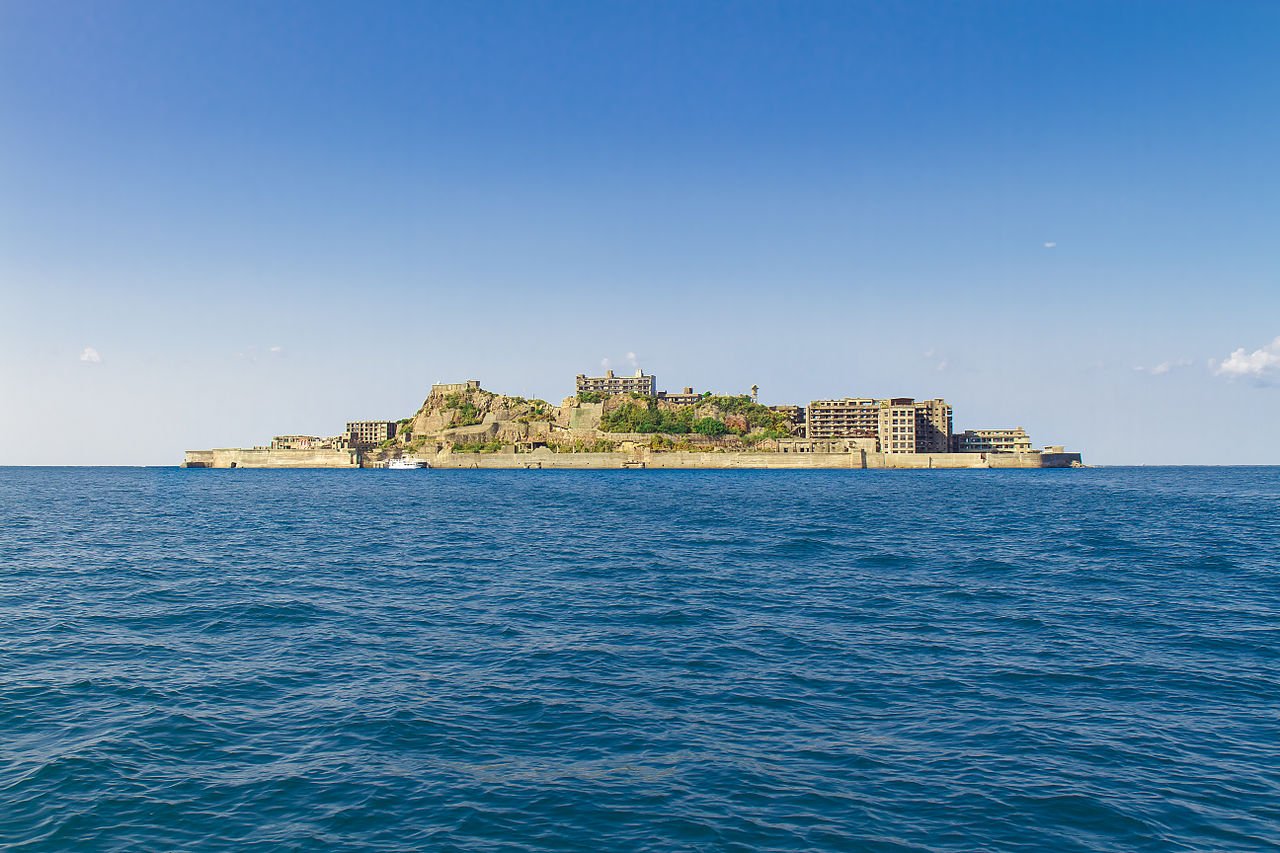
Hashima Island, nicknamed Battleship Island, is a UNESCO World Heritage Site. You cannot visit independently — a licensed boat tour is the only way in.
Picture an entire city abandoned in the middle of the sea: apartment blocks ten or more stories tall slowly crumbling, narrow alleyways of rusting iron that once housed more than 5,000 people. Gunkanjima is not just a photo opportunity — it is history you can actually walk through. Because of the fragility of the ruins, independent landings are absolutely prohibited. You must join a licensed tour. Book early, especially for weekends and holidays.
The city is open year-round, but each season offers a different atmosphere — and one festival worth planning your whole trip around.
Cherry blossoms in late March around Glover Garden and along the harbour front. Pleasant temperatures of 14–20°C make long walking days comfortable. Crowds are manageable except during Golden Week (29 April – 5 May), when hotels fill fast and prices spike.
June–July brings the rainy season (梅雨 Tsuyu) with heavy, persistent rain — Nagasaki averages some of the highest June–July rainfall in Kyushu. August is hot and humid. That said, this is when wave conditions are calmest, giving Gunkanjima tours the highest landing success rate of any season.
The best overall window. Temperatures settle at 15–22°C with clear skies, and most importantly the Nagasaki Kunchi Festival runs 7–9 October — a 380-year-old parade at Suwa Shrine mixing Chinese dragon dances, Dutch-style floats and Japanese traditions. Hotels near Suwa Shrine sell out months in advance for festival days.
Mild at 5–12°C — rarely the bitter cold of the Japanese mainland. Highlight: the Nagasaki Lantern Festival during Chinese New Year (late January to mid-February), when Chinatown and the city centre are lit with thousands of red lanterns. Hotel rates are generally lower outside the Lantern Festival period.
Nagasaki is noticeably cheaper than Tokyo and Osaka — a comfortable mid-range day costs around ¥15,000–20,000 all in.
| Category | Budget | Mid-range | Comfortable |
|---|---|---|---|
| Accommodation (per person/night) | ¥3,000–5,000 (hostel / capsule) | ¥6,000–12,000 (business hotel) | ¥15,000+ (boutique / harbour view) |
| Food (3 meals) | ¥1,500–2,500 (chanpon shops / convenience) | ¥3,000–5,000 (sit-down restaurants) | ¥7,000+ (kaiseki / fresh seafood) |
| Gunkanjima tour | ~¥4,810 per person — one-off cost, same for every budget | ||
| Sightseeing | ¥500–1,000 (Atomic Bomb Museum + Peace Park) | ¥2,000–3,500 (+ Glover Garden + Dejima) | ¥5,000+ (private guide tours) |
| City transport | ¥300–600 (individual tram rides) | ¥600 (tram day pass) | ¥1,500–3,000 (taxis / charter) |
| Estimated daily total | ~¥8,000–12,000 | ~¥15,000–20,000 | ¥28,000+ |
Nagasaki's hills, cobblestones and staircase-heavy historic districts demand solid footwear. Closed-toe shoes with a rubber grip sole are the right call — flip-flops and heels are genuinely problematic. Pack a fold-up umbrella or light rain jacket for any season. Bring cash: many small restaurants and local shops only accept yen notes.
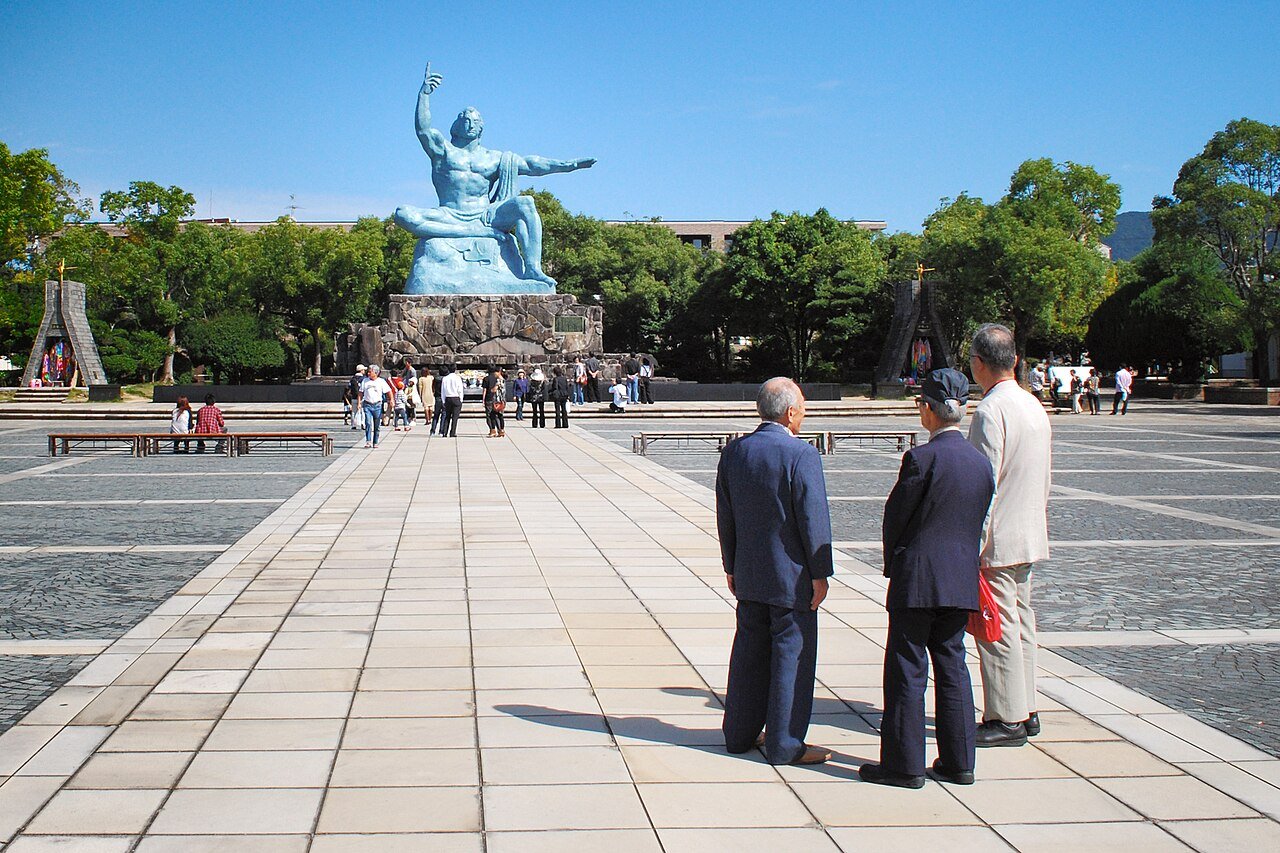
At Peace Park and the Atomic Bomb Museum, speak quietly, keep phone use minimal and approach exhibits thoughtfully. These sites remain deeply meaningful to local families. At Dejima and historic temples, follow posted signs about removing shoes before entering main buildings. Do not touch artefacts in the Dejima museum displays.
Nagasaki has been receiving foreign visitors for centuries. Major attraction signage is in English, tram announcements are bilingual, and restaurants in tourist areas commonly have English menus or photo menus. Google Translate's camera mode handles Japanese menus accurately — a worthwhile download before you arrive.
Local onsen (hot spring baths) and small neighbourhood restaurants typically accept cash only. The most reliable ATMs for foreign cards are at 7-Eleven and Japan Post Bank branches, both present throughout the city. An IC card (Nimoca is the local variety; Suica works too) is convenient for the tram and city bus.