Home Kumamoto Kumamoto Prefecture Japan About
Home  ›  Asia  ›  Japan  ›  Kumamoto  ›  Travel Tips
🏯 Before You Go · Kumamoto 2026

Kumamoto Travel Tips
Castle, volcano and a tram that costs ¥200

Kumamoto sits 32 minutes from Fukuoka by shinkansen, yet it feels like a completely different world — a castle rising from earthquake rubble, an active volcano an hour away, and a street food scene anchored by basashi and tonkotsu ramen. Know the logistics before you arrive and you'll use every hour well.

Getting There

How to reach Kumamoto — four real options

Kumamoto sits at the heart of Kyushu, connected by shinkansen to Fukuoka, Osaka and Tokyo.

🚄
Shinkansen from Fukuoka — Fastest by far
Hakata Station → Kumamoto Station · Most popular gateway from international arrivals

If you're flying into Fukuoka (FUK) — the main international hub for Kyushu — the Mizuho or Sakura shinkansen from Hakata Station gets you to Kumamoto in 32 to 45 minutes. An unreserved seat costs around ¥4,700; a reserved seat around ¥5,230. All JR Pass types covering Kyushu are valid on this route. Trains leave every 30 minutes and no advance booking is required, though a seat reservation is wise during public holidays.

32–45 min ~¥4,700–5,230 JR Pass valid
Best if: Flying into Fukuoka or looping Kyushu — Fukuoka, Nagasaki, Kumamoto, Beppu form a classic Kyushu circuit on the JR network.
🚌
Express Highway Bus from Fukuoka
Fukuoka Tenjin / Hakata → Sakuramachi Bus Terminal · Budget option

Express buses from Tenjin Bus Terminal or Hakata Bus Terminal run to Sakuramachi Bus Terminal in central Kumamoto in about 2 hours 15 minutes for ¥2,500. Services are frequent — up to 78 round trips on weekdays, 87 on holidays. The drop-off at Sakuramachi puts you right at the city's main shopping and transport hub, a short tram ride from the castle. Useful if you have no JR Pass and are watching expenses.

~2 hrs 15 min ¥2,500 Drops at Sakuramachi city centre
Best if: No JR Pass, budget-conscious, not in a hurry — Sakuramachi arrival is actually more convenient than the station for the castle area.
Kumamoto Airport (KMJ) — Airport Bus into the City
KMJ → Kumamoto Station / Sakuramachi · ~50–60 min by bus

Kumamoto Airport (also known as Aso Kumamoto Airport) sits about 20 km from the city centre. The Airport Limousine Bus connects to Kumamoto Station or Sakuramachi in about 50–60 minutes for ¥800–950. Buses are timed to arrivals. The airport handles domestic routes from Tokyo, Osaka and Nagoya, plus limited international routes from Shanghai and Hong Kong. Most visitors from outside Japan connect through Fukuoka or Osaka.

~50–60 min ~¥800–950 Timed to arrivals
🗾
From Tokyo or Osaka — Long-distance Shinkansen
Tokyo / Osaka → Kumamoto · Best paired with a JR Pass

From Tokyo Station the Nozomi shinkansen reaches Kumamoto in about 4 hours 30 minutes; a reserved seat costs around ¥29,000–32,000. From Shin-Osaka it's about 3 hours 10 minutes at ¥18,000–20,000. Both routes become excellent value if you carry a JR Pass All Japan — the long Kyushu leg is covered in full. Useful if Kumamoto is part of a wider Japan itinerary combining Tokyo, Osaka and Kyushu.
~4 hrs 30 min from Tokyo ~3 hrs 10 min from Osaka JR Pass All Japan recommended
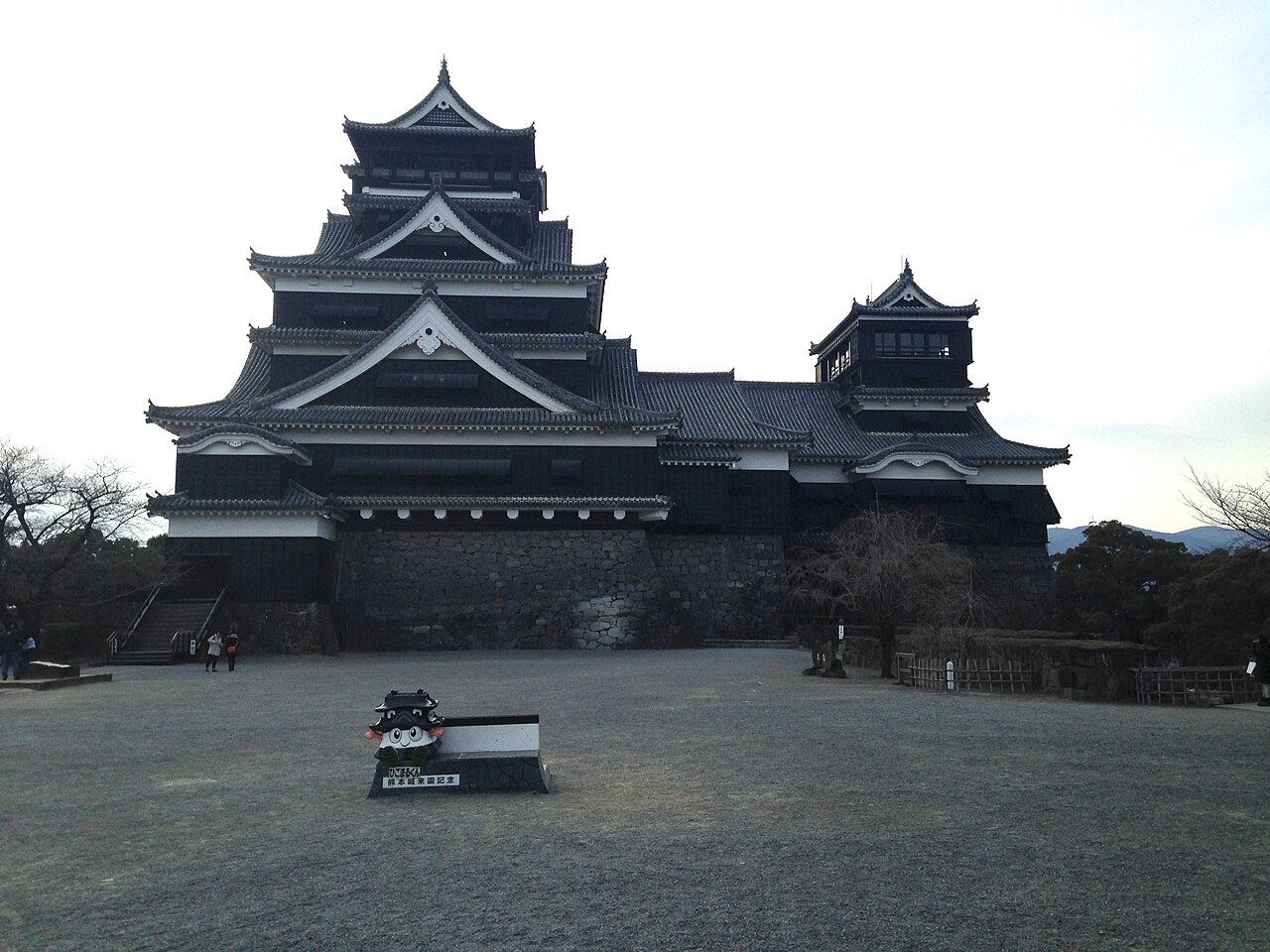
The restored main keep of Kumamoto Castle rising against a clear blue sky, with stone walls visible below
Kumamoto Castle's main keep — reopened in April 2021 after five years of post-earthquake restoration work
Getting Around

The city tram costs ¥200 — flat fare, every ride

Kumamoto's street tram is the fastest, simplest way to move between the station, the castle and the city's main sights.

What surprises many first-time visitors: Kumamoto's two tram lines connect Kumamoto Station directly to the castle area and the Shimotori shopping arcade. The fare is a flat ¥200 regardless of how far you ride. Board at the rear door, pay as you exit at the front. Simple, reliable, and far cheaper than a taxi for the same journey.

City Tram — Lines A and B

Two lines run through the city. Board at the rear door and pay ¥200 when exiting at the front. IC cards (Suica, ICOCA) and credit cards via tap-and-pay are accepted on exit — not on boarding. Kumamotojo-mae stop is closest to the castle (about 15 minutes from the main station). Suizenji Koen stop for the garden.

Flat fare: ¥200 · 1-day pass: ¥500 · 2-day pass: ¥800 · Note: IC cards tap on exit only
Is the 1-Day Tram Pass Worth It?

Yes, from the third ride onwards — three single fares (3 × ¥200 = ¥600) costs more than the ¥500 day pass. The pass also earns you a 20 percent discount at Kumamoto Castle, Suizenji Garden and four other sights. Buy it at Kumamoto Station, the Sakuramachi info desk or on the first tram you board.

Break-even: 3 rides · Discount: 20% at castle + 5 other sights · Valid: one calendar day
City Buses

Cover routes the tram does not reach, including parts of the Suizenji area and the city outskirts. Fares run ¥170–200. Important note: IC cards (Suica/ICOCA) work on the tram and JR trains but are not accepted on Kumamoto's city buses — carry cash or use QR code payment where available.

Fare: ¥170–200 · IC cards: NOT accepted on buses (tram and JR only)
Taxis and Ride-Hailing

Taxis start at around ¥590 and are available at ranks outside Kumamoto Station and Sakuramachi. Don't hail on the street — wait at a designated rank or ask your accommodation to call one. DiDi operates in Kumamoto and is often easier than flagging a taxi, particularly at night.

Start: ~¥590 · Station to castle: ~¥700–900 · App: DiDi works in the city
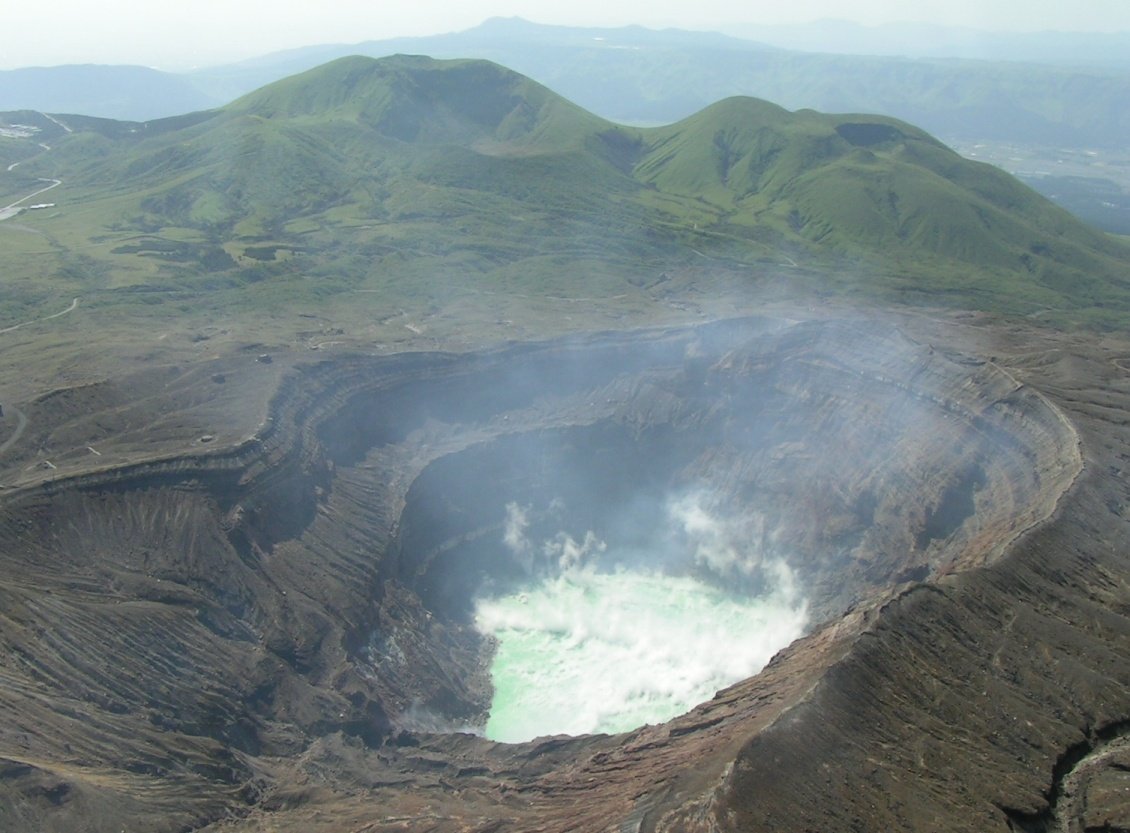
Planning both the castle and Aso in one trip: Visit the castle first thing in the morning, then take the JR Hohi Line from Kumamoto Station to Aso Station (100 min, ¥1,300) for the afternoon. Alternatively, if you want real freedom on the Aso plateau — to stop at the Kusasenri grasslands, Aso Volcano Museum and caldera viewpoints on your own schedule — renting a car from Kumamoto Station is the right call. Public transport within Aso runs infrequently.
Steam rising from the active Nakadake crater of Mount Aso, surrounded by broad green and ochre grasslands
Mount Aso — one of the world's largest active calderas, about 100 minutes from Kumamoto Station by train
Castle and Etiquette

Kumamoto Castle — what to know before you visit

The castle is open and worth every yen — but the restoration work changes what you'll see. Here's the honest picture.

The April 2016 earthquake brought down large sections of Kumamoto Castle's stone walls and several towers. The Main Keep (tenshukaku) was fully restored and reopened in April 2021, with new exhibition floors charting the castle's history and the Hosokawa clan. About 70 percent of the outer walls are still under active repair, with full completion expected around 2037–2052. What this means in practice: you'll see a beautifully restored centrepiece alongside visible ongoing construction — which tells the story of the earthquake recovery in a way that no museum exhibit could.

Japan Etiquette

A few rules that really do matter

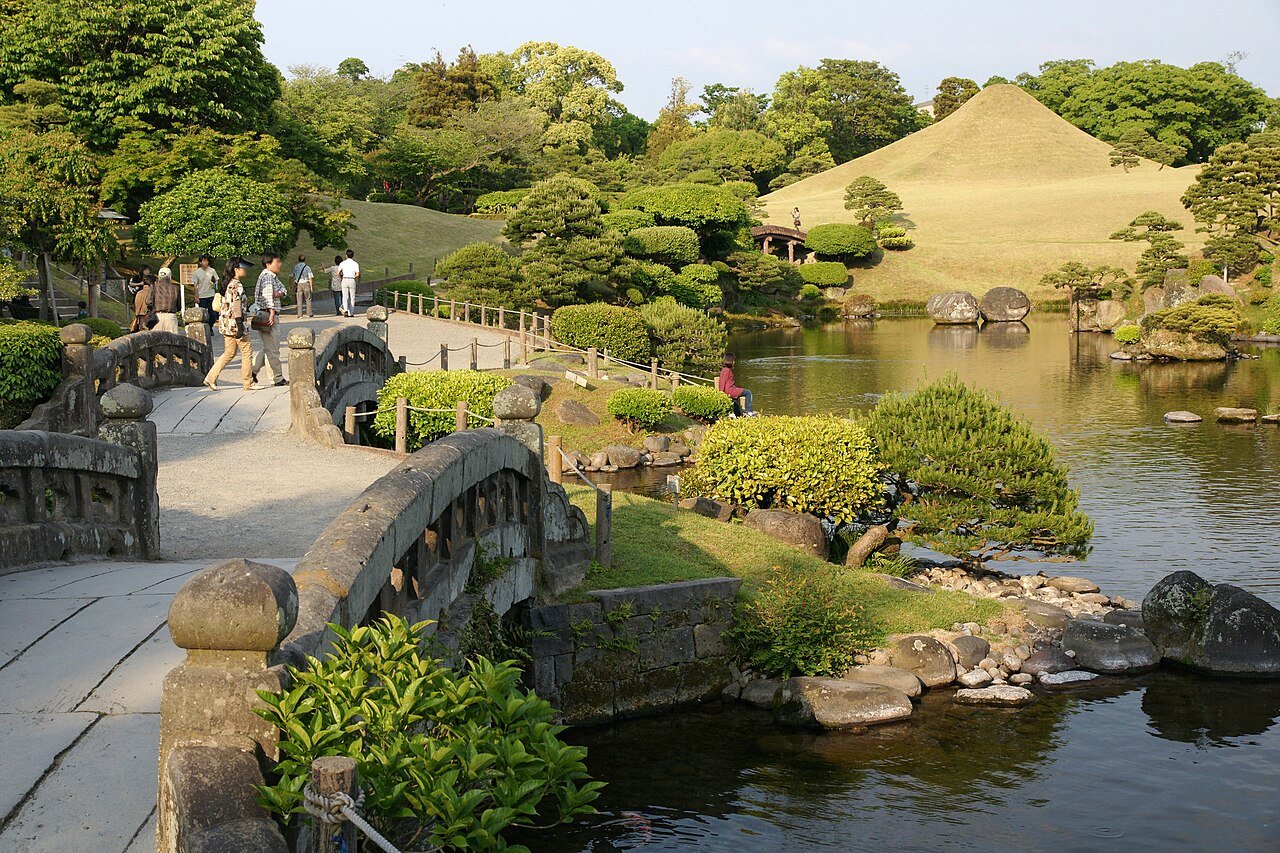
Suizenji Jojuen garden with a calm central lake, pine trees and a small hill modelled on Mount Fuji in autumn light
Suizenji Jojuen — a 17th-century stroll garden created by the Hosokawa lords; the small central hill is modelled on Mount Fuji
Castle access in 2026: Most of the castle grounds are accessible but check kumamoto-guide.jp before your visit for any temporary closures of specific sections due to active construction. Conditions change as restoration phases progress.
Best Time to Visit

Kumamoto looks different every season

Worth visiting year-round — but two windows stand well above the rest.

Spring (Late March–May) — Best for cherry blossom

Cherry blossoms peak around the castle grounds in late March to early April — one of the finest settings for sakura in Kyushu. Temperatures 12–20°C. Aso's grasslands are vivid green against a smoky volcanic sky. Avoid Golden Week (April 29–May 5): heavy crowds, elevated prices, accommodation books weeks in advance.

Summer (June–August)

Hot and humid — temperatures hit 33°C in August. Rainy season runs through June. Morning mists over the Aso caldera create dramatic photography conditions. Suizenji Garden is lush and deep green. If you're visiting in summer, plan outdoor activities for early morning and use the afternoon for indoor sights or ramen.

Autumn (October–November) — Best overall conditions

Temperatures 15–22°C, clear skies, and the Aso plateau grasslands shift to gold and rust. October to December sees the highest visitor numbers — a sign the season earns it. Book accommodation early for weekends in October. The combination of castle, garden and Aso is at its most photogenic right now.

Winter (December–February)

Quiet, with occasional light snowfall at the castle and on the Aso caldera rim — rare and striking when it happens. Temperatures 5–12°C. Far fewer tourists, lower accommodation prices. Kurokawa Onsen (90 min from Kumamoto City) is magnificent in winter. Always verify Aso access before going — volcanic activity can restrict crater access at any time of year.

Aso — always check before you go: Mount Aso is an active volcano. The Nakadake crater area is occasionally closed temporarily due to sulphur gas levels or increased volcanic activity. Check current access status at explore-kumamoto.com or the Japan Meteorological Agency volcanic alert page before planning your Aso day trip.
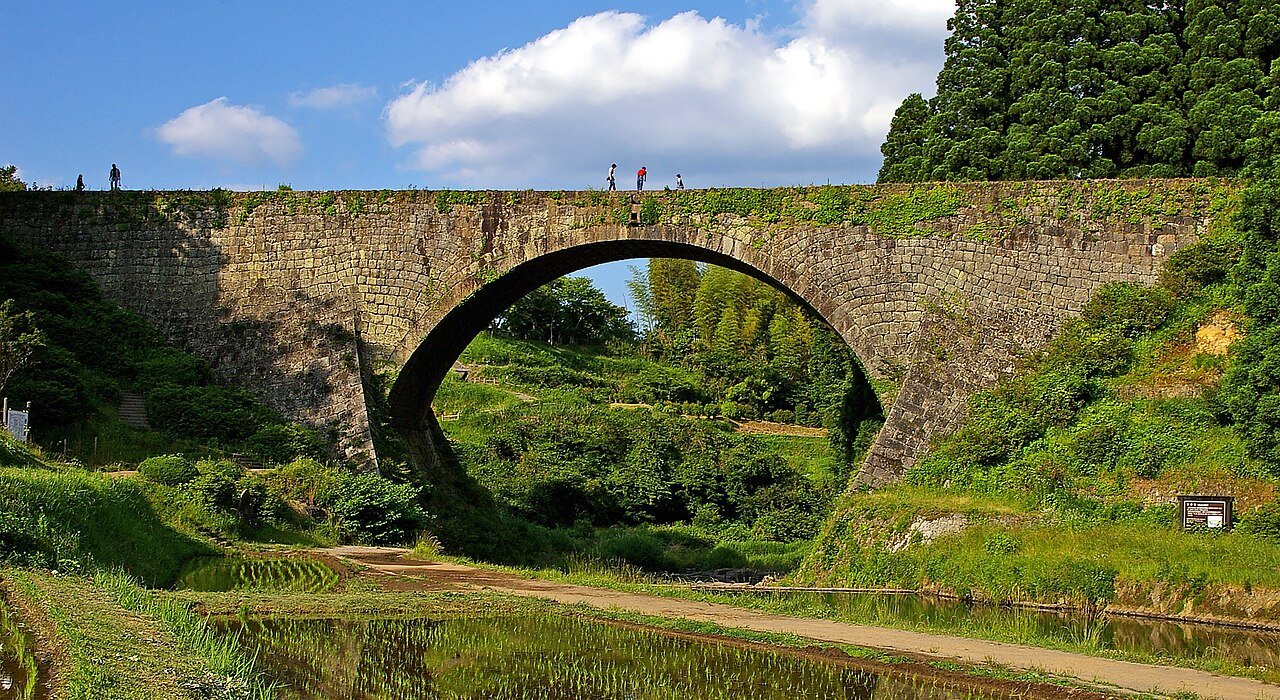
The elegant stone arched Tsujunkyo aqueduct bridge in Kumamoto, water spraying from the central notch in an arc
Tsujunkyo — a 75.6-metre irrigation aqueduct built in 1854, water released from the centre every hour on the hour
Budget Guide

How much does a day in Kumamoto cost?

Kumamoto is noticeably cheaper than Tokyo or Kyoto — here's a realistic framework.

Category Budget Mid-range Comfortable
Accommodation (per night / person) ¥3,000–5,000 (hostel / guesthouse) ¥7,000–12,000 (business hotel) ¥18,000+ (ryokan / Kurokawa Onsen inn)
Food (3 meals) ¥1,500–2,500 (Kumamoto ramen, local diner) ¥3,000–5,000 (sit-down restaurants) ¥8,000+ (basashi, Hinaidori chicken, kaiseki)
Kumamoto Castle ¥800 main keep · Restoration promenade: free
Suizenji Garden ¥400 (¥320 with tram day pass)
City transport ¥400–600 (2–3 tram rides) ¥500–1,000 (1-day tram pass + bus) ¥2,000–3,500 (taxi, car rental for Aso)
Mount Aso (if visiting) ¥1,300 JR train return ¥3,600 train + ¥1,000 crater admission ¥5,000+ car rental / guided tour + admission
Daily total (rough) ~¥7,000–10,000 ~¥14,000–20,000 ¥28,000+
Best-value meal in Kumamoto: Kumamoto ramen — a bowl runs ¥800–1,200, with a tonkotsu broth that's clearer than Fukuoka's but just as rich, and topped with crispy fried garlic (mayu) that's unique to the region. It's one of the best-value meals in Kyushu. Long queues hit at noon; a 2 pm bowl walks straight in at most spots. See Kumamoto City Guide for restaurant picks.
What to Know

What to bring and practical essentials

What to Pack

Light jacket for Aso (wind is strong even in summer) · Comfortable walking shoes (the castle involves stone stairs and uneven ground) · Compact umbrella or rain jacket (Kyushu rain arrives and leaves fast) · Cash for ramen shops, local onsen and small restaurants · Insect repellent if visiting Aso in summer

SIM / Wi-Fi: eSIM is the easiest option — buy before departure; also available at KMJ Airport on arrival · Best ATM: 7-Eleven and Japan Post Bank accept foreign cards reliably
Visiting with Kids

Children tend to fall completely for Kumamon — the round-eyed black bear mascot appears on everything in the city. Kumamon Square in the Shimotori arcade is free to enter and often has Kumamon character appearances. Mount Aso is an excellent choice for kids who want to see a real active volcano; the Aso Volcano Museum has interactive exhibits at a good level for older children.

Kumamon Square: Free · Shimotori Arcade · Aso Farm Land: family theme park near the caldera, worth combining with an Aso day trip
Language and Navigation

The castle, main sights and tram stops are signed in English. Google Maps handles tram timetables and JR trains reliably. Local ramen shops and smaller restaurants often have no English menu — look for photo menus, which most places provide. Navitime Japan is better than Google Maps for pinpointing local bus times in the Aso area where schedules are thin.

Recommended apps: Google Maps · Navitime Japan · Google Translate (camera mode) · DiDi (ride-hailing)
Cash and Payment

IC cards (Suica, ICOCA) work on the city tram and JR trains but are not accepted on Kumamoto's city buses — use cash on buses. Most mid-range and above restaurants accept cards. Ramen shops, small izakaya and neighbourhood onsen often prefer cash. 7-Eleven and Japan Post ATMs are the most reliable for foreign cards in the region.

Currency: Japanese Yen (¥) · Best ATM: 7-Eleven, Japan Post Bank · Tram: IC card and tap-to-pay credit card accepted (exit only)
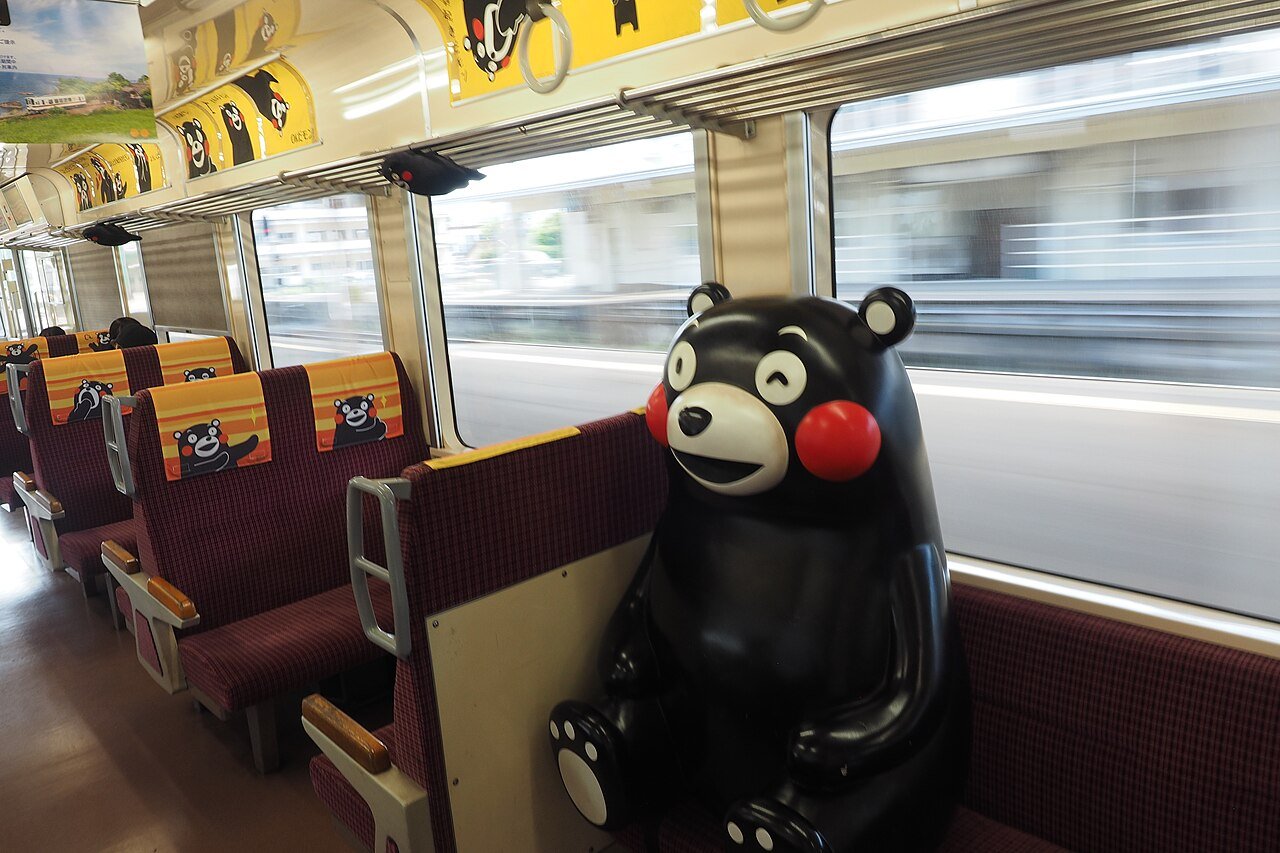
Kumamon the black bear mascot, the beloved official character of Kumamoto Prefecture
Kumamon — the black bear mascot of Kumamoto Prefecture, consistently one of Japan's best-loved regional characters. Kumamon Square in the Shimotori arcade is free to visit.
FAQ

Quick answers before you go

How do I get to Kumamoto from Fukuoka?
Take the Mizuho or Sakura shinkansen from Hakata Station in Fukuoka. Journey time: 32–45 minutes. Unreserved seat: ~¥4,700; reserved seat: ~¥5,230. JR Pass covers this route — if you have one, there's no additional cost. Trains run every 30 minutes throughout the day. For a budget option, the express highway bus from Tenjin or Hakata costs ¥2,500 and takes about 2 hours 15 minutes, arriving at Sakuramachi in the city centre.
How does the Kumamoto city tram work?
Board through the rear door, pay ¥200 when you exit at the front. Flat ¥200 fare regardless of distance. IC cards (Suica/ICOCA) and tap-to-pay credit cards work when you exit — not when boarding. If you're riding three or more times in a day, the 1-day pass at ¥500 saves money and gets you 20 percent off at the castle and five other sights. Get off at Kumamotojo-mae for the castle — about 15 minutes from the main station.
How do I get to Mount Aso from Kumamoto?
Two main options: (1) JR Hohi Line from Kumamoto Station with a change at Higo-Ozu — about 100 minutes to Aso Station, ¥1,300 one-way. (2) Highway bus from Sakuramachi Bus Terminal to Aso Station — about 2 hours, ¥1,800. Once at Aso, if you want to reach the Kusasenri viewpoint, the caldera loop road or quieter spots at your own pace, renting a car from Kumamoto Station is the most practical choice. Always check the volcanic activity status before your visit — the crater area is occasionally closed.
Is Kumamoto Castle fully restored?
The Main Keep is restored and open since April 2021 — admission ¥800. It's genuinely impressive. However, about 70 percent of the stone walls and outer towers are still under repair, with full completion expected around 2037–2052. The Restoration Watching Promenade lets you observe the stonework repair up close, free of charge. Many visitors find the active restoration as interesting as the castle itself — the scale of the 2016 earthquake damage and the craft of the repair work is something you can't see anywhere else.
When is the best time to visit Kumamoto?
Two windows stand out clearly. (1) Late March to early April: cherry blossoms ring the castle grounds in a setting that rivals Kyoto for photographs. Temperatures 12–20°C. Avoid Golden Week (April 29–May 5). (2) October to November: best overall weather, Aso's grasslands turn gold, clear skies for castle and volcano photography, manageable crowds. Winter is peaceful and occasionally dramatic with snow — but verify Aso access before you plan that day trip.