9 Experiences Worth Making Time For
Listed roughly in visiting order — city sights first, day trips at the end
 1
1
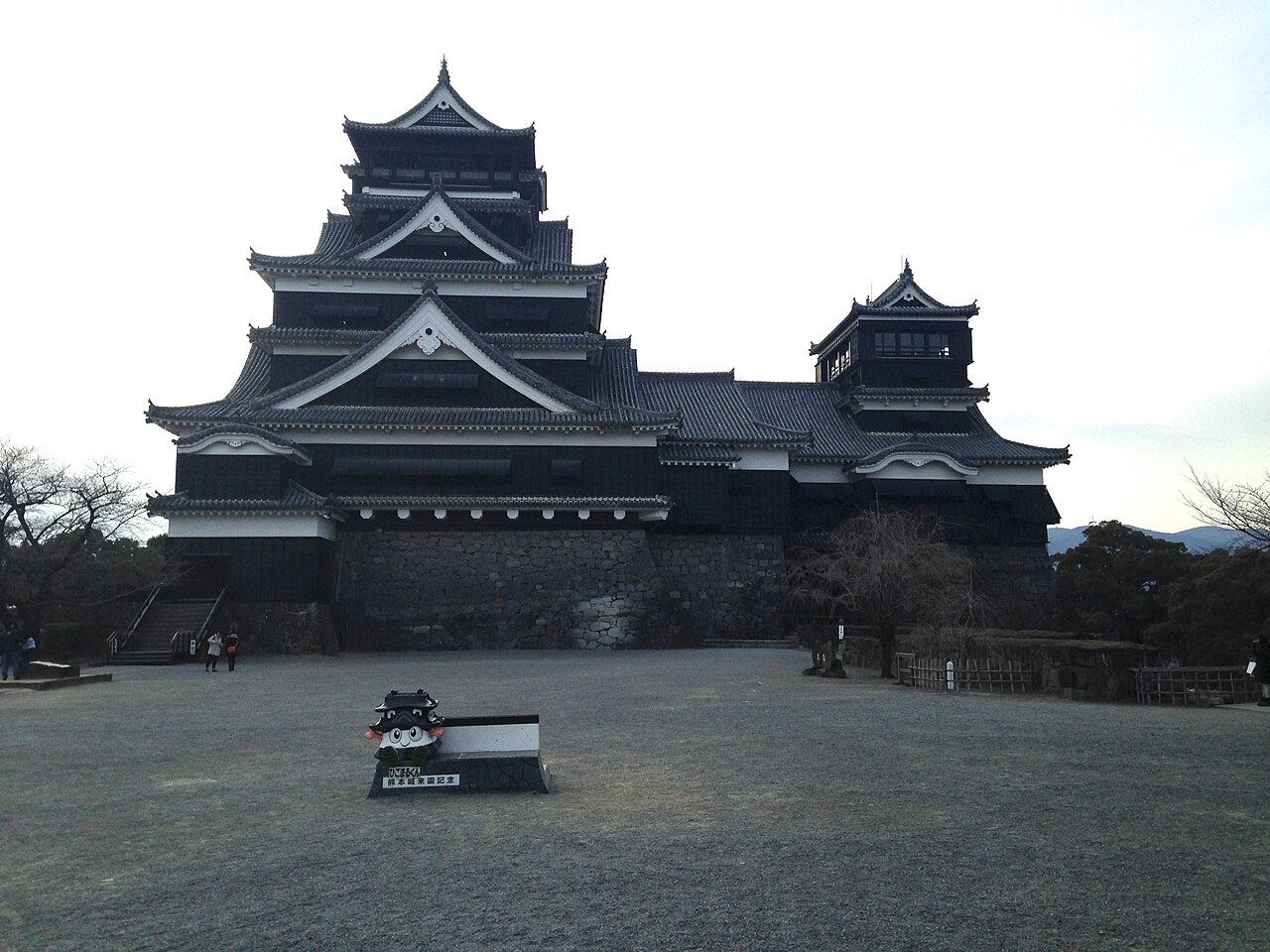
Kumamoto Castle was built by lord Kato Kiyomasa in 1607 and is widely considered one of the three finest castles in Japan. Its defining feature is the Musha-gaeshi — the curved stone ramparts that flare outward at the base, calculated to make the walls unclimbable while looking strikingly beautiful. The 2016 Kumamoto earthquake (magnitude 7.0) toppled sections of the walls and turrets; a 20-year restoration project repaired the main keep, which reopened to visitors in 2021. Inside, multimedia exhibitions trace the castle's military history and the engineering genius behind its construction. During cherry-blossom season (late March to early April), 800 sakura trees turn the grounds into a landscape that looks too composed to be real.
 2
2
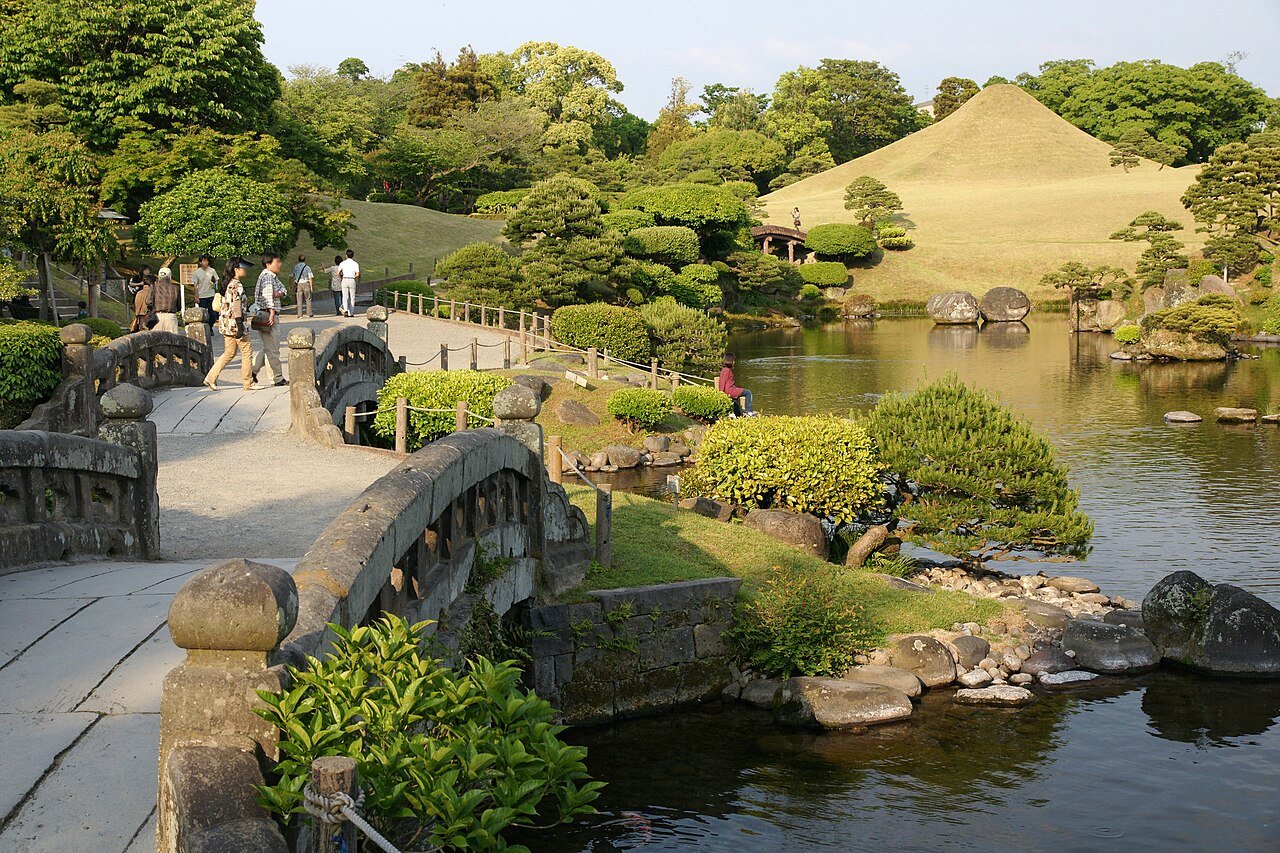
Suizenji Jojuen was designed in 1632 by the Hosokawa clan — Kumamoto's ruling family — as a private strolling garden that reproduces all 53 post-stations of the Tokaido highway in miniature. The centrepiece is a small grass-covered cone that represents Mt Fuji, surrounded by a spring-fed pond so clear you can see the gravel bed. The garden fits everything into about 1.8 hectares, yet wandering it takes as long as you're willing to give it. Cherry blossoms ring the pond in spring; maple foliage in autumn turns the reflections orange and red. Come at 09:00 on a weekday for the best light and emptiest paths.
 3
3
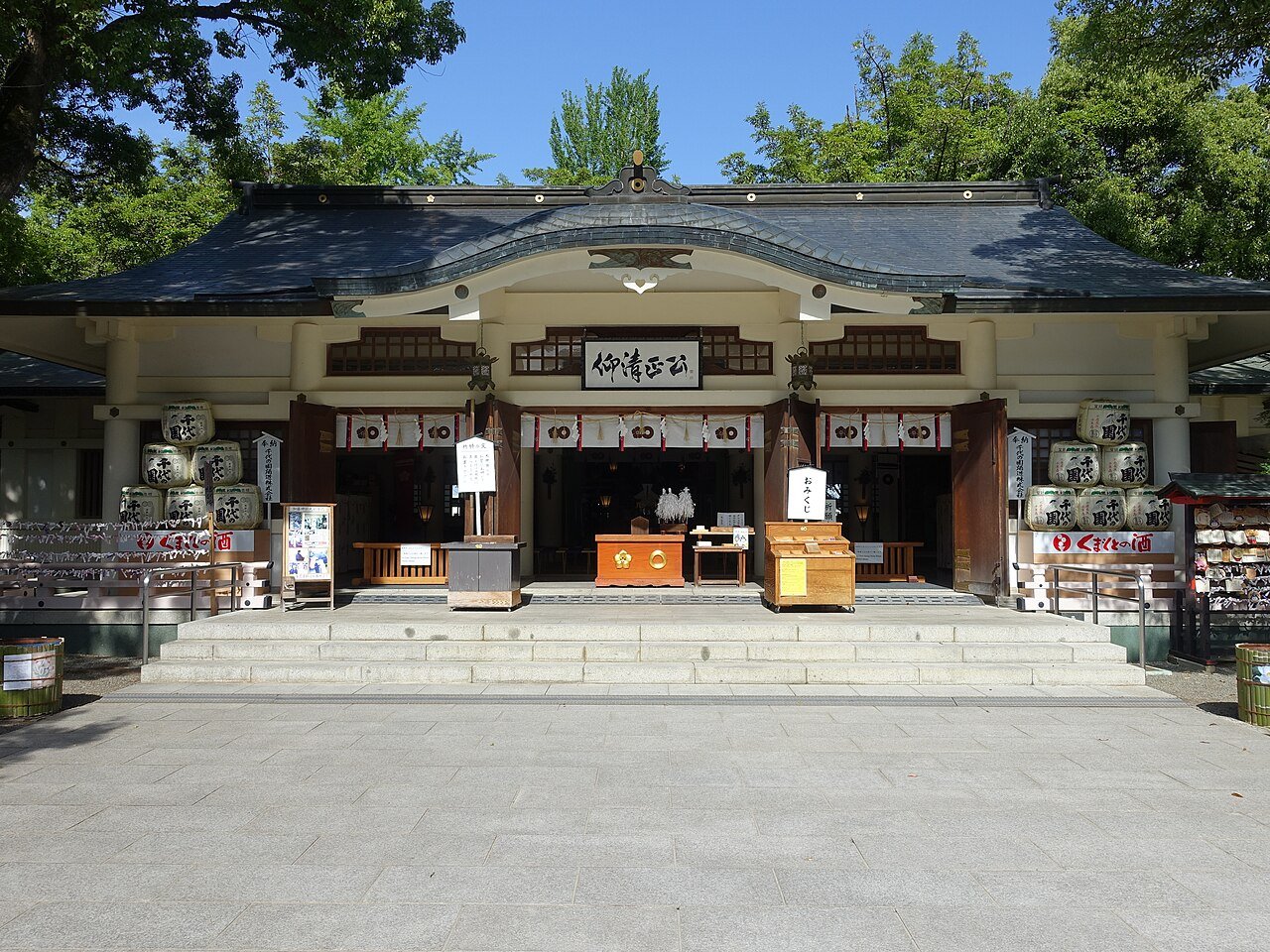
Ask any Kumamoto local who the city's greatest hero is and you'll get the same answer: Kato Kiyomasa — the general and lord who built the castle, drained the wetlands, and laid the foundations of the city we see today. Kato Shrine sits on the highest ground inside the castle compound, with the main keep rising directly behind the worship hall — one of the best angles for photographing the castle at any time of day. The shrine sells distinctive Omamori (good-luck charms) in the form of miniature samurai helmets (¥500–1,000), a popular buy even among non-believers. The grounds are open around the clock and free to enter.
 4
4
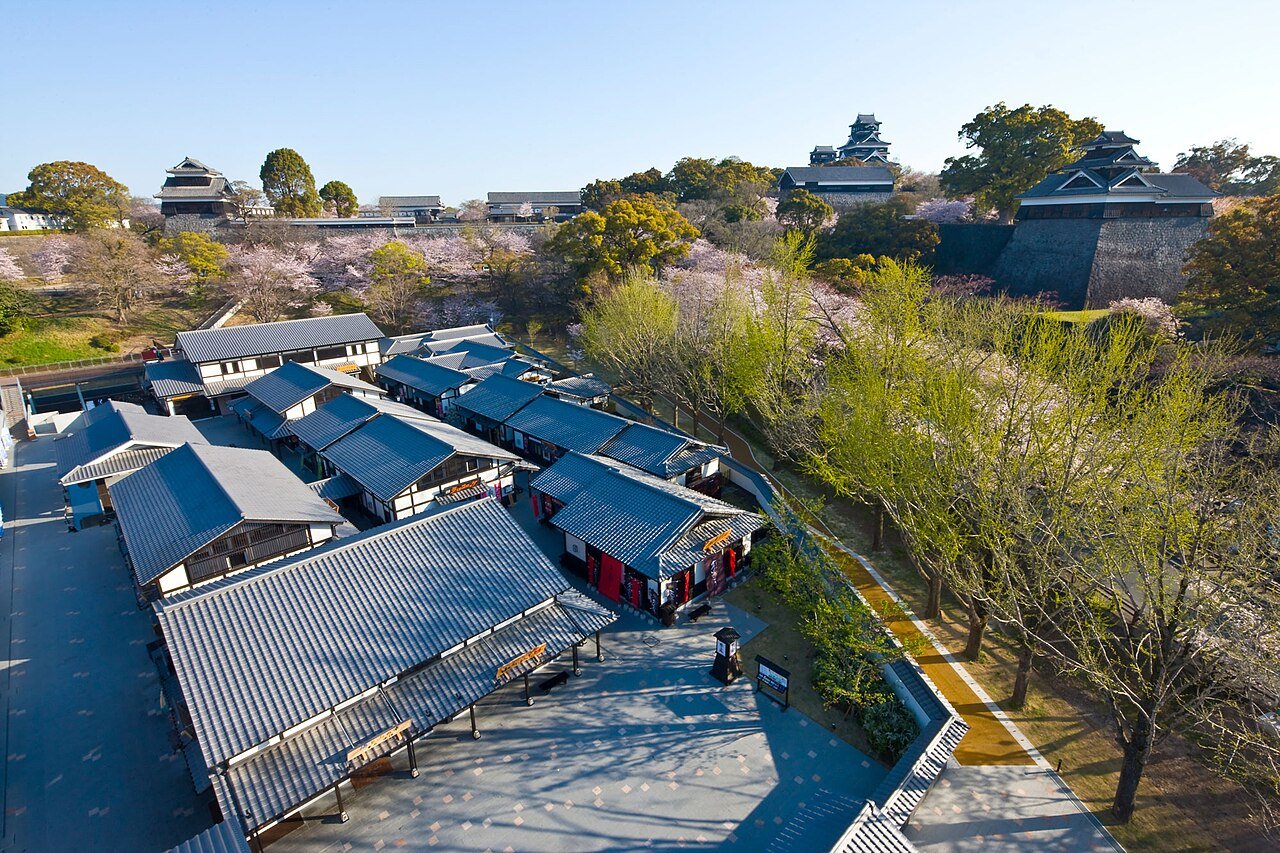
Walk out of the castle's south gate and you step straight into a reconstructed Edo-era townscape: wooden-fronted shops, stone lanterns, and the smell of grilled chicken drifting across the plaza. Sakuranobaba Josaien is the commercial zone built at the castle entrance. Its centrepiece is Wakuwakuza — an interactive museum where CG projections and life-sized mechanical figures tell the story of the castle's construction and the battle of Kumamoto. The surrounding "Sakurano Kouji" arcade sells Karashi Renkon (lotus root stuffed with mustard paste, a Kumamoto signature), local sake, Kumamon goods, and handmade sweets. Shops stay open until 19:00, making it the logical final stop before catching your train.
 5
5
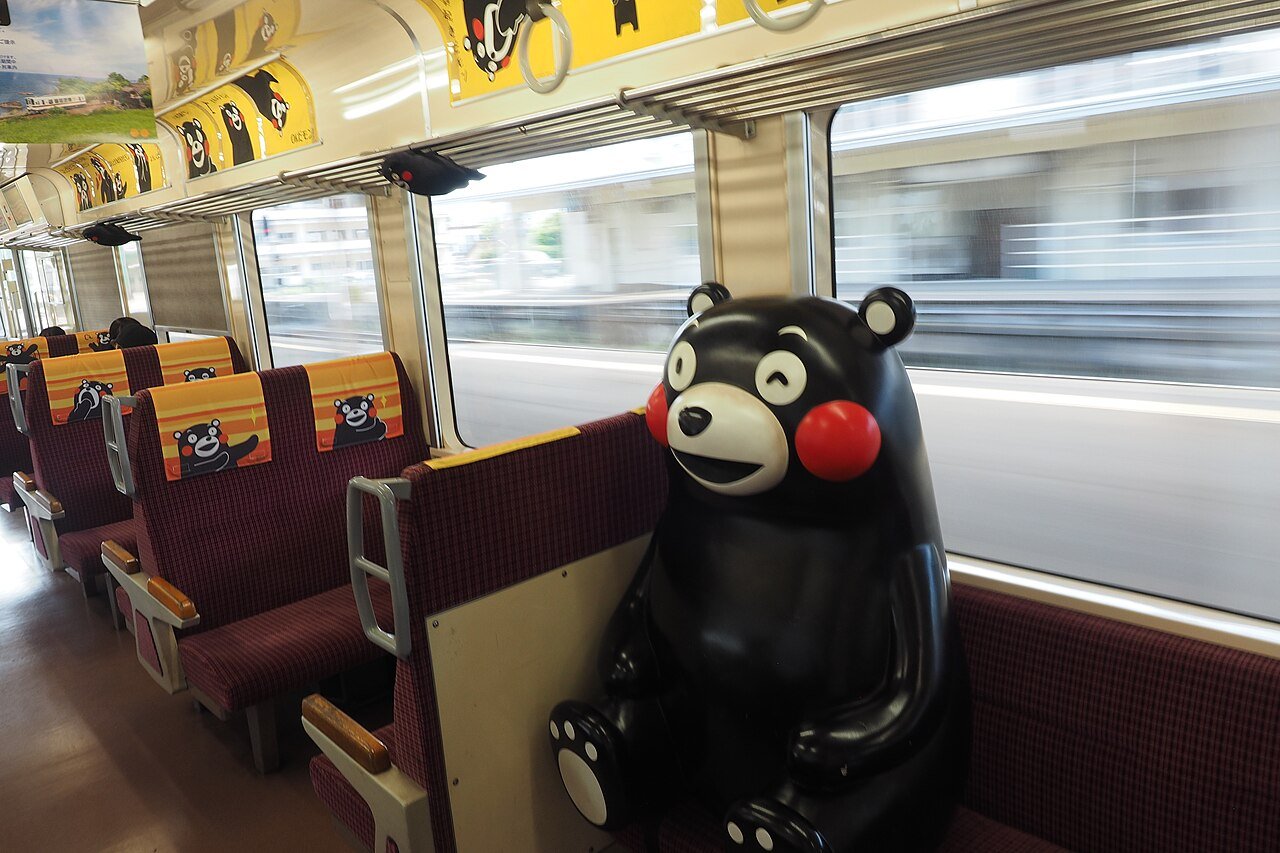
Kumamon is legitimately one of the most commercially successful mascots ever created — the prefecture's Kumamon-branded merchandise generates over ¥70 billion in annual revenue. That's a remarkable fact, but what actually draws visitors here is watching the bear himself perform on a 360-degree stage: dancing, somersaulting, striking poses for cameras, and playing up shamelessly to the audience. Weekend and holiday shows run at 11:30 and 15:00, and the energy in the room is genuinely infectious regardless of your age. Everything is free. Inside there's a well-stocked Kumamon shop and a cafe selling local produce. Arrive 15 minutes before the show and grab a front-row spot on the floor.
 6
6
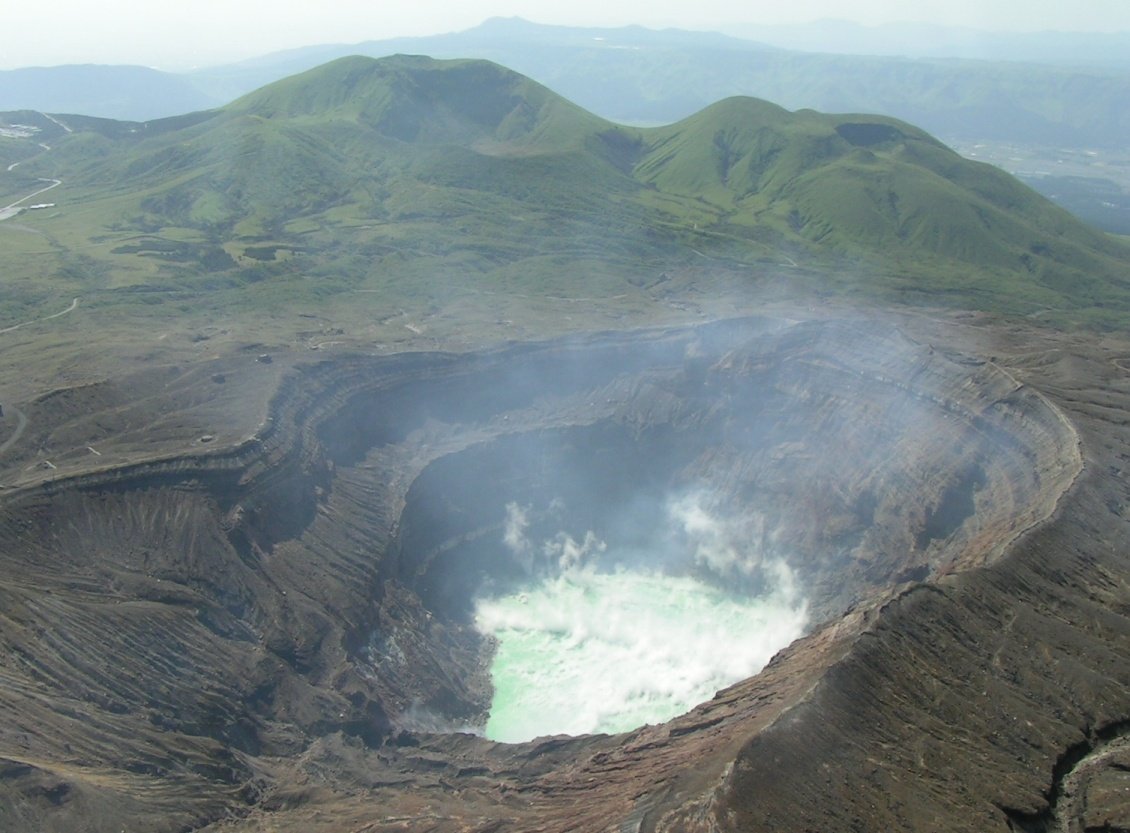
Mt Aso's caldera stretches 25 kilometres across — wide enough to hold several villages, a train line, and tens of thousands of people living inside an active volcano. Standing at the Daikanbo viewpoint and looking down into this bowl of grassland, farms and steaming vents is one of those moments that recalibrates your sense of scale. The Kusasenri grasslands at the caldera floor are grazed by free-roaming horses and cows, and horseback rides along the rim (¥1,500) are available daily. If the volcanic alert level permits, the Naka crater rim offers views of sulphurous gas venting from turquoise-grey pools. Book an Aso tour on Klook →
 7
7
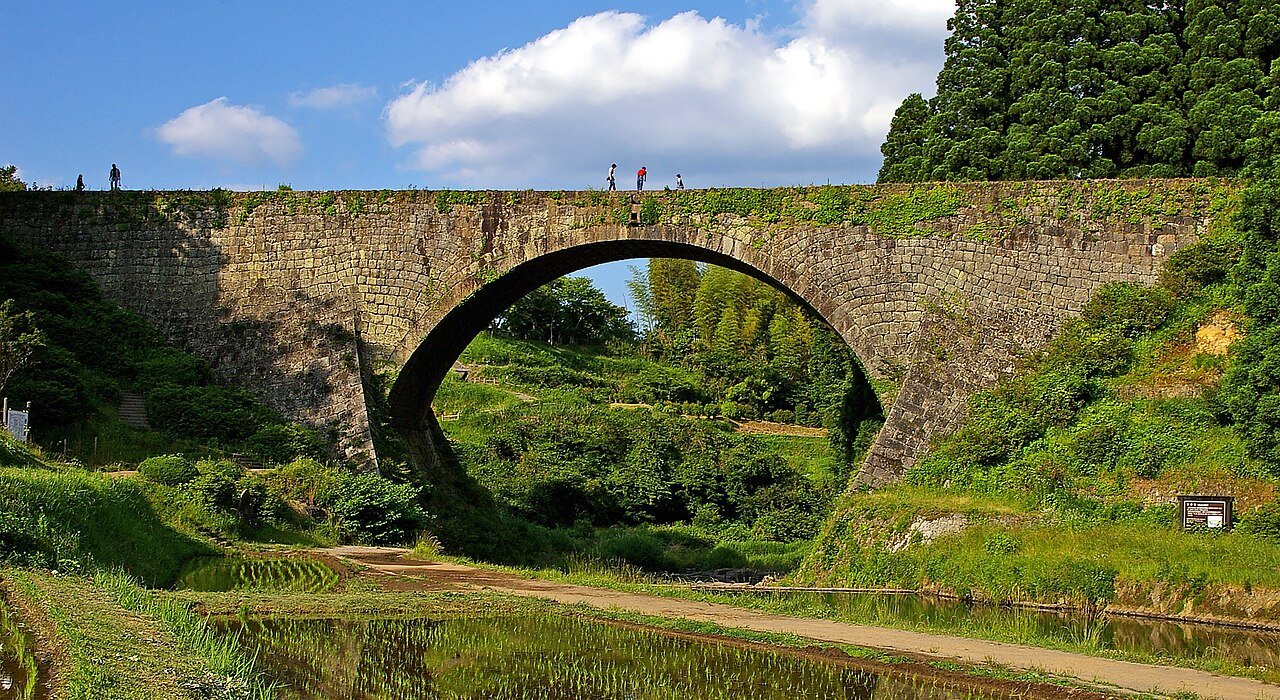
Tsujunkyo was built in 1854 by village headman Fuhito Fui to carry irrigation water across a ravine to upland rice fields — no cement, no steel, just cut stone and the physics of siphon pressure. The bridge is 75 metres long and 20 metres tall, and it still works exactly as designed: on weekends and public holidays, park staff open the valves and water shoots 20 metres into the air from both ends of the arch simultaneously (13:00 and 14:30). In 2023 the bridge was inscribed as a UNESCO World Heritage Site as part of the Meiji Industrial Revolution grouping. It receives far fewer foreign visitors than the castle or Aso, but everyone who makes the trip says the same thing: it was absolutely worth it.
 8
8
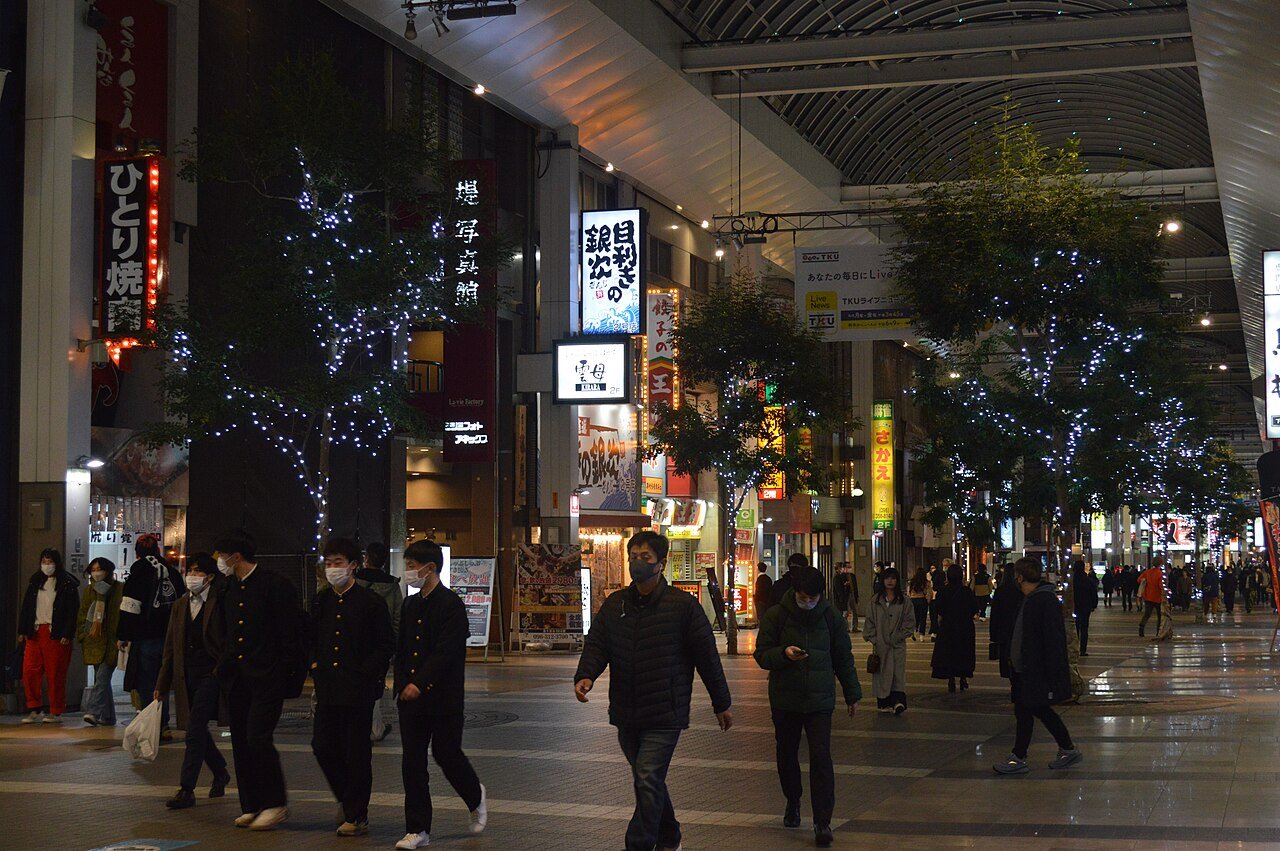
Shimotori and Kamitori are the twin covered shopping arcades that form the commercial spine of central Kumamoto. Shimotori (510 m long, 15 m wide) is the bigger and livelier of the two — by day it's packed with fashion stores, pharmacies and ramen shops; after 21:00 the side streets become a dense matrix of izakaya, craft-beer bars and karaoke. Kamitori (586 m long) runs parallel on the other side of the tram street and skews slightly more boutique and relaxed. The two are connected midway at the Torichosuji intersection. A lunch of Kumamoto ramen (tonkotsu broth finished with black sesame oil and roasted garlic, ¥900–1,200) and an evening plate of basashi (horse sashimi, ¥1,500–2,000) eaten here puts you exactly where the locals are.
 9
9
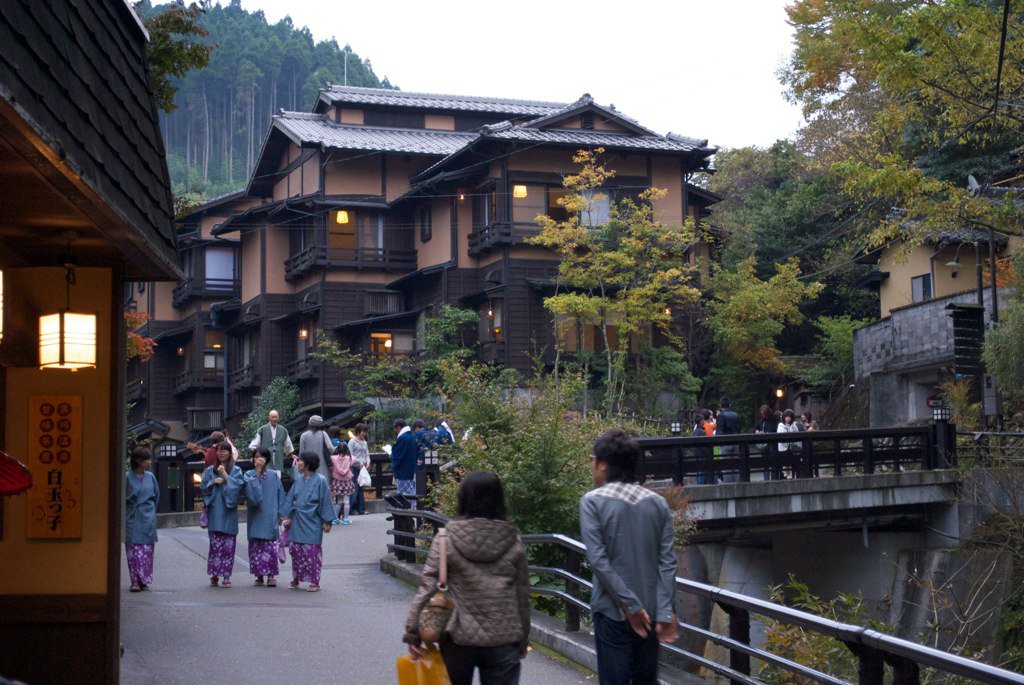
Kurokawa is one of those places that travel writers routinely call Japan's most beautiful hot-spring village — not because of any one famous bath, but because the whole village made a deliberate choice: no concrete buildings, no neon signs, every facade maintained in the style of traditional machiya townhouses. The Nyuto Tegata wooden token (¥1,300) grants access to any three of the village's rotenburo (outdoor baths) across different ryokan — each one different in setting, stone or timber, riverbank or woodland. The walk between them along the river path, past small cafes selling onsen manju and handmade tofu, is as much the experience as the bathing itself.