Kobe is compact enough that every area is within reach — but each neighbourhood has a completely different character. Pick the right one for your trip and the whole stay clicks into place.
Kobe is not a city where staying in the wrong neighbourhood costs you an hour a day — it's too compact for that. But each area has a personality so distinct that the choice genuinely shapes the feel of your visit. Sannomiya is the urban hub with four rail lines converging at one station. Kitano is the quiet hillside district of preserved European mansions from the port's foreign-merchant era. Harborland is all sea views, the crimson Port Tower and the Mosaic Ferris wheel reflected in the water at night. Motomachi and Nankinmachi are for people who want to walk and eat for hours without getting back on a train. And then there is Arima Onsen — Japan's oldest hot springs, up in the mountains 30 minutes from the city centre, worth one overnight if you want the full ryokan experience.
Below are five neighbourhoods with honest descriptions of who each suits, the nearest transport, and real reviewed hotels where they exist. If you want the full city picture first, read the Kobe city guide.
For most people visiting Kobe for the first time, Sannomiya is the easiest call. All four main lines — JR, Hankyu, Hanshin and Kobe Subway — run from the same station complex. Restaurants, cafes and shops cover every price point within walking distance. Kitano-cho is a 15-minute walk uphill, Nankinmachi Chinatown is 10 minutes flat, and Osaka Namba is 30 minutes on Hanshin Line if you want to combine the cities. Hotels range from around ¥7,000 per night at the budget end to full luxury. There is nowhere in Kobe you cannot reach quickly from here.
Two reviewed hotels in this area: Hotel Monterey Kobe — a 4-star property designed around Italian Romanesque architecture with a free public bath included, rated 9.2 from 1,164 reviews, from ¥13,000 per night. Or the budget option: Toyoko Inn Kobe Sannomiya — 3-star, free Japanese breakfast daily, from ¥7,000.
See the full Kobe city guide →Honest vibe, nearest transport, and real reviewed hotels in each — with links to full reviews.
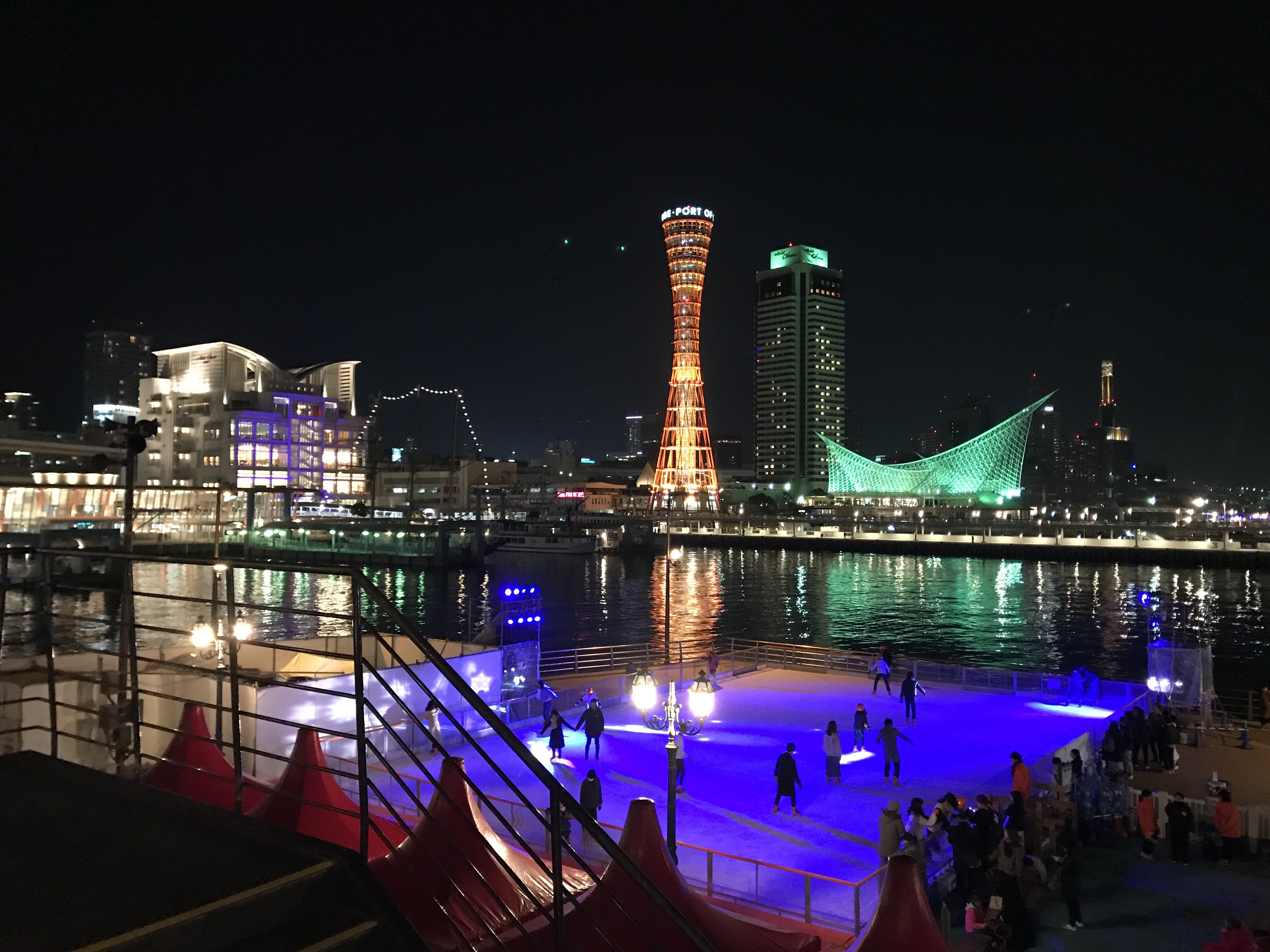
Area 1
Right for: Anyone who wants maximum convenience and easy access to every part of Kobe. Restaurants, department stores, izakayas and cafes are all concentrated around the station. Kitano-cho and Nankinmachi are reachable on foot without a train. The honest downside: the streets immediately around the station are busy and noisy — not the right choice if you want a quiet neighbourhood feel.
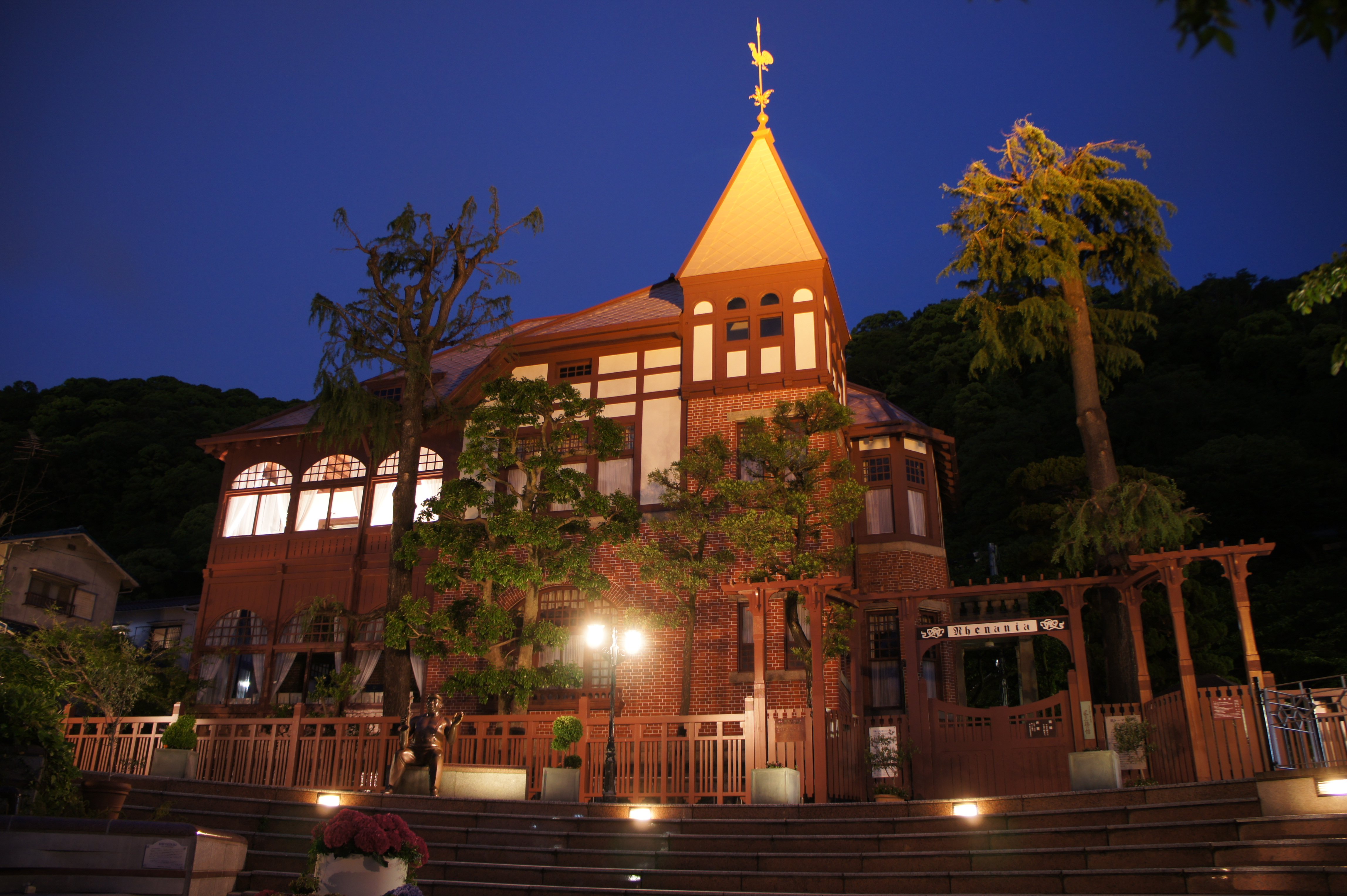
Area 2
Right for: Travellers who want atmosphere before convenience — cobblestone lanes, preserved Western-style mansions built by French, British and German merchants in the Meiji period, and genuine quiet. Shin-Kobe Station sits at the top of the hill and is the Shinkansen stop for Kobe, making this area particularly practical if you're arriving or departing by bullet train. The honest downside: the streets slope uphill from Sannomiya — dragging luggage is tiring.
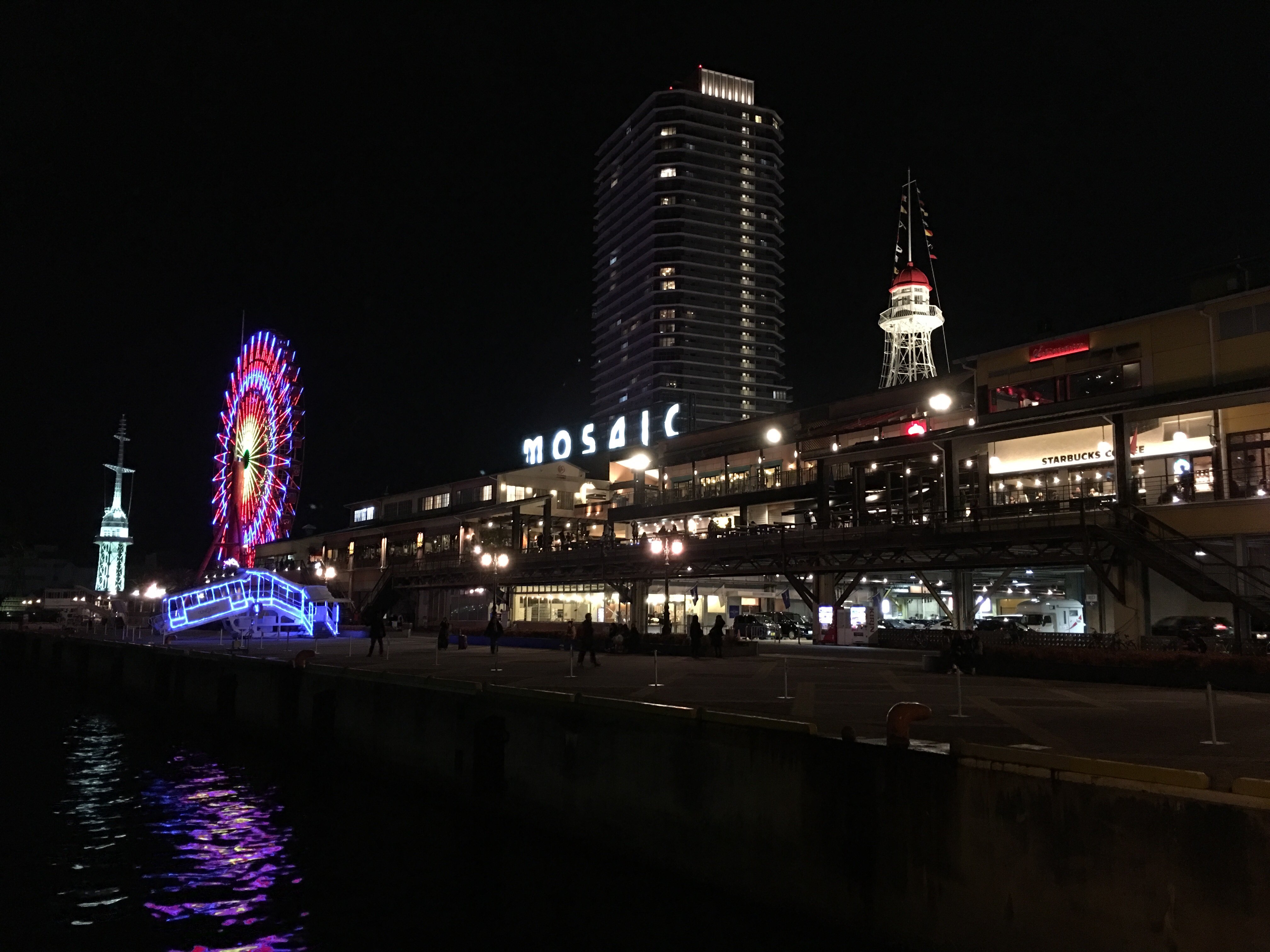
Area 3
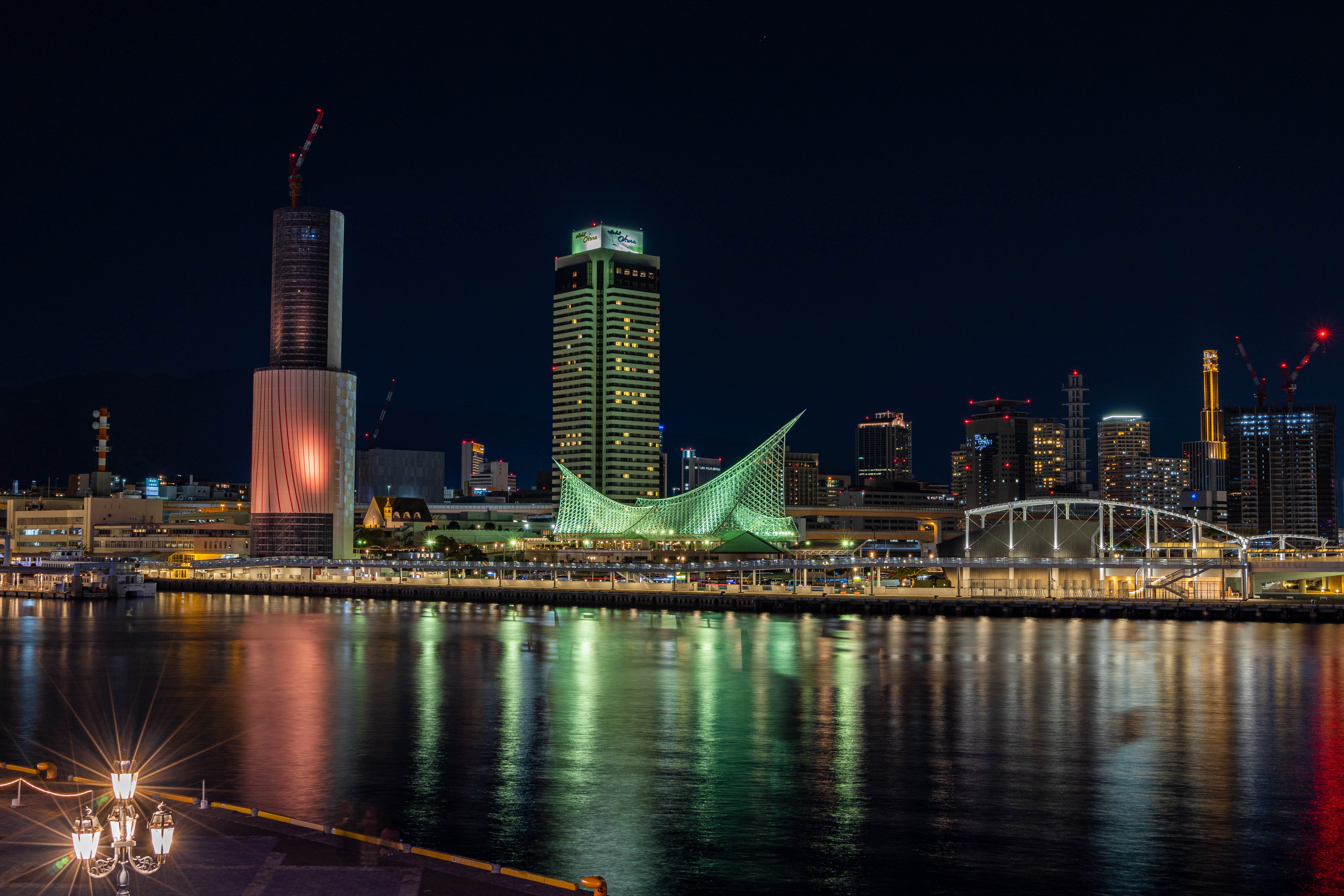
Right for: Couples wanting sea views from the room balcony, or anyone for whom the sight of Kobe Port Tower and the Mosaic Ferris wheel at night on the water is the image they came for. Meriken Park is a short waterfront walk and the harbour promenade is the most scenic stretch in Kobe. The honest trade-off: this area is 10–15 minutes from Sannomiya by bus or shuttle, local restaurants are fewer, and hotels here are generally more expensive.
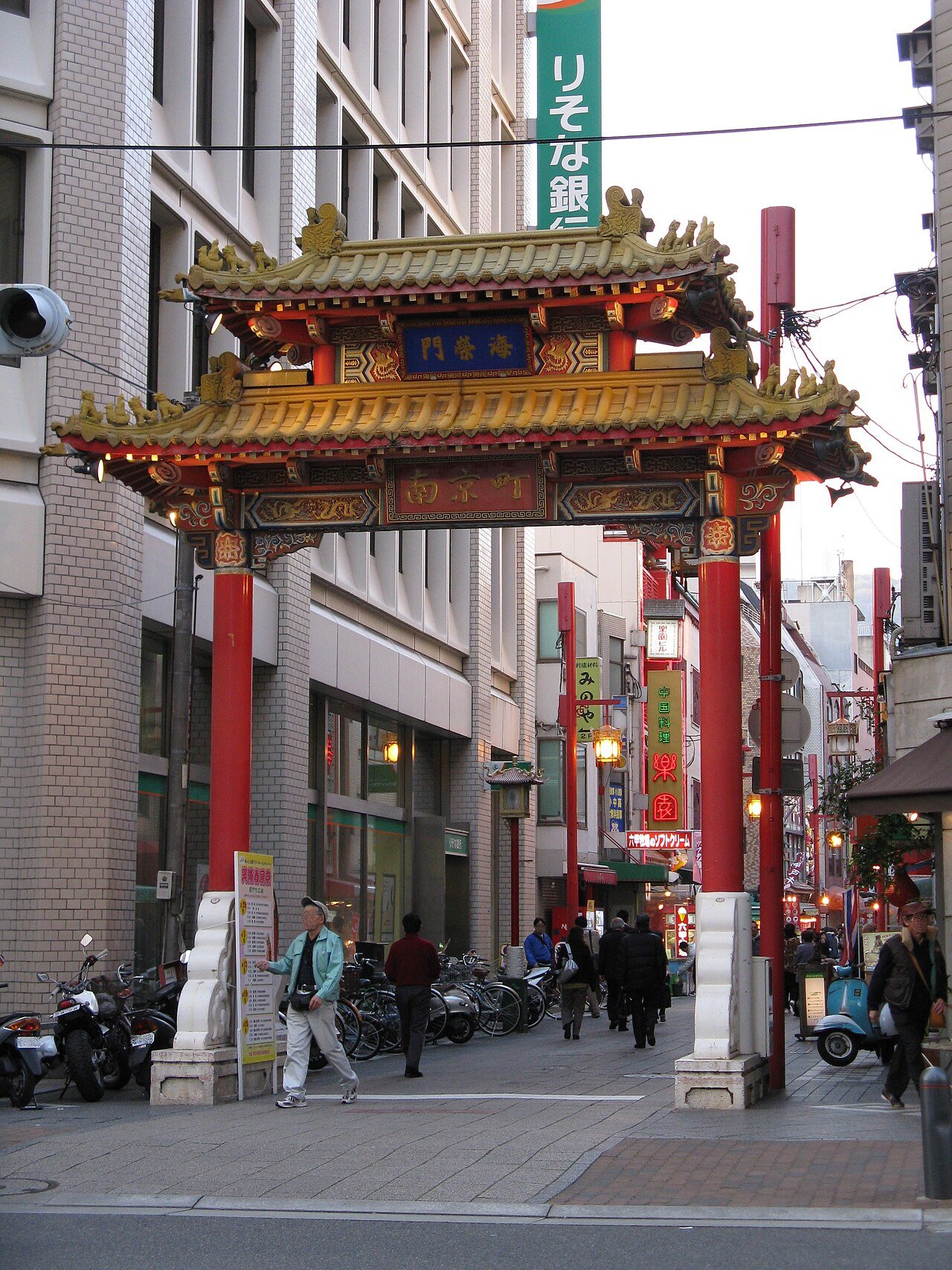
Area 4
Right for: People who want to walk and eat without getting back on a train. The Motomachi Shopping Street runs from the station through old Meiji-era merchant buildings; Nankinmachi Chinatown — compact but lively, with steamed buns, noodles and dumplings at every turn — sits just off the end; and Meriken Park is another 15 minutes on foot. The street-level mix of old bakeries, Western-influenced cafes and Japanese restaurants reflects Kobe's port-city character directly. The honest downside: it gets crowded on weekends.
Area 5
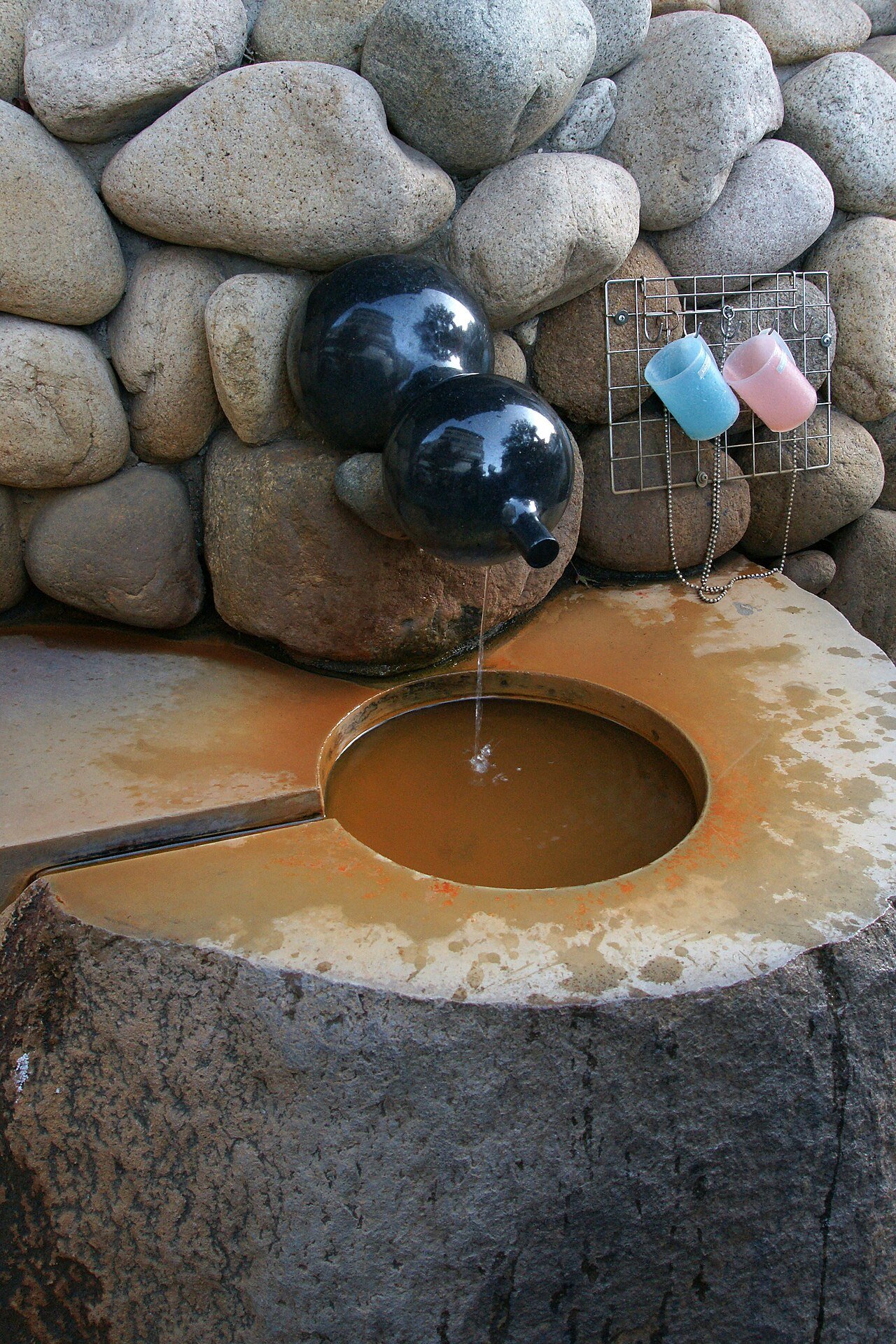
Right for: Anyone who wants a genuine Japanese onsen experience woven into a Kobe trip. Arima's springs come in two types: Kinsen (golden) — iron- and sodium-rich, the amber-brown water that colours the water distinctively — and Ginsen (silver), a cooler, clearer radium spring. The town has been a bathing destination since the Nara period, over 1,300 years ago. An overnight stay here — arriving late afternoon, soaking before and after dinner, watching the town quieten after the day visitors leave — is something that a day trip cannot replicate. Ryokan from approximately ¥40,000 per person including two meals.
Area 6
Right for: Families with young children wanting a calmer environment, or travellers flying in or out of Kobe Airport (UKB) who want accommodation close to the terminal. Port Liner connects the island to Sannomiya in under 10 minutes and runs directly to the airport. The honest trade-off: Port Island lacks the character and street-level life of Kobe's historic neighbourhoods. After 9 pm there is very little going on.
If you're keeping costs down, 3-star rooms in Sannomiya start around ¥7,000–¥9,000 per night. Toyoko Inn Kobe Sannomiya — scored 8.6 from 345 reviews — includes a free Japanese breakfast every morning, which makes the price point genuinely competitive even compared with budget options elsewhere in Japan.
For the best the city has to offer, Hotel Monterey Kobe (9.2/10 · free public bath · Kobe specialties breakfast) and Kobe Meriken Park Oriental Hotel (9.1/10 · 270-degree sea views · every room has a private balcony) are the two properties most frequently mentioned by visitors when asked about their Kobe stay.
Kobe's food identity is shaped by its port history — a mix of Japanese, Chinese and Western influences that feels entirely its own. Nankinmachi has the most concentrated street food (steamed buns, gyoza, noodles, at very reasonable prices). Motomachi has old bakeries and cafes that trace their lineage to foreign-merchant Kobe. The Harborland area is full of restaurants but leans towards the higher end. If you want Kobe beef, the Sannomiya backstreets have the widest range of teppanyaki and yakiniku restaurants across different budget levels.