A lakefront onsen ryokan and a budget hotel near the station sit just a few kilometres apart — but they deliver completely different trips. Here is what each area actually gives you, before you book.
Picture waking up, sliding open the shoji screen, and finding Mount Fuji filling the window — that is what draws most people to Kawaguchiko. But book the wrong area and the view from your room might be a car park or a side street instead.
Kawaguchiko is not a large town, but the lake is roughly 20 kilometres around, and the Omni Bus runs on a fixed route. If you end up in the wrong zone without a rental car, you will spend meaningful time each day just getting between your hotel and the places you want to see.
We divide the lake into four main areas. Each has a distinct character — views, atmosphere, price level, and ease of access are all genuinely different. Read the full Kawaguchiko travel guide for everything else once you have sorted your base.
For the majority of first-time visitors, the South Shore delivers the most complete experience. Onsen ryokan sit directly on the lake with Mount Fuji reflected in the water, the Omni Bus runs past reliably, and accommodation spans from mid-range hotels to Relais & Chateaux-level ryokan at roughly ¥8,000–35,000 per person per night (including two meals at the top ryokan). You do not need to figure out transportation on your first morning.
Top pick for this area: Kozantei Ubuya — outdoor onsen baths right on the lakefront, Fuji reflected in the water as you soak, ceremonial tea, and one of the most celebrated stays in all of Japan.
Read the full Kozantei Ubuya review →Recommended hotels and ryokan with real review links for every area — pick what fits your trip style.
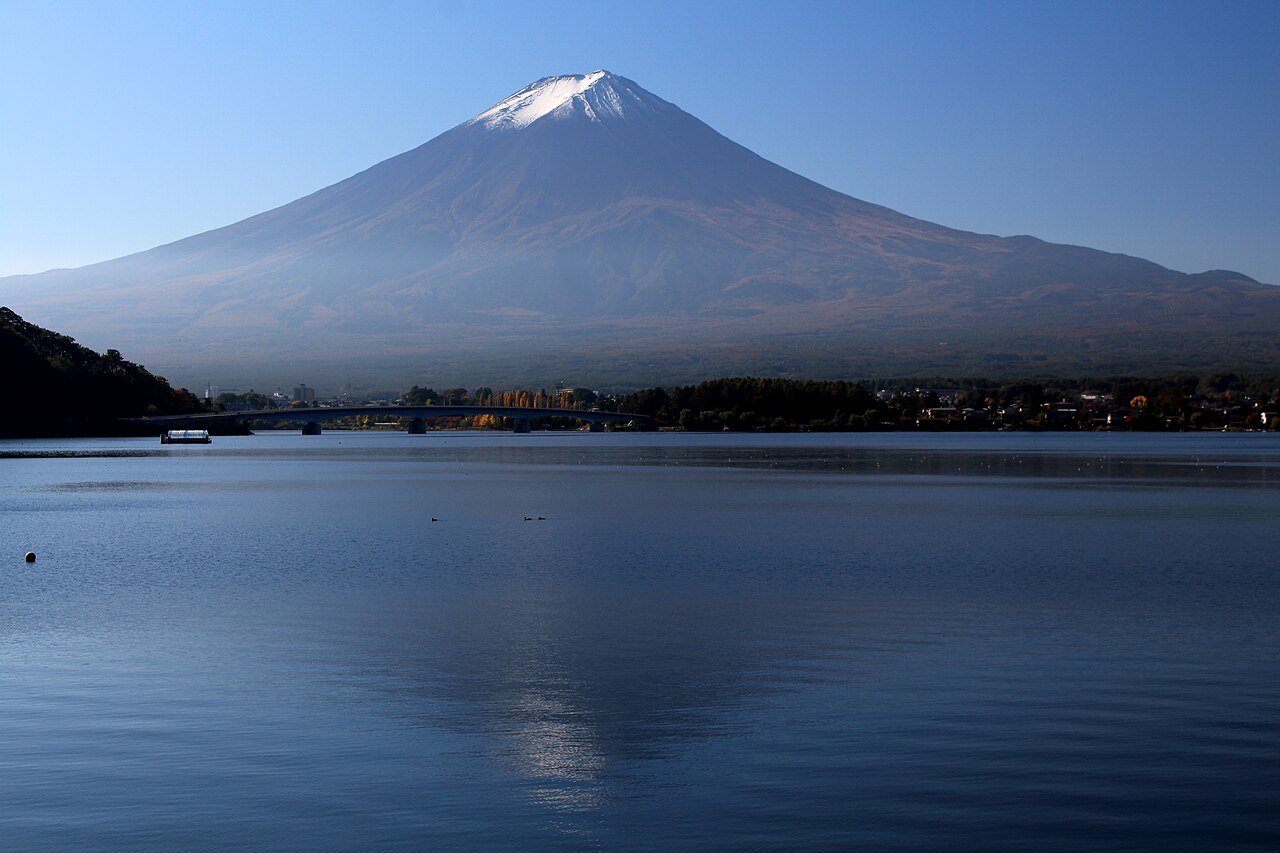
Area 1
Best for: Anyone whose main reason for coming is a lakefront onsen with Mount Fuji right in front of them. The highest-rated ryokan cluster here — Kozantei Ubuya, Kasuitei Ooya, and several others. The atmosphere is calm and refined. Honest caveat: prices run higher than other areas, especially on weekends and during cherry blossom and autumn leaf season.
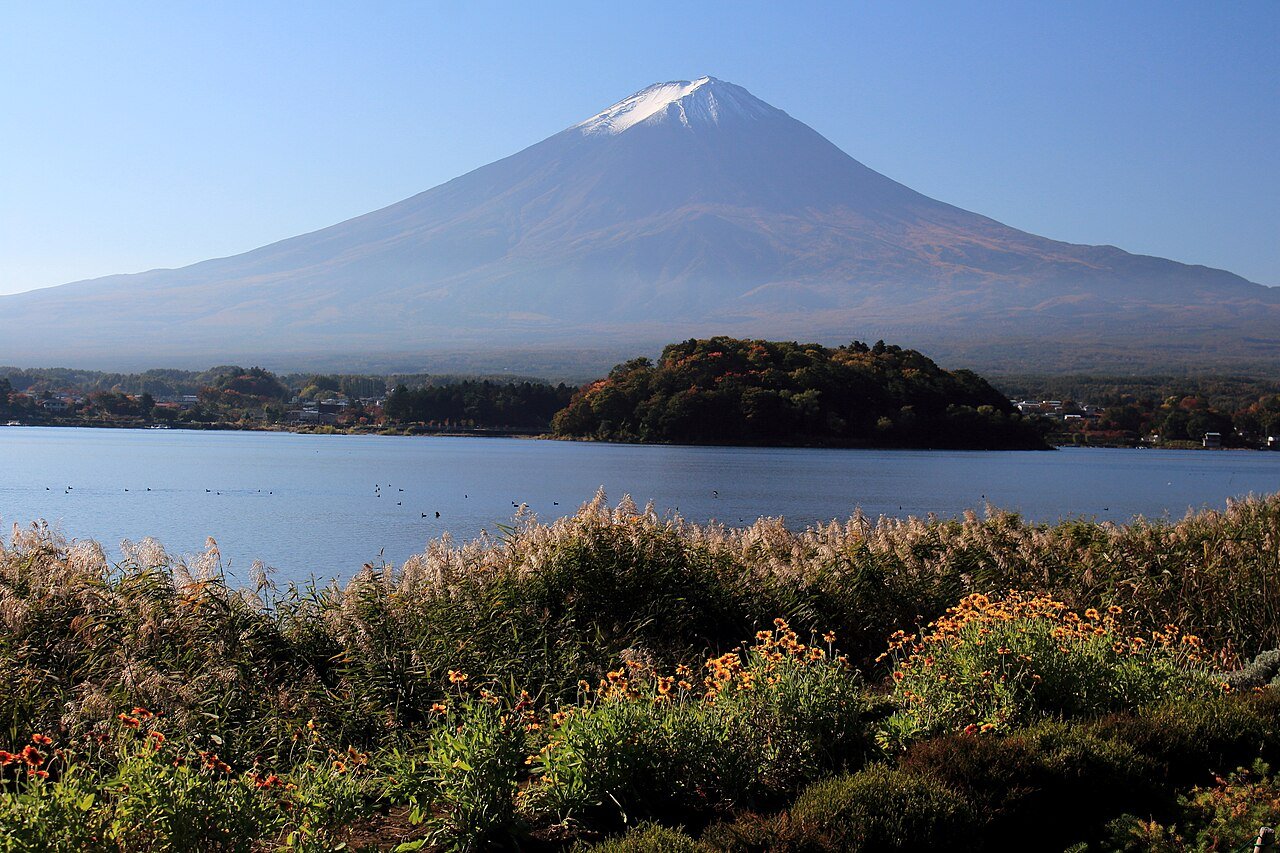
Area 2
Best for: Photographers and anyone who wants genuine peace and quiet. Oishi Park on this side is the spot for the inverted Fuji reflection — best before 8 am when the surface is still and before buses bring day-trippers from the station. Staying here means you walk out at dawn without competition. Honest caveat: restaurants and shops are sparse. Without a rental car the bus runs infrequently, so errands and evening meals require planning.
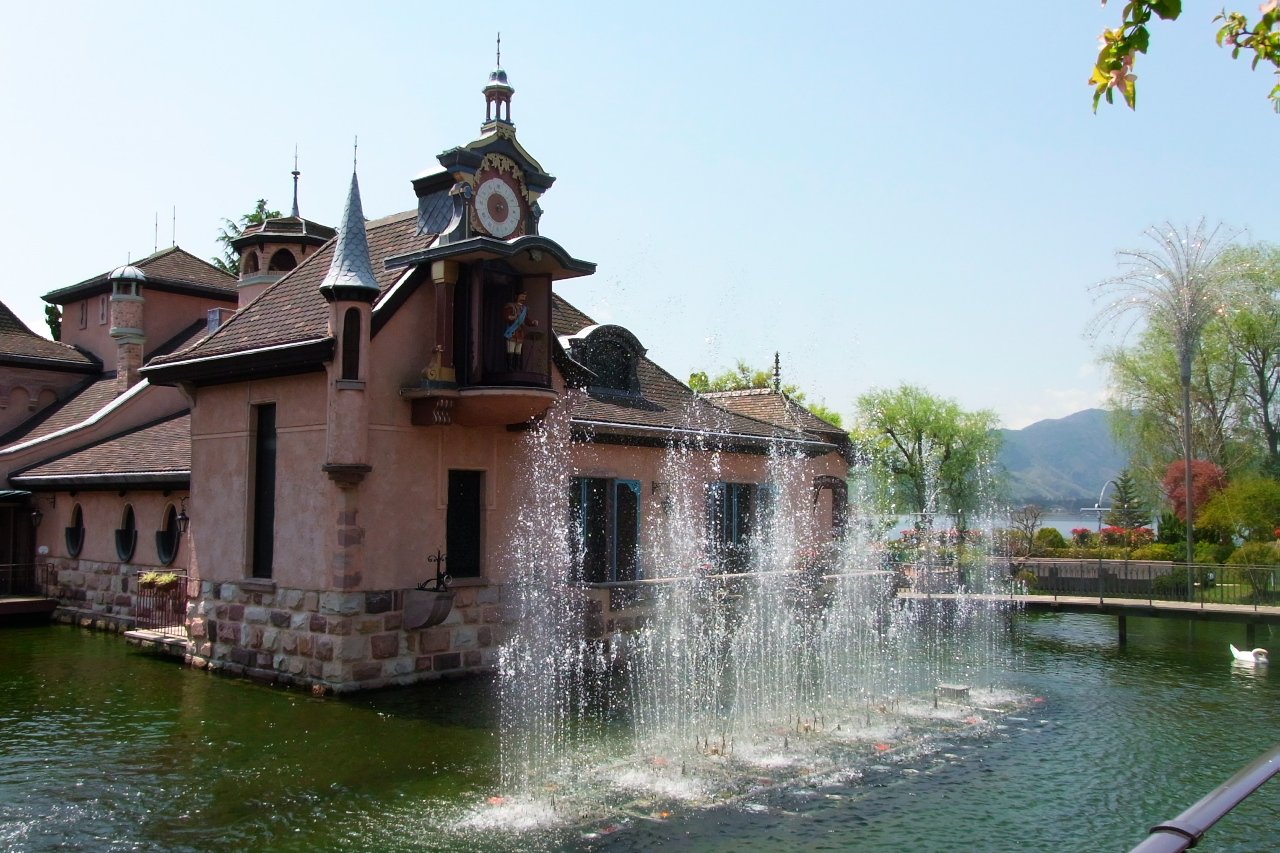
Area 3
Best for: Travellers seeking seclusion and an upscale forest atmosphere without crowds. The Itchiku Kubota Art Museum and Kawaguchiko Music Forest are both nearby. It is one of the quietest pockets of the lake. Price levels are similar to the South Shore. Honest caveat: almost no dining options within walking distance — you are dependent on a car or taxi for every meal, and the cost of taxis from here adds up quickly.
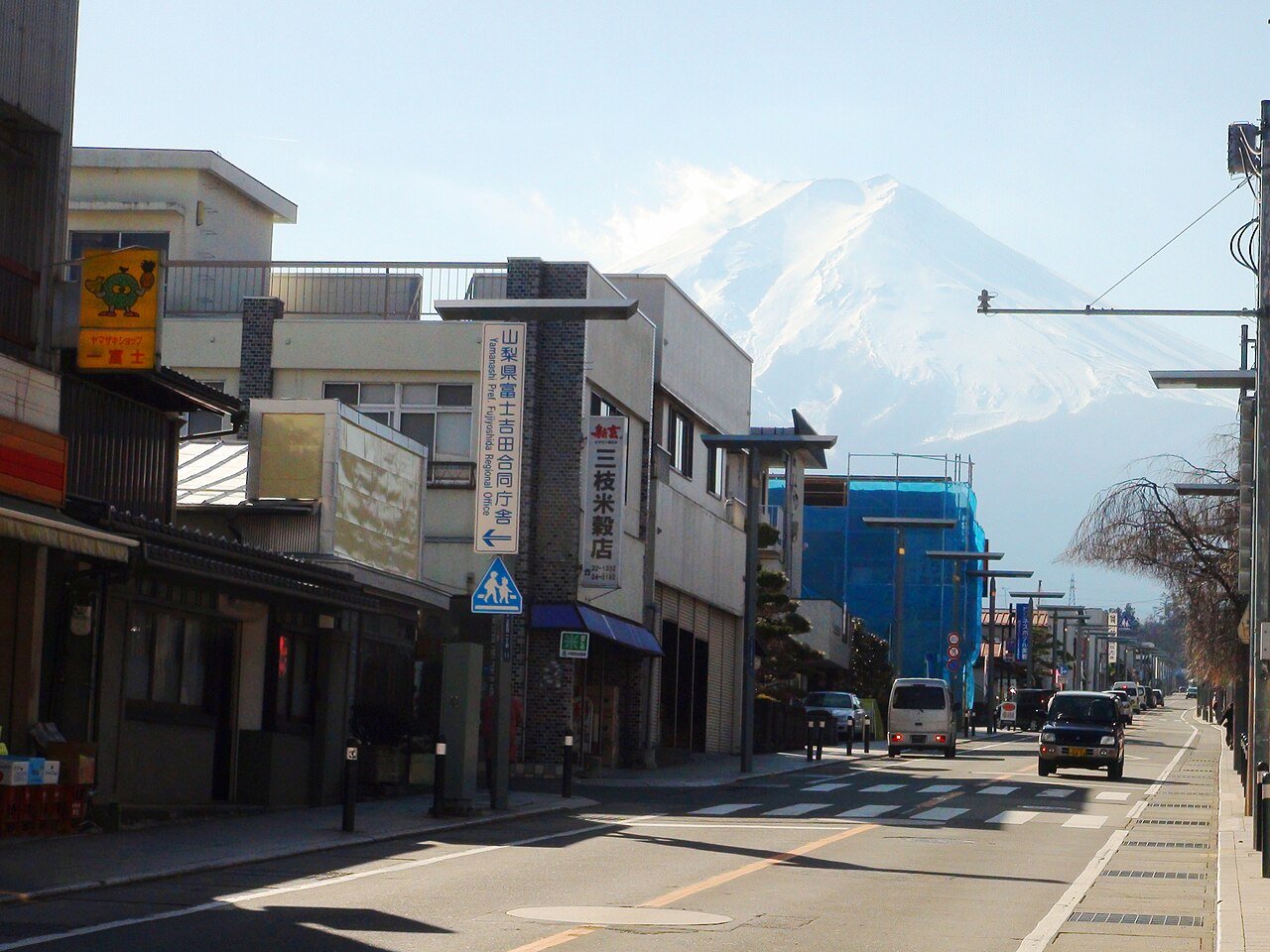
Area 4
Best for: People who prioritise convenience and value, or who are stopping for a single night on a larger itinerary. The station is the hub for every bus line. Hoto noodle restaurants, souvenir shops, and a convenience store are all within a few minutes on foot. Accommodation ranges from capsule hostels to lakefront hotels with onsen. Prices are generally lower than the South Shore. Honest caveat: Fuji views from most rooms are not the panoramic spectacle you get on the south or north shores.
On a tighter budget, guesthouses and budget hotels near the station start around ¥3,000–6,000 per night. Fuji Lake Hotel hits a comfortable mid-range around ¥10,000–15,000 per night and is close to the bus terminal. If you want the full ryokan experience, Kozantei Ubuya is the benchmark on the South Shore — pricing from around ¥30,000–50,000 per person including two meals. You pay for it once and get something you genuinely will not find anywhere else.
Prefer outdoor onsen with Fuji views at a more manageable price? The Kukuna is the middle-ground answer — good onsen facilities, solid Fuji views, and notably easier on the wallet than the lakefront ryokan.
The defining dish of Kawaguchiko is hoto (Hōtō) — thick flat noodles in a rich miso-based hot pot with kabocha squash. It is warming, filling, and deeply local. The best-known restaurants are clustered within walking distance of the station. Yoshida udon — thick chewy noodles with a bold broth — is the other local staple, also concentrated near the station zone. For a full rundown of what to see and do, visit the Kawaguchiko travel guide.