9 Things Worth Doing in Kawaguchiko
Ordered by what visitors talk about most after they leave — not by what every list recycles
 1
1
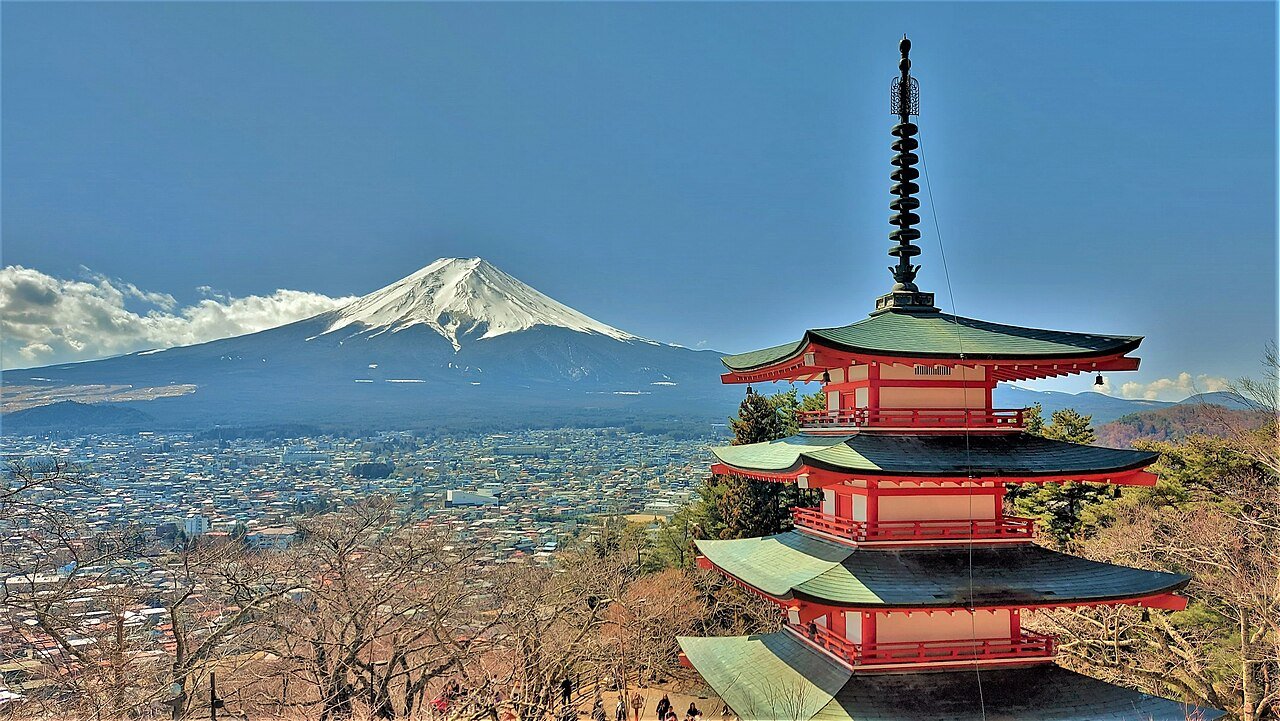
There is a reason this view — five-storey white pagoda, cherry blossoms on either side, snow-capped Fuji behind — has been shared millions of times without ever going stale. It genuinely looks that good. The pagoda sits inside Arakurayama Sengen Park above the town of Fujiyoshida, a short train ride from Kawaguchiko Station. The 400-step climb from the torii gate passes through tall cedar forest before the mountain and pagoda open up above you. In cherry blossom season (mid to late April) the path is lined with pink on both sides. Autumn colours (early to mid November) give a warm red-orange version of the same view. Outside these seasons it is quieter and perfectly worth visiting — just check the sky before you climb.
 2
2
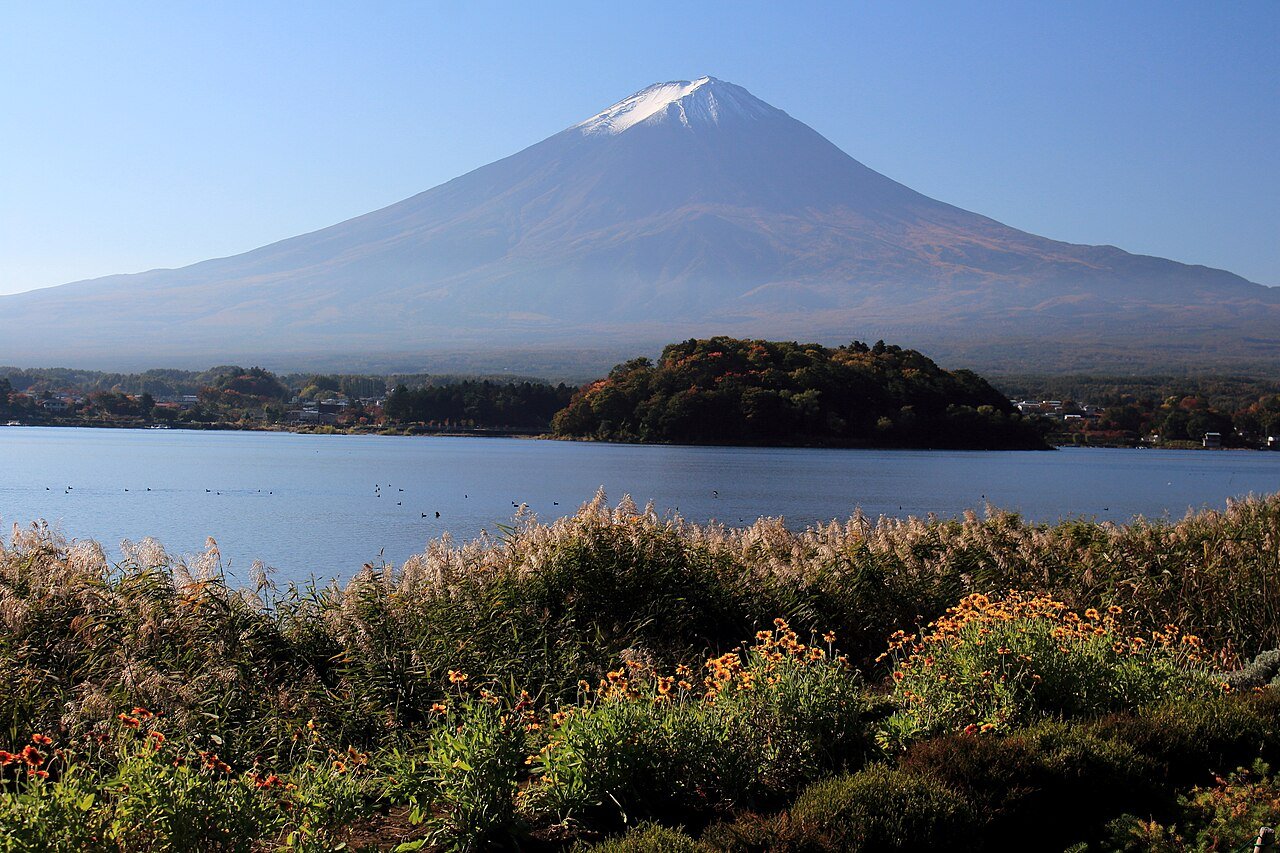
If you want to know where Fuji looks biggest and most unobstructed, Oishi Park on the northern shore is the answer. Nothing sits between the flower beds and the mountain — no ridge, no tree line, no building. The park reinvents itself every season: tulips in April, lavender in late June and July (the purple against Fuji's white is the park's signature shot), and round red kochia bushes in October that turn the whole field a burnished crimson. Adjacent to the park is the Kawaguchiko Natural Living Center with local crafts and food — worth a short browse before or after. The park itself is free and open all the time; the Natural Living Center runs normal retail hours.
 3
3
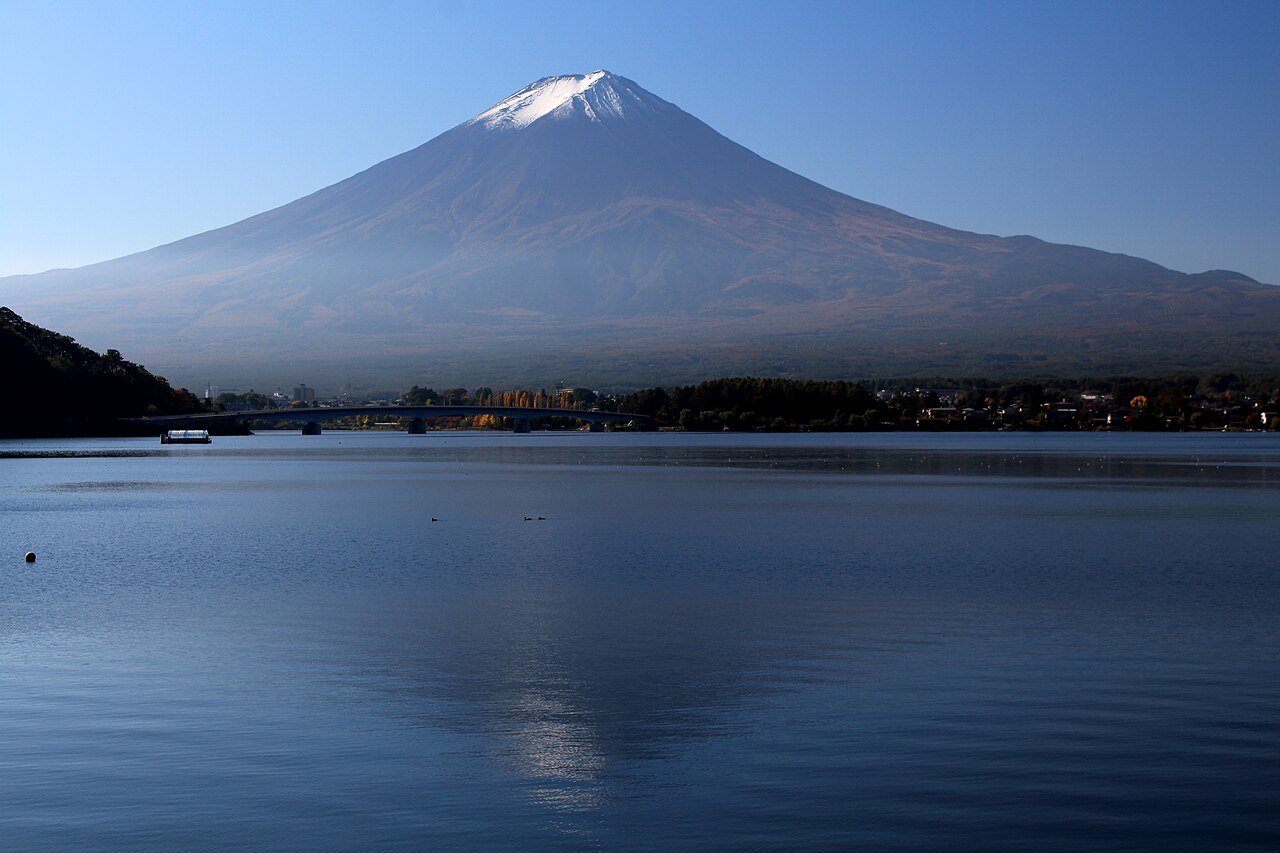
This is the image that makes people say the photo looks edited — but it does not. When the lake is completely still and the light is right in the early morning, Fuji reflects in the water with the same sharpness as the mountain itself, perfectly inverted. The best position is along the northern lakeshore near Oishi Park or at the Kawaguchiko boat pier near the town centre. The window is narrow: from about 05:30 to 07:00 before the morning breeze ruffles the surface. Late autumn and winter offer the cleanest sky and the most dramatic snow-capped summit to reflect. On windy mornings it does not work at all — come back the following dawn.
 4
4
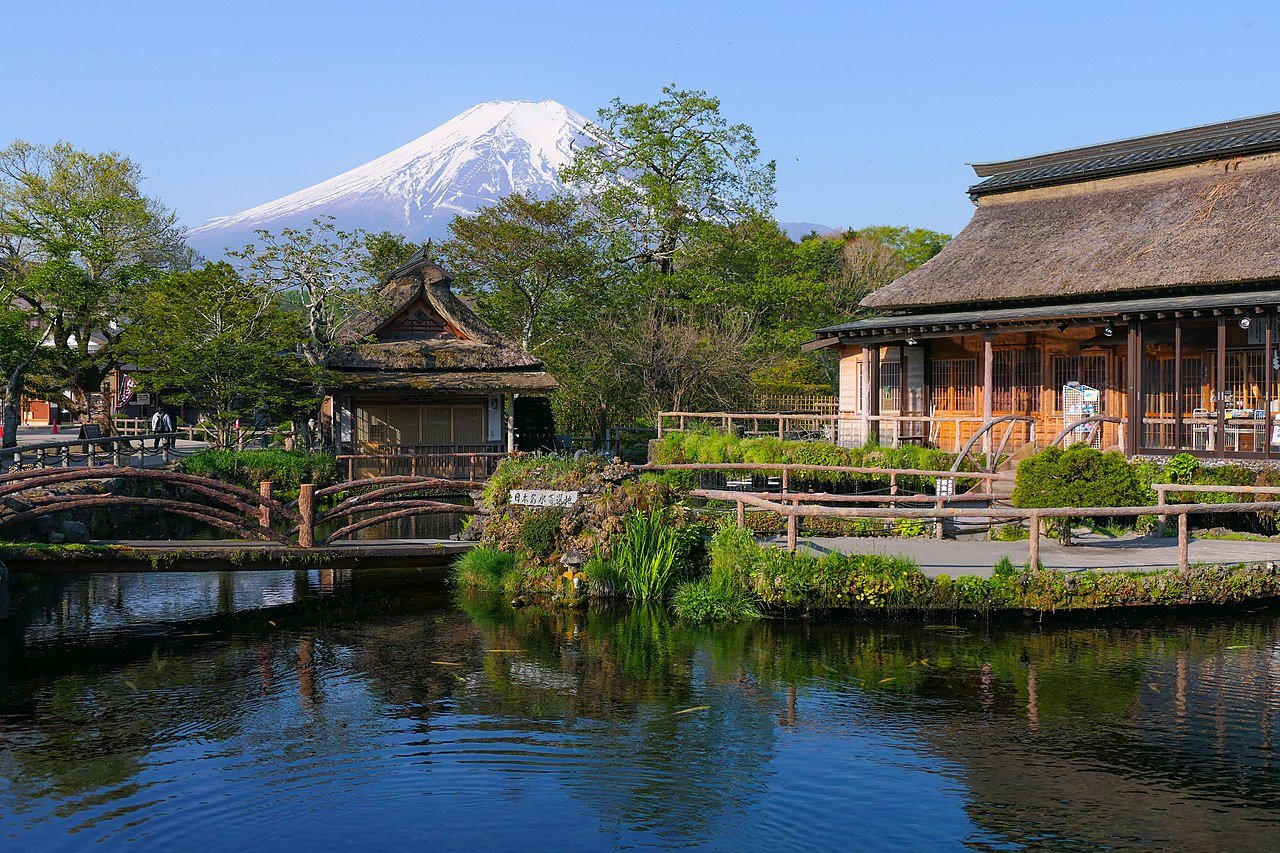
Eight spring ponds so clear you can see individual pebbles on the bottom through four or five metres of water. The reason is remarkable: the water is snow that fell on Fuji's summit and spent roughly 80 years filtering through porous volcanic lava before surfacing here, naturally purified. The ponds are set among thatched-roof farmhouses (gassho-zukuri style) and traditional stone paths that create a scene that feels genuinely old, not reconstructed for tourism. The site is part of the Fujisan UNESCO World Heritage Area. Some ponds charge a small entry fee (¥300–500); others are viewable from the public path at no cost. Crowds peak on weekends and public holidays — weekday mornings are considerably calmer.
 5
5
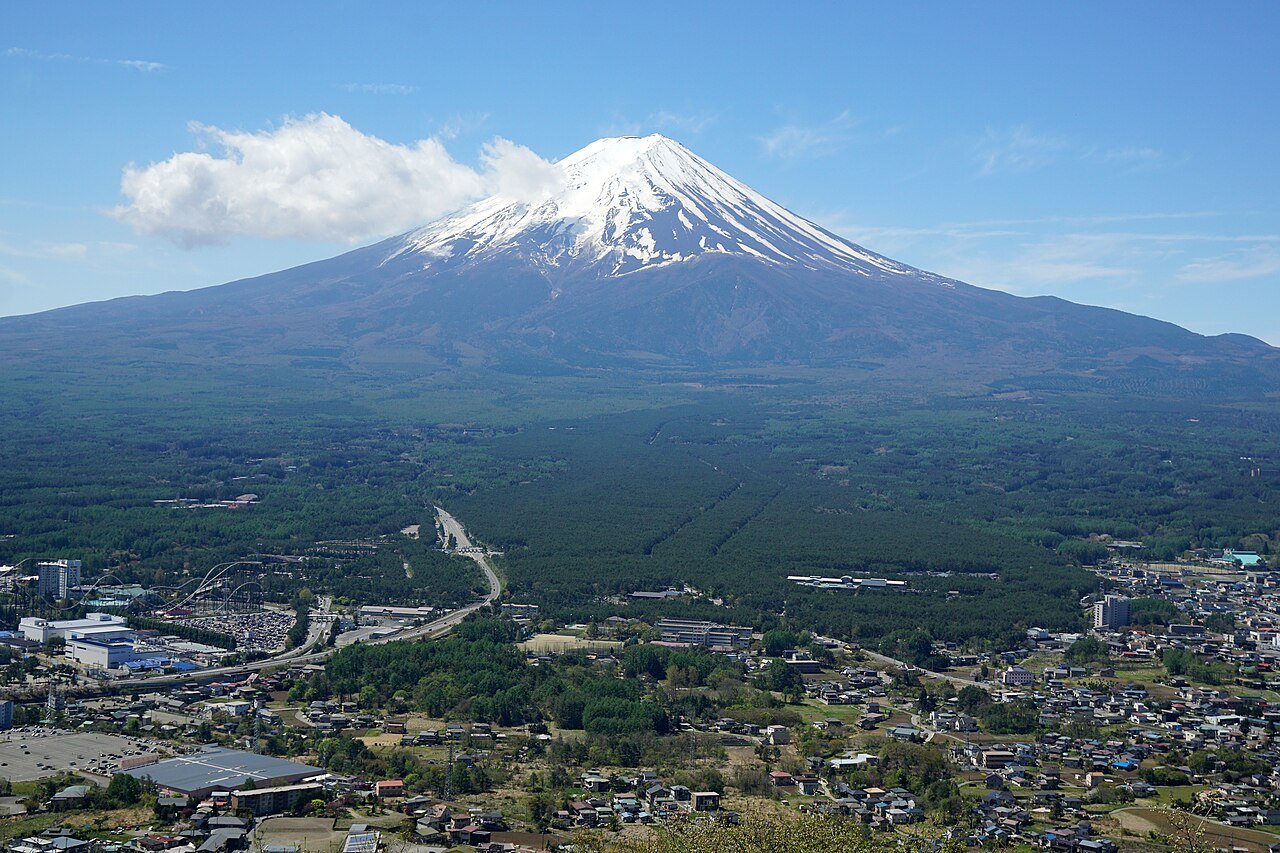
Three minutes in a gondola from the lakeshore to 1,075 metres. From the observation deck at the top, Fuji fills the view ahead, Lake Kawaguchiko stretches out below, and on a clear day you can pick out two or three of the other Fuji Five Lakes. There is a short walking trail from the summit station toward Mt Mitsutoge if you want more time on the ridge. Alternatively, you can walk down through the forest to the boat pier — about 40 minutes, well-marked. The ropeway runs every five to ten minutes, so there is rarely a long wait outside peak holiday periods.
 6
6
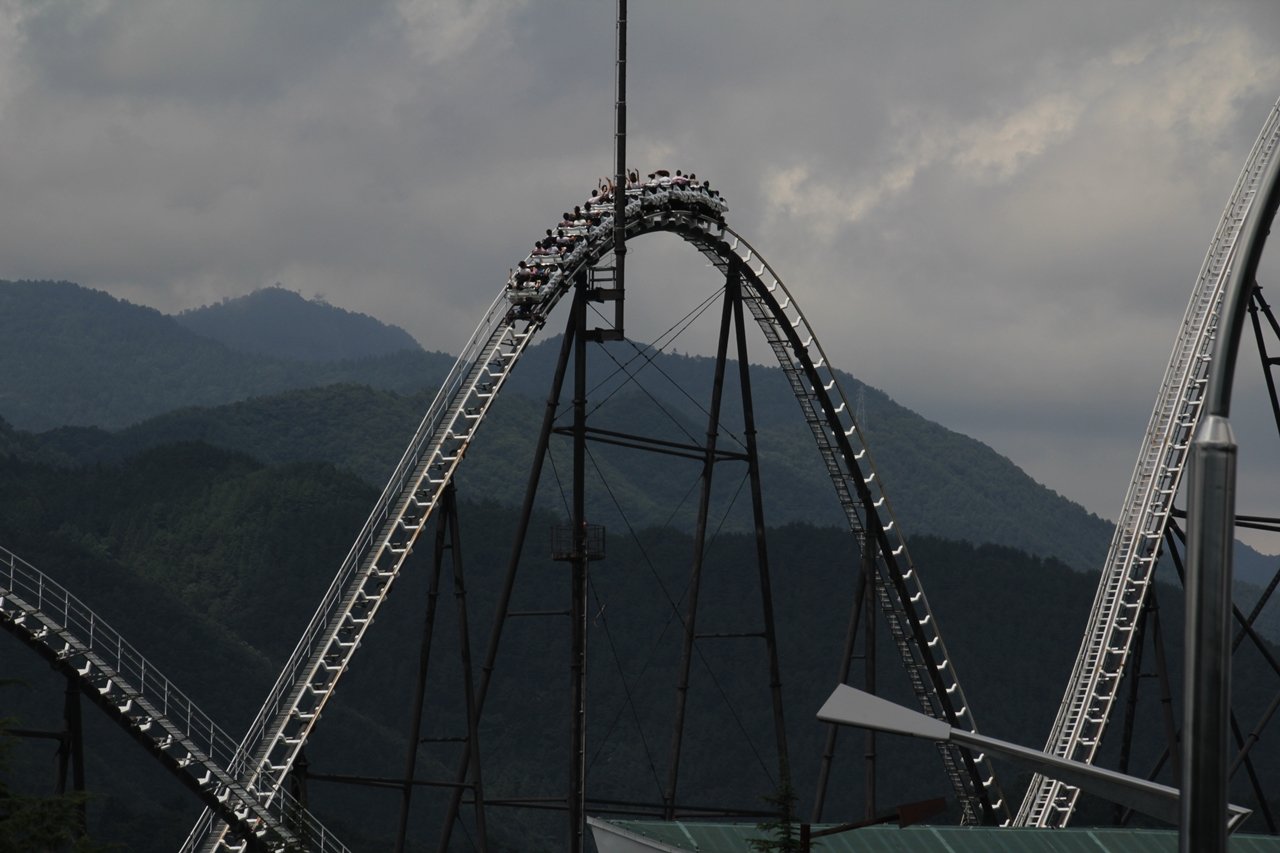
What makes Fuji-Q Highland different from any other amusement park is the view from the top of every ride: Mount Fuji, close enough that you can distinguish the lava fields on its lower slopes. The park holds several world records: Takabisha drops at 121 degrees — beyond vertical, the steepest coaster drop on earth; Eejanaika spins riders 14 times across 4D axes; Fujiyama (79 m tall, 130 km/h) was Asia's tallest coaster when it opened; Do-Dodonpa accelerates from zero to 172 km/h in 1.56 seconds. There is also Thomas Land for families with young children, and the park transforms for winter snow and autumn illumination events.
 7
7
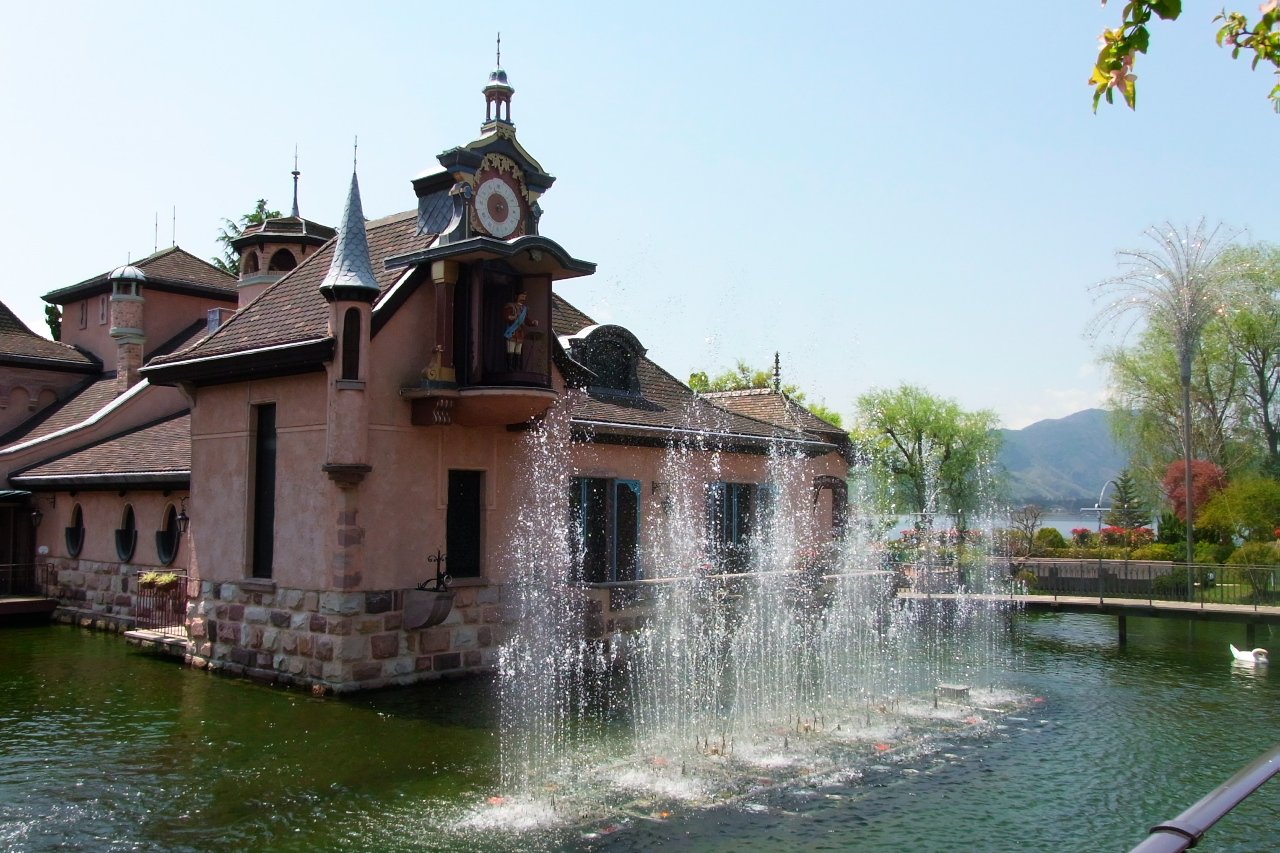
Walk through the gate and you genuinely need a moment to remember you are in Japan — the buildings, the clock tower and the rose gardens look transplanted from a small Austrian or Swiss town. The museum's collection of automatic musical instruments is what sets it apart: enormous barrel organs that play themselves, music boxes with mechanisms the size of a wardrobe, a player piano that performs without human hands. Concerts in the organ hall run on a schedule throughout the day. The garden provides an unexpected angle on Fuji: peer above the rooftops and you will find the mountain framed between the gabled building edges. This is a good half-day break if Fuji-watching and hiking have occupied the rest of your itinerary.
 8
8
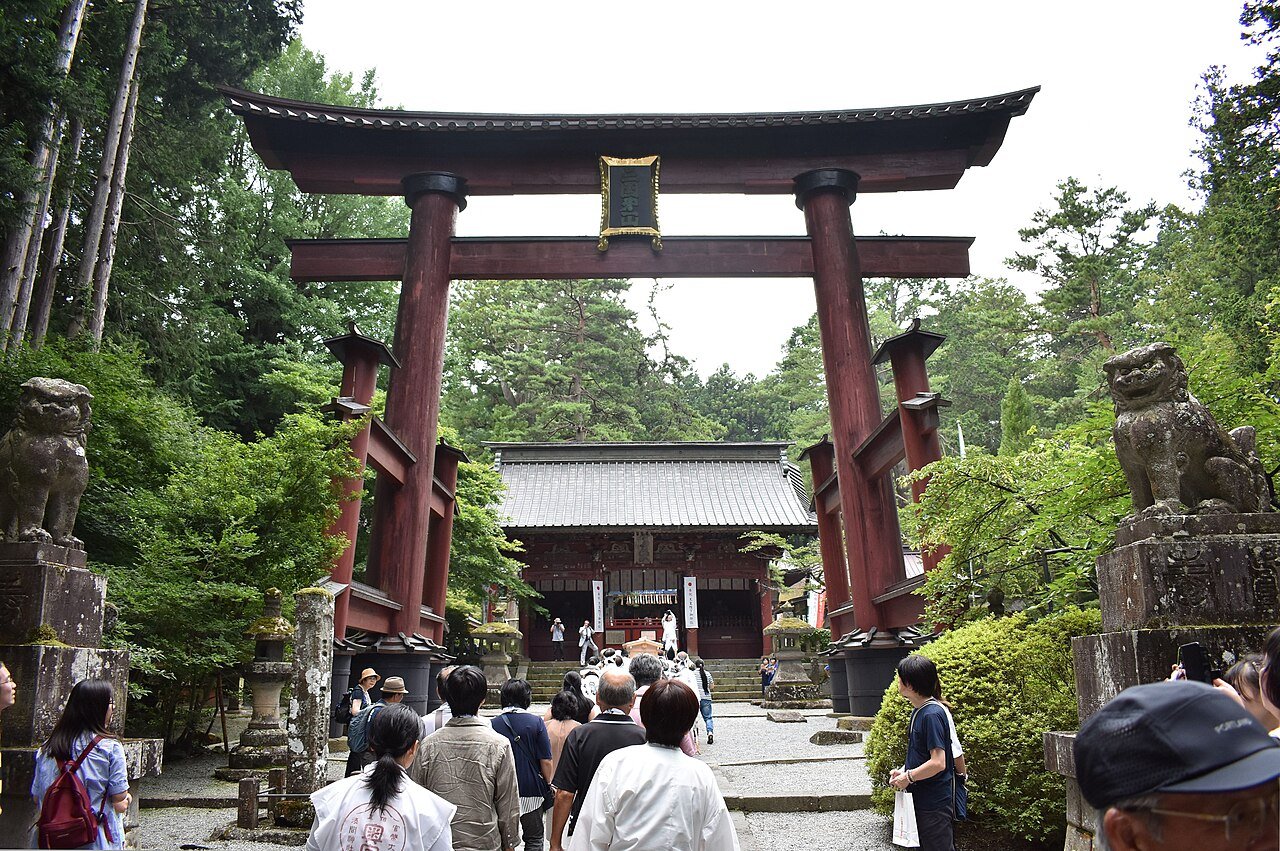
Most visitors rush past Arakurayama Sengen Shrine in their hurry to reach the pagoda at the top. That is understandable — the famous view is up there. But the shrine itself is worth slowing down for. From the first vermilion torii gate at the base, hundreds of stone lanterns line both sides of the steps all the way up; the old cedar trees close overhead, making the path cool and dim even in summer. At the main shrine level, the architecture mixes red painted woodwork with polished black stone, and the surrounding lanterns are lit at dusk. There is a mid-level viewing platform where you can see the lake and town before committing to the final climb to the pagoda. The whole complex is free and open around the clock.
 9
9
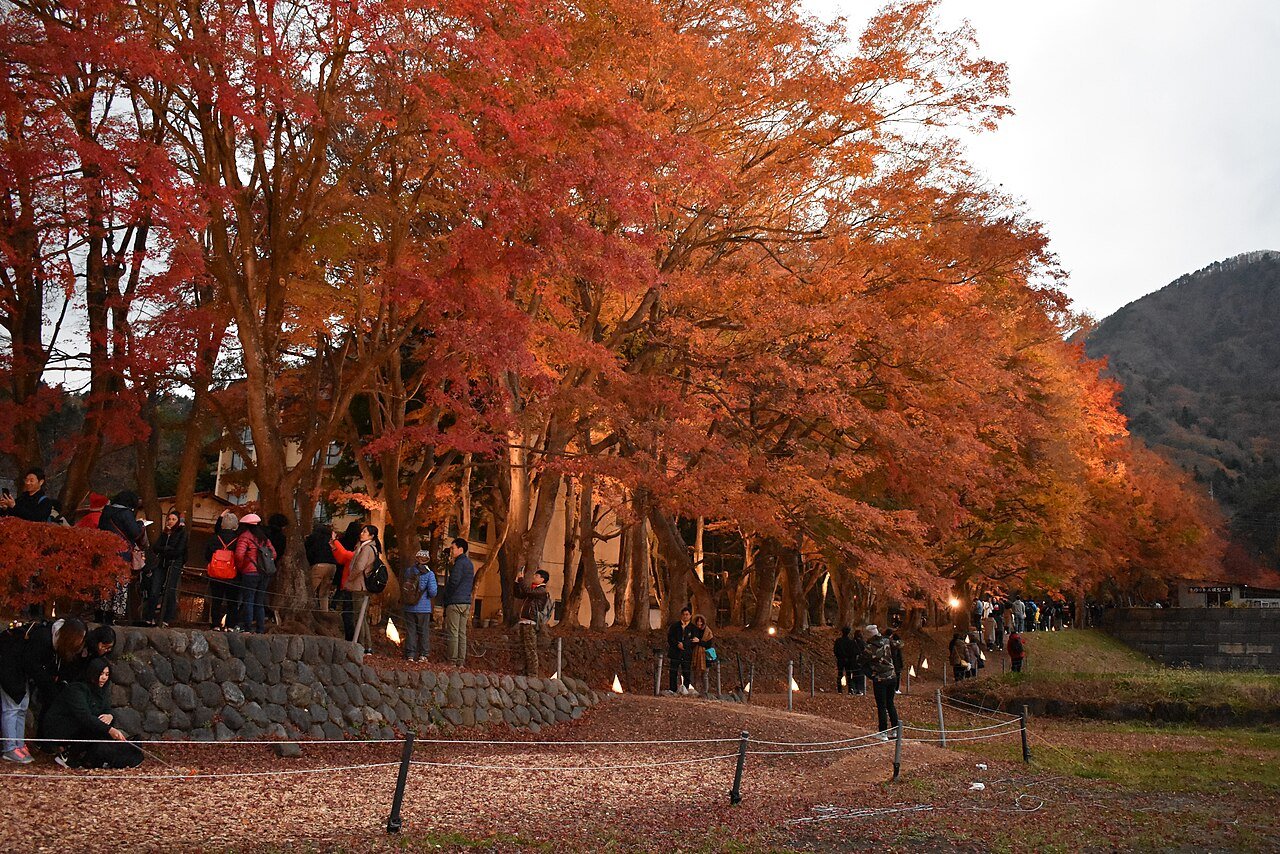
The view of Fuji that stays with people longest is rarely from the famous viewpoints — it is often from a random moment along the lakeshore path when the mountain appears between two trees at a slightly different angle than before. Kawaguchiko has an 18-kilometre cycling loop around the lake (roughly 1.5–2.5 hours), with bike rentals available outside the station from around ¥600–1,500 depending on type. For a completely different angle, rent a pedal boat or rowboat from the Kawaguchiko pier (from ¥700–2,000, about 09:00–17:00) and drift out to where Fuji is reflected beneath you. A panda pedal boat costs around ¥2,000 for 30 minutes and is thoroughly undignified, which is half the appeal.