🌏 Destinations · All 🇯🇵 Japan · full guide Kamakura Kamakura Attractions Tokyo 🗿 Hase District 🧭 Travel Prep About Contact 🇹🇭 ไทย🇬🇧 English🇨🇳 中文🇪🇸 Español🇫🇷 Français
🗿 Hase, Kamakura

Hase — the Great Buddha, Hasedera and the Beach

The corner of Kamakura people love most is right here — a giant bronze Buddha you can walk inside, a hillside temple looking out over the bay, hydrangeas in June, then a seaside tram to watch the sunset, all within walking distance in a single day.

Start Here

Hase Is the Corner EveryoneLoves Most in Kamakura

Picture it — you step off a little tram at Hase Station, walk a few minutes, and there it is: a colossal bronze Buddha that has sat calmly out in the open for nearly 800 years. Look up and you feel instantly small. This is the Hase district, the southwestern corner of Kamakura that packs its best sights into easy walking distance — the Great Buddha, Hasedera temple up on a slope overlooking the bay, and a beach where the tram rolls past on its way to the sunset. Kamakura is only about an hour from Tokyo, which is why so many people come as a day trip.

Honestly, if your time in Kamakura is tight and you can only pick one area, Hase is the answer almost everyone agrees on, because you get the Buddha, the temple, the sea and a scenic tram ride all in one outing. On this page we'll walk you through each stop in order — admission, opening hours, how they connect on foot, and the timing tricks for dodging the heaviest crowds.

🗿 One honest heads-up first: Hase is one of the busiest parts of Kamakura, especially on weekends and during the June hydrangea bloom — come early (before 9 am) or in the late afternoon and it's far more comfortable. Admission and fares may change in 2026, so check each place's official website before you go.
🗿
Step Inside the Great Buddha
A hollow bronze statue ~13 m tall — pay a tiny bit extra and you can go inside.
🪷
Hasedera's Bay View
An 11-headed Kannon plus a terrace looking out over the sea from up the hill.
🌊
Walk to the Sea
Yuigahama beach is minutes from the station — a summer swim and sunset views.
🚃
The Seaside Enoden Tram
A classic little train hugging the coast, on to Shichirigahama and Enoshima.
The Quick Overview

Hase's Highlights at a Glance

Every stop is within walking distance or just a few minutes apart on the Enoden — this table shows roughly how long to set aside for each and what admission costs (prices may change in 2026, so double-check official sites).

SpotTypeAdmission (approx.)Opening hoursTime to allow
Great BuddhaGreat Buddha · Kotoku-inTemple/statue~¥300 (+~¥50 to go inside)8:00–17:30 (Apr–Sep)45–60 min
HasederaHasederaTemple~¥400 (+~¥500 hydrangea path in Jun)8:00–17:30 (Jun)1–1.5 hrs
Yuigahama BeachYuigahama BeachSeaFreeSwimming 1 Jul–31 Aug30–60 min
Enoden TramEnodenTransportKamakura–Hase ~¥200 · day pass ~¥600Runs all daySeaside ride
Shichirigahama BeachShichirigahamaSeaFreeBest views at dusk30–45 min
Enoshima IslandEnoshimaIsland/viewFree to walk up (viewpoints charge separately)End of the Enoden lineHalf a day
📅 How to plan it well: if you'll hop off at several Enoden stops in one day (Hase → Shichirigahama → Enoshima), the Noriorikun unlimited-ride pass (~¥600) beats paying per trip. During the hydrangea bloom (mid-June to early July), Hasedera uses a timed numbered-ticket system, so arrive early to grab a ticket before the queue gets long.
What to See & Do

6 Things You Can't Missin Hase

From the Great Buddha and the hillside temple down to the sea, then along the coast by tram — listed in the order people actually walk it. You can cover the lot in half a day to a full day.
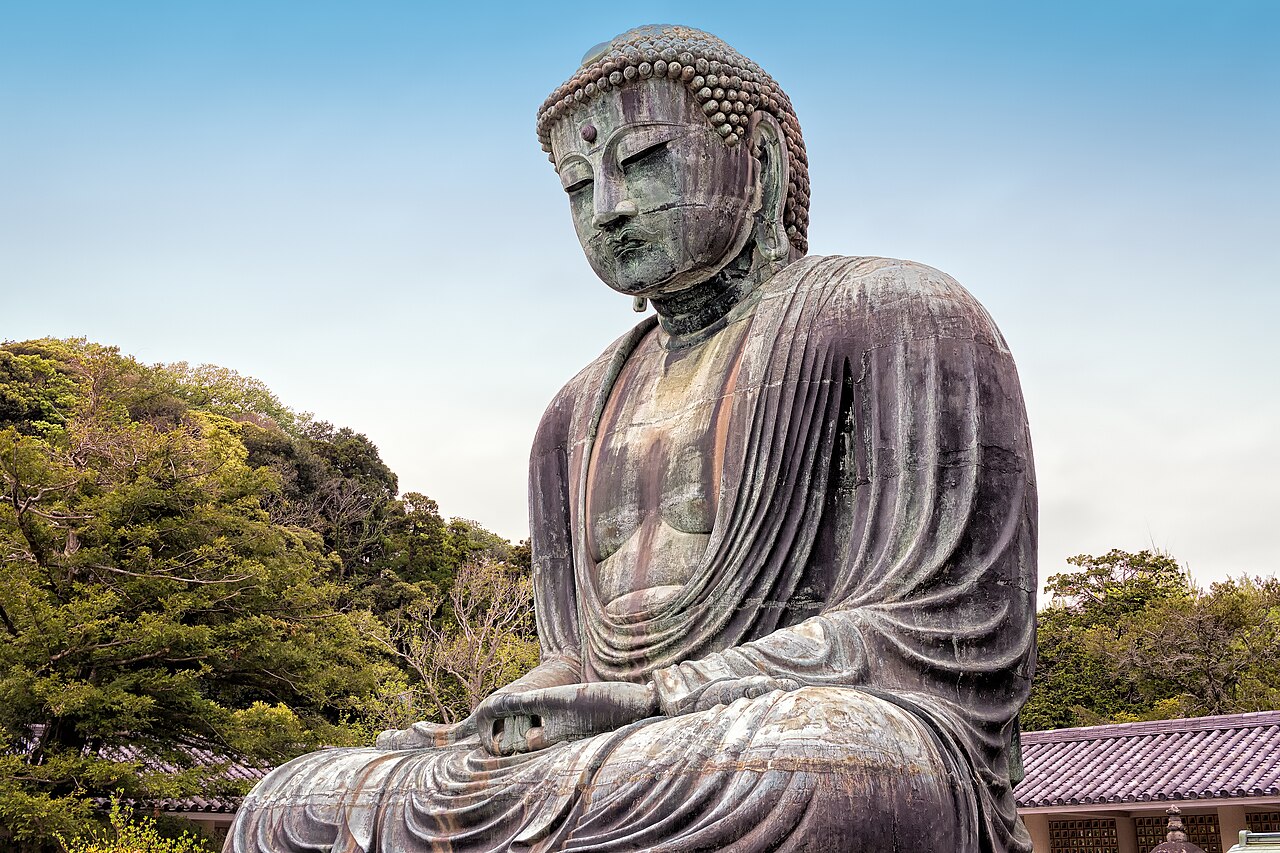
The Great Buddha of Kamakura, an open-air bronze statue at Kotoku-in in the Hase district 🗿 Hase1
The Great Buddha of Kamakura
Great Buddha · Kotoku-in

A great bronze statue about 13.35 metres tall, sitting serenely in the open air at Kotoku-in since around the mid-13th century. It once stood inside a wooden hall, but a tsunami swept the building away — which is how it became the open-air Buddha you see today. Best of all, the statue is hollow and you can step inside for just a little extra.

🎟️Admission: ~¥300 · inside the statue +~¥50 (prices may change in 2026)
🕗Hours: 8:00–17:30 (Apr–Sep) · 8:00–17:00 (Oct–Mar) · interior until ~16:30
🚶Getting there: from Hase Station (Enoden), about a 7-minute walk uphill
💡Tip: Arrive before 9 am while it's still quiet — far easier to get the whole statue in frame than later in the morning.
Kamakura Attractions →
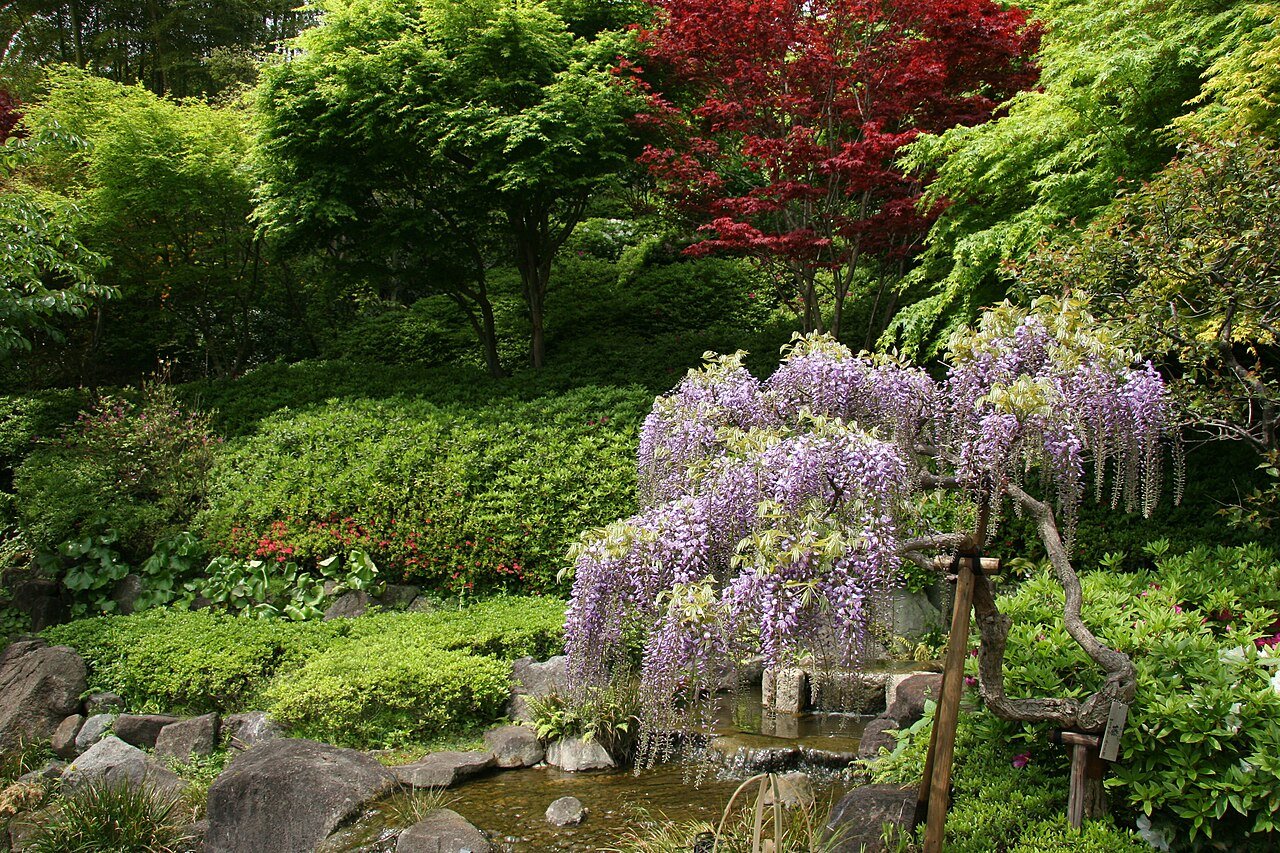
The garden at Hasedera temple in Kamakura, with a pond and flowers on the hillside 🪷 Hase2
Hasedera
Hasedera

A hillside temple where the climb rewards you with a terrace looking out over the whole of Sagami Bay. The centrepiece is an 11-headed Kannon carved in wood, over 9 metres tall — one of the largest wooden statues in Japan. There's a small Benten cave to duck into, and in June the hydrangea path up the slope blooms with more than 2,500 plants.

🎟️Admission: ~¥400 · hydrangea path (Jun) +~¥500 special ticket
🌼Hydrangeas: peak mid-Jun to early Jul · timed numbered-ticket system
🚶Getting there: about a 5-minute walk from Hase Station (before the Great Buddha)
💡Tip: On a drizzly June day the hydrangeas look fresher than under harsh sun — bring an umbrella.
Kamakura Attractions →
🌊 🌊 Hase3
Yuigahama Beach
Yuigahama Beach

The long sandy bay closest to the temple district. In summer (July–August) it opens as a swimming beach with lifeguards and a row of beach huts, while the rest of the year people come to stroll along the shore, surf, and watch the sun set over the horizon — a beautiful way to round off a day in Hase.

🎟️Admission: Free
🏖️Swimming season: 1 Jul–31 Aug (lifeguards + beach huts)
🚶Getting there: about a 7-minute walk from Yuigahama Station (Enoden)
💡Tip: Come in the evening for the sea breeze and the sunset — a favourite way to end the day.
Kamakura Guide →
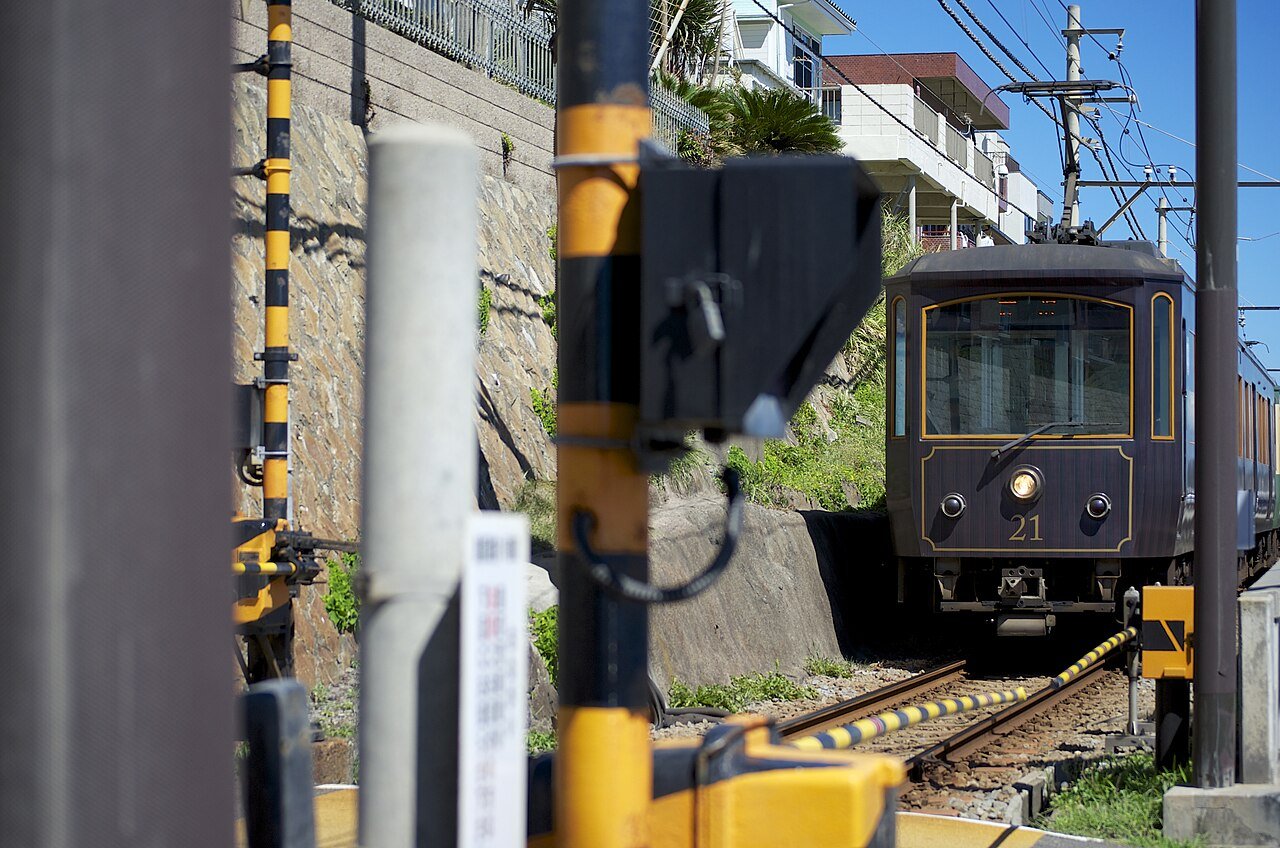
A classic blue Enoden tram car running on the tracks in Kamakura 🚃 Hase–Enoshima4
The Enoden Tram
Enoshima Electric Railway

A little classic-carriage train that has run between Kamakura and Fujisawa since 1902. On one stretch the train runs right along the coast and the ocean fills the windows; on another it threads through narrow gaps between people's houses. It's a train ride almost everyone who comes to Kamakura wants to try at least once.

🎟️Fare: Kamakura–Hase ~¥200 · Noriorikun day pass ~¥600
🌊Sea-view stretch: roughly between Shichirigahama and Enoshima
🚉Route: Kamakura → Hase → Yuigahama → Shichirigahama → Enoshima → Fujisawa
💡Tip: It's packed on weekends — allow time to wait for a train, and stand on the sea side to take in the full view.
Kamakura Attractions →
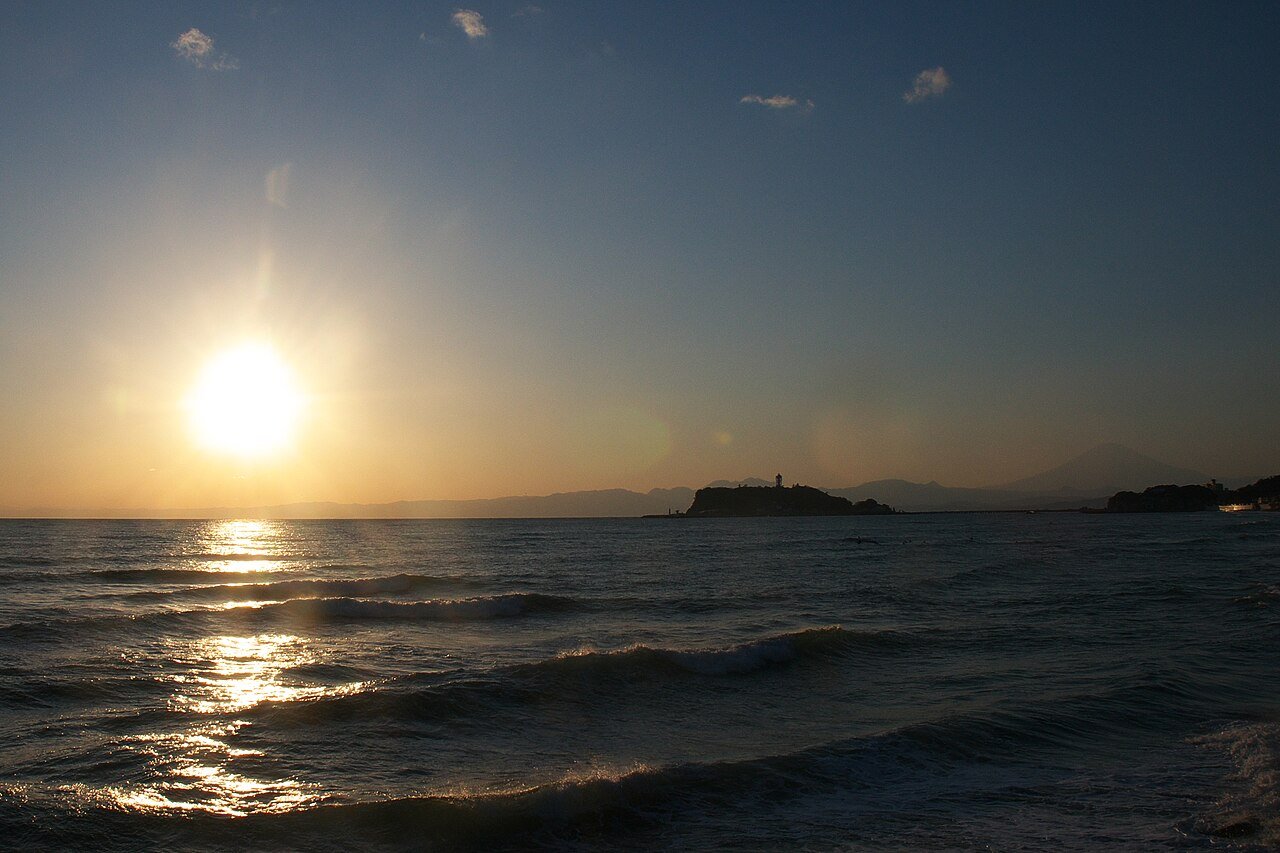
Sunset at Shichirigahama beach with Enoshima island and Mount Fuji silhouetted in the distance 🌅 Enoden coast5
Shichirigahama Beach
Shichirigahama

The next beach out along the Enoden, and a famous viewpoint: on a clear day you can see Mount Fuji rising across the bay, with Enoshima island silhouetted in front. At dusk the sunset spills across the water so beautifully that it's a fixture in films and anime. There are seaside cafés nearby to settle into, too.

🎟️Admission: Free
🗻Highlight: Fuji across the bay (clear days) · sunset
🚉Getting there: get off at Shichirigahama Station (Enoden) and walk to the beach
💡Tip: Fuji shows up most clearly on dry days in late autumn to early spring, and in the evening.
Kamakura Guide →
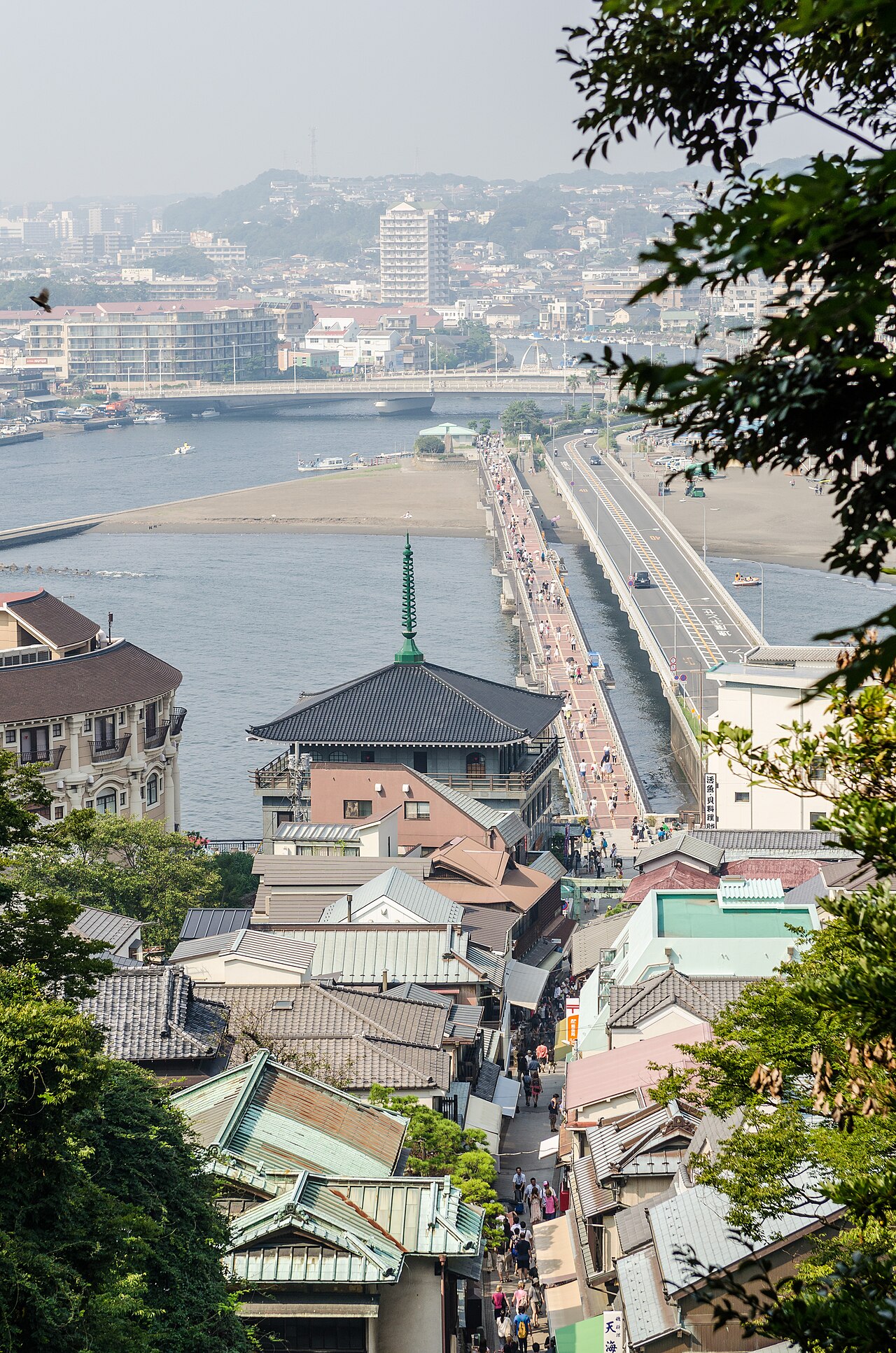
The view from Enoshima island looking back over the bridge to the mainland and the town below 🌊 End of the Enoden line6
Enoshima Island
Enoshima

A small island at the end of the Enoden, reached by walking across a bridge. On it you'll find Enoshima Shrine, sea caves, the Samuel Cocking Garden and the Sea Candle tower, which you climb for a 360-degree view of the bay and Mount Fuji. Wander up the slopes, snacking on grilled seafood along the way — a great add-on from Hase if you still have half a day in you.

🎟️Admission: free to walk up · viewpoints/gardens/caves charge separately
🐚Known for: the shrine · sea caves · the Sea Candle tower · grilled seafood
🚉Getting there: ride the Enoden to Enoshima Station and walk across the bridge to the island
💡Tip: There are plenty of steps — wear comfortable shoes, or save your legs with the paid escalator (Escar).
Kamakura Guide →
How to Get There · How to Walk It

A Half-Day Route Through Hase Without the Confusion

It's about an hour from Tokyo to Kamakura, then a short Enoden ride into Hase — follow these stops in order and you'll cover everything without doubling back.

STEP 1
Into Kamakura, then onto the Enoden

From Tokyo, take the JR Yokosuka Line to Kamakura Station (about 1 hour), then change to the Enoden tram for two stops and get off at Hase Station. The fare for this stretch is around ¥200 · if you'll visit several beaches, buy the Noriorikun pass (~¥600) from the start.

STEP 2
Hasedera → the Great Buddha

From Hase Station it's about a 5-minute walk to Hasedera, with its Kannon statue and bay-view terrace (in June, take the hydrangea path). Then walk on uphill for another 5–7 minutes to the Great Buddha of Kamakura and step inside · the two are very close together.

STEP 3
Down to the sea, or along the coast by tram

Walk down from the temple area to Yuigahama beach for the sea breeze, or hop back on the Enoden and ride on to Shichirigahama (Fuji views and sunset) and Enoshima at the end of the line — if you've got another half-day in you.

Eat · Drink · Stay in Hase

Food Along Hase Street and Where to Stay in Kamakura

The street from Hase Station up to the temples is lined with places to eat, so it's easy to graze as you walk — and if you'd rather stay overnight near the sea, there's accommodation all over Kamakura.

🐟
Shirasu (tiny fish), the local specialty
Kamakura and Enoshima are famous for shirasu (whitebait), served both raw (nama) and boiled, piled over rice as a shirasu-don — the local dish you have to try.
🍡
Sweets and street snacks
Hase Street has dango, manju, matcha ice cream and croquettes to eat on the go — handy for a refuel before or after the temples.
📖
Find the best spots city-wide
For a full list of restaurants and cafés across Kamakura, head to the Kamakura food guide.
🛏️ Want to stay overnight in Kamakura? Hase itself is mostly temples and doesn't have a lot of accommodation, but across the city you'll find everything from ryokan and small hotels to guesthouses near the sea · check locations and reviews in the Kamakura guide, or start comparing room rates with the Kamakura hotel search on Agoda →
Map

Hase's Sightson a Single Map

You can see clearly how close the Great Buddha, Hasedera, Hase Station and Yuigahama beach all are — easily walkable within one district.

Before You Go

6 Things That Make a Hase DayRun Smoothly

🌅
Come early to beat the crowds
Hase gets very busy, especially on weekends and in hydrangea month. Arrive before 9 am and you get both the best photos and shorter queues.
🎫
Buy the Noriorikun if you'll hop around
The unlimited Enoden pass (~¥600) pays for itself the moment you get off at several stations (Hase–Shichirigahama–Enoshima).
💴
Carry coins and cash
Temple admissions and some vending spots are easier with cash — keep coins and small notes on hand just in case.
🌧️
Bring an umbrella in June
The hydrangea season lines up with the rainy season — the flowers look lovely in light rain, but pack an umbrella/raincoat and non-slip shoes.
👟
Wear comfortable shoes
This area is hills and steps — both Hasedera and Enoshima involve a fair bit of climbing, so good shoes go a long way.
🌇
Save the sea for the evening
Do the temples and Great Buddha in the morning, then leave Yuigahama/Shichirigahama for the evening to close the day on a sunset.
Related Guides

More of Kamakura — Other Districts, Sights and Food

🏯

Kita-Kamakura District

Quiet Zen temples — Engaku-ji and Kencho-ji — the hydrangea temple Meigetsu-in, and the hiking trail that links it to Hase.

Kita-Kamakura →
⛩️

Central Kamakura

Tsurugaoka Hachimangu shrine, the shops and street food of Komachi Street, and the bamboo temple Hokoku-ji.

Central Kamakura →
🗺️

Kamakura Attractions

A full round-up of the city's best sights — temples, shrines, the sea, and the legendary photo spots.

Kamakura Attractions →
🍽️

Kamakura Food Guide

Shirasu-don, seaside cafés, street sweets, and the best spots across the city that locals recommend.

Kamakura Food Guide →
🏖️

Full Kamakura Guide

The whole-city overview — where to stay, how to get there from Tokyo, and planning a day trip or an overnight.

Kamakura Guide →
🗼

Tokyo Guide

Kamakura is a favourite day trip from Tokyo — plan the capital, then slip out to Kamakura for a day.

Tokyo Guide →
Frequently Asked Questions

Questions AboutHase, Kamakura

How do I get to the Hase district in Kamakura?
From Tokyo, take the JR Yokosuka Line to Kamakura Station (about 1 hour), then change to the Enoden tram for two stops and get off at Hase Station. The Enoden fare for the Kamakura–Hase stretch is around ¥200. From Hase Station it's about a 5-minute walk to Hasedera temple, and another 5–7 minutes uphill to the Great Buddha. Prices may change in 2026 — check the latest before you travel.
Can you really go inside the Great Buddha of Kamakura?
Yes. The Great Buddha of Kamakura is a hollow bronze statue about 13.35 metres tall at Kotoku-in temple, and you can step inside for an extra fee of around ¥50 on top of the roughly ¥300 temple admission. The interior is open from about 8:00 to 16:30, while the temple grounds are open around 8:00–17:30 (Apr–Sep) and 8:00–17:00 (Oct–Mar). Prices may change in 2026 — check the official website before you go.
When can you see the hydrangeas at Hasedera?
Hasedera's hydrangea walk (the Ajisai Path) has more than 2,500 hydrangea plants of around 40 varieties cascading down the hillside, and the peak is usually from mid-June into early July. During this period the temple runs a timed numbered-ticket system and charges an extra special ticket of around 500 yen on top of the roughly 400 yen temple admission. The flowers look especially fresh on a rainy day. Prices may change in 2026.
Can you swim at Yuigahama beach?
Yes. The official swimming season at Yuigahama beach runs from 1 July to 31 August, when lifeguards are on duty and the beach huts (umi-no-ie) are open. Outside the swimming season you can still walk along the shore and watch the sunset. The beach is about a 7-minute walk from the Enoden station, making it a nice way to finish a day around the temples.
Where does the Enoden tram go?
The Enoden (Enoshima Electric Railway) runs between Kamakura and Fujisawa stations, hugging the coast through Hase, Yuigahama, Shichirigahama and Enoshima. The highlight is the stretch where the train runs right beside the sea and the ocean fills the windows. If you plan to hop off at several stops in one day, the Noriorikun unlimited-ride pass at around 600 yen is better value. Prices may change in 2026.
How many hours do you need for the Hase district?
Half a day to a full day works well. The classic route is to get off at Hase Station, walk through Hasedera (~1 hour), continue to the Great Buddha (~45 minutes), then head down to Yuigahama beach or ride the Enoden along the coast to Shichirigahama for the sunset and on to Enoshima. If you also want to add central Kamakura and Komachi Street, allow a full day.
Ready for Hase?

See All of Hase in a Day
the Buddha, the temple, the sea and a scenic tram

Open the Kamakura guide for the other districts, where to stay, and how to get there from Tokyo — or if you'd rather stay near the sea, start comparing Kamakura room rates early, before the holidays fill up.

🔴 Search Kamakura Hotels Kamakura Guide