🌏 Destinations · All 🇯🇵 Japan · Full guide Kamakura (Overview) Kamakura Attractions Tokyo (Day Trip) ⛩️ Central Kamakura 🧭 Travel Prep Guide About Contact 🇹🇭 ไทย🇬🇧 English🇨🇳 中文🇪🇸 Español🇫🇷 Français
⛩️ Central Kamakura

Central Kamakura — Tsurugaoka Shrine and Komachi Street

An hour by train from Tokyo and you're standing in the heart of the town — Tsurugaoka Hachimangu, the main shrine at the end of the old approach road; Komachi-dori, a whole street fragrant with street food; the bamboo grove at Hokokuji where you sit and sip matcha; and a cave shrine where people wash their money for good luck.

Start Here

The Heart of Kamakura —Walk Straight from the Station to the Shrine

Picture this: you step off the train at Kamakura Station, walk out the east exit, and straight ahead is a road running dead-on toward Tsurugaoka Hachimangu, the town's main shrine waiting at the far end. Parallel to it is Komachi-dori, fragrant with street food from the very mouth of the street. This is central Kamakura — the area that packs the main shrine, the eat-and-shop street, and a couple of standout temples into a radius you can almost cover entirely on foot.

Honestly, Kamakura is about much more than the Great Buddha over in Hase. This central area is where most people start their trip, because it's the easiest day-trip hub from Tokyo — one hour by train and you're here. Pay your respects at the shrine, swing by the bamboo grove for matcha, wash some money for luck at the cave shrine, then finish with street eats on Komachi-dori, all in a single day. This page walks you through each spot one by one: what makes it special, how to get there, and what time it opens.

⛩️ Let's be clear up front: this is one of Kamakura's three main zones — Central (this page) · Hase (Great Buddha + the sea) · Kita-Kamakura (Zen temples). If you only have one day, start here in the centre — everything is within easy walking reach, and it's the transfer point for getting to and from every other zone.
⛩️
The Town's Main Shrine
Tsurugaoka Hachimangu at the end of the old approach road, with lotus ponds on either side.
🛍️
Popular Eat-and-Shop Street
Komachi-dori, packed with street food, sweets and souvenirs, right from the station.
🎋
Matcha in a Bamboo Grove
Hokokuji, with over 2,000 bamboo stalks and a teahouse set in the grove.
🪙
Wash Money for Luck
Zeniarai Benten, a shrine inside a rock cave entered through a tunnel.
A Quick Recap Before You Set Off

Central Kamakura Highlights — Hours and Entry Fees

Every main spot in the area in one table — hours and entry fees are 2026 figures that may change, so double-check on site before you build a tight schedule.

SpotTypeHoursEntryFrom Kamakura Station
Tsurugaoka HachimanguTsurugaoka HachimanguShrine~6:00–20:00Free (Treasure House ~¥200)~10-min walk
Komachi-doriKomachi-doriEat-and-shop streetShops ~10:00–18:00Free to walkRight at the station
HokokujiHokokuji (bamboo grove)Temple~9:00–16:00~¥400 (+matcha ~¥600)~10-min bus
SugimotoderaSugimotoderaTemple~8:00–16:30~¥200~10-min bus
Zeniarai BentenZeniarai BentenShrine~8:00–16:30Free~20–25-min walk
📅 How to read the table: with a half-day, start at Tsurugaoka Hachimangu (walk from the station), then take a bus over to Hokokuji + Sugimotodera, which sit on the same side · if you still have time, climb up to Zeniarai Benten in the west · and finish with eating and shopping on Komachi-dori as you head back to the station.
What to See and Do

6 Highlightsof Central Kamakura

People who visit Kamakura come back saying the same thing — this central area gives you the best single-day return: main shrine, food street, bamboo temple, cave shrine, lined up one after another like this.
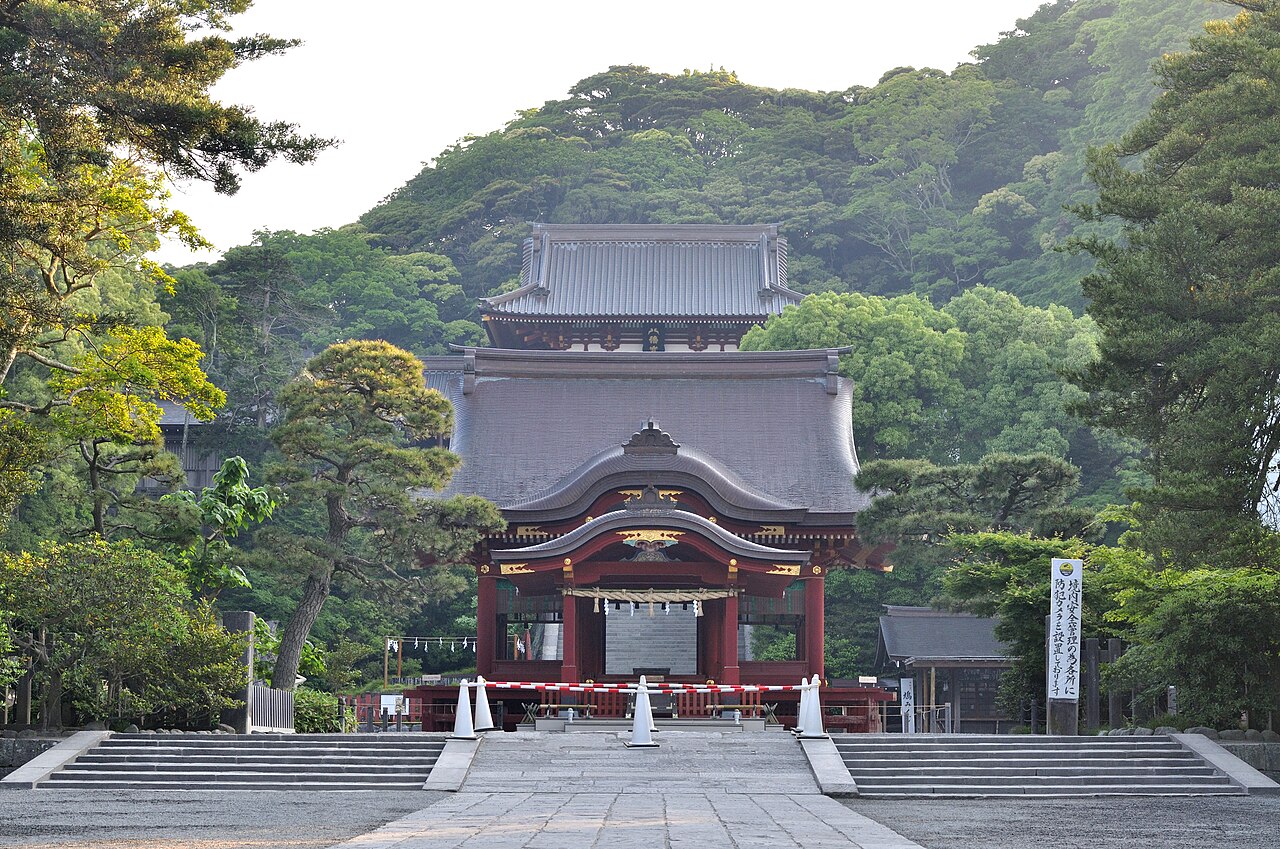
Tsurugaoka Hachimangu shrine in Kamakura, with its red main hall and open ceremonial plaza ⛩️ Main shrine1
Tsurugaoka Hachimangu Shrine
Tsurugaoka Hachimangu

Kamakura's main shrine, and where most trips begin. Walk up from the station along the old Wakamiya-oji approach road and climb the steps to the vivid red main hall. Below it sit two lotus ponds and an open ceremonial plaza that hosts the town's major events.

📍Location: end of Wakamiya-oji · from the station's east exit
🕒Hours: open roughly 6:00–20:00 · free entry (Treasure House ~¥200 · 9:00–16:00)
🚶Getting there: ~10-min walk from the east exit of Kamakura Station
💡Tip: Take the Dankazura walkway down the centre of the road — from late March to early April the cherry trees lining both sides are gorgeous.
Kamakura Attractions →
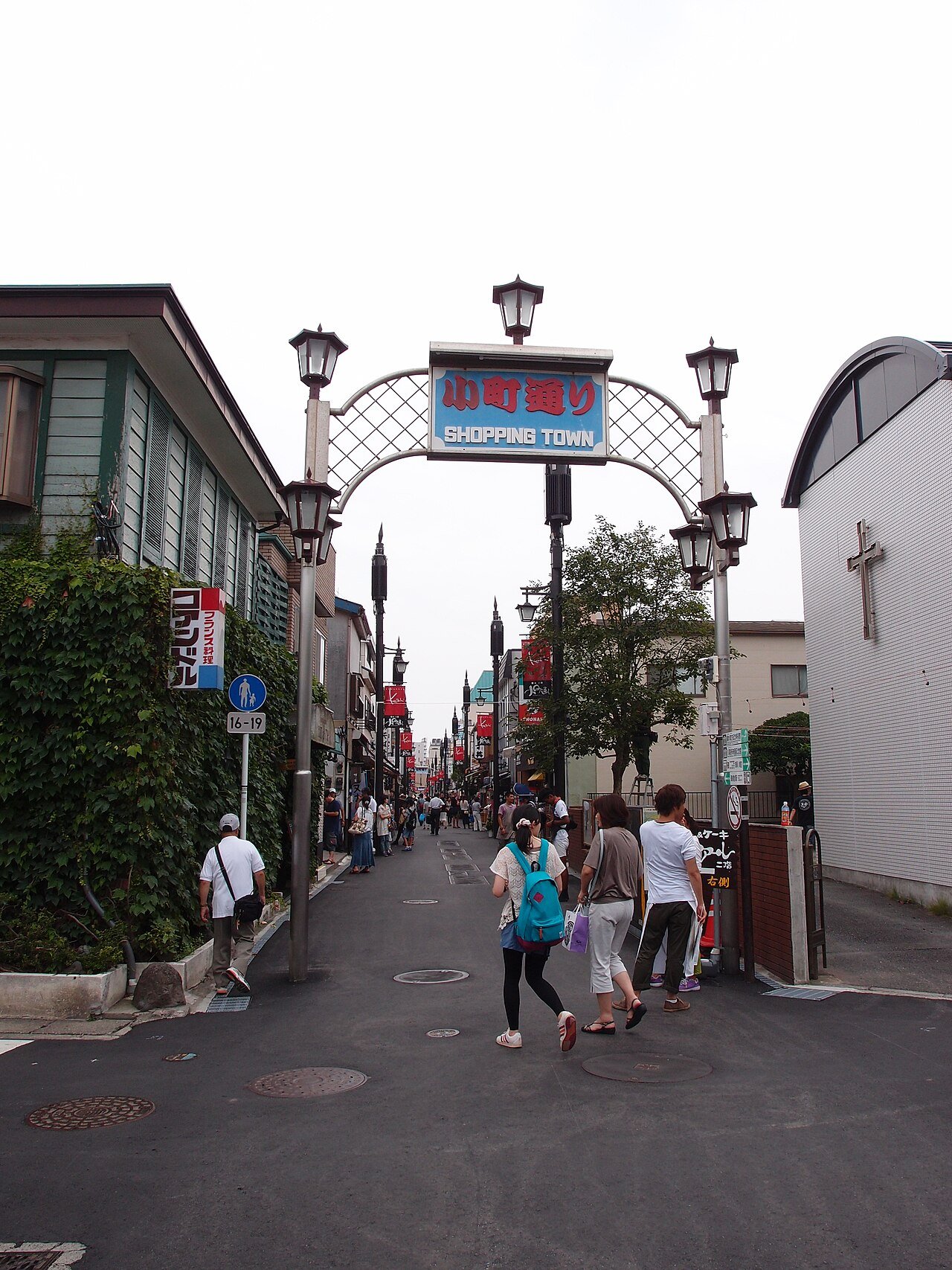
The entrance gate to Komachi-dori, the shopping and street-food street in Kamakura 🛍️ Eat-and-shop street2
Komachi-dori
Komachi-dori

The main pedestrian street, starting in front of Kamakura Station and running parallel toward Tsurugaoka Hachimangu. Both sides are crammed with street-food stalls, sweets, souvenirs and cafés. Plenty of people walk up to the shrine first, then loop back to eat and shop on the way back to the station.

📍Location: starts in front of Kamakura Station, east side
🕒Hours: most shops ~10:00–18:00 · free to walk
🚶Getting there: step into the entrance gate straight from the station exit
💡Tip: See the popular bites and must-eat dishes in our Kamakura food guide so you don't miss the famous stalls.
Eat & Drink in Kamakura →
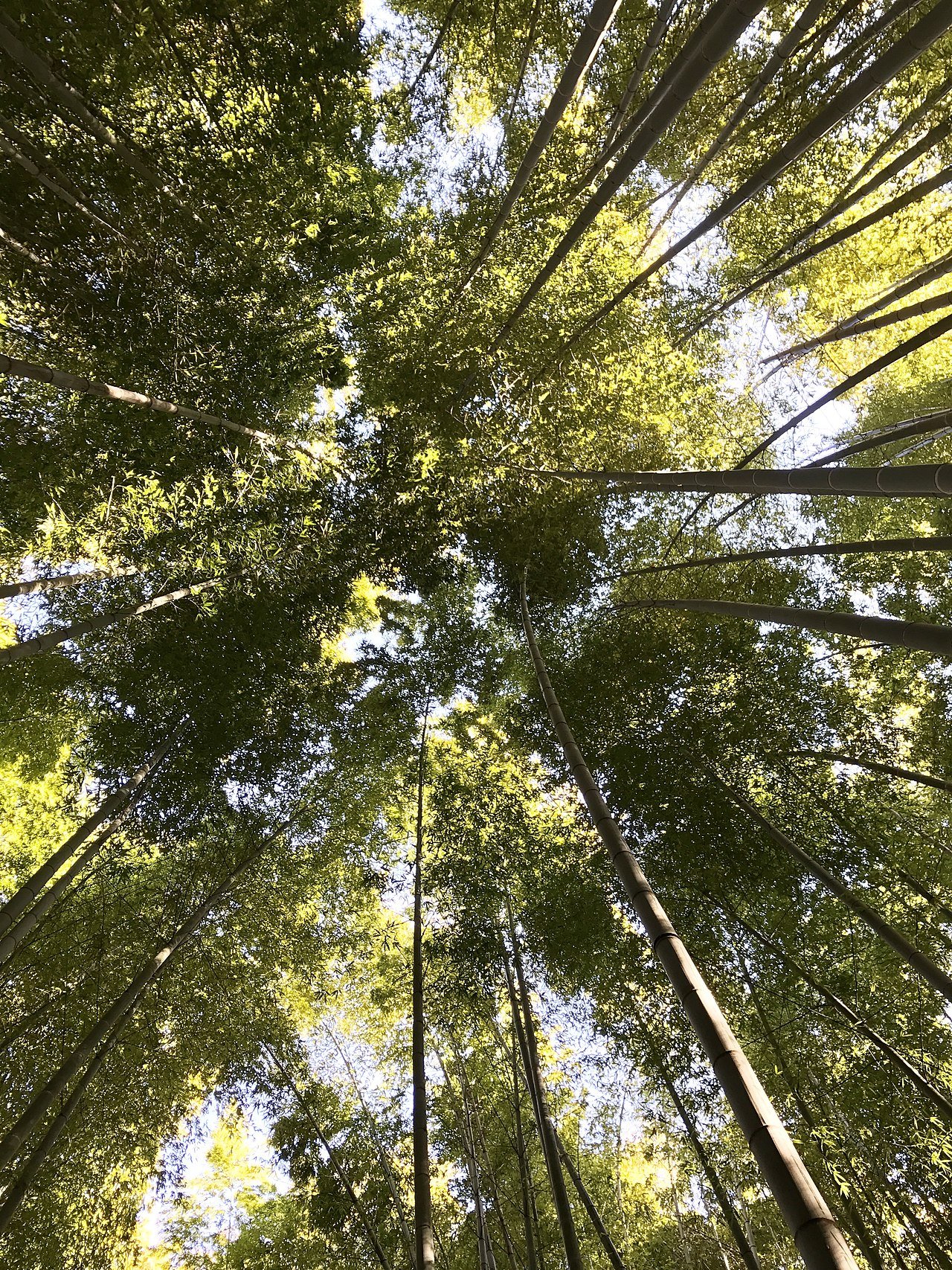
Looking up into the bamboo canopy at Hokokuji, the bamboo-grove temple in Kamakura 🎋 Bamboo temple3
Hokokuji
Hokokuji

A small Zen temple famous for the grove of over 2,000 bamboo stalks behind the main hall. A narrow path threads through the bamboo and ends at a teahouse, where you sit with a hot bowl of matcha and look out on nothing but towering green stalks. It's a quiet corner many call the highlight of the east side.

📍Location: east side of town · near Sugimotodera
🕒Hours: open roughly 9:00–16:00 · matcha until about 15:30
🎟️Entry: bamboo garden ~¥400 · add a matcha set ~¥600 (~¥1,000 total · check the latest)
🚌Getting there: bus from Kamakura Station to the Jomyoji stop, then a short ~10-min walk
Kamakura Attractions →
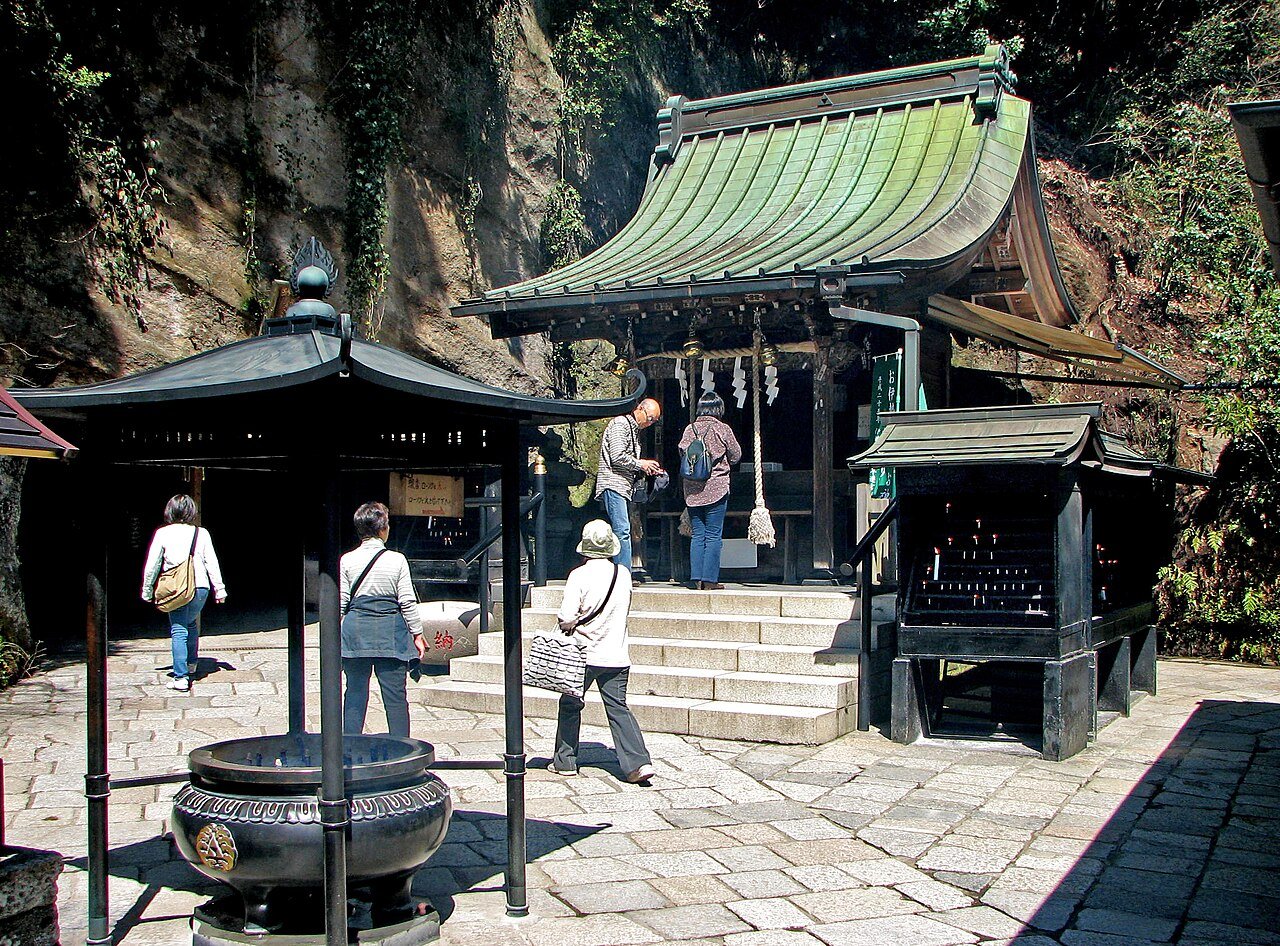
Zeniarai Benten shrine set in a rock cave courtyard with visitors in Kamakura 🪙 Cave shrine4
Zeniarai Benten Shrine
Zeniarai Benten

A shrine tucked inside a rock-cave courtyard on the west side of town, entered through a tunnel cut straight through the stone. The popular belief: put your money in a bamboo basket, rinse it in the cave's spring water, and your fortune will grow. The mood here is unlike any ordinary shrine, and people love stopping by to pray for prosperity.

📍Location: hillside on the west side of Kamakura Station
🕒Hours: open roughly 8:00–16:30 · free entry
🚶Getting there: ~20–25-min uphill walk from the west exit, or take a bus to the Zeniarai Benten Mae stop
💡Tip: Bring cash and coins; baskets and candles are available at the shrine. The path up is fairly steep, so wear comfortable shoes.
Kamakura Attractions →
🪷 🪷 Oldest temple5
Sugimotodera
Sugimotodera

The oldest temple in Kamakura, founded around 734 AD — even before the Kamakura shogunate. What people remember is the worn stone staircase blanketed in damp green moss, climbing up to a thatched-roof main hall. Inside are enshrined the eleven-headed Kannon (Goddess of Mercy). It's on the same side as Hokokuji, so you can walk between the two.

📍Location: east side of town · near Hokokuji
🕒Hours: open roughly 8:00–16:30 · entry ~¥200 (check the latest)
🚌Getting there: bus from Kamakura Station to the Sugimoto-Kannon stop, then a ~1-min walk
💡Tip: The mossy steps get slippery in the rain, so tread carefully · pair it with Hokokuji on the same bus run.
Kamakura Attractions →
⛩️ 🌸 Approach road6
Wakamiya-oji + Dankazura Walkway
Wakamiya-oji · Dankazura

The old, dead-straight road that links the seafront up to Tsurugaoka Hachimangu. Down the middle runs a raised walkway called Dankazura, passing through several layers of torii gates. From late March to early April, roughly 500 metres of cherry trees line both sides into a tunnel of blossom — anyone here in season is in luck.

📍Location: the main route from Kamakura Station to Tsurugaoka Hachimangu
🕒Hours: walkable any time · free
🚶Getting there: head out the east exit of the station and walk straight up the road
💡Tip: Take Dankazura down the centre on the way up for torii-gate photos, then branch off to eat on Komachi-dori on the way back.
Kamakura Attractions →
Getting There — The Station

From Tokyo to Central Kamakura in One Hour

Kamakura is an easy round-trip day from Tokyo. Everything starts at Kamakura Station, then it's a walk or a short bus to each spot (2026 fares may change, so check the latest before you travel).

STEP 1
Take the Train from Tokyo

From Tokyo Station, take the JR Yokosuka Line direct to Kamakura Station — about one hour (around ¥1,040) · from Shinjuku, take the JR Shonan-Shinjuku Line, also ~1 hour; pick a train bound for Zushi so it runs direct without a transfer at Ofuna · see the Tokyo guide

STEP 2
Walk from the Station

Take the east exit and you're straight onto Komachi-dori or Wakamiya-oji · about a 10-minute walk to Tsurugaoka Hachimangu · for Zeniarai Benten, use the west exit and walk uphill ~20–25 minutes.

STEP 3
Bus Over to the East Side

The temples Hokokuji + Sugimotodera are further out — take a bus from in front of Kamakura Station, about 10 minutes, getting off at Jomyoji / Sugimoto-Kannon · a day bus pass is worth it if you're hitting several spots · keep cash on hand for the smaller shops.

Eat & Drink

Komachi Is This Area's Food Arena — Walk and Graze

Komachi-dori and the lanes around it are where locals tell you to come hungry, because the walk-and-eat snacks run the whole length of the street, from savoury to sweet. Here's what you'll keep running into (the full must-eat list is in the food guide).

🐚
Shirasu (Whitebait)
Kamakura's coastal speciality, eaten both raw and boiled, over rice or on bread. Plenty of spots in the area serve a shirasu dish.
🍡
Sweets to Walk With
Dango, fried purple-sweet-potato, ice cream and little Japanese-sweet shops line all of Komachi-dori — perfect for snacking as you stroll.
🍵
Matcha at Hokokuji
Sit with a hot bowl of matcha in the teahouse amid the bamboo — a different mood from a city café, and well worth the extra matcha fee.
🦑
Savoury Street Bites
Grilled senbei, grilled squid, croquettes and hot fried snacks turn up at shopfronts all along Komachi, at friendly prices.
💴
Keep Cash Handy
Many small shops in the area are cash-first. Having coins and small notes ready is smoother than tapping a card.
📖
Find the Best in the Guide
Want to know which stalls are the standouts, which have long queues, or when to go? Open the Kamakura food guide first.
🏨 Worth staying the night here? Kamakura works fine as a day trip from Tokyo, but if you'd like to wander the quiet early-morning streets before the crowds arrive, there are places to stay in town · see the lay of the land and where to stay in the Kamakura overview guide, or jump straight to searching Kamakura stays on Agoda →
Map

Central Kamakura Highlightson One Map

See clearly how everything starts at Kamakura Station — Tsurugaoka Hachimangu and Komachi-dori sit to the north, while the Hokokuji bamboo temple is off to the east. Plan your walk and bus hops right from here.

Tips Before You Go

6 Things That Make Your Central Kamakura DayRun Smoother

🌅
Go Early, Before the Crowds
Kamakura gets very busy from late morning to afternoon, especially on weekends. Leave Tokyo a little earlier and you'll have the shrine to yourself.
👟
Wear Comfortable Shoes
The climb to Zeniarai Benten is steep and the mossy steps at Sugimotodera are slippery. You'll be on your feet all day — good shoes help a lot.
💴
Carry Cash + Coins
Temple entry, bus fares and many small Komachi shops are cash-based. Keep coins handy too, for washing money at Zeniarai.
🚌
A Day Bus Pass Pays Off
If you're heading over to Hokokuji + Sugimotodera, a day bus pass beats single fares. Buy one in front of the station.
🍱
Save Your Appetite for Komachi
There's so much to graze on — keep some room for Komachi-dori. Eating on the way back to the station keeps you from feeling too full mid-day.
📶
Keep an eSIM On for Navigation
Some spots are up lanes and hillsides where you'll need Google Maps and bus times. Having data on you is far more convenient.
Related Guides

More of Kamakura — Other Zones, Sights and Food

🗺️

Kamakura Guide (Overview)

The whole town at a glance — hotels, transport, and how to make the most of Kamakura across every zone in a day or overnight.

Kamakura Guide →
🗿

Hase Zone — Great Buddha + Sea

The Great Buddha of Kamakura, Hasedera temple, Yuigahama beach, and the Enoden tram running along the coast — another must-do zone.

Hase Zone →
🎋

Kita-Kamakura Zone — Zen Temples

The Zen temples of Engaku-ji and Kencho-ji, plus the hydrangea temple Meigetsuin, in the quiet zone to the town's north.

Kita-Kamakura Zone →
📸

Kamakura Attractions

All the town's top sights in one place — shrines, temples, beaches, and the most popular photo spots.

Kamakura Attractions →
🍜

Eat & Drink in Kamakura

Shirasu, walk-and-eat sweets, cafés, and the standout spots around Komachi, plus the dishes you shouldn't miss.

Kamakura Food Guide →
🗼

Tokyo Guide (Your Base)

Kamakura is a ~1-hour day trip from Tokyo. Check the Tokyo guide to set up your base and plan trips around the city.

Tokyo Guide →
Frequently Asked Questions

Questions AboutCentral Kamakura

What are the highlights of central Kamakura?
The heart of the area is Tsurugaoka Hachimangu, the town's main shrine, sitting at the end of the Wakamiya-oji approach road. Running parallel is Komachi-dori, the popular shopping and street-food street that takes you straight from the station toward the shrine. To the east is the Hokokuji bamboo-grove temple where you can sip matcha, plus Sugimotodera, the oldest temple in town. To the west is Zeniarai Benten, where people wash their money for good fortune. Everything is within walking distance or a short bus ride of each other.
How do you get to Kamakura from Tokyo, and how long does it take?
Take the JR Yokosuka Line directly from Tokyo Station to Kamakura Station — it takes about one hour and costs around 1,040 yen (check the latest fare). From Shinjuku, the JR Shonan-Shinjuku Line takes about an hour too (pick a train bound for Zushi so it runs direct without a transfer at Ofuna). That makes Kamakura an easy round-trip day from Tokyo.
What is on Komachi-dori, and is it far from the station?
Komachi-dori is the main pedestrian street that starts right in front of Kamakura Station and runs toward Tsurugaoka Hachimangu. It's packed with street-food stalls, sweets, souvenirs and cafés, and you can walk into the entrance gate the moment you leave the station. Many people walk up to the shrine first, then loop back to eat and shop on the way out. For the must-try dishes, see our Kamakura food guide.
How much is the Hokokuji bamboo temple, and can you drink matcha there?
Hokokuji is known for the grove of over 2,000 bamboo stalks behind the main hall. The bamboo-garden entry is around 400 yen, plus about 600 yen extra for a matcha set at the teahouse inside the grove (roughly 1,000 yen all in). It's open around 9:00–16:00, with last matcha orders around 15:30. Prices may change in 2026, so confirm on site.
How do you wash your money at Zeniarai Benten, and where is it?
Zeniarai Benten is a shrine set in a rock cave on the west side of town; the entrance is a tunnel cut through stone that opens onto an inner courtyard. The custom is to put your money in a bamboo basket and rinse it in the cave's spring water, believed to multiply your wealth. It's about a 20–25 minute (uphill) walk from the west exit of Kamakura Station, or take a bus to the Zeniarai Benten Mae stop. Entry is free and it's open around 8:00–16:30.
What time does Tsurugaoka Hachimangu open, and is it far from the station?
Tsurugaoka Hachimangu is open roughly 6:00–20:00 and entry to the shrine grounds is free (only the Treasure House charges around 200 yen, open 9:00–16:00). Walk from the east exit of Kamakura Station along Wakamiya-oji, or take the Dankazura walkway lined with cherry trees on both sides — about 10 minutes and you're there.
Ready to Take on Kamakura?

Start in the Centre
Then Head On to Hase and Kita-Kamakura

Tick off the main shrine, the food street and the bamboo temple in this area, then move on to the Great Buddha in Hase or the Zen temples in Kita-Kamakura. Open the Kamakura guide for the whole-town picture and where to stay, or start lining up a room if you fancy an overnight.

🔴 Book Kamakura Stays Kamakura Guide