Thundering taiko drums, glowing giant lanterns, ton-heavy portable shrines hoisted shoulder-high, and the smell of takoyaki off the yatai stalls — we've gathered the must-see matsuri: Gion · Nebuta · Awa Odori · Sanja · Tenjin · Tanabata, with their 2026 dates and how to join in, all on one page.
Picture a whole street closed to traffic, tens of thousands of people in yukata pressing shoulder to shoulder, taiko drums booming so deeply you feel them in your chest, and then a column of men shouldering a ton-heavy portable shrine surges past, chanting "Wasshoi!" — this is a matsuri (祭り), a Japanese festival, most of them rooted in Shinto shrine ritual to thank the gods and pray for a good harvest. Honestly, if you stumble onto even one matsuri, it'll be the memory that defines your whole trip to Japan.
The elements you'll see at almost every festival are the mikoshi (a portable shrine carried by a team), the dashi or yamahoko (elaborately decorated festival floats), traditional dance, taiko drums, and — never missing — the yatai (street-food stalls). Matsuri happen all over the country year-round, but they cluster most densely in summer, around July and August. On this page we've picked the ones you can't miss, with their 2026 dates, what you'll actually see, the etiquette, and how to join in and have the best time.
Running from early to late in the year — most of the big ones cluster in summer (Jul–Aug). Dates follow the latest official information; festivals tied to a weekend or the lunar calendar may shift slightly next year, so always check the official site first.
| Festival | Region | City | Known for | 2026 dates |
|---|---|---|---|---|
| Sanja Matsuri三社祭 · Asakusa | Kanto | Tokyo | 100+ mikoshi paraded through the streets | May 15–17 |
| Gion Matsuri祇園祭 | Kansai | Kyoto | Yamahoko floats up to 25 m tall | All July (floats 17 + 24) |
| Tenjin Matsuri天神祭 | Kansai | Osaka | Boat procession + riverside fireworks | Jul 24–25 |
| Nebuta Matsuriねぶた祭 | Tohoku | Aomori | ~20 glowing giant lantern floats | Aug 2–7 |
| Sendai Tanabata仙台七夕まつり | Tohoku | Sendai | Giant paper streamers all along the streets | Aug 6–8 |
| Awa Odori阿波おどり | Shikoku | Tokushima | 1,000+ troupes dancing the Bon Odori | Aug 11–15 |
Picked from the festivals travellers agree are worth planning a trip around — each one has a sharply different character. Confirm the dates, then book a room in that city well ahead.
Kyoto's grandest festival, and one of Japan's big three, with over 1,100 years of history. It runs all through July, and the highlight is the procession of yamahoko floats — some up to 25 metres tall and weighing more than 10 tonnes, hauled entirely by hand. The Yoiyama evenings before the procession are when the whole district closes off and fills with yatai stalls.
Kyoto Attractions →
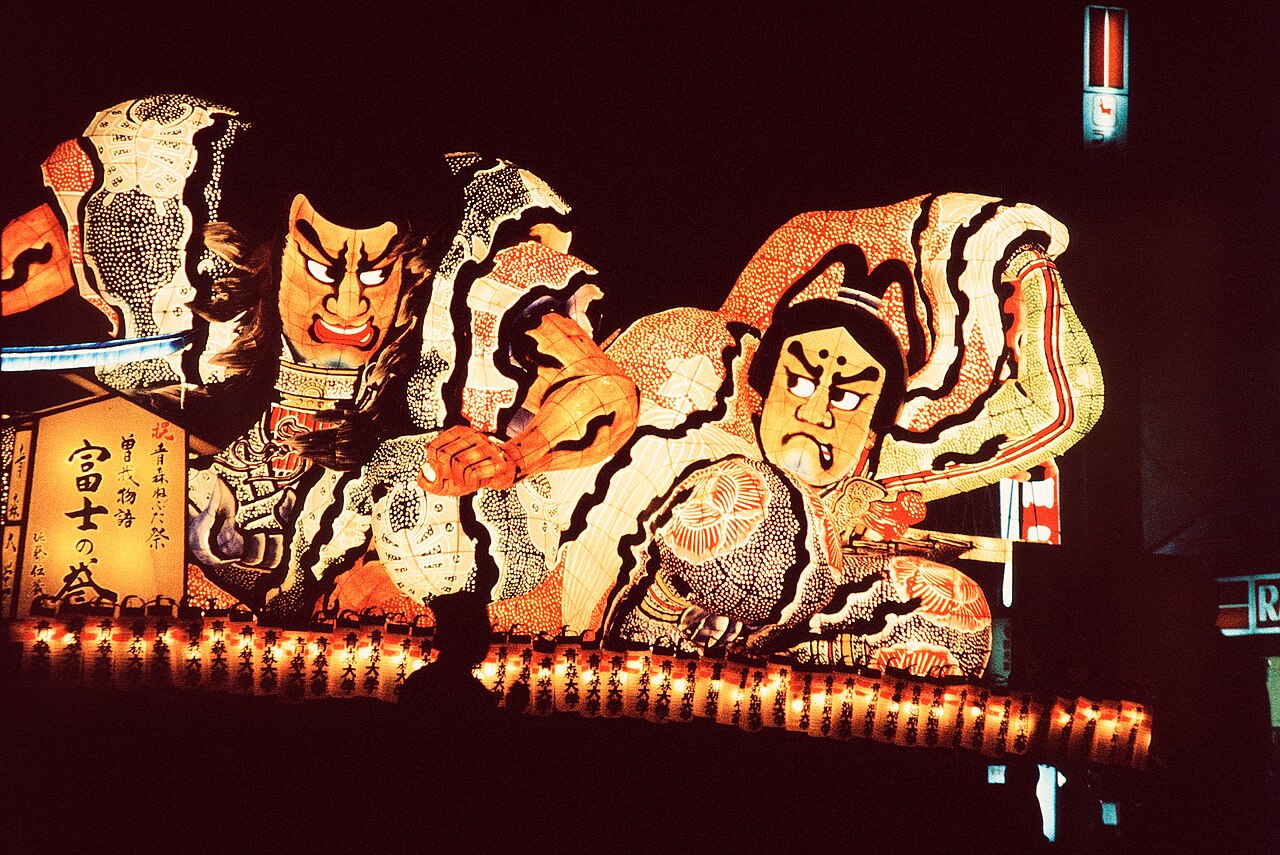
🏮 Aomori · Tohoku2
One of Tohoku's three great festivals. The stars are the giant lanterns (nebuta) — about 20 of them, built from washi paper stretched over wire frames and painted as gods, warriors, and figures from legend and kabuki, then lit from within and paraded through the streets at night. They're surrounded by leaping haneto dancers, with drums and cymbals roaring across the whole city.
Aomori Prefecture Guide →A dance festival many rank as the most fun summer matsuri in Japan, with roots in the Bon Odori danced during Obon. More than 1,000 dance troupes (ren) take to the streets to the rhythm of shamisen and drums. Its famous refrain goes, "The dancers are fools and the watchers are fools, so since you're a fool either way, you might as well dance" — pulling in around 1.3 million visitors a year.
Tokushima Prefecture Guide →One of Tokyo's biggest and rawest Shinto festivals, held around Asakusa Shrine beside Senso-ji Temple. The highlight is a procession of over 100 mikoshi that local neighbourhood teams hoist and rock with real intensity — many of the carriers belong to local associations and show full-body tattoos. It draws around 2 million people to Asakusa over three days.
Asakusa Travel Guide →
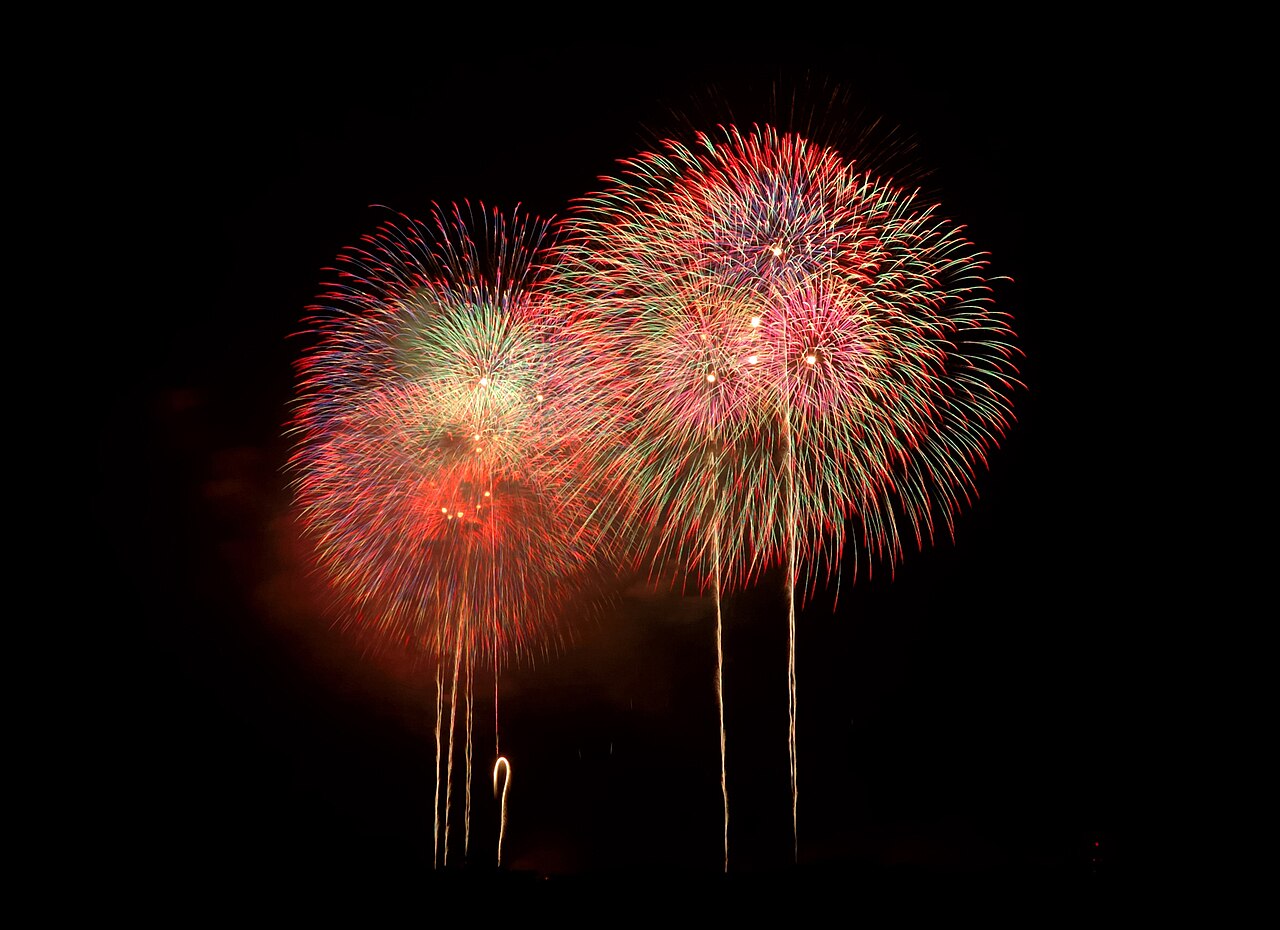
🎆 Osaka · Kansai5
One of Japan's big three, held at Osaka Tenmangu Shrine to honour Sugawara no Michizane, the god of learning, and going back more than a thousand years. The main day brings a land procession (over 3,000 people in Heian-era costume) followed by a river procession of around 100 boats, capped by the fireworks over the water that are the festival's signature image.
Osaka Attractions →Japan's biggest and most famous "Star Festival," with roots reaching back to the early 17th century and Date Masamune, the founder of Sendai. The highlight is the giant paper streamers and tassels (fukinagashi) hung from bamboo poles over 10 metres tall, lining the covered shopping arcades until they become tunnels of vivid colour — all handmade. It pulls in over 2 million visitors a year.
Japan Travel Guide →Each matsuri has its own signature highlight, but these three things are at the heart of almost all of them. Know them and you'll have more fun and understand what's going on around you.
Mikoshi (神輿) are portable shrines believed to carry the gods out to visit the community; teams shoulder and rock them, chanting "Wasshoi!" Some festivals use dashi/yamahoko — huge carved wooden floats — instead. This procession is always the climax of the day.
The beat of taiko drums, flutes, and cymbals sets each festival's rhythm. Some have group dances (like Awa Odori), or leaping dancers circling the parade (the haneto of Nebuta). This is what makes the whole street feel alive.
Both sides of the street fill with yatai selling takoyaki, yakisoba, karaage, grilled squid, shaved ice, and goldfish-scooping games. Items run around 300–800 yen each — bring cash, because most stalls don't take cards.
A matsuri is open to everyone, so don't feel stiff about it — but a few basic courtesies help you blend in and stay out of others' way. Know them and you can relax and enjoy yourself.
See where the festivals spread out — from Asakusa in Tokyo, to Kyoto and Osaka in Kansai, all the way to Tohoku and Shikoku. Plot your summer trip from right here.
This page's springtime companion — which city blooms when, the legendary viewing spots, and how to read the forecast.
Cherry Blossom Guide →The home of Sanja Matsuri — Senso-ji Temple, Nakamise Street, and the Asakusa corners you can't miss.
Explore Asakusa →The home of Gion Matsuri — Fushimi Inari, Arashiyama, Yasaka Shrine, and the legendary temples of the old capital.
Kyoto Attractions →The home of Tenjin Matsuri — Osaka Castle, Dotonbori, and the best of Kansai in a day.
Osaka Attractions →Every region and city, with links into city guides, hotels, and attractions across Japan.
Japan Guide →Visa · eSIM · IC cards · JR Pass · yen · power plugs · etiquette — everything before you fly to Japan.
Travel Prep →Lock in the festival dates that match your trip, open a city guide for hotels, sights, and how to get around, or start hunting for a room near the festival grounds early — before the rooms run out and prices spike.