🌏 All Destinations 🇯🇵 Japan · Full Guide Tokyo Kyoto Kawaguchiko (Fuji) 🏮 Matsuri Festivals 🌸 Cherry Blossom Guide 🧭 Travel Prep Guide About Contact 🇹🇭 ไทย🇬🇧 English🇨🇳 中文🇪🇸 Español🇫🇷 Français
🏮 Matsuri Festivals · Updated 2026

Japan's Matsuri Festivals The Events You Can't Miss All Year

Thundering taiko drums, glowing giant lanterns, ton-heavy portable shrines hoisted shoulder-high, and the smell of takoyaki off the yatai stalls — we've gathered the must-see matsuri: Gion · Nebuta · Awa Odori · Sanja · Tenjin · Tanabata, with their 2026 dates and how to join in, all on one page.

Start Here

A Matsuri Isn't Just a Temple Fair —It's the Heart of a Japanese Community

Picture a whole street closed to traffic, tens of thousands of people in yukata pressing shoulder to shoulder, taiko drums booming so deeply you feel them in your chest, and then a column of men shouldering a ton-heavy portable shrine surges past, chanting "Wasshoi!" — this is a matsuri (祭り), a Japanese festival, most of them rooted in Shinto shrine ritual to thank the gods and pray for a good harvest. Honestly, if you stumble onto even one matsuri, it'll be the memory that defines your whole trip to Japan.

The elements you'll see at almost every festival are the mikoshi (a portable shrine carried by a team), the dashi or yamahoko (elaborately decorated festival floats), traditional dance, taiko drums, and — never missing — the yatai (street-food stalls). Matsuri happen all over the country year-round, but they cluster most densely in summer, around July and August. On this page we've picked the ones you can't miss, with their 2026 dates, what you'll actually see, the etiquette, and how to join in and have the best time.

🏮 Straight up, before anything else: most of the big matsuri fall on the same dates every year (Gion July 17 + 24 · Tenjin July 24–25 · Nebuta Aug 2–7), so they're easier to plan around than the cherry blossoms. But a few follow the lunar calendar or a weekend, so they shift — always confirm the exact dates on each festival's official site before you lock in flights, because rooms in the host city sell out fast.
⛩️
Rooted in the Shrine
Most are Shinto rites — a mikoshi is carried out to pray to the gods.
🥁
Sound, Colour, Motion
Taiko drums, festival floats, dance, and giant glowing lanterns.
🍢
Streets Full of Yatai
Takoyaki, yakisoba, shaved ice, and goldfish scooping.
☀️
Peaks in Summer
Liveliest in Jul–Aug · Sanja in Asakusa lands in May.
2026 Matsuri Calendar

Which Big Matsuri,Which Month, Which City

Running from early to late in the year — most of the big ones cluster in summer (Jul–Aug). Dates follow the latest official information; festivals tied to a weekend or the lunar calendar may shift slightly next year, so always check the official site first.

FestivalRegionCityKnown for2026 dates
Sanja Matsuri三社祭 · AsakusaKantoTokyo100+ mikoshi paraded through the streetsMay 15–17
Gion Matsuri祇園祭KansaiKyotoYamahoko floats up to 25 m tallAll July (floats 17 + 24)
Tenjin Matsuri天神祭KansaiOsakaBoat procession + riverside fireworksJul 24–25
Nebuta Matsuriねぶた祭TohokuAomori~20 glowing giant lantern floatsAug 2–7
Sendai Tanabata仙台七夕まつりTohokuSendaiGiant paper streamers all along the streetsAug 6–8
Awa Odori阿波おどりShikokuTokushima1,000+ troupes dancing the Bon OdoriAug 11–15
📅 How to read the calendar: May is lively with Sanja in Asakusa, but summer, July through August, is the peak for matsuri nationwide. If you come in early August, you can catch all three of Tohoku's great festivals (Nebuta in Aomori + Tanabata in Sendai + Kanto in Akita) on overlapping dates in a single trip. Book host-city accommodation several months ahead — it sells out fast and prices spike.
6 Must-See Matsuri

The Festivalsto See at Least Once

Picked from the festivals travellers agree are worth planning a trip around — each one has a sharply different character. Confirm the dates, then book a room in that city well ahead.

🏮 ⛩️ Kyoto · Kansai1
Gion Matsuri
Gion Matsuri · Kyoto · July

Kyoto's grandest festival, and one of Japan's big three, with over 1,100 years of history. It runs all through July, and the highlight is the procession of yamahoko floats — some up to 25 metres tall and weighing more than 10 tonnes, hauled entirely by hand. The Yoiyama evenings before the procession are when the whole district closes off and fills with yatai stalls.

📍Where: Around Yasaka Shrine + central Kyoto
🗓️2026 dates: All July · float processions Jul 17 (23 floats) + Jul 24 (10 floats)
🌃Yatai nights: Yoiyama Jul 14–16 and 21–23, streets pedestrianised ~18:00–23:00
💡Tip: The daytime procession gets very hot — bring an umbrella and water. Stand at a street corner to catch the float-turning (tsuji-mawashi), the most thrilling moment.
Kyoto Attractions →
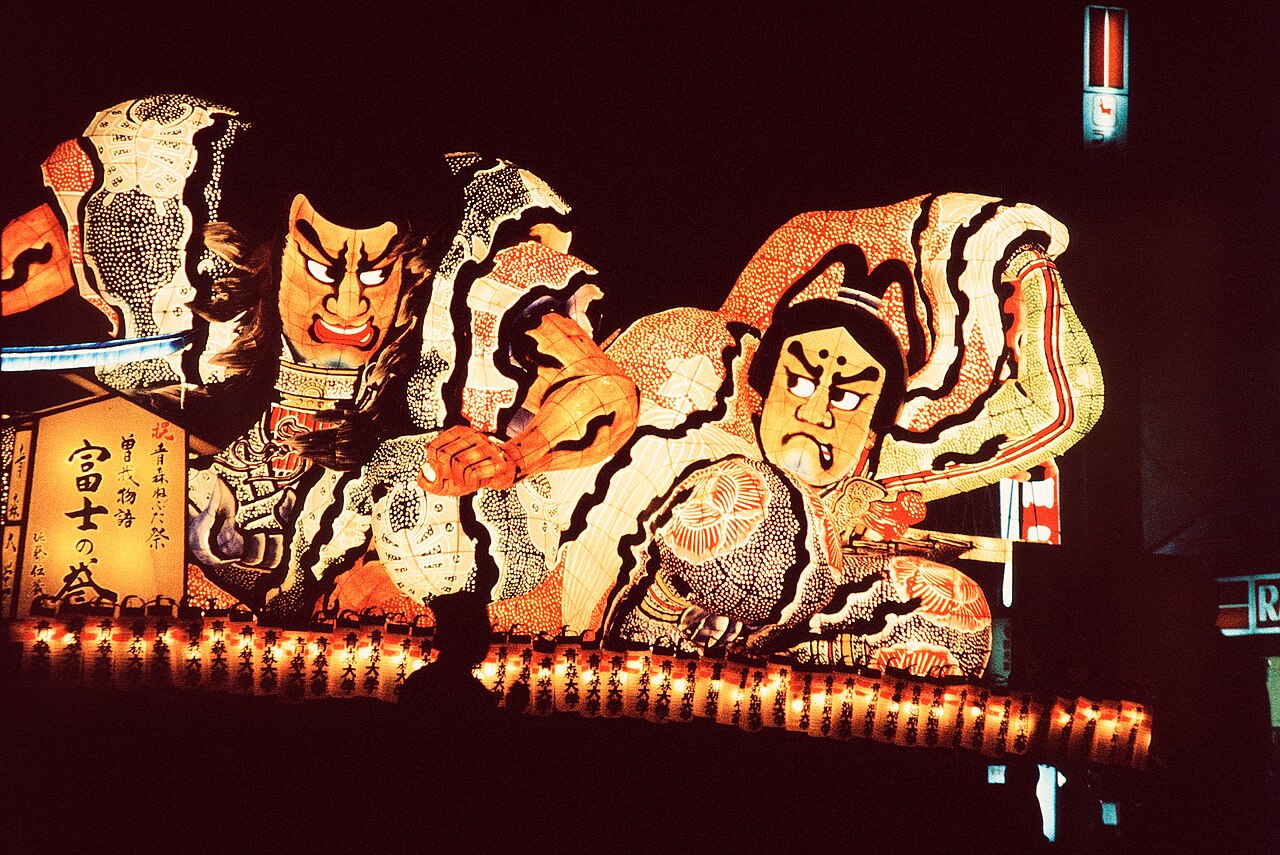
Glowing giant warrior lantern float at the Nebuta Matsuri in Aomori 🏮 Aomori · Tohoku2
Nebuta Matsuri
Aomori Nebuta · August

One of Tohoku's three great festivals. The stars are the giant lanterns (nebuta) — about 20 of them, built from washi paper stretched over wire frames and painted as gods, warriors, and figures from legend and kabuki, then lit from within and paraded through the streets at night. They're surrounded by leaping haneto dancers, with drums and cymbals roaring across the whole city.

📍Where: Central Aomori (near JR Aomori Station)
🗓️2026 dates: Aug 2–7 · evening parades start ~19:00 (the final day, Aug 7, has a daytime run)
🌟Peak: The evenings of Aug 4–6, when the most floats come out
💡Tip: Put on a haneto costume and join the leaping dancers in the parade (rent one in town) — an experience you won't find anywhere else.
Aomori Prefecture Guide →
💃 💃 Tokushima · Shikoku3
Awa Odori
Awa Odori · Tokushima · August

A dance festival many rank as the most fun summer matsuri in Japan, with roots in the Bon Odori danced during Obon. More than 1,000 dance troupes (ren) take to the streets to the rhythm of shamisen and drums. Its famous refrain goes, "The dancers are fools and the watchers are fools, so since you're a fool either way, you might as well dance" — pulling in around 1.3 million visitors a year.

📍Where: Central Tokushima (island of Shikoku)
🗓️2026 dates: Aug 11–15 · main parades Aug 12–15, roughly 18:00–22:30
🎟️Seating: Both free viewing zones and paid grandstand seats (book ahead)
💡Tip: Visitors can join the niwaka-ren troupe and dance for free in the evening — give it a try, it's more fun than you'd expect.
Tokushima Prefecture Guide →
⛩️ ⛩️ Asakusa · Tokyo4
Sanja Matsuri
Sanja Matsuri · Asakusa · May

One of Tokyo's biggest and rawest Shinto festivals, held around Asakusa Shrine beside Senso-ji Temple. The highlight is a procession of over 100 mikoshi that local neighbourhood teams hoist and rock with real intensity — many of the carriers belong to local associations and show full-body tattoos. It draws around 2 million people to Asakusa over three days.

📍Where: Asakusa Shrine + Senso-ji Temple (next to Asakusa Station)
🗓️2026 dates: May 15–17 · the biggest mikoshi processions are on Saturday–Sunday
👥Crowds: Extremely dense in the lanes around the temple — allow extra time to walk
💡Tip: Pair it with sightseeing in Asakusa and Senso-ji on the same day; go in the morning while you can still move freely.
Asakusa Travel Guide →
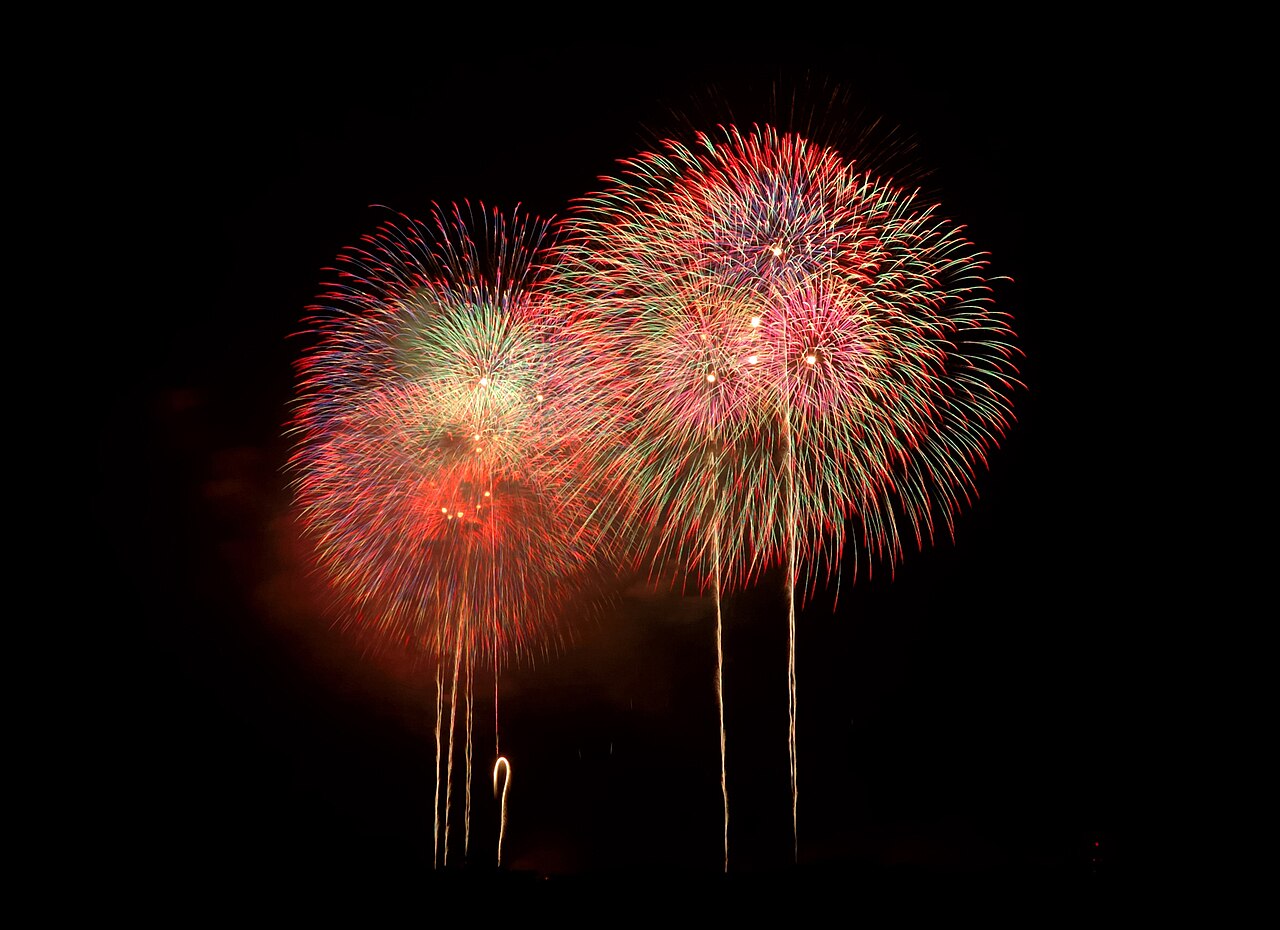
Fireworks over a river at night, like the finale of Osaka's Tenjin Matsuri 🎆 Osaka · Kansai5
Tenjin Matsuri
Tenjin Matsuri · Osaka · July

One of Japan's big three, held at Osaka Tenmangu Shrine to honour Sugawara no Michizane, the god of learning, and going back more than a thousand years. The main day brings a land procession (over 3,000 people in Heian-era costume) followed by a river procession of around 100 boats, capped by the fireworks over the water that are the festival's signature image.

📍Where: Osaka Tenmangu Shrine + the Okawa River, Kita district
🗓️2026 dates: Jul 24–25 · the main day is Jul 25
🎆Fireworks: Evening of Jul 25, roughly 19:30–20:50 over the river
💡Tip: Riverside viewing spots fill up fast — claim a place before dusk, or look into a boat-cruise package to watch the procession.
Osaka Attractions →
🎋 🎋 Sendai · Tohoku6
Sendai Tanabata
Sendai Tanabata · August

Japan's biggest and most famous "Star Festival," with roots reaching back to the early 17th century and Date Masamune, the founder of Sendai. The highlight is the giant paper streamers and tassels (fukinagashi) hung from bamboo poles over 10 metres tall, lining the covered shopping arcades until they become tunnels of vivid colour — all handmade. It pulls in over 2 million visitors a year.

📍Where: Chuo-dori + Ichibancho shopping arcades, central Sendai
🗓️2026 dates: Aug 6–8 · roughly 10:00–21:00, free to enter
👥Crowds: Packed around midday — go before 9 am to walk easily and get the best photos
💡Tip: Visit in early August to catch Tanabata + Nebuta in Aomori on the same Tohoku trip.
Japan Travel Guide →
What's at the Festival

3 Things You'll Findat Every Matsuri

Each matsuri has its own signature highlight, but these three things are at the heart of almost all of them. Know them and you'll have more fun and understand what's going on around you.

ELEMENT 1
The Mikoshi / Float Procession

Mikoshi (神輿) are portable shrines believed to carry the gods out to visit the community; teams shoulder and rock them, chanting "Wasshoi!" Some festivals use dashi/yamahoko — huge carved wooden floats — instead. This procession is always the climax of the day.

ELEMENT 2
Music and Dance

The beat of taiko drums, flutes, and cymbals sets each festival's rhythm. Some have group dances (like Awa Odori), or leaping dancers circling the parade (the haneto of Nebuta). This is what makes the whole street feel alive.

ELEMENT 3
Yatai (Street Food)

Both sides of the street fill with yatai selling takoyaki, yakisoba, karaage, grilled squid, shaved ice, and goldfish-scooping games. Items run around 300–800 yen each — bring cash, because most stalls don't take cards.

Matsuri Etiquette

How to Join a Matsuriand Stay Polite

A matsuri is open to everyone, so don't feel stiff about it — but a few basic courtesies help you blend in and stay out of others' way. Know them and you can relax and enjoy yourself.

🙅
Don't Block or Touch the Procession
Watch from the sides along the marked lines. Don't step into the path of a mikoshi procession or try to grab a float — the carriers need their space and rhythm.
📸
Photograph Politely
Photos are fine, but don't flash performers, don't plant yourself in the middle of the route to shoot, and leave the people behind you a view too.
👘
Wear Your Yukata the Right Way
Want to dress the part? Go for a yukata — just remember to wrap left over right every time (right over left is for funerals). Rent one at shops in the bigger cities.
🗑️
Take Your Rubbish With You
With huge crowds, bins are few and fill fast. Carry a small bag for your own trash, or bin it at the yatai stall where you bought the food.
💴
Bring Cash
Yatai stalls and viewing seats are almost all cash-only. Bring coins and small notes, since stalls often can't change a big bill.
🚆
Allow for the Crush
Train stations are packed after the festival ends. Leave extra travel time, or slip out a little early, and follow the staff directing the queues.
Map

Japan's Big Matsurion One Map

See where the festivals spread out — from Asakusa in Tokyo, to Kyoto and Osaka in Kansai, all the way to Tohoku and Shikoku. Plot your summer trip from right here.

Prep + Booking

6 Things That Make a Matsuri TripFun and Hassle-Free

📅
Book Months Ahead
Host cities for the big festivals (Aomori, Sendai, Tokushima, Kyoto) sell out and prices spike during the event. Book 3–6 months out.
🏙️
Stay in a Nearby City If It's Full
For Tohoku festivals, base yourself in a secondary city and take the Shinkansen in; for Kansai, stay in Osaka — Kyoto is ~15–30 min away.
🗓️
Confirm Dates on the Official Site
Most big festivals are the same dates every year, but some follow a weekend or the lunar calendar — always confirm before locking in flights.
💴
Carry Plenty of Cash
Yatai, viewing seats, and festival souvenirs are cash-only. Bring coins and small notes — ATMs in the host city get long queues.
📶
Activate an eSIM Before You Fly
Handy for checking parade timings, navigating with Google Maps, and finding good viewing spots, since festival road closures shift the routes.
🧴
Handle the Heat and Humidity
Summer festivals are scorching and packed. Bring water, a fan, a cooling towel, and sunscreen, and rest often — don't stand in the sun too long.
Related Guides

Keep Planning Your Japan Trip — Cities, Sights, and Prep

🌸

Japan Cherry Blossom Guide

This page's springtime companion — which city blooms when, the legendary viewing spots, and how to read the forecast.

Cherry Blossom Guide →
⛩️

Asakusa Travel Guide

The home of Sanja Matsuri — Senso-ji Temple, Nakamise Street, and the Asakusa corners you can't miss.

Explore Asakusa →
🏯

Kyoto Attractions

The home of Gion Matsuri — Fushimi Inari, Arashiyama, Yasaka Shrine, and the legendary temples of the old capital.

Kyoto Attractions →
🍜

Osaka Attractions

The home of Tenjin Matsuri — Osaka Castle, Dotonbori, and the best of Kansai in a day.

Osaka Attractions →
🇯🇵

Full Japan Travel Guide

Every region and city, with links into city guides, hotels, and attractions across Japan.

Japan Guide →
ℹ️

Japan Travel Prep

Visa · eSIM · IC cards · JR Pass · yen · power plugs · etiquette — everything before you fly to Japan.

Travel Prep →
Frequently Asked Questions

Questions AboutMatsuri Festivals

What is a matsuri?
A matsuri (祭り) is a Japanese festival, most of them rooted in Shinto shrine ritual. A typical matsuri features a procession of portable shrines (mikoshi) or decorated festival floats (dashi/yamahoko), traditional dance, thundering taiko drums, and rows of street-food stalls called yatai. Matsuri are held all over the country throughout the year, but they cluster most densely in summer, around July and August.
What are Japan's three biggest festivals?
The three the Japanese themselves call the great festivals (Nihon San-dai Matsuri) are Gion Matsuri in Kyoto (July), Tenjin Matsuri in Osaka (July 24–25), and Kanda Matsuri in Tokyo (May, odd-numbered years). The Tohoku region also has its own big three — Nebuta (Aomori), Tanabata (Sendai), and Kanto (Akita) — all held at the same time in early August.
What are the 2026 dates for Gion Matsuri?
Gion Matsuri runs all through July in Kyoto. The highlights are the yamahoko float processions (Yamaboko Junko) on July 17 (first procession, 23 floats) and July 24 (second procession, 10 floats). The Yoiyama evenings, when streets are closed off and packed with food stalls, fall on July 14–16 and 21–23. The dates are the same every year.
What's the best time of year to see a matsuri?
Summer (July–August) is when matsuri are at their thickest — almost every city has one, including Gion, Tenjin, Nebuta, Awa Odori, and Tanabata. May is lively too, thanks to Sanja Matsuri in Asakusa. If you come in winter you'll catch snow festivals instead. Summer festivals are a blast, but be ready for hot, humid weather and huge crowds.
What should I wear to a matsuri?
There's no dress code — comfortable clothes you can walk in are fine. But if you want to soak up the atmosphere, many people wear a yukata (a light cotton summer kimono), which you can rent or buy at shops in the bigger cities. Remember the key rule: always wrap the left side over the right (right over left is for funerals). Bring shoes you can stand in for hours and plenty of water, because summer festivals are hot and packed.
What food can you get at a matsuri?
The heart of any matsuri is its street-food stalls, or yatai. Classics include takoyaki, yakisoba, fried chicken karaage, grilled squid (ikayaki), soy-glazed grilled corn, fried potatoes, shaved ice (kakigori), and games like goldfish scooping (kingyo-sukui). Prices usually run around 300–800 yen per item, and you'll want cash — most stalls don't take cards.
Ready to Chase a Matsuri?

Pick the Right Festival
and Book Before It Fills Up

Lock in the festival dates that match your trip, open a city guide for hotels, sights, and how to get around, or start hunting for a room near the festival grounds early — before the rooms run out and prices spike.

🔴 Search Festival Hotels Japan Guide