The Japanese LabelsWorth at Least One Visit
Ordered from easy-on-the-wallet and easy-to-find through to serious-collector territory — each entry covers the flagship, what it does best, and a straight answer on price versus home.
 🧥 Brilliant Basics1
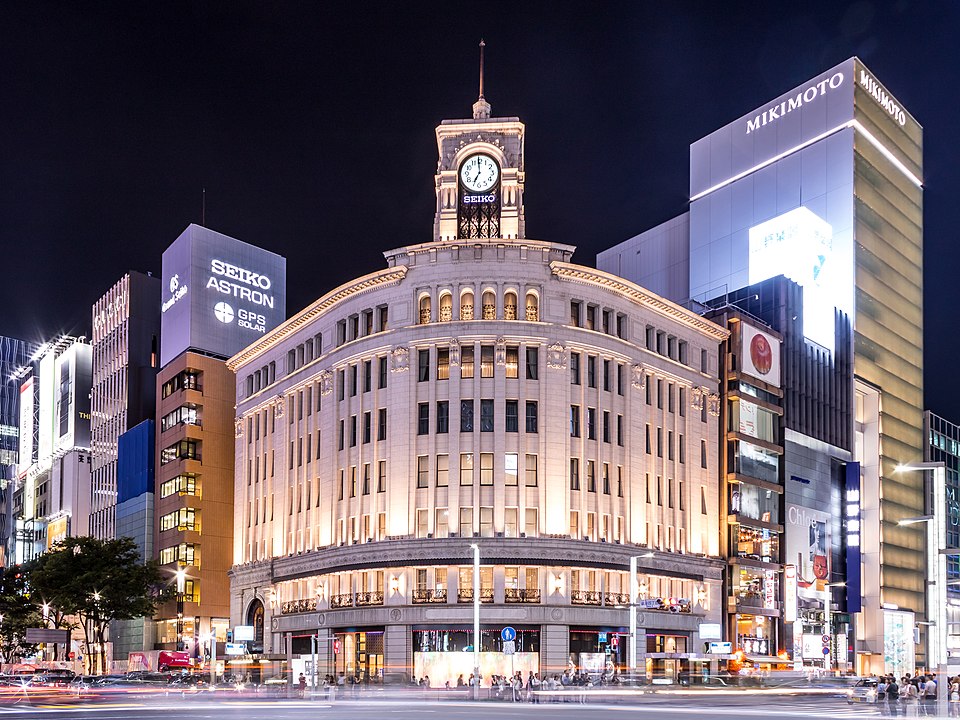
The brand everyone already knows — but Uniqlo in Japan is another level. The Ginza flagship rises 12 floors across roughly 5,000 sq m and is the largest in the world, with the widest selection plus Japan-leaning ranges like UT collaborations, +J, and Uniqlo U that are often unavailable or slower to land elsewhere. The top floor even has its own coffee stand.
Japan Travel Guide →Uniqlo's younger, trendier, cheaper sibling, and a firm favourite with young Japanese shoppers because it chases trends fast while staying very affordable. There are now over 440 stores nationwide. If you want a current Japanese look on a tight budget, GU is the answer — and plenty of pieces are honestly more playful than Uniqlo's.
Tokyo City Guide →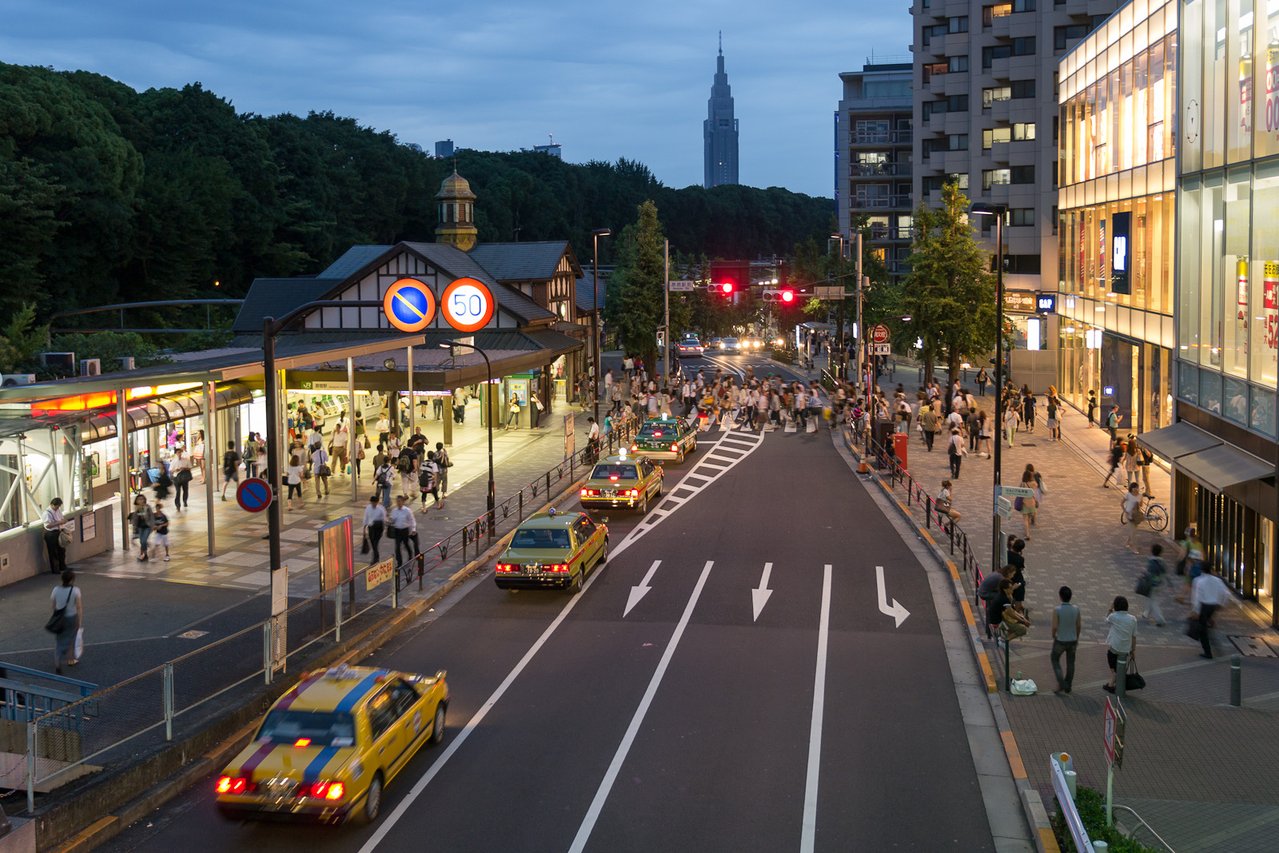 🎽 Select Shop3
The legendary select shop that has shaped Japanese fashion since 1976, curating its own labels alongside brands from around the world in that distinctly understated Japanese way. The Harajuku store is the original — recently renewed for the brand's 50th anniversary — while Beams Japan in Shinjuku is a multi-floor flagship pulling together everything from clothing to craft goods and beautifully Japanese souvenirs.
Tokyo City Guide →The Japanese streetwear label that went global — its Ape Head logo and camo have been hypebeast staples for years. In Japan there's a flagship in the heart of Harajuku, the new three-floor BAPE THINK concept store on Meiji-dori, and an Aoyama location too. It's an essential stop for true fans, since some collections release Japan-only.
Tokyo City Guide →Rei Kawakubo's legendary house, a pillar of world fashion. The Aoyama flagship has been open since 1999, its sleek architecture a landmark in its own right. For fans of the PLAY line (the wide-eyed-heart range), entry prices are far gentler than the main collection — making this a must-stop for anyone serious about Japanese fashion.
Tokyo City Guide →The budget-friendly youth label right on Takeshita Street in Harajuku — ideal if you want the full, colourful Harajuku look without spending much. The highlight is the customisation corner, with over 100,000 patches and parts to build your own pouches and keychains. It's the kind of fun you won't find in a regular department store.
Tokyo City Guide →Many shoppers' number-one second-hand district, just about 3 minutes by train from Shibuya — bohemian in feel but well curated, never chaotic. Standout shops include KINJI (roughly ¥2,000–5,000), New York Joe Exchange (every era), Flamingo (American vintage, 60s–80s), and Stick Out, where everything is a flat ¥800. You can browse all day without getting bored.
Tokyo City Guide →If Shimokitazawa is the polished side of second-hand, Koenji is the raw, underground one — a punk-and-music artist neighbourhood where prices tend to be lower. It's packed with shotengai (covered shopping streets) and quirky vintage stores like Hayatochiri, with its monster-face facade and bold colours, and Whistler, an American vintage specialist focused on the 1940s–60s with seriously rare finds.
Tokyo City Guide →The Honest Price Verdict — Is It Really Cheaper?
Uniqlo basics (HEATTECH/AIRism) are priced much like home, but Japan has three advantages: deeper sale discounts, Japan-exclusive ranges (UT/+J/Uniqlo U) you can't get elsewhere, and a 10% tax-free refund on ¥5,000+ per store per day. Net of all that, many items land roughly 20–40% cheaper per piece.
GU, BAPE, Comme des Garçons and Beams are clearly cheaper at source, because several have little or no retail abroad — and where they do, you're paying imported or resale markups. As for Shimokitazawa and Koenji vintage, there's simply no fair comparison: the choice and quality of Japanese vintage is in a league of its own.
📌 Prices here are 2026 figures and shift with exchange rates and sale periods — always check each brand's official site for the latest before you buy.