Home Destinations 🇯🇵 Japan Tokyo Guide Tokyo Food Osaka Attractions About 🇹🇭 ไทย🇬🇧 English🇨🇳 中文🇪🇸 Español🇫🇷 Français
🛍️ Fashion Shopping Guide · Updated 2026

Japanese Fashion Brands
Where to Shop & Is It Cheaper?

Uniqlo and GU · Beams for understated cool · BAPE, the streetwear legend · Comme des Garçons in Aoyama · WEGO for young budgets · and the vintage treasure troves of Shimokitazawa and Koenji — we walk through each brand, where the flagship sits, how prices really compare to home, and the new tax-free system landing in late 2026.

Start Here

You Pack Half a Suitcaseand Come Home With Two

It happens to almost everyone — you fly to Japan just to sightsee, and somehow you come home with three Uniqlo bags, one BAPE hoodie, and a vintage tee you unearthed in a tiny Shimokitazawa side street. Japan really is a paradise for anyone who loves clothes, from quietly excellent everyday basics to rare streetwear and vintage you simply can't find anywhere else.

On this page we've gathered the brands and shopping districts visitors ask about most in one place — for each one we tell you where the flagship is, what it's best at, and the question every shopper actually cares about: is it genuinely cheaper in Japan than at home? We'll be honest about it. Some brands win clearly; others are roughly a wash. It depends on what you buy and when you shop.

🧥
Brilliant Basics
Uniqlo and GU nail fabric and fit at prices that stay genuinely friendly.
👟
Streetwear Royalty
BAPE and Comme des Garçons were born here — source prices beat imports abroad.
♻️
Curated Vintage
Shimokitazawa and Koenji are stacked with quality second-hand finds.
🧾
10% Tax-Free
Spend ¥5,000+ per store per day and claim the consumption tax back.
Brand by Brand

The Japanese LabelsWorth at Least One Visit

Ordered from easy-on-the-wallet and easy-to-find through to serious-collector territory — each entry covers the flagship, what it does best, and a straight answer on price versus home.
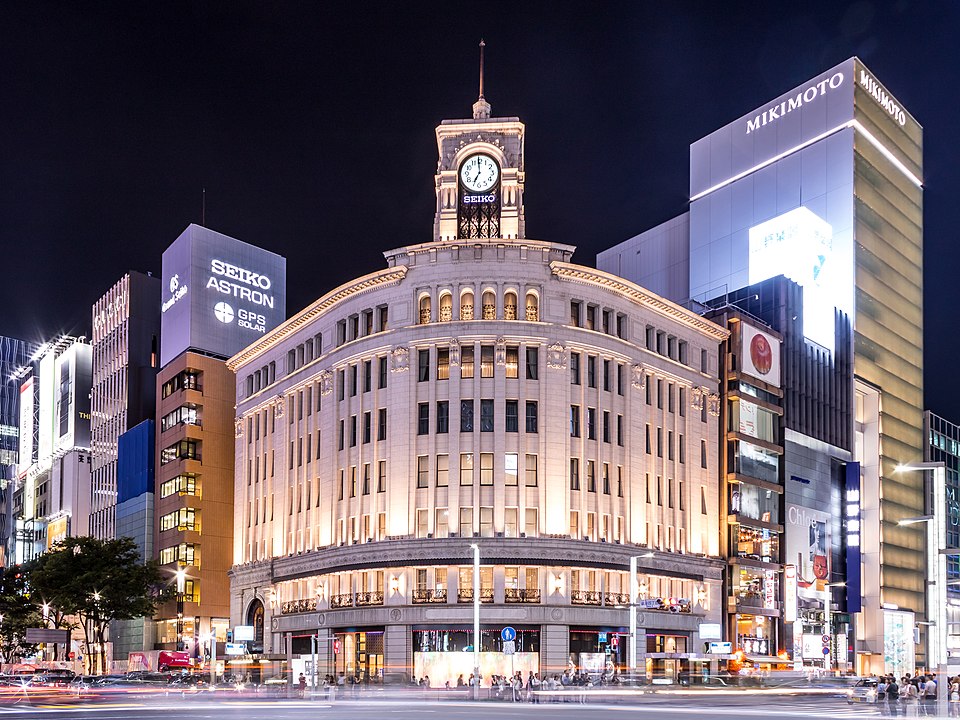
Ginza district in Tokyo, home to the world's largest 12-floor Uniqlo global flagship 🧥 Brilliant Basics1
Uniqlo
Uniqlo · Ginza Global Flagship

The brand everyone already knows — but Uniqlo in Japan is another level. The Ginza flagship rises 12 floors across roughly 5,000 sq m and is the largest in the world, with the widest selection plus Japan-leaning ranges like UT collaborations, +J, and Uniqlo U that are often unavailable or slower to land elsewhere. The top floor even has its own coffee stand.

📍Flagship: Uniqlo Ginza (12 floors) · GU in the same building
💰Vs. home: Basics similar; sales, exclusive lines, and tax-free tip the value to Japan
🛒What to buy: Ultra Light Down (about ¥7,990), HEATTECH, AIRism, UT tees
💡Tip: Hit the sale floor first — Japan clearance is discounted harder than abroad. Spend ¥5,000+ and claim tax-free.
Japan Travel Guide →
🛒
💸 Best for Budgets2
GU
GU · Uniqlo's Sister Brand

Uniqlo's younger, trendier, cheaper sibling, and a firm favourite with young Japanese shoppers because it chases trends fast while staying very affordable. There are now over 440 stores nationwide. If you want a current Japanese look on a tight budget, GU is the answer — and plenty of pieces are honestly more playful than Uniqlo's.

📍Flagship: GU Ginza (5 floors), near Ginza Station Exit A2
💰Vs. home: Cheaper than Uniqlo; GU is scarce in many countries, so much of this isn't available at home
🛒What to buy: On-trend trousers and skirts, shoes, outfit-finishing pieces
💡Tip: Tax-free counters are on floors 2 and 4 at Ginza. Sizing runs small — try before you buy.
Tokyo City Guide →
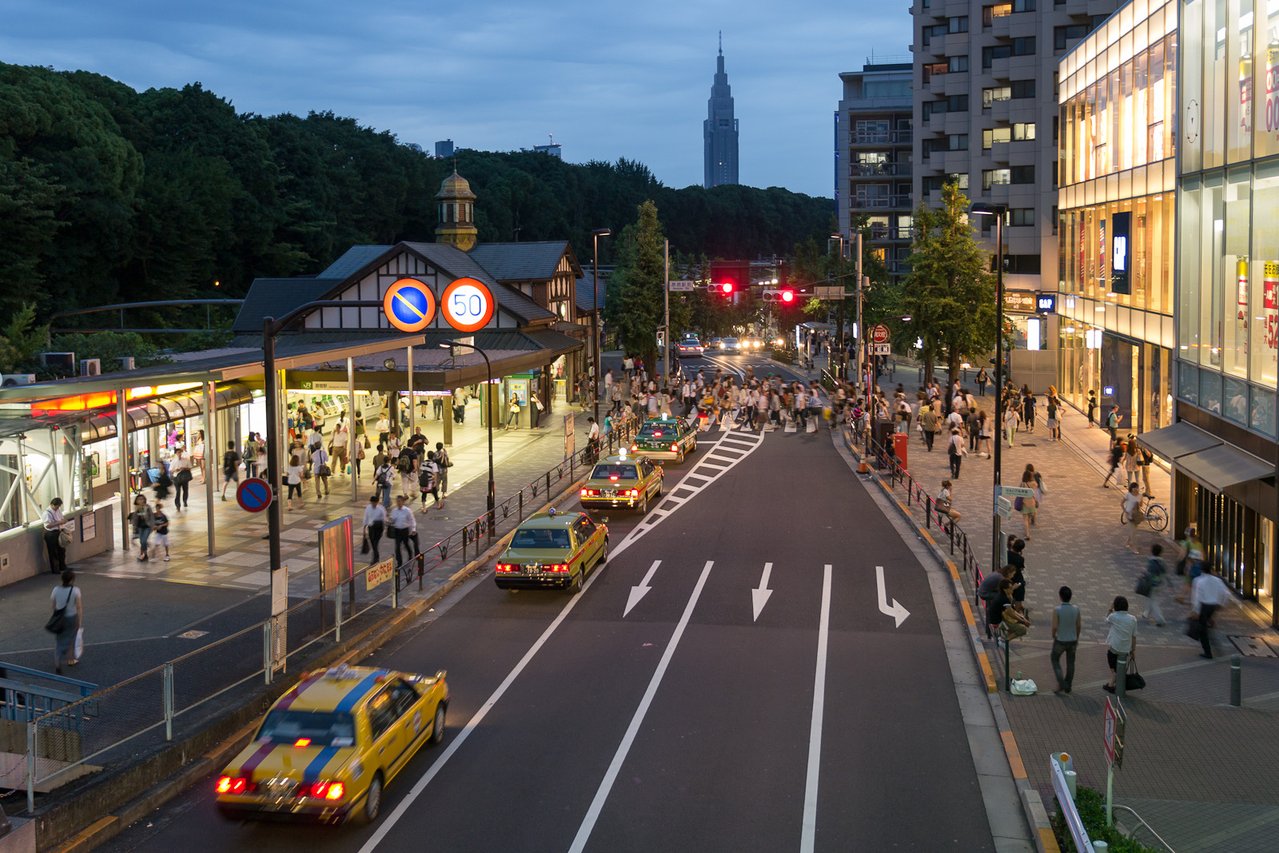
Harajuku district in Tokyo, home to the Beams flagship and Japanese fashion stores 🎽 Select Shop3
Beams
Beams · Harajuku Flagship

The legendary select shop that has shaped Japanese fashion since 1976, curating its own labels alongside brands from around the world in that distinctly understated Japanese way. The Harajuku store is the original — recently renewed for the brand's 50th anniversary — while Beams Japan in Shinjuku is a multi-floor flagship pulling together everything from clothing to craft goods and beautifully Japanese souvenirs.

📍Flagship: Beams Harajuku (3-24-7 Jingumae) + Beams Japan in Shinjuku
💰Vs. home: No retail presence in much of the world — exclusives and collabs are Japan-only
🛒What to buy: Limited collab tees, Beams Japan flag-motif goods, craft items
💡Tip: Beams Japan in Shinjuku has top-tier Japanese souvenirs you won't see elsewhere — great for gifts.
Tokyo City Guide →
🦍
🔥 Streetwear4
A Bathing Ape (BAPE)
BAPE · Harajuku & Aoyama

The Japanese streetwear label that went global — its Ape Head logo and camo have been hypebeast staples for years. In Japan there's a flagship in the heart of Harajuku, the new three-floor BAPE THINK concept store on Meiji-dori, and an Aoyama location too. It's an essential stop for true fans, since some collections release Japan-only.

📍Flagship: BAPE Store Harajuku (Jingumae) + BAPE THINK + Aoyama
💰Vs. home: Clearly cheaper than imported/resale prices abroad — genuine Japan-tag stock
🛒What to buy: Ape Head tees, shark camo hoodies, limited collab pieces
💡Tip: Limited drops sell out fast — check for queues on release days. Avoid fakes sold outside the official stores.
Tokyo City Guide →
🖤
🎨 Designer5
Comme des Garçons
Comme des Garçons · Aoyama

Rei Kawakubo's legendary house, a pillar of world fashion. The Aoyama flagship has been open since 1999, its sleek architecture a landmark in its own right. For fans of the PLAY line (the wide-eyed-heart range), entry prices are far gentler than the main collection — making this a must-stop for anyone serious about Japanese fashion.

📍Flagship: Comme des Garçons Aoyama (5-2-1 Minami-Aoyama, Minato)
💰Vs. home: PLAY and main lines are cheaper here than imported abroad
🛒What to buy: PLAY heart tees, CdG fragrances, the Converse collab range
💡Tip: Aoyama is a stroll of architectural flagship stores — pair it neatly with Omotesando.
Tokyo City Guide →
🧢
🎈 Young & Cheap6
WEGO
WEGO · Takeshita Street, Harajuku

The budget-friendly youth label right on Takeshita Street in Harajuku — ideal if you want the full, colourful Harajuku look without spending much. The highlight is the customisation corner, with over 100,000 patches and parts to build your own pouches and keychains. It's the kind of fun you won't find in a regular department store.

📍Flagship: WEGO Takeshita Street (Jingumae), Harajuku
💰Vs. home: Very cheap — great for fun statement pieces and accessories
🛒What to buy: Graphic tees, caps, accessories, custom pouches
💡Tip: Takeshita is a youth-fashion pedestrian street — the whole lane is vintage shops, crepe stands, and kawaii stores.
Tokyo City Guide →
♻️
👕 Curated Vintage7
Shimokitazawa Vintage
Shimokitazawa · Second-Hand District

Many shoppers' number-one second-hand district, just about 3 minutes by train from Shibuya — bohemian in feel but well curated, never chaotic. Standout shops include KINJI (roughly ¥2,000–5,000), New York Joe Exchange (every era), Flamingo (American vintage, 60s–80s), and Stick Out, where everything is a flat ¥800. You can browse all day without getting bored.

📍Getting there: Shimo-Kitazawa Station (Odakyu / Keio Inokashira), ~3 min from Shibuya
💰Prices: Curated vintage from ~¥800 up to the low thousands — genuinely good value
🛒What to buy: Band/brand vintage tees, denim, American vintage jackets
💡Tip: Most shops open late (~11am). Allow a half to full day. Some places are cash-only.
Tokyo City Guide →
🎸
🤘 Raw Vintage8
Koenji Vintage
Koenji · Second-Hand District

If Shimokitazawa is the polished side of second-hand, Koenji is the raw, underground one — a punk-and-music artist neighbourhood where prices tend to be lower. It's packed with shotengai (covered shopping streets) and quirky vintage stores like Hayatochiri, with its monster-face facade and bold colours, and Whistler, an American vintage specialist focused on the 1940s–60s with seriously rare finds.

📍Getting there: Koenji Station (JR Chuo / Sobu Line), ~10 min from Shinjuku
💰Prices: Often cheaper than Shimokitazawa — great for digging on a budget
🛒What to buy: Rare vintage, punk/rock fashion, oddities you won't see elsewhere
💡Tip: Follow the shotengai arcades to find hidden shops; the area buzzes at night with tiny bars.
Tokyo City Guide →
💴

The Honest Price Verdict — Is It Really Cheaper?

Uniqlo basics (HEATTECH/AIRism) are priced much like home, but Japan has three advantages: deeper sale discounts, Japan-exclusive ranges (UT/+J/Uniqlo U) you can't get elsewhere, and a 10% tax-free refund on ¥5,000+ per store per day. Net of all that, many items land roughly 20–40% cheaper per piece.

GU, BAPE, Comme des Garçons and Beams are clearly cheaper at source, because several have little or no retail abroad — and where they do, you're paying imported or resale markups. As for Shimokitazawa and Koenji vintage, there's simply no fair comparison: the choice and quality of Japanese vintage is in a league of its own.

📌 Prices here are 2026 figures and shift with exchange rates and sale periods — always check each brand's official site for the latest before you buy.
Important · Updated 2026

Japan's Tax-Free SystemIs Changing in Late 2026

If you're planning to shop seriously, this matters — Japan's tax-refund process changes from 1 November 2026 onwards.

🧾
Before 1 Nov 2026 (current)
The 10% tax is deducted instantly at the register — you pay the pre-tax price. Show your passport at checkout.
🔄
From 1 Nov 2026 (new)
Pay the full tax-inclusive price at the store, then claim the refund at an airport counter on departure.
💵
Same minimum spend
You still need ¥5,000 per store per day to qualify for tax-free. That threshold doesn't change.
📅
Depart within 90 days
You must leave Japan and complete the airport refund procedure within 90 days of purchase.
📦
No more sealed bags
The new system scraps the sealed-packaging rule for consumables and merges the general/consumable categories.
🛂
Carry your passport
You need your passport every time you use tax-free, and must keep receipts and goods together until the airport.
🗓️

How Should Your Trip Prepare?

Travelling before Nov 2026? Everything works as it always has — instant deduction at the till, the simplest option. Travelling after Nov 2026? Budget extra time at the airport to queue for your refund, and keep every receipt organised so check-in stays painless.

📌 The exact steps may be refined before launch — check the latest official guidance (National Tax Agency / Japan Customs) and in-store signage again before you travel.

Shop by District

A Full Day of ShoppingWithout Racing Across the City

Tokyo clusters its fashion brands into a few districts — planning one area at a time keeps you walking, not riding trains all day.

Youth · Street · Select Shops

Harajuku & Omotesando

The heart of youth fashion and streetwear — Takeshita Street is wall-to-wall WEGO and vintage stores, while tree-lined Omotesando is a parade of designer flagships. Walk on to Aoyama from here.

🎽 WEGO · Beams · BAPE (Harajuku)
Designer · Store Architecture

Aoyama

A quiet, upscale district of true designer flagships, where the buildings themselves are works of architecture — a pleasure to walk even if you don't buy. Pairs naturally with Omotesando in one outing.

🖤 Comme des Garçons · BAPE (Aoyama)
Basics · Everything

Ginza

The premium shopping district with the biggest flagships — 12-floor Uniqlo Ginza (the world's largest) and the 5-floor GU flagship sit close together, covering basics and exclusive lines in one stop, with handy tax-free counters.

🧥 Uniqlo (Global Flagship) · GU
Second-Hand · Vintage

Shimokitazawa & Koenji

Tokyo's two best second-hand districts — Shimokitazawa is curated and current (~3 min from Shibuya), while Koenji is rawer and cheaper, the spot for digging up rare vintage.

♻️ KINJI · New York Joe · Flamingo · Stick Out · Whistler
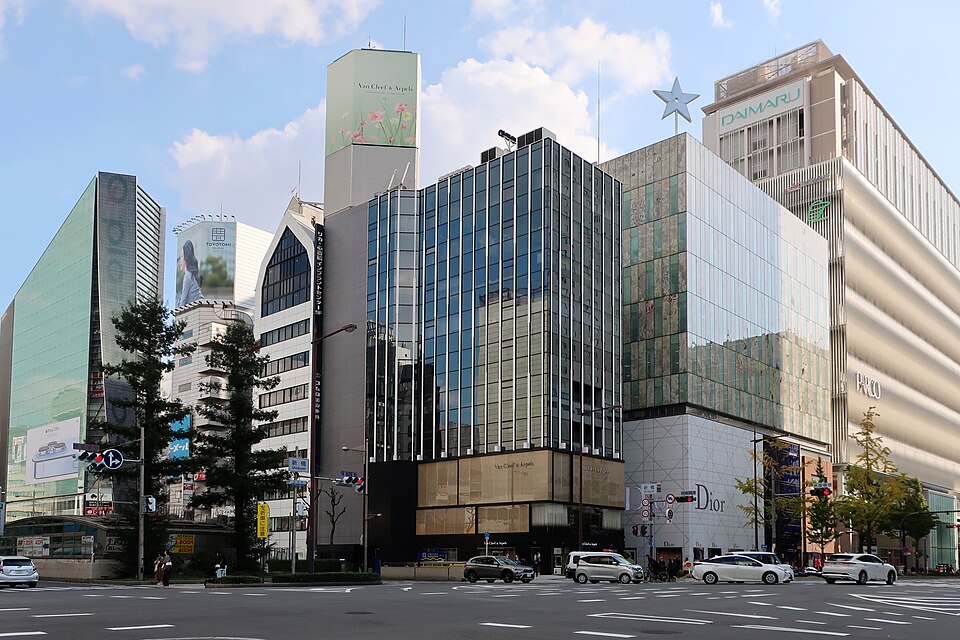
Shinsaibashi district in Osaka, a shopping street lined with designer brands and department stores
It's not just Tokyo — Osaka's Shinsaibashi and Amerikamura are excellent for fashion and vintage too (pictured: Shinsaibashi, Osaka).
Smart Shopper Tips

6 Things That Make Japan Fashion ShoppingBetter Value and Stress-Free

📏
Japanese Sizing Runs Small
Especially at GU and WEGO, sizes skew small — try before you buy. A Japanese M can feel like an S back home.
🧾
Top Up to ¥5,000
Tax-free counts per store per day. If you're close, grab one more piece to unlock the 10% refund.
🏷️
Check the Sale Floor First
At Uniqlo and GU, Japan clearance is discounted harder than abroad — start at sale, then browse new arrivals.
💵
Carry Cash for Vintage
Small vintage shops in Shimokitazawa and Koenji alleys can be cash-only — keep some yen on hand.
📶
Get an eSIM Before You Fly
Handy for finding shops, checking opening hours, and following maps into the narrow side streets.
🎒
Leave Luggage Room
You'll buy more than planned — pack a foldable bag, or pick up an extra suitcase at Don Quijote.
Related Guides

Plan the Whole Japan Trip — See, Eat & Prepare

🗼

Full Tokyo City Guide

Everything Tokyo, tab by tab — hotels, food, attractions, shopping districts, itineraries, and transport.

Open Tokyo Guide →
📍

Top 10 Tokyo Attractions

Shibuya Crossing · Senso-ji · Shinjuku · Harajuku · Akihabara and more unmissable spots in the city.

Tokyo Attractions →
🍜

What to Eat in Tokyo

Ramen, sushi, street food, cafés and standout spots across Tokyo — refuel after a day of shopping.

Tokyo Food Guide →
🏯

Top 10 Osaka Attractions

Osaka Castle · Dotonbori · USJ · Kuromon — plus Shinsaibashi, another great shopping district.

Osaka Attractions →
🇯🇵

Full Japan Travel Guide

Every region and city — visa, budget, IC cards, JR Pass and itineraries for first-time travellers.

Japan Guide →
🧭

Japan Trip Prep Info

Visa · eSIM · IC cards · JR Pass · yen · plugs · tax-free — everything to sort before you fly to Japan.

Trip Prep Info →
Frequently Asked Questions

FAQ —Japan Fashion Shopping

Is Uniqlo cheaper in Japan than at home?
Sticker prices on basics like HEATTECH and AIRism are broadly similar between Japan and many countries, but Japan wins on three fronts — (1) sale and clearance racks are discounted far more aggressively, (2) there are Japan-exclusive ranges you won't find elsewhere, like UT collaborations, +J, and Uniqlo U, and (3) tourists get a 10% tax-free refund on purchases of ¥5,000+ per store per day. For many shoppers, items end up roughly 20–40% cheaper per piece after the refund and exchange rate. Check official sites in both countries for the latest figures before buying.
Where are the biggest Uniqlo and GU flagship stores?
Uniqlo Ginza is the world's largest flagship — 12 floors, around 5,000 sq m, with the widest selection, a UT floor, and an in-store coffee stand at the top. There's a GU in the same building too. The GU Ginza flagship itself spans 5 floors near Exit A2 of Ginza Station, with tax-free counters on floors 2 and 4. Both are in Ginza within easy walking distance of each other.
Where can I buy BAPE and Comme des Garçons in Tokyo?
BAPE (A Bathing Ape) has its flagship in Harajuku (the Jingumae/Meiji-dori area), plus the three-floor BAPE THINK concept store and an Aoyama location. Comme des Garçons has its flagship in Aoyama at 5-2-1 Minami-Aoyama, Minato — open since 1999, with sleek architecture that's a landmark in itself. Both are typically noticeably cheaper at source in Japan than their imported prices abroad.
Which districts are best for vintage and second-hand clothing?
Two stand out. Shimokitazawa is just about 3 minutes by train from Shibuya, with a curated, polished vibe — standout shops include KINJI, New York Joe Exchange, Flamingo, and Stick Out, where everything is a flat ¥800. Koenji is rawer and more underground, generally cheaper, perfect for digging — look for Hayatochiri with its monster-face facade and Whistler, an American vintage specialist focused on the 1940s–60s.
What is changing with Japan's tax-free system in 2026?
From 1 November 2026 Japan moves to a refund-based system: you pay the full tax-inclusive price (including 10% consumption tax) at the store, then claim the refund at an airport counter before departure. The ¥5,000 minimum per store per day stays the same, and you must leave Japan within 90 days of purchase. The new system also removes the sealed-packaging requirement for consumables and merges the general-goods and consumables categories. Before that date, the current instant in-store deduction continues as normal.
Should I bring cash or card, and do I need my passport to shop?
Major fashion stores in the city all take credit cards and e-wallets, but some small second-hand shops and alley boutiques are cash-only, so carry some yen. Most importantly, always bring your physical passport whenever you want to use tax-free — the store scans it during the refund process. Keep your receipts and the goods together until you reach the airport.
Ready to Go?

Plan a Japan Shopping Trip
That's Worth Every Yen

Open the full Tokyo city guide to map out shopping districts, hotels, and food — or start booking a hotel in the neighbourhood closest to the fashion streets you want to hit.

🗼 Tokyo Guide Japan Guide