🌏 Destinations · All 🇯🇵 Japan · Full guide Tokyo Kyoto What to Eat in Japan ☕ Japanese Cafe Guide 🧭 Travel Prep Guide About Contact 🇹🇭 ไทย🇬🇧 English🇨🇳 中文🇪🇸 Español🇫🇷 Français
Japanese Cafe Culture

Japanese Cafes — Kissaten, Matcha & Themed Cafes

Japan holds several cafe worlds stacked on top of each other — retro Showa-era kissaten, bean-nerdy third-wave coffee, deep matcha cafes, cat cafes, anime and maid themed cafes, the free morning-service breakfast, all the way to towering parfaits and shaved ice. We walk through each kind, telling you what it is and where to find it.

Start Here

Japanese Cafes Aren't One Thing —They're Many Worlds Stacked Together

Picture a single day in Tokyo. In the morning you push open the wooden door of an old Showa-era kissaten, the smell of hand-dripped coffee drifting in with soft jazz. Late morning you queue at a third-wave shop where the barista weighs the beans gram by gram. In the afternoon you stop at a matcha cafe for a deep green-tea parfait, and by evening you're in a cat cafe or an anime-themed cafe — and all of this answers to the single word "cafe" in Japan, which is really a culture layered many times over.

This page takes you through each kind of cafe one at a time — how a kissaten differs from third-wave, where the good matcha cafes are, which animal cafes you should (and shouldn't) walk into, whether themed cafes need a booking, what the free morning-service breakfast is, and where to find the parfait-and-shaved-ice dessert cafes people travel for, across Tokyo and Kyoto.

Straight up, first: cafes in Japan open, close and change their menus by season very often, especially themed pop-ups that last only a few weeks. The prices and times on this page are a rough 2026 framework. Before you go, re-check the shop's page or booking page for the latest — especially booking-only spots like the Pokémon Café and themed pop-ups.
Retro Kissaten
Showa-era coffee houses, dark wood, long quiet sits, pour-over and siphon.
🫘
Third-Wave
Specialty coffee, single-origin beans, roasted in-house, weighed to the gram.
🍵
Matcha Cafes
Uji green tea, matcha parfaits, deep, rich soft serve.
🐱
Animal & Themed
Cat cafes, anime and maid cafes, character cafes.
See It Side by Side

How Many Kinds of Cafe Are There, andHow Do They Differ?

Before we go through each one, scan this table for the big picture — the mood, what to order, and where to find it — so you can pick the kind of cafe you're in the mood for today.

Cafe typeStyleMoodWhat to orderWhere to find it
KissatenKissaten · 喫茶店RetroShowa-era, dark wood, quietPour-over/siphon coffee + napolitanNationwide, strongest in Nagoya
Third-waveSpecialty coffeeModernMinimal, all about the beansSingle-origin pour-overTokyo (Onibus/Glitch)
Matcha cafeMatcha cafeGreen teaTea house meets modern cafeMatcha latte, matcha parfaitKyoto-Uji is the original
Cat cafeCat cafeAnimalsPlay with cats, hourly entryA drink + cat timeTokyo/big cities (300+ shops)
Themed cafeMaid / anime / characterPop cultureMaids/characters, live showThemed menu + souvenirsAkihabara/Tokyo malls
Morning serviceモーニングBreakfast setOrder coffee, breakfast freeCoffee + toast + eggNagoya/Aichi strongest
Dessert cafeSweets / parfait cafeSweetsSweets-led, made to look prettyParfaits, shaved ice, pancakesHarajuku/Shibuya-Kyoto
📋 How to read the table: want a quiet, chilled-out read? Pick a kissaten · serious about coffee? Go third-wave · travelling with kids or after fun photos? Try a cat or themed cafe · up early and hungry in Nagoya? Don't miss morning service, where a single coffee comes with a free breakfast.
7 Cafe Types to Try

What Kinds of Japanese CafeAre There?

We go through each one, from old coffee houses that tell a story to themed cafes that feel like stepping into a cartoon — each card tells you what it is, what to order, and where to find it. Pick the one that fits your day.

🗾 Nationwide1
Kissaten (Retro Coffee House)
Kissaten · 喫茶店

A Showa-era coffee house that feels like a time capsule — dark wood panelling, velvet sofas, soft jazz, and a veteran master brewing coffee by hand, one cup at a time, with a pour-over or siphon. These are places to sit quietly for ages; locals come to read or think, not to rush.

What to order: strong drip coffee + spaghetti napolitan, or an old-school caramel pudding
🎷Mood: Showa retro, quiet — some shops ask for no loud talking or photos
📍Where: all over Japan, strongest in Nagoya · Tokyo has old kissaten in many neighbourhoods
💡Tip: Blue Bottle Coffee grew out of a founder who fell for Tokyo's kissaten — this is the origin of careful hand-dripped coffee
What to Eat in Japan →
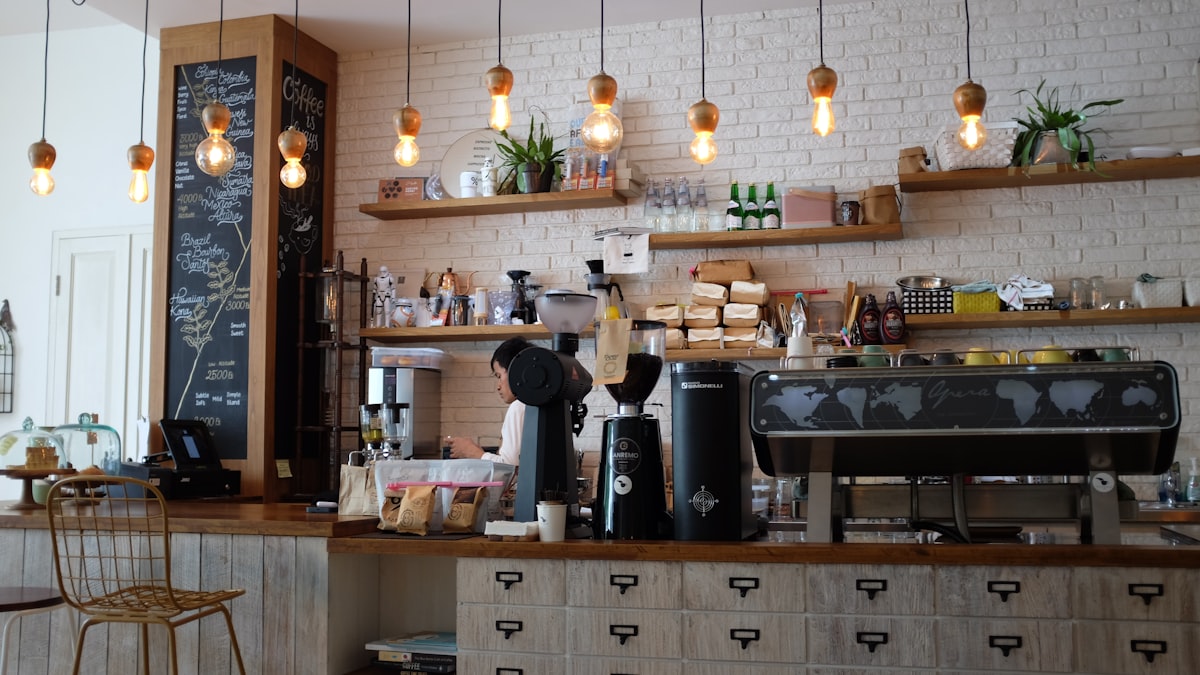
A third-wave specialty coffee cafe with an espresso bar and a barista brewing coffee 🫘 Tokyo2
Third-Wave Cafe
Specialty Coffee · Tokyo

The newer wave of coffee that treats beans like wine — single-origin beans from specific farms, roasted in-house, weighed to the gram, water temperature dialled in, and a barista slowly pouring a pour-over right in front of you. The rooms are clean and minimal, prices run a little above a kissaten, but the coffee comes through in clear, layered flavour.

What to order: a single-origin pour-over, or a flat white / fresh-milk latte
🏷️Famous names: Onibus, Coffee Mameya, Glitch, Fuglen, and Blue Bottle (28 branches in Japan)
📍Where: densest in Tokyo (Nakameguro/Shibuya/Kiyosumi) · Kyoto and Kobe have them too
💡Tip: small shops with few seats mean weekend queues — go before noon and it's much easier
Tokyo Guide →
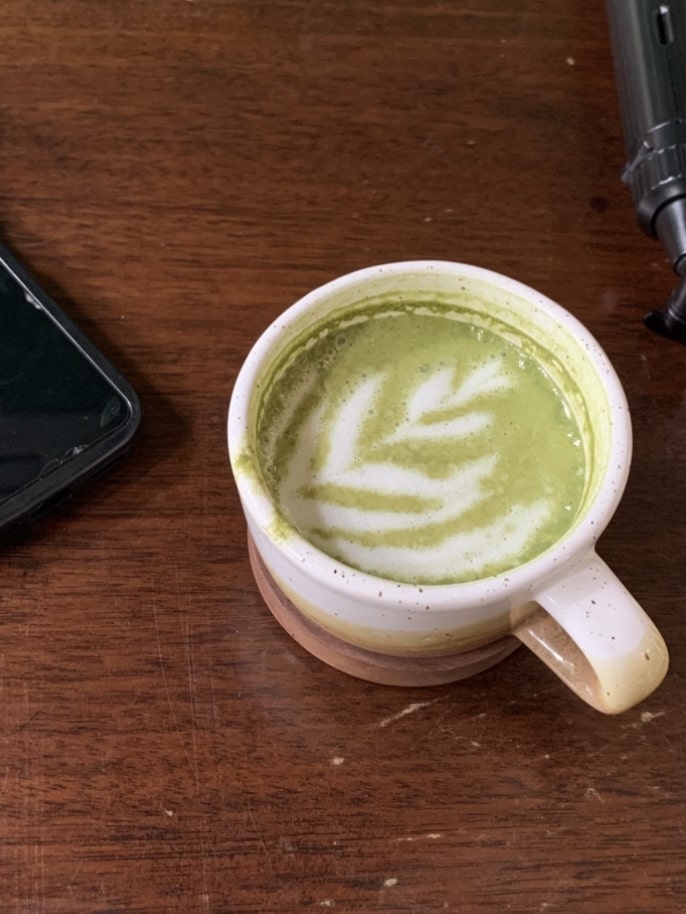
A matcha latte with leaf latte art in a ceramic cup at a Japanese matcha cafe 🍵 Kyoto-Uji3
Matcha Cafe
Matcha Cafe · Uji / Kyoto

Matcha here isn't just a pretty green colour — it's genuinely deep, bitter and aromatic. Kyoto, and the Uji district in particular, has grown high-grade green tea for centuries. Long-established tea houses like the Tsujiri and Nakamura Tokichi families serve freshly whisked matcha, lattes, layered matcha parfaits, and soft serve that draws long queues.

🍵What to order: matcha latte, matcha parfait, green-tea soft serve, warabimochi
💴Price: a matcha parfait runs roughly 800–1,500 yen (check the latest in store)
📍Where: Kyoto-Uji is the original · Tokyo has specialist matcha cafes and specialty chains
💡Tip: for the real thing, pick a shop that names its tea source and stone-grinds fresh, for a clear matcha flavour
Kyoto Guide →
🐱 🐾 Tokyo/big cities4
Animal Cafe (Cat / Owl)
Cat & Owl Cafe

Japan has over 300 cat cafes — pay an hourly entry fee and you get to sip a drink while home cats wander around you, perfect if you're missing a pet while travelling. Owl, otter and hedgehog cafes exist too, but there are animal-welfare points worth knowing before you walk in.

🐱Cat cafes: mostly fine — cats roam freely and can choose to hide · rules against picking up or waking them
🦉Owl / exotic-animal cafes: heavily criticised by welfare groups over cramped cages and animals that get no rest
📍Where: Tokyo (Shibuya/Ikebukuro/Akihabara) and big cities generally
💡Tip: if you go, pick a clean cat cafe with clear rules, where animals approach you on their own — don't force handling
Tokyo Guide →
🎀 🎮 Akihabara5
Themed Cafe (Anime / Maid)
Maid / Anime / Character Cafe

An edible slice of pop culture — maid cafes in Akihabara have staff in maid costume who call you "master," with live song-and-dance and photos together, while themed anime pop-ups and the Pokémon Café serve dishes shaped like characters alongside limited-edition souvenirs. It's an experience more than an ordinary meal.

👗Maid cafes: @home cafe, Maidreamin in Akihabara · walk-in, with an hourly entry fee plus photo costs
🎫Booking needed: Pokémon Café (Nihonbashi) and mall anime pop-ups require an online booking — some take no walk-ins
📍Where: Akihabara (maid) · Shibuya Parco / Lumine malls (anime pop-ups)
💡Tip: themed pop-ups run only a few weeks then change — re-check the booking page in the week before you travel
Tokyo Guide →
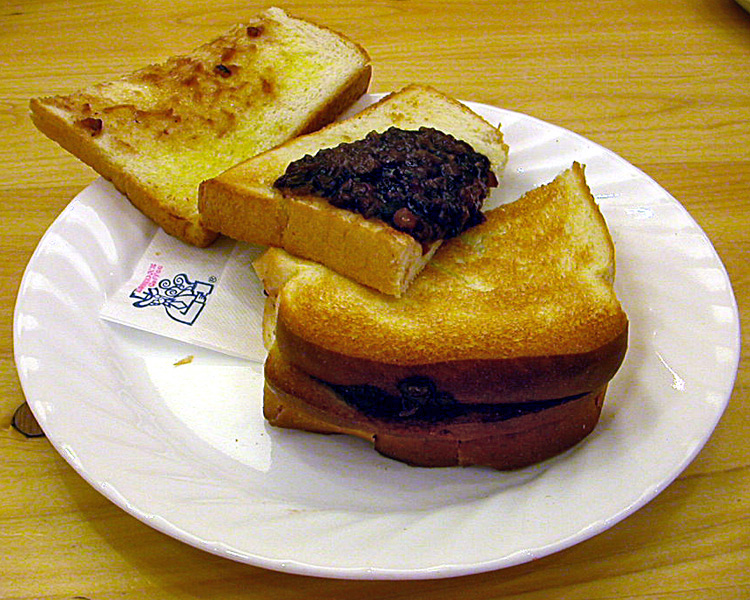
Nagoya morning service ogura toast, buttered toast topped with sweet red-bean paste, at a cafe 🌅 Nagoya/Aichi6
Morning Service (Breakfast Set)
Morning Service · モーニング

A custom that stuns travellers when they discover it — order a single coffee in the morning and a breakfast comes free, usually toast with a boiled egg. It's strongest in Nagoya and Aichi, where the local star is ogura toast: buttered toast topped with sweet red-bean paste, the sweet-salty-rich balance just right. It started at coffee shops that gave bread to textile traders who'd sit and talk business for hours.

🍞What to order: coffee + the free set (toast + boiled egg) · in Nagoya, ask for ogura toast
💴Price: coffee around 400–550 yen with breakfast included · roughly 7–11 am
📍Where: Nagoya-Aichi is strongest · the Komeda Coffee chain is nationwide
💡Tip: the free set usually runs only through mid-morning — be up and there before 10 am to be sure
What to Eat in Japan →
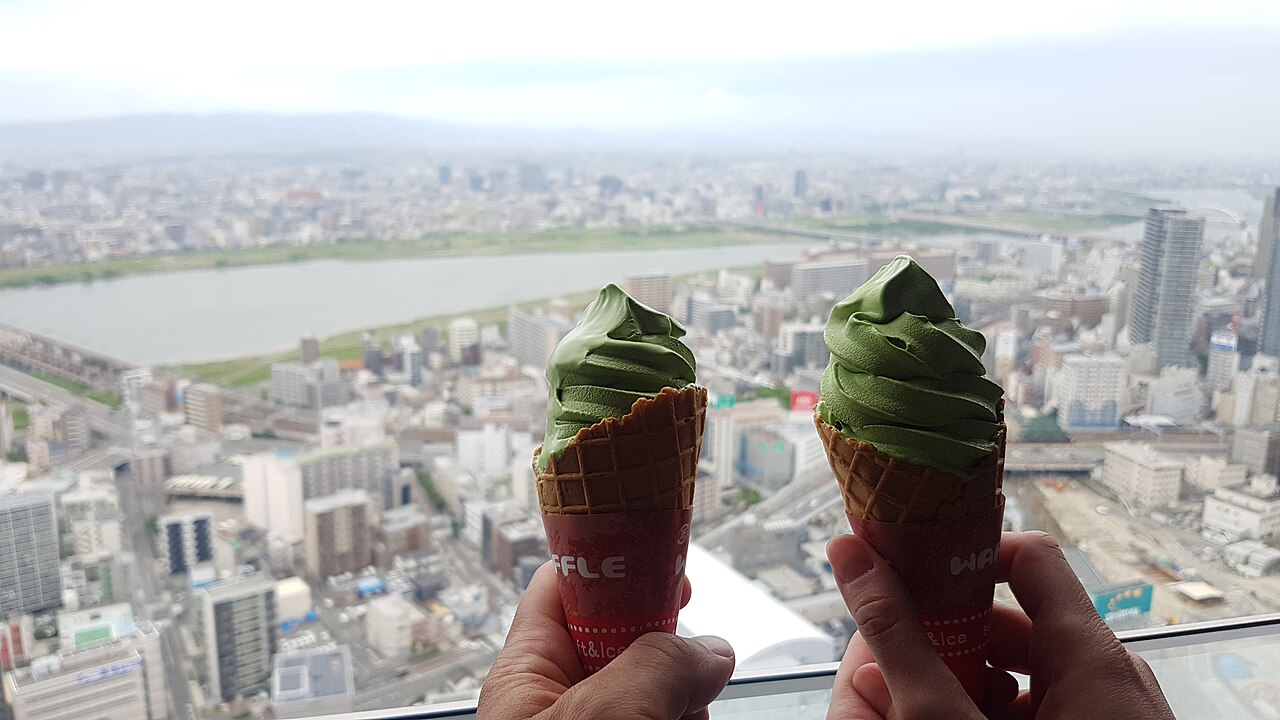
Two matcha green-tea soft serve cones with the Osaka cityscape behind 🍨 Harajuku/Kyoto7
Dessert Cafe (Parfait / Shaved Ice)
Sweets & Parfait Cafe

Cafes where the dessert is the star, not an add-on to coffee — towering layered parfaits in tall glasses, shaved ice (kakigori) piled fluffy and drenched in fruit or matcha syrup, and rich soft serve. People always photograph before eating because the presentation really is that pretty. In summer kakigori is the hero; the rest of the year parfaits and pancakes rule the menu.

🍨What to order: fruit/matcha parfait, kakigori shaved ice, soft serve, fluffy soufflé pancakes
🌡️By season: kakigori shines in summer · parfaits and pancakes are year-round
📍Where: Harajuku-Shibuya (cute and sweet) · Kyoto (matcha) · across all big cities
💡Tip: shops famous on social media have long queues — go late afternoon or on a weekday to wait less
What to Eat in Japan →
Walk In Without the Awkwardness

3 Steps toEntering a Japanese Cafe Smoothly

Japanese cafes have their own rhythm. Know just a little and you'll walk in relaxed, whether it's a hushed kissaten or a third-wave shop with a queue out the door.

STEP 1
Check the Seating System First

Some shops let you sit first and order later; others want you to order and pay at the counter first (often third-wave). Watch the people near the entrance or look for a sign, and if you're unsure just ask staff a quick "seki?" (seat). Small shops with limited seats may run a queue — wait to be called.

STEP 2
Order at Least One Drink Each

The basic etiquette is at least one drink per person — don't sit with nothing or share a single cup between several people. Most shops are easiest with cash, especially old kissaten, so keep coins and small notes handy. Newer shops take IC cards and bank cards.

STEP 3
Read the Shop's Time & Photo Rules

City cafes may limit sitting time or ban laptops during peaks · some kissaten don't allow photos or loud talking · animal cafes have clear rules against picking up or waking the animals. Always check the sign first and you won't put a foot wrong.

Where to Find Cafes

The Best Cafe Neighbourhoodsin Tokyo and Kyoto

If you don't know where to start, walk into one of these districts and good cafes sit on nearly every corner — pick the neighbourhood that matches the kind of cafe you're after.

🌿
Nakameguro (Tokyo)
Along the Meguro canal, packed with third-wave cafes and roasters — Onibus Coffee is around here, with a relaxed, leafy feel.
🎨
Kiyosumi-Shirakawa (Tokyo)
An old warehouse district turned specialty-coffee mecca, home to Blue Bottle's first Japan branch and plenty more roasters.
🎮
Akihabara (Tokyo)
The otaku capital and the hub of maid cafes and anime-themed cafes — @home cafe and Maidreamin are both here.
🛍️
Harajuku-Shibuya (Tokyo)
The cute-and-sweet zone — parfait cafes, fluffy pancakes, and cat cafes cluster around here, and the photos come out great.
🍵
Uji (Kyoto)
Japan's home of matcha, where old tea houses like Tsujiri and Nakamura Tokichi serve matcha parfaits and green-tea soft serve.
🏮
Old Kyoto (Gion/Higashiyama)
Cafes set inside traditional wooden machiya — sip matcha or coffee in an old house with a garden view, pure old-Kyoto atmosphere.
Map

Japan's Main Cafe Citieson One Map

Tokyo is the third-wave capital · Kyoto is matcha · Nagoya is morning service · Osaka buzzes with dessert cafes. Pick the city that matches the cafe you're after.

Cafe-Hopping Tips

6 Things That Make Your Cafe TripSmoother and Better Value

💴
Always Carry Cash
Old kissaten and many small shops take cash only. Keep coins and small notes on you so you're never stuck at the counter.
Go Before the Rush
Popular third-wave and dessert cafes queue longest late morning to afternoon on weekends. Go before noon or in the late afternoon to wait less.
🌅
Wake Early for Morning Service
In Nagoya/Aichi, don't miss the free breakfast set — a single coffee gets you toast and egg, but it usually runs only until about 11 am.
🎫
Book Themed Cafes Ahead
The Pokémon Café and anime pop-ups often take no walk-ins and open online bookings weeks ahead — check the booking page before you travel.
📶
Keep an eSIM On for Navigation
The best cafes hide down alleys or upstairs — you'll lean on Google Maps to find them and to check the latest opening hours.
🤫
Respect the Shop's Mood
Some kissaten are quiet and photo-free, and animal cafes forbid waking or picking up the animals. Read the rules at the door and you'll relax into it.
Related Guides

Keep Reading About Eating in Japan — Food, Tea, and Prep

🍜

What to Eat in Japan

An overview of the Japanese food you have to try — ramen, sushi, izakaya, sweets, and regional specialties, with links to go deeper.

Japan Food Guide →
🍵

Japanese Tea Ceremony

The story behind the matcha in your cup — the tea ceremony (chanoyu), its etiquette, how to book the experience, and where to try it in Kyoto.

Tea Ceremony Guide →
⛩️

Kyoto Guide

The matcha capital — the Uji district, machiya cafes, legendary temples, where to stay, and how to get around.

Kyoto Guide →
🗼

Tokyo Guide

The capital of third-wave and themed cafes — Nakameguro, Kiyosumi, Akihabara, where to stay, and what to see.

Tokyo Guide →
🇯🇵

Full Japan Travel Guide

Every region and city, with links into city guides, hotels, and attractions across Japan.

Japan Guide →
ℹ️

Japan Travel Prep

Visa · eSIM · IC cards · JR Pass · yen · power plugs · Japanese etiquette — everything before you fly.

Travel Prep →
Frequently Asked Questions

Questions AboutJapanese Cafes

How is a kissaten different from a third-wave cafe?
A kissaten is an old Showa-era coffee house — retro mood, dark wood, velvet sofas, coffee usually brewed by hand with a pour-over or siphon, served strong alongside simple snacks, and made for sitting quietly for a long time. A third-wave (specialty) cafe is the newer wave that focuses on single-origin beans, roasting in-house, weighing to the gram and dialling in water temperature, like Onibus, Coffee Mameya, Glitch, Fuglen and Blue Bottle (whose founder has said he was inspired by Tokyo kissaten). In short: kissaten is warm and retro, third-wave is modern and bean-nerdy.
What is the morning service (モーニング) at Japanese cafes?
Morning service is the custom where ordering a single drink (a coffee at roughly 400–550 yen) in the morning, usually between about 7 and 11 am, gets you a small breakfast thrown in for free — often half a slice of toast with a boiled egg, sometimes a salad or yoghurt too. The tradition is strongest in Nagoya and Aichi Prefecture, where the local specialty is ogura toast (buttered toast topped with sweet red-bean paste). It's said to have started at coffee shops around Ichinomiya and Toyohashi that gave bread to textile traders who sat and talked business for hours.
Can you sit in a Japanese cafe for a long time, and is there wifi or a power outlet?
It depends on the shop. Many traditional kissaten are comfortable for long, quiet stays and great for reading, but may have no wifi or outlets. Modern chains and third-wave cafes usually have wifi, though some city shops post time limits or ban laptops during busy peaks. The etiquette is to order at least one drink per person, not to spread work across a whole table when the shop is full, and to check the sign at the door first.
Are cat and owl cafes in Japan okay, and which kind should I choose?
Japan has over 300 cat cafes, and most are home cats that roam freely and can retreat when they don't want to play, so they're fine if the shop is run well. But exotic-animal cafes — owls, otters, hedgehogs — have been heavily criticised by animal-welfare groups over cramped cages and animals handled all day without rest, especially owls, which are nocturnal but kept awake all day. If you go, pick a clean cat cafe with rules against picking up or waking the animals, and that lets the animals approach you on their own.
Do anime or maid themed cafes need a reservation in advance?
It depends on the type. Maid cafes in Akihabara (such as @home cafe and Maidreamin) are mostly walk-in, charging an hourly entry fee plus menu and photo costs. Themed anime pop-up cafes in department stores (Shibuya Parco, Lumine) and the Pokémon Café at Nihonbashi require an online booking in advance — some don't take walk-ins at all. Pop-ups usually run for only a few weeks before the theme changes, so re-check the booking page in the week before you travel, as slots change often.
Where should I go for real matcha?
Kyoto is the heart of matcha, especially the Uji district, which has grown high-grade green tea for centuries. Long-established tea houses like the Tsujiri and Nakamura Tokichi families serve whisked matcha, matcha parfaits and soft serve. Tokyo has both specialist matcha cafes and specialty chains using ceremonial-grade matcha from Uji. For the real thing, pick a shop that names the source of its tea leaves and stone-grinds them fresh. A typical matcha parfait runs roughly 800–1,500 yen — check the latest in store.
Ready to Go Cafe-Hunting?

Pick a City
and Go Cafe-Hopping

Tokyo for third-wave and themed cafes, Kyoto for matcha, Nagoya for morning service. Open a city guide for hotels, sights and transport, and lock in a well-placed place to stay early.

🔴 Find Hotels in Tokyo Japan Food Guide