Which area suits you?
Honest vibe, tram access, price level and real reviewed hotels — with links to full reviews.
 Area 1
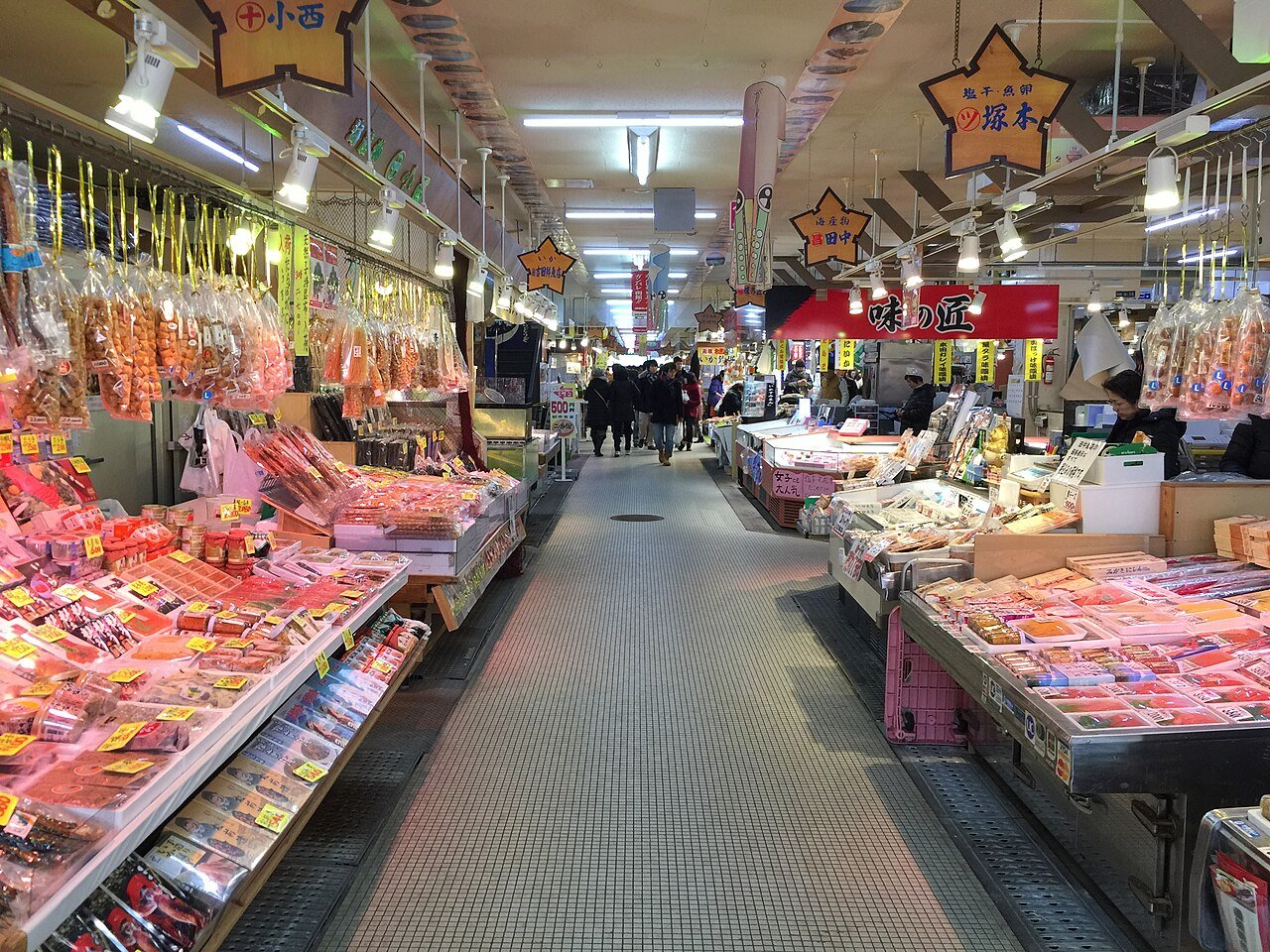
Right for: First-time visitors, anyone who wants to walk out of the hotel and straight into the live-seafood morning market, and travellers who want the tram to handle navigation to every other part of the city. Hotels here — some with their own onsen — mean you can do morning market, rooftop bath and a 150-dish Hokkaido breakfast buffet without ever leaving the immediate neighbourhood. The trade-off: it is the most logistical rather than atmospheric part of the city.
 Area 2
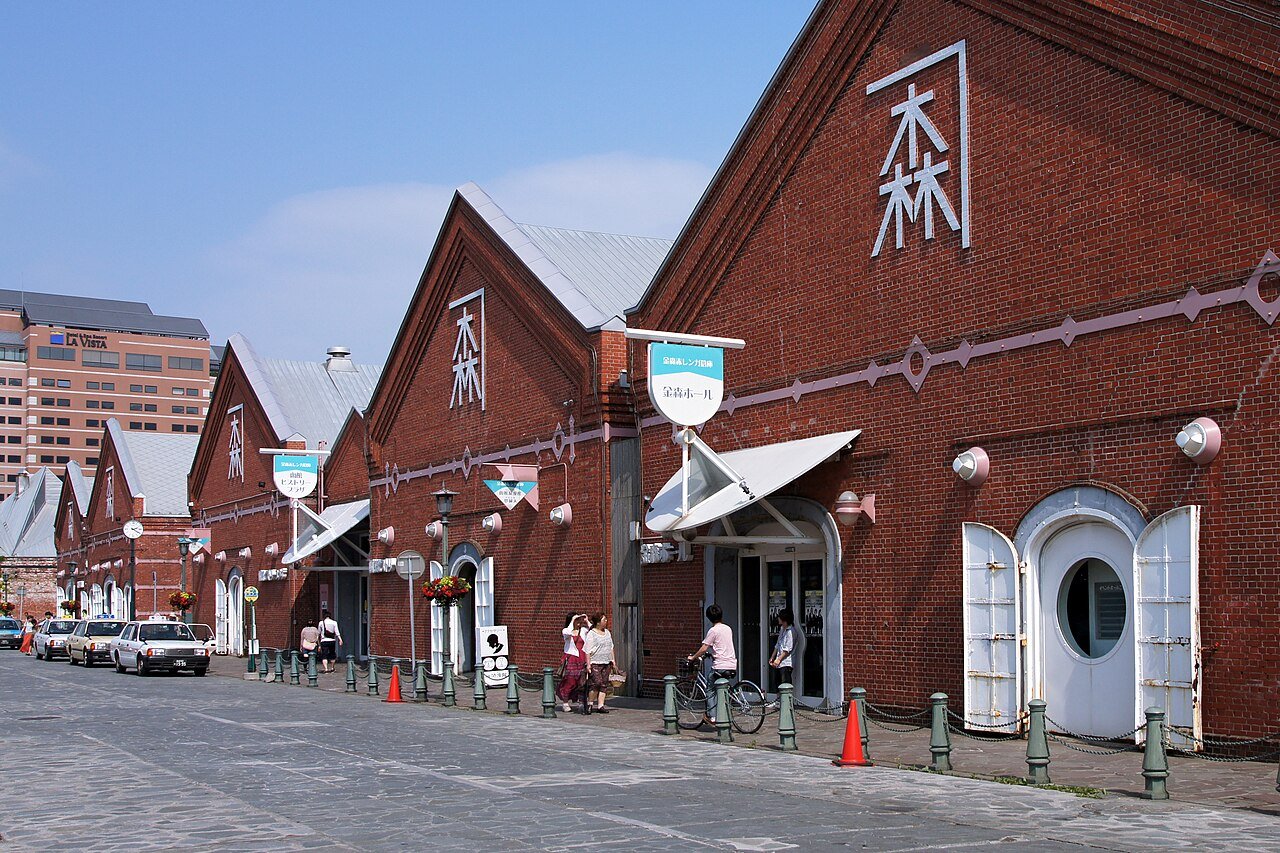
Right for: Couples, photographers and anyone who wants to wake up and take a slow harbour walk before the day starts. The Kanemori Red Brick Warehouses are the most visually striking part of the city — Meiji-era brick buildings along the water's edge now housing restaurants and boutique shops. At dusk the lights reflect across the bay. The best cafés in Hakodate are within walking distance. About 1 kilometre from the station — walkable, or one tram stop.
Price: ¥14,000–¥30,000 per night. Fewer hotels than the station area, but the quality and setting are hard to beat at La Vista's price point.
Read the La Vista review →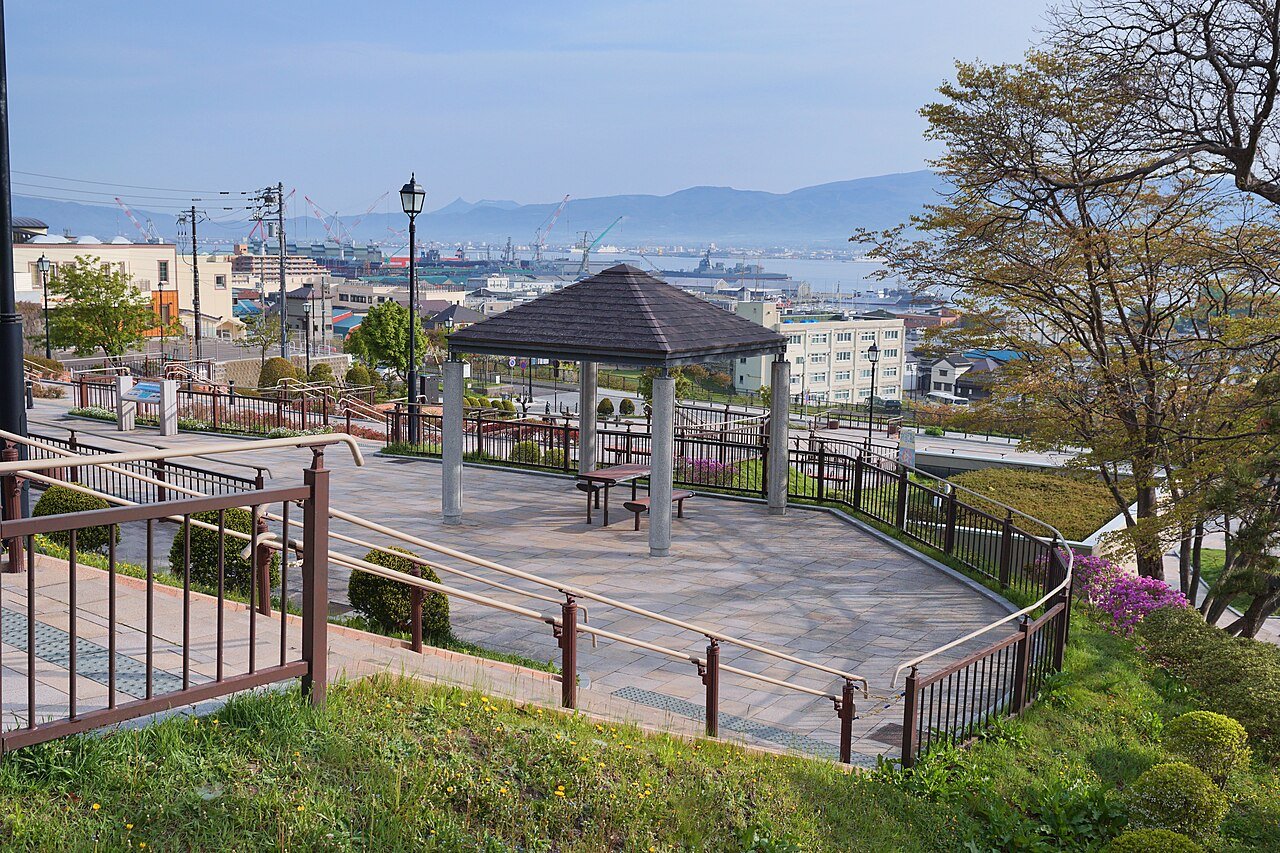 Area 3
Right for: Travellers who want history on their doorstep — the Russian Orthodox church, the old British Consulate, Catholic and Protestant churches on steep cobbled lanes, and the lower ropeway station for Mt. Hakodate all within minutes of each other. It is the most visually European part of Hakodate, and feels calm even in peak season. The honest downside: the streets slope steeply and walking back to your hotel in the evening is genuinely tiring. Accommodation options are limited — mostly small boutique properties and guesthouses.
Price: ¥10,000–¥18,000 per night. Mostly small independent stays. Chain hotels are rare in this neighbourhood.
See the Hakodate city map →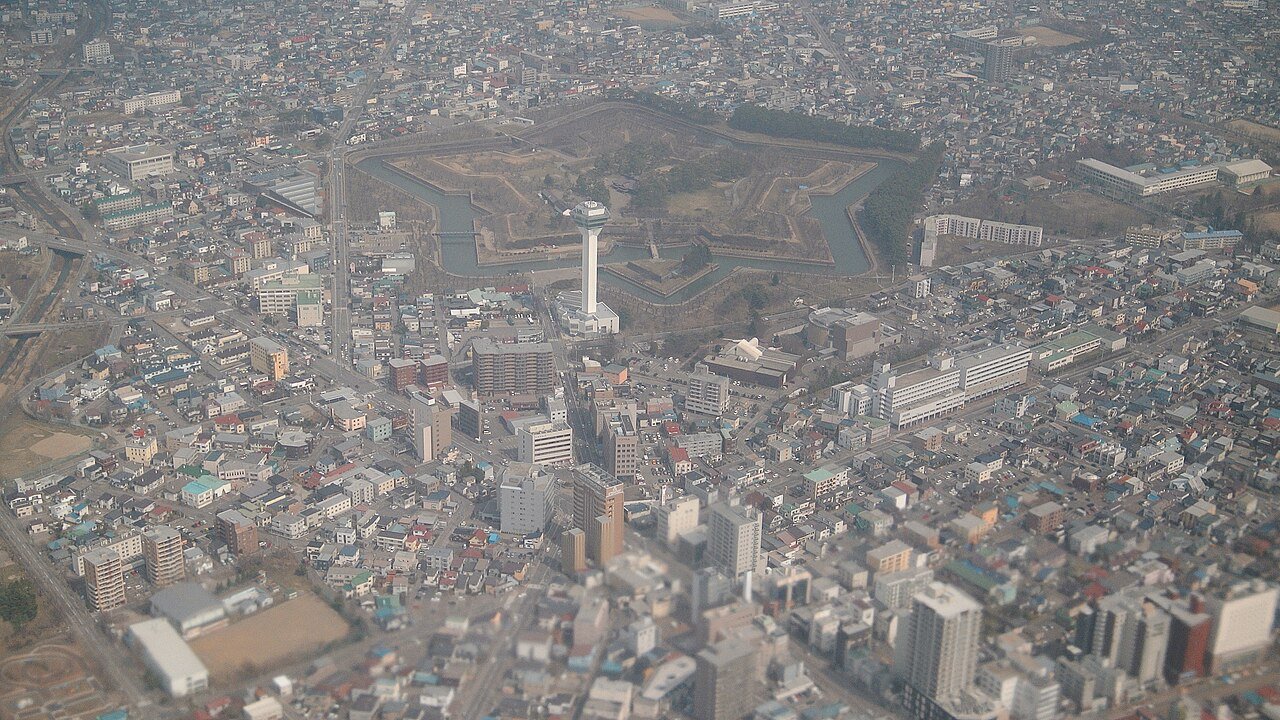 Area 4
Right for: Budget-conscious travellers who don't need to be in the atmospheric core, and anyone who likes the feel of a quiet local neighbourhood rather than a tourist district. Goryokaku Park — a unique Edo-period star-shaped fort — is one of Japan's best cherry blossom spots in April and looks spectacular under the December illuminations. Local izakaya and ramen shops cost noticeably less than the Bay Area equivalents. The park's observation tower is a must regardless of where you're staying.
Price: ¥7,000–¥14,000 per night. The most affordable area for central Hakodate stays.
Plan your Hakodate trip → Area 5 — Special Stay
Right for: Anyone who came to Hakodate specifically for a traditional ryokan hot-spring experience — soaking in natural sodium-chloride mineral water (particularly kind to skin), then sitting down to a multi-course kaiseki dinner of Hokkaido seafood in a tatami room. If that is your mental image of this trip, Yunokawa is your answer. The spring itself has a history of over 350 years. Most ryokan rates include dinner and breakfast, which changes the value calculation significantly.
Price: ¥12,000–¥50,000+ per night (usually includes dinner and breakfast). VIP suites can reach ¥80,000. Book 1–2 months ahead in high season — autumn foliage and winter crab are the peak periods.
Plan your Hakodate itinerary →