2 Options — Old Town or Base in Taichung
Lukang's accommodation is limited but atmospheric. Most visitors stay in Taichung and do a day trip — but staying in Lukang means a quieter morning walk before the crowds arrive.
Staying in Lukang itself puts you inside the old town after the day-trippers leave. Six reviewed properties range from Union House (best location near Mazu Temple) to budget hostels and guesthouses. Options are simple — this is not a luxury destination.
Taichung offers far more hotel variety at every price point. Take the morning bus to Lukang, spend the day, and return in the evening. Ideal if you're combining Lukang with other Taichung activities.
All Lukang Hotels in One Place
6 reviewed properties in Lukang · from Union House near Mazu Temple to budget hostels and family guesthouses.
6 Properties Near the Old Town
All six reviewed properties are within walking distance or a short taxi ride from Lukang's historic core. Compare prices across 3 booking platforms instantly.
The best-positioned hotel in Lukang — a designer boutique within walking distance of both Mazu Temple and Old Street. Modern aesthetic inside a heritage building. The default choice for first-time visitors.
Lukang's highest-rated property — a 1950s merchant house restored with exquisite taste. Exposed brick, traditional timber lattice, and rooms that genuinely feel like sleeping inside history. Exceptional breakfast.
Cheerful B&B in the heart of the old town. Friendly hosts who speak enough English, clean rooms, and a location that makes early-morning walks to the temples completely effortless.
A warm, no-frills guesthouse run by locals who genuinely love showing visitors around town. Comfortable beds, helpful tips at check-in, and a five-minute walk to the Old Street food stalls.
Lukang's most affordable reviewed option — a clean, compact B&B that strips away the extras and focuses on a great location and comfortable sleep. Perfect for day-extenders on a tight budget.
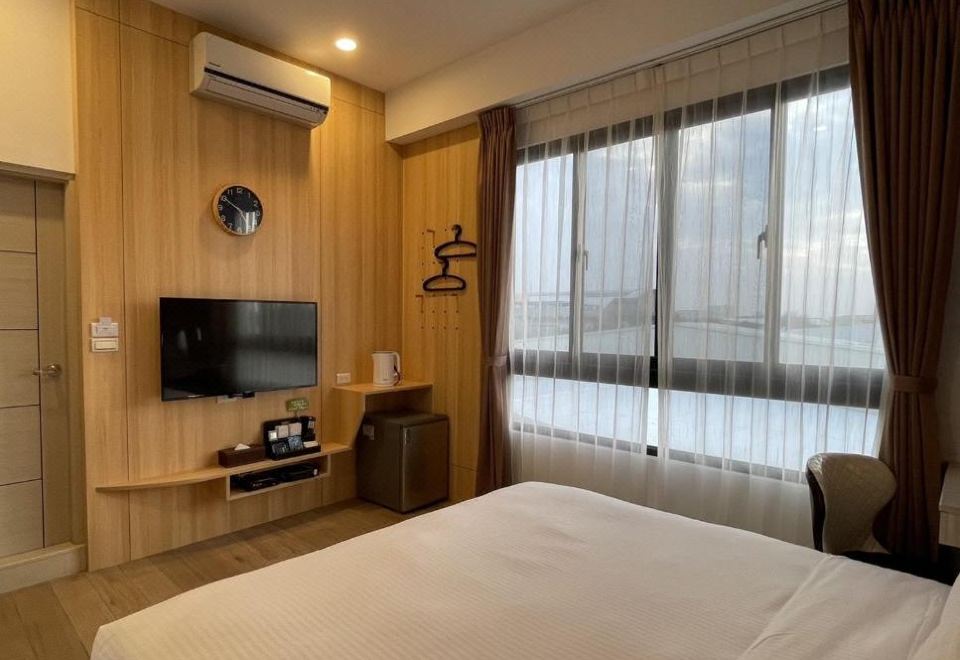
The sociable option for solo travellers — dorm beds and private rooms at hostel prices, a common area good for meeting other visitors, and a location that keeps you inside the historic zone.
Lukang's accommodation is limited. During the Mazu Cultural Festival (April–May) and national holiday weekends, the handful of in-town guesthouses book out fast. Plan at least 2–3 weeks ahead for festival dates.
Lukang's Old Street Food — Oysters, Phoenix Eye Cakes & More
Lukang punches well above its size in food culture. The Old Street is lined with vendors selling dishes that have changed very little in 200 years — fresh Changhua Coast oysters, hand-pressed sesame-oil snacks, and pastries still made in wooden moulds. Come hungry.
Thick rice-noodle threads in a sticky, savoury oyster broth — the dish Lukang is most famous for. The oysters come fresh from the nearby Changhua Coast mudflats, plump and briny. Best eaten at an Old Street stall under NT$80 a bowl.
#1 Must-TryA delicate almond-shaped pastry filled with sesame paste or sweet bean — a Lukang speciality for over 200 years. The name comes from the shape, which resembles a phoenix's eye. Buy a box to take home; they keep well.
Heritage PastryA flat, oval, sesame-coated cracker that looks uncannily like its namesake — thin, crispy, and lightly sweet. Every Old Street bakery has its own recipe. Buy them fresh from the oven; they're best still warm.
Iconic Street SnackPan-fried oyster omelette with sweet potato starch, egg, and a red savoury sauce. Lukang's version stands out because the oysters are exceptionally fresh — harvested from the nearby coast the same morning.
Night Market StapleA soft, translucent dumpling skin made from sweet potato starch, filled with pork, bamboo shoot, and mushroom, then steamed rather than fried. Changhua County's meatball style is considered the benchmark in Taiwan — Lukang vendors are excellent.
Local ComfortCrystallised winter melon — a centuries-old Lukang confectionery tradition. The melon is boiled in sugar syrup until translucent, then dried. Light, delicately sweet, and unmistakably Lukang. A good gift for anyone who prefers something subtler than pineapple cake.
Signature GiftPork intestine stuffed with glutinous rice and steamed until chewy — a popular breakfast and snack food throughout central Taiwan. The Lukang Old Street vendors slice it fresh and serve it with garlic sauce and pickled cabbage.
Breakfast FavouriteSeveral sesame oil presses in Lukang still use traditional stone-grinding methods. Stop to watch the process and buy a bottle directly — the dark, nutty oil is far more complex than supermarket versions. A few shops also sell hand-ground sesame paste.
Craft & TasteThe junction at the northern end of Old Street where several of Lukang's most established vendors cluster — oyster vermicelli, rice sausage, and phoenix eye cake all within a few steps of each other. The best single stop for hitting multiple must-tries at once.
Vendor HubAttractions Worth Making Time For
Taiwan's best-preserved Qing Dynasty port town rewards slow exploration — ancient temples, narrow wind-break lanes, craft workshops still in operation, and a living Old Street that has changed little in 200 years.
One of Taiwan's most revered Mazu temples — founded in 1591, it houses a deity statue said to have been brought directly from Meizhou, China. The annual Mazu birthday celebration (3rd lunar month) fills the streets with processions, firecrackers, and pilgrims from across the island. A living religious landmark, not a museum.
Top HighlightConsidered one of the finest examples of traditional Taiwanese temple architecture — the 18th-century wood-and-stone carving throughout the main hall is extraordinary. Far less visited than Taipei's Longshan Temple and all the more atmospheric for it. Give yourself 30–45 minutes to take it in properly.
Architecture Must-SeeThe main artery of Lukang's historic district — red-brick shophouses, lantern makers, paper fan workshops, and snack vendors lining both sides. Arrive before 10 AM for a quiet morning walk; expect steady crowds from noon. The side lanes leading off the main street are often more interesting than the street itself.
Heritage QuarterA 200-year-old narrow lane that bends nine times — designed to break the fierce typhoon winds that once swept through Lukang from the sea. Walking through it today you can still feel how the angle of each turn deflects the wind. One of the most distinctive pieces of vernacular architecture in Taiwan.
Unique AlleywayHoused in a 1920s Baroque-style mansion that once belonged to the wealthy Koo family — three floors of traditional wedding costumes, furniture, Qing-era ceramics, and daily-life artefacts. The building itself is as interesting as the collection. Open daily except Mondays; entry NT$130.
MuseumA centuries-old well set half inside a house wall and half in the public lane — the inner half for the owner's household, the outer half for passing travellers and neighbours. A small but perfectly preserved example of Lukang's communal ethos that guided life in the old trading port.
Living HistoryLukang's tin crafting tradition — one of the town's historic "Three Treasures" alongside woodcarving and embroidery — is still kept alive by a handful of artisan workshops. Watch masters hammer and shape ceremonial vessels and incense burners by hand. Some workshops welcome visitors and sell finished pieces directly.
Living CraftThe back lanes near the Old Street still harbour paper-fan makers and woodcarvers who learned the trade from family. These are not tourist-facing gift shops — they are actual production workshops where craftsmen take orders for temple decoration, wedding gifts, and furniture. Browsing is welcome; buying direct is encouraged.
Artisan QuarterOne of central Taiwan's oldest Confucian academies — built in 1824, it served as the region's centre of classical education and examination preparation. The complex of courtyards, study halls, and ceremonial spaces has been carefully restored and is freely accessible. Quiet and almost always uncrowded.
Historical SiteA working fishing harbour about 10 minutes from the Old Street by scooter — small trawlers unload their catch in the early morning, and the weekend seafood market (Saturday and Sunday mornings) is the best place to eat freshly harvested oysters and razor clams with minimal fuss and minimal tourists.
Local ExperienceThe annual Mazu birthday celebration — typically falling in April — transforms Lukang entirely. Temple processions, traditional performing arts, firecracker tunnels, and tens of thousands of pilgrims fill the streets for three days. If your visit coincides with this period, book accommodation months in advance and expect extraordinary spectacle.
Seasonal · AprilA flat coastal cycling path that connects Lukang with the wider Changhua County coastline — wind turbines, oyster aquaculture pools, and open sea views for much of the route. Rent a YouBike or a scooter to extend your Lukang day into the surrounding countryside. Best in the late afternoon light.
Active ExcursionLukang in Half a Day or a Full Day
Most visitors come from Taichung on a half-day excursion — and that is genuinely enough for the highlights. Stay a full day if you want to linger, eat well, and explore every lane at your own pace.
Everything you need to know before you go
Getting to Lukang, getting around the old town, temple etiquette, and honest tips for a smooth half-day or full-day visit.
The cleanest route from Taipei: HSR to Taiwan High Speed Rail Taichung Station (台中高鐵站, in Wuri District) — ~50 minutes and NT$700 standard. From the HSR station exit, take Changhua Bus Route 6933 (or 快捷巴士 Fastbus) directly to Lukang Old Street — about 40 minutes and NT$60. No transfer required. Google Maps handles this route well — search "台中高鐵站 to 鹿港老街 by bus".
The Old Street, Mazu Temple, Longshan Temple, Nine-Turns Lane, and Folk Art Museum are all walkable within the historic core. But Fuxing Fishing Harbour (lovely at sunset), the cycling route along the coast, and some of the outlying craft workshops require transport. Several scooter rental shops cluster near the Old Street entrance — expect NT$250–300 for a half-day and NT$350–400 for a full day. International licence required.
Both Mazu Temple and Longshan Temple are active places of worship, not tourist attractions. Remove hats when entering the main hall. Photography is generally fine in the exterior courtyards but not during active prayer ceremonies or in the inner sanctum — look for signs or follow what locals do. Incense burning areas are designated; don't improvise. Dress modestly — shorts are fine, but bare shoulders are frowned upon in the inner halls.
Lukang is one of central Taiwan's most popular heritage destinations, and weekend crowds in the Old Street can be genuinely dense by midday. If you arrive at 9 AM you'll have the Mazu Temple courtyard, Longshan Temple, and the back lanes almost entirely to yourself — a completely different experience. Weekdays are considerably quieter throughout the day. The snack vendors set up from around 9:30 AM and most are sold out of the best items by 2 PM.


