Boutique B&Bs & Heritage Guesthouses — From NT$600 Heritage Hostel to 5-Star Resort
Kinmen's accommodation spans the island's only 5-star resort (Everrich Golden Lake), designer boutique hotels in Jincheng, and B&Bs inside century-old yanglow mansions and Fujian village houses. No international chains. Book 2–3 weeks ahead during peak season (Apr–Sep). Most properties are on the main island (Kinmen/Jinmen); Little Kinmen (Lieyu) has limited simple guesthouses.
Kinmen's main town — the airport (KNH), the ferry terminal to Little Kinmen, most restaurants, and the highest concentration of hotels and B&Bs are here. Jincheng Old Street (莒光路) is a living Fujian shophouse strip. Heritage villages like Zhushan and Qionglin are within easy scooter range. Base here for first-timers.
The eastern township — home to Mt. Taiwu (Mt. Taiwu), the 823 Artillery Museum, and the Shanhou Folk Cultural Village (山后民俗文化村) with its 18 Qing-era stone houses. Quieter than Jincheng but close to the island's most important history sites. Happy Casa Resort is in this area. Good base for hikers and history-focused travelers.
Northern Kinmen — the Beishan Old Western Mansion (1928 yanglow building with visible bullet holes from the 1949 Guningtou Battle) is the area's headline attraction. Many heritage Wind Lion God sculptures are found in the villages here. Beishan Old Western Hostel is inside the mansion itself — Kinmen's most atmospheric budget option.
A small satellite island a 15-minute ferry ride from Jincheng (NT$60). Quieter, flatter, and less visited than the main island — strong Fujian fishing village feel, good cycling, and the Lieyu Wind Lion God is among the island's most photogenic. Day trip from the main island; limited overnight accommodation available for those seeking peace and quiet.
Find Your Kinmen Hotel
8 individual hotel reviews · 1 ranked roundup — from Zhu Shan Grandee (restored Fujian general's mansion, score 9.2) to Beishan Old Western Hostel (NT$600, inside the 1928 bullet-hole mansion).
8 Best Places to Stay on Kinmen Island
All scored by real guests. From Kinmen's only 5-star resort to a hostel inside a 1928 yanglow mansion where bullet holes from 1949 are still in the walls. Compare prices across 3 platforms.
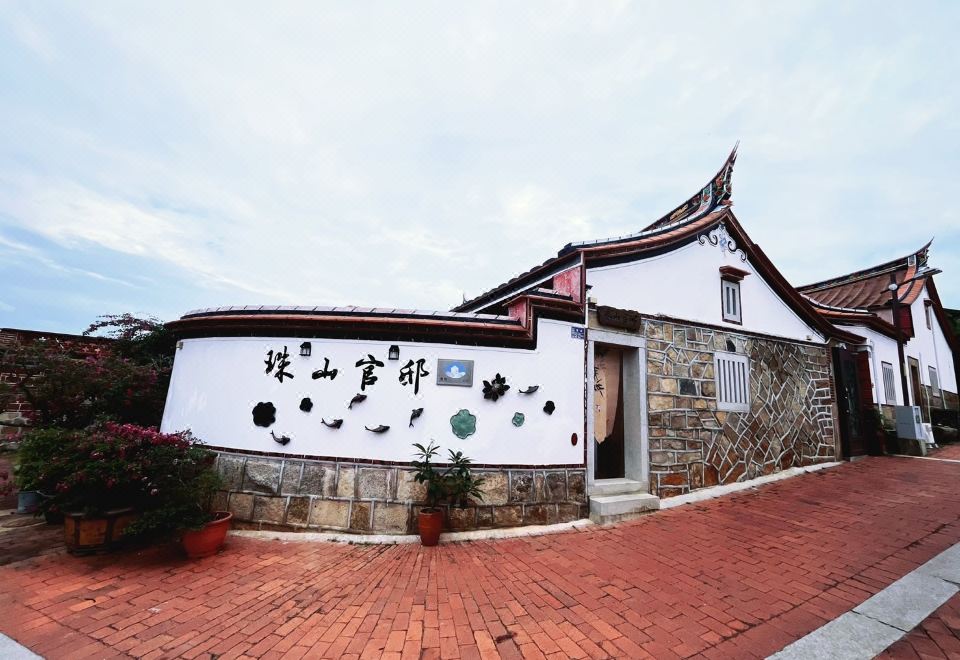
A restored Fujian general's mansion opened in 2024 — the highest-scoring property on Kinmen. Staying here means sleeping inside living history: stone-carved pillars, curved terracotta roof ridges, courtyard stillness. The best heritage stay on the island, full stop.
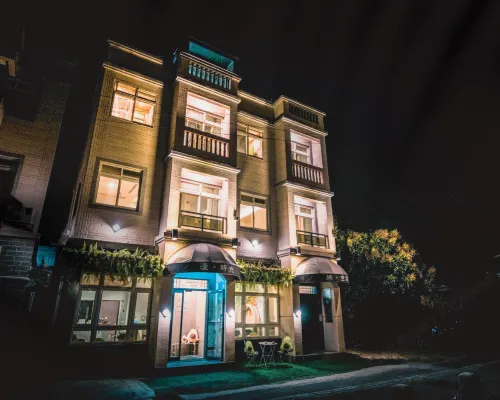
Score 9.1 and free snacks — the best value accommodation on Kinmen. Private rooms and dormitory options from NT$660/night. Warm hosts, practical location, and strong reviews across every category. The obvious choice for budget travelers who want quality over price.
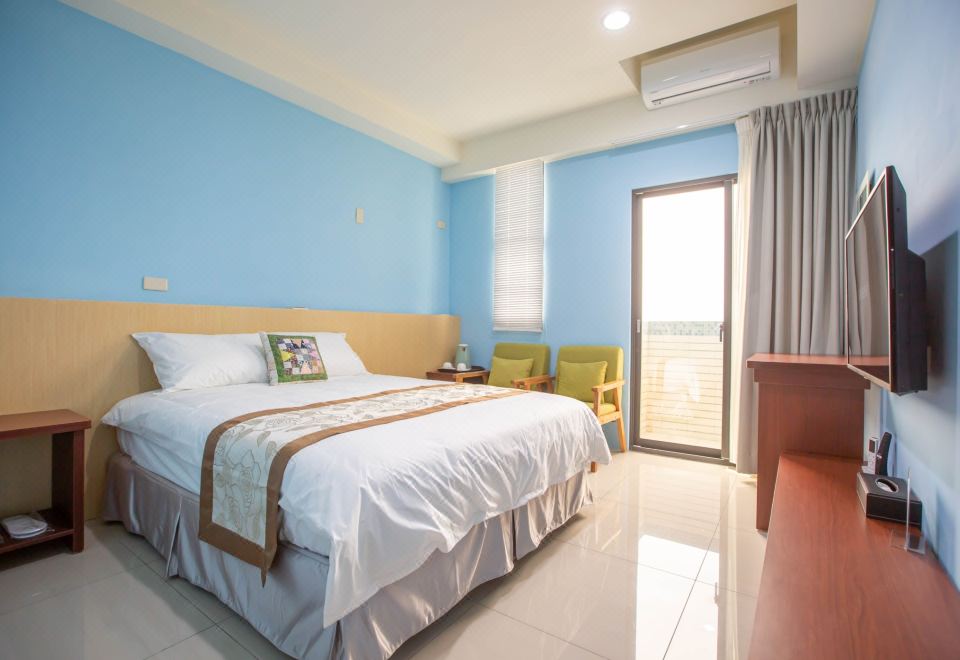
Kinmen's most design-forward boutique hotel — free airport transfer included, a rare perk on this island. Score 9.0 across all guest metrics. Central Jincheng location means easy scooter access to all main sites. The best mid-range pick if you want a hotel feel rather than a B&B.
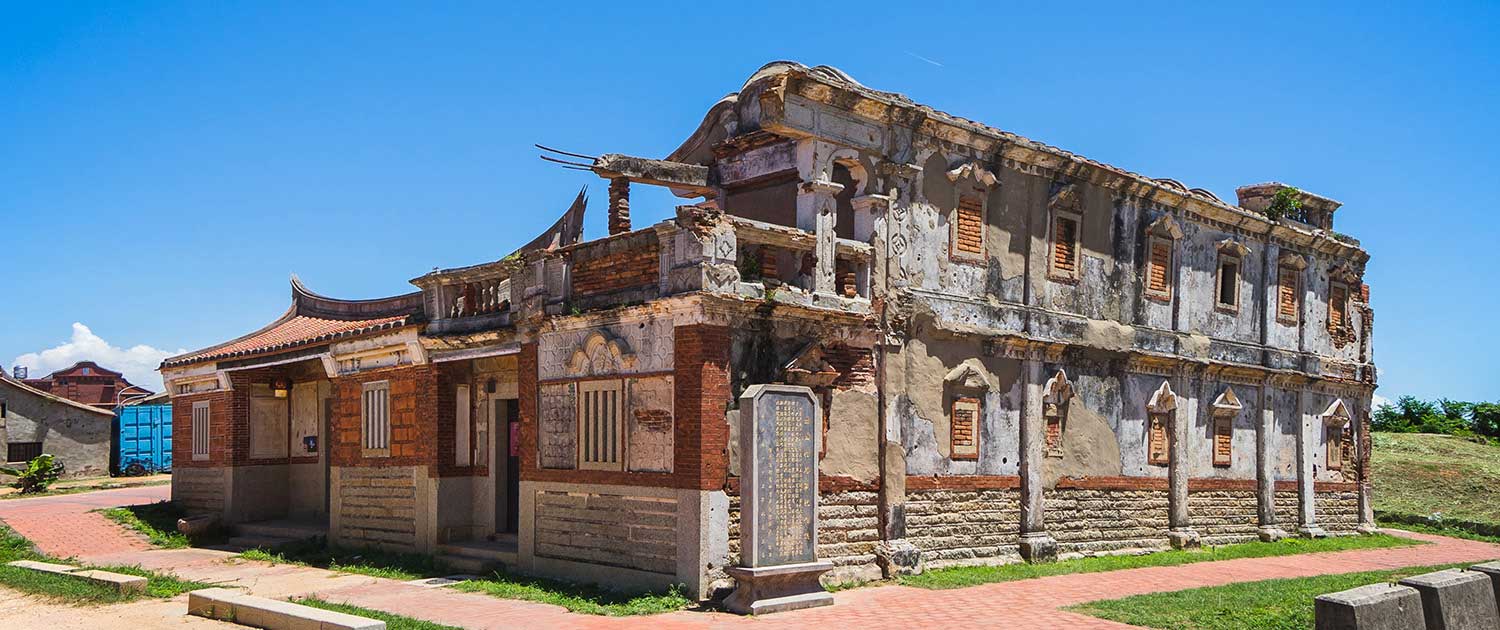
Sleep inside a 1928 overseas-Chinese yanglow mansion where bullet holes from the 1949 Guningtou Battle are still visible in the walls. NT$600+ for dorm-style rooms. The most viscerally atmospheric place to sleep on Kinmen — history is literally built into the walls around you.
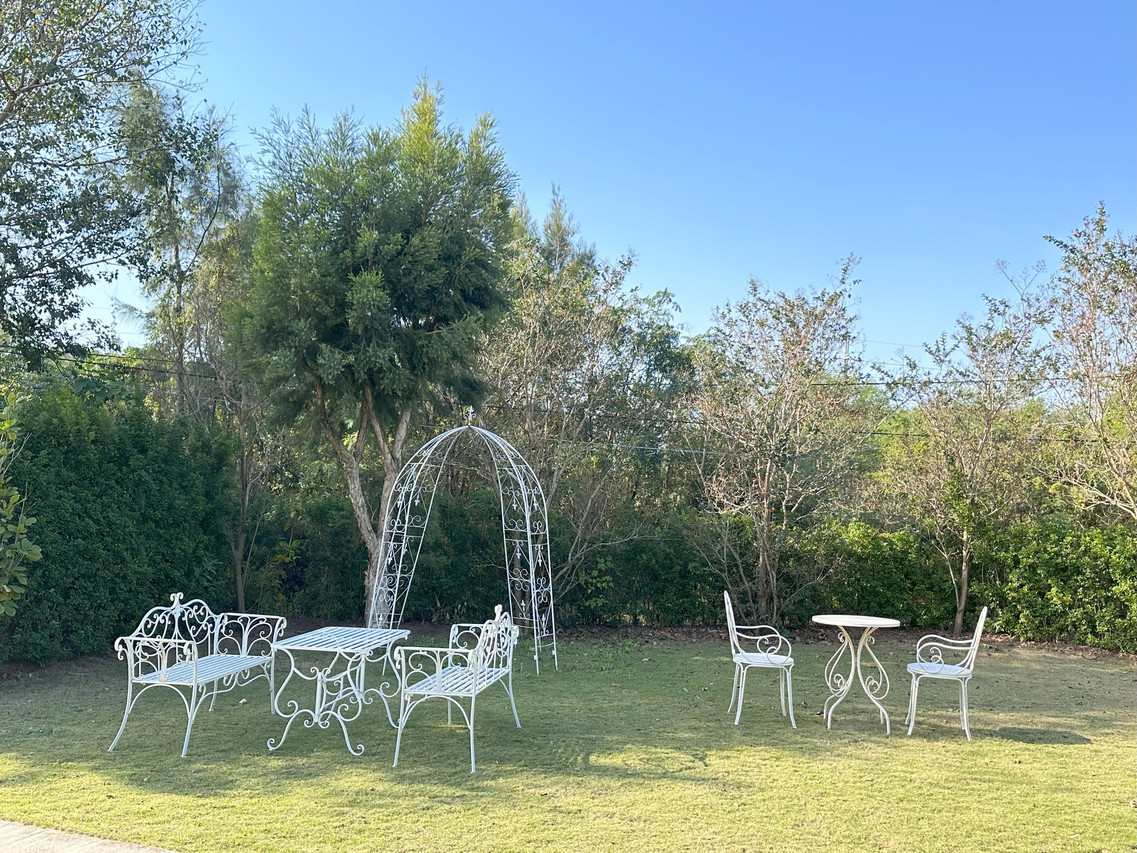
A genuine cultural homestay in Fujian courtyard style — Wind Lion Gods visible from the lane outside, Kinmen heritage architecture surrounding you. Hosts deeply knowledgeable about local culture, sorghum liquor, and village walking routes. The most authentic immersive experience on this list.
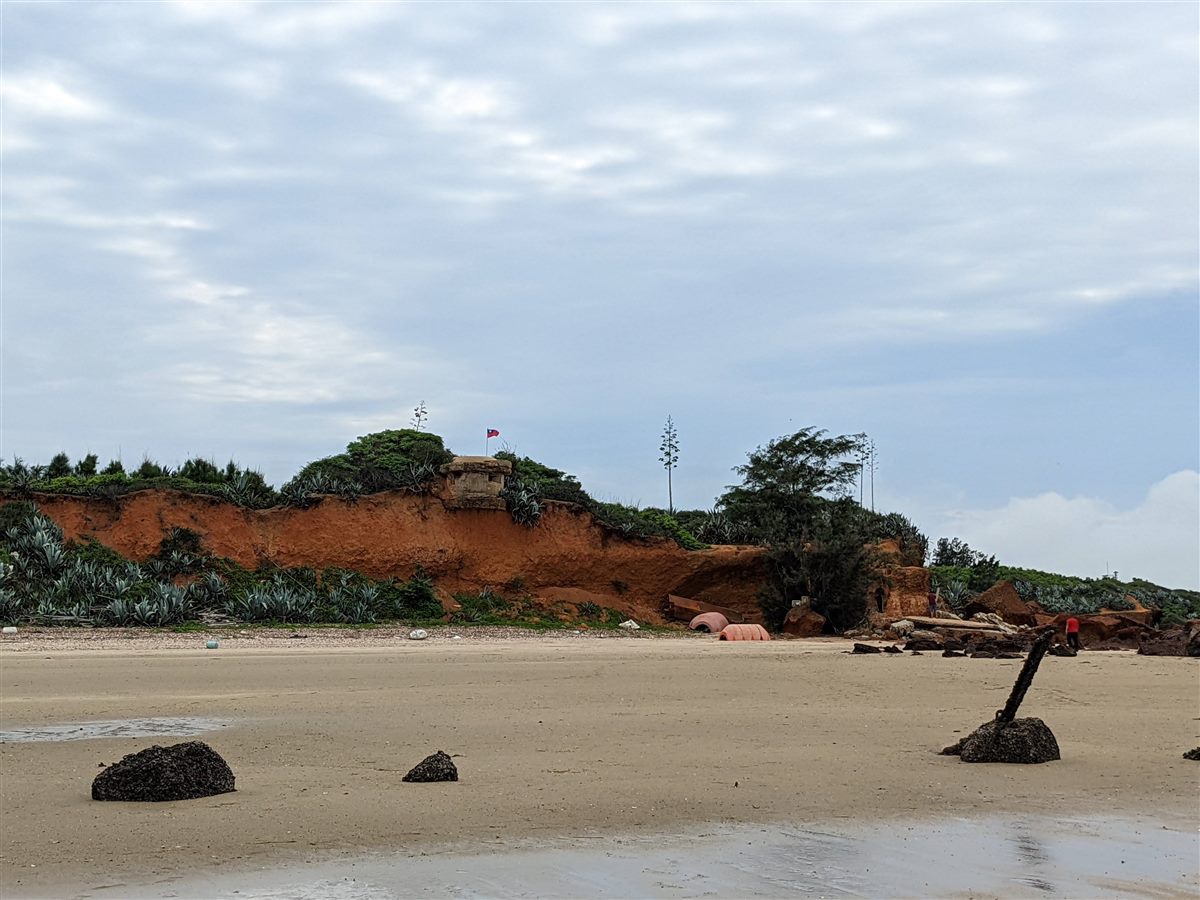
Contemporary design hotel in central Jincheng — clean modern rooms, strong service, and easy access to the old street and scooter rental shops. Score 8.9. A good choice for travelers who want reliability and comfort rather than heritage atmosphere. Well-reviewed for business-style solo travel.
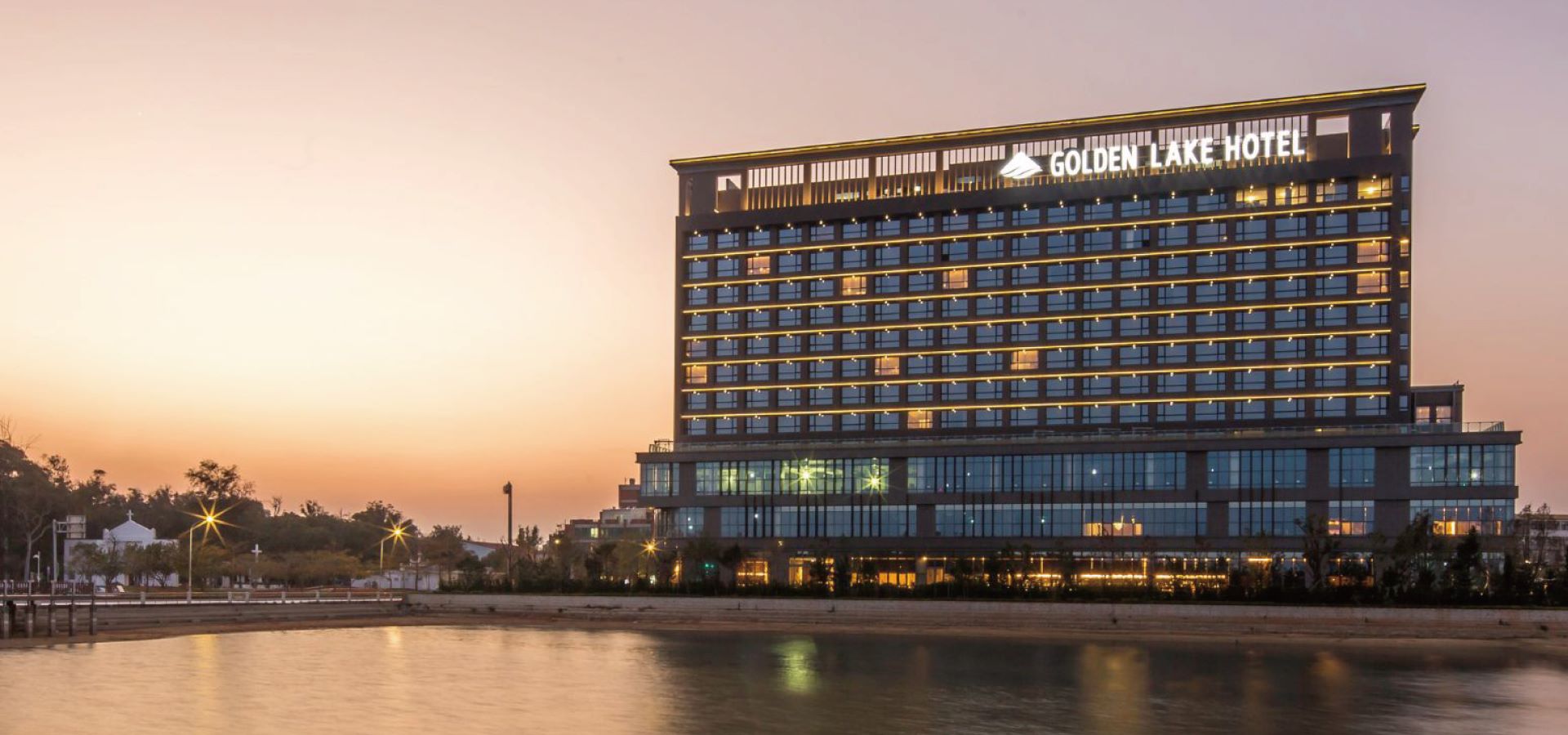
The single luxury resort on Kinmen — full hotel amenities, Golden Lake waterfront position, and the only property with an international-standard fitness center and buffet. From NT$3,500/night. Best for travelers who want to explore Kinmen during the day but return to genuine comfort in the evening.
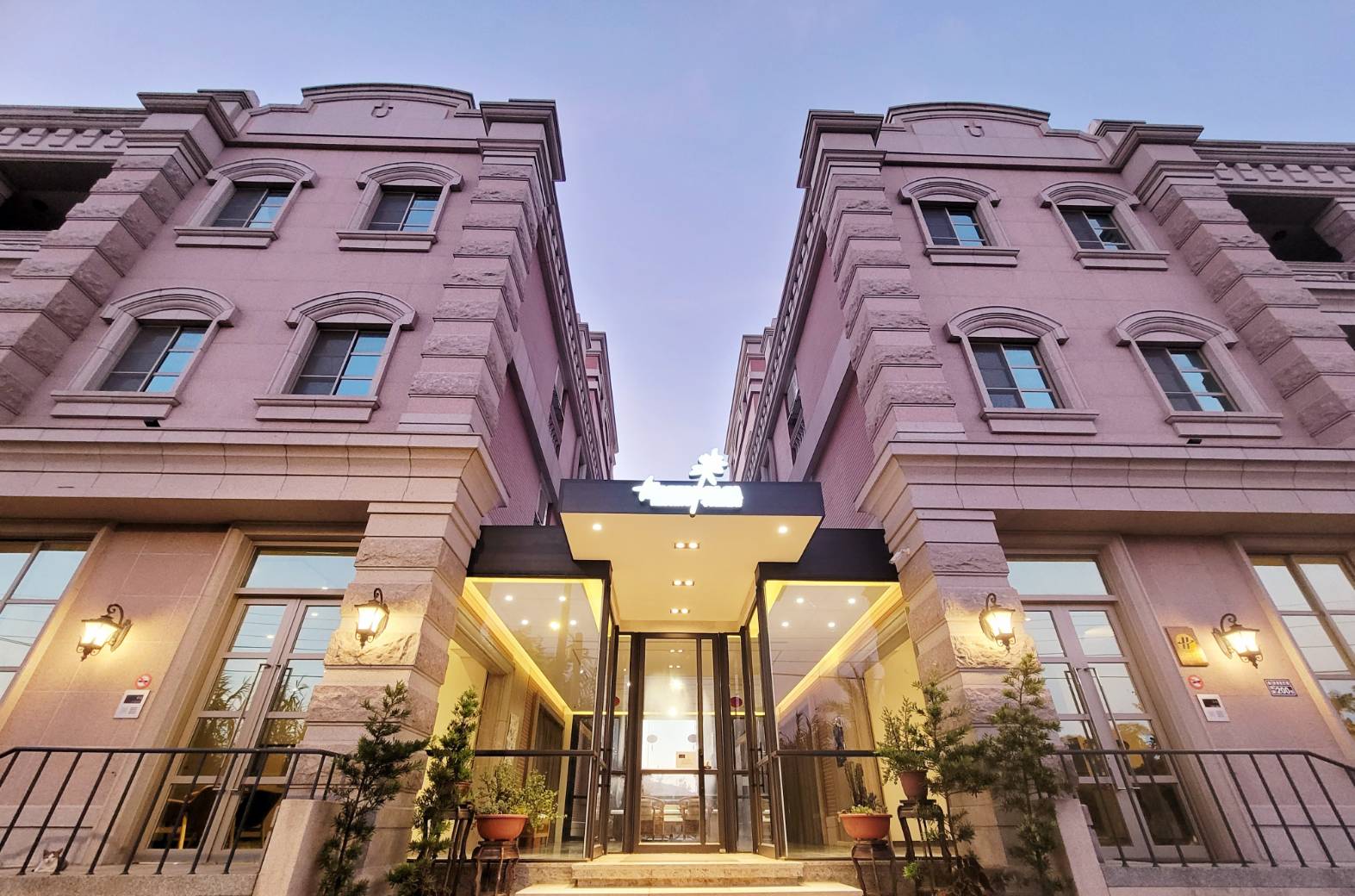
Kinmen's best family-friendly option — a leisure resort on the quieter east coast with a pool and spacious grounds. Score 8.6. Near the 823 Artillery Museum and Mt. Taiwu hiking trails. The best choice for families or couples wanting a resort atmosphere rather than a heritage stay in town.
Kinmen has limited accommodation capacity — particularly heritage guesthouses in Zhushan Village and Jincheng's boutique hotels. During peak season (April–September) popular properties book 2–3 weeks ahead. Book as soon as your flight from Taipei is confirmed. October–March brings northeast monsoon winds — comfortable but plan for cooler evenings and fewer crowds.
Kinmen Food — Kaoliang Liquor, Fish Noodles & Fujian Heritage Dishes
Kinmen's food scene reflects its Fujian heritage — distinctive from mainland Taiwan cuisine. Dining options are small-scale: family restaurants, B&B home cooking, and a handful of village eateries. Bring cash and expect fresh local seafood, honest portions, and flavors you will not find in Taipei.
Our dedicated Kinmen food guide covers every signature dish — where to taste Kaoliang 38° and 58° at the distillery, which village restaurants serve the best fish noodles, plus gongtang peanut candy, Cantonese-style congee, oyster vermicelli, and real prices to expect.
Kinmen Kaoliang is Taiwan's most famous sorghum liquor — the Kinmen Kaoliang Distillery (金門酒廠) near Jincheng Airport has been producing the 58° (fiery, traditional) and 38° (smoother, more accessible for visitors) varieties since 1952. Kinmen Kaoliang has won international awards and is sold cheaper at source than anywhere on mainland Taiwan. The distillery offers free tours and tastings. A small glass with fresh seafood is the quintessential Kinmen aperitif ritual.
Kinmen's #1 SouvenirLao Jiu is Kinmen's traditional glutinous rice wine — aged in earthen jars for months. Amber in color, slightly sweet and medicinal in flavor. Used in cooking (especially with seafood and meat) and drunk warm as a digestif. Local restaurants often use it to braise fish and pork — the flavor infuses everything with a distinctly Fujian depth. Available at village restaurants and local shops.
Traditional Fujian BrewFish noodles (魚麵) are Kinmen's most distinctive food — noodles made by blending fresh fish into the dough, giving them a natural seafood flavor without any sauce needed. Served in clear broth or dry-style. Every local restaurant in Jincheng and around the island has a version. A bowl of fish noodles with a glass of Lao Jiu is the quintessential Kinmen meal.
Kinmen Must-TryJi Guang Bing are ring-shaped sesame bread rolls with a hole in the middle — named after the Ming Dynasty general Qi Jiguang who reportedly used them to feed soldiers quickly (strung on a rope). In Kinmen, they became a staple for the military garrison era. Today they are filled with egg, pork, or vegetables — the island's most popular street snack. Available at village bakeries and morning markets across Jincheng and Jinhu.
Military History SnackKinmen's version of Buddha Jumps Over the Wall (佛跳牆) is a festive Fujian seafood stew — abalone, sea cucumber, fish maw, pork, and mushrooms slow-braised together. Served at family restaurants and B&Bs for groups or on special occasion. Richer and more seafood-forward than the Taiwanese mainland version. Order ahead — it takes hours to prepare and is not a walk-in dish at most places.
Order 1 Day AheadKinmen's harbors deliver daily catches of grouper, clams, oysters, and squid — significantly fresher than anything available in Taipei. Village restaurants in Jincheng, Shuitou, and Jinhu serve simple seafood set meals at honest prices. Ask what came in that morning — the catch varies daily. Steamed whole fish with ginger and soy is the cleanest preparation and lets the freshness speak.
Fresh Daily · Honest PricesSix Reasons to Come to Kinmen
Kinmen draws travelers for Cold War military history, yanglow architecture, and authentic Fujian culture — not beaches or diving. Every visitor comes for a specific combination of these six. See our full Kinmen attractions guide for deeper coverage.
Zhaishan Tunnel is Kinmen's most dramatic Cold War site — a 357-metre granite tunnel carved by 823 soldiers over 15 months (1968–1970) large enough to conceal military patrol boats inside a coastal cliff. Now open to visitors; you can kayak through the tunnel on guided tours. The Dahan Stronghold (大漢據點) nearby is a cliff-edge artillery fortification with panoramic views and preserved military hardware. Both sites take around 90 minutes combined and are essential Kinmen experiences.
Main Island · Kayak Inside the TunnelRoughly 70 Wind Lion God sculptures (風獅爺) are scattered across Kinmen's villages — each one unique, carved to guard the settlement against evil spirits and the fierce northeast monsoon winds that batter the island in autumn. They range from a few feet tall to over two metres. The most famous are in Jinhu's Guanao Village and Shuitou Village in Jincheng. Spotting them by scooter through the island's heritage lanes is one of Kinmen's most satisfying slow-travel experiences. No admission, no crowds — just stone lions and village life.
All Across Kinmen · Free · Best by ScooterShanhou Folk Cultural Village is Kinmen's finest preserved Qing-dynasty settlement — 18 stone houses built by a single wealthy Kinmen family between 1876 and 1900, forming a complete, grid-planned village with uniform Fujian sanheyuan courtyard architecture. Unlike many heritage sites, the village is still inhabited. The uniform grey granite and red-tile rooflines are uniquely photogenic at dawn. Combine it with nearby Beishan Old Western Mansion for a half-day east-coast heritage loop.
Jinhu Township · 30 min from JinchengThe Beishan Old Western Mansion is a 1928 yanglow building — the hybrid architecture style built by Kinmen emigrants who returned wealthy from Southeast Asia, blending European baroque facades with traditional Fujian floorplans. During the 1949 Guningtou Battle, Communist forces used it as a command post; Nationalist troops retook it in close-quarters fighting. Bullet holes and shell damage are still clearly visible in the walls. The guesthouse inside (Beishan Old Western Hostel) lets you sleep there. A uniquely haunting place — one of the most atmospheric Cold War sites in all of Taiwan.
Jinsha Township · Bullet Holes Still VisibleMt. Taiwu (海印寺, 253m) is Kinmen's highest point — a 90-minute hike through granite and juniper forest leads to panoramic views of the island and the Chinese coast on clear days. At the summit is Haiyin Temple, carved directly into the cliff face. Nearby, the 823 Artillery War Museum commemorates the 44-day artillery bombardment of 1958 (August 23) — the largest sustained artillery bombardment in the Cold War era, with over 474,000 shells fired at Kinmen by the People's Republic. Preserved artillery pieces, military vehicles, and personal accounts from the siege make it one of Taiwan's most sobering museums.
Jinhu · Hike + Cold War HistoryThe Kinmen Kaoliang Distillery has produced Taiwan's most famous sorghum liquor since 1952 — founded during the military garrison era when soldiers on the island were the primary consumers and the spirit became part of the island's identity. The distillery offers tours of the production process and tastings of the 38° (smoother, accessible) and 58° (fiery, traditional) varieties. Bottles purchased here are cheaper than anywhere on Taiwan's main island — pick up the gold-label 58° as a gift. Walk-in tours are generally available; confirm current hours on arrival. Near Kinmen Airport.
Jincheng · Near Airport · Buy at SourceOur dedicated Kinmen attractions guide covers every site with getting-there details, opening hours, honest caveats, and a recommended half-day scooter route connecting the main heritage sites in logical sequence.
Our dedicated guide covers the flight from Taipei (TSA or TPE to KNH, 55 min), scooter rental, the honest case for at least 2 nights versus a rushed day trip, and a full logistics breakdown for combining Kinmen with the rest of a Taiwan itinerary.
Kinmen in 3 Nights — Jincheng, Zhaishan, Wind Lions & Beishan Done Right
Three nights covers the island's Cold War depth, heritage villages, and Kaoliang culture properly. See our full logistics guide from Taipei for flight and scooter rental details.
Everything you need to know before you go to Kinmen
Getting there, best season, inter-island ferries, cash, motion sickness, and the honest caveats about storm closures that most guides skip.
Flying is the only practical option from Taiwan's main island — 55 minutes from Taipei (TSA or TPE) to Kinmen Airport (KNH). Mandarin Airlines and Uni Air both operate the route. Check whether your flight leaves from Songshan (TSA, central Taipei) or Taoyuan (TPE, 40 min from central Taipei) — some travelers have missed flights by going to the wrong airport. Alternatively, if you're routing through Xiamen on the Chinese mainland, the speedboat crossing takes 20–30 minutes from Xiamen Ferry Terminal (requires a China visa unless your nationality has exemption — verify before booking).
A day trip from Taipei is technically possible — the 55-min flight means you can leave at 08:00 and return by 19:00. But Kinmen's pace and atmosphere reward slowing down. A day trip covers perhaps Zhaishan Tunnel and Jincheng Old Street. Two nights adds Wind Lion village loops, Beishan Mansion, Shanhou Folk Village, and the Kaoliang distillery — the full picture. Three nights adds Mt. Taiwu, the 823 Museum, and Little Kinmen. Four nights for those who want everything. The cost of an extra night (NT$800–2,000) is small relative to the return flight — staying longer is almost always the right call.
Kinmen's key sites are spread across the island — 10–25 minutes apart by scooter. Taxis exist but are scarce and expensive. Scooter rental (NT$400–600/day) is available outside the arrivals exit at the airport. An international driving permit (IDP) is technically required but enforcement is relaxed for short-term visitors — carry your home licence as a backup. The island's roads are quiet and the terrain is flat: even inexperienced scooter riders find Kinmen comfortable. Electric scooters are increasingly available for a greener option.
Kinmen is significantly windier than Taiwan's main island year-round — the northeast monsoon (Oct–Mar) brings persistent strong winds that make cliff-top sites and the Little Kinmen crossing blustery. Pack a light windproof jacket even in summer. The island's low-slung granite landscape and juniper trees evolved around this wind — it's part of Kinmen's character, not a problem. In summer (Jun–Aug), daytime temperatures reach 32–35°C; carry water and sunscreen for scooter days. The monsoon season (May–Jun) also brings occasional heavy rain — check the forecast the evening before planning outdoor sites.


