The smell of sulphur reaches you the moment you step off the train — Beitou is the hot-spring valley tucked at the end of one of Taipei's MRT lines. Just 30 minutes from the city centre, you can stand beside a blue-green sulphur lake hissing with steam, wander a wooden Japanese-era bathhouse, and end the day sinking into a warm mineral bath. We walk you through the whole day, from the minute you get off the train to the minute the spring water leaves your skin soft.
At the far northern edge of Taipei sits a small valley where the Tatun volcano group is still quietly breathing beneath the ground. Rainwater seeps down to touch hot rock and bubbles back up as sulphur hot springs that perfume the whole district. This is Beitou (北投), an old hot-spring quarter that Japanese colonial planners developed into a first-class resort — Taiwan's first public bathhouse was built here in 1913, and to this day Taipei locals still ride the MRT out to Beitou simply to escape the city.
What makes Beitou special is that it is not merely "somewhere to bathe" — it is a district you can explore on foot for a whole day. From Xinbeitou Station, a few minutes' walk brings you to a hot-spring museum in a handsome wooden Japanese building, a green library acclaimed as one of the world's most beautiful, a shady park, an old temple, and finally the Thermal Valley, a steaming sulphur lake that looks like a small slice of the underworld set down in the middle of the city. This page takes you deep into Beitou — how to get there, the order to see things, the sights you shouldn't miss, and how to actually "soak properly" in a way that suits you.
Beitou is one of the easiest sights in Taipei to reach — the whole trip works on a single EasyCard. But remember one key rule: several of the main sights are closed every Monday.
The most common mistake — visiting on a Monday: many visitors ride out to Beitou on a Monday only to find the museum, Thermal Valley and library all closed, leaving just temples and the park to walk. Before you plan, make sure your day isn't a Monday, and if you intend to use the public baths, check their latest status too — they sometimes close for renovation.
Private onsen rooms in Beitou (approximately NT$1,500-3,500 for 2 hours) bookable through Klook — perfect for travelers who'd rather not navigate Japanese public-bath etiquette + skip the phone reservations.
Beitou is known for an unusually varied set of sulphur springs. Knowing the types helps you choose where to soak.
Milky, cloudy white water with a mild sulphur scent — this is the type most onsen hotels in Beitou use. It runs at roughly 50–70°C, is mildly acidic, and is said to leave the skin soft and ease tired muscles. It is the most comfortable spring to soak in for most people.
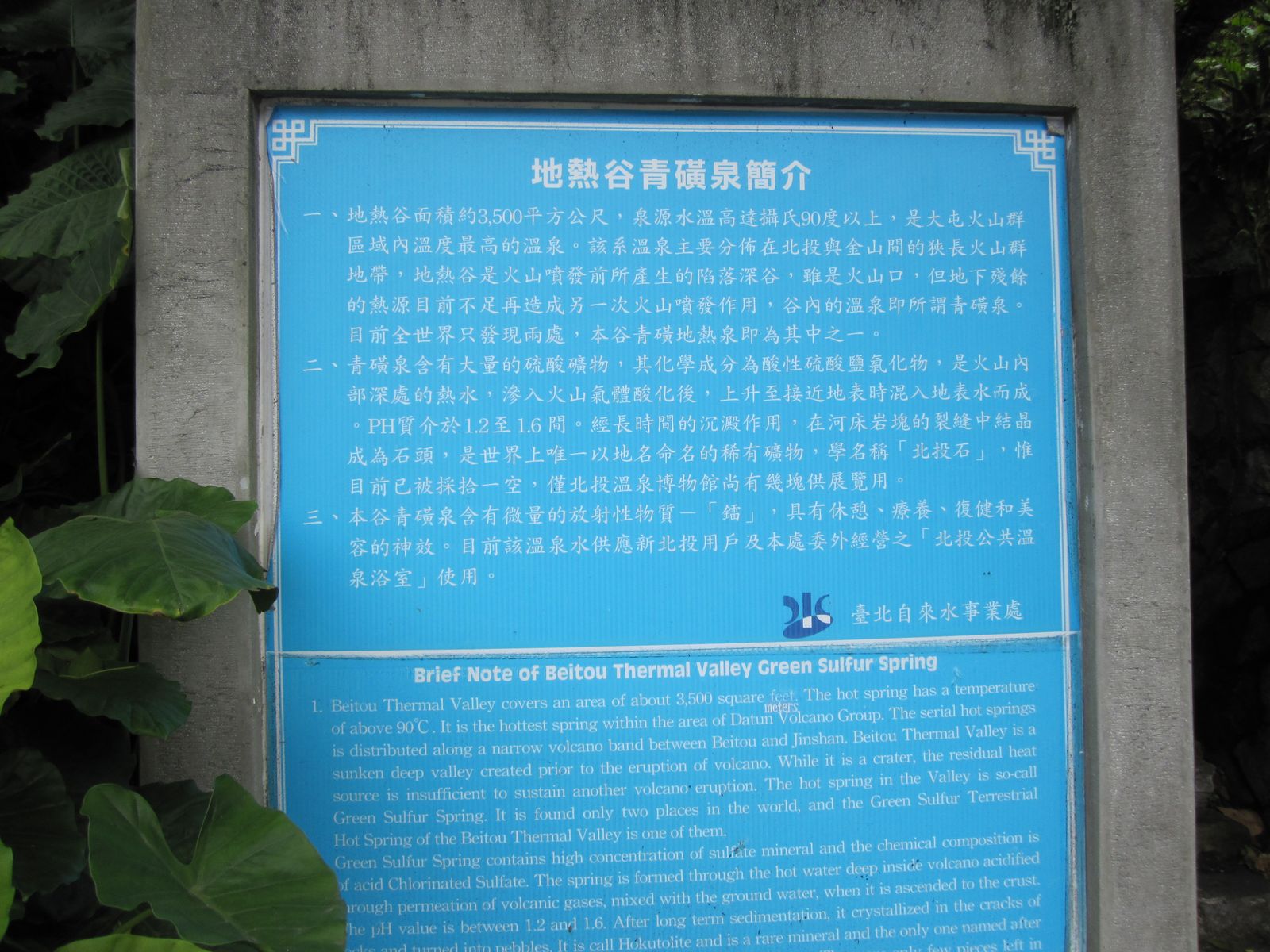
Clear blue-green, highly acidic water — it comes straight from the Thermal Valley. This water once yielded a rare radioactive mineral named "Hokutolite" (北投石, Beitou stone), named specifically after Beitou. Green sulphur springs exist in only a handful of places on Earth.
Reddish-brown water coloured by iron minerals, found around Xingyi Road deeper in Beitou. It is less abundant than the other two types — a few hotels in that zone use iron-sulphur water, giving a different feel and colour.
A boiled-egg sulphur smell hangs over all of Beitou — this is completely normal, and it is the "real thing" telling you the springs are alive. The smell is strongest near the Thermal Valley. If you are sensitive to smells, brace yourself — but most people stop noticing it within minutes.
Beitou's sights are conveniently lined up in a single uphill row — walking them one by one and finishing with a soak is the most natural plan.
Step out of the MRT station and look for the old Xinbeitou Railway Station (新北投車站), a lovely timber building that opened in 1916. It was once relocated, then carefully restored back to its original spot — photograph it and try the hot-spring hand-soaking pool outside. A perfect warm-up.
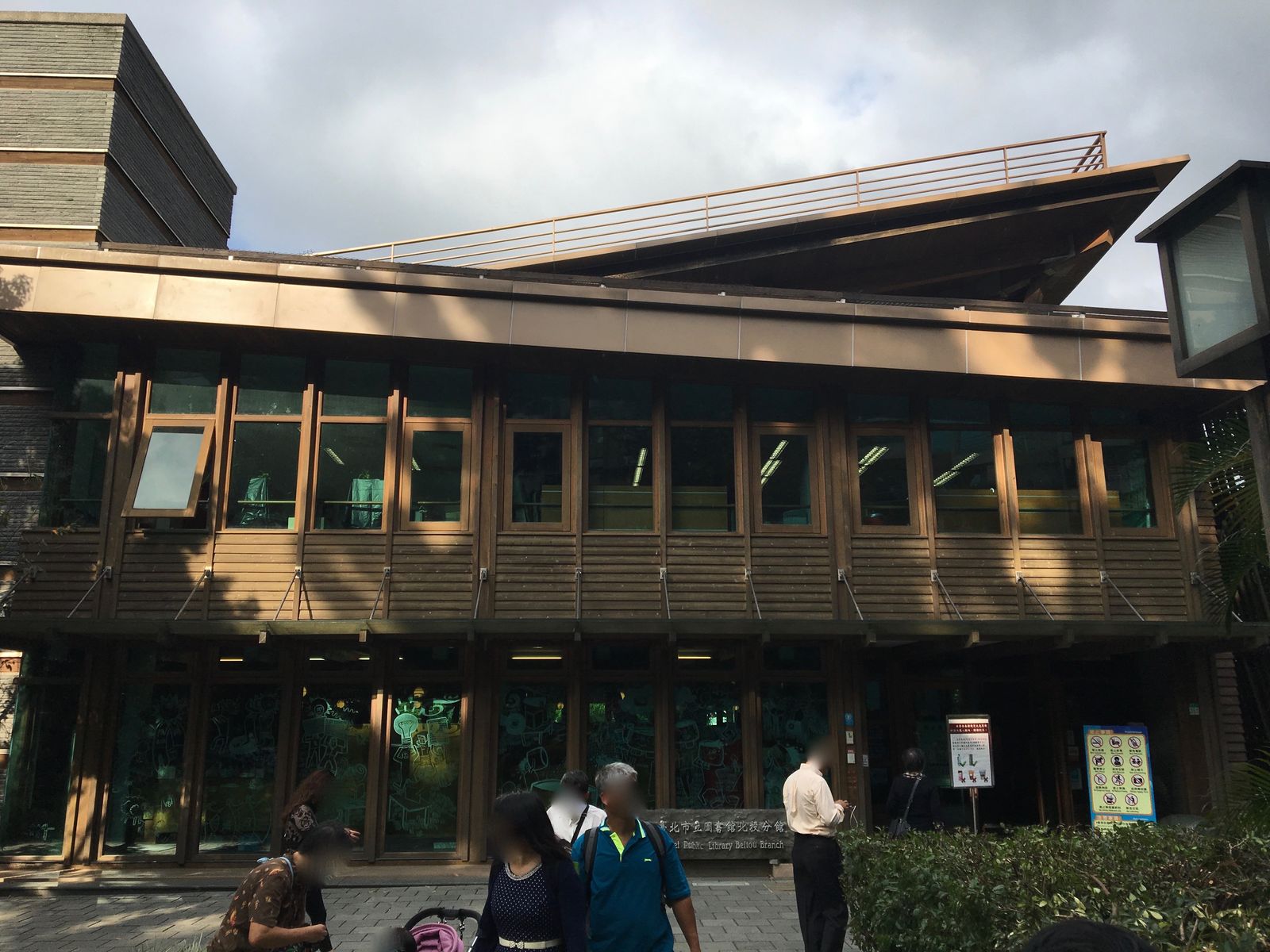
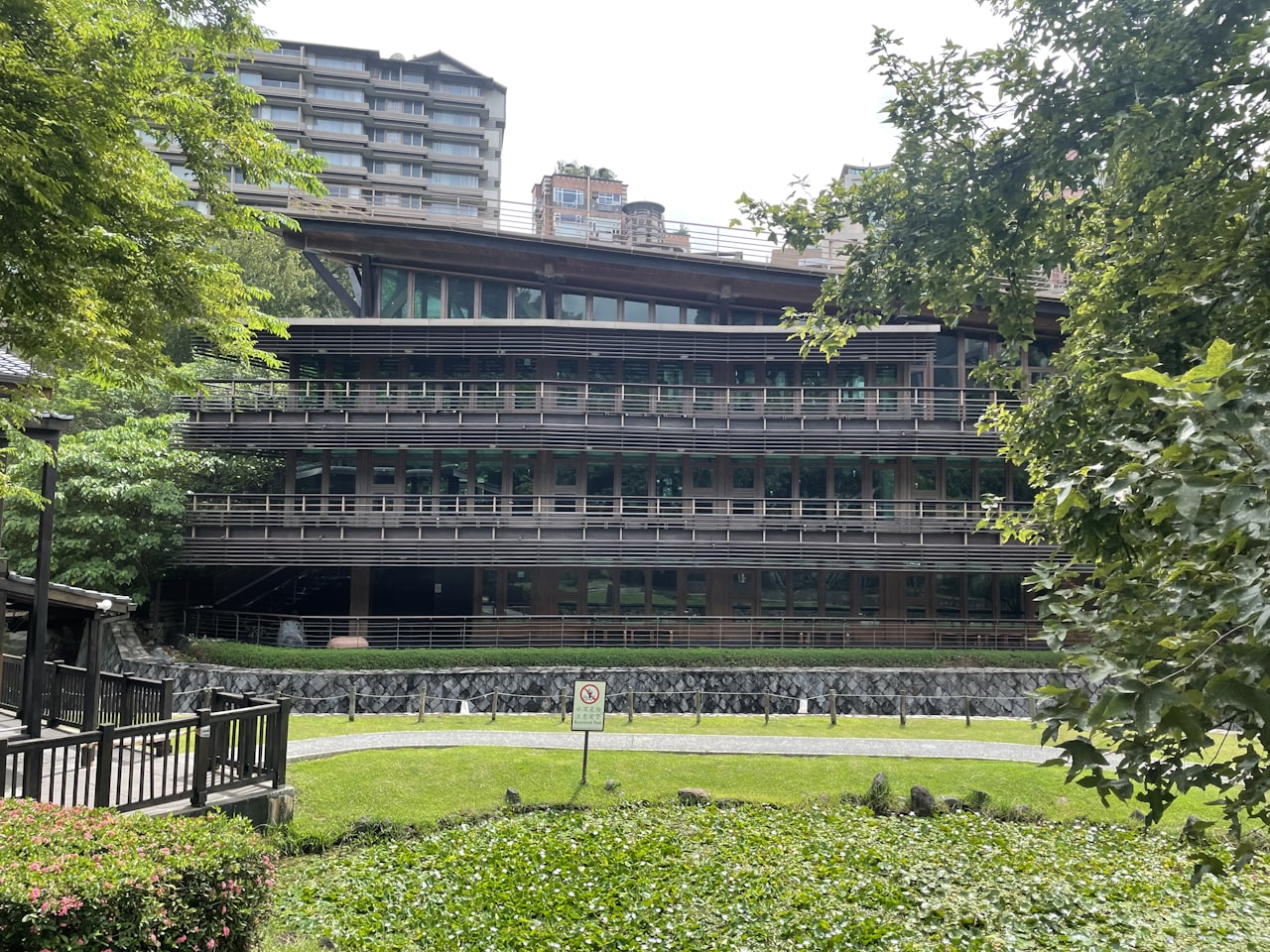
Walk up Zhongshan Road through Beitou Park (北投公園), shaded by streams and old trees. In the middle of the park stands the Taipei Public Library Beitou Branch, a green wooden building celebrated for its eco-friendly design. It photographs beautifully from outside and is free to enter (closed Mondays).
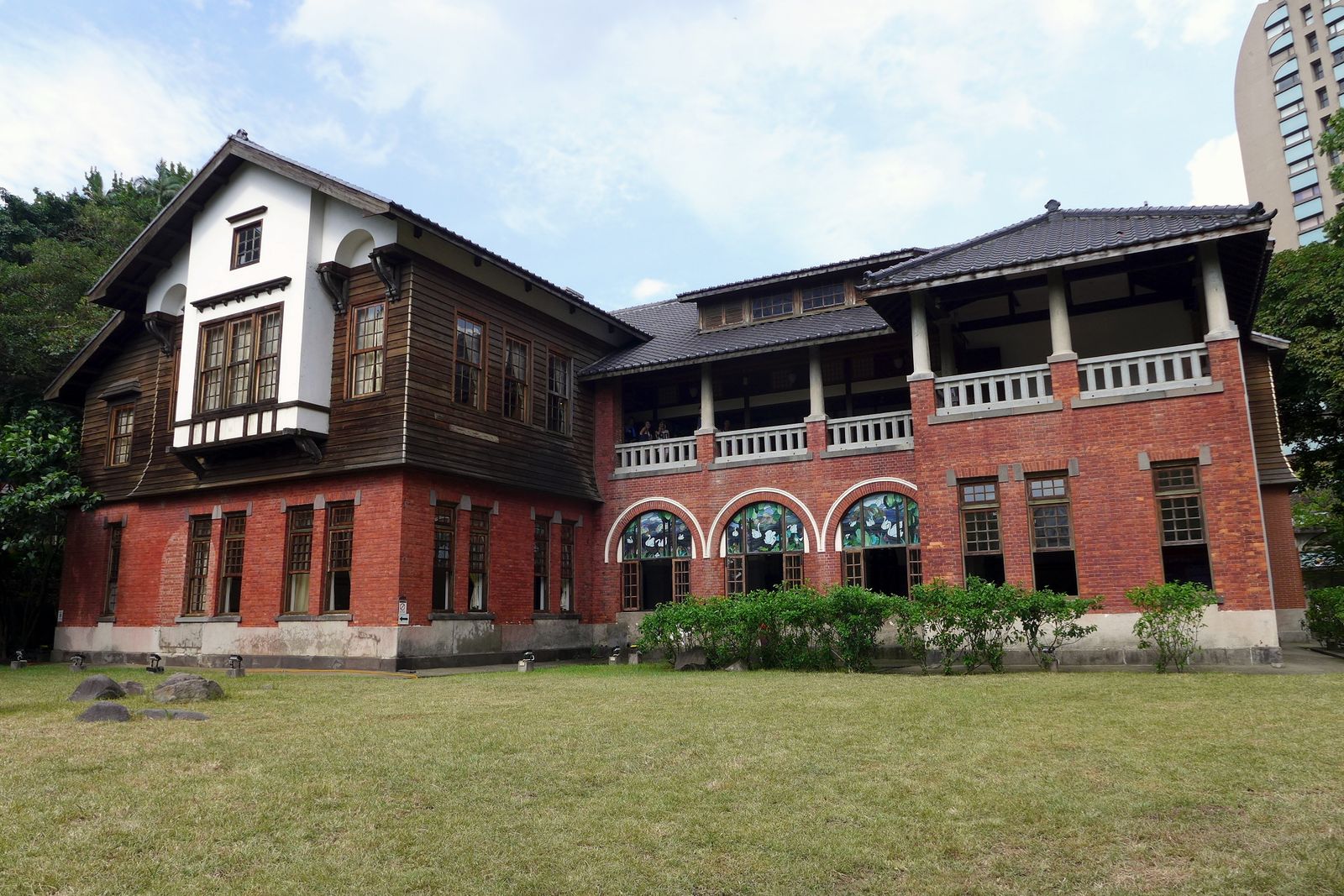
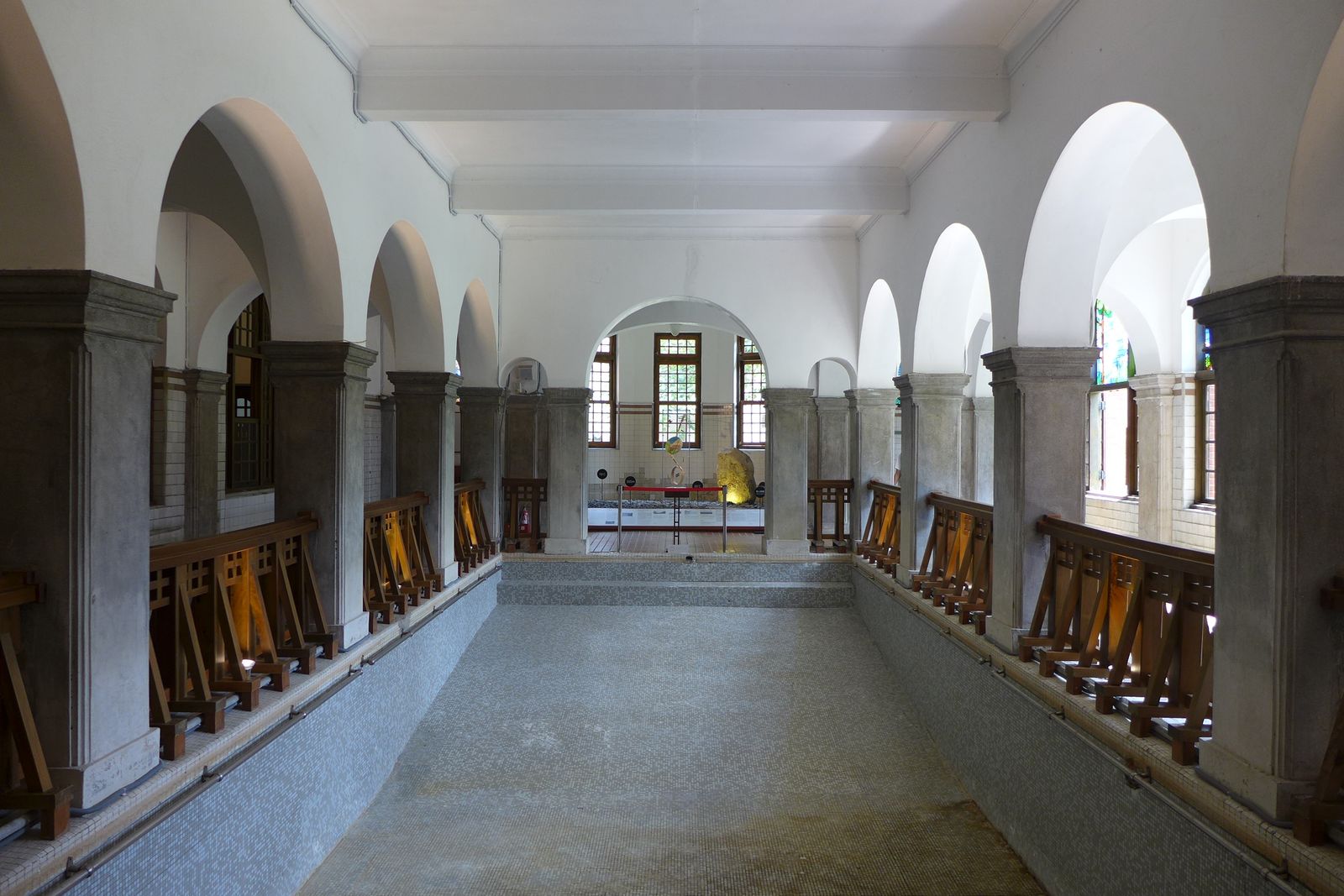
A little further up is the Beitou Hot Spring Museum — the 1913 public bathhouse restored into a museum. Walk through the grand Roman-style bath hall, the tatami rooms and the exhibits on the district's history. Free entry, allow about 40 minutes (closed Mondays · shoes off inside).
Walk to the very top to reach the Thermal Valley — a green sulphur lake billowing steam in a rocky basin. Follow the viewing path around it and take photos — but absolutely no bathing: the water is 80–100°C. There is a hand-soaking pool to try instead. Allow about 30–40 minutes.
Head back down to find lunch around Zhongshan Road — on the way, stop at Plum Garden (梅庭), a Japanese-era wooden villa once home to a famous calligrapher, and Puji Temple (普濟寺), a small, serene Japanese-style Buddhist temple on the hillside.
End the day with a real hot-spring soak — choose the open-air Millennium public baths (budget-friendly, swimsuit required), book a private day-use room by the hour at an onsen hotel, or, if you've booked a night, check in and soak long into the evening.
Half a day works too: short on time? Beitou makes an easy half-day trip — focus on the museum, the Thermal Valley and one soak and you'll have the full flavour. With a whole day, allow extra time for the soak, because that really is the heart of Beitou.
These sights line up uphill along Zhongshan Road — you can walk them in a single route.
Highlight No. 1
Also known as "Hell Valley" — a blue-green sulphur lake that boils and steams non-stop, the water reaching 80–100°C, ringed by rock cliffs. A viewing path takes you around the lake.
An honest note: no bathing whatsoever — the water is scalding. On cold days the steam can be so thick you can barely see the water. Free entry · closed Mondays · open roughly 09:00–17:00.
Japanese Heritage
A two-storey Japanese-style wooden building from 1913, originally Taiwan's first public bathhouse and once the largest in East Asia — inside are a Roman-style bath hall, tatami rooms and exhibits on Beitou's history.
Free entry · shoes off inside · open 09:00–17:00 · closed Mondays · allow about 30–40 minutes.
Green Architecture
A green wooden building set in Beitou Park, designed as a Green Building — using solar power, rainwater harvesting and natural ventilation. It has been named one of the world's most beautiful libraries by several outlets.
The exterior is wonderfully photogenic; inside, stay quiet (it is a working library) · free entry · closed Mondays.
The Millennium Hot Spring (千禧湯) public baths — a terraced open-air bath, around NT$60 entry, swimsuit allowed (see "How to soak" below).
Plum Garden (梅庭) is a Japanese-era wooden villa once home to a celebrated calligrapher; Puji Temple (普濟寺) is a small, quiet Japanese-style Buddhist temple on the hill — both free to enter (Plum Garden closed Mondays).
You came all the way to Beitou — you have to soak. Here are three options, from the cheapest to the most comfortable.
The Millennium Hot Spring (千禧湯) is a terraced open-air public bath stepping down the hillside, with entry around NT$60 per session (cash or EasyCard).
What to bring: a swimsuit (no nude bathing — it is a mixed-gender outdoor pool), a towel, and for many sessions a swimming cap. It runs in roughly six timed sessions a day, with both hot and cool pools.
Important note: the baths are closed for renovation until around the end of July 2026 — always check the latest status before you go.
Many Beitou onsen hotels let you rent a private bath room by the hour without staying overnight — ideal if you want privacy, no swimsuit, and a relaxed soak.
Prices typically start from around NT$800–NT$1,500 per room per hour, depending on the hotel's class — some include towels and toiletries. It is worth booking ahead, especially at weekends.
The way to get the fullest experience is to stay one night at an onsen hotel — choose a room with its own private bath, and you can soak both in the quiet of the evening and early the next morning.
Beitou has a wide range of onsen hotels, from budget guesthouses to luxury resorts — we've picked the best for you in the Beitou onsen hotels guide below.
Japanese-style baths in hotels (not the public baths) are usually nude and gender-separated — you must always wash your body clean before entering, never put a towel in the water, and keep your voice down.
Those with tattoos, high blood pressure, heart conditions or who are pregnant should check before soaking · don't soak too long, and sip water often, as the hot sulphur water makes you sweat a lot.
Beitou is at its most magical when you can soak in a private bath in the evening and wake to soak again in the morning. We've picked the 8 best Beitou onsen hotels, with honest reviews, prices and direct booking links, so you can choose by budget and style.
Explore more of Taipei — ride the Maokong Gondola for hilltop tea, hit the night markets after dark, or browse all of Taipei's attractions.
Ride the 4 km glass-floor cable car up to hilltop oolong tea houses with views over Taipei.
See the Maokong guide →Taipei's best night markets — Shilin, Raohe, Ningxia — what to eat and how to start.
See the night markets guide →Taipei's most popular sights — temples, markets, viewpoints and hot springs all in one place.
See Taipei attractions →Before booking a bath house or onsen hotel, read these two comparisons first.
Public pool vs private room vs day-use vs overnight stay — compare price, experience, and which format fits your travel style.
Read the comparison →Compare 5 Taiwan onsen towns — water chemistry, price, access, and a decision matrix for first-timers, couples, and families.
Read the comparison →Still choosing between Taiwan's two best onsen destinations? Full head-to-head: water type, travel time, price, and a 6-scenario decision matrix.
Read the decision guide →Beitou is the day in a Taipei trip that's made for slowing down — open the full Taipei guide to plan every day, or search for a well-located base to explore from.