Home Destinations 🇯🇵 Japan Tokyo Guide Tokyo Attractions 🛍️ Tokyo Shopping About 🇹🇭 ไทย🇬🇧 English🇨🇳 中文🇪🇸 Español🇫🇷 Français
🛍️ Shopping Guide · Updated 2026

Where to Shop in Tokyo
11 Districts That Fill Your Suitcase

From luxury Ginza to the bargain stalls of Ameyoko · from youth fashion in Harajuku to the figure-collector heaven of Nakano Broadway — these are Tokyo's best shopping districts, with what to buy in each, opening hours, transit directions, and Japan's new 2026 tax-free rules you'll want to know before you fly.

Quick Overview

Tokyo Has a Districtfor Every Style and Budget

Here's the honest truth about Tokyo: you'll run out of energy long before you run out of things to buy. Every district has its own personality — walk ten minutes from a street of glass luxury flagships and you'll hit an alley of second-hand finds priced in the hundreds of yen, then a five-floor figure store. So we've gathered the 11 most popular shopping districts that travellers rave about into one page, spelling out exactly what each area is best for, when it opens, which station to use, and tips from people who've actually shopped there.

One thing we'll whisper before you go — don't try to tackle every district in a single day. Tokyo is huge. Cluster your shopping by zone: Shibuya, Harajuku, and Omotesando are all within walking distance of each other, while Akihabara, Ameyoko, and Ueno sit on the same JR line. Plan it that way and you'll fill your bags without wasting half the day on trains.

🚉
Trains Reach Everything
The JR Yamanote loop runs through nearly every major shopping area — one Suica or PASMO card covers it all.
🏷️
Tax-Free Everywhere
Tens of thousands of stores are tax-free — spend ¥5,000 and show your passport (rules change Nov 2026).
🎭
Every Style in One City
Luxury at Ginza, market haggling at Ameyoko, and niche collector finds at Nakano — all in one metro map.
💴
Something for Every Budget
100-yen shops, Uniqlo/GU, quality second-hand, and luxury brands — shop to whatever your wallet allows.
🏷️
2026 Update · Important

New Tax-Free Rules — Changing on 1 November 2026

Until 31 October 2026, the existing system applies: spend ¥5,000 or more per store per day, show your passport at the tax-free counter, and the 10% consumption tax is deducted right at the point of sale.

From 1 November 2026, Japan switches to a "pay first, refund later" system — you pay the full tax-inclusive price when you buy, then claim the refund at the airport on departure. The upside: the old rules separating consumables from general goods (and the sealed-bag requirement) are abolished, making it much easier to reach the ¥5,000 threshold. Always check the latest procedure on official customs/JNTO sources before you travel.

11 Shopping Districts

Tokyo Shopping DistrictsWorth the Trip

Ordered from the most all-round, beginner-friendly area to the local-loved corners. Each listing covers what to buy, opening hours, how to get there, and tips drawn from real shoppers.
Shinjuku district in Tokyo — the all-round shopping hub 🏬 Most Complete1
Shinjuku
Shinjuku · Tokyo

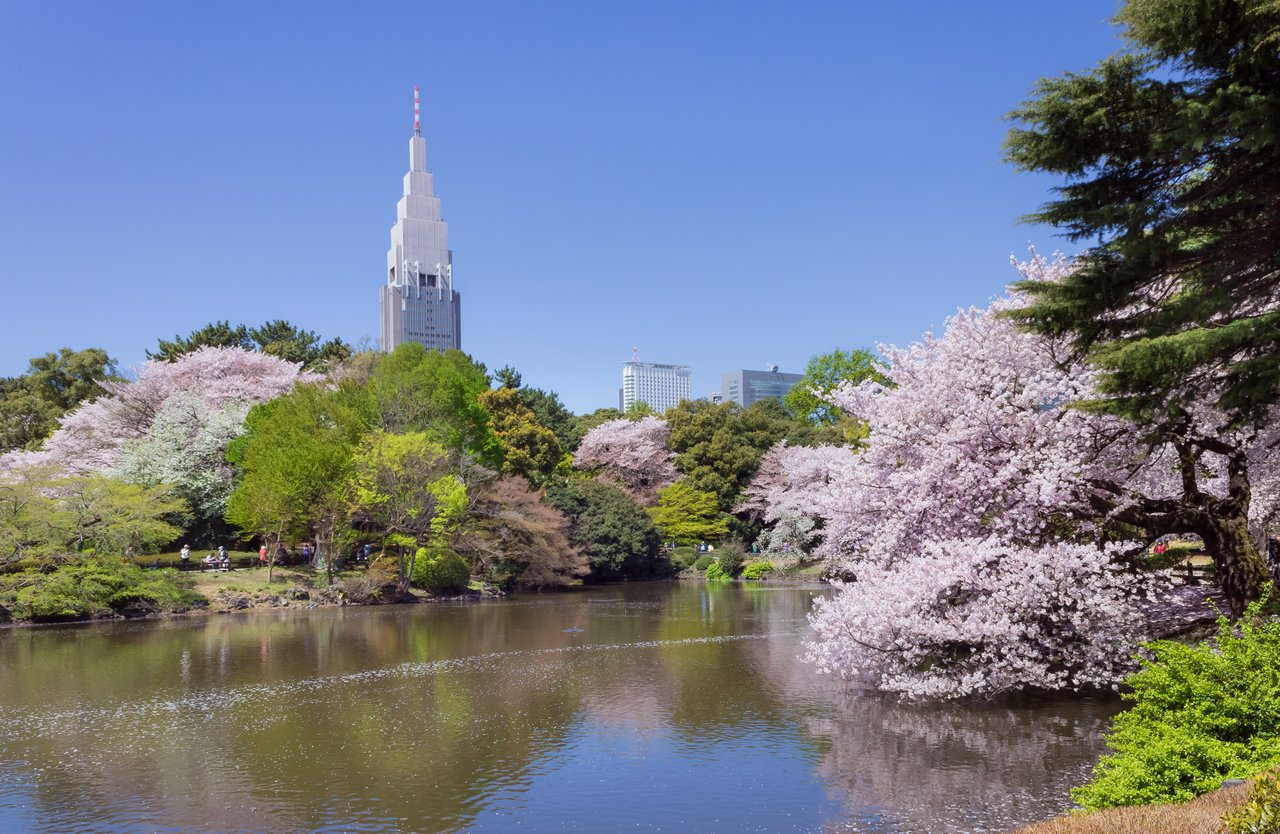
If you can only shop one area, make it Shinjuku — everything's within walking distance. There's the storied Isetan department store (with a legendary depachika food hall), Lumine for youth fashion right at the station, Bic Camera for electronics, and a 24-hour Don Quijote in Kabukicho. The east side is the main shopping zone, while Kabukicho is the nightlife quarter.

🛍️Best for: Cosmetics · electronics · depachika gifts · medicines · fashion
Hours: Isetan 10:00–20:00 · Lumine 11:00–21:00 · Don Quijote 24h
🚆Getting there: Shinjuku Station (JR Yamanote, many lines) — the world's busiest, so read the exit signs carefully
💡Tip: Weekday mornings 10 am–noon are quietest · Don Quijote is great late at night · staying here is the most convenient base for shoppers
Hotels near Shinjuku Station →
Shibuya Crossing in Tokyo — the youth shopping heart of the city 🚸 Youth Heart2
Shibuya
Shibuya · Tokyo

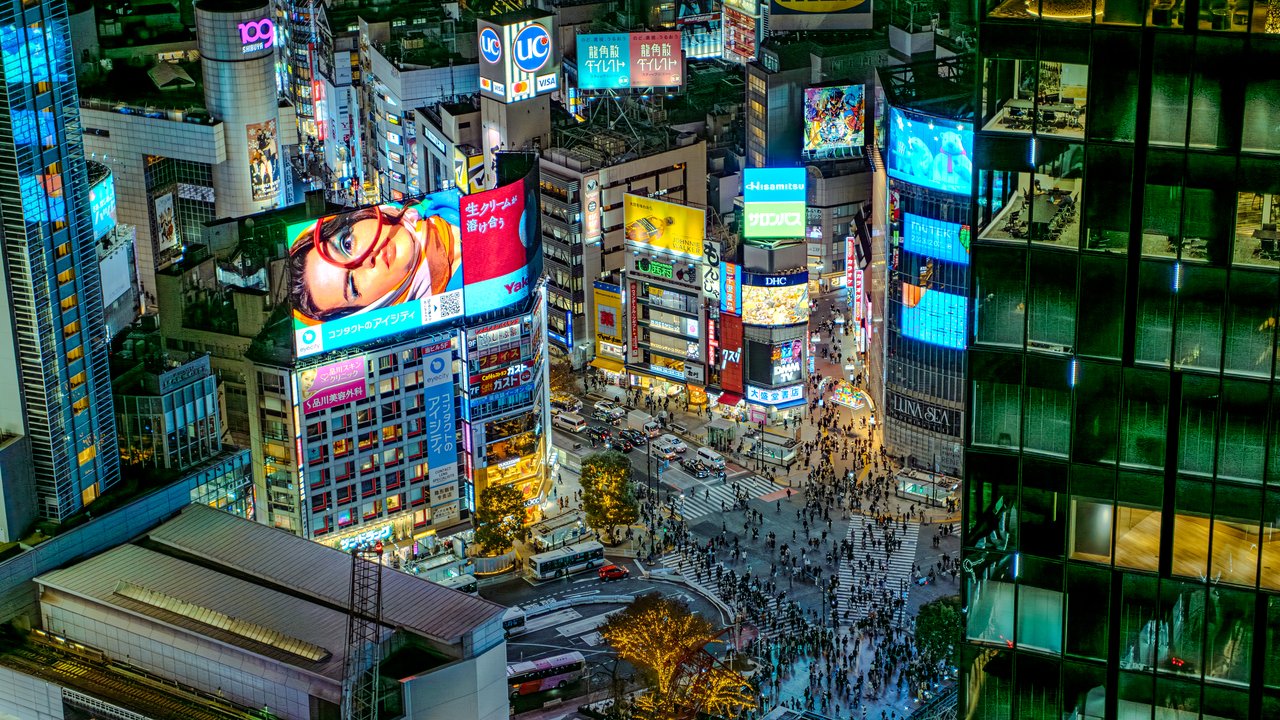
Tokyo's most energetic district, anchored by the famous Shibuya Crossing. Around it sits everything: Shibuya 109, the mecca of young women's fashion; Shibuya Scramble Square, the newest tower with Tokyu Hands and the Shibuya Sky observatory; and Shibuya Parco, which gathers the Nintendo, Pokémon, and Jump anime shops under one roof.

🛍️Best for: Youth fashion · toys/anime (Parco) · homeware at Tokyu Hands · cosmetics
Hours: Scramble Square 10:00–21:00 · Shibuya 109 10:00–21:00 · Parco 11:00–21:00
🚆Getting there: Shibuya Station (JR Yamanote) — take the Hachiko Exit straight to the crossing
💡Tip: Pair Shibuya with Harajuku and Omotesando — all walkable · the upper floors of Parco are an anime fan's dream
Tokyo Attractions →
Takeshita Street in Harajuku, Tokyo — youth fashion and cute snacks 🍭 Fashion & Sweets3
Harajuku / Takeshita
Harajuku · Tokyo

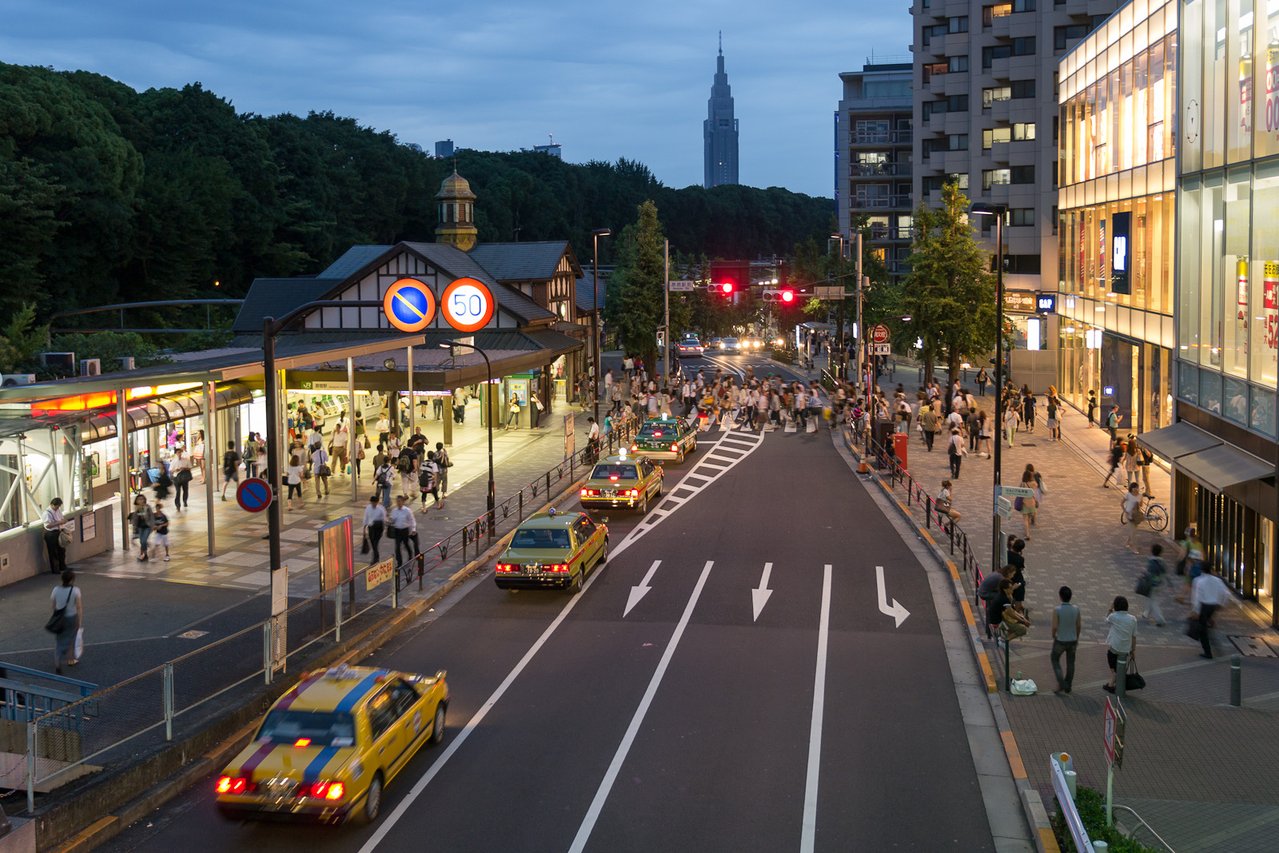
The 400-metre Takeshita Street is the epicentre of quirky youth fashion — vintage clothing, crepe stands, rainbow candy, and photogenic snacks. Walk through to Cat Street for cooler streetwear boutiques. It's a fun area if you love cute things and a buzzing atmosphere, but a fair warning: on weekends it gets so crowded that walking slows to a shuffle.

🛍️Best for: Youth fashion/streetwear · vintage clothing · crepes & cute snacks · trinkets
Hours: Most shops ~11:00–20:00 (some to 21–22:00) · pedestrian-only 11:00–18:00
🚆Getting there: Harajuku Station (JR Yamanote) — Takeshita Street is right outside
💡Tip: Weekday mornings are far easier · plan to walk through to Omotesando/Cat Street next door
Tokyo Attractions →
🌳🛍️ Chic Luxury4
Omotesando
Omotesando · Tokyo

A wide, zelkova-lined avenue flanked by architecturally striking flagship stores — often called the "Champs-Élysées of Tokyo." The highlight is Omotesando Hills, a Tadao Ando-designed mall, plus a parade of global brand flagships so beautifully built they're photo spots in their own right. If Harajuku is the teenage version, Omotesando is its grown-up, more refined sibling.

🛍️Best for: Luxury brands · designer fashion · stylish cafes · premium gifts
Hours: Omotesando Hills ~11:00–20:00 (dining to 22:00) · most shops 11:00–20:00
🚆Getting there: Omotesando Station (Metro Ginza/Hanzomon/Chiyoda) or a 5-min walk from Harajuku
💡Tip: Connects easily on foot with Harajuku · worth visiting just for the flagship architecture, even if you don't buy
Tokyo City Guide →
Ginza district in Tokyo — luxury shopping street and premium department stores 💎 Most Upscale5
Ginza
Ginza · Tokyo

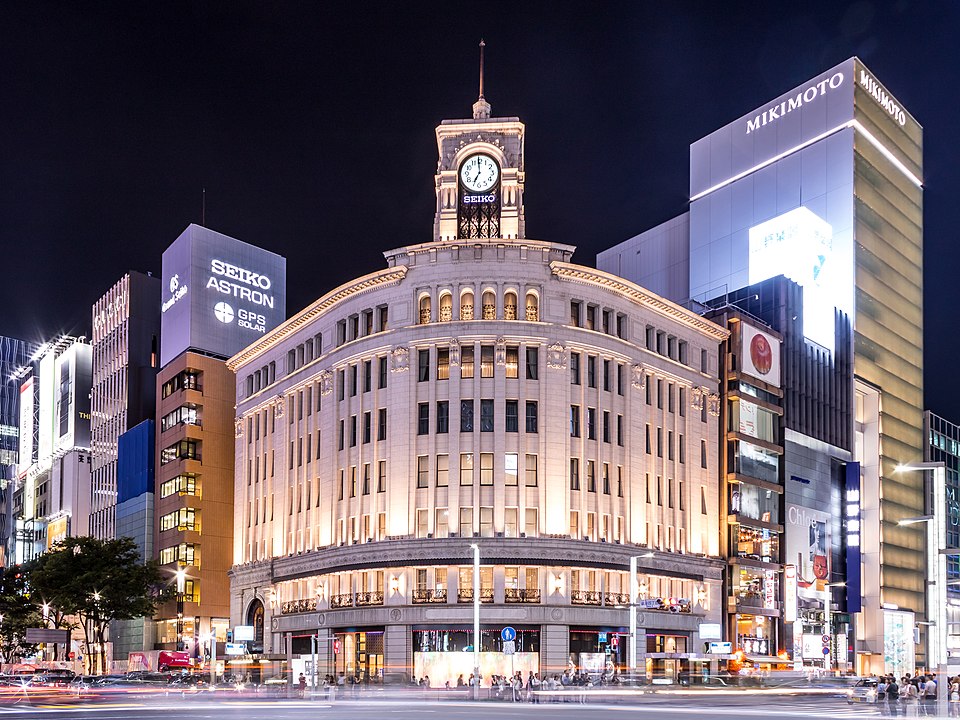
Tokyo's most upscale shopping district — broad avenues lined with historic department stores and brand flagships. Highlights include Ginza Six, a premium mall; the 12-floor Uniqlo Ginza flagship; and Muji Ginza, the world's largest Muji at 10 floors (with a hotel inside). On weekend afternoons the main avenue closes to traffic and becomes a pedestrian paradise — shopping right down the middle of the street.

🛍️Best for: Luxury brands · Uniqlo/Muji flagships · premium malls · upscale gifts · high-end depachika
Hours: Uniqlo & Muji 11:00–21:00 · Pedestrian Paradise (Hokousha Tengoku) weekend afternoons
🚆Getting there: Ginza Station (Metro Ginza/Marunouchi/Hibiya) opens right into the district
💡Tip: Come on a weekend afternoon for the car-free avenue · the upper floors of Muji Ginza carry the fullest range in the entire chain
Tokyo City Guide →
🎀🎀 Anime for Her6
Ikebukuro
Ikebukuro · Tokyo

A northern shopping hub as lively as Shinjuku, and the anime centre with the strongest female following. The highlight is Sunshine City, a huge complex with a Pokémon Center, Ghibli and One Piece stores, plus Otome Road — the street with the highest concentration of K-Books and women-oriented anime goods in Tokyo. There's a flagship Animate and plenty of second-hand stores too.

🛍️Best for: Women-oriented anime/manga · Pokémon/Ghibli/One Piece · collector second-hand · fashion
Hours: Sunshine City ~10:00–20:00 · most Otome Road anime shops ~11:00–20:00
🚆Getting there: Ikebukuro Station (JR Yamanote) — take the East Exit for Sunshine City
💡Tip: Otome Road is heaven for female anime fans · this Pokémon Center is especially well stocked
Tokyo City Guide →
Akihabara Electric Town in Tokyo — electronics and anime shopping 🎮 Electronics & Anime7
Akihabara
Akihabara · Tokyo

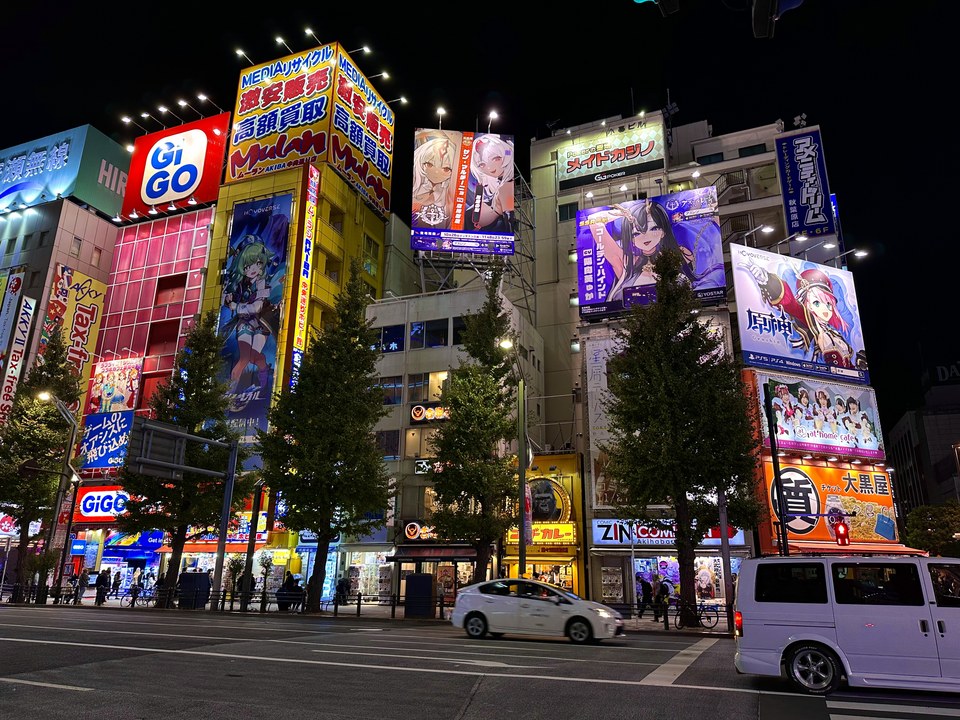
Tokyo's "Electric Town," famous for both electronics and otaku culture. By the station stands the nine-floor Yodobashi Akiba electronics giant, while the side streets brim with figure, manga, and retro-game shops — Animate, Kotobukiya, Super Potato for vintage games, and Mandarake for collector second-hand. If you're into cameras, computers, or anime, you'll empty your wallet here.

🛍️Best for: Electronics/cameras/PCs · figures/anime · retro games · PC parts · trading cards
Hours: Yodobashi Akiba 9:30–22:00 · most anime shops ~10:00/11:00–20:00
🚆Getting there: Akihabara Station (JR Yamanote/Sobu) — take the Electric Town Exit
💡Tip: Compare electronics prices before buying · Yodobashi has its own tax-free counter · find rare retro games at Super Potato
Tokyo Attractions →
A lively Japanese market street, similar in atmosphere to Ameyoko in Ueno, Tokyo 🏮 Bargain Market8
Ameyoko / Ueno
Ameyoko · Tokyo

An open-air market running 500 metres alongside the train tracks between Ueno and Okachimachi stations — about 400 shops packed in selling clothes, bags, cosmetics, sweets, fresh seafood, dried goods, and cheap medicines. It's the one part of Tokyo where you can still haggle and feel the buzz of a genuine market — a world away from the polished department stores. It's especially packed around year-end.

🛍️Best for: Cheap clothes/bags · cosmetics · sweets/dried goods · street food · discount medicines
Hours: ~10:00–20:00 (varies by shop) · many shops close some Wednesdays
🚆Getting there: Ueno or Okachimachi Station (JR Yamanote) — the market runs between the two
💡Tip: Weekdays after 11 am are quieter · compare prices across stalls before buying · small shops are mostly cash-only
Tokyo Attractions →
🦸🦸 Collector Heaven9
Nakano Broadway
Nakano Broadway · Tokyo

A multi-floor old mall that serious collectors consider "the real Akihabara" — home to over 30 Mandarake stores spread across floors 2 to 4, selling rare figures, vintage manga, retro games, idol goods, second-hand watches, and oddities you won't find anywhere else. Prices in many categories beat Akihabara, the crowds are thinner, and it's far easier to browse. This is where the dedicated collectors come.

🛍️Best for: Rare figures/collectibles · vintage manga · retro games · idol goods · second-hand watches
Hours: Mall ~11:00–20:00 · Mandarake shops open ~12:00 · some shops close Wednesdays
🚆Getting there: Nakano Station (JR Chuo/Sobu) — walk through the Sun Mall arcade, ~5 min
💡Tip: Check the closing day of any shop you specifically want (some close Wed) · vintage deals here often beat Akihabara prices
Tokyo City Guide →
A chic, leafy Tokyo neighbourhood near Daikanyama with calm boutique streets 🌿 Chic & Calm10
Daikanyama
Daikanyama · Tokyo

A calm boutique district often called "the Brooklyn of Tokyo" — leafy streets lined with small designer shops, well-curated vintage stores, and stylish brunch cafes. The centrepiece is Daikanyama Tsutaya Books (T-Site), one of the most beautiful bookstores in the world, alongside Log Road, a wooden walkway of cute shops. Perfect for a relaxed shopping day away from the crowds.

🛍️Best for: Designer fashion · curated vintage · books/design homeware · cafes
Hours: Most shops ~11:00–20:00 · Tsutaya T-Site open late
🚆Getting there: Daikanyama Station (Tokyu Toyoko Line) or a ~15-min walk from Shibuya
💡Tip: Pair it with nearby Nakameguro · ideal if you're tired of the packed mainstream districts
Tokyo City Guide →
🍢🍢 Real Local Street11
Jujo Ginza Shotengai
Jujo Ginza · Tokyo

Want to see the Tokyo locals actually live in? Head to Jujo Ginza — a covered shopping street running about 380 metres, open since 1933, with nearly 200 independent shops and barely a chain in sight. It sells second-hand clothes for a few hundred yen, fried foods on sticks, snacks, and household goods, all wrapped in a warm community feel. It's not a tourist hotspot — it's the real Tokyo, with great quality at low prices.

🛍️Best for: Cheap second-hand clothes · skewered street food · local snacks · household goods
Hours: ~10:00–19:00 (varies by shop) · liveliest for food in the evening
🚆Getting there: Jujo Station (JR Saikyo Line) — ~15 min from Shinjuku with no transfers
💡Tip: Bring cash — most shops don't take cards · grab a skewer and eat standing at the counter like the locals do
Tokyo City Guide →
Map

All 11 Shopping Districtson One Map

See how the districts are spread across the city so you can cluster them by zone and cut down on train time.

Shopper's Tips

6 Things That Make Tokyo ShoppingSmoother and Better Value

🛂
Always Carry Your Passport
Tax-free requires your physical passport every time — a photo won't do. You need to spend ¥5,000 per store per day to qualify.
💳
Carry Both Cash and Card
Big stores and Don Quijote take cards easily, but Ameyoko, Nakano, and local shotengai are often cash-only.
🗺️
Shop by Zone
Shibuya + Harajuku + Omotesando are walkable together · Akihabara + Ameyoko + Ueno share one JR line. Big time saver.
🌅
Go Weekday Mornings
10:00–12:00 is quietest — easy browsing and no queues to try things on. Weekend afternoons get packed in popular areas.
🧳
Leave Suitcase Space
Gifts, cosmetics, and snacks are light but bulky. Pack a larger bag, or just buy an extra one at Don Quijote.
📶
Get an eSIM Before You Fly
You'll want data for Google Maps, checking opening hours, and translating Japanese signs as you shop.
Related Guides

Plan Your Whole Tokyo Trip — Where to Stay, See & Eat

🏨

Hotels Near Shinjuku Station

Stay in the most complete shopping district, connected to every train line — our reviews of the best hotels around Shinjuku Station.

See Shinjuku Hotels →
🗼

Top 10 Tokyo Attractions

Shibuya Crossing · Senso-ji · Skytree · Akihabara · Harajuku and the other must-see spots across the metropolis.

Tokyo Attractions →
🍜

Tokyo Food Guide

Ramen, sushi, street food, and the best places to eat across Tokyo — what to order, where, and how much it costs.

Tokyo Food Guide →
🏙️

Full Tokyo City Guide

A complete overview of Tokyo across every tab — where to stay, eat, what to see, itineraries, and trip prep.

Open Tokyo Guide →
🇯🇵

Full Japan Travel Guide

Every region, visa info, budgets, IC cards, the JR Pass, and itineraries for planning your Japan trip.

Japan Guide →
ℹ️

Japan Travel Essentials

Visa · eSIM · IC cards · JR Pass · yen · power plugs · etiquette — everything to sort before you fly.

Travel Essentials →
Frequently Asked Questions

FAQ —Tokyo Shopping

How is Japan's tax-free shopping changing in 2026?
Until 31 October 2026, the existing system applies — spend ¥5,000 or more per store per day, show your passport at the tax-free counter, and the 10% consumption tax is deducted at the point of sale. From 1 November 2026, Japan switches to a "refund" system: you pay the full tax-inclusive price up front, then claim the refund at the airport on departure. The upside is that the old rules separating consumables from general goods (and the sealed-bag requirement) are abolished, making it easier to reach the ¥5,000 threshold. Always check the latest procedure on official sources before you travel.
Which Tokyo district is best for shopping?
If you only have time for one area, choose Shinjuku — department store (Isetan), youth fashion (Lumine), a 24-hour Don Quijote, and electronics (Bic Camera) all within walking distance. For luxury and premium goods, head to Ginza; for youth fashion and cute snacks, go to Harajuku; for anime and figures, pick Akihabara or Nakano Broadway; and for cheap market bargains, visit Ameyoko in Ueno.
What time does Don Quijote open and what should I buy there?
Many large branches are open 24 hours, including Don Quijote Shinjuku Kabukicho. Popular buys include unusual KitKat flavours, everyday medicines (painkillers, eye drops, Salonpas patches), cosmetics, snacks, and quirky novelty goods. There's a tax-free counter inside, and late evening is a great time to go because it's far less crowded than during the day.
What are the best souvenirs to buy in Tokyo?
Special-edition KitKats (matcha/sake/strawberry), Tokyo Banana, Royce' chocolate, matcha green tea, Japanese cosmetics (Shiseido, Canmake, Hada Labo), cute stationery, 100-yen store finds (Daiso, Seria), Uniqlo/GU clothing, and over-the-counter medicines. The depachika (department store basement food halls) are the best place for beautifully packaged edible gifts.
What's the best day and time to shop to avoid crowds?
Weekday mornings from 10:00 to 12:00 are the least crowded — easy to browse and try things on without queues. Weekend afternoons get extremely busy in popular districts like Takeshita Street, Shibuya, and Ameyoko, where walking slows to a crawl. Most shops open between 10:00 and 11:00 and close at 20:00 to 21:00. Come on a weekday morning if you're serious about shopping, or a weekend evening for the buzz.
Should I use cash or card when shopping in Tokyo?
Department stores, brand boutiques, and Don Quijote accept credit cards (Visa/Mastercard) and e-wallets without issue. However, older markets like Ameyoko, small shops inside Nakano Broadway, and local shotengai such as Jujo Ginza are often cash-only. Carry some yen as a backup, and keep an IC card (Suica/PASMO) handy for trains and convenience stores.
Ready to Go?

Pick the Right Base
and Start Planning Your Tokyo Shopping Trip

Staying near the districts you want to shop saves a huge amount of time and energy — open the full Tokyo city guide, or browse hotel reviews around Shinjuku Station, where every train line connects.

🔴 Search Tokyo Hotels Tokyo Guide