Home Destinations 🇯🇵 Japan Tokyo Guide Tokyo Attractions Tokyo Food Guide ☕ Tokyo Cafes About 🇹🇭 ไทย🇬🇧 English🇨🇳 中文🇪🇸 Español🇫🇷 Français
Cafe Guide · Updated 2026

The Best Tokyo Cafes
From Real Matcha to Third-Wave Coffee

Tokyo may be the most serious coffee city on earth — deep Uji matcha served in luxury department stores, light-roast hand-pours in single-room espresso bars, and Showa-era kissaten that have stopped time since 1948. We've handpicked 10 unmissable cafes and the 3 best cafe-hopping neighbourhoods, with signature drinks, prices, and the best times to go.

Quick Overview

One City,Every Kind of Cafe

Ever wonder why people call Tokyo "the coffee capital of the world"? Picture it — an early-morning single-origin hand-pour in a shop the size of a single room in Omotesando, a mid-morning multi-layered Uji matcha parfait inside a luxury department store in Ginza, an afternoon stroll along the cherry-blossom canal in Nakameguro, and an evening drip coffee with caramel pudding in an old kissaten in Yanaka — all in the same city, all within 20 minutes of each other by train. We've handpicked 10 cafes that coffee and matcha lovers keep coming back to, each with its location, signature drinks, and tips on the best time to visit.

🍵
Real Uji Matcha
Heritage tea houses from Uji, Kyoto — some over 150 years old — with their only Tokyo outposts.
Third-Wave Specialty
Single-origin light roasts, hand-pours, and championship-level baristas right across the city.
🪑
Retro Kissaten
Showa-era coffee houses frozen in time — melon cream soda, pudding, dim cosy lighting.
🚉
3 Cafe Districts
Kiyosumi · Nakameguro · Shimokitazawa — three of the best areas in Japan for cafe-hopping.
10 Cafes To Try

Tokyo CafesWorth Going Out of Your Way For

Curated across the spectrum — real matcha, specialty coffee, and legendary kissaten. Each listing includes the location, nearest station, signature drinks, prices, and tips on the best time to go. (Prices accurate as of 2026 — check the official site for the latest before you visit.)
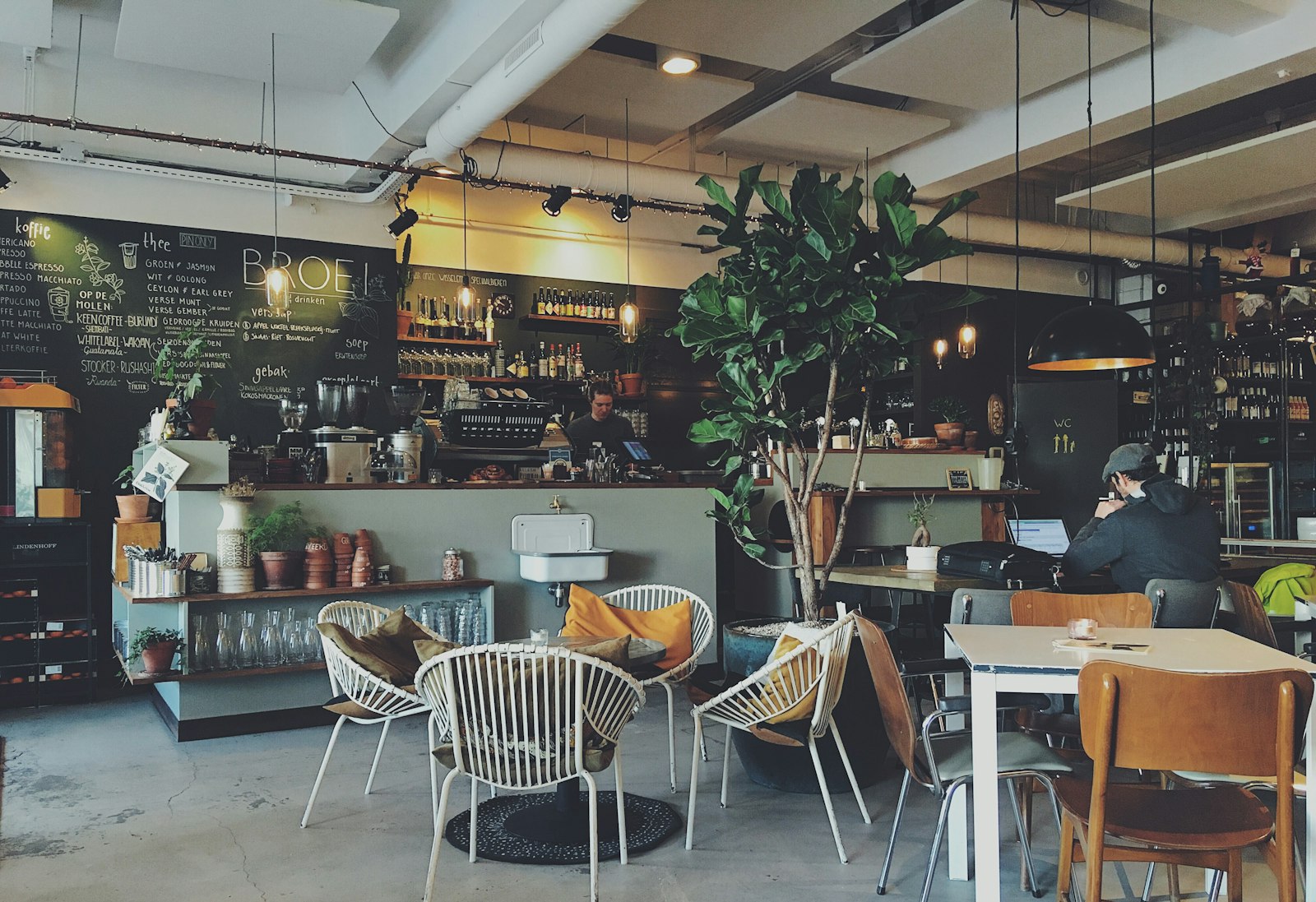
A specialty coffee bar with hand-pour brewing, evoking the style of Koffee Mameya (atmosphere image) ☕ Specialty1
Koffee Mameya
Koffee Mameya · Omotesando

A coffee shop the size of a single room that has become a pilgrimage for coffee lovers worldwide. The interior feels more like a bean counter than a cafe, with 20–30 coffees from local and international roasters rotating daily. The baristas guide you to the right beans and brew method for your taste. There's no seating — it's takeaway or stand-and-sip. Its newer sibling, Koffee Mameya Kakeru in Kiyosumi-Shirakawa, made The World's 100 Best Coffee Shops list for 2026.

📍Location: Jingumae, Shibuya — a quiet lane in the Omotesando area
Signature: Single-origin hand-pour · beans to take home · (Kakeru: coffee omakase course from ¥5,000, reservation required)
🚆Getting there: Omotesando Station (Ginza/Hanzomon/Chiyoda Line), a few minutes' walk
💡Tip: The shop is tiny with no seating — go at opening for fewer people. Tell the barista whether you like bright and fruity or rich and sweet, and they'll match the beans to you.
Tokyo City Guide →
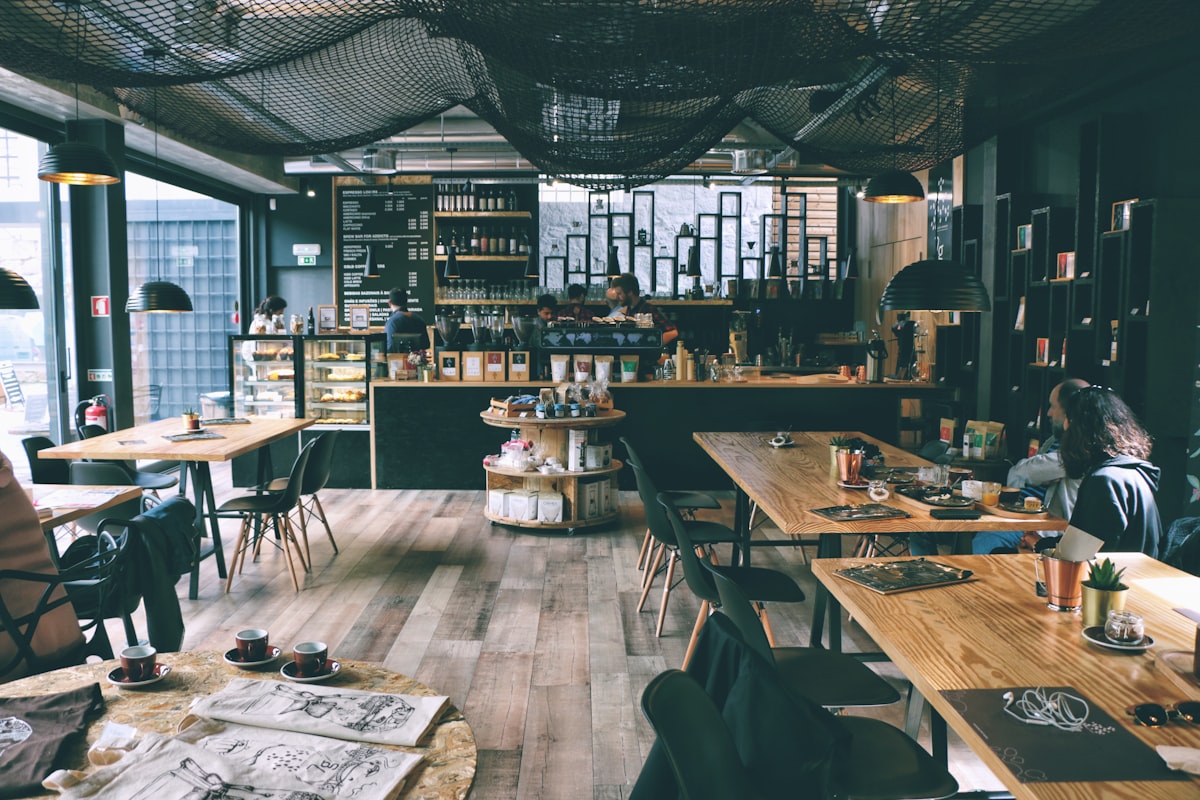
A spacious warehouse-style roastery cafe, evoking Blue Bottle Kiyosumi-Shirakawa (atmosphere image) 🏭 Roastery2
Blue Bottle Roastery Kiyosumi
Blue Bottle Roastery & Cafe · Kiyosumi-Shirakawa

Blue Bottle's first Japan location, opened in 2015 — the cafe that put Kiyosumi-Shirakawa on the map as Tokyo's "coffee town." It's a high-ceilinged converted warehouse where you can watch the roaster at work, with hand-drip, espresso, syphon, and pour-over all on the menu. After a 2019 renovation it gained around 47 seats and full table service, where dine-in guests are served at their table.

📍Location: Hirano, Koto — Kiyosumi-Shirakawa
Menu/Hours: Latte around ¥657 · open ~8:00–19:00 · coffee drinks around ¥700
🚆Getting there: Kiyosumi-Shirakawa Station (Oedo/Hanzomon Line), a few minutes' walk
💡Tip: Pair it with a full cafe crawl of the area — the Arise Coffee roastery is just 5 minutes from the station, and the lovely Kiyosumi Garden is close by.
Tokyo City Guide →
A minimalist specialty coffee interior, evoking Onibus Coffee in Nakameguro (atmosphere image) 🌿 Nordic Style3
Onibus Coffee
Onibus Coffee · Nakameguro

A specialty cafe that coffee lovers rank among Nakameguro's best, founded by Atsushi Sakao with the idea of a place where people connect. Onibus roasts in a light, Nordic-inspired style that brings out the clean, bright flavours of the beans, paired with the precision typical of Japanese coffee culture. The cafe sits in a small wooden house with an upstairs balcony where you can watch the trains roll past — a classic image of the neighbourhood.

📍Location: Kamimeguro, Meguro — near Nakameguro Station
Signature: Light-roast hand-pour · latte · house-roasted beans to take home
🚆Getting there: Nakameguro Station (Hibiya Line / Tokyu Toyoko Line), short walk
💡Tip: Seating is limited and it's busy in the evenings and on weekends. Go mid-morning on a weekday, then stroll the Meguro River and seek out the area's other cafes.
Tokyo City Guide →
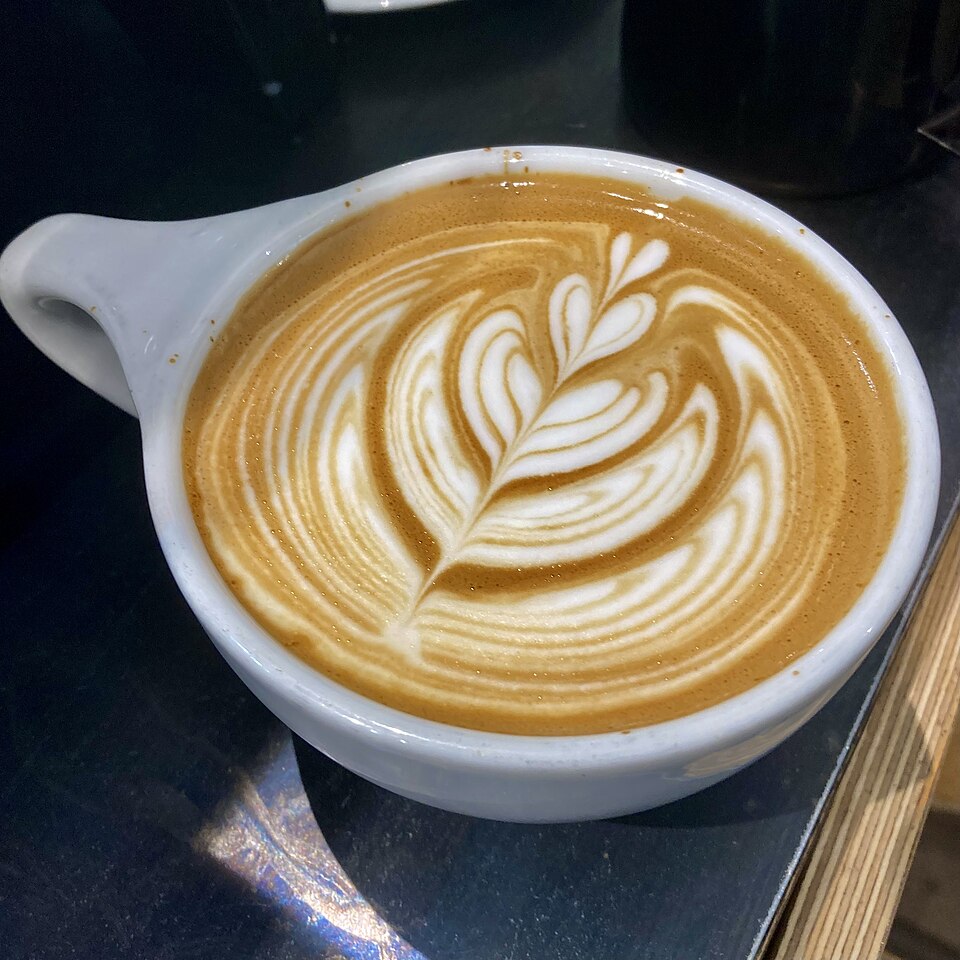
A cup of latte art representing the craft espresso of Bear Pond Espresso (atmosphere image) 🐻 Cult Espresso4
Bear Pond Espresso
Bear Pond Espresso · Shimokitazawa

The legendary espresso bar of Shimokitazawa — the kind of place coffee lovers travel across the city for. Founded in 2009 by Katsu Tanaka, who honed his craft in New York, it's celebrated for meticulously made espresso drinks. The famed "Angel Stain" espresso is served only until around 1 pm, with a maximum of about ten per day. The shop has its own firm rules — a strict no-photo policy, and an expectation that you drink up and leave.

📍Location: Kitazawa, Setagaya — Shimokitazawa
Hours: Mon, Wed–Sun ~10:30–13:30 · closed Tuesdays · espresso until around 1 pm
🚆Getting there: Shimokitazawa Station (Odakyu / Keio Inokashira Line), short walk
💡Tip: Respect the rules — no photos, keep it quiet, drink up and free the seat. Hours are short and can change, so check the shop's page before you go.
Tokyo City Guide →
A daytime cafe with Scandinavian styling, evoking Fuglen Tokyo (atmosphere image) 🇳🇴 Day-to-Night5
Fuglen Tokyo
Fuglen Tokyo · Tomigaya

An Oslo institution that chose Tomigaya — a quiet neighbourhood near Yoyogi Park — for its first location outside Norway. By day it's a Nordic light-roast specialty cafe; after dark it transforms into a cocktail bar. The vintage 1950s–60s Scandinavian furniture filling the room is all genuine, and much of it is even for sale, giving the place the warm feel of sitting in a friend's living room.

📍Location: Tomigaya, Shibuya — near Yoyogi Park
Signature: Nordic hand-pour by day · coffee by day, cocktails by night
🚆Getting there: Yoyogi-Koen Station (Chiyoda Line) or Yoyogi-Hachiman, short walk
💡Tip: Come in the morning for coffee and circle back in the evening for a cocktail to catch both moods in one cafe. The vintage chairs and lamps carry real price tags.
Tokyo City Guide →
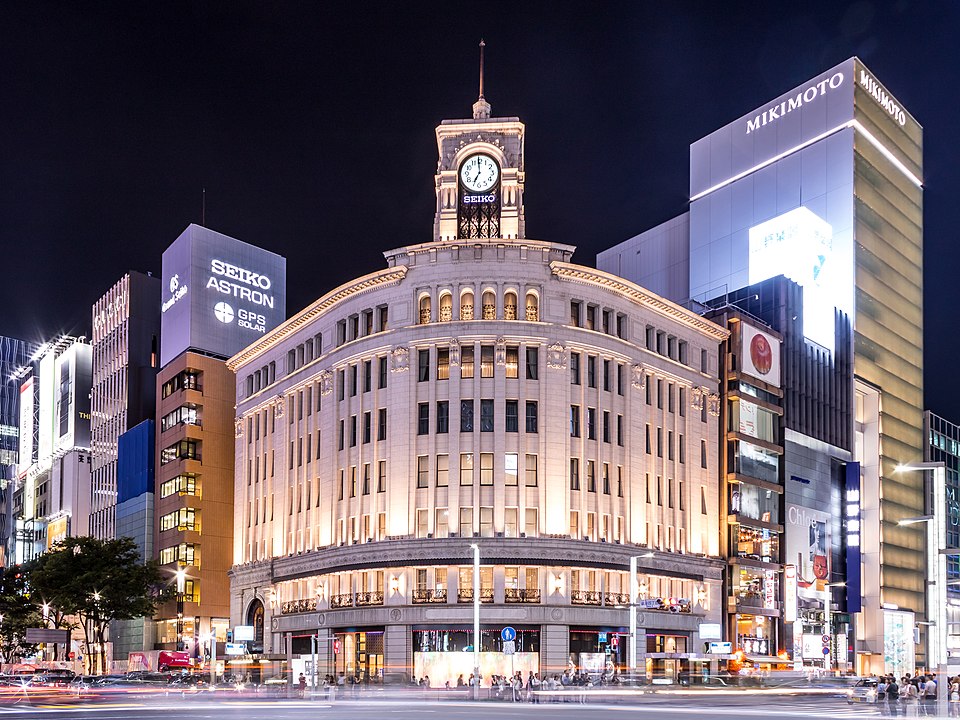
A Ginza department store building, home to Nakamura Tokichi at Ginza Six 🍵 Matcha Parfait6
Nakamura Tokichi
Nakamura Tokichi · Ginza Six

A heritage green-tea house from Uji, Kyoto, founded in 1854, with its only Tokyo outpost inside the Ginza Six department store. Complimentary tea is served on arrival, and the showstopper is a multi-layered parfait built around matcha and hojicha in alternating preparations of jelly, soft-serve, mochi, and azuki — widely regarded as a benchmark of the genre citywide.

📍Location: Ginza Six department store · Ginza
Menu/Price: Fresh green-tea jelly ~¥1,980 (set with a drink ~¥3,460) · store-exclusive matcha parfait ~¥2,980
🚆Getting there: Ginza Station (Ginza/Hibiya/Marunouchi Line), short walk
💡Tip: Weekend queues are long — go on a weekday or right when the store opens. The parfaits are large enough to share. Prices shift seasonally, so check the official site for the latest.
Tokyo Food Guide →
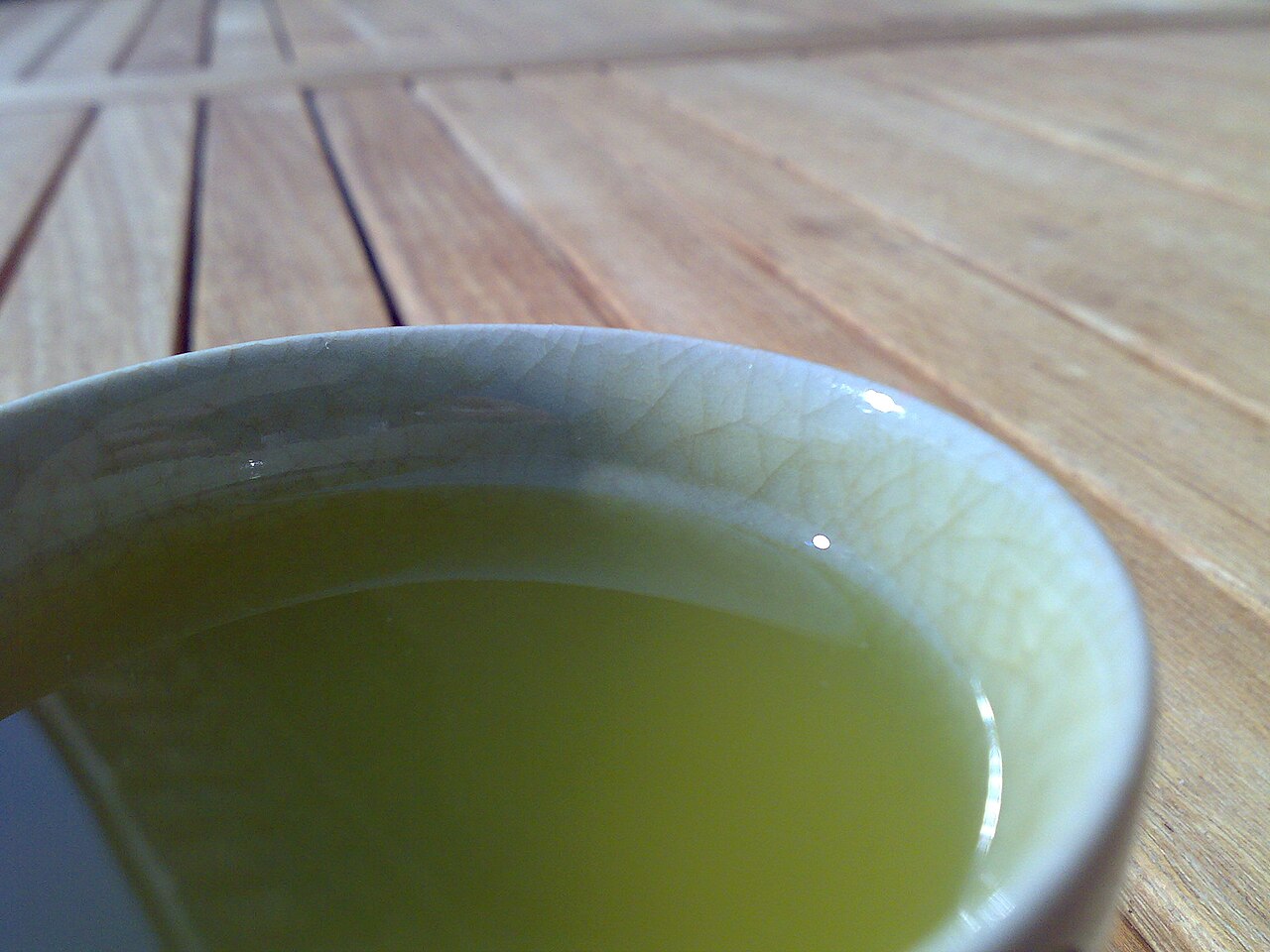
A cup of Japanese green tea, representing the matcha cafe Saryo Tsujiri at Tokyo Station (atmosphere image) 🍵 Uji Green Tea7
Saryo Tsujiri
Saryo Tsujiri · Tokyo Station

A specialty green-tea cafe inside the Daimaru department store attached to Tokyo Station, established in 1978 with roots tracing back to Uji. The elegant, Kyoto-inspired setting is a calm escape from the station's bustle — a place to sit with genuine matcha. The menu spans matcha lattes, parfaits, and the much-loved matcha kakigori (shaved ice).

📍Location: Daimaru Tokyo department store · Yaesu side of Tokyo Station
Menu/Price: Matcha kakigori ~¥1,350 · extra matcha milk ~¥1,100 · matcha latte/parfaits
🚆Getting there: Tokyo Station (multiple JR lines / Marunouchi Line) — inside the store
💡Tip: Ideal to stop before or after a Shinkansen ride since it's right in the station. Weekend afternoons get busy. Prices shift seasonally — check the official site for the latest.
Tokyo Food Guide →
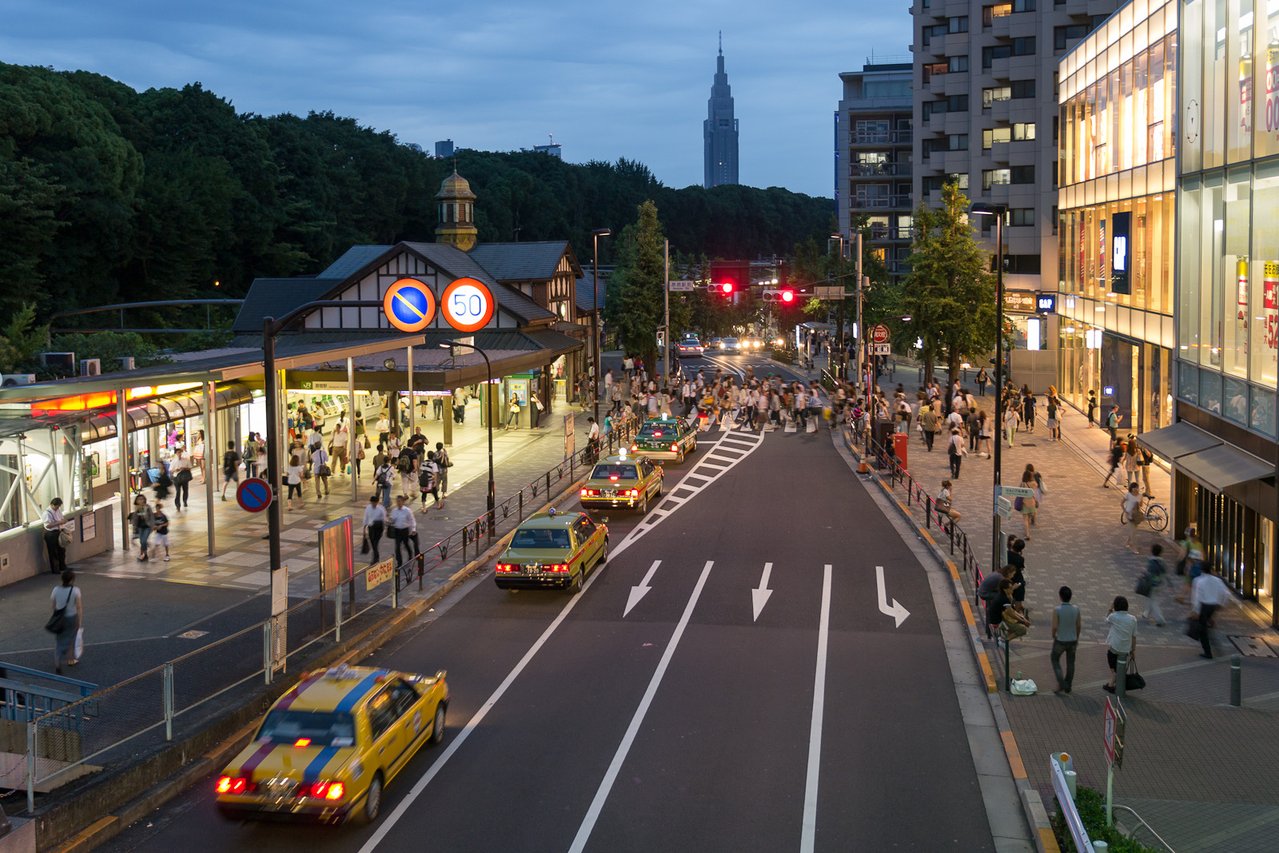
The Harajuku area, home to the modern matcha cafe THE MATCHA TOKYO 🍵 Modern Matcha8
THE MATCHA TOKYO
THE MATCHA TOKYO · Harajuku

A modern, organic-focused matcha brand that's caught on with a younger, photo-loving crowd. The revamped Harajuku branch opened in November 2025, split between a cafe space and a traditional tea room, using freshly whisked organic tea leaves. The signature matcha latte is more wallet-friendly than the department-store parfaits, making it an easy stop while shopping the Harajuku-Omotesando area.

📍Location: Harajuku — near Omotesando / Takeshita Street
Menu/Price: Matcha latte from ~¥850 · freshly whisked organic matcha · matcha powder to take home
🚆Getting there: Meiji-Jingumae or Harajuku Station (JR Yamanote), short walk
💡Tip: Order it strong if you love a proper matcha hit. Combine it with a walk to Meiji Shrine and along Omotesando in a single trip.
Tokyo Attractions →
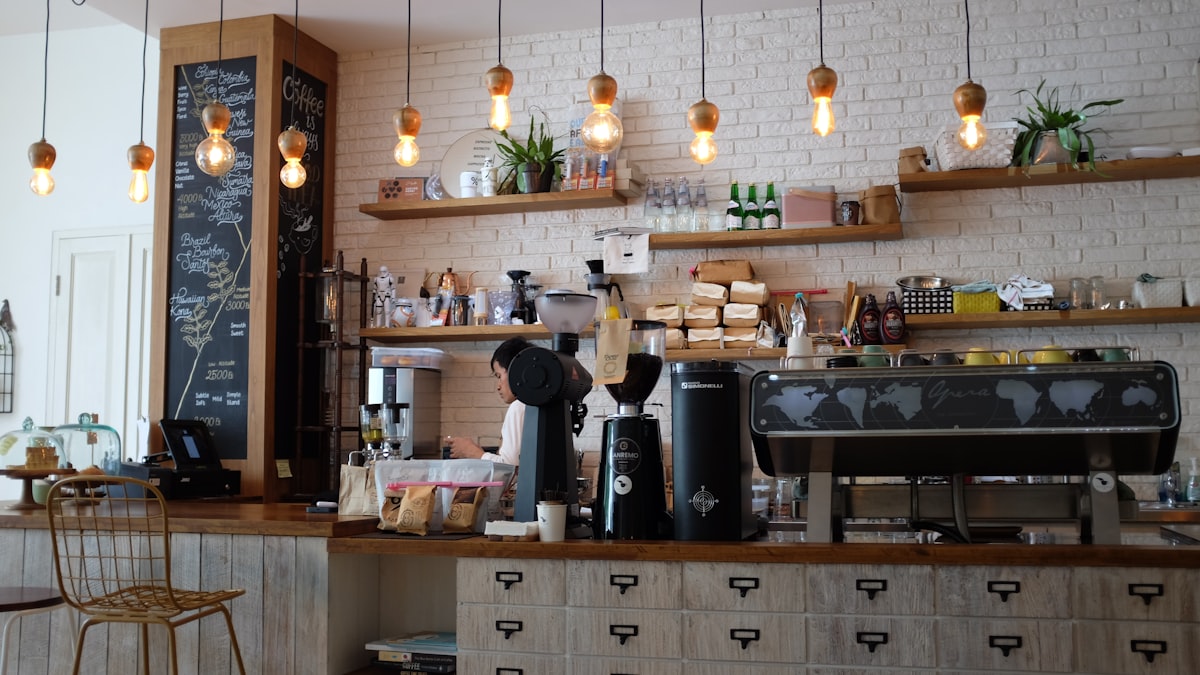
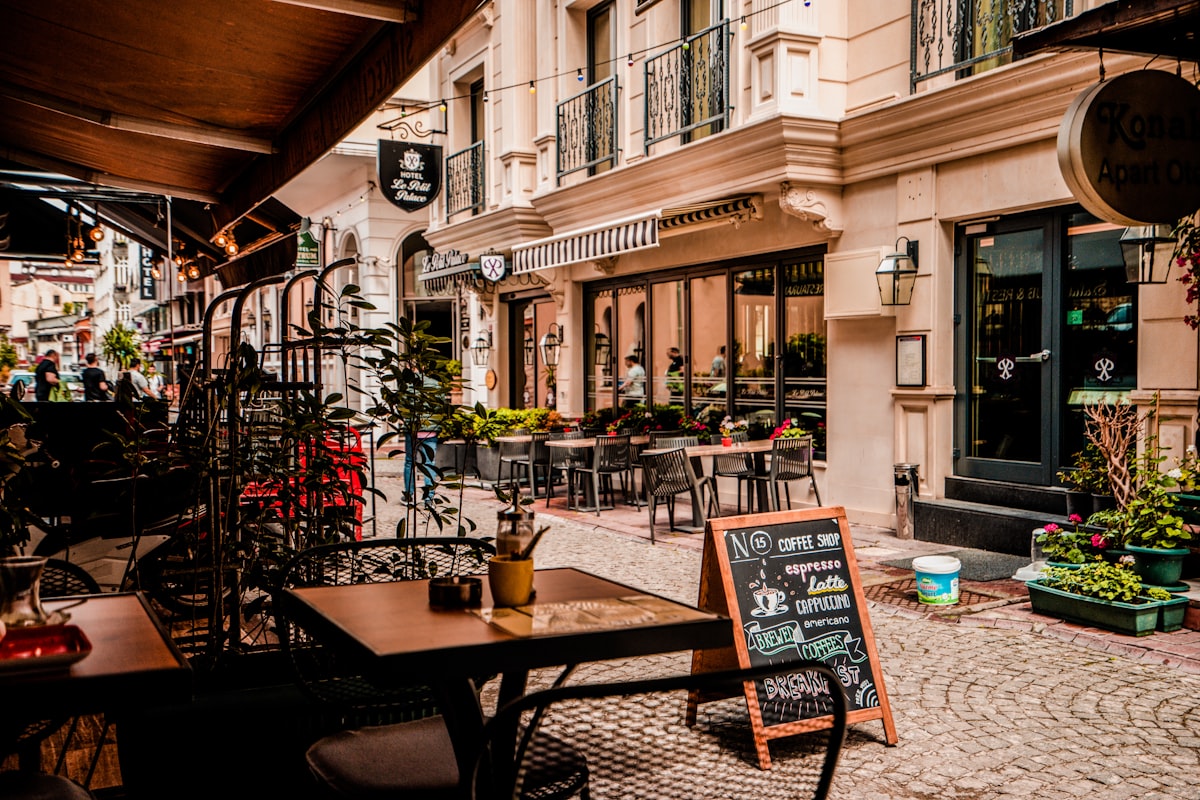
A street-side drip-coffee cafe, evoking the kissaten Cafe de l'Ambre in Ginza (atmosphere image) 🪑 Kissaten 19489
Café de l'Ambre
Café de l'Ambre · Ginza

A legendary kissaten in the heart of Ginza that has been serving coffee since 1948. The sign out front says it plainly: "Coffee Only" — nothing else on the menu to distract you. Inside, the vintage 1960s interior feels both elegant and cosy, with some brewing equipment older than the renovations around it. This is the template of kissaten culture, long predating the third-wave boom.

📍Location: Ginza — a small lane in the heart of the district
Signature: Drip coffee from aged beans · its own house-style iced coffee
🚆Getting there: Ginza Station (Ginza/Hibiya/Marunouchi Line), short walk
💡Tip: Order a traditional hot coffee and watch the veteran baristas at work. Many kissaten are cash-only, so carry some cash.
Tokyo Food Guide →
A cafe inside an old wooden house, evoking the kissaten Kayaba Coffee in Yanaka (atmosphere image) 🍮 Kissaten 193810
Kayaba Coffee
Kayaba Coffee · Yanaka

A kissaten set in an old wooden house in Yanaka that has been part of the neighbourhood for over a century, founded in 1938. The charming building on Kototoi-dori is so unassuming that passers-by would never guess it's a cafe. Inside, the time-honoured kissaten tradition blends gracefully with a newer craft-coffee ethos. Favourites include the tamago sando (egg sandwich), melon cream soda, and Showa-style pudding — all delicious and beautifully photogenic, and a perfect pause while wandering old-town Yanaka.

📍Location: Yanaka, Taito — on Kototoi-dori in the old town
Signature: Tamago sando · melon cream soda · caramel pudding · drip coffee
🚆Getting there: Nezu Station (Chiyoda Line) or Nippori (JR Yamanote), ~10-min walk
💡Tip: Weekend queues are long — go at opening on a weekday, then explore Yanaka Ginza and Yanaka Cemetery the same day.
Tokyo Attractions →
3 Cafe Neighbourhoods

Cafe-Hoppingthe Tokyo Way

If you have half a day, pick one neighbourhood and walk it cafe by cafe — these three are where Tokyoites themselves go to linger over coffee.

A warehouse-style cafe in Kiyosumi-Shirakawa, Tokyo's coffee town (atmosphere image) ☕ Coffee Town
Kiyosumi-Shirakawa

Tokyo's coffee capital — old warehouses on the city's east side have become roasteries and specialty cafes side by side, from Blue Bottle's first Japan location to Arise Coffee and Koffee Mameya Kakeru. The lovely Kiyosumi Garden is right there too. Easy to reach on the Oedo/Hanzomon Line.

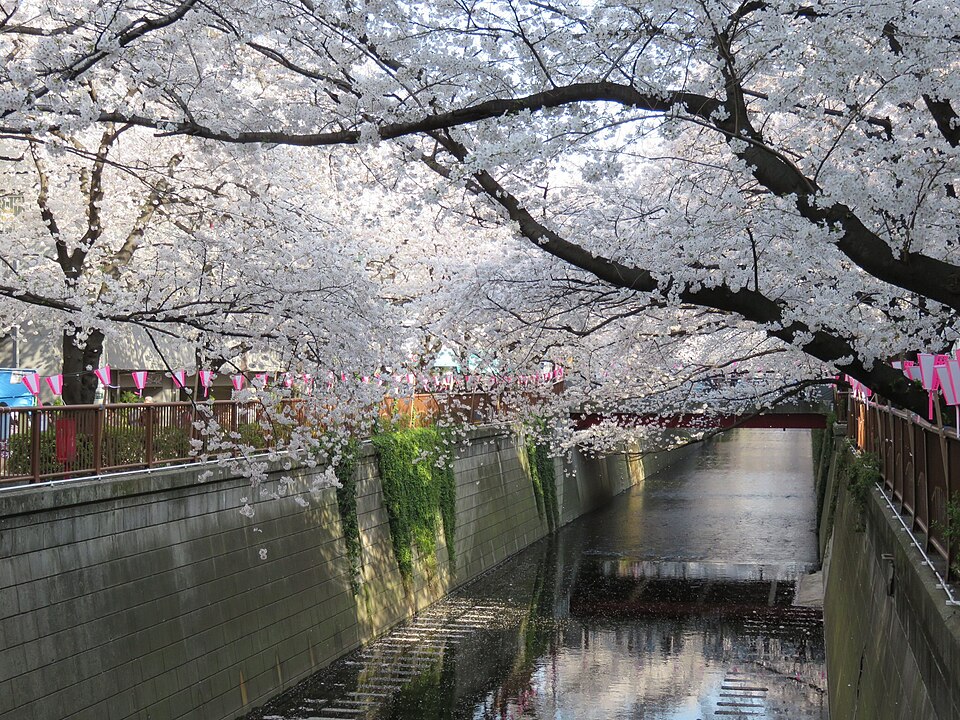
The Meguro River in Nakameguro during cherry-blossom season, the heart of the design cafe district 🌸 Riverside Sakura
Nakameguro & Daikanyama

Design-led canal cafes — the Meguro River bursts with cherry trees in spring, lined with cafes like Onibus Coffee and the book-cafes of neighbouring Daikanyama. The vibe is chic and understated, perfect for a slow afternoon. Take the Hibiya Line or Tokyu Toyoko Line.

A small independent cafe in the vintage, bohemian neighbourhood of Shimokitazawa (atmosphere image) 🎸 Vintage Bohemian
Shimokitazawa

The indie, vintage district — narrow lanes packed with second-hand clothing shops, used bookstores, tiny theatres, and independent cafes around every corner, including the cult Bear Pond Espresso. The creative, bohemian energy is one of a kind, and it's just ~7 minutes from Shinjuku on the Odakyu Line.

Map

Every Cafe & Districton One Map

See how the cafes and neighbourhoods are spread across the city, so you can cluster nearby spots into a single day.

Cafe-Hopping Tips

6 Things That Make Your Cafe DaySmoother and More Fun

🕘
Go Early or Late Afternoon
From opening until 11 am, and again after 3 pm, are the quietest and most pleasant windows. Avoid the midday-to-early-afternoon weekend rush.
💴
Always Carry Cash
Many kissaten and small independent cafes are cash-only, while chains and department-store outlets take cards and IC cards.
📵
Respect House Rules
Some shops like Bear Pond ban photos and ask you to drink up and leave. Small cafes discourage long laptop sessions during peak hours.
🍵
Matcha = Expect Queues
Nakamura Tokichi and Saryo Tsujiri draw long weekend lines — go on a weekday or right when the department store opens.
📶
Get an eSIM Before You Fly
Mobile data helps you find back-lane cafes on Google Maps, check live opening hours, and read reviews on the go.
🗺️
Cluster by Neighbourhood
Pick one area per half-day — Kiyosumi in the morning, then over to Nakameguro in the afternoon — to cut down on train time.
Related Guides

Plan the Whole Trip — Food, Sights, and Where to Stay

🍜

Tokyo Food Guide

Ramen, sushi, tempura, yakitori, monjayaki, and Tsukiji street food — the complete Tokyo food guide.

Tokyo Food →
🗼

Top 10 Tokyo Attractions

Shibuya Crossing · Senso-ji · Shinjuku · Harajuku · Skytree and more unmissable sights in the metropolis.

Tokyo Attractions →
🏙️

Full Tokyo City Guide

The complete overview of Tokyo — where to stay, eat, what to see, itineraries, and how to get around.

Open Tokyo Guide →
🇯🇵

Full Japan Travel Guide

Every region and city, plus visa, budget, IC cards, the JR Pass, and itineraries for first-time visitors.

Japan Guide →
🚉

Getting Into Tokyo from the Airport

Narita / Haneda to the city — the Skyliner, N'EX, trains, and the cheaper options compared.

Airport Access →
ℹ️

Japan Travel Essentials

Visa · eSIM · IC cards · JR Pass · yen · plugs · etiquette — everything to sort before you fly.

Travel Essentials →
Frequently Asked Questions

FAQ —Tokyo Cafes

What time do Tokyo cafes open, and when is the best time to go?
Most specialty coffee shops open between 8:00 and 9:00 am and close around 6:00–7:00 pm. The quietest, most pleasant windows are from opening until about 11 am, and again after 3 pm. Matcha cafes inside department stores (such as Nakamura Tokichi and Saryo Tsujiri) draw very long queues on weekends — go on a weekday or right when the store opens. Bear Pond Espresso in Shimokitazawa serves espresso only from morning until around 1 pm and is closed on Tuesdays. Always check the cafe's latest hours online before you go.
How much does a matcha latte cost in Tokyo?
A matcha latte at a regular cafe runs about ¥600–900. At modern matcha brands like THE MATCHA TOKYO, the matcha latte starts around ¥850. The multi-layered matcha parfaits at heritage Uji tea houses such as Nakamura Tokichi at Ginza Six cost roughly ¥2,000–3,500 each (they're large, elaborate desserts). Saryo Tsujiri's matcha kakigori (shaved ice) is around ¥1,350. All prices are accurate as of 2026 — check the official site for the latest, as they can rise seasonally.
What's the difference between specialty coffee and a kissaten?
Specialty coffee is third-wave coffee — single-origin beans, light roasts, hand-pour brewing, and bright minimalist spaces. Famous examples include Koffee Mameya, Onibus, and Blue Bottle. A kissaten (喫茶店) is a traditional Showa-era Japanese coffee house — retro decor, dim lighting, velvet seating, and old-school drip coffee, served alongside classics like caramel pudding, melon cream soda, and Napolitan spaghetti. Legendary examples include Café de l'Ambre (opened 1948) and Kayaba Coffee (opened 1938).
Which Tokyo neighbourhood is best for cafe-hopping?
Three neighbourhoods stand out: (1) Kiyosumi-Shirakawa — Tokyo's self-proclaimed coffee town, with Blue Bottle's first Japan location, the Arise Coffee roastery, and warehouse-style cafes side by side; (2) Nakameguro/Daikanyama — design-led cafes along the cherry-tree-lined Meguro River, including Onibus Coffee and book-cafes; and (3) Shimokitazawa — a vintage, bohemian district of tiny independent cafes tucked into the lanes, including the cult Bear Pond Espresso. All three are within 15–20 minutes of each other by train.
Do Tokyo specialty cafes have seating, and can I work there?
It varies by shop. Many specialty cafes focus on takeaway or standing service — Koffee Mameya's Omotesando shop, for example, has no seating, while Blue Bottle Kiyosumi-Shirakawa has around 47 seats with full table service. Many Japanese cafes discourage settling in with a laptop for long stretches, especially during peak hours. Read the room: if it's busy, finish your drink and free up the seat. Some shops, like Bear Pond, have a strict no-photo policy and ask you to drink up and leave.
Do I need cash to pay at Tokyo cafes?
Chain cafes and large department-store outlets accept credit cards and IC cards (Suica/PASMO). However, many small independent cafes and retro kissaten are cash-only — always carry coins and small bills. You can tap Suica/PASMO to pay for drinks at convenience stores and chain cafes instantly. Get an eSIM before you fly so you can use maps to find cafes and check opening hours in real time.
Ready to Go Cafe-Hopping?

Pick Your Cafe District
and Start Planning Your Tokyo Trip

Open the full Tokyo city guide for hotels, food, and itineraries — or start searching for a place to stay in the neighbourhood with the easiest cafe access, whether that's Nakameguro, Shibuya, or near Tokyo Station.

🔴 Search Tokyo Hotels Tokyo Guide