Three subway lines meet at Odori in the city centre, a streetcar loop carries you to the foot of Mt. Moiwa, and a half-kilometre underground walkway lets you cross downtown without ever touching the snow. This city is easier to navigate than you'd expect — once you know the system and the right day pass.
Sapporo was planned on a chessboard grid, with streets crossing in clean blocks and addresses given as "North X, West Y" — which makes it one of the easiest Japanese cities for a visitor to find their way around. The heart of it all is the three-line subway that converges at Odori Station in the city centre, putting nearly every key sight within a few minutes' ride.
Good news for travellers: every station has English signage, a Suica or Pasmo from Tokyo works straight away with no new card needed, and Google Maps is fully functional (Japan doesn't block Google the way China does). The thing to prepare for: Sapporo is one of the snowiest major cities on Earth in winter — but the city built an underground walkway system specifically to handle it.
This guide covers every way to get around Sapporo — from the fast, punctual subway to the streetcar loop that reaches Mt. Moiwa, the JR trains that run out to the airport and to Otaru, and crucially, which day pass actually saves you money on your trip, plus how to stay mobile when the snow falls. A little planning, and the whole trip flows.
Your first choice for virtually every journey in town. Warm in winter, fares from ¥210, and all three lines meet at Odori.
Sapporo's subway has three lines, and the point where they all meet is Odori Station in the city centre — remember this, because you'll change lines here often. Fares are distance-based, starting at ¥210 for short hops and rising to around ¥380 for the longest journeys. The central rides visitors take most, like Sapporo Station to Odori to Susukino, mostly stay at the ¥210 level.
| Line | Route | Key stops |
|---|---|---|
| Namboku (green · N) | North ↔ south | Sapporo Station · Odori · Susukino · Nakajima-Koen |
| Tozai (orange · T) | East ↔ west | Odori · Maruyama-Koen (Hokkaido Shrine) · Shin-Sapporo |
| Toho (blue · H) | North ↔ southeast | Sapporo Station · Odori · Sapporo Dome (Fukuzumi) |
Sapporo's IC card, ¥2,000 (¥1,500 of travel value + ¥500 deposit). Tap to ride the subway, streetcar and city buses. Buy from machines in the station.
Already have a Tokyo IC card? Use it as-is. Suica, Pasmo, Kitaca and ICOCA all tap through the subway and streetcar gates — no need to buy a new card.
Buy from a machine in the station. English menus — pick your destination and it shows the fare. Takes coins and notes.
Unlimited-ride one-day passes pay off if you ride a lot that day — see the table below for which one to use on which day.
| Pass | Price (adult) | Covers / conditions |
|---|---|---|
| One-Day Subway Pass | ¥830 | Unlimited subway, any day · pays off from about 4 rides |
| Donichika Ticket | ¥520 | Unlimited subway · weekends & national holidays only · best value when it applies |
| One-Day Streetcar Pass | ¥500 | Unlimited streetcar · ideal on a Mt. Moiwa / Nakajima-Koen day |
| Dosanko Pass | ¥370 | Streetcar, one day · weekends/holidays only · one adult + one child can share |
Honest summary: if your trip lands on a weekend, grab the Donichika Ticket at ¥520 — just two or three subway rides and it's basically paid for. On a weekday with lots of riding, the ¥830 pass still earns its keep. And on a day built around Mt. Moiwa or Nakajima Park, use the separate ¥500 streetcar pass instead.
Streetcar · Mt. Moiwa
The Sapporo streetcar runs in a loop through central Chuo ward at a flat fare of ¥200 per ride, paid when you get off, no matter how far you go. Tap SAPICA or Suica. Its standout role for visitors is reaching the foot of Mt. Moiwa, home to the city's best night view.
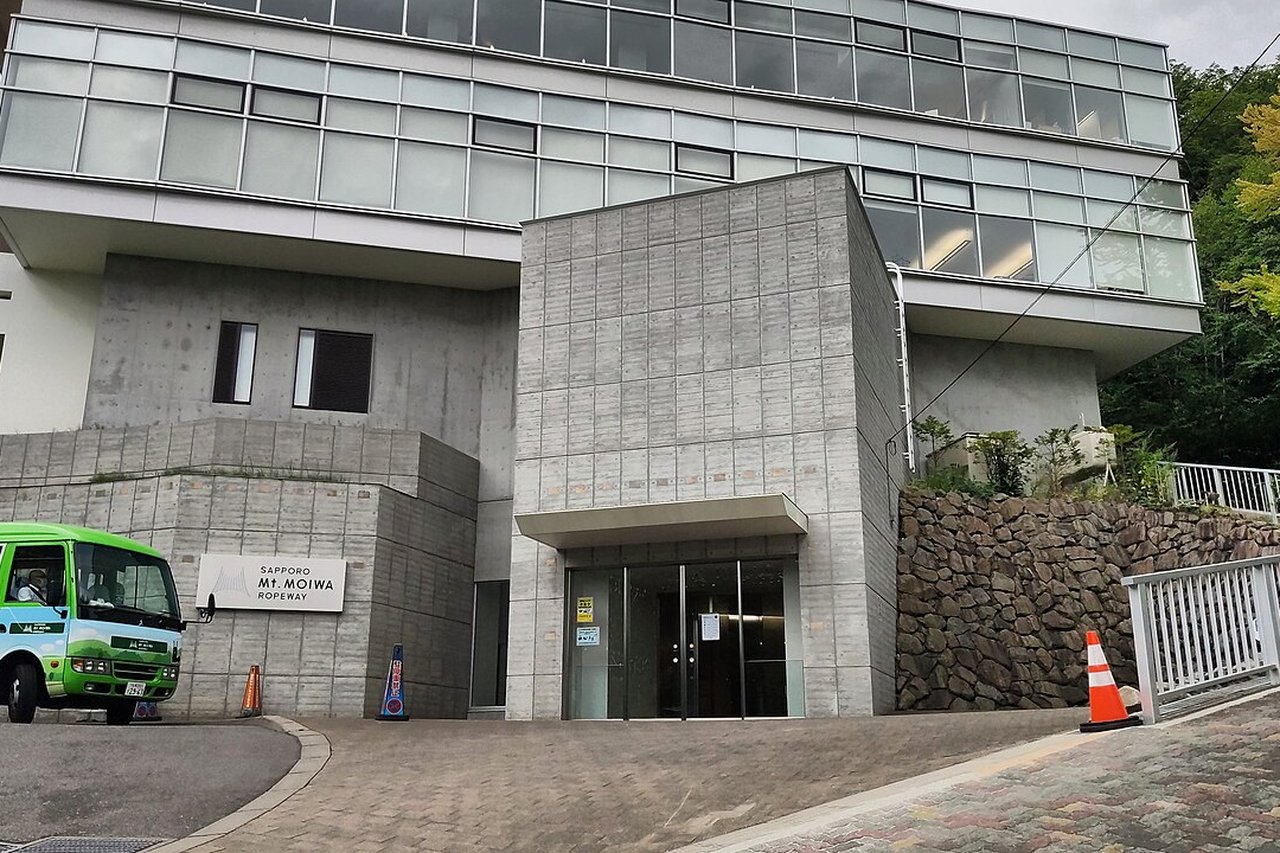
To reach Mt. Moiwa: ride the streetcar to the Ropeway-Iriguchi stop, then take the free shuttle bus to the ropeway base station (every ~15 minutes), and ride the ropeway plus cable car to the summit — the photo on this card shows that base station.
JR · airport + Otaru
JR isn't for getting around within the city — it's the lifeline that takes you out to the airport and nearby towns. The workhorse is the Rapid Airport (快速エアポート), running from Sapporo Station to New Chitose Airport in around 37 minutes for ¥1,150, every ~15 minutes; the station sits directly under the terminal.
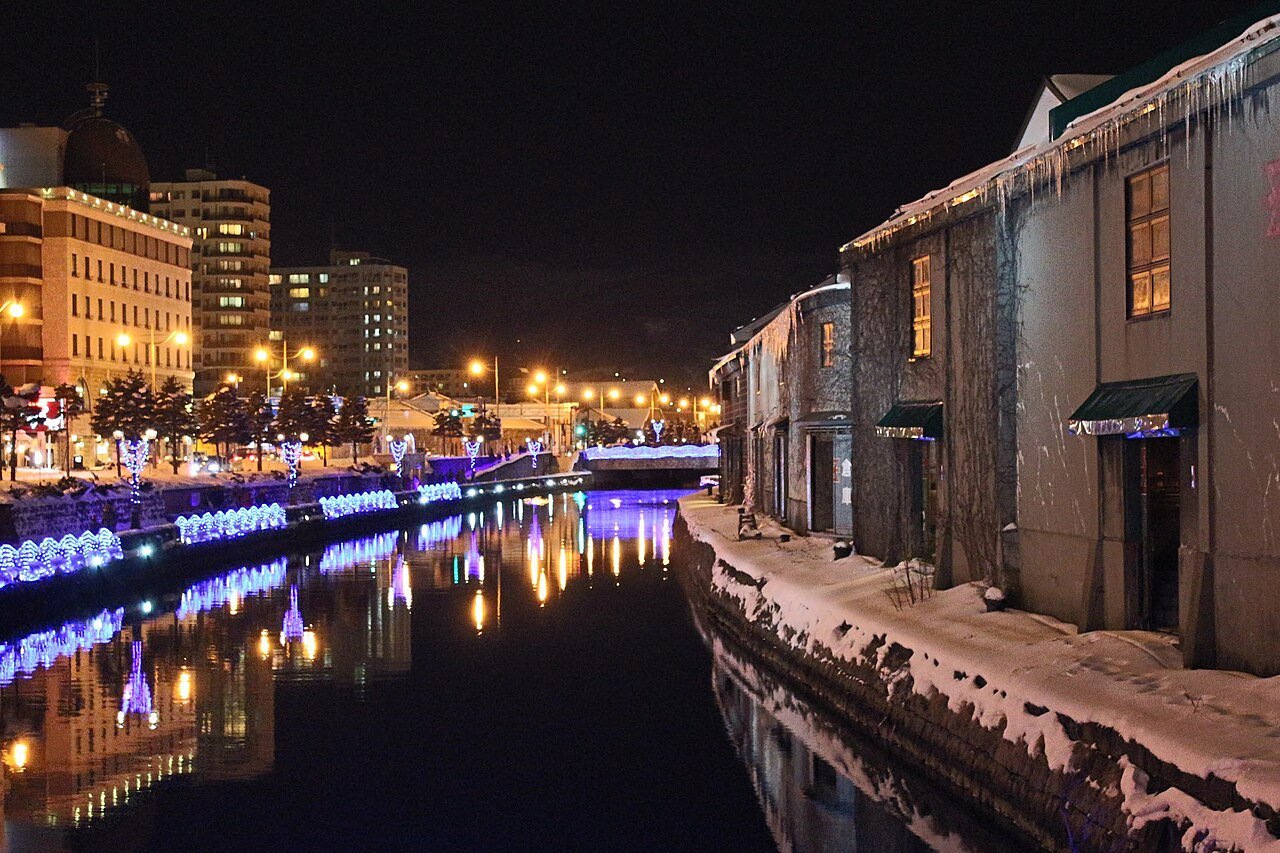
The same service runs the other way to Otaru, the romantic canal town, in about 30–45 minutes from Sapporo — a hugely popular day trip. With heavy luggage, pay an extra ¥530 to reserve a seat in Car 4, which has large baggage storage.
Sapporo's city buses reach spots the subway doesn't, such as the Sapporo Beer Museum or Shiroi Koibito Park. Fares start at around ¥210, payable by SAPICA, Suica or cash (board at the back, pay into the box at the front when you exit).
For most visitors the subway is still the easier first choice, since bus stop signs and announcements are largely in Japanese. But if you plan your route in Google Maps, it gives you the route number and the stop to get off at, which makes the buses far less daunting.
Sapporo taxis are all metered, with a flag-fall of around ¥670. They earn their place in heavy winter snow, late at night after the trains stop, or whenever you have luggage you'd rather not drag across icy pavement. Most cars take credit cards and IC cards.
Tip: most drivers speak little English, so have your destination in Japanese, or simply show the driver a dropped pin in Google Maps — that's the simplest approach. The GO and DiDi apps both hail cars in Sapporo, though in the city centre flagging one on the street or joining a station rank works just as well.
The best news about Sapporo: the three core areas — Sapporo Station, Odori and Susukino — are all within easy walking distance, sitting on the same line just one or two stops apart. Better still, there's an underground walkway called Chi-Ka-Ho running roughly 520 metres, linking Sapporo Station straight down to Odori and on toward Susukino, walkable end to end in about 10 minutes.
In winter (December to March) Sapporo's snowfall is intense, but this walkway lets you cross the heart of downtown without facing the snow or wind at all. Along the way there are shops, cafés, rest seating and free Wi-Fi, and it connects directly into department-store basements (Esta, Tokyu, Mitsukoshi) and several hotels.
Snow doesn't stop the trains, but it slows everything down. Wear shoes with non-slip soles (or pick up slip-on grips sold around the city), watch for clear sheets of ice at crossings and on slopes, and allow extra travel time because walking is slower than usual.
Japan doesn't block Google, so Google Maps is highly accurate in Sapporo, showing the subway, streetcar, buses and JR with live times and fares. Search station names in English. Just carry a SIM or eSIM with data so you can navigate as you go.
If there's one thing to check first, it's this: is your sightseeing day a weekday or a weekend? That single fact changes which pass is cheapest — Donichika at ¥520 on weekends, the One-Day Pass at ¥830 on weekdays. And if you already carry a Suica from another city, just tap it per-ride on days when you'll only make a couple of trips.
One more useful habit: build your days around the subway as the backbone, add the streetcar only for a Mt. Moiwa day, and save JR for airport or Otaru day-trip days. Splitting the roles like this tells you exactly which pass to carry on which day, so you never buy more than you need.