Penghu Attractions Organised by Island Zone
From Magong's ancient lanes on the main island, across the Trans-Ocean bridges to Xiyu, out by ferry to Qimei and Wangan — each entry has exact opening hours, transport directions, and honest advice.
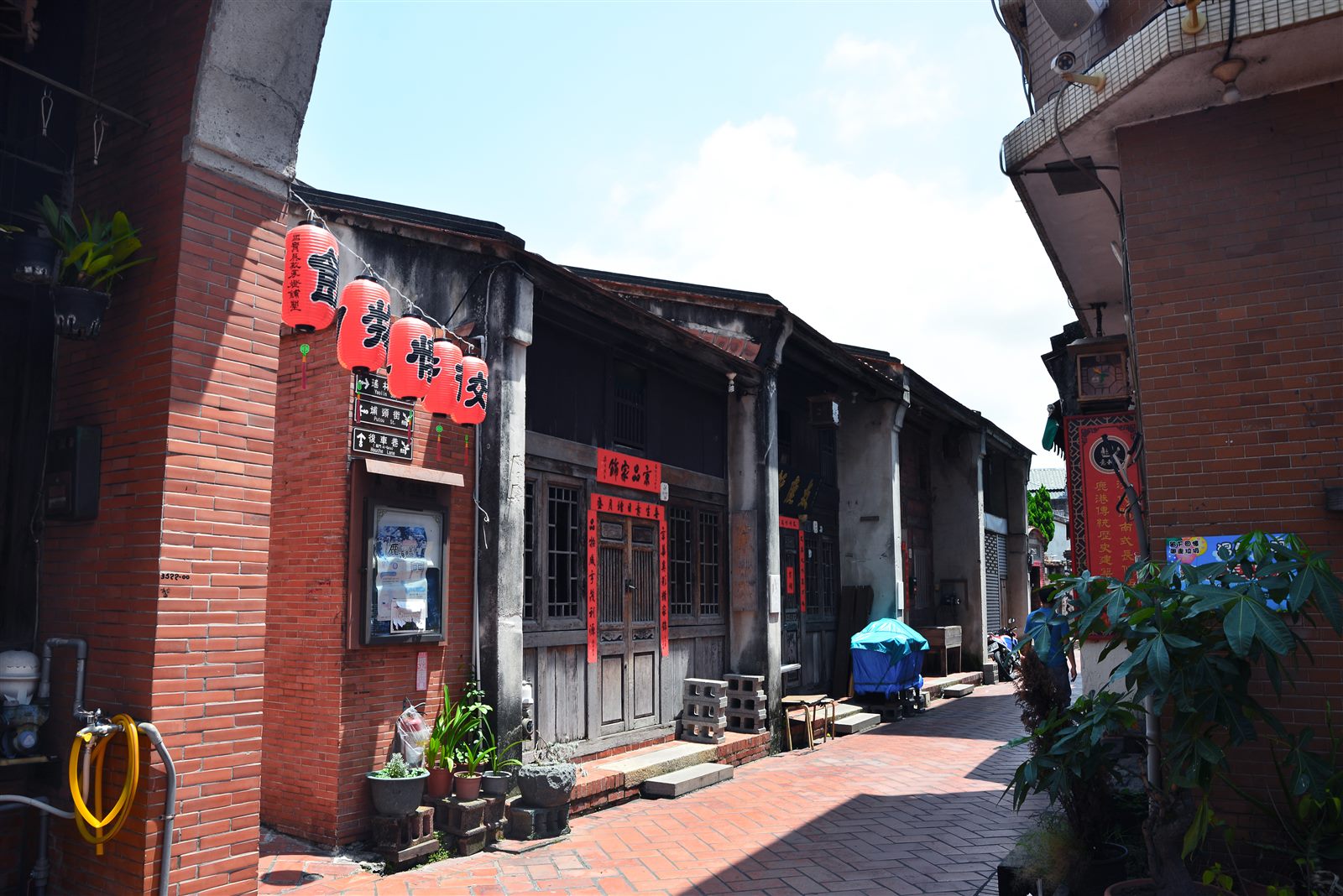 🏘️ Historic Quarter1
Four hundred years of continuous habitation packed into a grid of narrow stone lanes in the heart of Magong City. The Dutch Well (荷蘭井), a working cistern from the VOC colonial period, still stands at the street's centre. The Yixian Hall (一新堂) functions as a small folk museum. Look for the old-school sweet shops selling Penghu brown-sugar cake (黑糖糕) and bitter-melon cold drinks — flavours you will not find on the Taiwanese mainland. Walkable day and night, and entirely free.
 🛕 National Historic Site2
Built in 1593 — before the Dutch arrived in 1622, before Taiwan was ever a province — this is the oldest Mazu (Sea Goddess) temple in Taiwan, and it is a living, breathing place of worship rather than a museum piece. Designated a National Grade-1 Historic Site, the stone carvings on the outer walls are over 200 years old and retain extraordinary detail. Visit on a festival day to see the whole community converge, joss sticks filling the courtyard with cedar-scented smoke. Free to enter; respectful dress appreciated.
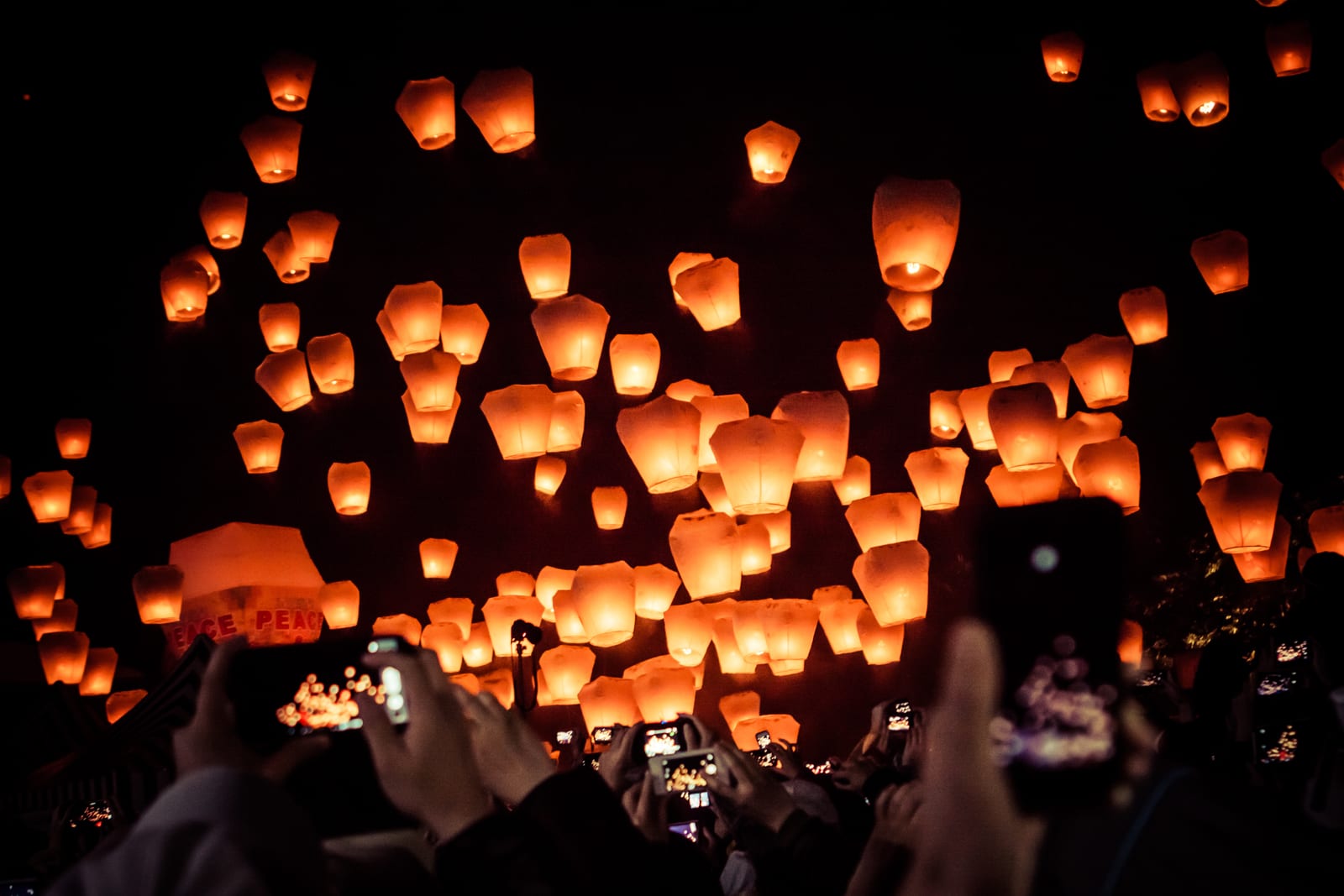 🎆 Annual Festival4
Around 10,000 firework shells are launched nightly from floating platforms anchored in the sea off Magong's waterfront — making this one of the largest sea-based pyrotechnics events in the world. Shows run throughout April–June (check penghu.gov.tw for exact dates each year; nights typically fall on Monday and Thursday). The viewing area at Guanyinting Waterfront Park (觀音亭親水廣場) is free and open to all. Hotel beds across Penghu sell out months in advance during the festival period — book early or expect to be priced out entirely.
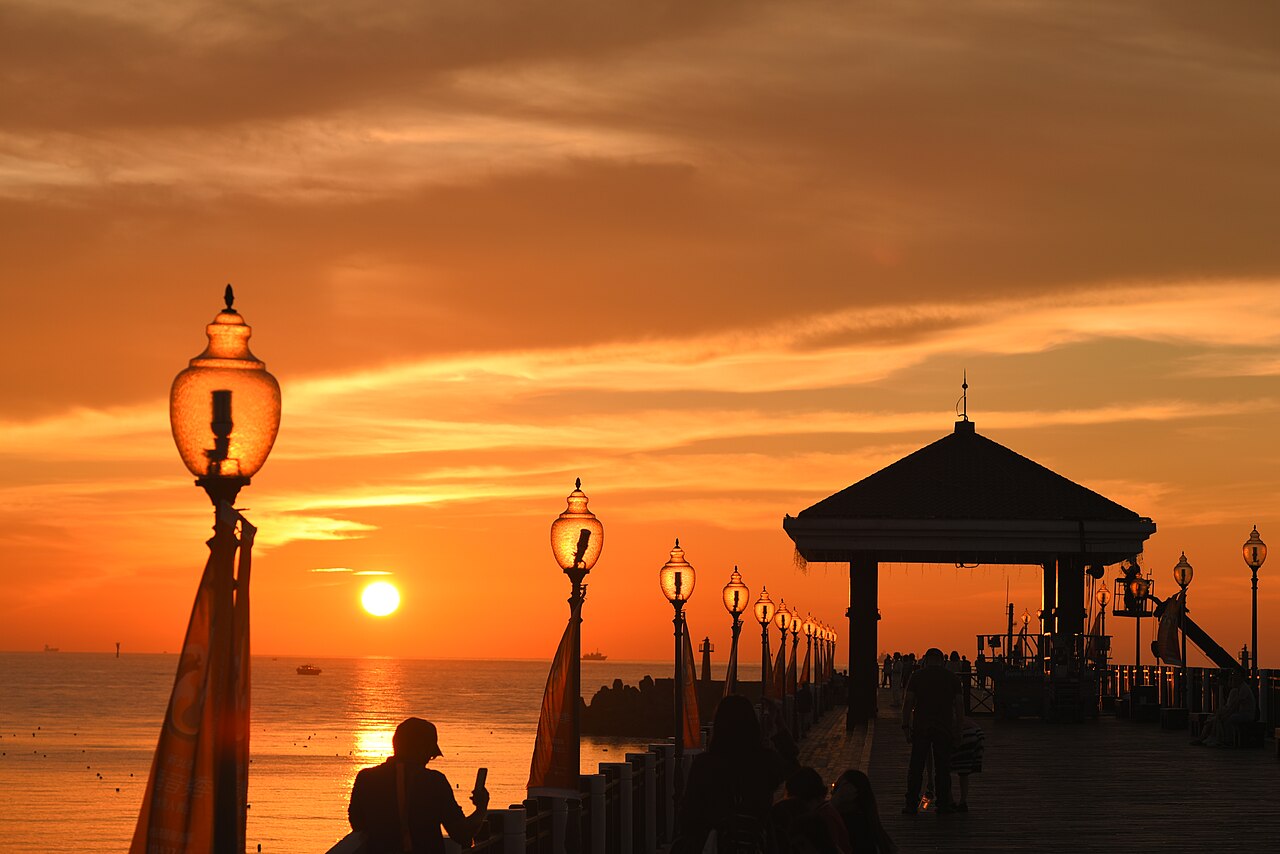 🏖️ Beach5
The most accessible beach from Magong City — just 8 km away — and consistently one of Penghu's best. Fine golden sand, calm shallow water that warms up quickly in summer, and a west-facing aspect that catches some of the best sunset colours in the archipelago. The beach is unmanaged and uncrowded on most mornings. Beachcastle Villa and Bayhouse Hostel are nearby if you want to fall asleep to the sound of the surf — see all 5 beachfront / ocean-view Penghu stays. No admission fee; no lifeguard service outside of peak-season designated hours.
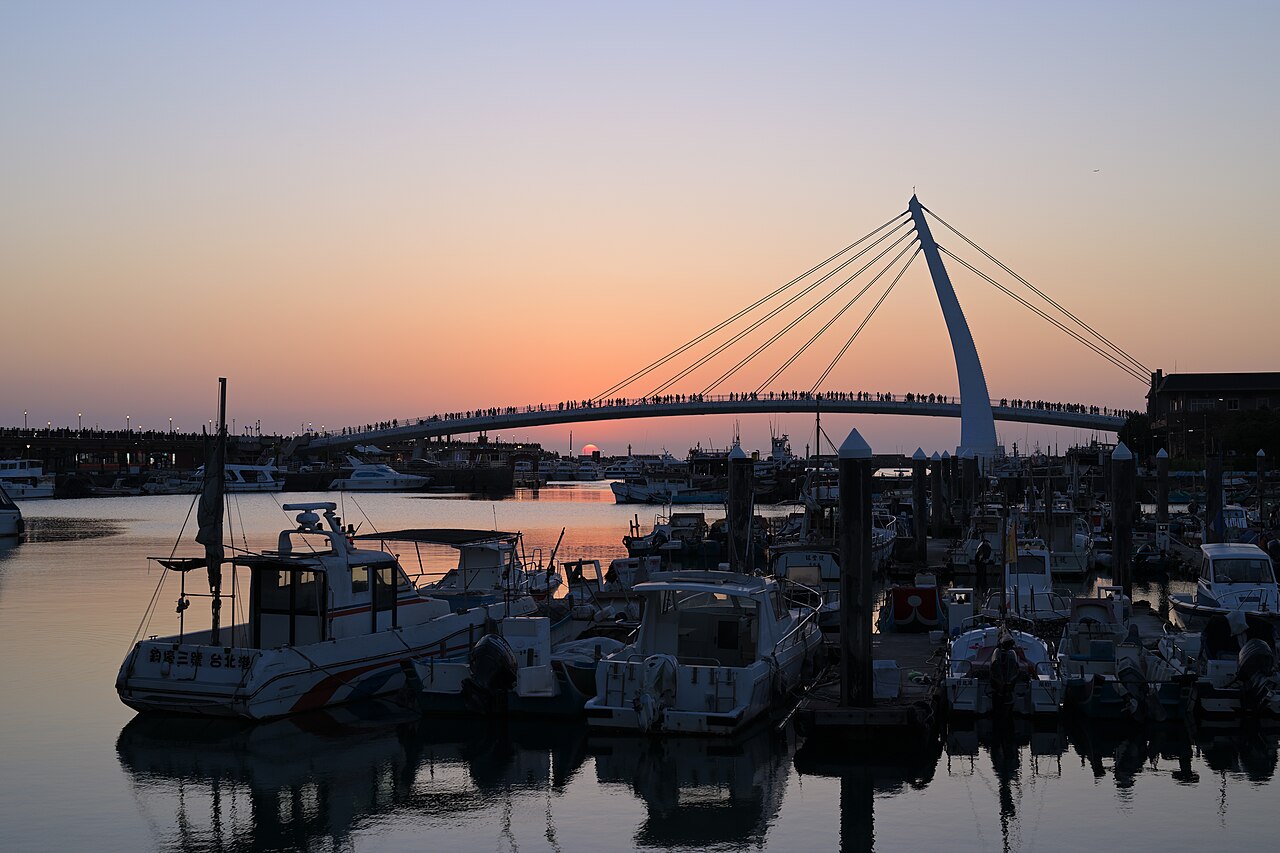 🚴 Iconic Bike Ride6
Penghu's signature experience: riding or cycling across a chain of causeways with the Taiwan Strait on both sides. The main Penghu Trans-Ocean Bridge (跨海大橋) stretches 2,494 metres and was, at its opening in 1970, the longest cross-sea bridge in Asia. The full loop from Magong to Xiyu and back covers around 50–60 km. At sunset the bridge becomes a spectacle — the low western light turns the water orange and pink, and locals gather on the central viewing platform to watch it together. Start early to avoid the afternoon gusts.
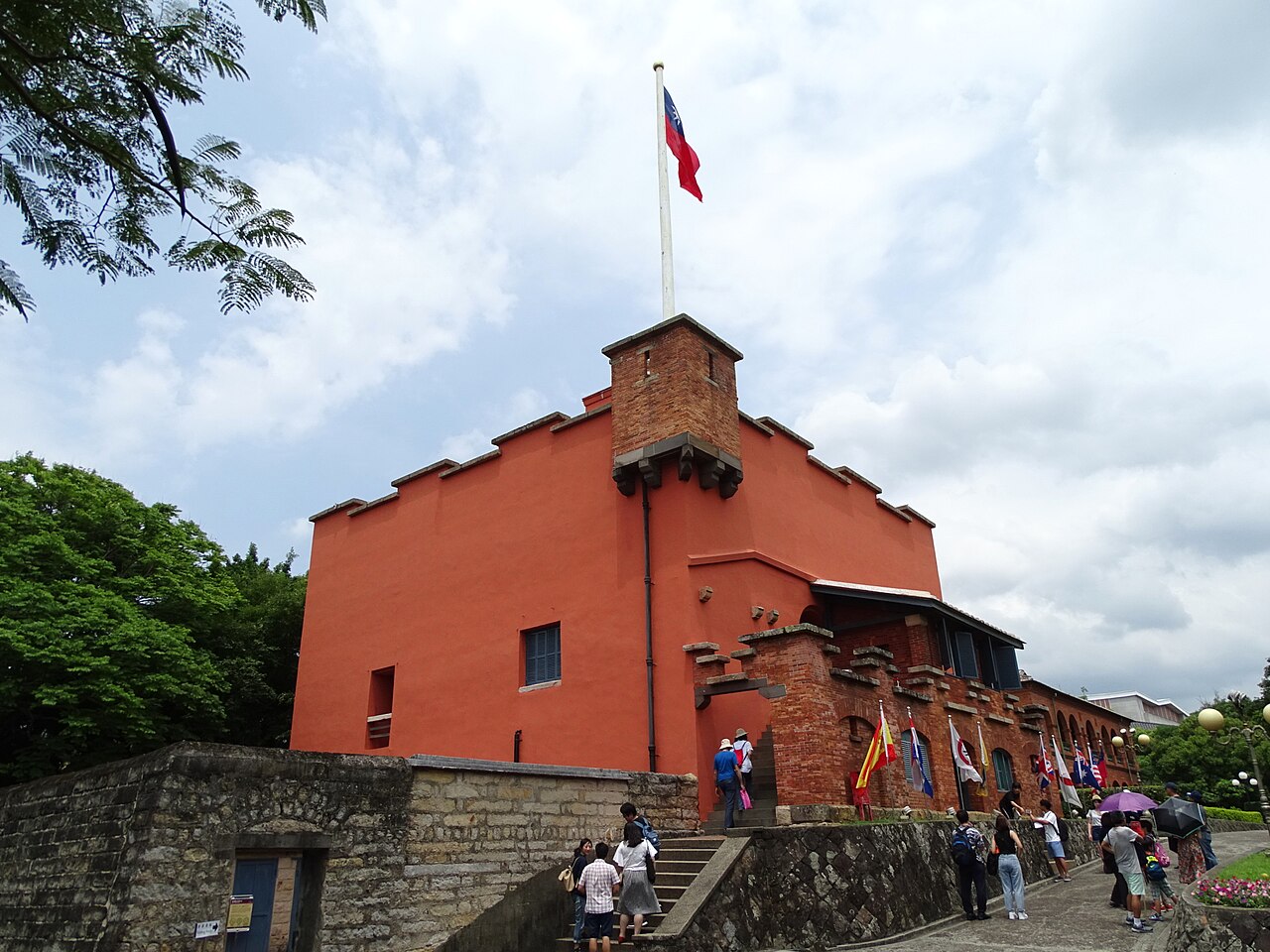 🏰 Historic Fort7
The fort was completed in 1887 as a Qing Dynasty coastal defence installation; its walls are built from coral stone quarried on the island, giving them a texture unlike any military structure you have seen before. Cannon emplacements still face the strait. A short walk away stands the Yuewengdao Lighthouse (漁翁島燈塔), built in 1875 and still operational — Taiwan's oldest active lighthouse. The open plaza in front of the lighthouse faces west across open ocean, and the sunset view from here is quietly spectacular, without the crowds of better-known spots.
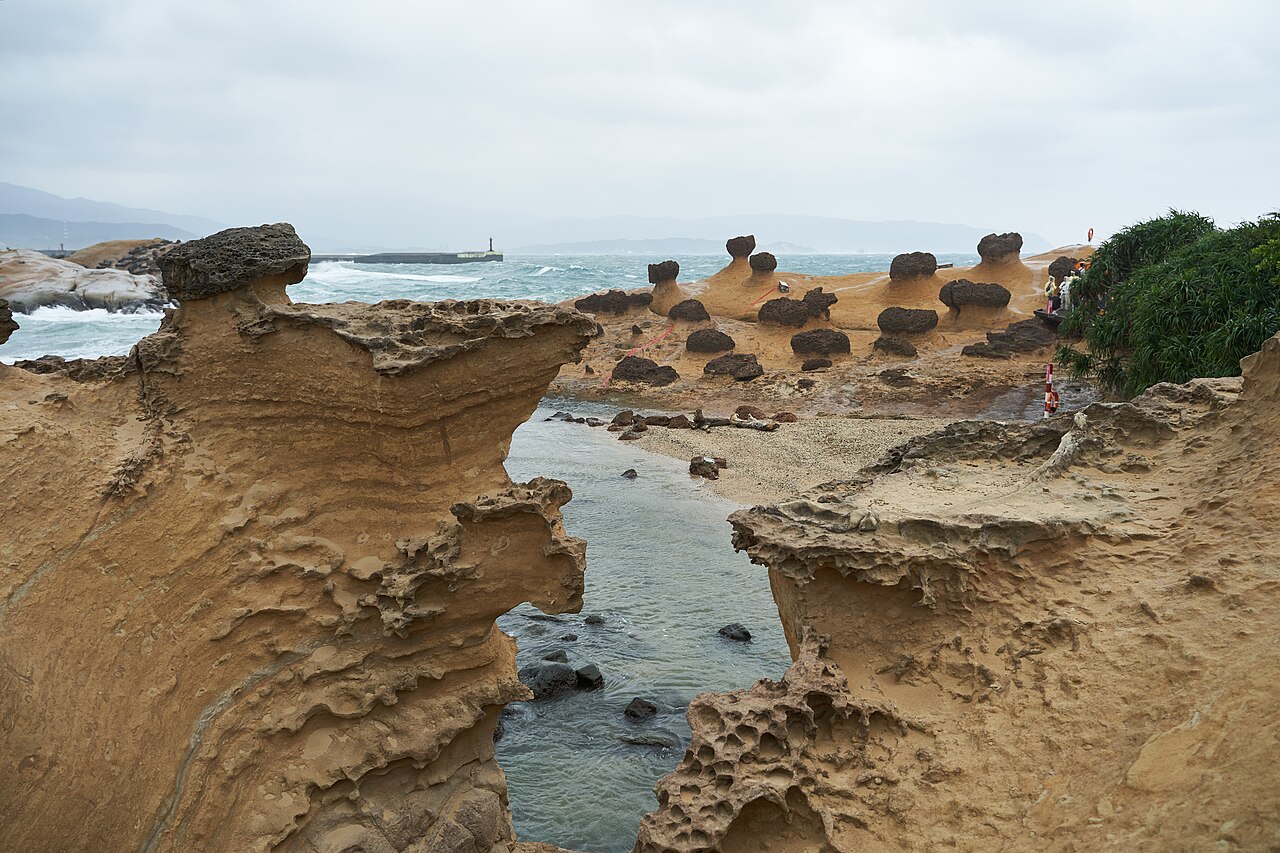 🗿 Geology Wonder10
The basalt sea cliff at Kueibishan on Baisha Island is a textbook example of columnar jointing — hexagonal and octagonal columns formed when lava cooled and contracted at an even rate, creating a perfectly geometric wall of stone. Twice daily, when the tide drops low enough, a 300-metre gravel pathway emerges between Kueibishan and the small islet offshore — locals call it the "Moses Parting the Sea" path. You can walk it barefoot. The window is narrow (approximately 45–90 minutes), so check the tide table in advance on penghu.com.
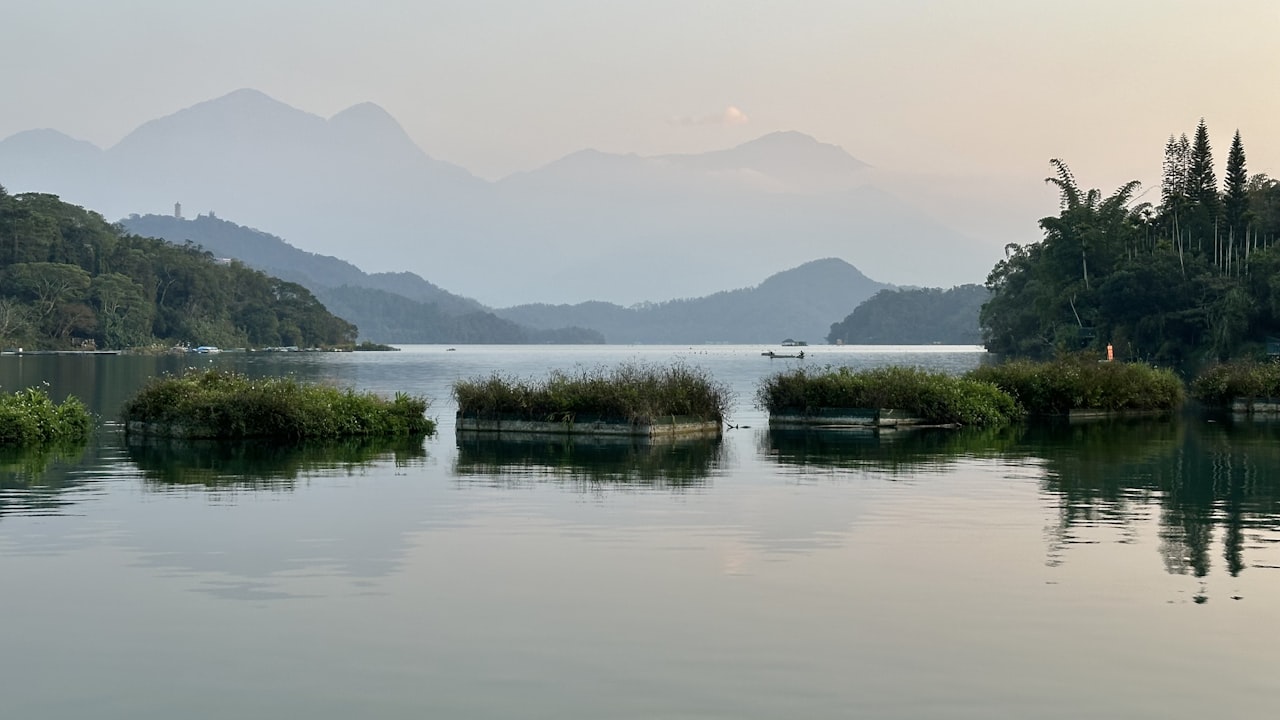 🐠 Aquarium8
A well-maintained aquarium focusing on the marine ecosystem of the Taiwan Strait and the Penghu archipelago. The underwater tunnel — sharks and rays overhead, smaller reef fish weaving through the coral — is a reliable crowd-pleaser for families with young children. Dolphin and sea lion demonstrations run on a timed schedule. During Penghu's brutal midsummer heat (July–August regularly hits 33–35°C), an air-conditioned aquarium afternoon is not a concession — it is a strategic choice. Located a 4-minute scooter ride north of Magong City.
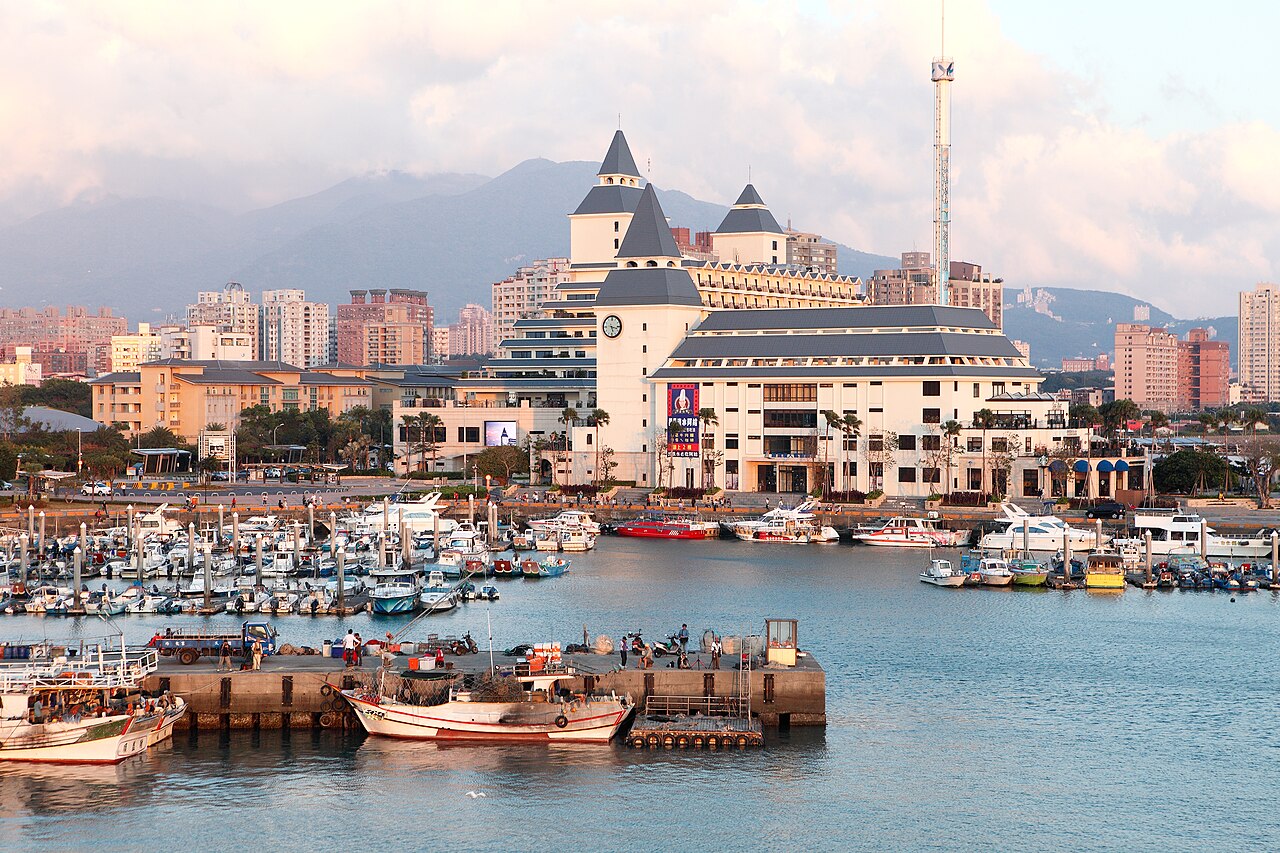 ❤️ Instagram Icon3
A traditional coral-stone fish trap — a low wall built in a curved loop to guide tidal fish inward and strand them as the water recedes — that has been operating for approximately 700 years. Qimei Island has over 100 such weirs, but the twin-heart configuration seen from the coastal bluff above is unique: two interlocking heart shapes that read clearly from the viewing hill even at non-drone altitudes. It has become Penghu's most-reproduced image and one of Taiwan's most romantic photography locations. The weir still catches fish; the hearts are incidental, but they are real.
🎫 Book Penghu Tours on Klook 🐢 Conservation Site9
Wangan Island hosts the most important green turtle (Chelonia mydas) nesting beaches in Taiwan's waters. Between May and October, female turtles haul themselves ashore after dark to lay their eggs — the same beaches, the same ritual, every year. The Conservation Centre runs small-group nocturnal walks (strictly limited numbers, advance booking required) so you can witness nesting without disturbing the turtles. No torches, no camera flashes; rangers use red-light headlamps that are invisible to the turtles. It is one of the most quietly moving wildlife encounters available anywhere in East Asia.