6 foods to try before you leave Nikko
Ordered by how distinctive they are — dishes you won't taste the same anywhere else.
 1
1
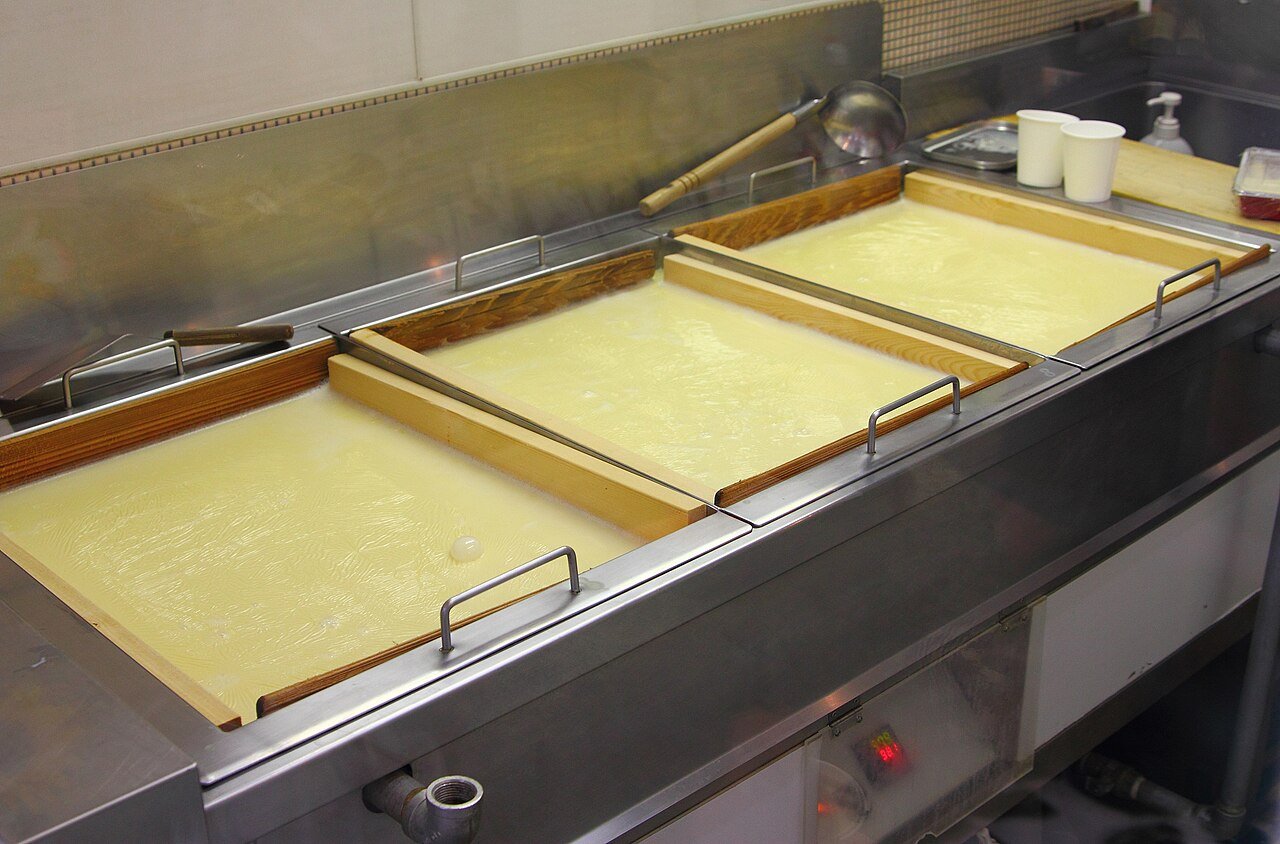
This is what Nikko is remembered for. Yuba is the thin film that forms on the surface of simmering soy milk; lifted off, it becomes a soft, silky, cream-coloured sheet. Nikko folds the rising film into two layers (Kyoto uses a single layer), giving a thicker bite and a deeper soy flavour. You'll meet it many ways — sashimi yuba eaten fresh with a tiny dab of wasabi and barely any soy sauce; agemaki yuba, rolled and deep-fried then simmered in dashi, which you tear apart bite by bite so the broth bursts out. Subtle, but more layered than it first looks.
If you want to understand yuba properly in a single sitting, order a Yuba Gozen — a set meal that presents yuba prepared several ways on one tray, from fresh sashimi yuba to yuba simmered in dashi, crisp fried yuba and yuba rolled with vegetables, served with rice, miso soup and small sides. Think of it as a compact kaiseki with soybean as the star. It's ideal for first-timers who don't yet know which style of yuba they like, because you get to taste them all at once.
 3
3
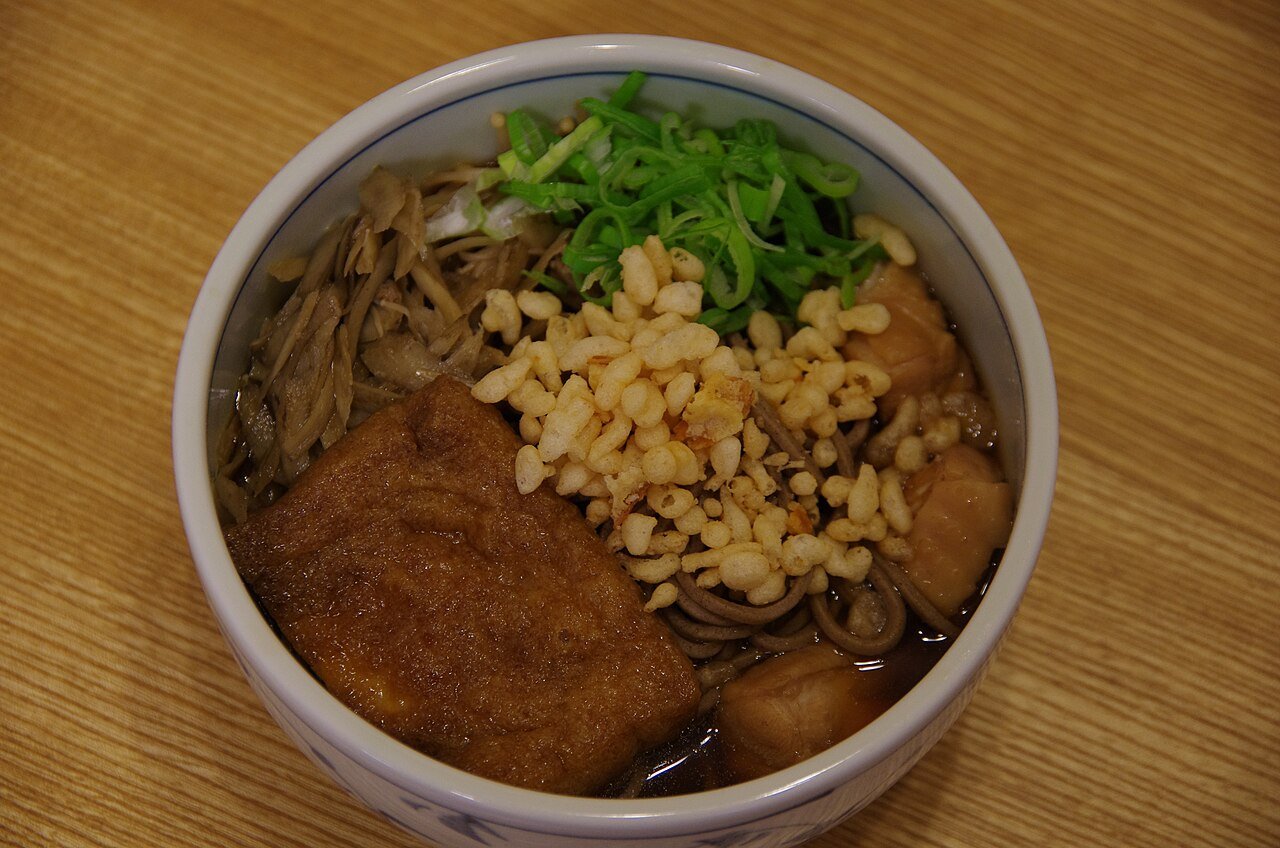
Nikko's cold, clear mountain water makes the soba here especially fragrant and firm. Many traditional shops follow the "santate" (三たて) principle — freshly milled, freshly kneaded and freshly boiled, all on the same day — so the noodles carry a clear buckwheat aroma with a satisfying chew. You can have them hot (kake soba) or cold with dipping sauce (zaru soba). Plenty of Nikko shops add wild mountain vegetables (sansai), fried tofu and yuba — turning a single bowl into a roundup of the town's best. This is the classic lunch after walking the shrine grounds.
Tochigi Prefecture, where Nikko sits, raises a high-grade wagyu called Tochigi Wagyu — beautifully marbled, with fat so fine it melts on the tongue from the first bite. A renowned spot like Guruman's Wagyu serves its steak on a sizzling iron plate, so you hear the meat and catch the aroma before it ever reaches your mouth. It's tender enough that you barely need to chew. This is a splurge meal, no question — but if you want excellent wagyu in the quiet of a mountain town, here's your chance.
 5
5
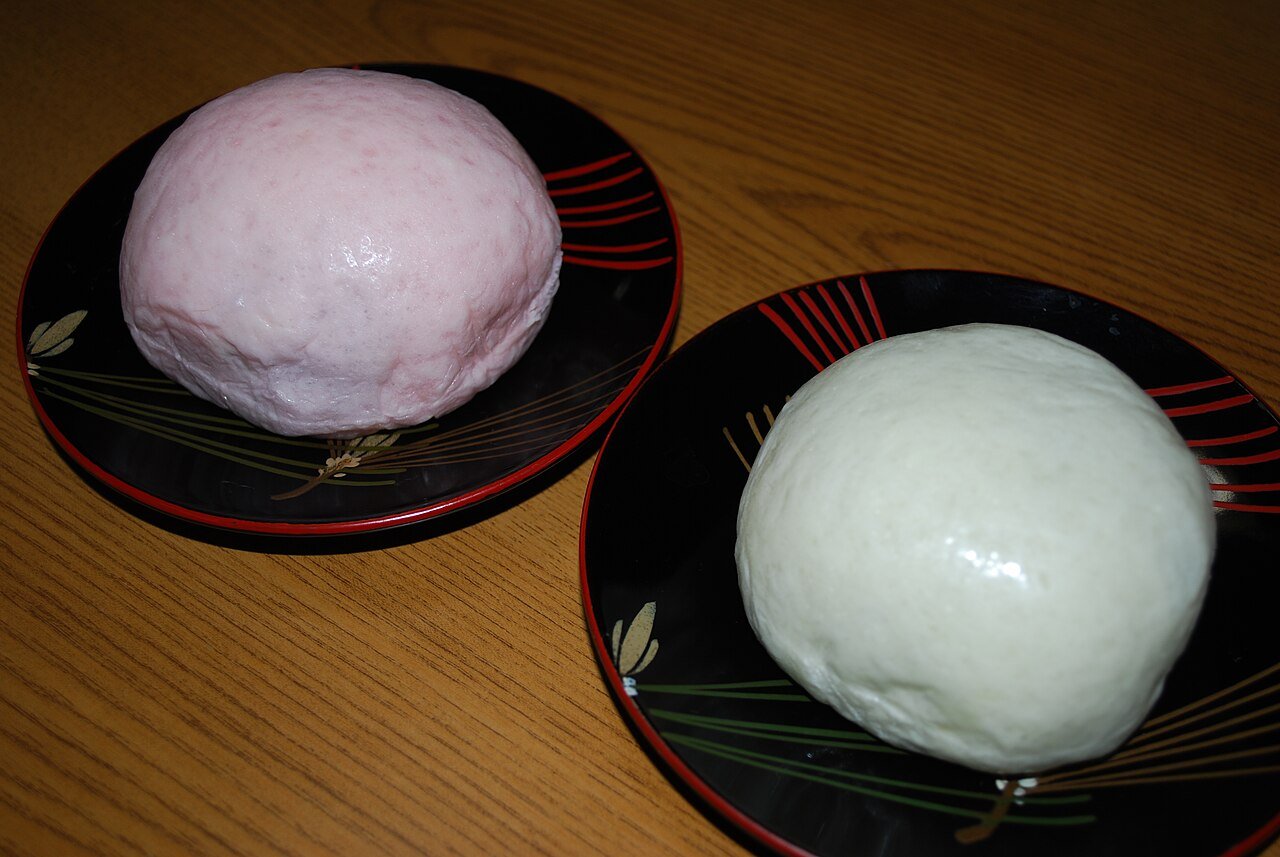
Walk near the shrine and you'll catch the smell of something hot and freshly fried — that's yuba manju from Sakaeya, a red-bean bun with yuba kneaded into the dough and then deep-fried, crisp outside and soft within, with just-right sweet red-bean paste. Eating it hot as you walk is the best way. Yokan (sweet bean jelly) has been a Nikko souvenir since the pilgrim era because it keeps so well; Mitsuyama has been making it with Nikko spring water since 1895, while Watahan offers a salted yokan (shio yokan) whose sweet-salty balance is quietly addictive.
Most soba and Yuba Gozen restaurants close in the afternoon, so come evening the locals wrap up the day at a ramen shop or izakaya instead. Yuba ramen is a clear-broth ramen with soft sheets of yuba floating on top, soaking up the soup until they melt in the mouth — a warm, light bowl after a full day of walking. An izakaya like Hippari-dako, near the shrine, serves yakitori, ramen and small plates at friendly prices, perfect for a group ordering lots to share — and exactly the kind of place where you end up chatting with locals and the owner.