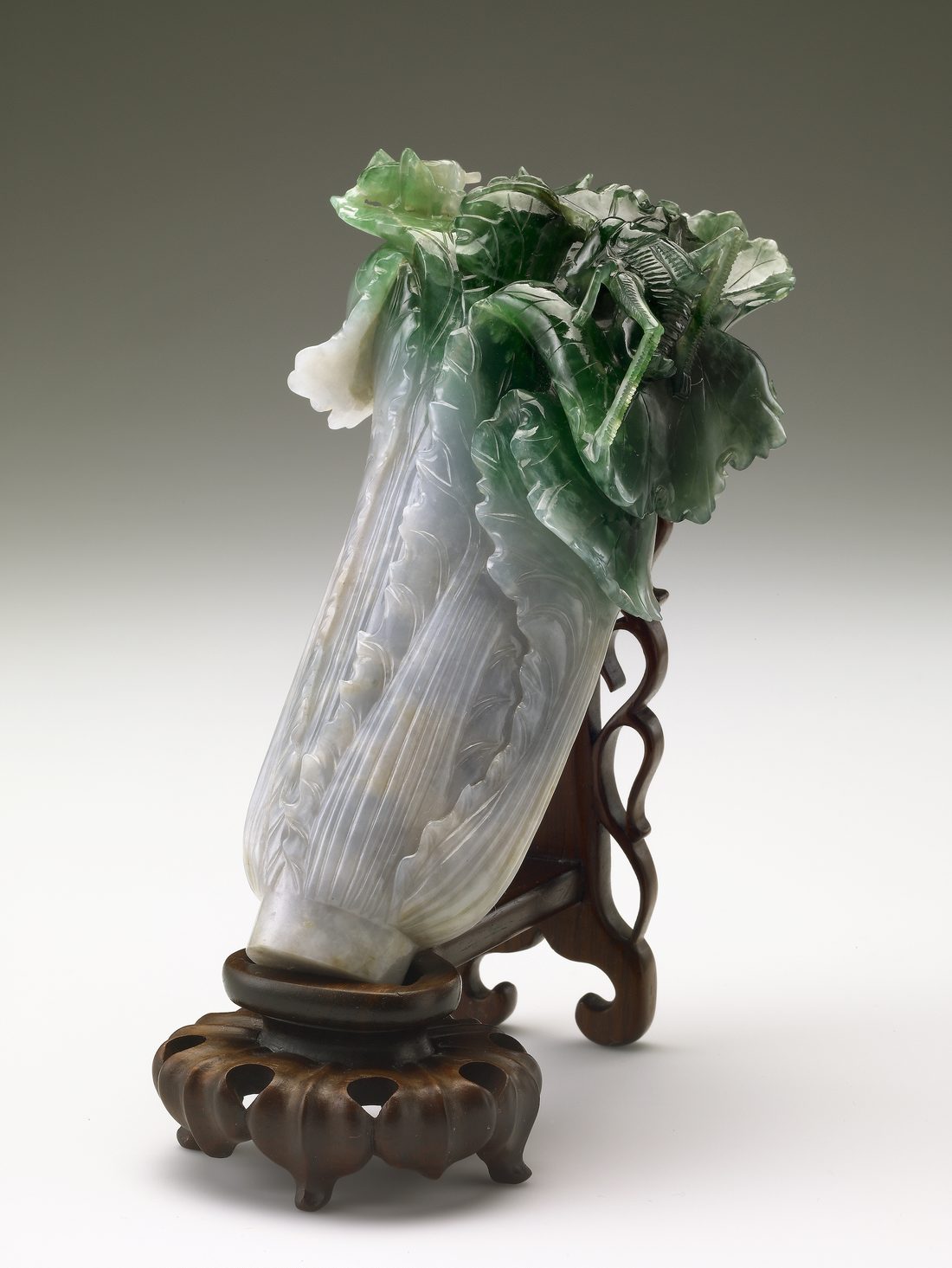
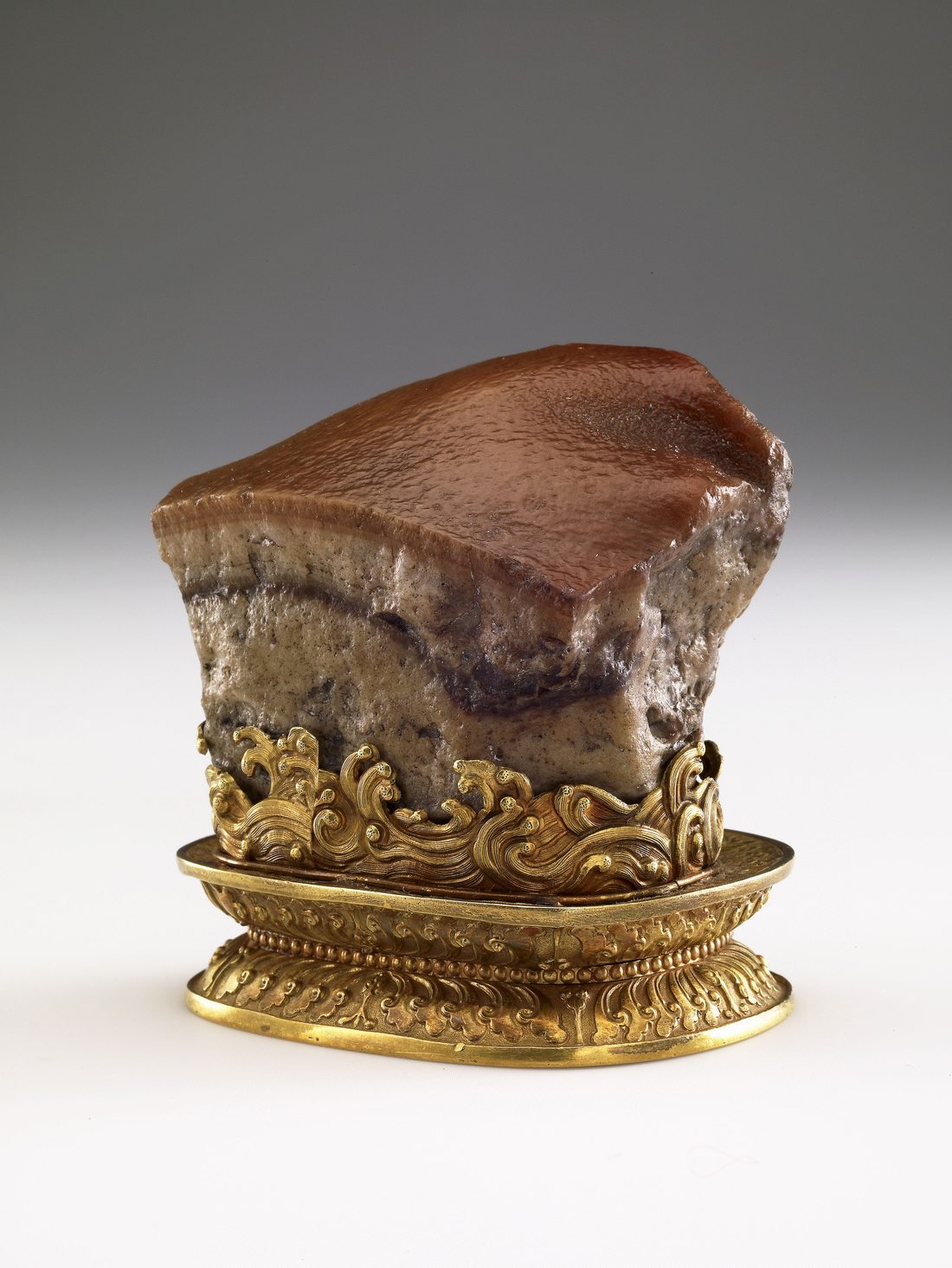
A cabbage carved from a single block of jade so lifelike it stops you mid-step, a stone that became a slab of glistening braised pork, and the greatest collection of Chinese imperial art on earth — we walk you through the National Palace Museum so every minute counts: how to get there, what to look for first, how to book your ticket, and when to come so you're not swept along with the tour groups.
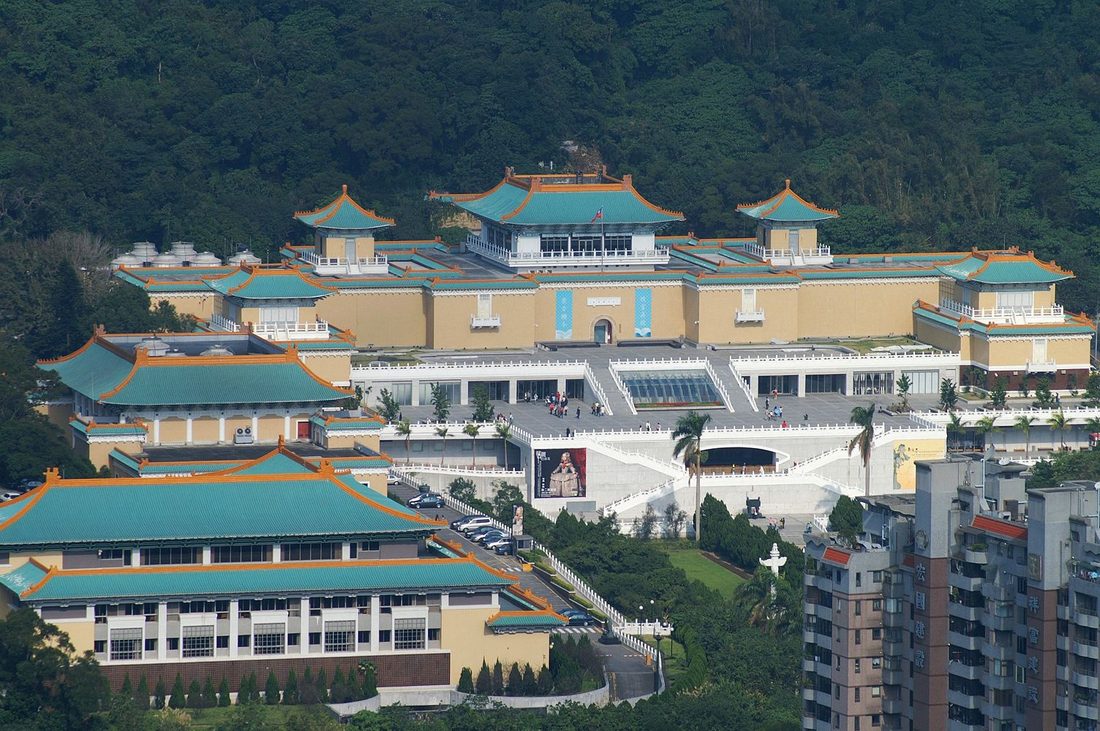
If there's one place on earth that gathers the very best of Chinese civilisation under a single roof, it isn't in Beijing — it's on a green hillside in Shilin District, in northern Taipei. The National Palace Museum (故宮, literally "the old palace") safeguards nearly 700,000 priceless artefacts spanning roughly 8,000 years of Chinese history: Neolithic jades, bronze ritual vessels from the Zhou dynasty, ceramics, scroll paintings, and calligraphy brushed by emperors themselves.
This collection was once the private treasury of the Forbidden City in Beijing, before decades of war forced it to be packed up and moved again and again — finally settling in Taipei in 1965. The single most important thing to know before you go is that the museum can display only a small fraction of its holdings at any one time. Its famous pieces rotate, and some occasionally travel abroad on loan — so this guide tells you everything worth knowing before you visit: which treasures to seek out, how to get there, how to handle tickets, and how to time your visit so you can actually see them without the crush of a crowd.
The National Palace Museum sits on a hillside in Shilin District, northern Taipei — a fair way from the city centre, with no MRT station out front. But a short bus ride from Shilin Station gets you there with ease.
Tip: The museum is well out of the city centre — don't plan to spend half a day here and then dash off somewhere far. Pair it with nearby Shilin attractions instead, such as the Shilin Night Market or the Zhishan Garden right next door, and the trip up will feel far more worthwhile.
With nearly 700,000 objects it's impossible to see everything in a day — knowing which pieces are the real highlights helps you plan a smarter route.
The museum's most famous artefact. A Qing-dynasty carver chose a piece of jade with both white and green tones in a single block, working the white into the cabbage stalk and the green into the leaves — with two insects perched near the top, symbols of purity and a house full of children. It is believed to have been part of a consort's dowry.
Good to know: The Jadeite Cabbage draws the longest queues, and it is sometimes loaned abroad — check it's actually on display before you go.
The Jadeite Cabbage's legendary companion is a piece of natural jasper that craftsmen surface-worked and dyed until it looks exactly like a slab of red-braised pork belly, with the layers of skin, fat and meat all clearly defined. Tiny pores in the stone make the "skin" look genuinely marinated — it never fails to draw gasps (and a few hungry stares).
Good to know: The Cabbage and the Stone are often shown in their own dedicated halls — follow the signs or ask staff.
A three-legged bronze ritual cauldron from the Western Zhou dynasty, around 2,800 years old. Its value lies not in its shape but in the 500-character ancient inscription cast inside it — one of the longest bronze inscriptions ever found, recording a royal decree. It's a primary historical document scholars worldwide still study.
Good to know: The bronze galleries are usually far quieter than the Cabbage hall — a calm spot to linger and photograph without a crush.
Don't spend your whole visit on the three headline objects — the museum also holds Song-dynasty ceramics with soft, sought-after glazes that collectors dream of, long landscape scrolls, and calligraphy by masters such as Wang Xizhi.
Some ceramics and paintings are extremely fragile and are shown in rotation — so each visit usually reveals something you've never seen before.
The prices below are approximate (in New Taiwan Dollars) for the Taipei main building — actual rates may change, so check the latest before you buy.
| Ticket type | Who it's for | Approx. price |
|---|---|---|
| Adult ticket | General visitors | ~NT$350 |
| Group ticket (10+) | Groups of 10 or more · per person | ~NT$150 |
| Children · seniors 65+ · disabled | Free entry (see conditions at the counter) | Free |
| Free-admission days | Everyone, e.g. Jan 1 · May 18 · Sep 27 · Oct 10 | Free |
| Audio guide (rented separately) | Available in Thai and many other languages | ~NT$200 |
Booking online ahead of time helps you skip the queue: tickets on platforms like Klook or KKday are usually similar to the gate price or slightly cheaper, and — crucially — they let you skip the ticket-counter line: just show a QR code to enter. On busy weekends or when tour groups arrive en masse, having your ticket already in hand saves real time.
Check National Palace Museum ticket prices on Klook and compare options in one place. Book ahead, then show a QR code to enter — no queueing at the counter. Especially worth it if you're visiting on a holiday or during a busy season.
🎟️ See museum tickets on Klook →The museum is indoors, so it's worth visiting rain or shine — the variable that matters isn't the weather, it's the crowds. Here's the plan for staying ahead of the tour groups.
Photo tip: Some galleries — particularly those showing paintings and calligraphy — do not allow photography, to protect the works. Watch for the signs in each room and never use flash.
See more of Taipei, open the full city guide, or follow up with Taipei 101 and the night markets.
The National Palace Museum, Taipei 101, Longshan Temple, Elephant Mountain and more — plan your Taipei trip in one place.
See Taipei attractions →Our guide to the Taipei 101 observatory — which ticket to choose, which floor to visit, and timing the golden hour.
See the Taipei 101 guide →See the museum by day, then dive into a night market — we compare 8 of Taipei's best.
See the night markets guide →Pick a hotel in Shilin or near a Red Line MRT station and you'll reach the National Palace Museum right at opening time. Open our full Taipei guide to plan every day, or start your hotel search now.