🌏 All Destinations 🇯🇵 Japan · full guide Nara Kyoto Tokyo 🏮 Naramachi Quarter 🧭 Travel Prep About Contact 🇹🇭 ไทย🇬🇧 English🇨🇳 中文🇪🇸 Español🇫🇷 Français
🏮 Naramachi Quarter · Nara

Naramachi — Nara's Old Merchant Town
Machiya Houses and Lane Cafes

If Nara Park is all deer and giant temples, walk a little further south into Naramachi — the quiet lanes of Edo-era merchant houses that today hold cafes, craft shops and machiya homes you can step inside for free. It's the slowest, calmest half-day in Nara.

Start Here

Nara Isn't Only Deer and Big Temples —Walk a Little South to the Old Merchant Town

Most people come to Nara to feed the deer in Nara Park, snap a photo of Todaiji, then catch the train back to Kyoto or Osaka the same afternoon. Honestly, that's a shame — because just a 10-minute walk south of Nara Park is Naramachi, the old merchant quarter that grew up around the 15th century on land that was once the precinct of Gangoji temple. Narrow lanes lined with dark timber houses, hanging noren curtains, and lanterns swaying outside the shopfronts.

The charm here is the machiya — Edo-era merchant houses that are narrow at the front but run deep inside (in the old days tax was charged on the width of the frontage, so owners built backwards instead). Today many of them are cafes, craft shops, sweet shops and little museums. We wrote this page to help you walk Naramachi knowing where to go — the stops worth making, the old houses you can enter for free, how to walk in from the station, and how to pair it with Nara Park in a single day.

🏮 Naramachi ≠ Nara Park: these two are completely different in mood — Nara Park is the wide open space with the deer, Todaiji and Kofukuji's pagoda (for the full tour, see our Nara attractions guide), while Naramachi is the quiet old-town lanes made for walking slowly, sipping coffee and looking at machiya houses. This page is all about Naramachi.
🏠
Edo-era machiya
Narrow, deep timber merchant houses along quiet old lanes.
Cafes in old houses
Old homes turned into cafes, craft shops and antique stores.
🆓
Free historic houses
Koshi-no-Ie + Nigiwai-no-Ie are both free to look around.
🦌
Pairs with Nara Park
Walkable from one to the other — park by morning, Naramachi by afternoon.
Plan a Half-Day Walk

What's Thereto See in Naramachi

The quarter isn't large — you can walk all of it in half a day. This table sums up the main stops, admission, and how much time to allow, before the details below (prices/hours can change, so check the latest before you go).

StopTypeAdmissionTime to allowKnown for
Naramachi lanesNaramachi streetsStrollFree1–2 hrsMachiya houses · quiet lanes
Koshi-no-IeRebuilt machiya houseOld houseFree15–20 minNarrow, deep front · structure on show
Nigiwai-no-IeOld house, built 1917Old houseFree15–20 minCentury-old house with a small garden
Sarusawa PondSarusawa PondViewFree20–30 minKofukuji pagoda reflected in the water*
Gangoji templeGangoji · World HeritageTemple~500 yen30–40 minWorld Heritage 1998 · 9:00–17:00
Cafes & craft shopsCafes & craft shopsEat & shopAs you orderOpen-endedOld houses turned into cafes/shops
🗓️ How to walk it well: get off at Kintetsu Nara Station, walk south past Sarusawa Pond into the Naramachi lanes, drop into Koshi-no-Ie and Nigiwai-no-Ie (both free), sip a coffee in an old house, then finish at Gangoji temple. · *Note: Kofukuji's five-story pagoda has been under major restoration since 2023 (expected to finish around 2031), so the water reflection isn't complete right now.
6 Stops Not to Miss

What You Want to SeeWalking Naramachi

The stops that people who've walked Naramachi agree you shouldn't skip — from the free machiya houses to the pond reflecting the pagoda, the World Heritage temple and the cafes in old houses. You can string them all together in half a day.
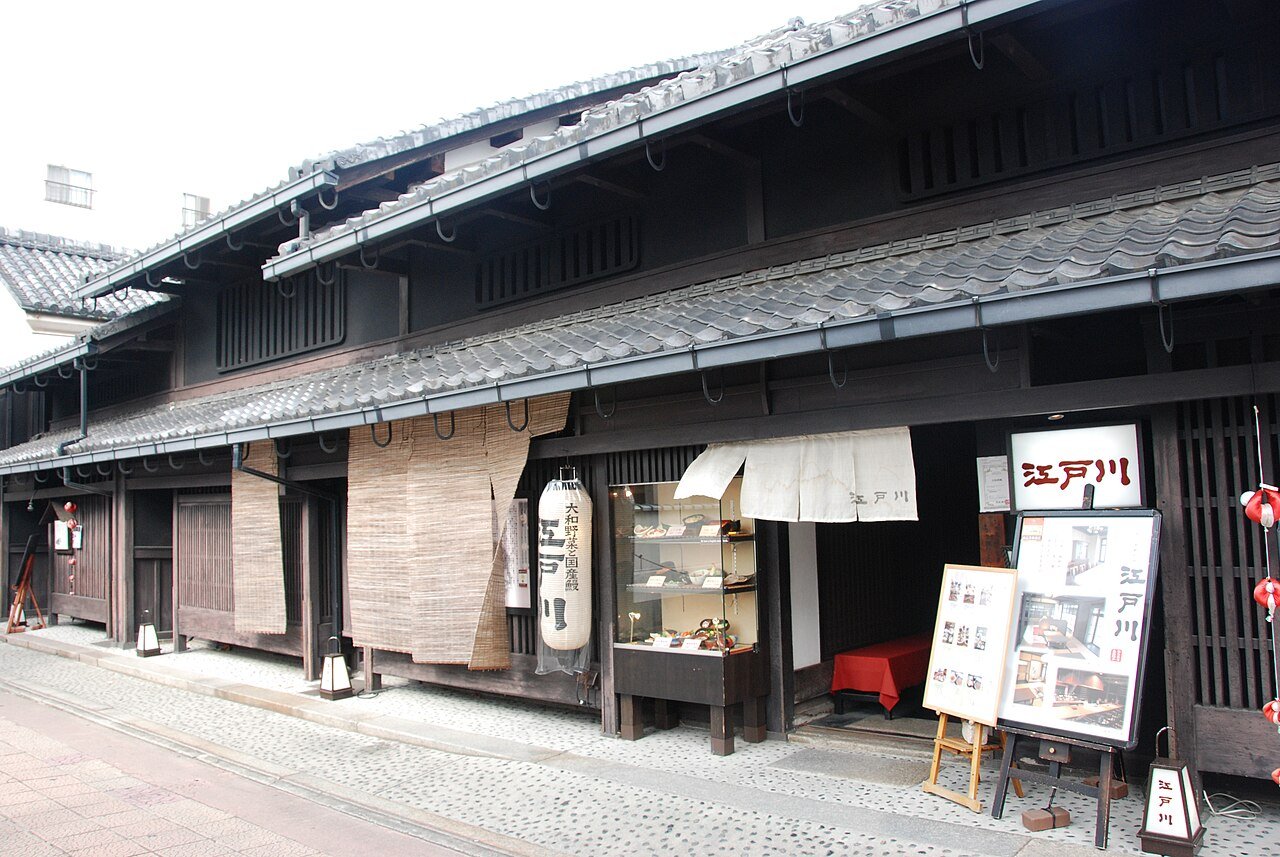
Naramachi lanes with dark timber machiya houses, noren curtains and hanging lanterns in Nara's old town 🏮 Heart of the quarter1
Naramachi Old Lanes
Naramachi Old Streets

The heart of the quarter is simply wandering the narrow lanes with no rush. Both sides are dark Edo-era timber houses, with noren curtains fluttering and little red cloth dolls — "migawari-zaru" — hung outside the homes for local good fortune. No tickets, no gates; just let yourself get lost in the lanes and you'll stumble on the lovely little shops.

📍Location: south of Nara Park / Sarusawa Pond
🕐Hours: walkable any time · most shops open late, ~10:00–17:00
🎟️Admission: free — it's an open quarter, just start walking
💡Tip: mornings are quietest and prettiest; many shops close early in the late afternoon, and a lot close on Mondays.
Nara Travel Guide →
🏠 🆓 Free entry2
Koshi-no-Ie Machiya House
Naramachi Koshi-no-Ie

If you want to know what a Nara merchant house looks like inside, this is the best answer — Koshi-no-Ie is a machiya rebuilt in the traditional style, run by the local authority and free to enter. What stands out is how narrow the front is yet how far back it runs, because tax used to be charged on the width of the frontage, so owners built deep instead of wide.

📍Location: central Naramachi
🎟️Admission: free (run by the local authority)
🏠Known for: narrow, deep front showing the merchant-house structure
💡Tip: pair it with Nigiwai-no-Ie, a century-old house (built 1917) close by that's also free to visit.
Nara Travel Guide →
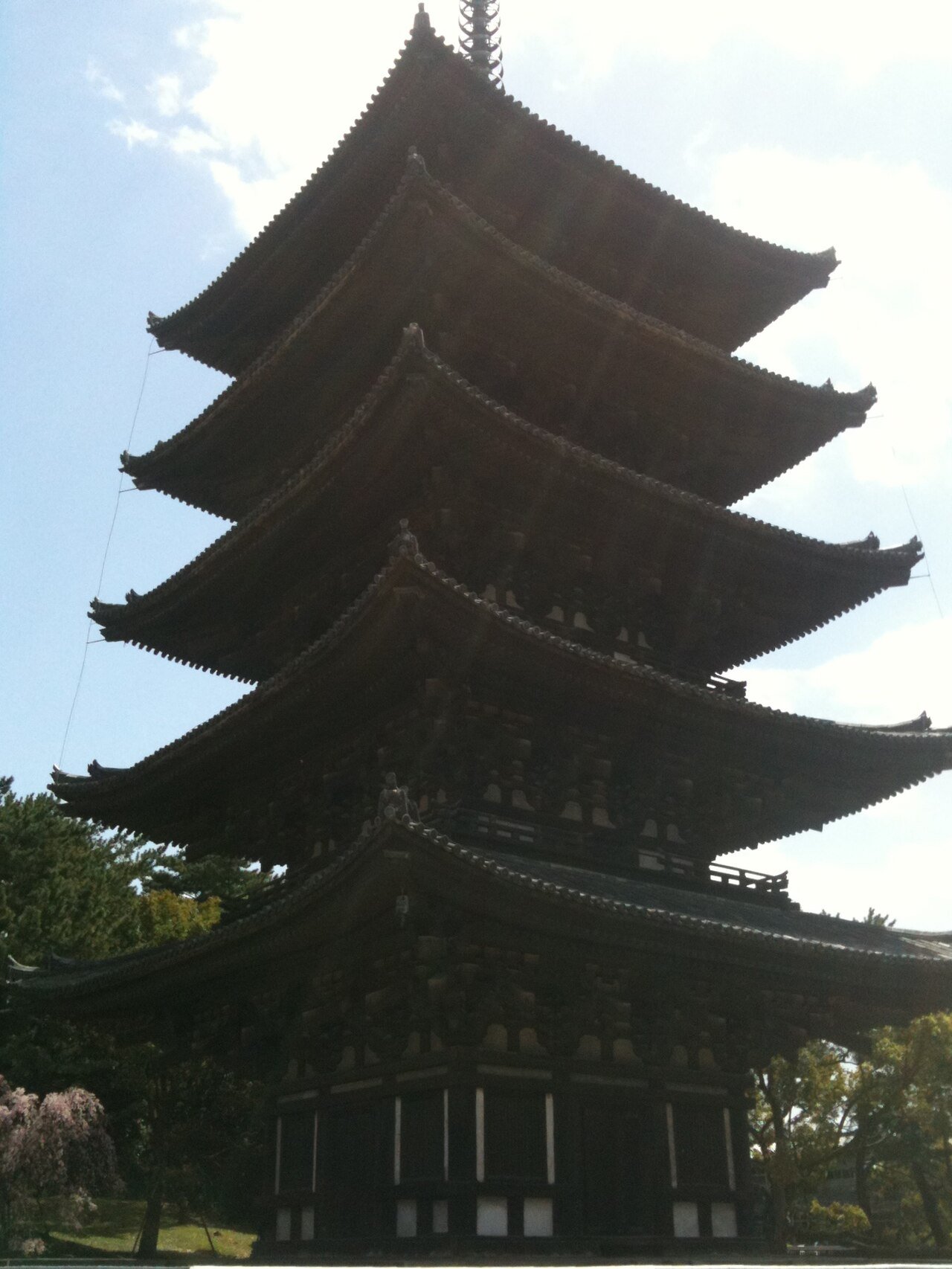
The five-story pagoda of Kofukuji temple near Sarusawa Pond in Nara 🌊 Northern edge3
Sarusawa Pond + Kofukuji Pagoda
Sarusawa Pond · Kofukuji

Walking down from the station to Naramachi, you'll pass Sarusawa Pond right on the way — dug back in 749, about 360 metres around and ringed with willows. The view of Kofukuji's five-story pagoda reflected in the water is one of the classic "Eight Views of Nara," celebrated since the Muromachi era. It's the best spot to pause and shoot before heading into the lanes.

📍Location: between Kofukuji and the northern entrance to Naramachi
🎟️Admission: free (just walk the pond loop)
🏯Known for: pagoda reflected in the water · willows around the pond
💡Tip: straight up — the five-story pagoda has been under major restoration since 2023 (its first in 120 years, due to finish around 2031), so it's wrapped right now and the reflection isn't the classic full view. Check the latest status before you go.
Nara Attractions →
⛩️ 🏛️ World Heritage4
Gangoji Temple
Gangoji Temple

This whole quarter was once the precinct of Gangoji temple. Today the temple itself is smaller, but it has been a World Heritage Site since 1998. What people love are the ancient roof tiles — some said to date to the very early days of Buddhism in Japan — and a small, quiet rock garden in the middle of the quarter. It's a fitting place to end the walk.

📍Location: within Naramachi · ~15-min walk from Kintetsu Nara
🕐Hours: roughly 9:00–17:00 (last entry around 16:30)
🎟️Admission: adults ~500 yen (may rise to ~600 yen during special exhibitions · check the latest)
💡Tip: it's one of the 8 World Heritage "Historic Monuments of Ancient Nara," and far quieter than Todaiji — perfect if you like calm places.
Nara Attractions →
🍵 Eat & drink5
Cafes + Craft Shops in Old Houses
Cafes & Craft Shops

The reason people spend a whole afternoon in Naramachi is the shops inside the old houses — many machiya have become drip-coffee cafes, green-tea tearooms, wagashi sweet shops, lacquerware stores, dyed-fabric shops and antique dealers. Sipping a coffee by a timber window that looks out onto a stone lane is the break a lot of people say they enjoyed most all day.

📍Location: scattered all through the Naramachi lanes
🕐Hours: most open late, ~11:00, and close in the late afternoon · many shut on Mondays
🍡Specialities: wagashi sweets, green tea, drip coffee, local crafts
💡Tip: want to know what to eat in Nara (kakinoha-zushi persimmon-leaf sushi · miwa somen · mochi)? See our full Nara food guide.
Nara Food Guide →
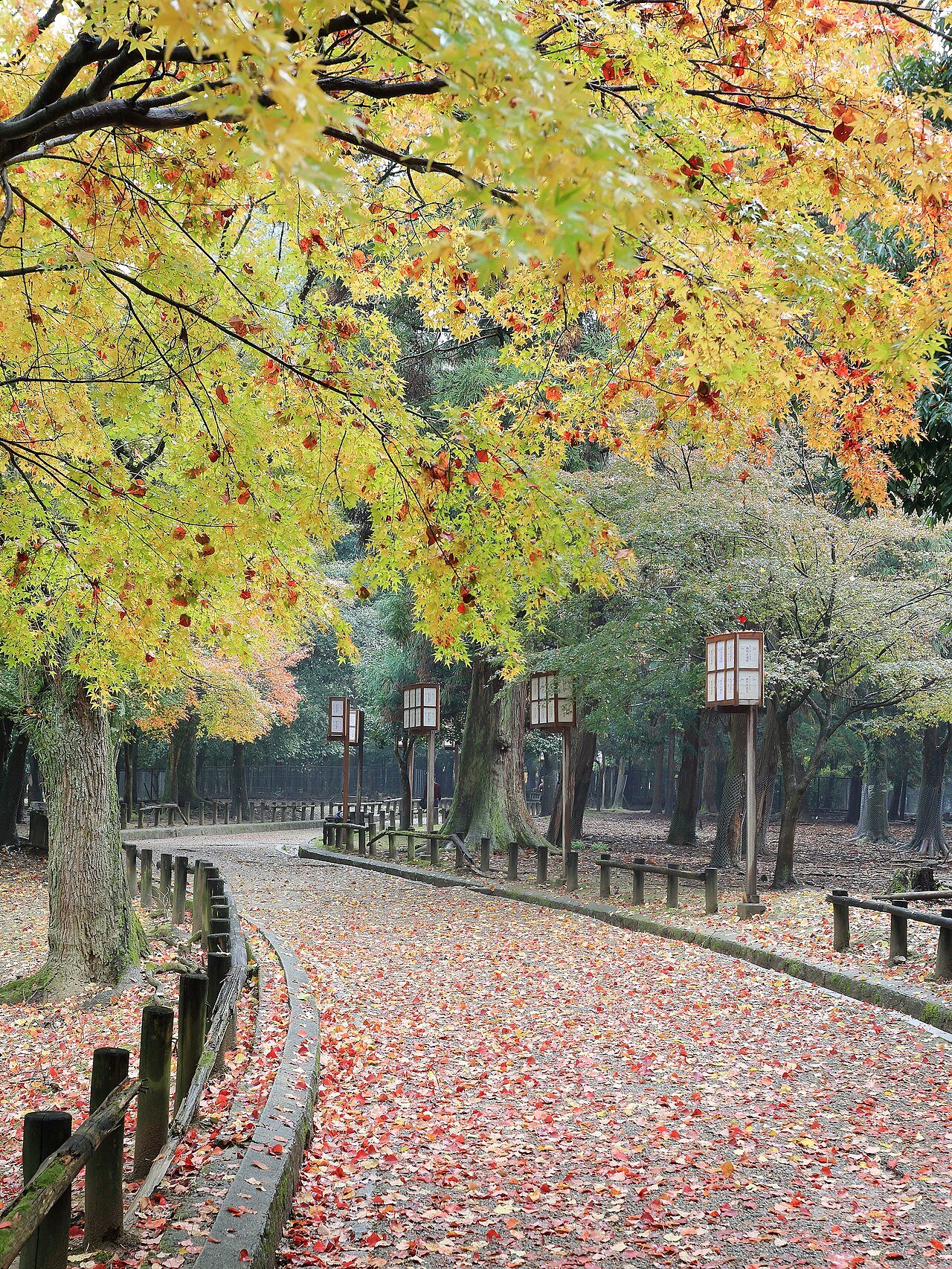
A path through Nara Park lined with autumn leaves and a stone lantern, near the Naramachi quarter 🦌 Next to the quarter6
Nara Park + Todaiji
Nara Park · Todai-ji

Naramachi sits right against the southern edge of Nara Park, which makes pairing the two in one day really easy — a few minutes north is the vast Nara Park with free-roaming wild deer you can feed, Todaiji with its Great Buddha (Daibutsu), and Kasuga Taisha shrine with its thousand lanterns. The classic plan is Nara Park in the morning, then drift down into Naramachi in the afternoon.

📍Location: just north of Naramachi, a few minutes' walk apart
🦌Known for: wild deer · Todaiji (Great Buddha) · Kofukuji pagoda
🎟️Admission: park / deer-feeding free · Todaiji's Great Buddha Hall has a separate fee
💡Tip: bow to a deer and it often bows back before you give it a "shika senbei" (deer cracker). Keep your maps, tickets and snacks in your bag — the deer love to nibble paper.
All Nara Attractions →
Getting There — Stations

How to Walk infrom the Station to Naramachi

The good news is that Naramachi is an easy walk from either of Nara's two main train stations, with no tricky transfers — and Nara itself works as a day trip from Kyoto or Osaka.

ROUTE 1
From Kintetsu Nara

The nearest station — leave Kintetsu Nara and walk south past Sarusawa Pond into the Naramachi lanes, about 10–15 minutes. This is the easiest and prettiest way in, because you get to stop and photograph the pond on the way.

ROUTE 2
From JR Nara / loop bus

From JR Nara Station it's about a 20-minute walk, or if you'd rather not walk far, take the city loop buses (routes 1 and 2) that run along the southern edge of Naramachi and get off at a stop near the quarter.

ROUTE 3
Day trip from Kyoto/Osaka

Nara is an easy day trip by train from Kyoto (Kintetsu/JR ~45 min) or Osaka (~40–50 min). Many people base in Kyoto or Osaka, come over for the morning and afternoon, pair Nara Park with Naramachi, and head back in the evening.

Stay in This Area

Where to Stayfor an Easy Naramachi Walk

Nara is a small city, and most central accommodation is within a 10–15 minute walk of both Nara Park and Naramachi — pick a base near Kintetsu Nara and you can walk all day without needing transport.

🛏️ How to pick a location: if you want to do everything on foot, aim for the zone around Kintetsu Nara Station or the edge of Nara Park / Naramachi first — head out to Nara Park early while the deer are still calm, come back for a midday break, then stroll Naramachi in the afternoon. · Plenty of visitors choose to stay one night to see the town in the early morning and evening, when the day-trip crowds have gone. · See all of Nara's sights, food and hotels in our Nara travel guide.
🚉
Near Kintetsu Nara
The handiest base — walk to both Nara Park and Naramachi, and easy trains back to Kyoto/Osaka.
🌙
An overnight is worth it
Most visitors come and go in a day. Stay over and you get the town in the early morning and evening — far quieter.
💰
Compare with Osaka
Nara rooms can sell out fast in peak periods. If prices spike, stay in Osaka and take the train in (~40–50 min).
🏨 Search hotels in Nara (Agoda) →
Map

Naramachi's Highlightson One Map

The quarter is compact — every stop is within walking distance of the next: the Naramachi lanes, the Koshi-no-Ie house, Sarusawa Pond and Gangoji temple. Plan a route south from Sarusawa Pond and you'll cover it all in half a day.

Walking the Quarter

6 Things That Make Walking NaramachiBetter

🌅
Mornings are best
The lanes are quiet and the light is lovely mid-morning, with most shops open ~11:00 and closing late afternoon. Come too late and you'll find shutters down.
📅
Avoid Mondays if you can
Many cafes, shops and little museums close on Mondays. If you're set on a particular old house or shop, check its opening days first.
🦌
Pair it with Nara Park
They're only a few minutes apart. The best-value plan is Nara Park + Todaiji in the morning, then down to Naramachi for coffee — all in one day.
🆓
Tick off the free houses
Koshi-no-Ie and Nigiwai-no-Ie are both free, and you get to see real machiya structure without spending a yen.
👟
Wear easy walking shoes
The lanes are stone-paved and some old houses require you to take your shoes off — slip-on shoes and clean socks help a lot.
📶
Keep an eSIM on for navigation
The little lanes twist around and are easy to get lost in — keep data on to use Google Maps to find the cafe or old house you want.
Related Guides

More of Nara — Sights, Food, and Other Old Towns

🦌

Nara Travel Guide

Nara Park, Todaiji, Kasuga Taisha shrine, hotels, food and how to get there — the full overview of Nara.

Nara Guide →
⛩️

Nara Attractions

Nara's sights one by one — Todaiji, Kofukuji's pagoda, Sarusawa Pond, Isuien Garden and the World Heritage temples.

Nara Attractions →
🍡

Nara Food Guide

Persimmon-leaf sushi (kakinoha-zushi), miwa somen, fast-pounded mochi, narazuke — the local Nara dishes to try.

Nara Food →
🍵

Higashi Chaya Geisha District

Another old town, this one in Kanazawa — Edo-era timber teahouses, gold leaf and classic stone lanes.

Higashi Chaya →
🌊

Miyajima Island

The floating-torii shrine island near Hiroshima — a World Heritage Site with Mount Misen, deer and seaside street food.

Miyajima →
ℹ️

Japan Travel Prep

Visa · eSIM · IC cards · JR Pass · yen · power plugs · etiquette — everything before you fly.

Travel Prep →
Frequently Asked Questions

Questions Aboutthe Naramachi Quarter

What is Naramachi, and where is it in Nara?
Naramachi is the old merchant quarter just south of central Nara. It grew up around the 15th century on land that was once the precinct of Gangoji temple, and it's full of Edo-era timber machiya houses (the narrow-fronted, deep merchant homes) that today house cafes, craft shops, antique stores and small museums. It's a quiet, slow-paced area to wander — very different from Nara Park, which is the wide open space with the deer.
How do I walk to Naramachi from the station?
Naramachi is about a 10–15 minute walk south from Kintetsu Nara Station, passing Sarusawa Pond before you reach the lanes. From JR Nara it's about a 20-minute walk, or you can take the city loop buses (routes 1 and 2) that run along the southern edge of the quarter. The whole area is walkable in half a day.
Is the Koshi-no-Ie machiya house free to visit?
Yes, it's free. Naramachi Koshi-no-Ie is a machiya house rebuilt in the style of a traditional Nara merchant home, run by the local authority and open to visitors at no charge. Inside it's narrow at the front but very deep (in the old days tax was charged on the width of the frontage, so owners built deep instead). Another free house nearby is Nigiwai-no-Ie, a century-old building (built 1917) with a small garden to stroll through.
What are Gangoji temple's hours and admission?
Gangoji has been a World Heritage Site since 1998. It opens roughly 9:00–17:00 (last entry around 16:30), and adult admission is around 500 yen (it may rise to about 600 yen during special autumn-foliage exhibitions). It's about a 15-minute walk from Kintetsu Nara Station. Prices and hours can change, so always check the latest before you go.
Can I photograph the pagoda reflected in Sarusawa Pond?
Sarusawa Pond was dug back in 749 and is about 360 metres around, ringed with willow trees. The view of Kofukuji's five-story pagoda mirrored in the water is one of the classic "Eight Views of Nara." But to be straight with you: since 2023 the pagoda has been wrapped for a major restoration — its first in 120 years, expected to finish around 2031 — so the reflection isn't complete right now. Check the latest restoration status before you go.
Can I do Naramachi and Nara Park together in one day?
Easily, and we'd recommend it. Naramachi sits just south of Nara Park, within walking distance. The popular plan is to spend the morning in Nara Park feeding the deer and seeing Todaiji and Kofukuji's pagoda, then walk south into Naramachi in the afternoon for cafes in old houses and the machiya homes. See the full Nara Park sights in our Nara attractions guide.
Ready to Walk Nara?

Pair Nara Park with Naramachi
on Your Nara Trip

Open our Nara travel guide to plan Nara Park, the deer, Todaiji and the Naramachi old town all in one day — or start by finding a central Nara base so you can walk all day without needing transport.

🔴 Search hotels in Nara Nara Guide