6 Dishes to Try Before You Leave Nagasaki
Ranked by uniqueness — dishes you will not find done quite like this anywhere else.
 1
1
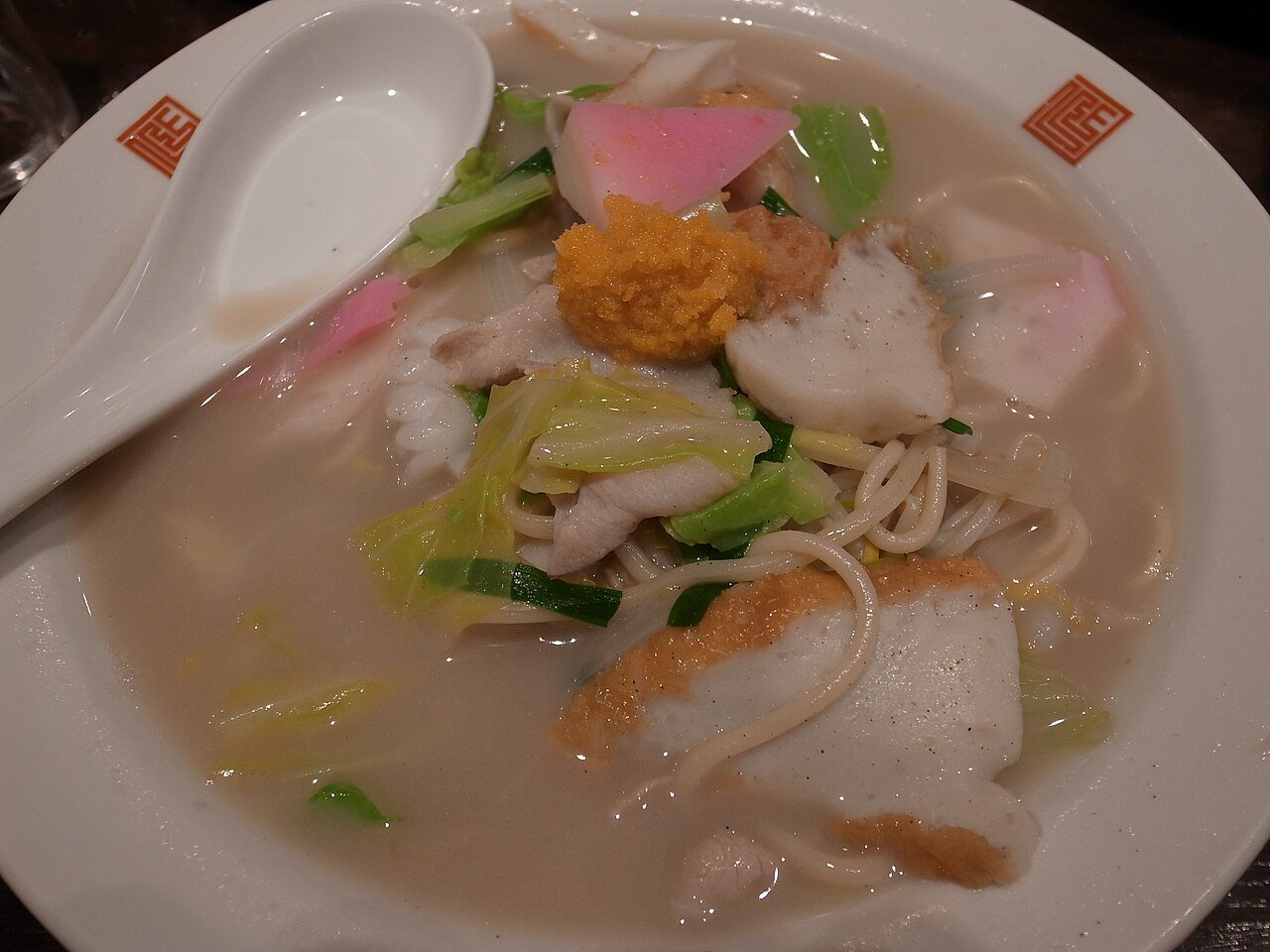
In 1899, Chen Pingshun — owner of the Chinese restaurant Shikairou on Nagasaki harbour — created an affordable, filling meal for Chinese students struggling on tight budgets. He simmered pork and chicken bones into a rich white broth, cooked thick wheat noodles directly in it, and piled in pork, shrimp, squid, fish cake, cabbage, bean sprouts and more. The result: champon. The broth is creamy-white and mellow, never salty or spicy. One bowl is genuinely satisfying. Shikairou is still open, still serving the same dish, with a free Champon Museum on the second floor.
 2
2
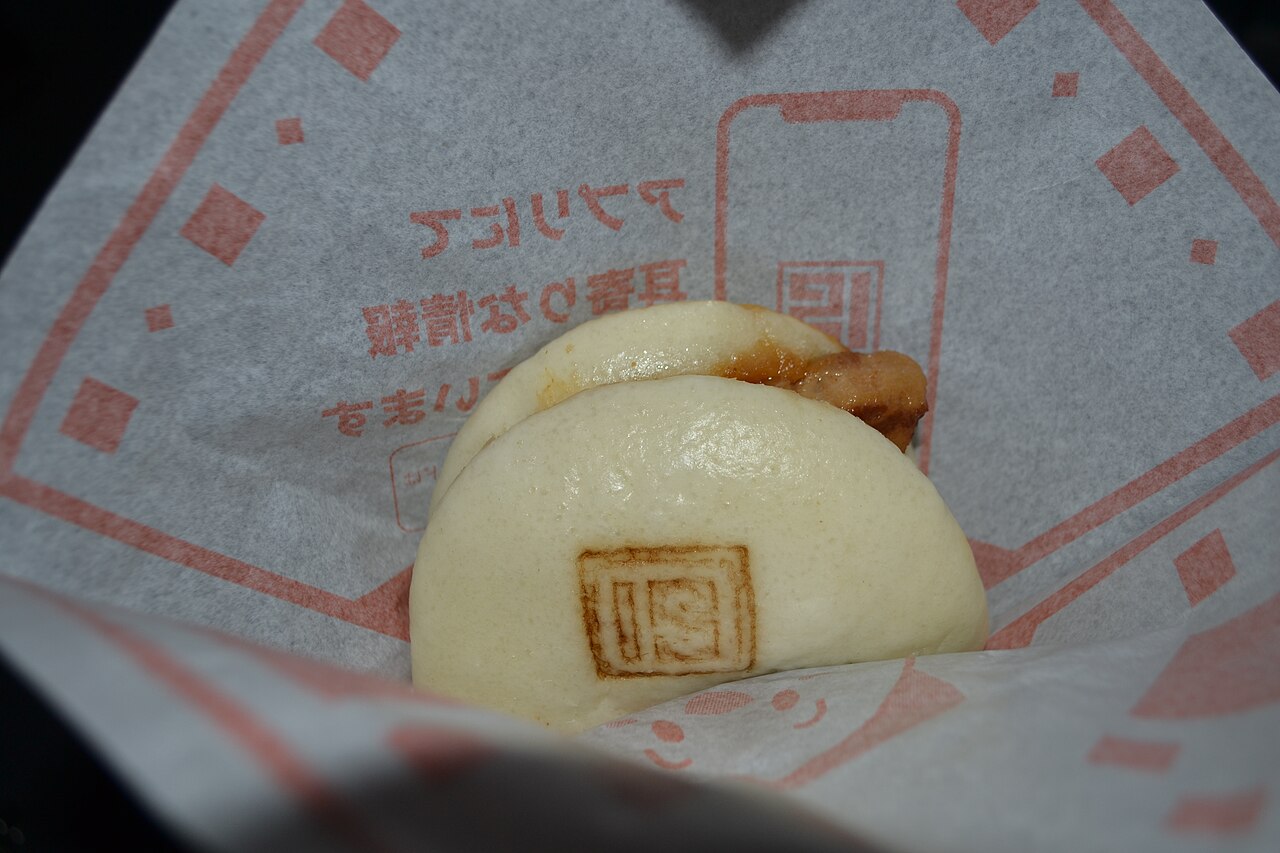
Walk past an Iwasaki Honpo stall in Nagasaki and the cloud of steam will stop you before your feet do. Inside the fluffy white steamed bun sits a thick slab of kakuni — pork belly braised for hours in soy sauce, sake, mirin and sugar until the fat turns translucent and the meat collapses at the lightest touch. Bite through the soft bun and a rush of savoury-sweet braising liquid follows. Eat it while the steam is still rising. This dish shows exactly how Nagasaki absorbed Chinese culinary influence and made it its own — the original is Chinese-style braised pork; the soft Japanese steamed bun made it a street icon.
 3
3
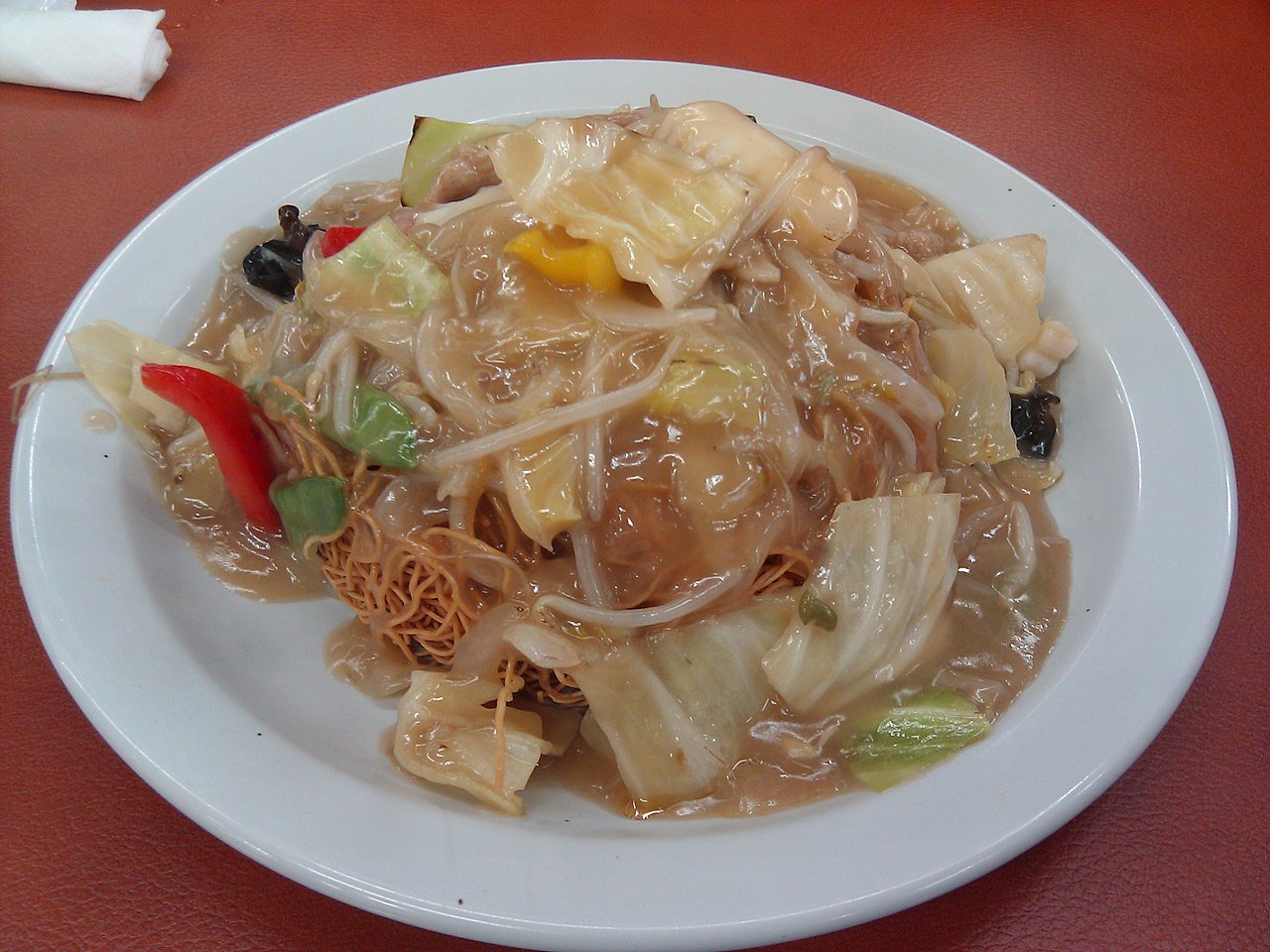
If champon is the famous older sibling, sara udon is the one that rewards those who look closer. Thin noodles deep-fried to a shattering gold (or thick noodles stir-fried soft, depending on the shop) are arranged on a plate, then crowned with a glossy stir-fry of seafood, pork, cabbage, bean sprouts and root vegetables in a thick, savoury sauce. The sound of the first chopstick strike tells you whether the kitchen fried the noodles fresh. Eat quickly — the noodles begin absorbing the sauce immediately, softening from the bottom up. Both textures are good, but starting with the crunch is the point.
 4
4
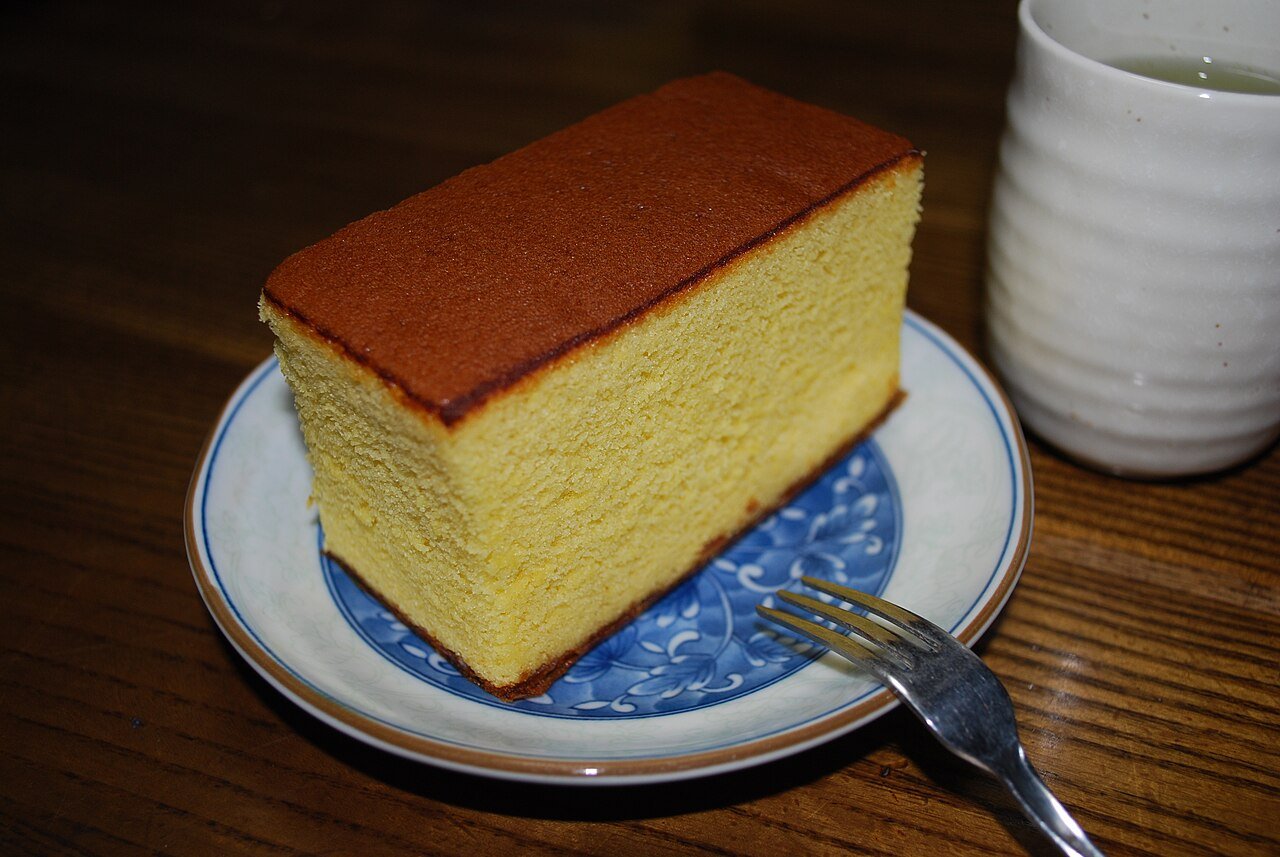
In the late sixteenth century, Portuguese missionaries and traders brought a cake called "Pão de Castela" (bread of Castile) to the port of Nagasaki. Japan did not merely adopt the recipe — it refined it into something the original country never achieved. Generous eggs, cane sugar, wheat flour and a starch syrup; no butter, no leavening agent. The result is a dense, moist yellow sponge with a deep caramelised top crust. The defining signature: coarse sugar crystals pressed into the bottom, which crunch between the teeth on the very last bite. Fukusaya, founded in 1624, still bakes the same recipe in the same style. The smell drifting from the open shop front makes it impossible to walk past.
Shippoku ryori translates loosely as "table cooking" — but the experience is far more layered than the name suggests. Fifteen to twenty dishes arrive on a round red lacquer table in the Chinese style: clear ohire soup made from sea bream and mushroom in the Japanese tradition; braised pork belly (toubani); sashimi; tempura with Nagasaki's own seasoning; and a "basti" lattice pastry inherited from Dutch traders. No head of the table, no foot — everyone seated equally, sharing from communal plates. This communal format reflects Nagasaki's four-century tradition of welcoming strangers from every direction. It is expensive, but for a special meal it has no equal in Japan.
 6
6
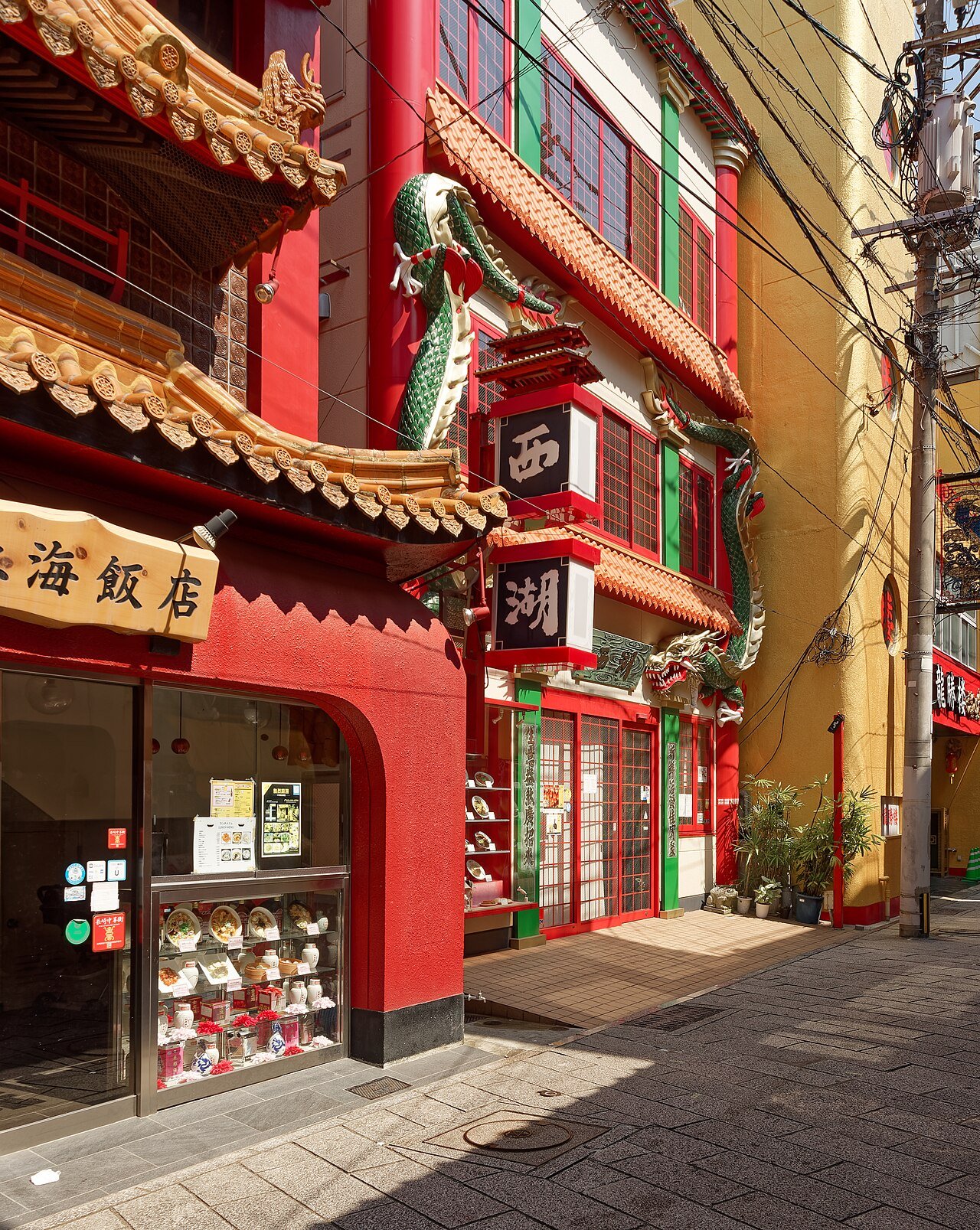
Nagasaki is flanked by ocean on nearly every side, and the daily seafood at izakaya restaurants in the Hamamachi district reflects that. Look for aji (horse mackerel) sashimi, soft-shell crab Nagasaki-style, and whole squid grilled over charcoal — nothing is frozen, everything is briny-sweet. Nagasaki Chinatown, the oldest in Japan, runs along just two short streets, but the stalls and shops pack in more flavour per metre than almost anywhere. Try the oversized pan-fried gyoza, battered and deep-fried shrimp parcels, and Chinese-Japanese hybrid sweets you will not find in any other Chinatown in the country.