9 Dishes to Try Before You Leave Mexico City
Ordered by how uniquely they belong to the city — the dishes that tell the story of ancient cooking and street life.
 1
1
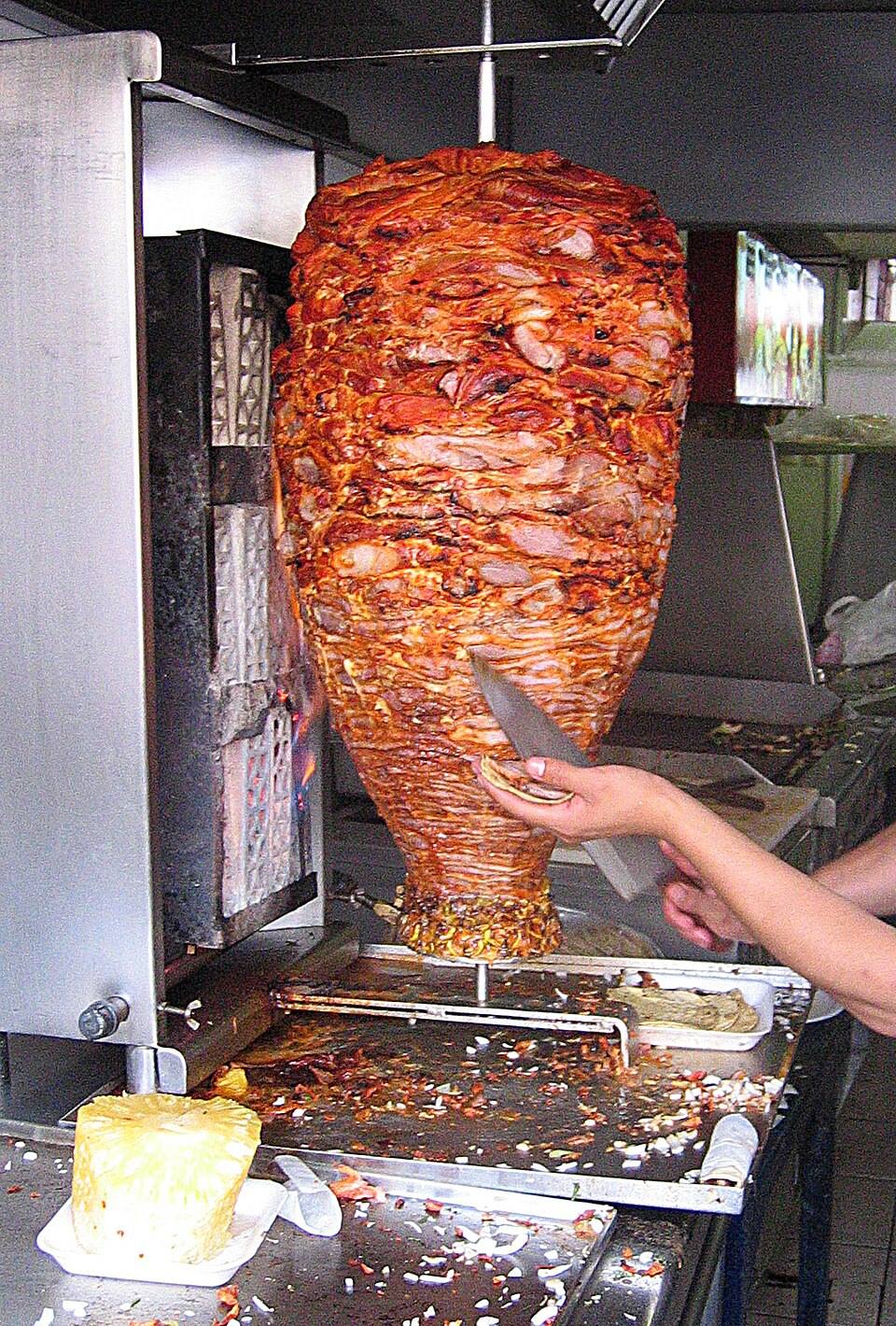
This is the dish everyone should try first — pork marinated in red-orange achiote spices, stacked on a vertical spit and roasted on a turning flame (a technique Lebanese immigrants brought from shawarma). The taquero shaves fresh meat onto small corn tortillas, tops with grilled pineapple, onion, cilantro, a squeeze of lime, and salsa. Sweet-salty pork with tangy juicy pineapple is addictive. Order an "orden" (plate) or count by the piece. El Vilsito and El Huequito are legends — go in the evening to late night for the most authentic vibe.
 2
2
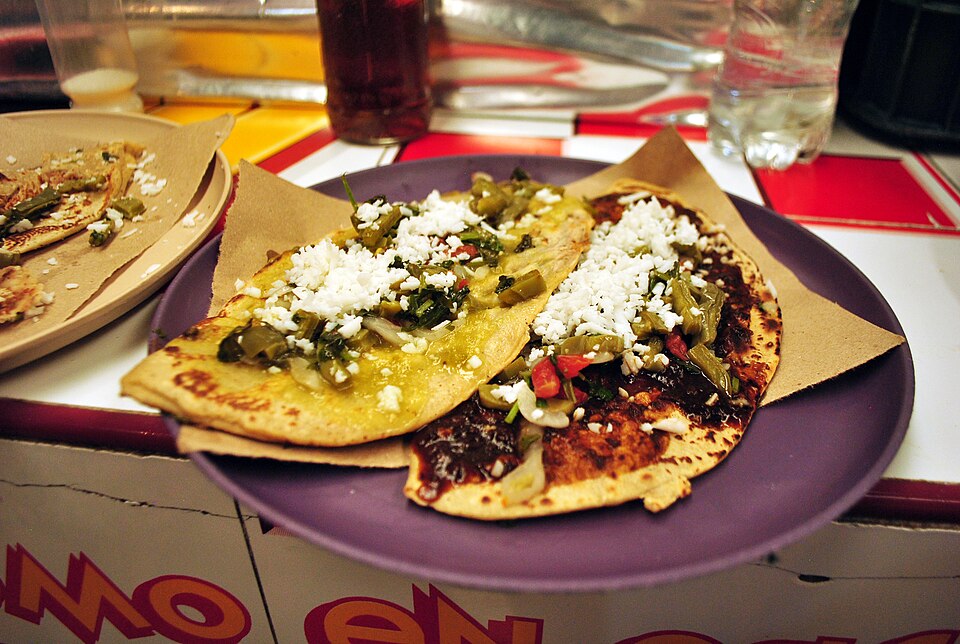
Tlacoyos predate the Spanish conquest — corn masa shaped into a thick oval, stuffed with mashed beans (frijol), cheese, or requesón (like ricotta), then griddled on a comal until charred. Topped with nopales (sliced cactus), onion, cilantro, cotija cheese, and salsa. Local women pat them out fresh in front of you at market and street stalls in the morning. A filling, cheap breakfast-to-late-morning bite, and a genuinely ancient food that tourists often overlook.
 3
3
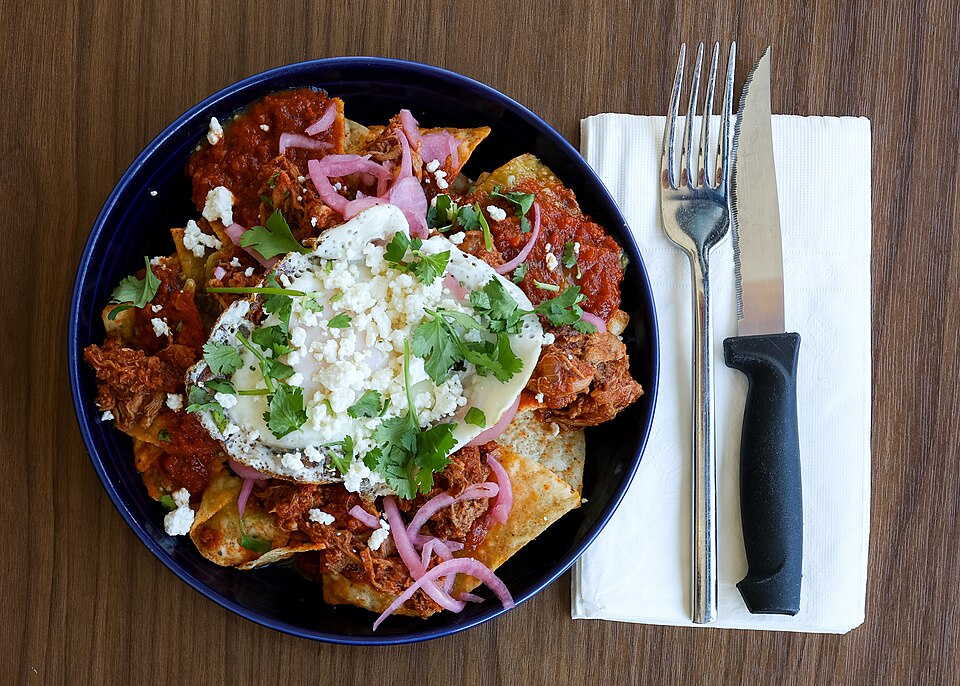
Ask a Mexican what breakfast is and many say "chilaquiles" — triangle-cut corn tortilla chips fried crisp, drenched in salsa (green verde or red roja) until they start to soften but keep some crunch, topped with cream, cotija cheese, onion, and usually a fried egg or shredded chicken. You choose your spice level. Eat it with coffee or fresh juice. Breakfast spots and fondas (homestyle eateries) citywide serve it — start a sightseeing day with this plate and you'll understand why Mexicans love it.
 4
4
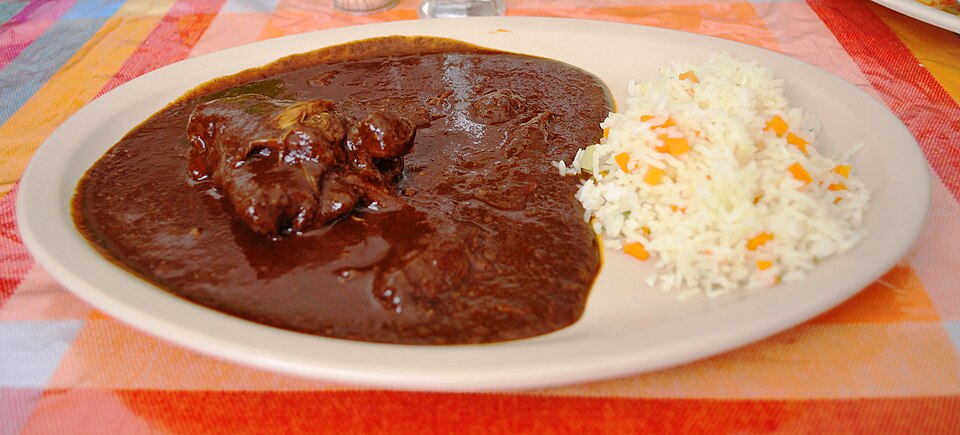
Mole is the most complex sauce in Mexican cuisine — classic mole poblano uses 20-30+ ingredients: several dried chiles, chocolate, sesame, nuts, spices, and dried fruit, simmered and ground for hours into a deep brown sauce that's rich, sweet, spicy, and slightly bitter all at once. Spooned over chicken or turkey and sprinkled with sesame seeds. Every family has a secret recipe. It's a celebration food that shows the depth of Mexican food culture — try it once to understand why it's far more than just a "sauce."
 5
5
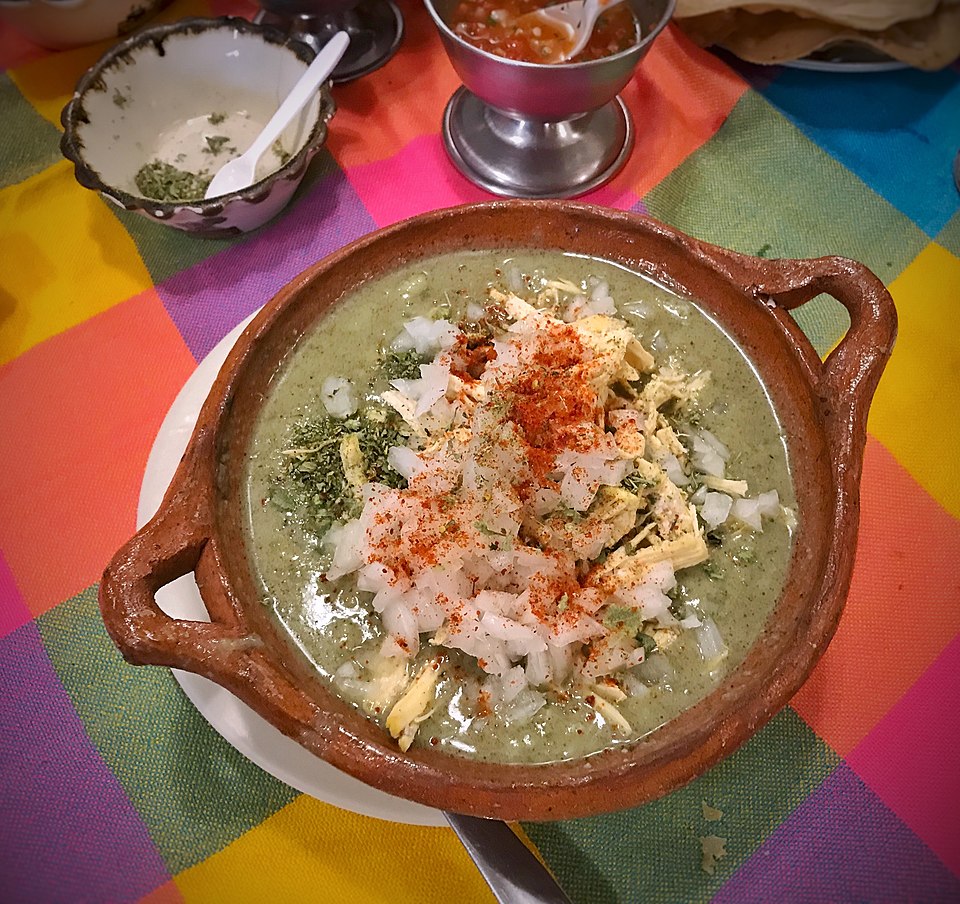
Pozole is the comforting soup Mexicans eat on weekends and at celebrations — large hominy corn kernels simmered with pork or chicken in a fragrant, spiced broth. It comes in three colors: rojo (red), verde (green), and blanco (white). Served with garnishes to add yourself — shredded cabbage or lettuce, onion, radish, lime, oregano, and tostadas (fried tortillas). A hearty, warming, genuinely filling meal, and a family dish every household makes differently. Try it at a dedicated pozolería for the most authentic flavor.
 6
6
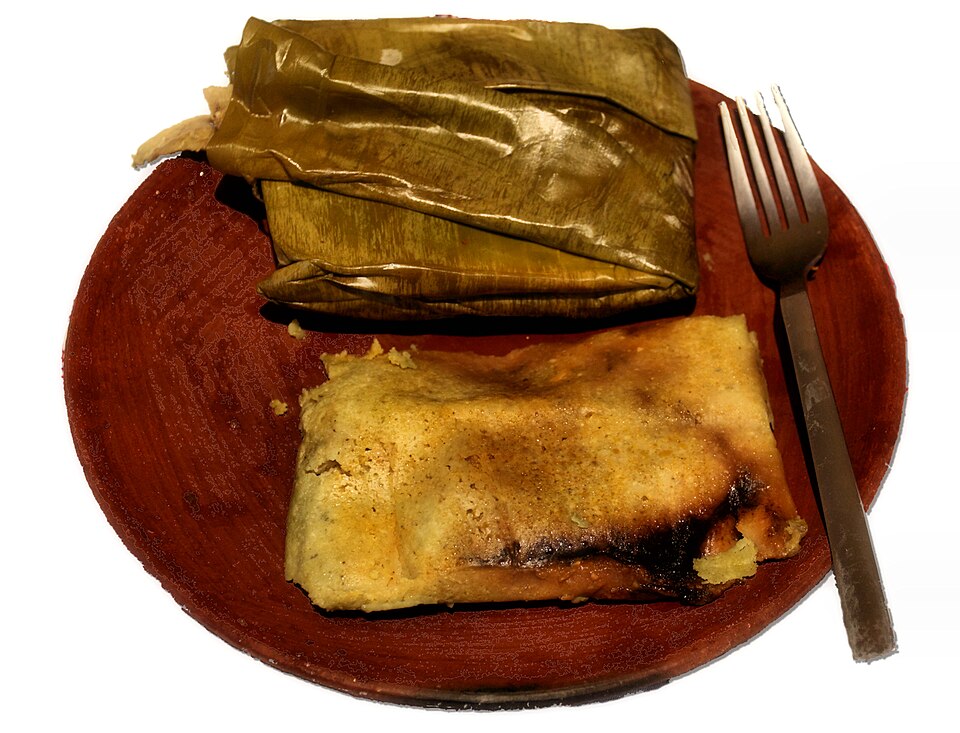
Tamales are the grab-and-go breakfast Mexico City eats on the way to work — corn masa with a filling, wrapped in a corn husk or banana leaf and steamed until soft. Fillings are sweet and savory: mole con pollo, rajas (chile and cheese), verde (green salsa), and a pink sweet one. The city's signature is the "guajolota" — a tamale stuffed inside a bolillo bread roll, a carb-on-carb sandwich (double carbs!) that workers eat with atole (a hot corn drink) in the morning. Buy from chain street stalls in the early morning.
 7
7
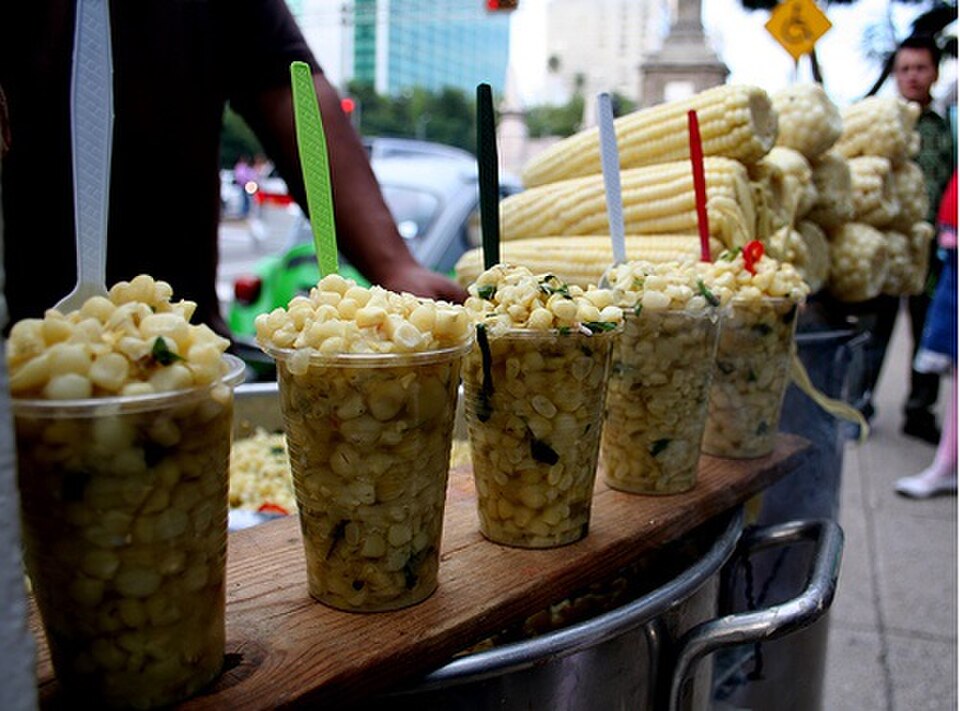
Esquites is the street snack you'll find on every corner — corn kernels boiled with epazote (a Mexican herb), scooped into a cup, topped with mayo, cotija cheese, chile powder, and a squeeze of lime, eaten hot with a spoon. It's the cup version of elote (a whole corn cob on a stick with the same toppings). Creamy, salty, spicy, and tangy in one bite. It's the evening snack Mexicans eat on the go — super cheap. Grab a cup while strolling a plaza or park.
 8
8
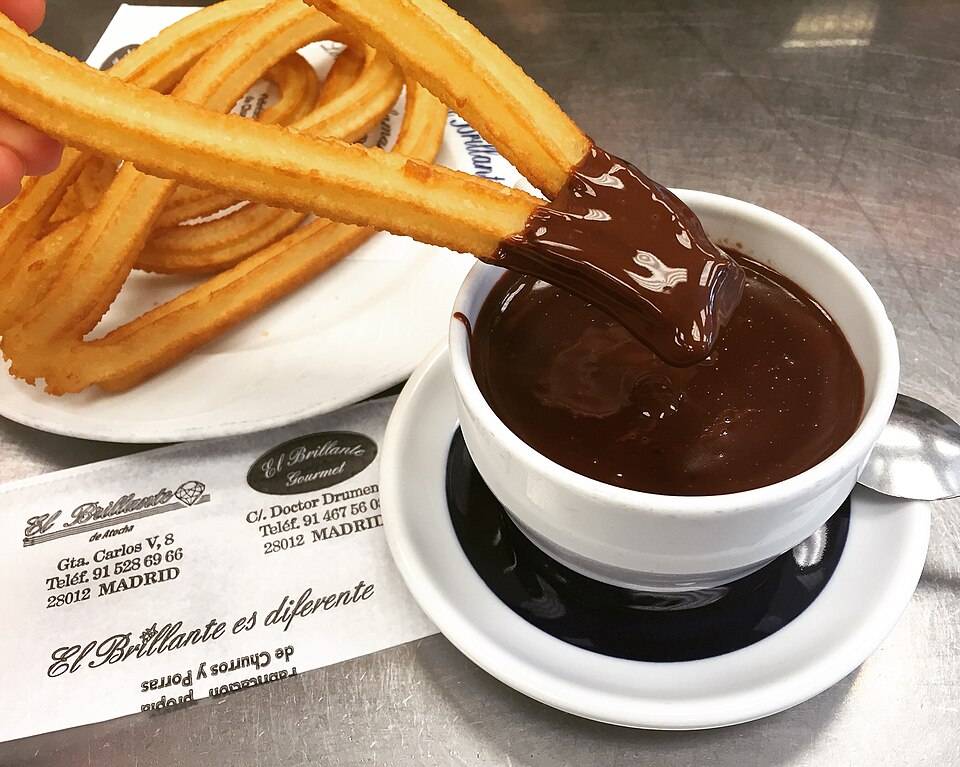
Churros are the sweet Mexicans eat from early morning to late night — long ridged fried dough, crisp outside and soft inside, dusted in cinnamon sugar, dipped in thick hot chocolate so rich it's almost a soup (chocolate caliente). The legendary spot is El Moro, open 24 hours since 1935 — hot churros with chocolate at 2am after the bars is a quintessential Mexico City experience. Some shops do churros stuffed with dulce de leche or custard. A cheap dessert everyone loves, all ages.
 9
9
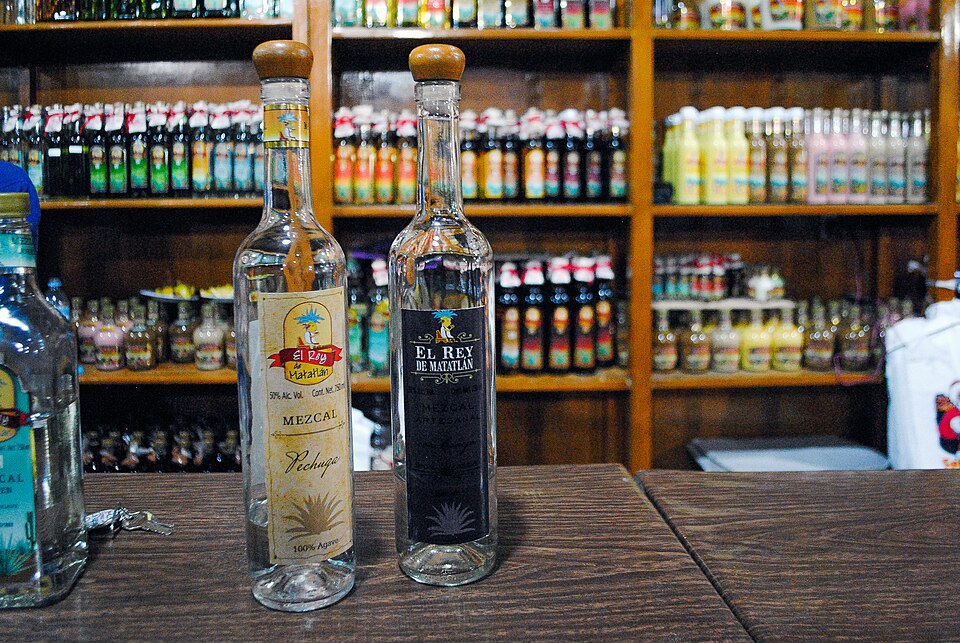
If tequila is the agave spirit the world knows, mezcal is its deeper older sibling — made from many agave varieties, roasted in earthen pits over charcoal for a signature smoky character. There's a saying: "para todo mal, mezcal; para todo bien, también" (for everything bad, mezcal; for everything good, the same). Sip it slowly from a small glass with orange slices dusted in chile salt (sal de gusano). Roma and Condesa have stylish mezcalerías with dozens to try — drink mindfully, since the altitude makes alcohol hit faster than usual.