Home Kumamoto Japan Kumamoto Prefecture About
Home  ›  Asia  ›  Japan  ›  Kumamoto  ›  Itinerary
🗓️ Kumamoto Itinerary · 1–3 Days · 2026

Kumamoto in 1–3 Days
Castle, Volcano and the City That Rebuilt

Watch stonemasons repair a 400-year-old castle wall from a catwalk above them. Stand at the rim of an active crater on the Aso Plateau. Eat horse sashimi in a lantern-lit arcade. Kumamoto has more layers than most Kyushu cities twice its size.

How Many Days Do You Need?

Kumamoto Scales to Your Schedule

Here is an honest breakdown by length of trip — pick the one that fits your itinerary and work from there:

1 day — covers all the city highlights: Kumamoto Castle with the Special Observation Passage, Suizenji Jojuen Garden, Kumamon Square and Sakuranobaba Johsaien. Works well as a stop between Fukuoka and Beppu on a Kyushu loop.
2 days — adds time to walk slowly, try basashi (horse sashimi) at a proper sit-down lunch, visit Kato Shrine for the best castle photo angle and spend an evening in Shimotori's izakaya bars.
3 days — tack on a full-day trip to Mount Aso: active Nakadake crater, the green Kusasenri meadow and Kyushu highland beef.

All three plans are laid out below. Getting around the city is easy — the Kumamoto City Tram covers every major spot for a flat ¥200 per ride, and a ¥500 day pass pays for itself after three trips.

Day One

Castle, Garden and Kumamon

The rebuilt keep towering over 400-year-old stone walls · A miniature Tokaido Road in a daimyo garden · Kumamoto ramen with fried garlic oil you won't find in Fukuoka
01
Day 1
Kumamoto Castle · Suizenji Garden · Kumamon Square
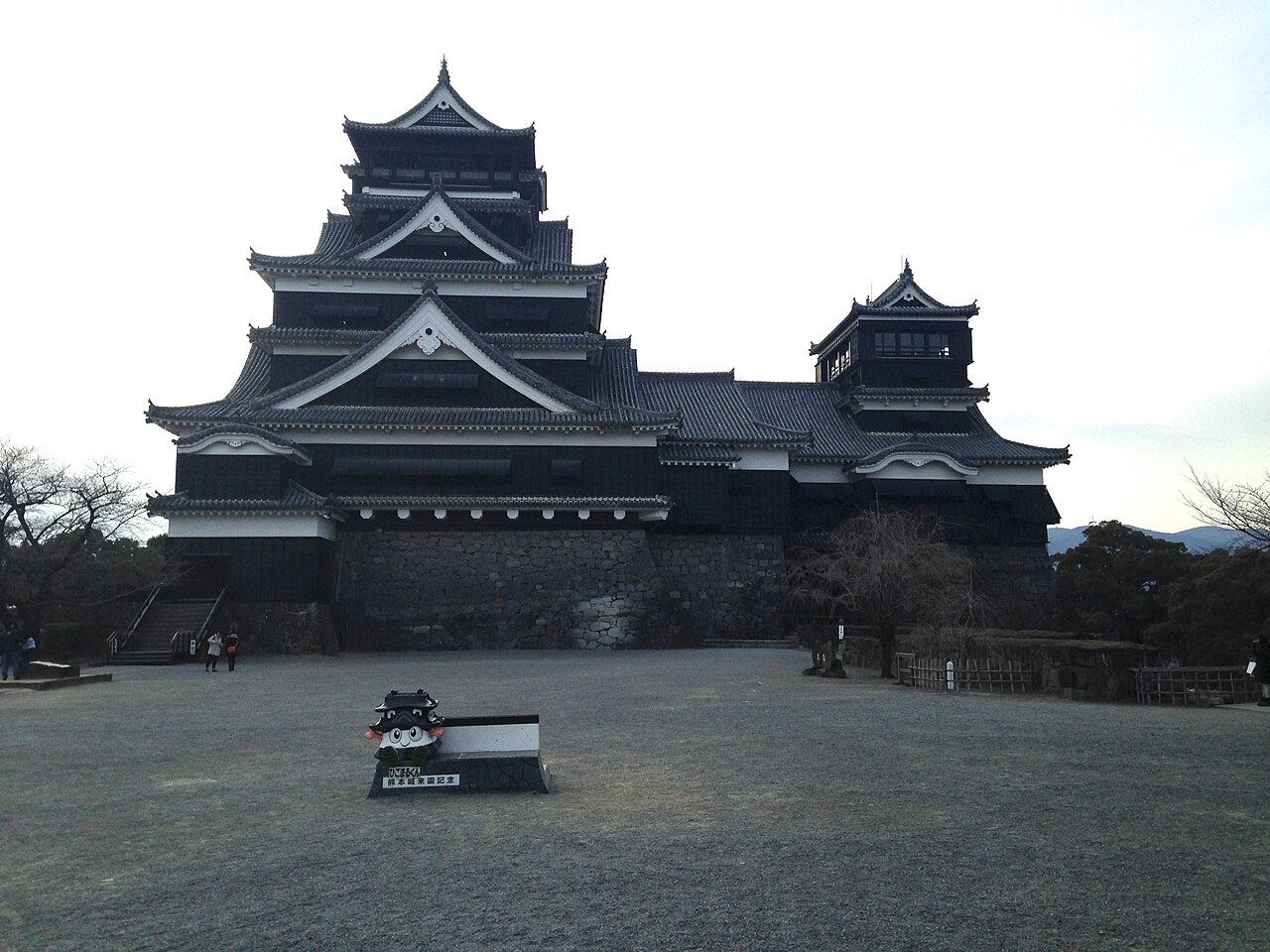
Kumamoto Castle's restored black main keep rising above curved stone walls after post-earthquake reconstruction
Morning · ~3.5 hours
Sakuranobaba Johsaien + Kumamoto Castle

Start at Sakuranobaba Johsaien from around 08:30–09:00 — a shopping and history complex modelled on a 300-year-old castle-town streetscape. The inner Wakuwakuza experience uses AR screens to tell Kumamoto's story; the outer lane is lined with food shops selling karashi renkon and local sweets. Grab a coffee here before the castle opens.

Walk straight into the castle grounds and buy your ¥800 ticket. The Special Observation Passage is the highlight you won't find at any other Japanese castle — an elevated catwalk suspended above live restoration work where you can watch craftsmen placing individual stone blocks back into walls dismantled by the 2016 earthquake. Then climb the restored Main Keep, six floors of historical exhibits, finishing at the top-floor observation deck with 360-degree views over the city and Mount Aso on a clear day.

Tram: Lines A or B from JR Kumamoto Station to Kumamotojo-mae (~17 min, ¥200), then walk ~5 min
Castle admission: ¥800 adults / ¥300 children · Open 09:00–17:00 (last entry 16:30)
Sakuranobaba Johsaien: Wakuwakuza open 08:30–17:30 · shops 09:00–19:00 · entry free (Wakuwakuza exhibit has a fee)
Tip: Buy the ¥500 tram day pass at the station before you board — it also gets you a small discount on castle and Suizenji admission, so it pays back immediately.
Afternoon · ~3 hours
Kumamon Square + Suizenji Jojuen Garden

After lunch near the castle (or in Johsaien), take the tram to Kumamon Square inside Tsuruya department store in the city centre. This is the official base of Kumamon — the bear mascot who holds the actual job title "Sales and Happiness Manager" for Kumamoto Prefecture. A 360-degree performance stage, AR games on large screens and photo spots are all free of charge. If you time it right, Kumamon performs live on stage.

Continue on tram Line A to Suizenji Jojuen Garden, a daimyo garden completed in 1632 that traces all 53 post stations of the Tokaido Road in miniature — a tiny Mount Fuji sits at the centre of the pond, pine trees frame the hill, and the water surface mirrors everything on a calm day. Budget 45–60 minutes to walk the perimeter path at a comfortable pace.

Tram to Kumamon Square: Tsuruya-mae or Karashima-cho stop · ~3 min walk to Tsuruya
Tram to Suizenji: Line A to Suizenji-Koen stop · ~5 min walk; or JR Hohi Line to Shin-Suizenji ~8 min walk
Garden admission: ¥400 adults / ¥200 children · Open 08:30–17:00 (last entry 16:30)
Evening · ~2 hours
Kumamoto Ramen + Shimotori Arcade at Night

Kumamoto ramen deserves its own sentence: the broth is tonkotsu-white like Fukuoka's, but the kitchen adds a spoonful of fried garlic oil (kogashi ninniku) on top — a nutty, smoky layer that Hakata ramen does not have. The noodles are straighter and slightly firmer. Several well-regarded shops operate in the streets around the Shimotori arcade; follow the lunchtime queue if you are not sure which door to open.

After dinner, walk the full length of Shimotori Arcade — over 500 metres of covered shopping with everything from clothing boutiques to izakayas and dessert shops. It is busiest after 19:00 when office workers arrive. Pick up Kyushu soft-serve ice cream at one of the dairy stands and call it a night.
Ramen budget: ¥800–1,200 per bowl · multiple shops in and around Shimotori
Shimotori Arcade: Shops roughly 10:00–21:00 · bars and izakayas until late
Day Two

Old Streets and Flavours Worth the Trip

The shrine built for the warlord who raised the castle walls · The best castle photo angle in town · Horse sashimi if you dare · The evening the locals actually spend in Shimotori

02
Day 2
Kato Shrine · Basashi Lunch · Furumachisuji · Izakaya Evening
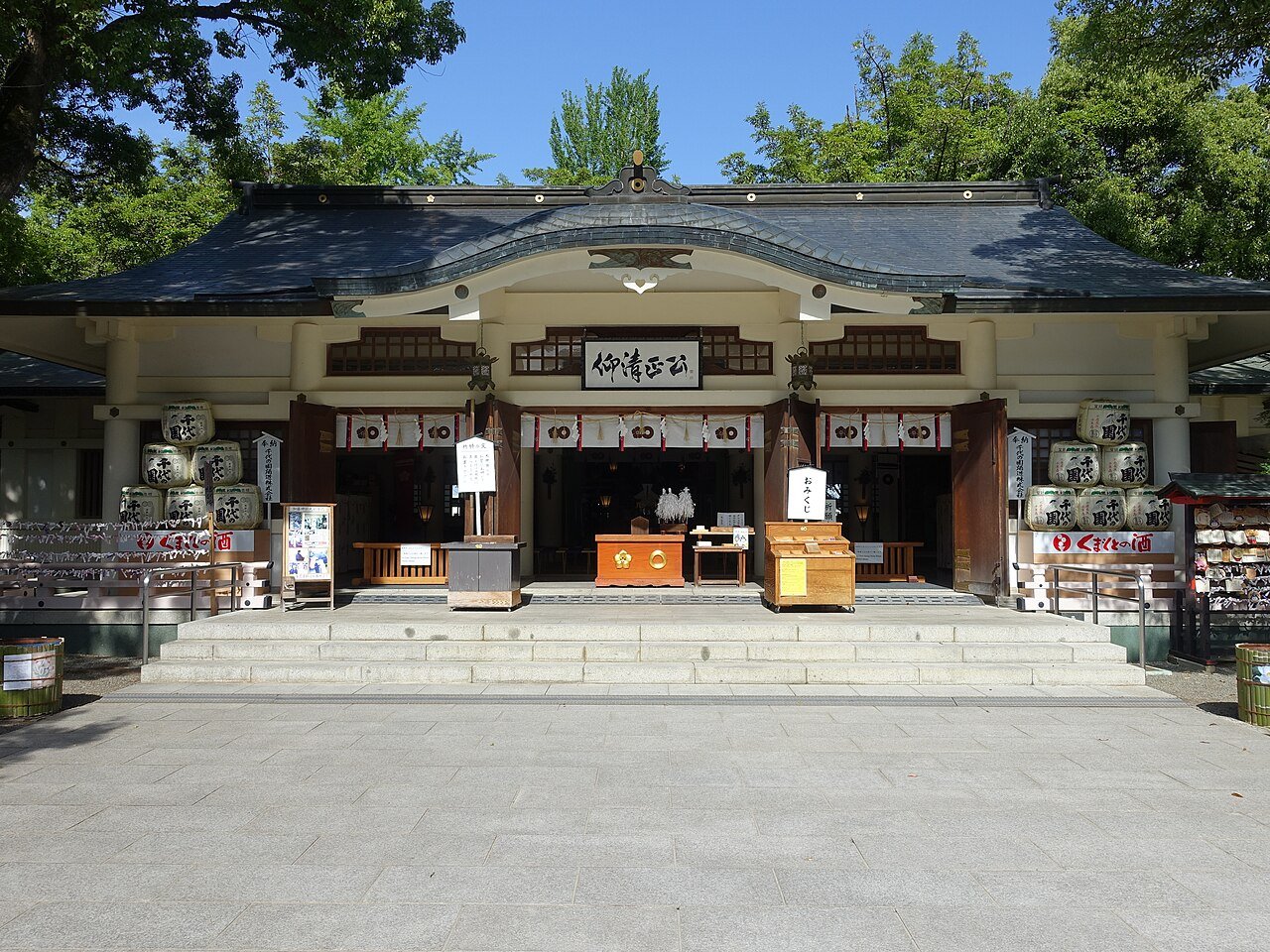
Kato Shrine within the Kumamoto Castle grounds, dedicated to warlord Kato Kiyomasa who ordered the castle built in 1601
Morning · ~2.5 hours
Kato Shrine + Best Castle Photo Spot

On day two, climb back up to the castle grounds to visit Kato Shrine (Kato Jinja) — a compact shrine honouring Kato Kiyomasa, the Sengoku-era general who ordered Kumamoto Castle built in 1601. From the courtyard behind the shrine you get what is arguably the finest angle in the whole complex: the black main keep rising above a curved stone wall, with no modern buildings visible in the frame. Morning light before 10:00 is gentle and even — far better than the harsh afternoon sun.

After the shrine, take one more walk through the lower castle grounds near the Honmaru palace area. The Uto Yagura turret, which survived both the Satsuma Rebellion of 1877 and the 2016 earthquake completely intact, is worth a few minutes on its own.

Tram: Line A to Kumamotojo-mae · walk ~8 min up the hill; or continue from yesterday's castle grounds
Kato Shrine: Open at all times · Free
Best photo time: Before 10:00 for soft light from the east
Afternoon · ~3 hours
Kamitori Arcade + Basashi Lunch + Furumachisuji

Now for the one Kumamoto dish that earns the most hesitation before the first bite, and the most repeat orders after it: basashi (馬刺し), thinly sliced raw horse meat. The texture is silkier than beef tartare and distinctly sweet, served cold over ice with fresh ginger and ponzu or soy sauce. You'll find it on lunch menus at traditional restaurants in the Kamitori arcade area for ¥1,500–2,500 per plate. If raw meat genuinely isn't for you, order taipien instead — a Kumamoto-original clear-broth noodle with glass noodles, tofu, prawns and vegetables that doesn't exist anywhere else in Japan.

After lunch, walk the quieter Furumachisuji Street nearby — a narrow lane where old-school tea shops and confectioners mix with indie cafes. This is where you'll find the best selection of karashi renkon (lotus root stuffed with hot mustard miso and deep-fried), Kumamoto's signature souvenir for three centuries. Buy it sealed in vacuum packs for the journey home.

Tram: Karashima-cho or Tsuruya-mae stop · walk ~3 min into arcades
Basashi lunch: ¥1,500–2,500 per plate at restaurants in Kamitori / Shimotori
Karashi renkon: ¥500–1,200 depending on size · available in Johsaien and arcade shops
If raw horse meat is a hard pass: Taipien is the right alternative — mild, warming and genuinely local. Look for the handwritten menu boards in the side streets off Shimotori.
Evening · ~2 hours
Izakaya Night + Ikinari Dango

The backstreets around Shimotori and Furumachisuji hold several dozen izakayas where Kumamoto locals come on weeknights — the atmosphere is far more relaxed than equivalent spots in Fukuoka or Osaka. Order Amakusa Daio chicken (a local breed known for juicy, flavourful thigh meat) grilled over charcoal, or Kyushu pork belly with miso. The tables outside spill onto narrow lanes under paper lanterns.

Finish the evening with ikinari dango — a steamed bun with sweet potato (satsumaimo or taro) layered inside with red bean paste. It is sold warm at kiosks in the arcades and at corner shops; the name literally means "straight-to-the-mouth snack." It costs ¥150–250 per piece and is a better end to the night than any chain dessert.

Izakaya budget: ¥2,000–3,500 per person (food and drinks) · Shimotori / Furumachisuji area
Ikinari dango: ¥150–250 per piece · multiple stalls in arcades
Day Three (Optional)

Mount Aso — A Crater That's Still Breathing

The largest active caldera in Japan · Kusasenri highland meadow carved from an ancient crater · Kyushu cattle grazing with a smoking volcano behind them

03
Day 3 · Day Trip
Mount Aso — Nakadake Crater — Kusasenri Meadow
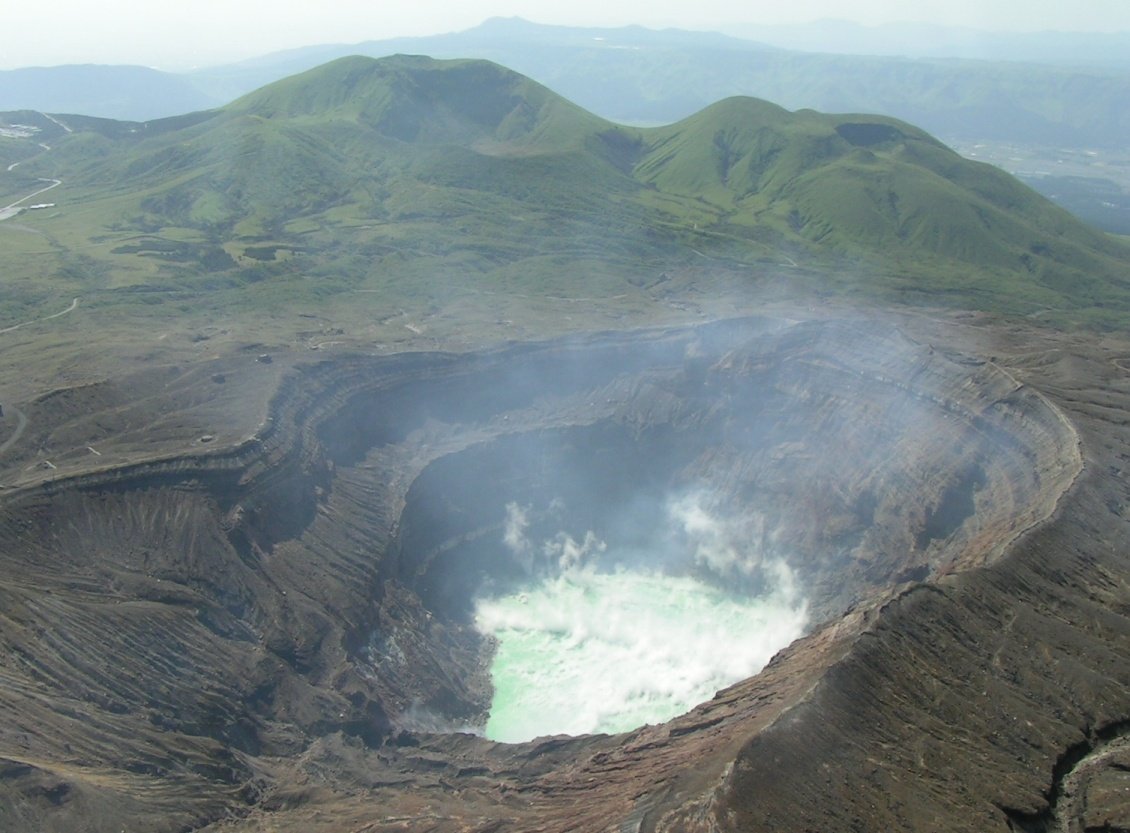
Active Nakadake crater at Mount Aso, white sulphurous steam rising from the crater surrounded by jagged black rock walls
Morning · Depart Kumamoto Station by 08:00–08:30
JR Hohi Line to Aso Station

The day needs an early start. Board the JR Hohi Line from Kumamoto Station heading towards Beppu — the ride to Aso Station takes about 75 minutes. The view from the window is part of the experience: rice paddies first, then forested hills, then suddenly the ground opens into an enormous highland plateau ringed by the outer caldera wall. You are looking at the remains of one of the largest volcanic eruptions in human history, now a patchwork of bright-green fields and scattered farmhouses.

From Aso Station, board the Kyushu Sanko bus towards the crater — the ride takes another 30–40 minutes. Alternatively, rent an electric bicycle at the station for around ¥1,500 per day (the 8–10 km ride uphill is manageable on an e-bike).

JR Hohi Line: Kumamoto → Aso Station ~75 min · ¥1,110 one way · no reservation needed
Kyushu Sanko bus: Aso Station → crater area ~30–40 min · ¥620 one way
Critical check: Verify the volcanic alert level at jma.go.jp before leaving your hotel — the crater can close with no warning
Afternoon · ~4 hours
Nakadake Active Crater + Kusasenri Highland Meadow

If the crater is open — and on a normal alert-level day it is — walking to the rim of Nakadake is unlike anything else in Japan. The crater is roughly 600 metres wide and 100 metres deep; the bottom holds a lake of milky turquoise water that shifts colour depending on the day's sulphur output. White gas rolls up the walls, the wind carries a sharp sulphur sting and the black basalt crumbles at the edges. Low concrete bunkers are dotted around the rim as emergency shelters — take them as a reminder that this is a working volcano, not a theme park.

From the crater, head back down to Kusasenri (草千里) — a wide open meadow sitting inside an older, extinct crater. A shallow pond sits at the centre and free-ranging Kyushu cattle graze the grass with the smoking Nakadake visible in the background. Spend 45–60 minutes here: the walk around the meadow rim is flat, the light is exceptional in the late afternoon and the sight of livestock grazing against an active volcano tends to stay with you.

Crater admission: ¥1,000 adults · free when crater is closed due to volcanic activity
Kusasenri: Free · No set opening hours
Food near the crater: Aso Road Station (道の駅 阿蘇) near Aso Station for meals and dairy products
Evening · Return to Kumamoto
Aso Road Station Milk + Return Train

Before boarding the return train, stop at Aso Road Station (道の駅 阿蘇) near Aso Station for fresh dairy products from the highland farms — the soft-serve ice cream made from Aso milk is famous across Kyushu and tastes noticeably richer than what you get in cities. Stock up on Aso-branded cheese, butter and local sweet potato snacks for the journey.

The last afternoon trains from Aso Station to Kumamoto depart around 16:30–17:30; check the current timetable at jorudan.co.jp. You'll arrive back in Kumamoto around 18:00–19:00 with time for a final dinner before checking out the next morning.

Return train: Aso Station → Kumamoto ¥1,110 · ~75 min · check timetable before heading down from the crater
Aso Road Station: Open approx. 08:30–18:00 · ice cream from ¥300
♨️
Want to add hot springs?
Kurokawa Onsen — a ryokan village in a gorge, 45 minutes from Aso
See Kumamoto City Guide →
Practical Information

Where to Stay · Getting Around · Budget

🏨
Where to Stay

Stay near JR Kumamoto Station or in the Shimotori / Suizenji area — the tram covers every tourist spot from both zones. Budget travellers will find clean hostels near the station from ¥2,500 per night; mid-range business hotels run ¥6,000–10,000. See the full hotel pick in the Kumamoto City Guide.

🚃
City Tram

The Kumamoto City Tram is the most convenient way to move between attractions — flat ¥200 per ride, or ¥500 for an all-day tram pass (¥800 including city buses). Suica and ICOCA IC cards work on board; otherwise pay cash into the box at the front when you step off. Lines A and B cover every key stop from the station to the castle, garden and arcades.

🌋
Aso Day Trip

Always check jma.go.jp for the volcanic alert level before setting out. Level 1 (normal) = crater open; Level 2+ = crater closed. Have a backup plan — Kusasenri meadow, Aso Farm Land and the Aso Shrine are all worthwhile without going near the active vent. Kurokawa Onsen also makes an excellent alternative if Aso closes.

Budget

Estimated Daily Cost per Person

Item Budget Mid-Range Comfortable
Hotel (per night) ¥2,500–4,000
(~US$17–27)
¥6,000–10,000
(~US$40–67)
¥12,000–20,000+
(~US$80–133+)
Three meals ¥1,500–2,000
(ramen + convenience store)
¥2,500–4,000
(ramen + sit-down lunch)
¥5,000–8,000
(basashi + restaurant dinner)
Tram / transport ¥500–700
(day pass)
¥1,000–1,500
(+ JR for Aso day)
¥2,500–3,500
(rental car or tour)
Admission fees ¥800
(castle only)
¥1,200–2,000
(castle + garden + Aso)
¥2,000–3,000
(guided castle tour)
Total per day (approx.) ¥5,300–7,200
(~US$35–48)
¥10,700–17,500
(~US$71–117)
¥21,500–34,500+
(~US$143–230+)

Exchange rate reference: ¥150 ≈ US$1 · Prices approximate and subject to seasonal change.

Frequently Asked Questions

FAQ · Kumamoto Itinerary

Is one day enough in Kumamoto?
One full day is enough for the main highlights in the city centre — Kumamoto Castle including the Special Observation Passage, Suizenji Jojuen Garden, Kumamon Square and Sakuranobaba Johsaien. You need to start early (castle before 09:30) and use the tram efficiently. With two days you can add Kato Shrine, Shimotori arcade and try basashi at a proper sit-down restaurant. The third day is for a full Mount Aso day trip.
What is the easiest way to get around Kumamoto?
The Kumamoto City Tram is the most convenient option for visitors — a flat ¥200 per ride or a 1-day pass for ¥500 (tram only) or ¥800 (tram and city buses). It covers every major attraction from JR Kumamoto Station to the castle, Suizenji Garden and the shopping arcades. Suica and ICOCA IC cards work on board, or pay cash into the box at the front when you get off.
Is Kumamoto Castle open after the 2016 earthquake?
Yes — the main keep reopened in 2021 with six floors of historical exhibits and a 360-degree view from the top. What makes a post-earthquake visit unique is the Special Observation Passage: an elevated walkway above active restoration work where you can watch craftsmen placing individual stone blocks back into walls dismantled by the 2016 earthquake. Admission is ¥800 for adults, open 09:00–17:00 (last entry 16:30).
How much does a 2-night Kumamoto trip cost?
A mid-range budget runs about ¥10,000–16,000 per person per day, covering a 3-star to 4-star hotel at ¥6,000–10,000 per night, three meals at ¥2,500–4,000, a tram day pass at ¥500, Kumamoto Castle at ¥800 and Suizenji Garden at ¥400. Budget travellers can manage ¥5,000–7,000 per day by staying in a hostel and eating ramen and convenience-store meals.
Can you do Mount Aso as a day trip from Kumamoto?
Yes — the JR Hohi Line from Kumamoto Station takes about 75 minutes to Aso Station (¥1,110 each way), then a Kyushu Sanko bus runs to the Nakadake crater area in another 30–40 minutes. Plan for a full day, departing by 08:00 and returning around 18:00–19:00. Always check the Japan Meteorological Agency volcanic alert level at jma.go.jp before you leave — the crater closes with no advance notice when volcanic activity increases. Have a backup plan ready.