Home Kobe Japan Hyogo About
Home  ›  Asia  ›  Japan  ›  Kobe  ›  Attractions
🌊 Kobe Attractions · 2026

Kobe is more than Wagyu beef
A century-old harbor, Meiji villas, golden-water onsen — where sea meets mountain

The city that opened to the world while the rest of Japan was still closed — foreign-style villas line the hillside, a ten-minute ropeway from the station puts you in a mountain herb garden, and thirty minutes over the ridge lands you in a thousand-year-old onsen valley. That is Kobe.

Why Kobe

A city where the sea and mountains are unusually close

Kobe catches you off guard. Take a forty-minute train from Osaka, step out at Sannomiya, and within ten minutes' walk you can reach a Chinatown older than Yokohama's, an 1,800-year-old shrine tucked between convenience stores, or the start of a hillside trail lined with Victorian and French villas. Turn south toward the water and you hit Meriken Park and the newly renovated red Port Tower — then Harborland's restaurant row beyond.

Kobe opened its port in 1868 and has never stopped looking outward. Foreign merchants, missionaries, and diplomats built homes on the slopes of Kitano, and those 19th-century residences are still standing. We picked 10 places that capture the city in full — from its historic waterfront to a mountain onsen that Japan's emperors have visited for over a millennium.

Top Attractions

10 places worth your time

Ranked by what visitors who have been there actually talk about most.
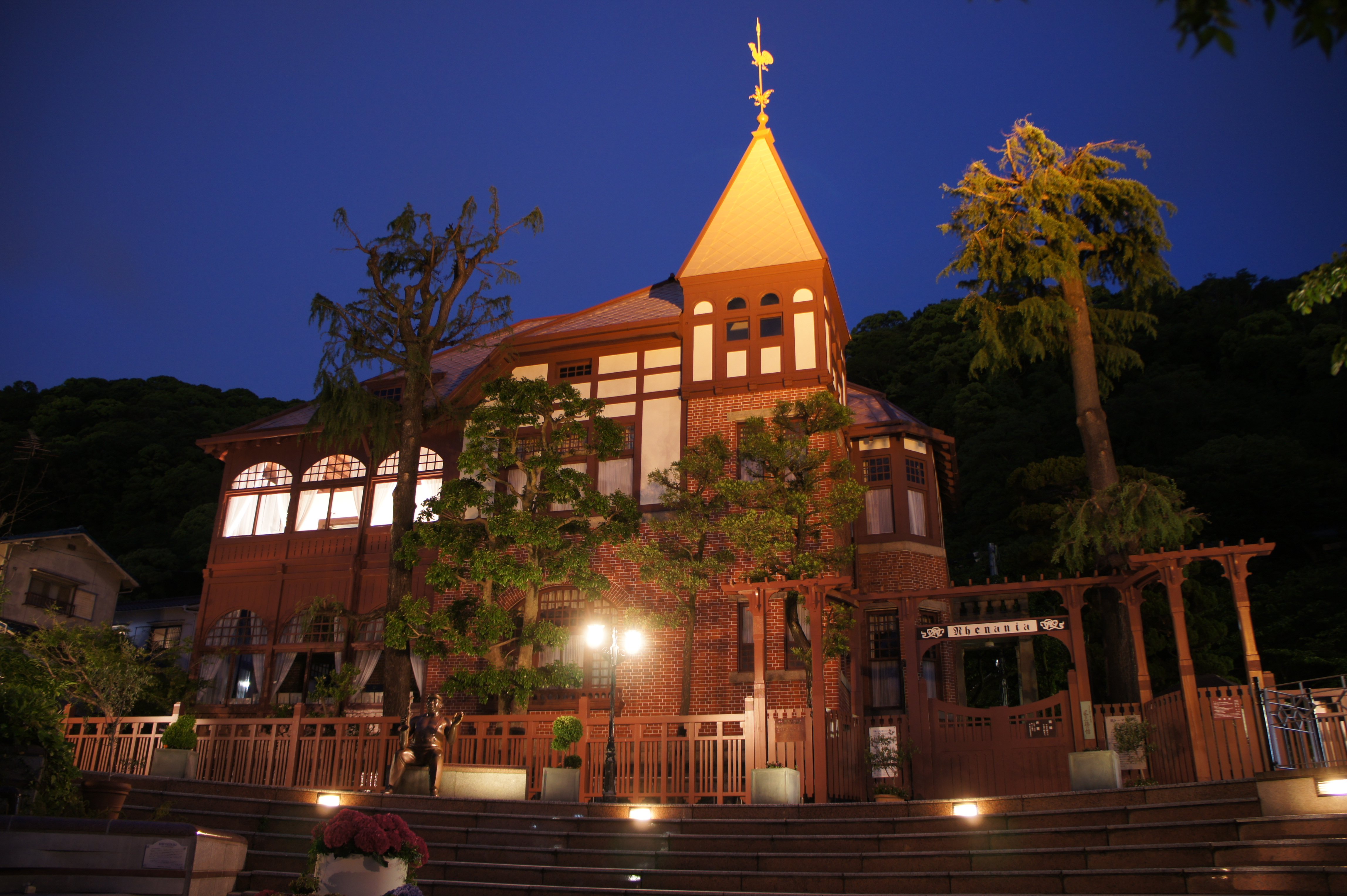
Kitano Ijinkan Kobe — white Meiji-era foreign residence on a hillside, Victorian-style architecture, tree-lined street 1
Kitano Ijinkan (北野異人館街)
MEIJI-ERA FOREIGN VILLAS · KOBE'S MOST DISTINCTIVE NEIGHBOURHOOD

Walk uphill from Sannomiya for ten to fifteen minutes and the city changes shape — concrete office buildings drop away and Victorian, French, Spanish, and German villas appear along both sides of the street. Kitano Ijinkan was Kobe's foreign residential district from the late 1800s: consular staff and traders built European-style homes here because the slope reminded them of home. Several houses are preserved as museums you can step inside; others are still private. The district itself is open around the clock with no entry fee. Individual house admissions run ¥400–700 per building.
Access: 10–15 min walk north from Sannomiya Station, or City Loop Bus (Kitano Ijinkan stop)
Hours: District open 24 hrs · Individual houses approx 09:00–18:00
Cost: Free to walk around · Combo ticket for 2 houses ¥650 per adult
Tip: The Weathercock House (Kazamidori no Yakata) — with a copper rooster weather vane — is the symbol of the district. Entry is ¥500 to go inside; photographing the exterior is always free.
Nunobiki Herb Garden Kobe — terraced mountain herb garden with panoramic view over Kobe Bay, lavender and colourful blooms 2
Nunobiki Herb Garden & Ropeway (布引ハーブ園)
JAPAN'S LARGEST HERB GARDEN · 10-MIN ROPEWAY FROM SHIN-KOBE STATION

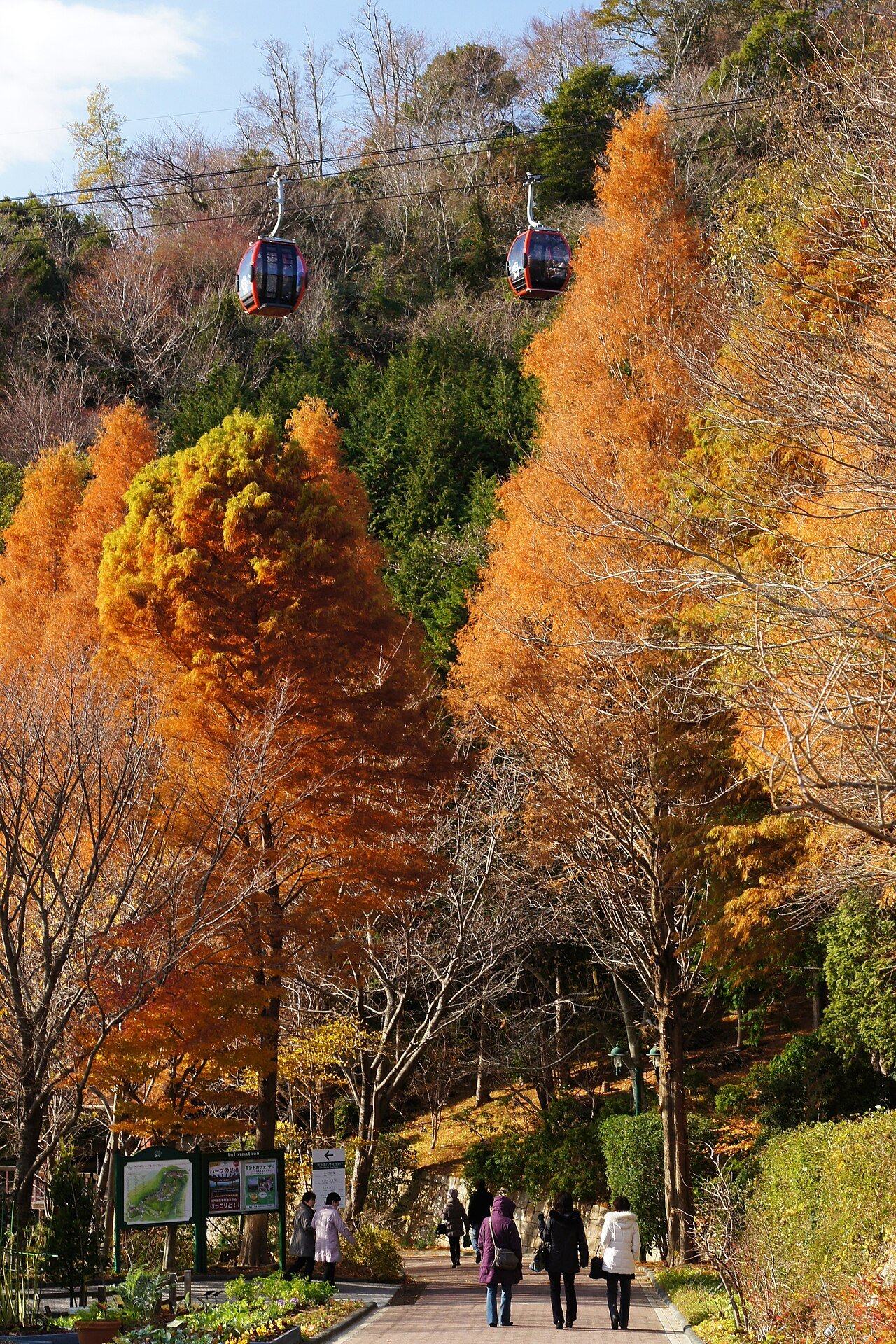
Ten minutes from Shin-Kobe Station by ropeway and you are at 400 metres above sea level, looking down over the harbour while lavender and rosemary billow around you. Japan's largest herb garden spreads across 12 themed zones with over 75,000 plants in 200 varieties. Each season brings a different show: lavender and roses in spring, cosmos and marigolds in autumn, Christmas illuminations in winter. On the way up the gondola passes Nunobiki Waterfall — one of Japan's three great waterfalls — clearly visible from the car.
Access: Shin-Kobe Station (Shinkansen + City Subway) — ropeway base is 3 min walk · Ropeway runs 09:30–17:15 (until 21:00 on weekends & summer)
Tickets: ¥2,000 round-trip + garden · ¥1,400 one-way · After 17:00 ¥1,500 round-trip
Klook: Advance tickets from approx ¥1,800 — skip the queue
Tip: Ride the ropeway up, then walk down through the Nunobiki forest trail (30–40 min). The forested path leads past the waterfall to the base — a great option if you want a gentle hike. — Book Nunobiki tickets on Klook →
Meriken Park Kobe — waterfront park with the red Kobe Port Tower reflecting in the water under a bright blue sky 3
Meriken Park & Kobe Port Tower (メリケンパーク)
HISTORIC HARBOR · RED TOWER REOPENED 2024 · 1995 EARTHQUAKE MEMORIAL

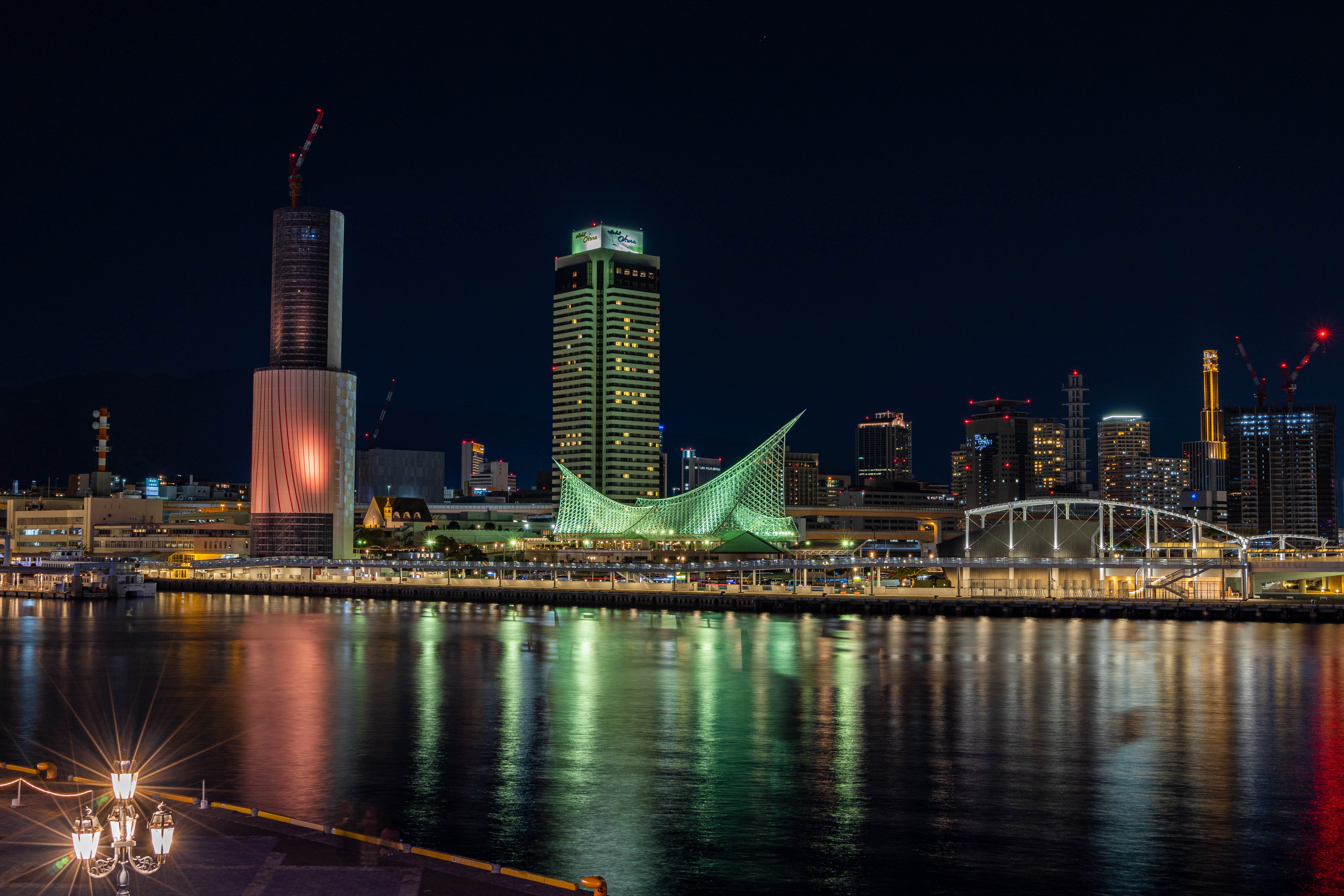
Meriken Park is where Kobe's story is easiest to read. The 108-metre red Port Tower has stood here since 1963 — designed by the same architect who drew the Tokyo Tower — and after a major renovation completed in April 2024, it is better than ever: a glass-walled open-air rooftop deck is now open to visitors for the first time, giving a true 360-degree view of port, city, and mountains. Along the park's seawall, a section of dock was preserved exactly as it buckled in the 1995 Great Hanshin Earthquake. The memorial is frank and moving, and free to visit — a quiet counter-weight to the tower's celebration.
Access: ~15 min walk south from Sannomiya, or City Loop Bus (Meriken Park stop)
Port Tower: 09:00–23:00 (last entry 22:30) · ¥1,000 adult (Obs) / ¥1,200 (Obs + Rooftop)
Park: Open 24 hrs, free · Earthquake Memorial: free
Best time: After 19:00 — the tower lights up, its reflection stretches across the harbour, and Harborland across the water does the same. The combination is Kobe's best evening view.
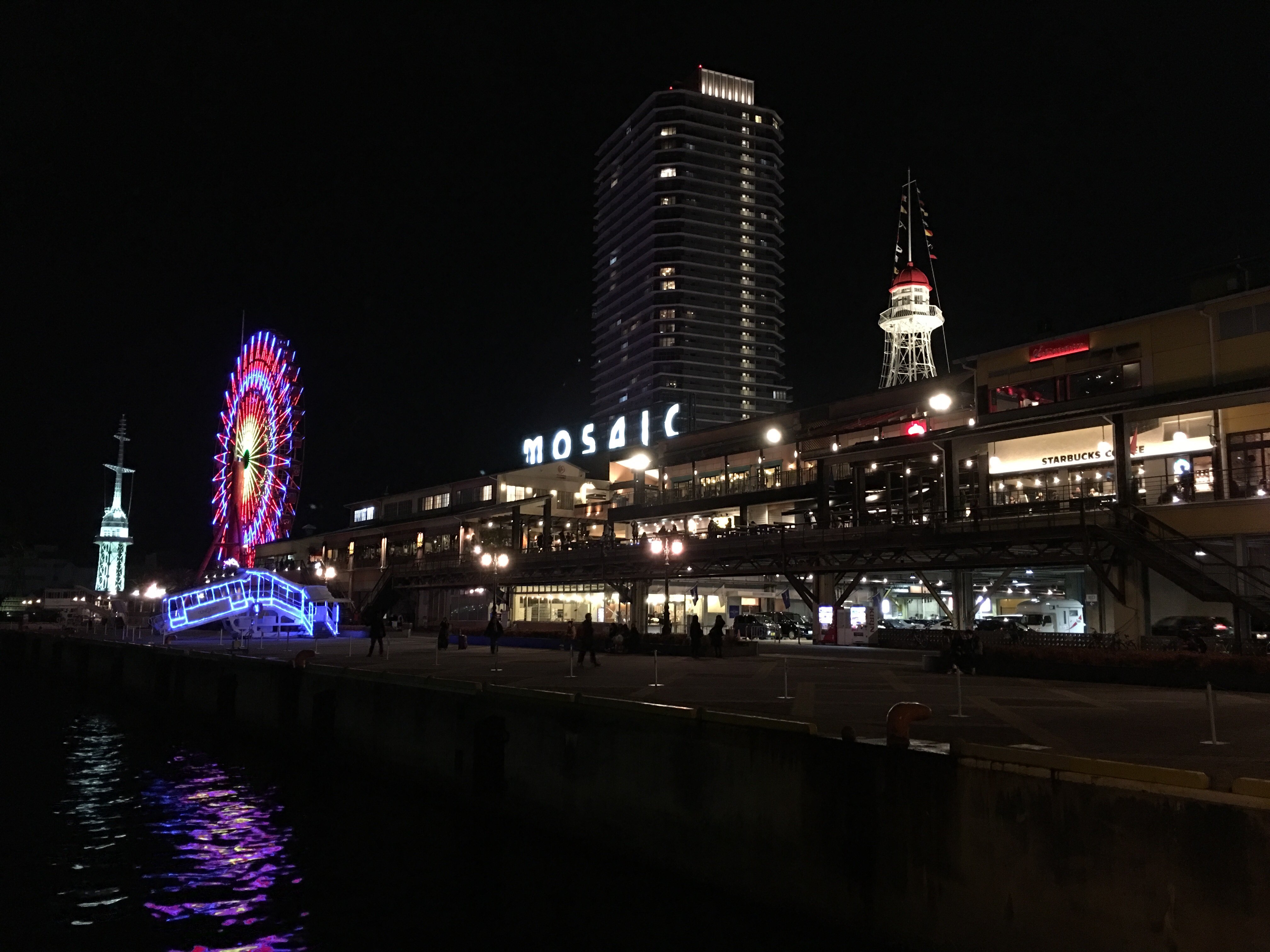
Harborland Kobe — waterfront shopping district at night, illuminated Mosaic building, distant red Port Tower visible 4
Harborland & Mosaic Mall (ハーバーランド)
WATERFRONT SHOPPING, RESTAURANTS & CAFES · BEST VIEWS OF PORT TOWER

Harborland sits a fifteen-minute stroll west of Meriken Park along the shoreline. Developed in the 1990s on former railway land, it is Kobe's go-to spot for a relaxed evening: restaurants with open decks facing the water, boutiques, a cinema, and the multi-level Mosaic building whose upper terrace gives the most photogenic framing of the red Port Tower from across the harbour. The Kobe Ohashi footbridge connects Harborland directly back to Meriken Park so you can loop between them without retracing steps.
Access: JR Kobe Station (south exit) ~5 min walk, or Hankyu/Hanshin Kobe-Sannomiya → transfer
Shops: Approx 10:00–21:00 · Restaurants 11:00–23:00
Cost: Free to explore · spending depends on dining and shopping
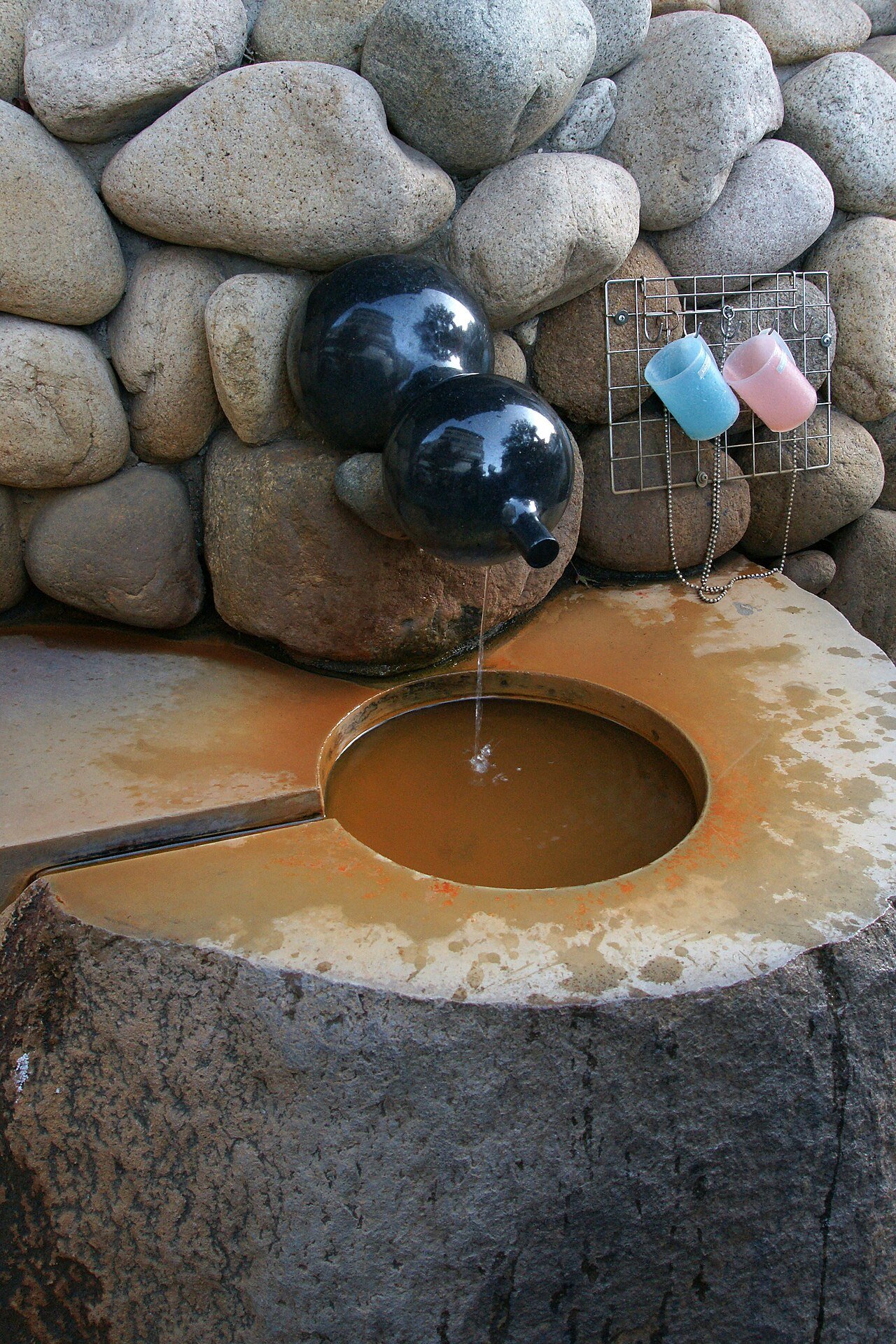
Arima Onsen Kobe — traditional onsen village on a wooded hillside, old ryokan buildings, russet-coloured iron-rich Kinsen water 5
Arima Onsen (有馬温泉)
ONE OF JAPAN'S THREE FAMOUS HOT SPRINGS · GOLDEN & SILVER WATERS

Arima Onsen is thirty to forty minutes from Kobe's city centre and a world away from it. The main street is narrow stone-paved, lined with wooden ryokan and small sweet shops. The hot springs here divide into two types not found together anywhere else in Japan: Kinsen (golden water) — iron-brown and rich in salts, said to ease muscle tension and improve skin; and Ginsen (silver water) — clear, containing carbonate and radon, cooler and softer on the body. The public bath Kin no Yu serves golden water for ¥700 per adult and is one of the easiest ways to try it without an overnight stay.
Access: Kobe Municipal Subway + Kita-Osaka Kyuko Line to Arima Onsen Station ~30–40 min · ¥720
Kin no Yu: 09:00–21:00 · Closed 1st & 3rd Tuesday · ¥700 adult
Day use: Most hotels offer day-use baths for ¥1,500–3,000 incl. private room
Tip: A half-day trip works well — leave Kobe around 10:00, bathe, eat lunch in the village, browse the sansho-seasoned sweets, and be back in the city by 16:00.
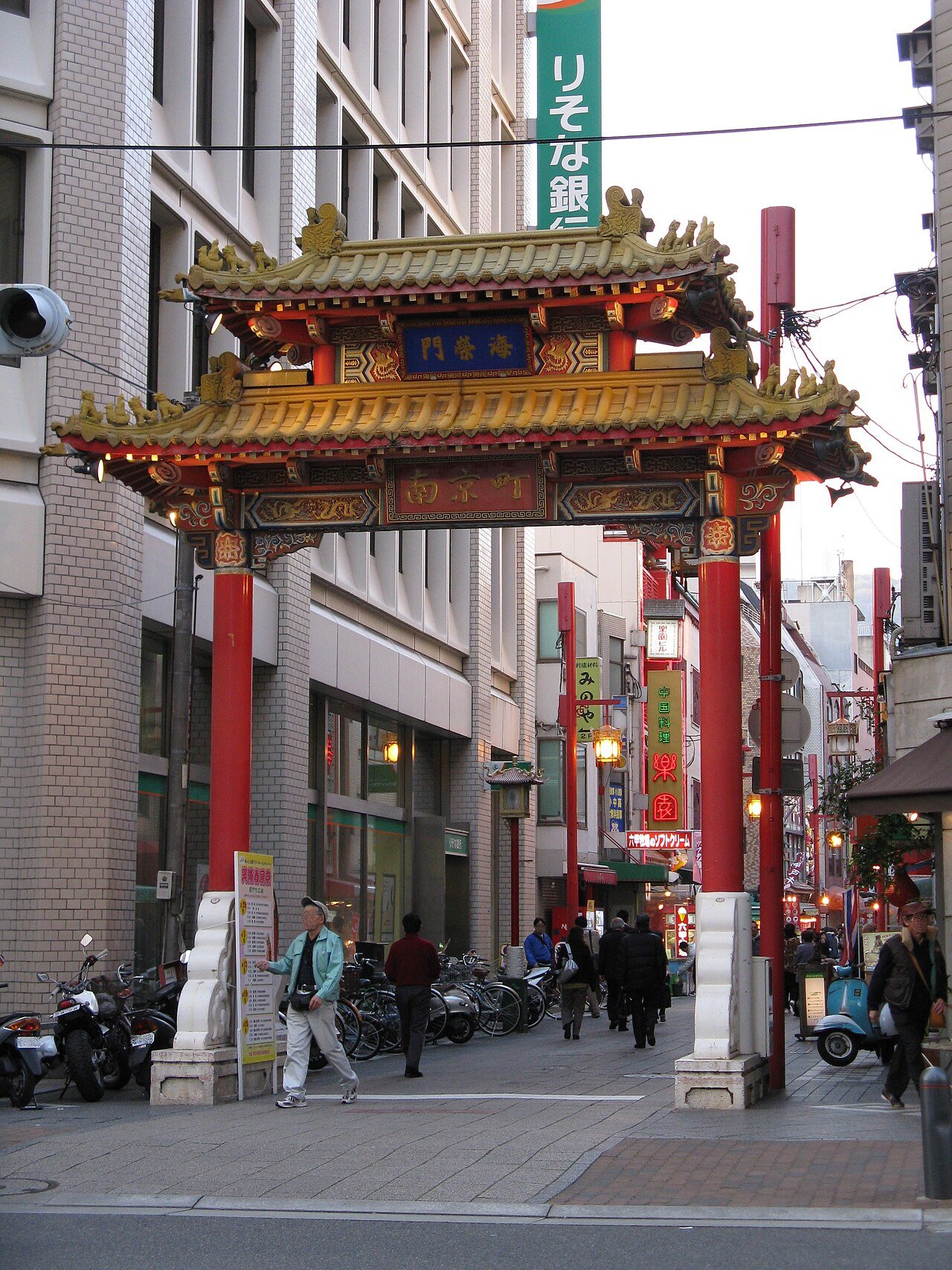
Nankinmachi Chinatown Kobe — ornate red gate decorated with gold dragons, lantern-hung shops, crowds on the main street 6
Nankinmachi — Kobe Chinatown (南京町)
JAPAN'S OLDEST CHINATOWN · BUTAMAN PORK BUNS AND STREET FOOD

Nankinmachi was established in 1868 the same year Kobe's port opened, making it older than Yokohama's famous Chinatown. It is smaller but intensely atmospheric: two ornate red gates frame a single street, and the smell of Butaman — steamed pork buns from the long-running Roushanji stall at the entrance — greets you before you even step through. Pick one up for ¥200–250 and eat it walking. On weekdays the street is manageable; on weekends it fills with locals who come specifically for street food, not just tourists. During Lunar New Year celebrations (late January to February), over a million people pass through the district over several days.
Access: Motomachi Station (JR or Hankyu Kobe Line) — 5 min walk south
Hours: Most shops 10:00–21:00 · Open daily, free entry to the street
Must eat: Butaman ¥200–250 · Nikuman · Ramen from ¥800
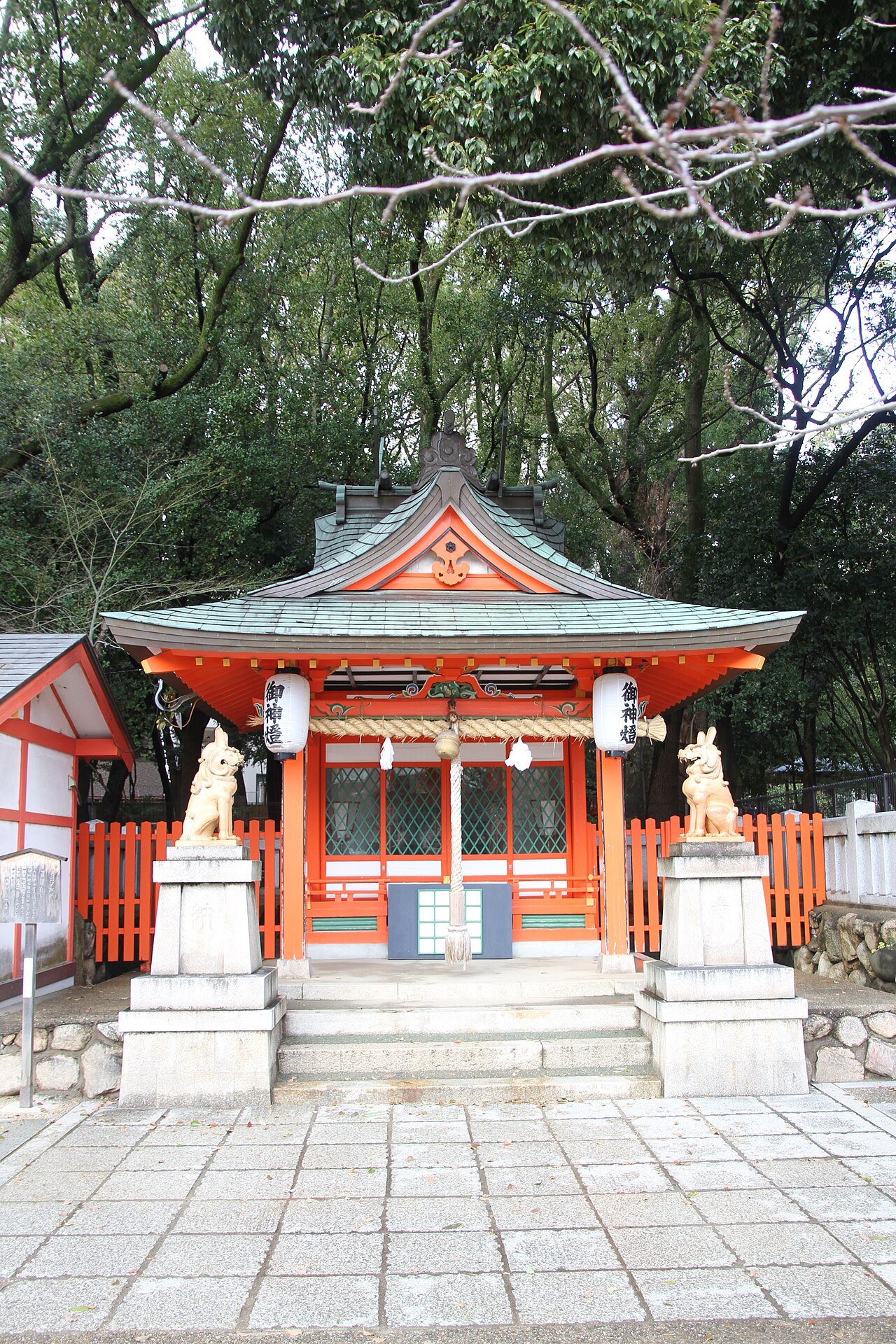
Ikuta Shrine Kobe — orange torii gate through dense green forest, stone-paved path, visitors walking in the middle of Sannomiya 7
Ikuta Shrine (生田神社)
1,800-YEAR-OLD SHRINE · FIVE MINUTES FROM SANNOMIYA · ANCIENT PROTECTED FOREST

Step off the main shopping street of Sannomiya, walk five minutes north, pass through the torii gate, and the city noise stops. Ikuta Shrine is one of Japan's oldest, with a history stretching back over 1,800 years — said to have been founded during the reign of Empress Jingu as the guardian shrine of the area. The forested precincts (Ikuta Jinja Mori) are officially protected as a natural monument. Coming in the morning before 09:00 gives you the shrine almost to yourself, a rare quality this close to a major rail hub. Entry is free.
Access: 5 min walk north from Sannomiya Station
Hours: 07:00–17:00 daily · Free admission
Best time: Early morning before 09:00 — quietest and most serene
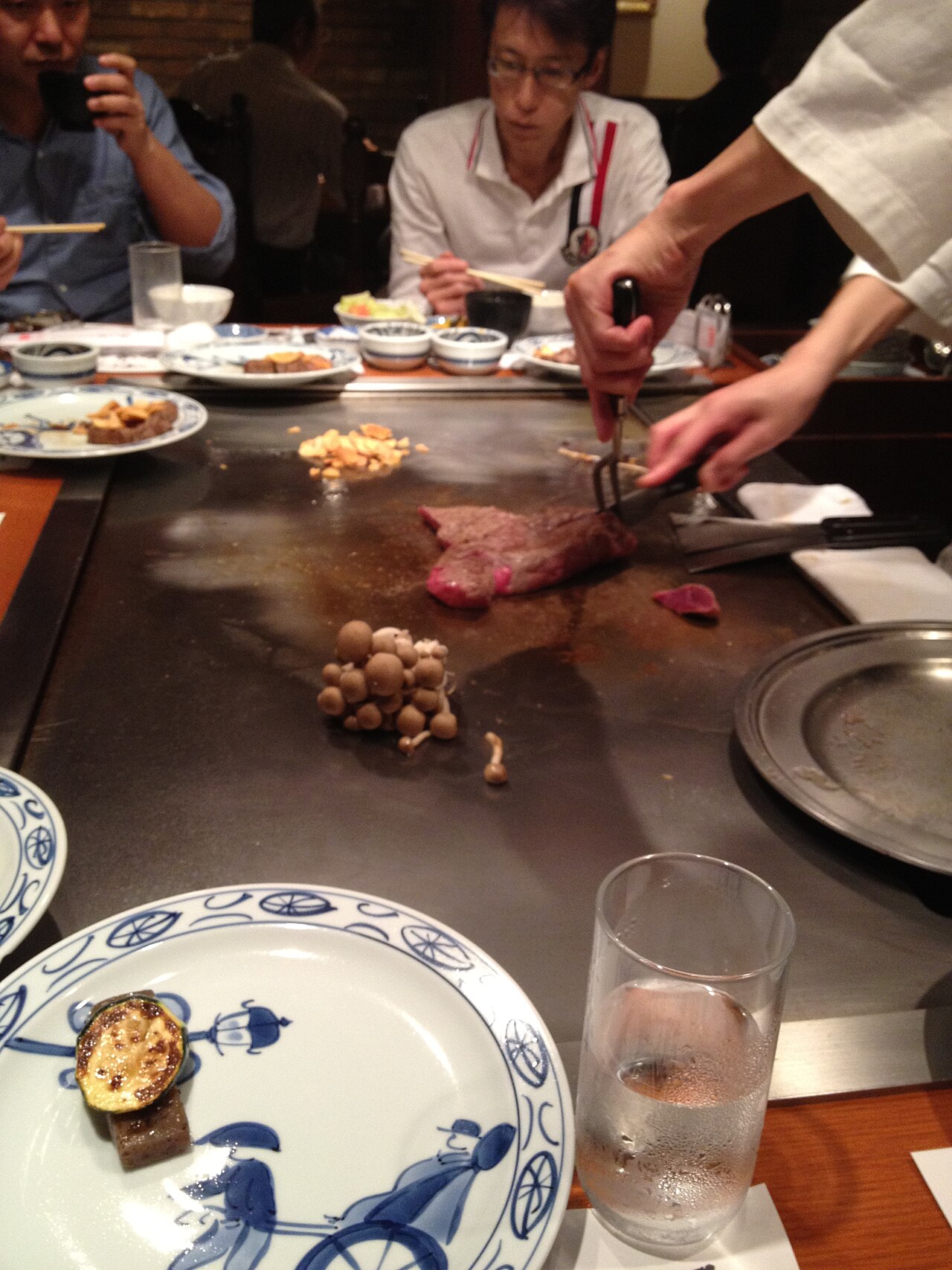
Kobe food culture — Kobe Wagyu beef sizzling on a hot iron plate, golden-brown and marbled, a hallmark of the city 8
Nada Sake District (灘五郷)
JAPAN'S LARGEST SAKE-PRODUCING REGION · HAKUTSURU & KIKUMASAMUNE FREE MUSEUMS

Eastern Kobe's Nada district produces around 30 percent of all sake made in Japan. The secret is Miyamizu — spring water from Mount Rokko with a mineral balance that yeast loves. Two breweries here run free museums that are genuinely worth an hour of your time. Hakutsuru Sake Brewery Museum, in a 300-year-old brewery, shows the traditional fermentation process with life-size dioramas and ends with a free tasting. Kikumasamune Brewery Museum nearby has more of a warehouse atmosphere with sake barrels stacked high. Both are free, both offer tastings, and both are a short walk from Hanshin Line stations.
Access: Hanshin Sumiyoshi or Mikage Station (from Sannomiya ~10 min) · 5 min walk to each museum
Hakutsuru Museum: 09:30–16:30, closed Tuesdays · Free
Kikumasamune Museum: 10:00–16:00 · Free
Tip: After the breweries, head back to Sannomiya for Kobe Beef. Lunch sets at Steakland Kobe start from ¥2,200–3,500 — considerably cheaper than dinner at the same restaurants.
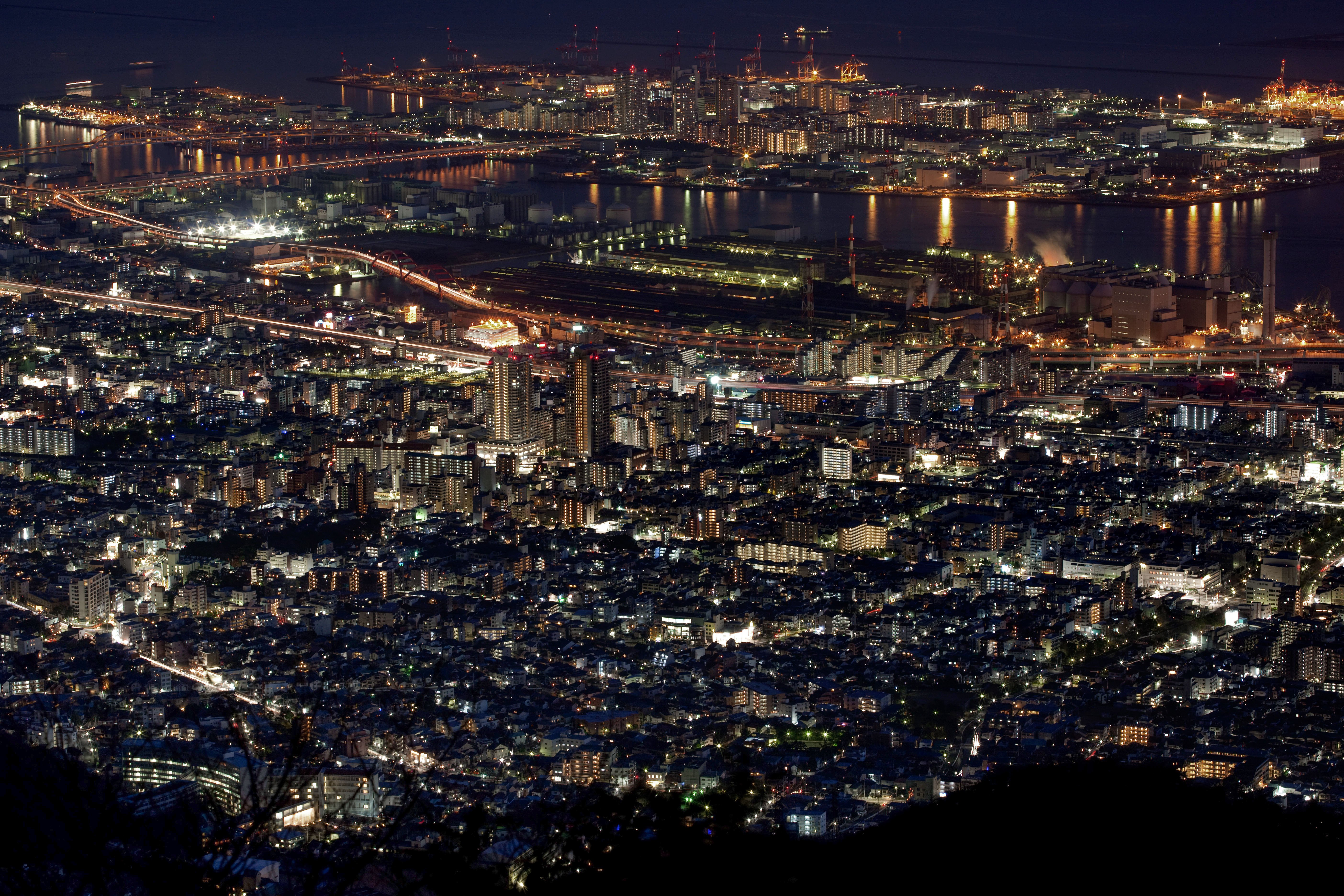
Mount Rokko Kobe — panoramic view from the summit over Osaka Bay, Kobe city spread below, Awaji Island visible on the horizon 9
Mount Rokko (六甲山)
JAPAN'S BEST THOUSAND-LIGHT NIGHT VIEW · KOBE, OSAKA AND AWAJI IN ONE FRAME

The 931-metre summit of Rokko gives a 180-degree sweep of Osaka Bay: Kobe's harbour directly below, Osaka's skyline to the east, Awaji Island across the strait, and on clear days the Akashi Bridge linking them. The view at night, when the city lights of both Kobe and Osaka fill the arc, has been voted Japan's finest "thousand-light view" (mannen no hikari). Take the Hankyu Kobe Line to Rokko Station, then a bus up to the cable car base, then the Rokko Cable to the summit area — the whole journey from Sannomiya is about 35–40 minutes.
Access: Sannomiya → Hankyu Kobe Line → Rokko St → bus to cable base → Rokko Cable ~35–40 min total
Rokko Cable: ¥600 one-way / ¥1,100 round-trip · 07:30–21:15 (weekdays)
Best time: After 17:00 for the dusk-to-night transition and full thousand-light view
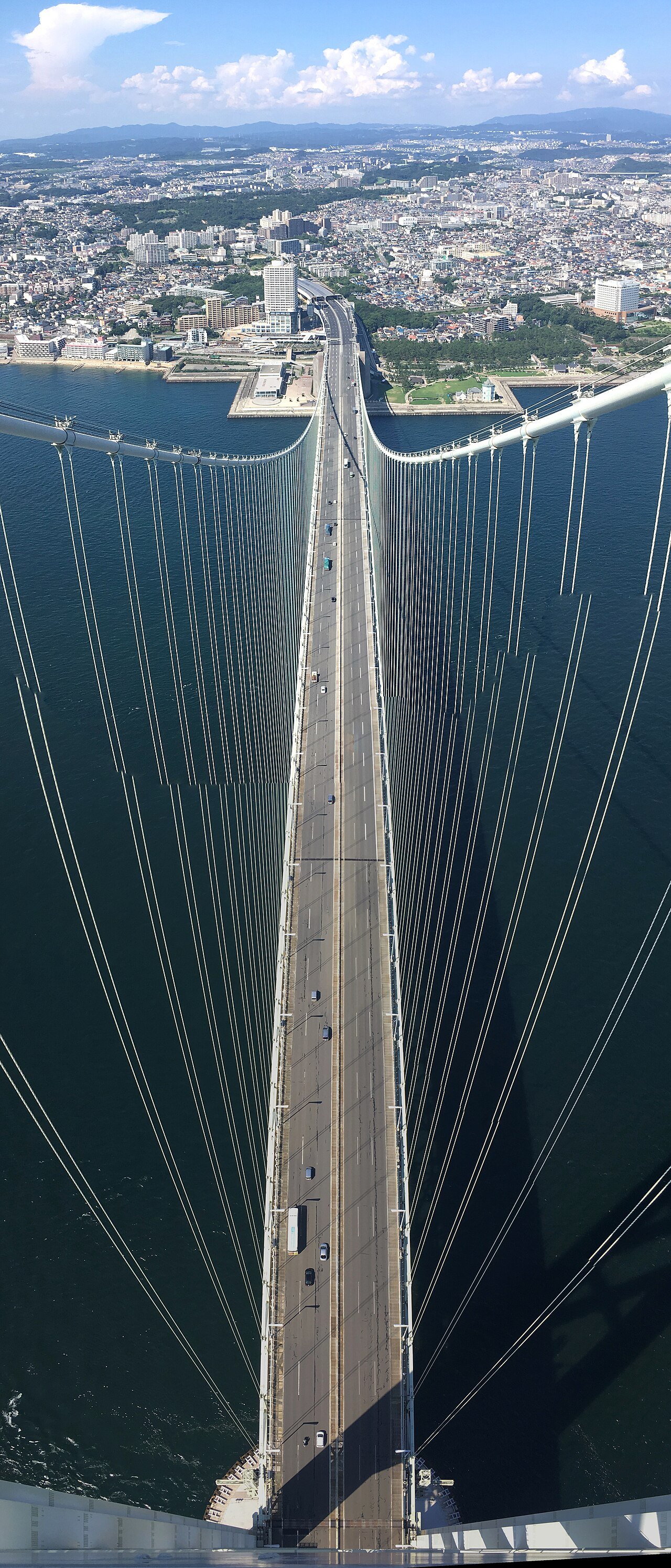
Akashi Kaikyo Bridge Kobe — world's longest suspension bridge, two grey towers rising 298 metres above the strait connecting Kobe to Awaji Island 10
Akashi Kaikyo Bridge (明石海峡大橋)
WORLD'S LONGEST SUSPENSION BRIDGE · 3,911 M · TOWER TOUR TO 297 M

At 3,911 metres, the Akashi Kaikyo Bridge is the longest suspension bridge on earth. Its two towers stand 298 metres above sea level — and a guided tour takes you to an observation platform near the top of one of them, at 297 metres, where the girders hum faintly in the wind and cargo ships below look like toys. Construction completed in 1998, just three years after the Great Hanshin Earthquake showed how badly a fixed link across the strait was needed. The tower tour runs Tuesday to Friday from April through November, costs ¥3,500 per person, and must be booked in advance through the Honshu-Shikoku Bridge Expressway Company website.

Access: Maiko Park (Kobe side) — take bus from Maiko Station (San'yo Line) ~5 min
Tower Tour: ¥3,500/person · Tue–Fri, Apr–Nov · advance booking required
Bridge Exhibition Hall: 09:00–18:00, free · scale model and engineering displays at Maiko Park
Good to know: Even without the tower tour, standing at Maiko Park and watching the full span of the bridge is genuinely impressive — particularly at sunset when the cables catch the light before the LED illumination switches on.
Plan Your Visit

One day or two — how should I structure the trip?

Kobe's sights spread across three zones — getting the order right makes the day feel effortless.

One-Day Itinerary — City Highlights
Start 09:00 · Finish around 20:00

09:00–10:30 Ropeway to Nunobiki Herb Garden — morning light is clearest for the bay view. 10:30–12:00 Walk the forest trail back down past Nunobiki Waterfall (~40 min). 12:00–13:30 Lunch in Sannomiya — Kobe Beef set from ¥3,000 or Nankinmachi street food from ¥800. 13:30–15:00 Nankinmachi + Ikuta Shrine. 15:00–16:30 Kitano Ijinkan — walk the hillside district. 17:00–20:00 Meriken Park + Port Tower at dusk + Harborland for dinner on the waterfront.

Budget: ¥5,000–8,000/person (ropeway + food + tower) excl. accommodation · City Loop Bus: ¥800/day covers all main stops
Two-Day Itinerary — Full Experience
Day 2 ventures out of the city

Day 1 Follow the one-day route above. Day 2 morning–afternoon Train to Arima Onsen (30–40 min) — bathe at Kin no Yu golden spring (¥700), browse the village street, try Arima's famous sansho pepper cakes. Day 2 afternoon Return to Kobe and head east to Nada for Hakutsuru or Kikumasamune brewery museum + free tasting. Day 2 evening Mount Rokko for sunset and the thousand-light view if weather allows.

Budget: ¥10,000–14,000/person over 2 days excl. accommodation · Stay: Sannomiya area is most central for reaching all zones
Getting to Kobe
From nearby cities

From Osaka: Hankyu Kobe Line to Sannomiya ~30 min ¥340, or JR Rapid to JR Kobe ~25 min ¥420. From Kyoto: Hankyu Tokaido to Sannomiya ~50 min ¥640. From Nagoya: Shinkansen to Shin-Kobe ~50 min ¥11,700 (JR Pass valid). In Kobe: City Loop Bus ¥800/day covers all tourist spots; Hankyu and Hanshin lines handle the eastern districts (Nada, Motomachi).

JR Pass: Valid on Shinkansen to Shin-Kobe and JR Rapid to Kobe — worthwhile if travelling between multiple cities
Kobe Beef — Where to Eat
The reason most visitors come

Kobe Beef (Tajima cattle, BMS grade 6 or above, raised in Hyogo Prefecture) is the city's most famous export. For the best value, go for lunch — the same teppanyaki restaurants charge 30–50% less than dinner. Steakland Kobe (lunch sets ¥2,200–3,500) is the most accessible for first-timers. Wakkoqu (teppanyaki since 1948, ¥6,000–15,000) is the classic splurge. Kobe Plaisir offers flexible portion sizes from ¥3,000 upward. Book ahead for all three, especially weekends.

Budget: Minimum ¥3,000–5,000/person for a genuine Kobe Beef experience · lunch is significantly cheaper than dinner
FAQ

Frequently Asked Questions about Kobe

How many days do I need in Kobe?
One to two full days covers the main highlights well. Day one: walk Kitano Ijinkan, Ikuta Shrine, Nankinmachi, then Meriken Park and Harborland in the evening. Day two: morning ropeway to Nunobiki Herb Garden (from Shin-Kobe), afternoon day trip to Arima Onsen (30–40 min by train). A third day works well for Nada sake breweries, Mount Rokko at dusk, or the Akashi Bridge.
How much does the Nunobiki Herb Garden ropeway cost?
A round-trip ropeway ticket including garden entry is ¥2,000 for adults (children ¥1,000). Booking in advance via Klook costs around ¥1,800. Evening tickets after 17:00 drop to ¥1,500, and on weekends and during summer the ropeway runs until 21:00. Christmas season (November–December) prices rise to ¥2,800. — Book on Klook →
How do I get to Arima Onsen from Kobe?
From Sannomiya or Shin-Kobe the journey takes 30–40 minutes by Kobe Municipal Subway connecting to the Kita-Osaka Kyuko Line to Arima Onsen Station. One-way fare is ¥720. If you want to bathe during the day without staying overnight, most hotels offer day-use onsen access. The public Kin no Yu bath (golden water) charges ¥700 per adult and opens 09:00–21:00, closed the 1st and 3rd Tuesday of each month.
Is Kobe Port Tower worth visiting after its renovation?
Yes — the tower reopened in April 2024 with a new glass-walled open-air rooftop deck, accessible for the first time in its history. Observation Area entry is ¥1,000 for adults (¥400 children), or ¥1,200 to add rooftop access (¥500 children). Open 09:00–23:00 with last entry at 22:30. It sits in Meriken Park, two minutes' walk from the earthquake memorial.
What is Nankinmachi and what should I eat there?
Nankinmachi is Kobe's Chinatown, founded in 1868 — Japan's oldest. It is a five-minute walk from Motomachi Station (JR or Hankyu). The must-try street food is Butaman (steamed pork bun, ¥200–250) from Roushanji stall near the entrance. Other highlights: rice noodle ramen (¥800–1,200) and Nikuman. During Lunar New Year (late January–February) over a million visitors join the celebrations in the district.
Klook · Kobe Tickets

Nunobiki Herb Garden, Kobe Port Tower and Kobe tours — book ahead and skip the queue

Ropeway tickets to Nunobiki Herb Garden, Kobe Port Tower entry, and day tours from Osaka and Kyoto — all bookable on Klook with instant confirmation.

Browse Kobe activities on Klook →
Wherebest is a Klook affiliate partner — we may earn a commission when you book through our links, at no extra cost to you.