The Atmosphere
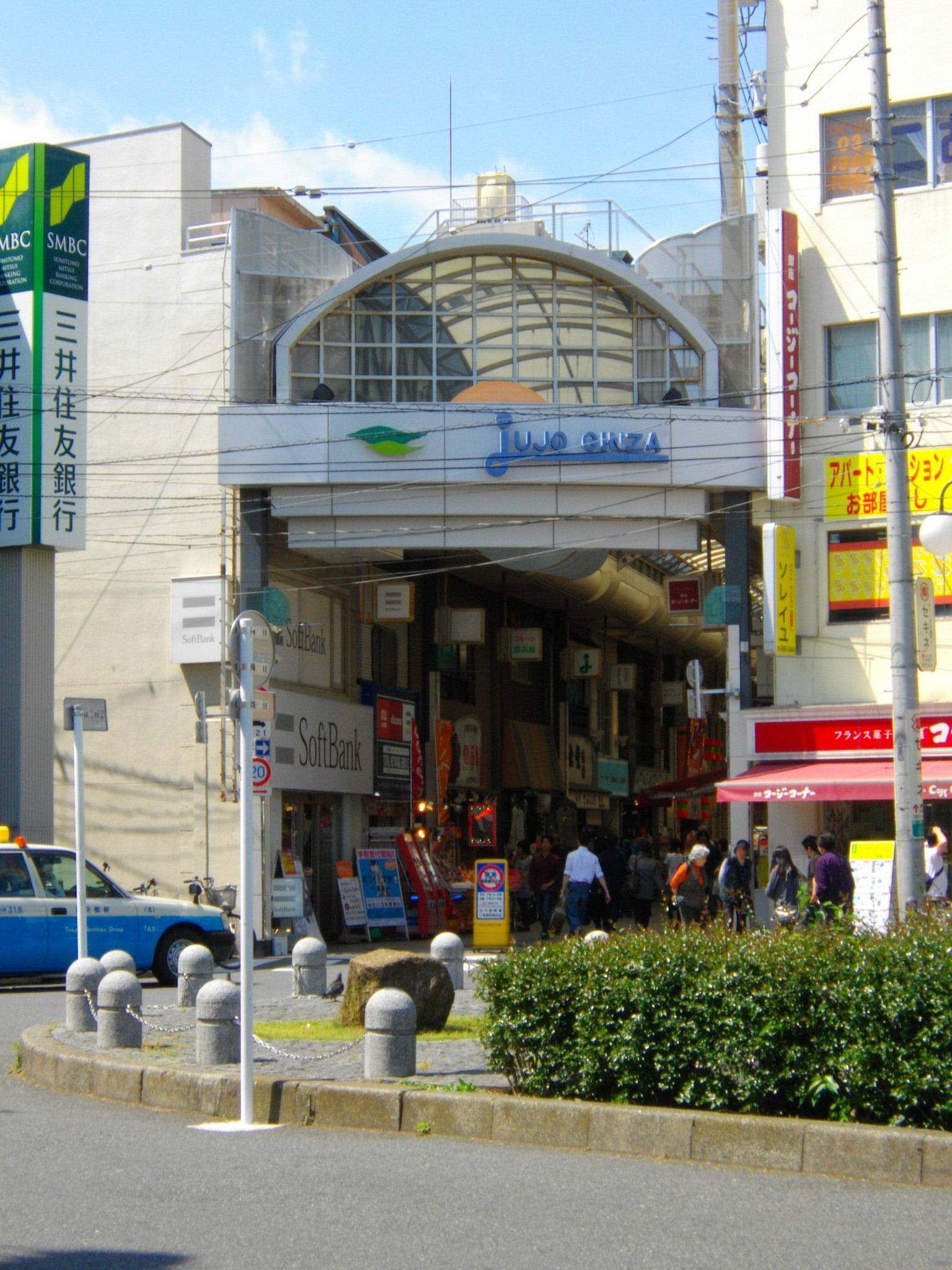
Step through the gate and it's like rewinding to the Showa era
An overview of the 380m-plus covered arcade — you can graze your way down it whatever the weather.
🍢
🏮
A covered arcade running 380m-plus, packed with nearly 200 independent shops in Kita Ward — 70-yen croquettes fried to order, skewered street snacks, century-old sweet shops, and a Showa-era mood you won't find in the big districts. It's a few quick minutes from Ikebukuro on the JR Saikyo Line.
Here's the honest truth: if you've been to Tokyo enough times that Shibuya and Shinjuku start to blur together, ride about fifteen minutes north and get off at Jujo Station (十条) in Kita Ward. Step out the north exit and you'll be staring at the gate of Jujo Ginza (十条銀座商店街) — a covered shopping arcade running more than 380 metres, jammed with nearly 200 independent shops and almost no chain stores. Fried-food stands, old sweet shops, greengrocers, fishmongers, clothing stalls — all of it is the everyday life of the neighbourhood, not a stage set for tourists.
That's exactly the charm: cheap, good, and unmistakably Showa-era. Many of these shops have been run by the same families for generations. The headline act is the fried food, sold for a few dozen yen a piece, which locals happily eat standing in front of the stall as they walk. So we put this guide together — which shops to try, how to get there, when to come, and the small tips that make a stroll through a real community arcade worth the trip.
The arcade is walkable any time, but most shops open ~9:30am–6:00pm (hours vary). The fried-food and street-snack stalls are busiest from late morning to early evening, especially weekday evenings when locals grab dinner — arrive before 5pm to beat the sell-outs at the popular stands.
Bring yen in cash, since the small traditional shops and food stalls are mostly cash-only. Opening hours and prices can change shop by shop, so it's worth double-checking before you go.
An overview of the 380m-plus covered arcade — you can graze your way down it whatever the weather.
The shops and snacks that locals and food fans point you toward — real prices, real food, the comforting kind of good.
If you try only one thing, make it this. The butcher-and-deli Shioya sells curry croquettes at 70 yen and beef croquettes at 90 yen, fried hot in front of you, crisp outside and soft within. There's almost always a small queue of people eating them standing at the counter — the classic shotengai picture you have to experience for yourself.
A chicken specialist open since 1961, famous for its chicken balls at 10 yen each — yes, ten yen, almost unbelievable in modern Tokyo. There's fried chicken and other chicken dishes too. This is the shop neighbours have been buying dinner from for generations.
Want something more filling? Stop at Aisaika, known for its hefty deluxe chicken katsu at around 260 yen — crisp crust, dense meat — plus desserts like cheesecake to finish. It's the rare stall that does savoury and sweet under one roof, ideal when you've walked yourself genuinely hungry.
A traditional Japanese sweet shop running for more than 50 years, hand-baking senbei (rice crackers) one at a time and selling its signature "Jujo Mangetsu" red-bean pancake at 140 yen — fragrant toasted batter wrapped around smooth sweet-bean paste. It's a homely treat that also travels well as a souvenir.
Walked off enough fried food and want to sit? Bonnel Cafe is a modern little cafe in the middle of the old arcade, with a Hot Stick Chocolate at around 680–700 yen. It's a change of pace from the traditional shops around it — a good spot to duck out of the bustle for a while.
Beyond the main Jujo Ginza arcade, several smaller alleys branch off, together forming Kita Ward's biggest shopping area. You'll find clothing shops at pocket-money prices, a specialist miso store, fresh greengrocers and fishmongers, household-goods shops and odds-and-ends stalls — wander off the main drag and you'll turn up cheap, quirky things that locals actually buy.
On the north side of Jujo Station (JR Saikyo Line) — the arcade gate is less than a minute from the platform.
From luxury Ginza to the Ameyoko market and local shotengai — Tokyo's best shopping areas with what to buy and the 2026 tax-free rules.
Tokyo Shopping Guide →An overview of Tokyo across every tab — where to stay, eat, what to see, itineraries and how to prepare.
Open Tokyo Guide →Shibuya Crossing · Senso-ji · Skytree · Akihabara and the other unmissable stops across the city.
Tokyo Attractions →Ramen, sushi, street food and standout restaurants across Tokyo — what to eat, where, and how much.
Tokyo Food Guide →Every region, visas, budgets, IC cards, the JR Pass and itineraries for first-time travellers to Japan.
Japan Guide →Visa · eSIM · IC card · JR Pass · yen · plugs · etiquette — everything to sort before you fly.
Travel Essentials →Stay central where every train line connects and getting anywhere is easy — open the full Tokyo guide, or find a Tokyo hotel that fits your style and budget.