Home Destinations 🇯🇵 Japan Tokyo Guide Kyoto Guide Kawaguchiko (Fuji) 🎇 Winter Illuminations 🧭 Japan Travel Guide About 🇹🇭 ไทย🇬🇧 English🇨🇳 中文🇪🇸 Español🇫🇷 Français
🎇 Winter Illuminations · Nov–Feb

Japan's Winter Illuminations — Where to See the Best Nov–Feb

The moment the sun dips, whole cities turn into a sea of light — we'll walk you through the most beautiful winter illuminations, from the 8-million-bulb tunnels at Nabana no Sato to Shibuya's blue cave and Kobe Luminarie, with dates, admission, and tips for staying warm, all on one page.

Start Here

Winter in Japan — When Whole Cities Turn Into a Sea of Light

Think Japanese winters are all snow and grey skies? Picture it again, because the moment November arrives the whole country lights up. Japanese even borrows the English word straight — they call it "illumination" (イルミネーション). Entire avenues of trees get wrapped in millions of LED bulbs, amusement parks become tunnels of light, and downtown districts glow so brightly that every angle photographs well. This is why people in the know visit Japan in winter — not only for the snow, but for the lights too.

On this page we've picked the displays that everyone who's been agrees are worth seeing at least once — from Nabana no Sato, the biggest in Japan, to the free city displays you can stroll through in Shibuya and Roppongi — with event dates, admission (which changes every year), and tips for staying warm before you head out to stand in the cold.

🎇 Straight up, before anything else: event dates and admission change every year. The figures on this page reference the 2025–2026 season from each event's official source (such as JNTO, japan-guide, and the event sites themselves). They're a solid planning framework, but before you actually travel, always re-check the latest dates and prices on the official site for that event.
📅
Peaks at Christmas
Most run Nov–Feb · most spectacular over Christmas and New Year.
🆓
City Displays Are Free
Midtown · Roppongi · Shibuya · Osaka — walk up and look, no ticket.
🎟️
Theme Parks Need a Ticket
Nabana no Sato · Huis Ten Bosch charge admission, but go bigger.
🧥
Bitterly Cold at Night
You'll stand outdoors after dark — pack a coat, gloves, thermals.
Illumination Timetable

Which Event Is Where, and When

The standout illuminations across Japan in one table, referencing the 2025–2026 season — admission and dates change every year, so always check the event's official site first ("Free" = free to view).

Event / PlaceRegionCity2025–26 datesAdmission (approx.)
Nabana no Sato8-million-bulb light tunnelChubuKuwana (Mie)Mid Oct–late May~2,500 yen*
Tokyo MidtownMidtown ChristmasKantoTokyo (Roppongi)Mid Nov–late FebFree
Roppongi HillsKeyakizaka 400 mKantoTokyo (Roppongi)Late Nov–late DecFree
Shibuya Blue CaveAo no DokutsuKantoTokyo (Shibuya)Late Nov–late DecFree
Osaka MidosujiWorld's longest light streetKansaiOsakaEarly Nov–late JanFree
Kobe LuminarieEarthquake memorialKansaiKobeLate Jan–early FebFree (paid special zone)
Sapporo White IlluminationOdori ParkHokkaidoSapporoLate Nov–Mar**Free
Huis Ten BoschKingdom of LightKyushuSasebo (Nagasaki)Year-round (winter peak)Park ticket required
📅 Table notes: *Nabana no Sato admission is around 2,500 yen, including a 1,000-yen coupon to spend in the park · over Christmas (Dec 23–25) prices rise and advance booking is required · **Sapporo White Illumination at Odori Park runs to around Dec 25, but the station zone and Minami 1-jo street last all the way to Feb–Mar · every event adjusts dates and prices yearly, so check the official site before you travel.
6 You Can't Miss

The Most BeautifulWinter Illuminations

The spots everyone who's been agrees are worth the journey — some spectacular enough to charge admission, others free to stroll through right in the city. Pick the ones that fit your trip and the cities you're visiting.
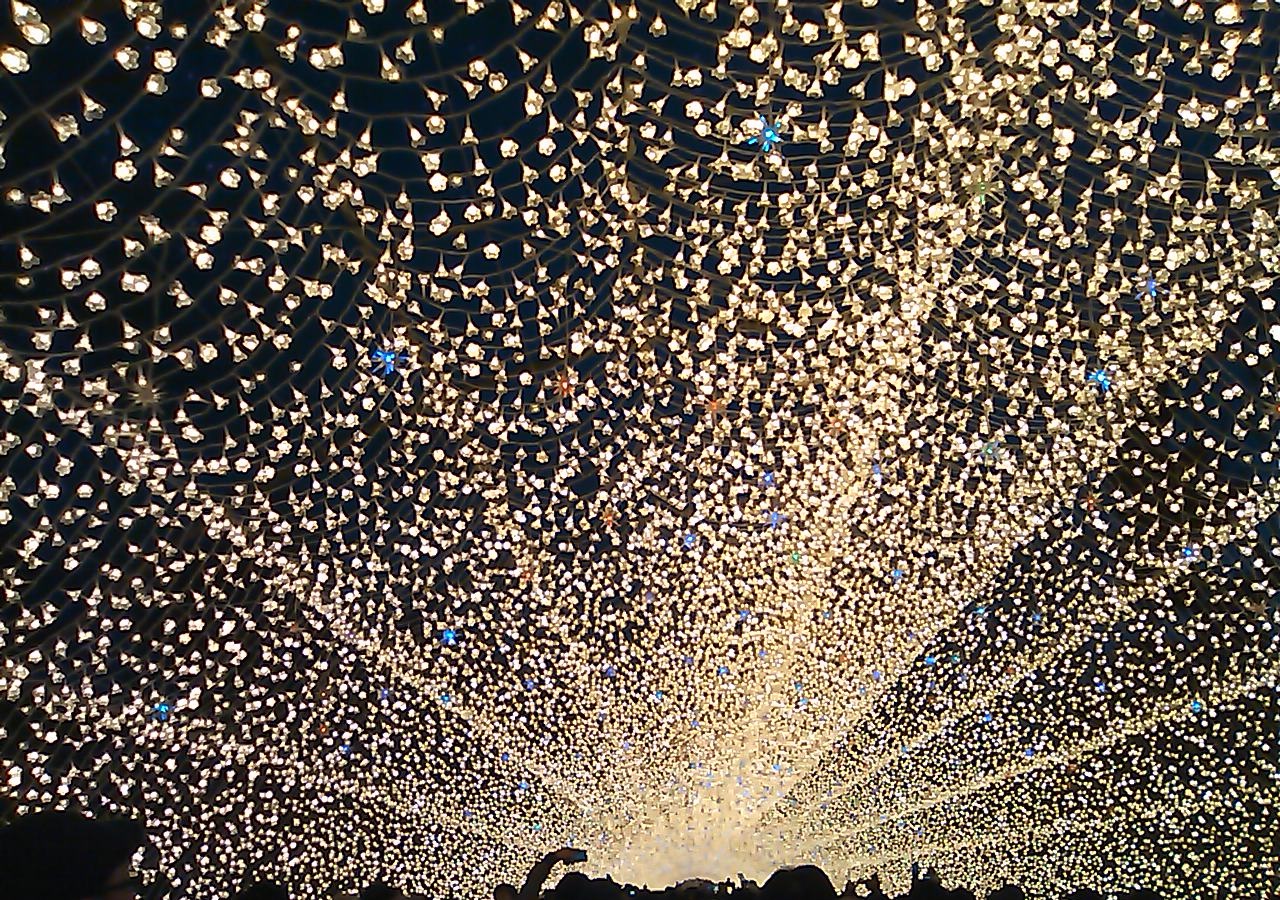
LED light tunnel at Nabana no Sato in Kuwana, Mie Prefecture 🎇 Mie (near Nagoya)1
Nabana no Sato
Nabana no Sato · Kuwana, Mie

If you only see one illumination, make it this one — a flower park that becomes the biggest light festival in Japan, using over 8 million LED bulbs. The highlights are a light tunnel hundreds of metres long that you walk straight through, and a giant themed display that changes every year. People who've been say it's even more jaw-dropping in person than in photos.

📍Location: Kuwana, Mie Prefecture · about 30 minutes from Nagoya
📅Dates: roughly mid-Oct to late May (the longest in Japan) · lights on around 17:00
🎟️Admission: around 2,500 yen (includes a 1,000-yen park coupon) · pricier over Christmas with advance booking required
💡Tip: From Nagoya, take the train then a bus · avoid Dec 23–25 when it's packed and tickets must be booked ahead. Re-check 2026 prices before you go.
Japan Travel Guide →
🎄 🗼 Tokyo (Roppongi)2
Tokyo Midtown + Roppongi Hills
Midtown Christmas · Keyakizaka

Tokyo's most popular illumination district — free to view and within walking distance of each other. Tokyo Midtown runs a Christmas theme every year, while Keyakizaka Street behind Roppongi Hills is wrapped in around 800,000 "Snow & Blue" LED bulbs over 400 metres, with Tokyo Tower lined up perfectly in the background for a great photo.

📍Location: Roppongi, Tokyo · Midtown and Roppongi Hills are within walking distance
📅Dates: Midtown roughly mid-Nov to late Feb · Keyakizaka late Nov to late Dec · lights on around 17:00–23:00
🆓Admission: Free (just walk up and look)
💡Tip: Take the metro to Roppongi Station · the Keyakizaka-and-Tokyo-Tower photo spot gets crowded, so a weekday or before Christmas is easier.
Tokyo Attractions →
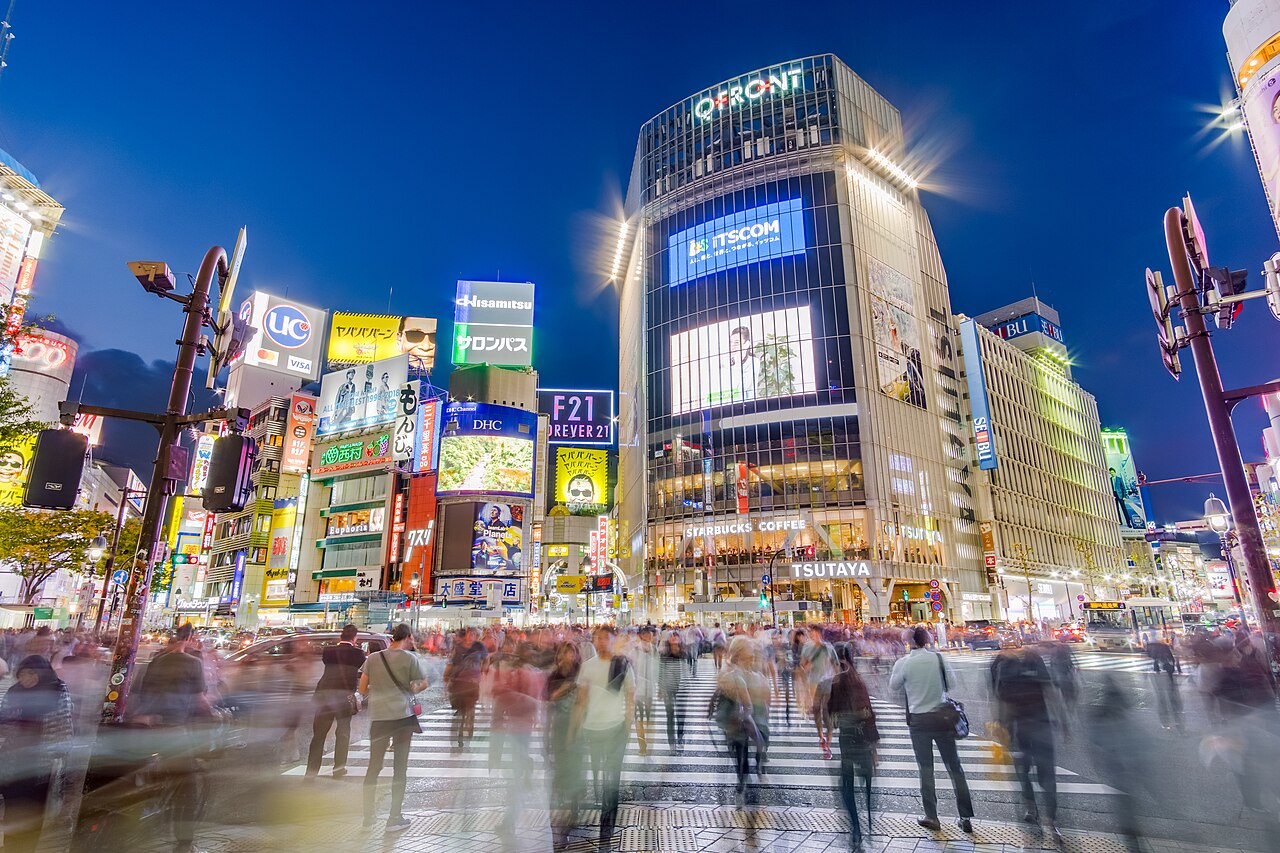
The Shibuya district of Tokyo lit up at night (a scene of the Shibuya area, not the Blue Cave event itself) 🔵 Tokyo (Shibuya)3
Shibuya Blue Cave
Ao no Dokutsu · Shibuya

An all-blue illumination of around 600,000 bulbs draped over the zelkova trees along a roughly 250-metre walkway in front of the NHK building in Shibuya. The clever touch is a reflective sheet laid down the middle of the path, so the blue glows both above and below and it feels like walking through an underwater cave — which is exactly where the name "Blue Cave" comes from.

📍Location: The walkway from Shibuya toward Yoyogi Park · in front of the NHK building
📅Dates: roughly late Nov to late Dec (check the latest dates before you go)
🆓Admission: Free (just walk up and look)
💡Tip: You can walk straight here from central Shibuya · it's very busy on weekend evenings, so a weekday or early evening makes photos easier.
Tokyo Attractions →
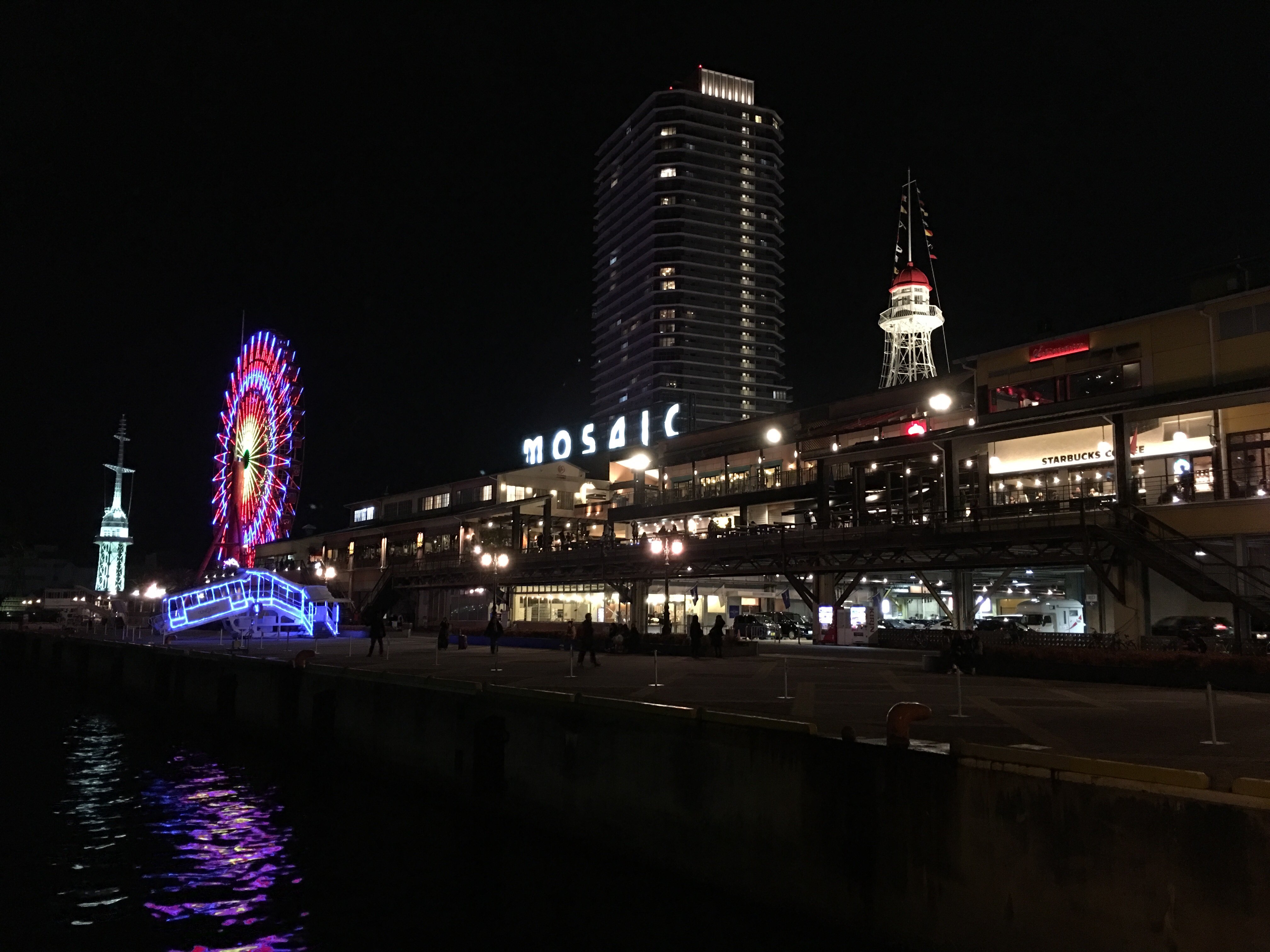
Kobe Harborland on the waterfront at night with the lit-up ferris wheel (a scene of Kobe's evening lights, not the Luminarie event itself) 🕯️ Kobe (Kansai)4
Kobe Luminarie
Kobe Luminarie · Kobe

A light festival that means more than just beauty — held every year to remember those who died in the 1995 Great Hanshin-Awaji Earthquake. Tens of thousands of bulbs form Italian-style arched gateways lined up into a tunnel you walk through. For the people of Kobe, this is a symbol of recovery and hope.

📍Location: Higashi Yuenchi park in the old foreign quarter, and Meriken Park, Kobe
📅Dates: late Jan (around Jan 30–Feb 8 in 2026) · later than other events because it's tied to the memorial
🎟️Admission: mostly free · a special zone at Meriken Park costs around 1,000–1,500 yen (cheaper if booked ahead)
💡Tip: Walkable from Motomachi/Sannomiya stations · it's packed on weekend evenings, so allow time to queue for the arched gateways.
Kobe Guide →
❄️ ⛄ Sapporo (Hokkaido)5
Sapporo White Illumination
White Illumination · Odori Park

One of the oldest illuminations in Japan, running since 1981 at Odori Park in central Sapporo. Glowing trees and light objects set against the surrounding white snow create a look that warmer cities simply can't pull off. It runs straight into the city's lights season and lines up perfectly with the February snow festival.

📍Location: Odori Park and the Sapporo Station area · walkable from the station
📅Dates: Odori roughly late Nov–Dec 25 · the station zone and Minami 1-jo street run to Feb–Mar
🆓Admission: Free (just walk up and look)
💡Tip: Sapporo gets genuinely below freezing, so pack a heavy coat · come in February and you can catch both the city lights and the snow festival on one trip.
Sapporo Guide →
🏰 🇳🇱 Nagasaki (Kyushu)6
Huis Ten Bosch
Kingdom of Light · Sasebo

A Netherlands-themed park in Sasebo, Nagasaki Prefecture, that transforms into the "Kingdom of Light" each winter — an illumination that has topped Japan's Illumination Awards. There are giant walls of light, light-lined canals, and projection shows across the European-style buildings, all on foot through the park.

📍Location: Sasebo, Nagasaki Prefecture · reachable by train from Fukuoka or Nagasaki
📅Dates: lit year-round, but biggest and most spectacular in winter
🎟️Admission: a park ticket is required (check 2026 ticket prices on the official site)
💡Tip: The park is huge, so allow a whole afternoon into the evening · staying overnight inside the park lets you enjoy the lights at leisure without rushing back.
Japan Travel Guide →
Plan It Right

3 Steps to See the Lights Without Freezing Solid

Illuminations look like a simple stand-and-snap, but a little planning gets you both great photos and a night you don't have to suffer through in the cold. These three things genuinely help.

STEP 1
Check dates and admission on the official site

Illuminations change dates and prices every year, and many city displays run for a short window — just late Nov to late Dec. Before you go, head to the event's own official site, check the open–close dates, lighting times (usually around 17:00), and whether you need to book tickets in advance (Nabana no Sato over Christmas requires it).

STEP 2
Time it smartly

The lights look best in the first 1–2 hours after the sky goes fully dark · avoid weekend evenings and the Dec 23–25 crush when crowds peak. Go on a weekday or in the early-to-mid part of the month and photos come far easier. Many city displays are free, so you can hit several spots in one night.

STEP 3
Dress for the cold

This is where people slip up most — you'll be standing outdoors for a long time after sunset in serious cold, especially in Sapporo, where it's below freezing. Pack a heavy coat, gloves, a hat, and some thermal patches, and you'll be able to enjoy the lights without dashing indoors.

Tips Before You Go

6 Things That Keep Your Light-Hunting Night Smooth and Rewarding

Honestly, winter illuminations are a blast — if you come prepared. These six are the things people who've been want to pass on; follow them and you'll remember that night for a long time, in a good way.

🧥
Dress fully for the cold
Standing outdoors after dark is colder than you'd think — pack a coat, gloves, a hat, a scarf, and thermal layers, especially in Sapporo, where it's below freezing.
🕔
Go in the early evening once the lights are on
Most lights come on around 17:00 and look best in the first 1–2 hours after dark. Arrive early and it's not as packed as it gets later at night.
🎟️
Book big events in advance
Nabana no Sato over Christmas (Dec 23–25) only sells advance tickets, none at the gate. Check and buy before you go.
📅
Avoid the Christmas–New Year peak
Unless you have to go at Christmas, pick the early-to-mid month or a weekday — far fewer people and much easier photos.
🆓
String several city spots together
Midtown, Roppongi, Shibuya, and Osaka Midosuji are free and not far apart. Plan a walking route and hit several in one night.
📶
Check the dates before leaving your hotel
Many city displays run only late Nov to late Dec. Turn on your eSIM and check the official site to confirm it's still on and what time it closes before you head out.
Map

Standout Illuminations Across Japan on One Map

See exactly where the displays are spread out, from Sapporo in the north down to Nagasaki in the south — pick the ones that sit closest to your trip route.

Pair It With Your Winter Trip

Seen the Lights — What Else Can You Do

The beauty of illuminations is they're an early-evening thing, so pair them with a daytime activity and you've got a full, satisfying day — here are the favourite combos of people who travel Japan in winter.

Sapporo: lights + snow festival
In February, Sapporo gives you both the White Illumination and the giant snow sculptures of the snow festival on one trip. See more in the Sapporo guide.
♨️
See the lights, then soak in an onsen
Coming in from the cold to sink into hot water is the ultimate bliss, and many onsen towns put on illuminations too. Browse onsen towns across Japan.
🏯
Kobe–Osaka–Kyoto in one trip
Kobe Luminarie and Osaka Midosuji are both in Kansai, ~30 min apart by train, so you can string several cities together.
🗼
Tokyo: walk between districts
Midtown, Roppongi, Shibuya, and other districts are free and connected by metro. Plan a walking route to collect several in one night.
📅
Book year-end stays early
Christmas–New Year is high season; hotels fill fast and prices rise. Book several weeks ahead and pick free-cancellation rooms to be safe.
🧭
Sort the basics before you fly
Visa · eSIM · IC card · yen · power plugs — check the Japan travel prep guide so you're ready before you leave.
Related Guides

Keep Exploring Japan in Winter — Snow, Onsen, and Sakura

🌸

Japan Cherry Blossom Guide

The spring counterpart — which city blooms when, the legendary viewing spots, how to read the forecast, and hanami etiquette.

Cherry Blossom Guide →

Sapporo Guide

White Illumination, the snow festival, sights, hotels, and Hokkaido food — the best base for a winter trip.

Sapporo Guide →
🕯️

Kobe Guide

Home of the Luminarie — the Kitano quarter, Chinatown, the harbour, Kobe beef, and how to travel Kansai.

Kobe Guide →
♨️

Onsen Towns Across Japan

Come in from the cold and soak in hot water — 12 onsen towns in every region. Pick the one that fits your winter trip.

Onsen Towns →
🇯🇵

Full Japan Travel Guide

Every region and city, with links into city guides, hotels, and attractions across Japan.

Japan Guide →
ℹ️

Japan Travel Prep

Visa · eSIM · IC card · JR Pass · yen · power plugs · Japanese etiquette — everything before you fly.

Travel Prep →
Frequently Asked Questions

Questions About Japan's Winter Illuminations

When are Japan's winter illuminations held?
Most run from around early November to late February, peaking over Christmas and New Year. A few last much longer — Nabana no Sato (Mie) lights up from mid-October to late May, while Kobe Luminarie shifts to late January to mark the earthquake anniversary. Dates change every year, so always check each event's official site before you travel.
Where is Japan's biggest and most spectacular illumination?
Nabana no Sato in Kuwana, Mie Prefecture (about 30 minutes from Nagoya) is considered the biggest and most spectacular. It uses over 8 million LED bulbs, and the highlights are a long light tunnel and a giant themed display that changes every year. Admission is around 2,500 yen (including a 1,000-yen coupon to spend in the park), and prices rise over Christmas when advance booking is required. Re-check 2026 prices before you go.
What is Kobe Luminarie and when is it held?
Kobe Luminarie is a light festival held to remember those who died in the 1995 Great Hanshin-Awaji Earthquake, and it has run every year since. It now takes place in late January (around January 30–February 8 in 2026) at Higashi Yuenchi park in the old foreign quarter and at Meriken Park. Most of it is free to view, but a special zone at Meriken Park costs around 1,000–1,500 yen. Check the latest dates and prices before you go.
Do you have to pay to see illuminations in the city?
Outdoor street and district displays such as Tokyo Midtown, Roppongi Hills, Shibuya Blue Cave, and Osaka Midosuji are mostly free — you just walk up and look. But illuminations inside amusement or theme parks, such as Nabana no Sato and Huis Ten Bosch, require a paid ticket. Some events have both a free zone and a paid zone within the same site.
How should I prepare to see the winter illuminations?
Bring a heavy winter coat, gloves, and thermal layers, because you'll be standing outdoors after sunset in serious cold — especially in Sapporo, where it drops below freezing. Going just before or after the Christmas–New Year peak means smaller crowds. For popular events like Nabana no Sato over Christmas, buy tickets in advance and allow extra time, as it gets very busy.
What is the Shibuya Blue Cave?
Ao no Dokutsu, or Blue Cave, is an all-blue illumination of around 600,000 bulbs draped over the zelkova trees along a roughly 250-metre walkway in front of the NHK building in Shibuya. A reflective sheet laid down the middle of the path bounces the blue light so it feels like walking through an underwater cave. It's free, and usually runs from late November to late December. Check the latest dates before you go.
Ready to Go Hunting for Lights?

Pick the City That Fits Your Trip
and Book Before It Fills Up

The displays are spread across Japan and run for short windows. Pick the city that matches your travel dates, open a city guide for hotels, sights, and transport, or start hunting for a stay near the lights early, before year-end high-season prices spike.

🔴 Search Winter Hotels Japan Guide