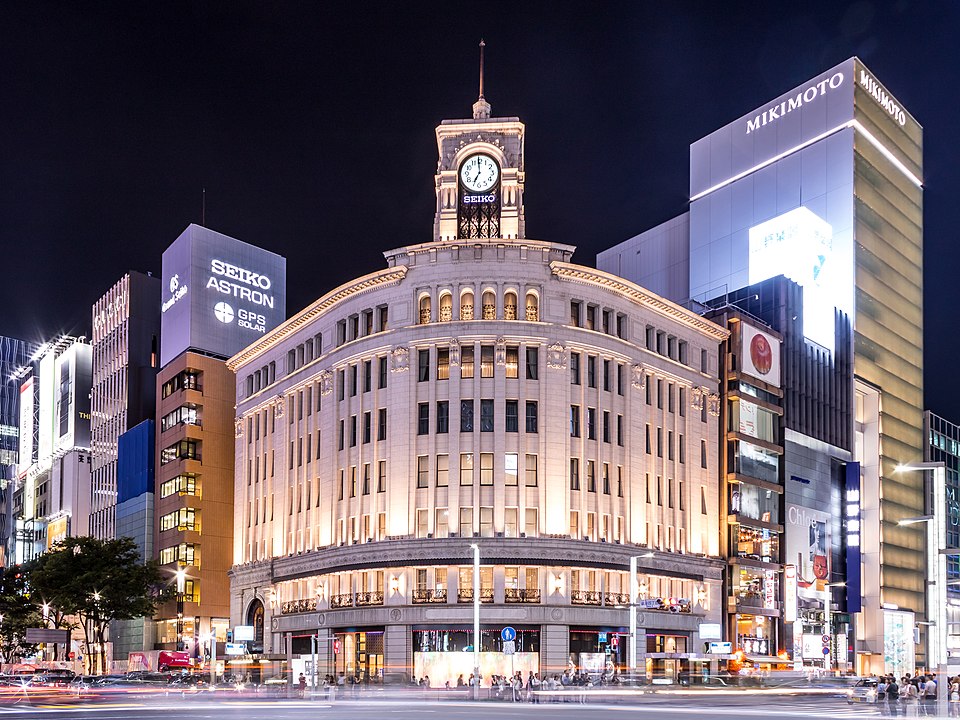
Ginza, Tokyo — the depachika (department-store basement food halls) are the most complete trove of premium souvenir sweets.
Standing frozen in front of the souvenir shelves at Donki, too much to choose from — we've rounded up the 12 things travellers buy and never regret, from Royce, Tokyo Banana, and special-flavour KitKats to cosmetics, 100-yen finds, and sake. Each one comes with where to buy it, rough prices, and how to use the new 2026 tax-free system.
Honestly, souvenirs are the toughest final hurdle of any Japan trip — there's so much of it, the labels are in Japanese, and you're always short on time. You end up grabbing random things until your wallet's empty, then realise you forgot the thing your friend specifically asked for. So we made this list for you to shop straight from — the 12 things people come back from Japan and recommend as "this one's a sure bet" — split into sweets, cosmetics and medicine, kitchenware, 100-yen finds, green tea, and alcohol.
For each one we spell out where it's cheapest, roughly what it costs, which ones survive the heat and travel easily, and which ones to watch out for at customs. We finish with how to use the tax-free benefit, which has new rules in 2026 — so by the time you finish reading, you walk into Donki with a plan instead of circling the aisles three times like last trip.
Sweets are the safest souvenir — everyone likes them and they're easy to share. We've picked the ones that genuinely sell well and survive the trip home intact, and flagged which ones need to stay cold.
A soft fresh chocolate that melts in your mouth — a top-tier Hokkaido souvenir you can find all over Japan. The classic flavours are Au Lait (milk) and Bitter, but the thing to know is that it must stay refrigerated and only lasts a few hours out of the fridge. That's why most people bringing it back to Thailand buy it at the very last minute at the airport and ask for dry ice.
Thin, crisp langue de chat cookies sandwiching white chocolate — a legendary Hokkaido souvenir so famous you can find it almost anywhere. Its big advantage over Royce is that it keeps at room temperature and travels easily, and the box is handsome enough to give as a proper gift. If you've got an onward flight or you're worried about melting, this is the more reassuring choice.
A soft banana-shaped sponge cake filled with banana custard cream — Tokyo's signature souvenir, piled high in every souvenir shop and department store. There are rotating special flavours and patterns (tiger stripes, polka dots, chocolate), and it's great for the office because it comes individually wrapped. Don Quijote often has several flavours at better prices than elsewhere.
Japan has made over 300 KitKat flavours through the years, many of them sold only here. The flavour tourists buy most is Uji Matcha (green tea), followed by sake, strawberry, beni-imo sweet potato, and regional flavours (Yubari melon, wasabi). The little single-bar packs are easy to hand out and cheap — a perennial winner for gifts kids will love.
Japanese drugstores (ドラッグストア) are heaven for beauty and everyday-item souvenirs — far better priced than back home, and tax-free eligible. Walk into a Matsumoto Kiyoshi or Sundrug and look for this lot.
The all-time favourites — Lululun sheet masks, Cezanne & Canmake powders and cushions, Biore & Anessa lip balms and sunscreens, Rohto eye drops, and yu-be hand cream. Drugstore prices are noticeably cheaper than buying at home, with frequent promotions. It's worth comparing price tags across a few stores, since each chain sets slightly different prices.
EVE painkillers and fever tablets, Salonpas/Roihi-Tsuboko muscle-relief patches, Ohta Isan digestive powder, plasters, and vitamins are big sellers as gifts for older relatives. Always photograph the label and ask a pharmacist about usage and ingredients before buying any medicine for someone else, and check whether certain active ingredients are restricted from import into Thailand.
This is the best-value category for your budget — well-designed, durable Japanese goods for just a few baht each, perfect for sharing among lots of people or buying a matching set for yourself.
Kitchen knives (serious cooks should head to Kappabashi in Tokyo or Doguyasuji in Osaka), wasabi graters, tamagoyaki pans, chopsticks, and Japanese-pattern bowls and plates. This lot is better quality than the price suggests and lasts for years — souvenirs the recipient will actually use rather than leave on a shelf.
A treasure trove for budget souvenirs — Japanese-pattern chopsticks, tenugui cloths, origami sets, home décor, cute stationery, and licensed Sanrio/Disney goods, where Can Do often has special editions. Daiso has nearly 4,600 branches across Japan and is the easiest to find, while Seria is strongest for home décor that looks pricier than it is. At ¥100 a piece (before tax), you can hand out a lot on a single budget.
If you want a souvenir that feels a touch more considered, this category delivers. But alcohol and wine come with a Thai customs quota — read the next section before you load up.
Beautifully tinned matcha powder, sencha leaf tea, roasted hojicha teabags, and matcha sweets make a souvenir that keeps for ages and feels carefully chosen. For genuine, high-quality tea, the old tea houses in Uji (Kyoto) or names like Ippodo and Itoen in department stores are trustworthy, while easy everyday brew-and-drink versions are stocked in convenience stores and supermarkets.
A handsome bottle of sake, Japanese whisky (Suntory, Nikka), or local wine makes an elegant gift — but remember that Thailand only allows 1 litre of duty-free alcohol per person. Anything over that must be declared and taxed. If you're buying a lot, buy it duty-free at the departure airport and carry it on board (mind the liquids rules if you have a connecting flight).
Uni & Pilot pens and gel pens, notebooks and washi tape, Sanrio goods (Hello Kitty/Kuromi), Pokémon, Studio Ghibli, and anime merch from Akihabara are hugely popular with teens and collectors. Japanese stationery is high quality at low prices, so you can easily buy several to hand out.
Cup noodles and instant ramen in flavours you can't get in Thailand, furikake rice seasoning, miso soup powder, snacks (Jagariko, Pocky, Hi-Chew), and oddball KitKat flavours make souvenirs that are great value, lightweight, and easy to hand out in bulk — and the recipients actually eat them. Easiest to find in supermarkets and Don Quijote.
The same item can cost very different amounts depending on where you buy it. Here's a simple formula for which type of thing to buy where.
The best choice if you want everything in one place at a good price. It has a dedicated tourist souvenir corner — snacks, cosmetics, medicine, toys, alcohol — and many branches stay open 24 hours. Big stores like MEGA Don Quijote in Shibuya/Shinjuku have the widest selection, and you can use tax-free.
Matsumoto Kiyoshi, Sundrug, Welcia are strongest for skincare, cosmetics, and medicine — cheaper than buying at home, with frequent discounts. Compare price tags at 2–3 stores, as each chain sets slightly different prices.
The basement food floors of department stores (such as Ginza and Umeda) are a trove of premium souvenir sweets — Tokyo Banana, cakes, famous-brand chocolates, beautifully packaged enough to give as a proper gift. Ideal for older relatives or your boss.
Daiso, Seria, Can Do are perfect for small, cute gifts to hand out to lots of people — chopsticks, tenugui cloths, stationery, licensed goods, ¥100 a piece. Grab a handful on a single budget.
Best for items that need to stay fresh or cold like Royce, and for anything you forgot to buy in the city. Some prices match the city; some are slightly higher. The trick is to finish your heavy items, everyday snacks, and cosmetics in the city, and leave your airport time for relaxing and picking up fresh items at the end.
In 2026 the tourist tax-free system gets a major overhaul. Know it in advance so you're not confused at the register and don't miss your refund.
Spend a minimum of 5,000 yen (before tax) per store, per day, at a shop displaying a Tax-Free sign, and show your physical passport. Japan's consumption tax is 10% (8% on food and non-alcoholic drinks bought to take away). This benefit is for short-term residents (tourists) within 6 months of entering the country.
The system switches to "pay the full amount first, claim the refund later" — you pay the price including 10% tax at the store as normal, then claim your refund all at once at the airport before departure check-in (previously the tax was deducted at the register). The upside is that the clear-bag sealing rule for consumables is scrapped, so you can open and eat things during your trip, and it's easier to combine food and non-food in the same store to hit 5,000 yen.
📌 Keep every receipt safe, because you'll need them to claim at the airport · If you travel before 1 November 2026, the old system (tax deducted at the register) still applies · Check the latest details and steps on the official website before you travel.
Sweets and cosmetics are easy to bring back, but alcohol, cigarettes, and a few other items have quotas. Know them so you don't get fined at the airport on the way home.
Every region and city, visas, travel budgets, IC Card, JR Pass, and Japan itineraries for travellers from Thailand.
Japan Guide →Shibuya · Senso-ji · Shinjuku · Akihabara · Ginza · Harajuku — sightsee and shop for souvenirs in the same neighbourhoods.
Tokyo Attractions →Dotonbori · Osaka Castle · Kuromon Market · Shinsaibashi — explore Kansai and shop for souvenirs in one city.
Osaka Attractions →Visa · eSIM · IC Card · JR Pass · yen · power plugs · Japanese etiquette — everything before you fly to Japan.
Travel Info →A complete overview of Tokyo across every tab — where to stay, eat, what to see, shopping districts, and itineraries.
Open the Tokyo Guide →The best food in each city, morning markets, street food, and day trips across Japan for serious eaters.
Japan Guide →Open the complete Japan travel guide to map out your route, cities, and where to stay — or browse the attractions alongside the souvenir-shopping districts in the city you're headed to.