Japan is rated as having some of the best powder snow on Earth — dry, light, and falling almost daily from December to March. We break down what makes "Japow" so special, the standout resorts Niseko · Hakuba · Nozawa · Furano · Zao, and how to rent gear, take lessons, pick a pass, and get there — all on one page.
Picture snow so light it feels like flour, snow that puffs up like smoke when you carve through it — nothing like the heavy, wet slush a lot of us have skied before. That's the thing that makes skiers cross continents to be in Japan every winter. They've nicknamed it "Japow" (Japan + Powder) — the dry, light powder widely rated as some of the best on Earth. It happens because bitterly cold winds from Siberia sweep across the Sea of Japan and slam into the mountains, so the snow falls heavy and exceptionally dry.
Honestly, the sheer volume here is almost hard to believe — Niseko in Hokkaido averages more than 15 metres of snow a season, while Nozawa Onsen in Nagano gets over 10 metres, and during the peak it falls almost every day. This page walks you through which resort suits which kind of skier, when to go, and how to handle the fiddly bits — renting gear, taking lessons, picking a pass, and getting there.
Seven of the most popular resorts, side by side, in the terms travellers ask about most — which region they're in, what they're known for, who they suit (first-timer or hard charger), and how to get there from a major city · opening and closing dates are approximate, so always check the official site first.
| Resort | Region | Known for | Best for | Getting there |
|---|---|---|---|---|
| NisekoNiseko · Hokkaido | Hokkaido | The most powder, international vibe | Beginner–pro | Bus ~2.5–3 hrs from New Chitose Airport |
| FuranoFurano · Hokkaido | Hokkaido | Dry snow, great views, fewer crowds | Families/beginners | Train/bus from Sapporo · near Asahikawa Airport |
| HakubaHakuba · Nagano | Nagano | 1998 Olympics · huge terrain + backcountry | All levels | Shinkansen to Nagano + bus, ~3–4 hrs from Tokyo |
| Nozawa OnsenNozawa · Nagano | Nagano | Ski + onsen, traditional village | Relaxed/onsen lovers | Shinkansen + bus ~2.5 hrs from Tokyo |
| Shiga KogenShiga Kogen · Nagano | Nagano | Largest in Japan · long season | Wanting lots of terrain | Shinkansen to Nagano + bus, ~3–4 hrs |
| Myoko KogenMyoko · Niigata | Niigata | Deep snow, quiet, good value | Chargers/crowd-avoiders | Shinkansen to Joetsumyoko + a short ride |
| Zao OnsenZao · Yamagata | Tohoku | "Snow monsters" (juhyo) + onsen | Wanting unusual scenery | Shinkansen to Yamagata + bus ~40 min |
The resorts skiers come back raving about — from Hokkaido's legendary powder to slopes near Tokyo you can reach by shinkansen in a few hours. Pick the one that matches your style and your level.
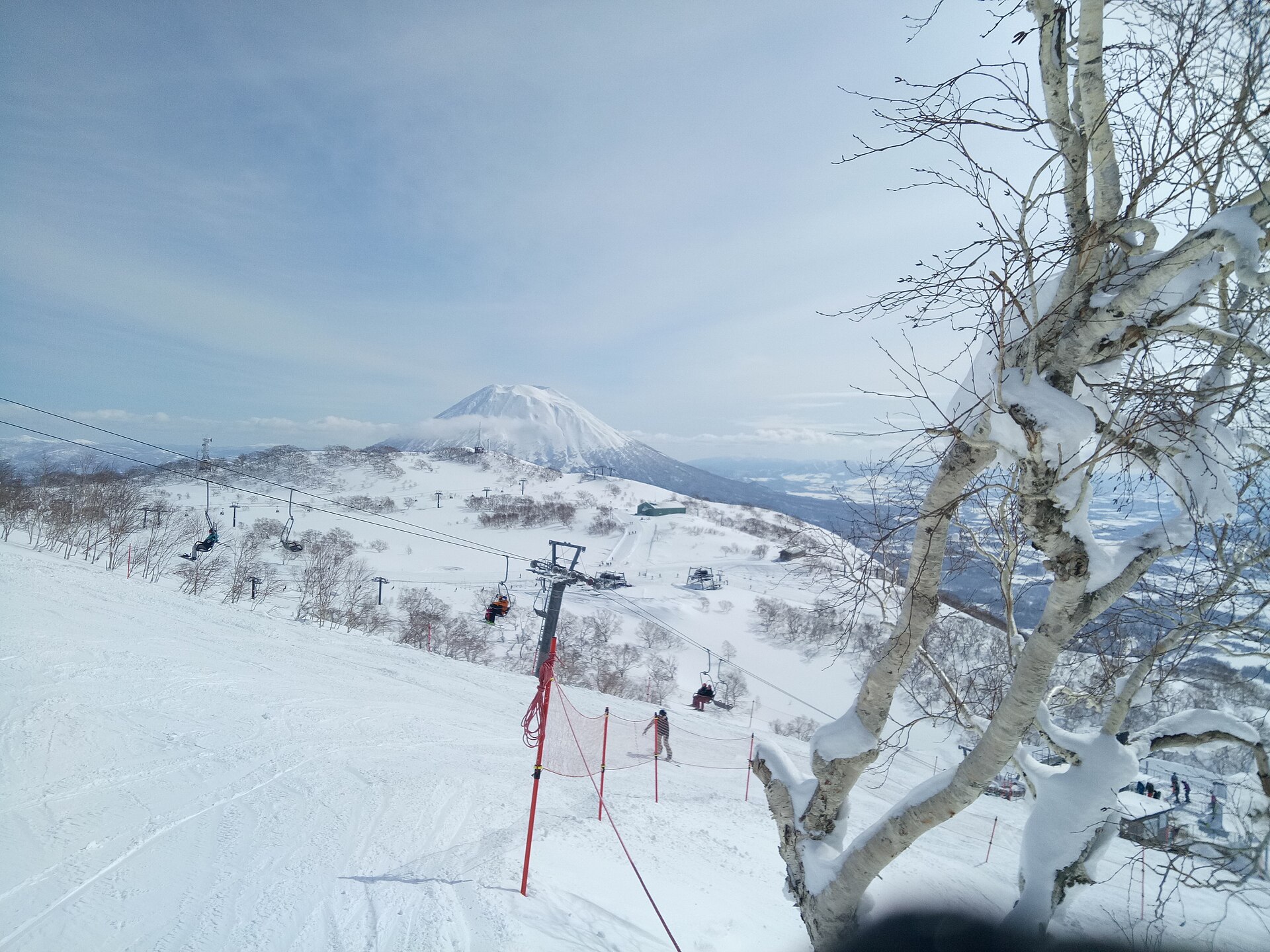
❄️ Hokkaido1
Say "Japanese powder" and this is the first name the world thinks of — averaging more than 15 metres of snow a season, so dry and light it's a joy to ride. Four interconnected resorts make up Niseko United, with an international scene and English signs, menus, and instructors. Beginners can start right in the Grand Hirafu/Hanazono zone.
Hokkaido Guide →The valley that hosted the 1998 Winter Olympics — 10 resorts in one valley, more than 200 combined runs, everything from gentle beginner terrain to serious backcountry. The views of the Japanese Alps are spectacular, and you'll see "bluebird" clear days more often than in Hokkaido, especially in March.
Nagano Guide →
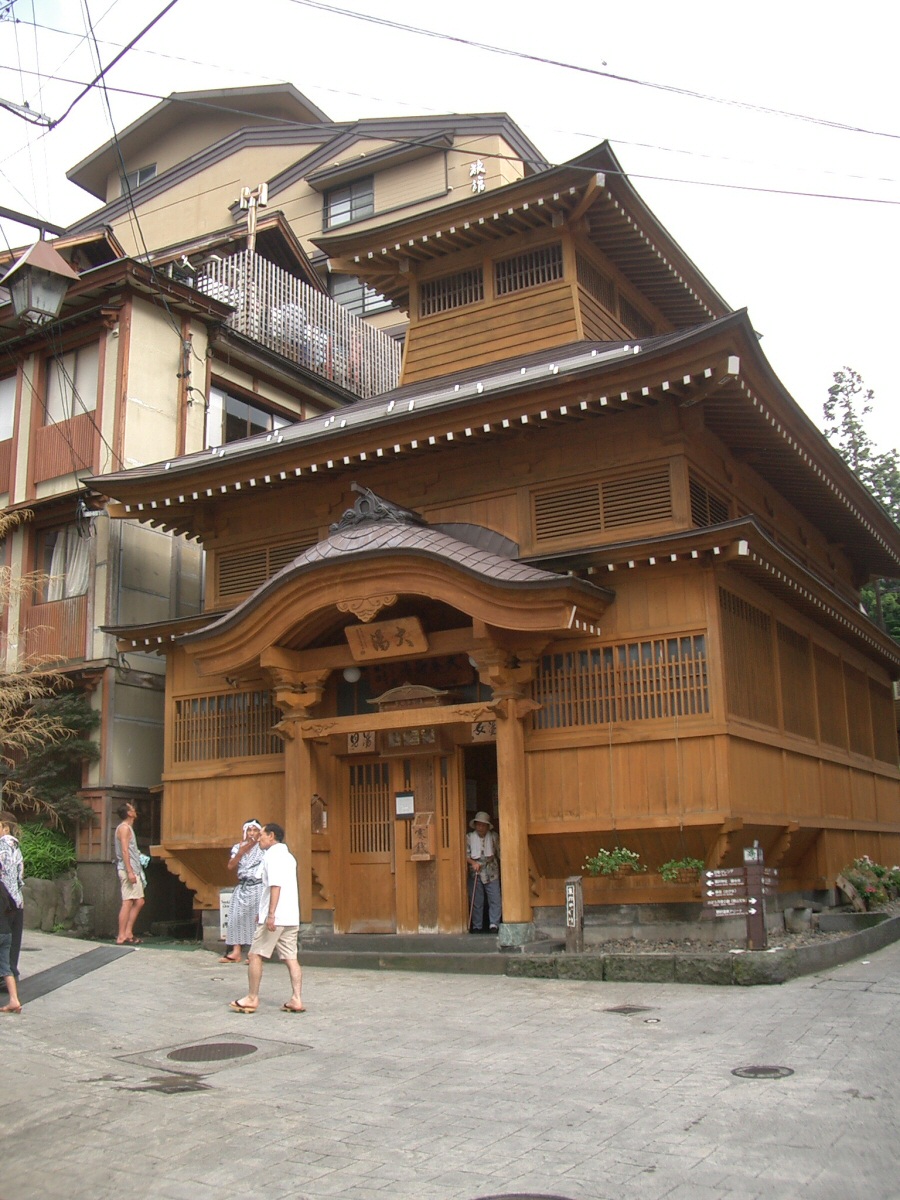
♨️ Nagano3
The dream resort for anyone who wants to ski and soak in an onsen the same day — a traditional village with 13 free public onsen baths (called sotoyu), so you can walk straight over to ease your legs after the slopes. It averages over 10 metres of snow a season across 300 hectares of terrain with a 1,085-metre vertical drop, which is big for Japan.
Onsen Towns Across Japan →The Hokkaido option with smaller crowds than Niseko but snow just as dry and light (around 8–9 metres a season) — some of the lightest, driest powder on the island. The runs are neatly laid out, managed by the Prince group, and it suits families and beginners who want a relaxed, fuss-free atmosphere.
Hokkaido Guide →The largest ski area in Japan — many linked resorts spread across a plateau around 1,500 metres, all on a single lift pass. The high elevation gives it the longest snow season in Nagano; some years it opens from mid-November into May. Perfect if you like to keep moving from run to run and never get bored.
Nagano Guide →A deep-snow pocket of Niigata that hard-charging skiers love because it's quieter and better value than the big names. Several resorts cluster in one area, and January–February is the peak of the Japow here — deep, high-quality snow. Ideal if you want to escape the tourist crowds and find the real thing.
Nagano Guide →A resort with something you won't find elsewhere — "snow monsters" (juhyo), a whole mountainside of fir trees coated in snow and ice into bizarre, towering shapes. You'll see them around midwinter (peaking in February); ride the ropeway up to take them in, and at night they're lit up too. There's an onsen in town to soak in after skiing as well.
Yamagata Guide →You can go even if you've never skied before — you just need to prep right. Match your level to the resort, sort out gear and lessons, and the lift passes and travel fall into place.
Beginners should pick a resort with plenty of green (easiest) runs and a ski school — Niseko (Grand Hirafu/Hanazono), Furano, Hakuba · Pros should look for off-piste/backcountry terrain like Hakuba or Myoko. Straight up: deep powder is harder than a groomed slope, so beginners should always start on the green runs.
Big resorts rent everything — skis/snowboard, boots, poles, helmet — and booking online ahead of time is cheaper and saves queuing · beginners should take a lesson (group or private, with English-speaking instructors) for the first day or two; it's far safer and a lot more fun than figuring it out alone.
Lift passes start at roughly ¥6,000–7,000 a day (check the latest, as they rise every year), and some include gear-rental packages · for travel, Hokkaido (Niseko/Furano) usually means flying into New Chitose + a bus, while Nagano (Hakuba/Shiga/Nozawa) means the shinkansen from Tokyo + a bus — see whether a JR Pass works out cheaper.
The little things first-timers tend to miss — know them and your trip runs a lot smoother, from what to pack to pairing your ski days with onsen.
See exactly where each resort sits — Hokkaido up in the far north, the Nagano/Niigata cluster closer to Tokyo, and Zao over in Tohoku. It makes plotting your route from a major city much easier.
Japanese ski runs are colour-graded by difficulty — green is easiest, red is intermediate, black is hardest. Know where you stand and pick runs to match, so you ski happily and never get in over your head.
The world's best powder — 4 linked resorts, season, lift passes, access
Niseko guide →Pick the right Hokkaido resort + day-trips from Sapporo
Hokkaido resorts →Beyond skiing — snow festivals, bathing snow monkeys, and other winter activities across Japan.
Japan in the Snow →Honshu's ski base — Hakuba, Nozawa, Shiga Kogen, the snow monkeys, and how to get there from Tokyo.
Nagano Guide →The land of legendary powder — Niseko, Furano, fresh seafood, and the city of Sapporo.
Hokkaido Guide →Soak after you ski — 12 standout onsen towns to help you pick the right one for your trip.
Onsen Towns →Taking the shinkansen to several ski resorts? Work out whether a JR Pass saves you money.
JR Pass Calculator →Visa · eSIM · IC cards · JR Pass · yen · power plugs · Japanese etiquette — everything before you fly.
Travel Prep →Choose the resort that matches your level and style, open a prefecture guide for lodging, activities, and transport, or start looking for a place near the slopes early — before the Jan–Feb peak sends prices soaring.