Nervous that an onsen means stripping down in front of strangers, unsure how to act without embarrassing yourself? This page takes you from anxious to confident — from how to bathe step by step, to the etiquette the Japanese live by, to tattoos and picking the right onsen town for you.
An onsen (温泉) is a natural hot spring that bubbles up from underground, rich in minerals, and it has been at the heart of how Japanese people unwind for hundreds of years. Soaking in hot water out in the open air, surrounded by snow or green forest, is one of those experiences that travellers come home raving about as a must-do. But honestly, almost everyone is nervous about the same thing the first time — do you really have to be 100% naked in front of other people? And how do you act without embarrassing yourself?
Here's the thing: once you know the rules, it's far easier than it looks. This page takes you from anxious to confident — how to bathe, step by step, from walking in to walking out; the etiquette the Japanese take seriously; the water types and their reputed benefits; the tattoo question that worries so many people; and 8 famous onsen towns to match to the kind of trip you want.
Read it once and you'll know exactly what to do. The order is the same everywhere, so follow it and you'll blend in like you've been doing this your whole life — no need to feel self-conscious.
Pay the entry fee, then read the noren curtain at the entrance carefully — blue (青) is the men's side, red (赤) is the women's side, and you absolutely can't go in the wrong one. Take off your shoes and stash them in the shoe locker before you go in.
In the changing room, take off everything and put it in a basket or locker — no swimsuits or underwear in the bath. The only thing you take in with you is the small towel (tenugui), and just that one piece.
Head to the shower station, sit on the low stool, lather up, shampoo, and rinse off completely before anything else. This is the single most important rule, because the bath is water everyone shares — wash off all the suds before you get in.
Lower yourself in slowly and rest the small towel on your head or the edge of the bath — never dip it in. If your hair is long, tie it up so the ends don't touch the water. Soak still and relaxed — no swimming, no jumping.
Soak for about 10–15 minutes at a time, then get out to sit and rest and drink water before going back in. Don't push a single soak too long, because the hot water can make you light-headed or faint easily.
Before you head back into the changing room, use the small towel to wipe yourself down so you're not dripping — that keeps the changing-room floor from getting soaked — then dry off properly with your big towel at your locker.
Japanese hot springs are classified by the minerals dissolved in them, so the colour, smell, and feel vary noticeably — start noticing it and the whole thing gets a lot more fun.
| Water type | Character | Said to be good for | Example towns |
|---|---|---|---|
| SulfurSulfur · 硫黄泉 | Cloudy yellow/milky white, with an egg-like smell | Skin, joints, circulation | Kusatsu, Noboribetsu |
| BicarbonateBicarbonate · 炭酸水素塩泉 | Clear, silky to the touch, leaves skin smooth — "bihada no yu" | Smooth, soft skin, relaxation | Gero |
| IronIron · 含鉄泉 | Turns reddish-brown on contact with air — "kinsen" (golden water) | Warmth; anemia, by tradition | Arima |
| Chloride (salt)Chloride · 塩化物泉 | Slightly salty, coats the skin and holds warmth for a long time | Keeping warm after the bath | Kinosaki |
| Simple/AlkalineSimple/Alkaline · 単純温泉 | Clear, no strong colour or smell, gentle — good for beginners | General relaxation, gentle on skin | Common in many towns |
It's not just one big communal bath. Each style has a completely different feel — some are free, some you book all to yourself. Pick the one that suits you.
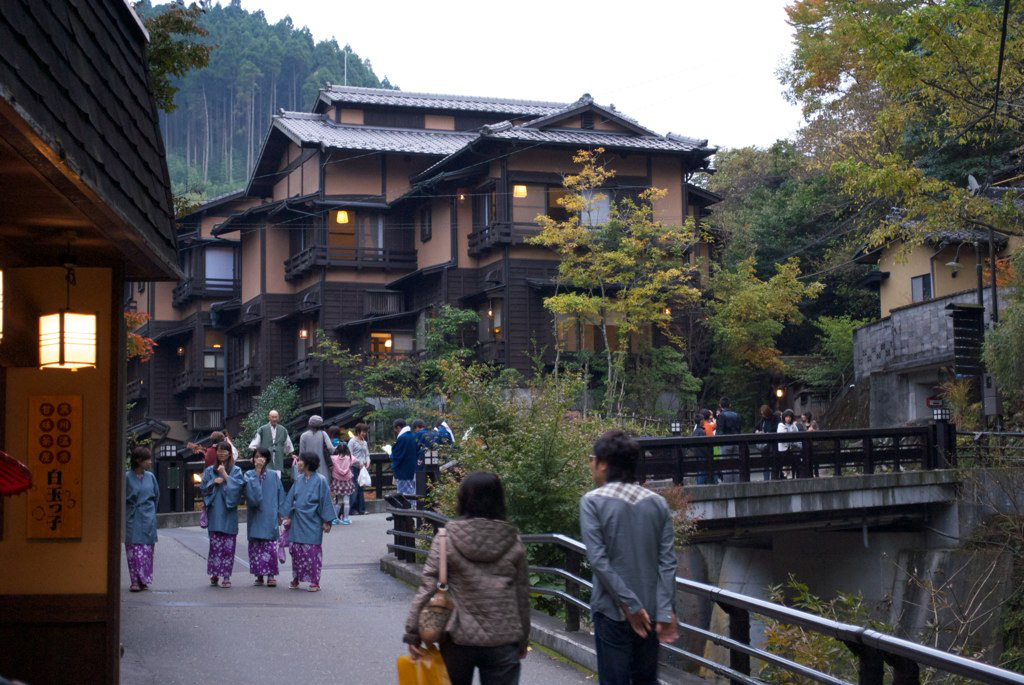
🌿 Open-Air Bath1
An outdoor bath set against a natural view — green forest, a stream, or snow drifting down in winter. This is the dream onsen image most people picture: soaking in hot water while you breathe in cool air and take in the scenery. As good as it gets.
Choose an Onsen Town →
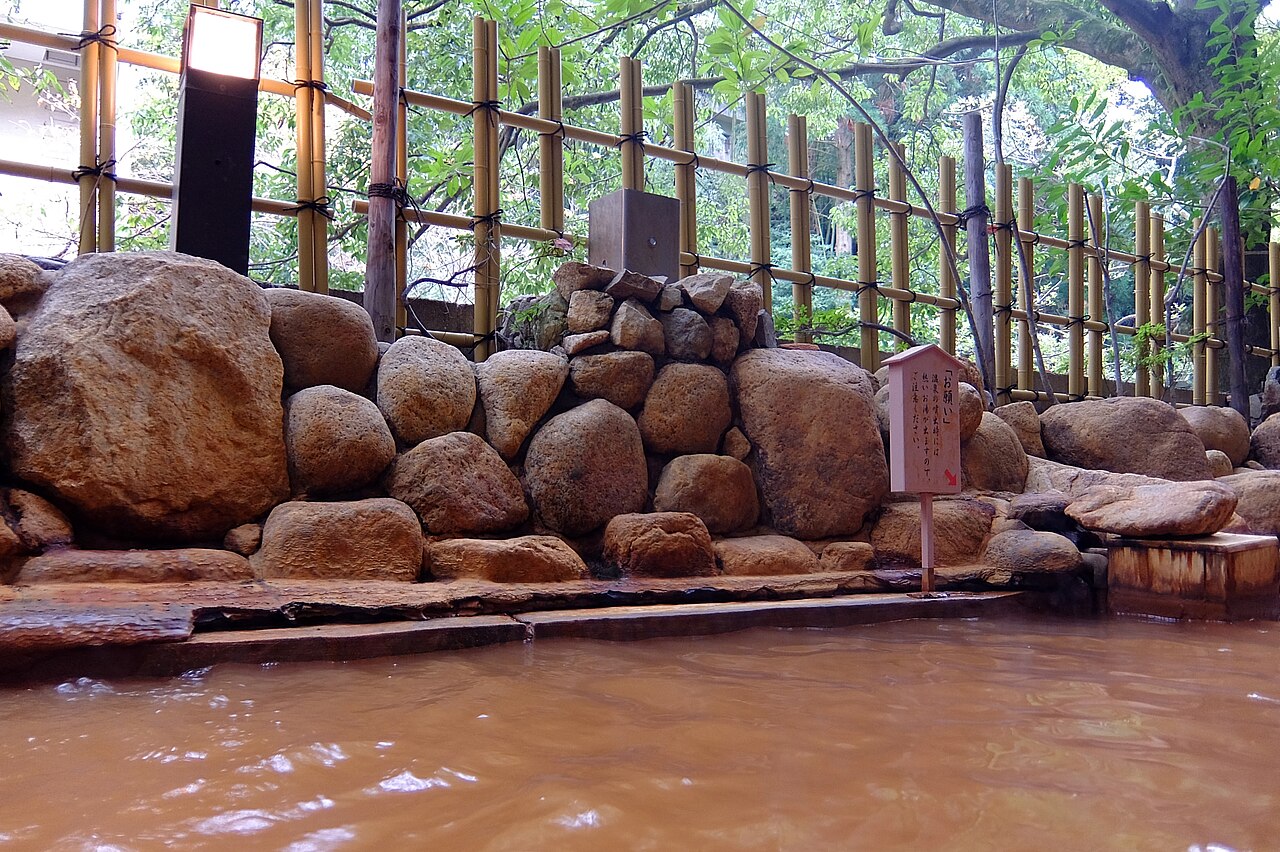
🏠 Indoor Bath2
A bath inside the building — warm, sheltered from wind and rain, ideal on a bitterly cold or rainy day. Many are built from fragrant hinoki cypress or natural stone, with a calm, quiet feel. It's the basic bath every onsen has.
Kobe (Arima) Guide →
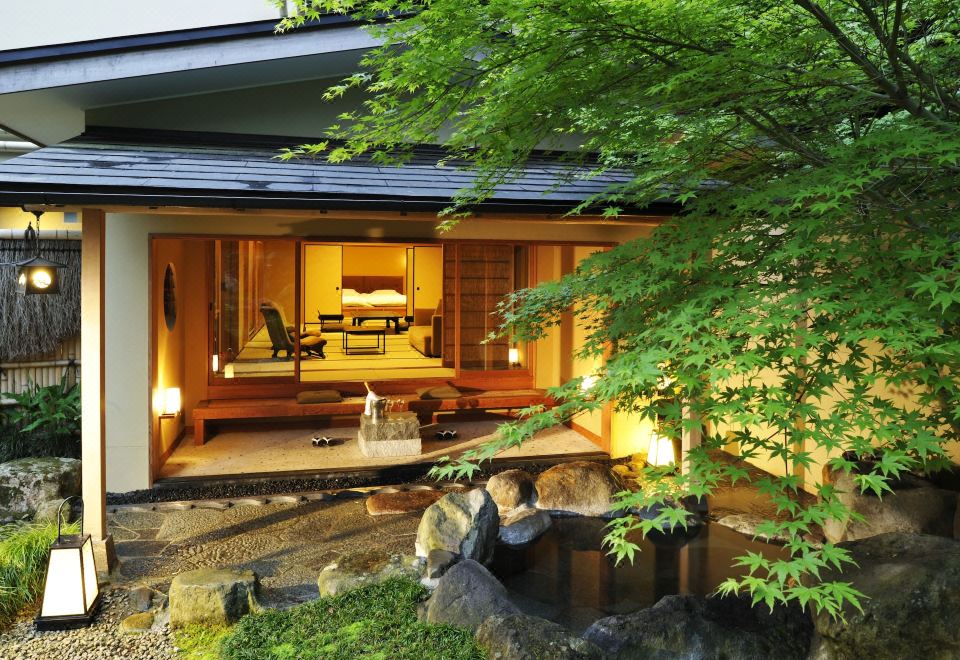
🔑 Private Bath3
A private bath you reserve by the hour — no sharing with strangers. Perfect for couples, families, anyone with a tattoo, or anyone still shy about being naked. Many ryokan offer one to book, or even an onsen right in your room.
Ryokan Guide →
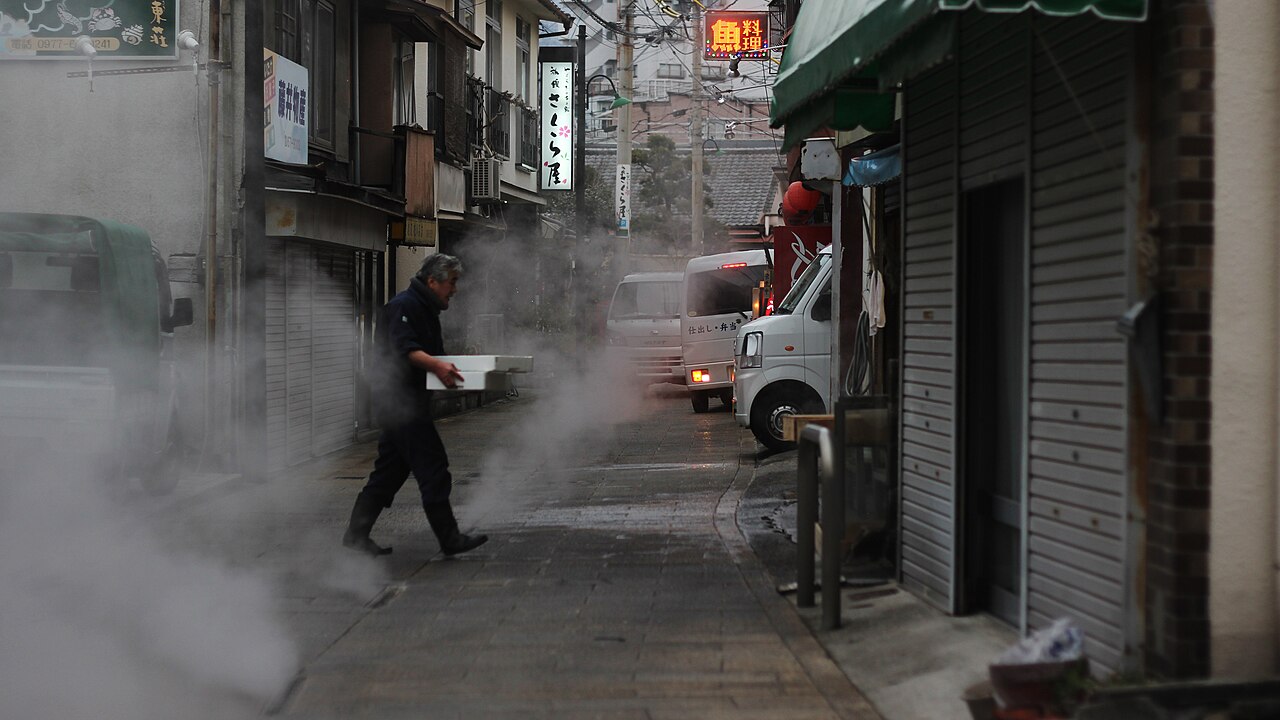
🏖️ Sand Bath4
Instead of water, you lie down and an attendant buries you in hot sand warmed by the steam of the hot springs below. It feels heavy and warm, like being tucked in. It's a novel experience that Beppu (especially the Takegawara area) is famous for.
Beppu Guide →
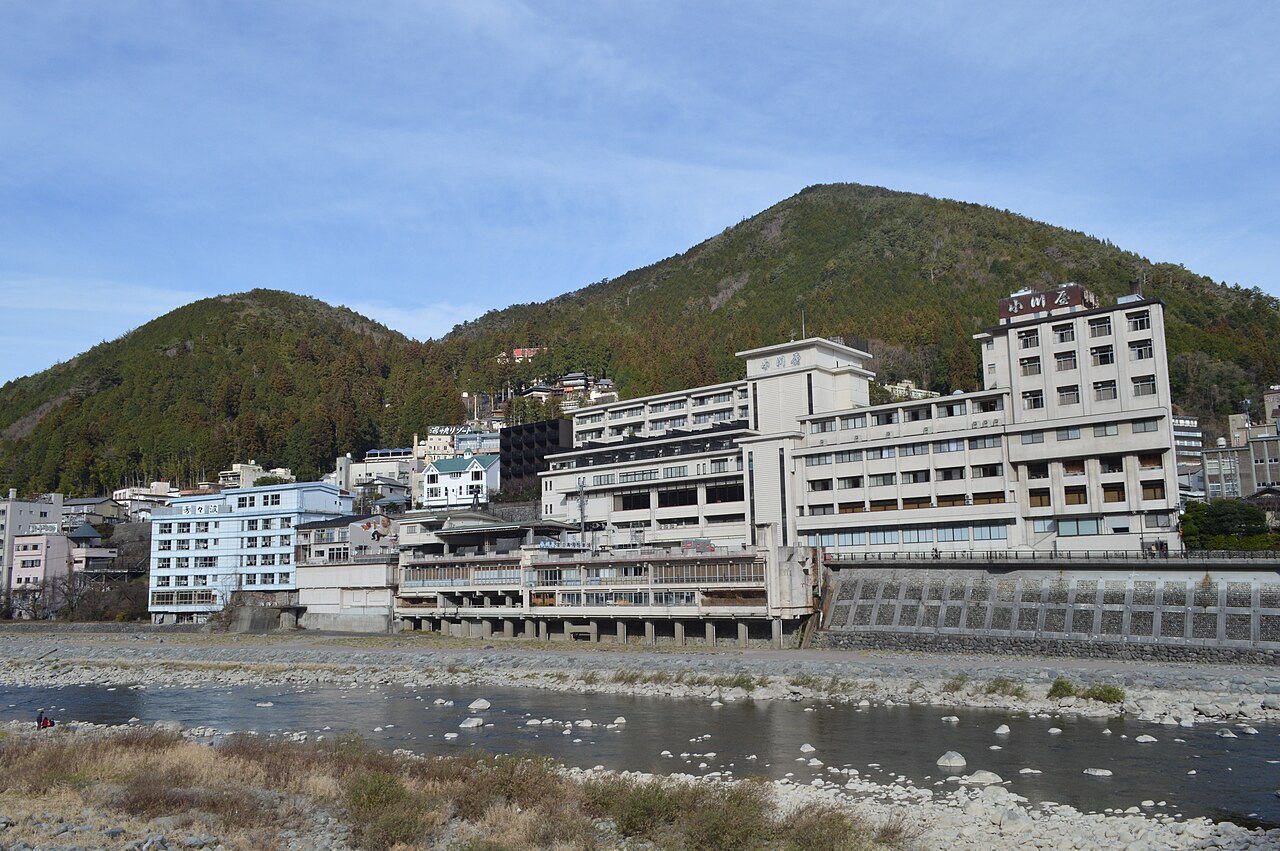
🦶 Foot Bath5
A foot bath where you don't undress and don't pay (most are free) — just pull off your socks and dip your feet in. They're usually right in the middle of an onsen town, ideal for first-timers not yet ready for a full soak, or to rest your feet between sights.
Gifu (Gero) Guide →
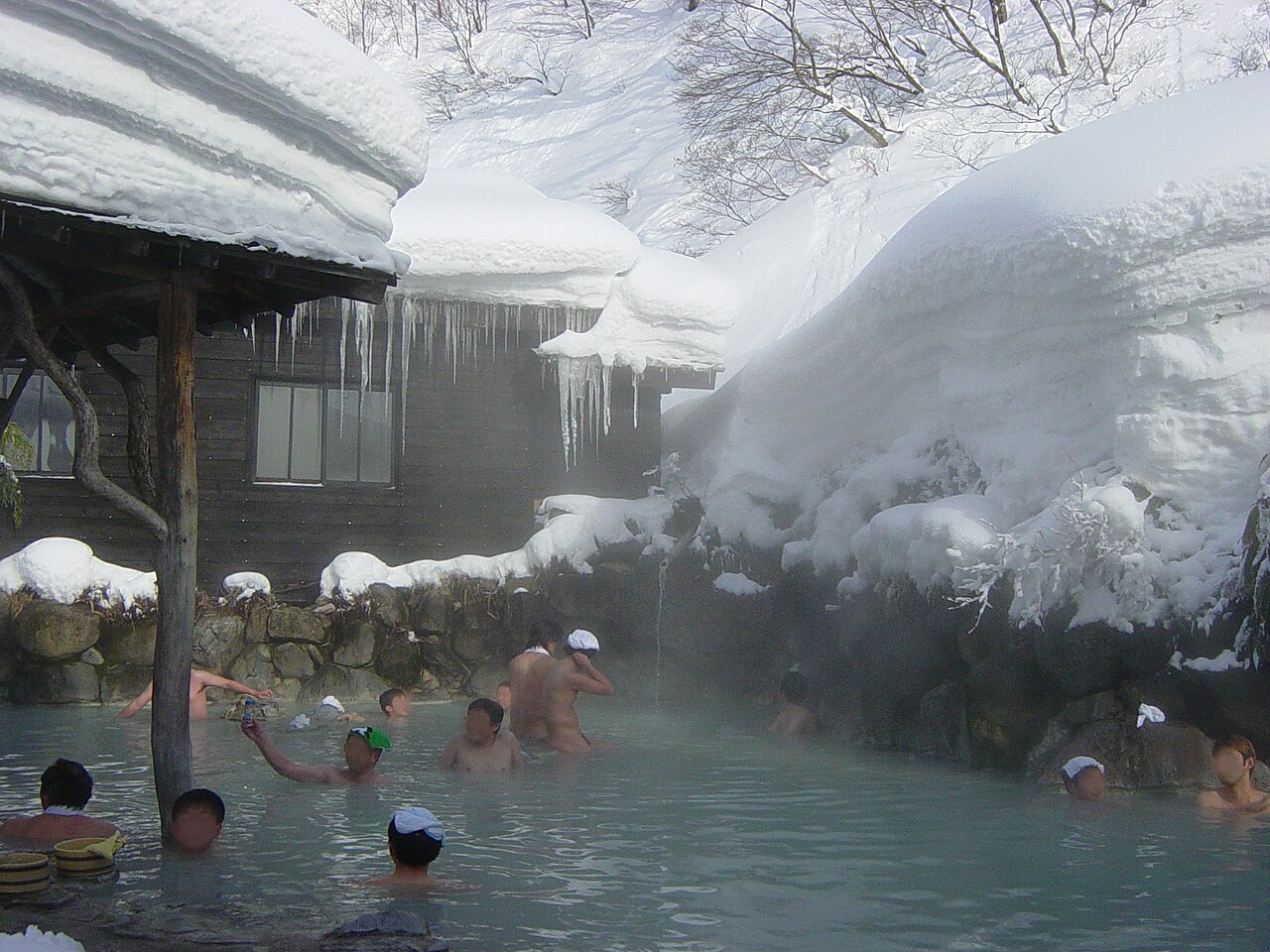
🥛 Milky Water6
Some hot springs run milky white from the dissolved minerals. Nyuto Onsen in Akita is the name onsen lovers bring up — a cluster of historic ryokan deep in the forest, with milky open-air baths and a wonderfully raw, traditional atmosphere.
Akita (Nyuto) Guide →This is the thing people worry about most. The short answer is "yes, but you have to pick the right place or method" — and there are 3 routes that genuinely work.
Japanese people take communal-bath etiquette seriously, because it's a shared space. Know these six and you'll soak with a clear conscience, without accidentally annoying anyone.
Onsen towns are scattered from Hokkaido to Kyushu — see at a glance which one is near which major city. Want to dig into each town? Open the guide to 12 onsen towns.
The water is hotter than you'd expect. Soak with a bit of awareness and you'll relax fully, without going light-headed mid-bath.
What a ryokan is, how you sleep, per-person pricing with meals, kaiseki, wearing a yukata, and the etiquette — your no-confusion guide to a first ryokan night.
Ryokan Guide →Pick the onsen town that fits you — near Tokyo, beautiful in the snow, the best water, or quiet and rural — with how to get to each.
Onsen Towns →The closest onsen town to Tokyo — Lake Ashi, Owakudani, the museums, onsen stays, and how to get there.
Hakone Guide →The town with the most hot-spring water in Japan — the 8 "hells" (jigoku) tour, sand baths, and every kind of onsen in one place.
Beppu Guide →Every region and city, with links into city guides, hotels, and attractions across Japan.
Japan Guide →Visa · eSIM · IC cards · JR Pass · yen · power plugs · Japanese etiquette — everything before you fly.
Travel Prep →You know how to bathe and the etiquette — now just choose a town: near Tokyo, beautiful in the snow, the best water, or quiet and rural. Browse the 12 onsen towns, then book a well-placed stay before they fill up.