The bloom rolls south to north every year, from late March into May — here are the 2026 city-by-city bloom dates, the legendary viewing spots in Tokyo · Kyoto · Fuji-Kawaguchiko · Hirosaki, how to read the forecast accurately, and the hanami etiquette that matters, all on one page.
Ever planned a dream sakura trip, booked flights six months out, then arrived to find every petal already on the ground? It's the trap travellers fall into every single year, because cherry blossoms don't bloom across Japan at the same time — they roll slowly northward like a pink wave, starting on the southern island of Kyushu in late March and reaching Hokkaido around early May. The Japanese call this advancing line the "sakura zensen" (cherry blossom front), and the whole country tracks it like a weather report.
The goal of this guide is to help you time it to the right city — we lay out the 2026 bloom dates city by city, walk you through the best viewing spots in each region, teach you how to actually read the forecast, and flag the etiquette and booking mistakes that catch people out.
Official JMC 2026 forecast (revised through the season) — "flowering" (kaika) is when the first blossoms open; "full bloom" (mankai) is the peak. The peak window lasts only a few days to about a week.
| City | Region | Flowering (kaika) | Full bloom (mankai) | Best window |
|---|---|---|---|---|
| FukuokaKyushu | South | Mar 24 | Apr 3 | Apr 1–8 |
| HiroshimaChugoku | South | Mar 19 | Mar 30 | Mar 29–Apr 4 |
| NagoyaChubu | Central | Mar 17 | Mar 30 | Mar 26–Apr 1 |
| TokyoKanto | Central | Mar 19 | Mar 27–28 | Mar 28–Apr 4 |
| KyotoKansai | Central | Mar 23 | Mar 30 | Mar 29–Apr 5 |
| OsakaKansai | Central | Mar 26 | Apr 3 | Apr 1–7 |
| KanazawaHokuriku | North | Mar 29 | Apr 3 | Apr 2–9 |
| Fuji-KawaguchikoFuji Five Lakes | North | Apr 3 | Apr 8 | Apr 6–12 |
| NaganoChubu | North | Mar 31 | Apr 6 | Apr 5–11 |
| SendaiTohoku | North | Mar 31 | Apr 4 | Apr 4–12 |
| Hirosaki (Aomori)Tohoku | North | Apr 13 | Apr 16 | Apr 16–21 |
| SapporoHokkaido | Far North | Apr 18–20 | Apr 24 | Apr 21–28 |
These are the spots travellers consistently rate as worth the trip — each peaks on a different date, so match your viewing spot to that city's bloom window and your trip falls into place.
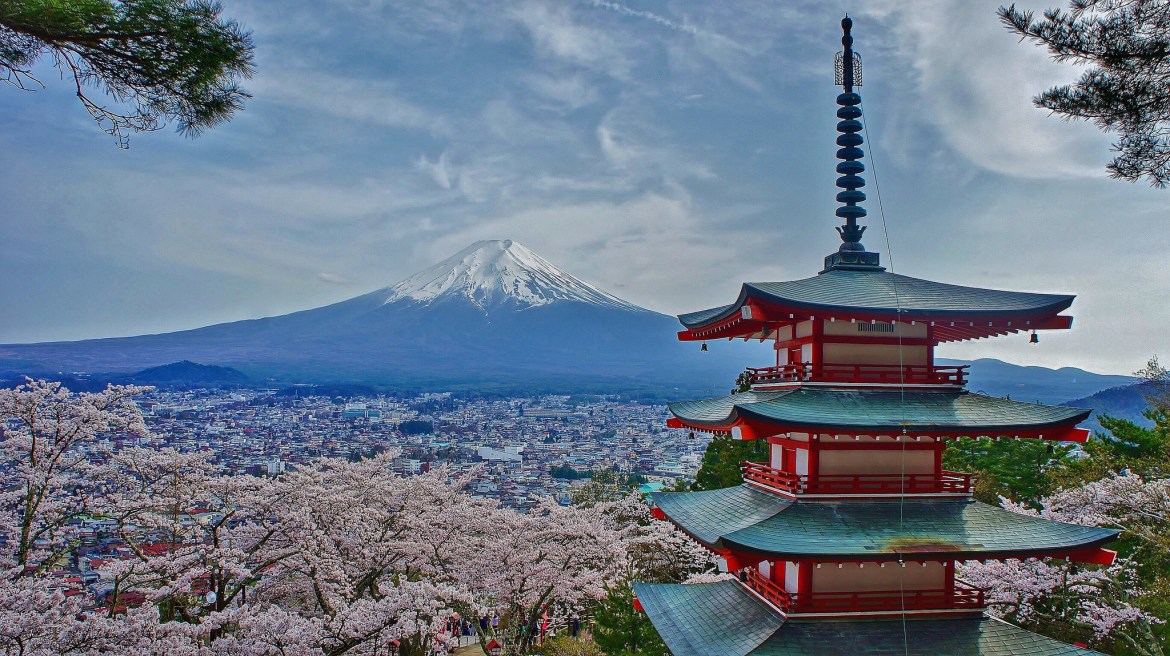
🗻 Fuji-Kawaguchiko1
Japan's most famous cherry blossom photograph happens right here — a red five-story pagoda, pink sakura, and snow-capped Mount Fuji all lined up in one frame. You'll climb about 400 steps to reach the viewpoint, but every step is worth it. Come at first light for the best colour and the smallest crowd.
Kawaguchiko (Fuji) Guide →
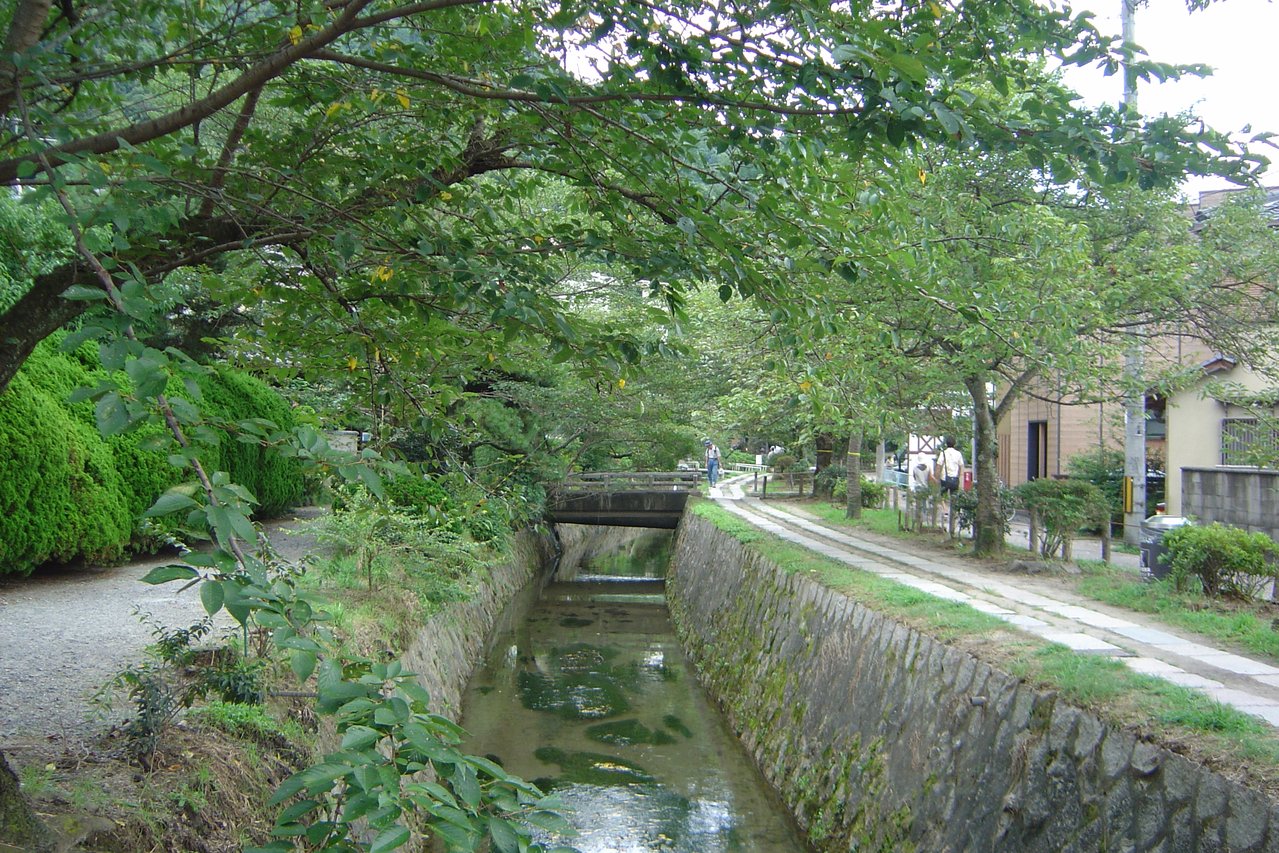
⛩️ Kyoto2
A roughly 2-kilometre stone walkway following a small canal, flanked on both sides by hundreds of cherry trees. At peak, fallen petals drift along the surface of the water — the scene that stops everyone in their tracks. It connects Ginkaku-ji to the old temple district, an easy half-day on foot.
Kyoto Attractions →
🌸 Kyoto3
Kyoto's most celebrated hanami park, anchored by a giant "shidarezakura" (weeping cherry) at its centre. After dark the trees are lit up (yozakura) for a completely different mood, and locals spread out across the lawns for picnics — this is hanami at its most authentic.
Kyoto Attractions →
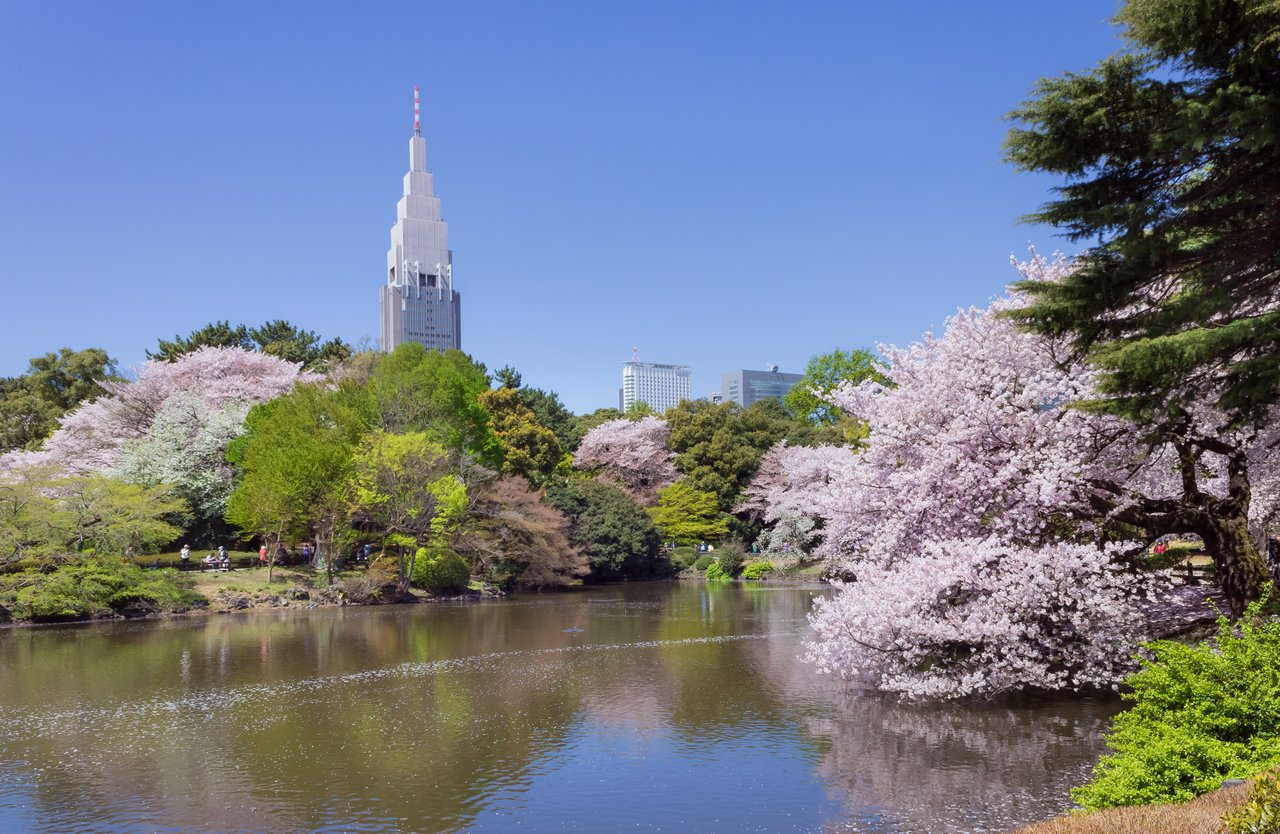
🗼 Tokyo4
Tokyo's number-one spot if you want to sit and soak it in. Around 1,000 cherry trees across more than 65 varieties means a longer overall season than most parks — the late bloomers carry on after the main variety has dropped. Wide lawns make it ideal for a relaxed picnic.
Tokyo Attractions →
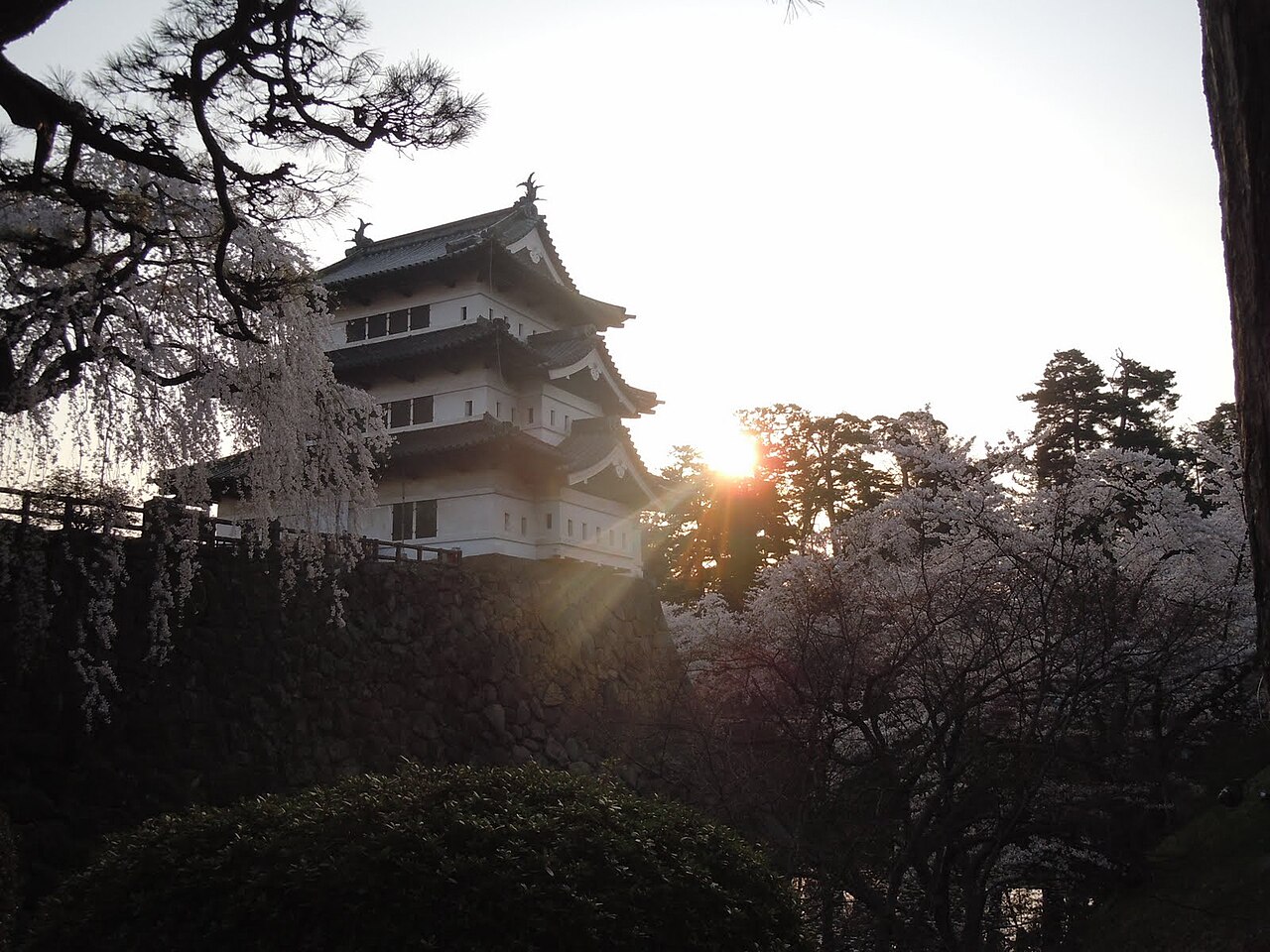
🏯 Aomori (North)5
Missed the blossoms in central Japan? This is your second chance. The Hirosaki Cherry Blossom Festival runs in mid-April with over 2,500 cherry trees, and the legendary sight here is the moat carpeted with fallen petals (hanaikada) until the water itself turns pink — one of the most beautiful in the country.
Japan Travel Guide →
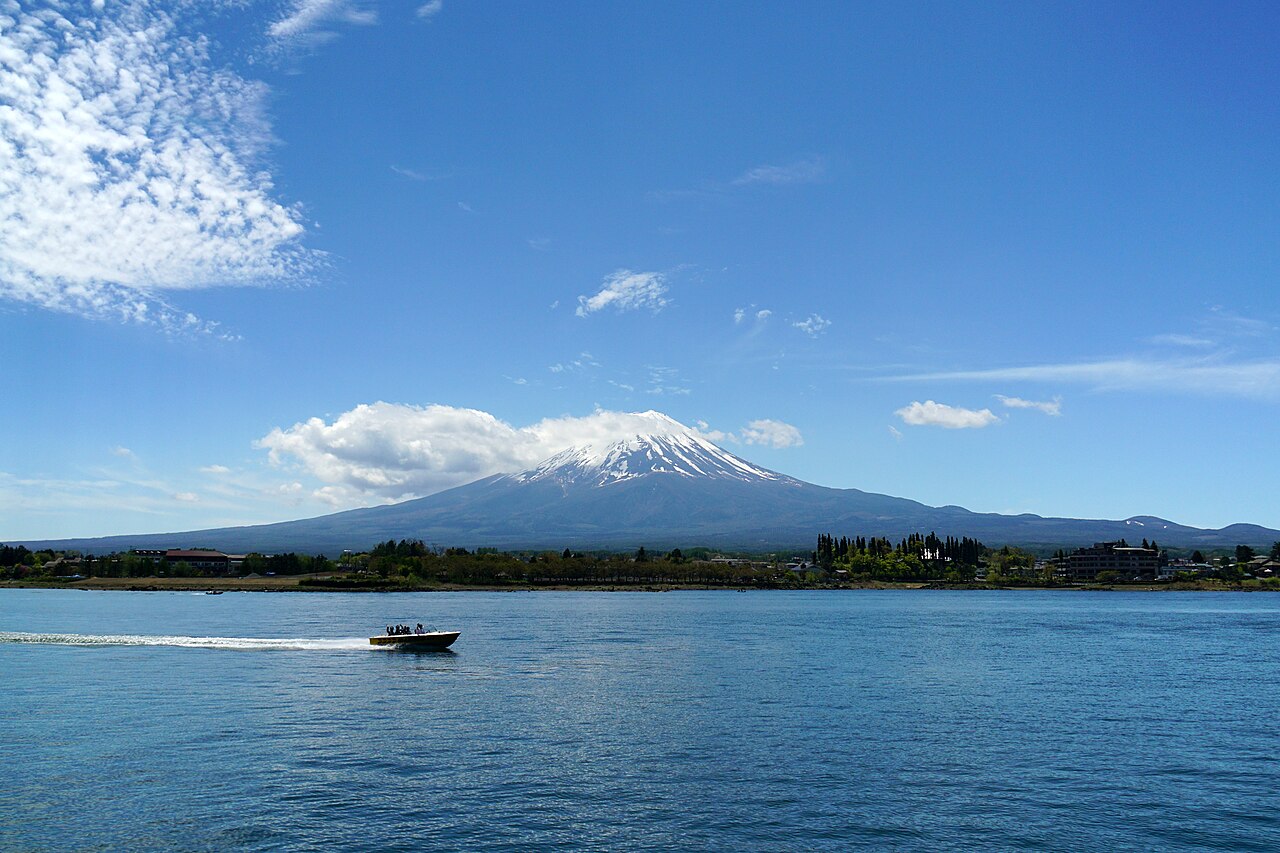
🌊 Fuji-Kawaguchiko6
The northern shore has a lakeside line of cherry trees (the Cherry Blossom Corridor) with Mount Fuji rising behind, mirrored on the lake's surface — the classic image that lands on Japanese calendars more than almost any other. Stay overnight nearby and wake up to Fuji in the morning; it's an experience you'll remember for years.
Kawaguchiko (Fuji) Guide →The sakura forecast isn't guesswork — it's calculated from accumulated temperatures and bud development. Understand these three things and you'll plan far more accurately.
Kaika (開花) = the first-flowering date · Mankai (満開) = the full-bloom date. Mankai usually follows kaika by about one week, and the most beautiful window runs "from just before mankai until petals start to fall" — roughly 4–7 days. Plan to land inside that window.
Stick to official sources: JMC (n-kishou) forecasts around 1,000 locations nationwide, while japan-guide.com and JNTO publish easy English summaries. They all update weekly from late in the year through the early season — always re-check just before you fly.
Warm weather speeds the bloom; rain and wind drop petals fast. A warm year like 2026 can run 3–7 days earlier than average. The safe move is to cover a 7–10 day window and keep a backup plan — if one city is past peak, shift north to a city that blooms later.
"Hanami" (花見) — picnicking under the cherry trees — is the heart of the season. But there's etiquette the Japanese take seriously. Know it and you'll relax into it without putting a foot wrong.
It's easy to see why you chase the front — southern spots bloom first, northern spots later. Plan along this line and you can catch several cities in a single trip.
The base for sakura framed with Mount Fuji — Chureito Pagoda, the lakeside, Fuji-view hotels, and how to get there from Tokyo.
Kawaguchiko Guide →The Philosopher's Path, Maruyama Park, Fushimi Inari, Arashiyama, and the legendary temples of the old capital.
Kyoto Attractions →Shinjuku Gyoen, the Meguro River, Ueno, and the best spots to catch cherry blossoms across the city.
Tokyo Attractions →Every region and city, with links into city guides, hotels, and attractions across Japan.
Japan Guide →Osaka Castle (a top sakura spot), Dotonbori, and the best of Kansai in a day.
Osaka Attractions →Visa · eSIM · IC cards · JR Pass · yen · power plugs · etiquette — everything before you fly to Japan.
Travel Prep →Pick the city that fits your travel dates, open a city guide for hotels, sights, and transport, or start searching for accommodation near the viewing spots before prices climb.