Home Destinations 🇯🇵 Japan Tokyo Food Guide Osaka Food Guide Tokyo Guide Osaka Guide Japan Travel Guide About 🇹🇭 ไทย🇬🇧 English🇨🇳 中文🇪🇸 Español🇫🇷 Français
🍜 Food Guide · Updated 2026

Japan's Chain Restaurants
Eat Well Every Day, Spend Little

A beef bowl for ¥450 · rich tonkotsu ramen · crispy tonkatsu · conveyor-belt sushi at ¥120 a plate · family restaurants with menus the size of a book · hot coffee for ¥224 — the chains on every street corner that are genuinely good and easy on the wallet, with real price ranges and how to order from a ticket machine without freezing up.

Start Here

Travel Japan for WeeksWithout Your Food Budget Exploding

You know the feeling — you've been walking all day, you're tired and hungry, but the famous restaurant has a line out the door and a price tag north of ¥1,000 a plate. Here's the good news: Japan is packed with chain restaurants on practically every street corner, near train stations, inside malls, under office towers, and some open 24 hours. Food comes out fast, the quality is consistent, and best of all — the prices are seriously kind to your wallet.

And let's be clear: these chains aren't a "settle for it" option. Japanese people eat at them as everyday staples — a steaming beef bowl for ¥450, rich ramen with broth thickness you control, golden tonkatsu that's crisp outside and tender inside, conveyor-belt sushi that zips to your table after a tap on a screen, and hot coffee for ¥224 where you can rest your legs in peace. We've rounded up the most popular categories every traveller should know, with real 2026 price ranges, the dishes worth ordering, and how to order smoothly even if you don't speak a word of Japanese.

📍
Everywhere You Look
By stations, inside malls, under office towers — some open 24/7. You're never far from a meal.
💴
¥450–1,000 a Meal
Easy to budget, fast to serve, consistent everywhere — ideal for longer, frugal trips.
📱
Easy to Order
Picture menus, ticket machines, and English on the touchscreens at most large chains.
🍱
Plenty of Variety
Beef bowls, ramen, tonkatsu, sushi, pasta, curry, coffee — rotate them and never get bored.
8 Categories to Know

The Japanese ChainsYou Can Eat Every Day

Grouped by food type — from the legendary beef bowl to a coffee pit-stop. Each one has the dishes to order, real 2026 price ranges, and a tip to get the best value.

🐮🍚🥢 Beef Bowls1
Gyudon — Beef Bowls
Yoshinoya · Sukiya · Matsuya

The big three of the beef bowl — thinly sliced beef simmered in a sweet-savoury sauce over hot rice, served fast, the lifesaver lunch of working Japan. Yoshinoya has the classic original sauce · Sukiya has the most branches and adds cheese/kimchi toppings · Matsuya throws in free miso soup when you dine in.

💴Price: regular bowl ¥450 (Sukiya) · ¥460 (Matsuya) · ¥498 (Yoshinoya)
🍽️Order this: regular gyudon · add a raw egg (tamago) · the set with miso soup
📍Find them: near stations in every city, many open 24 hours
💡Tip: the regular (nami/並) size is plenty · top with free beni shoga (red ginger) and shichimi (seven-spice) at the table
Tokyo Food Guide →
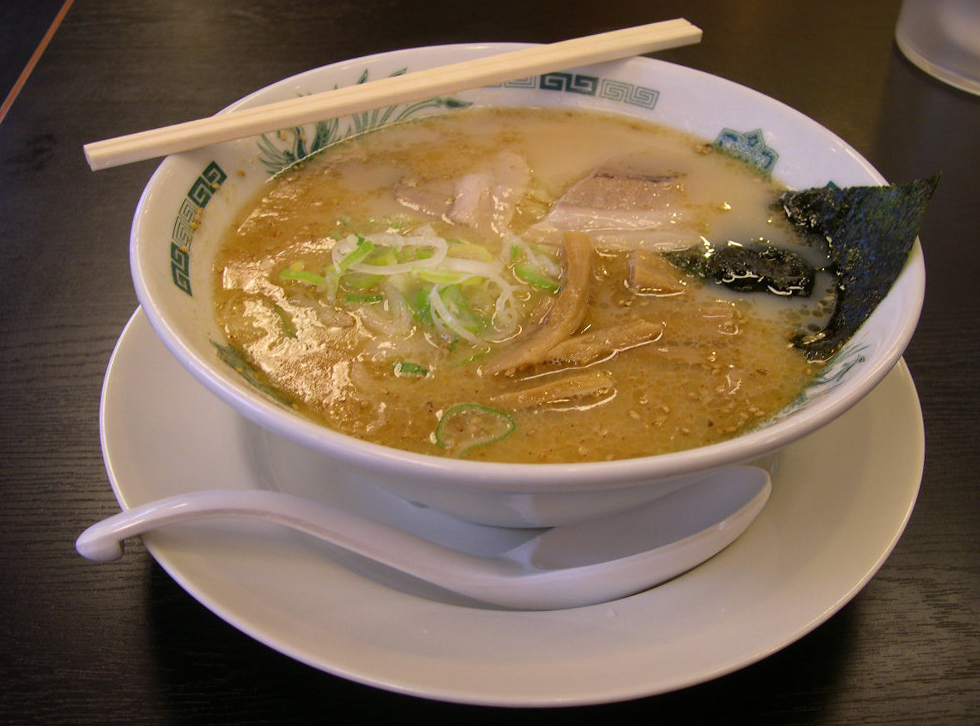
A rich, milky tonkotsu ramen bowl — the style Ichiran and Ippudo are famous for 🍜 Ramen2
Ramen — Big-Name Bowls
Ichiran · Ippudo

The top-tier ramen chains travellers queue for. Ichiran serves intense Hakata-style tonkotsu in private solo booths, where an order sheet lets you fine-tune broth richness, spice and noodle firmness yourself · Ippudo, the legend from Fukuoka, pairs its classic Shiromaru with the miso-spiked, fragrant Akamaru, in a more relaxed sit-down setting.

Illustrative photo: a milky Hakata-style tonkotsu bowl (representative of the style, not a specific branch).

💴Price: Ichiran approx. ¥980/bowl (extra noodles ¥210) · Ippudo Shiromaru ¥850 · Akamaru ¥950
🍽️Order this: Ichiran classic bowl + kaedama (extra noodles) · Ippudo Akamaru + a soft-boiled egg
📍Find them: major tourist areas, airports and big stations nationwide
💡Tip: Ichiran has a ticket machine at the door · running low on noodles? Use the kaedama call button at your seat
Tokyo Food Guide →
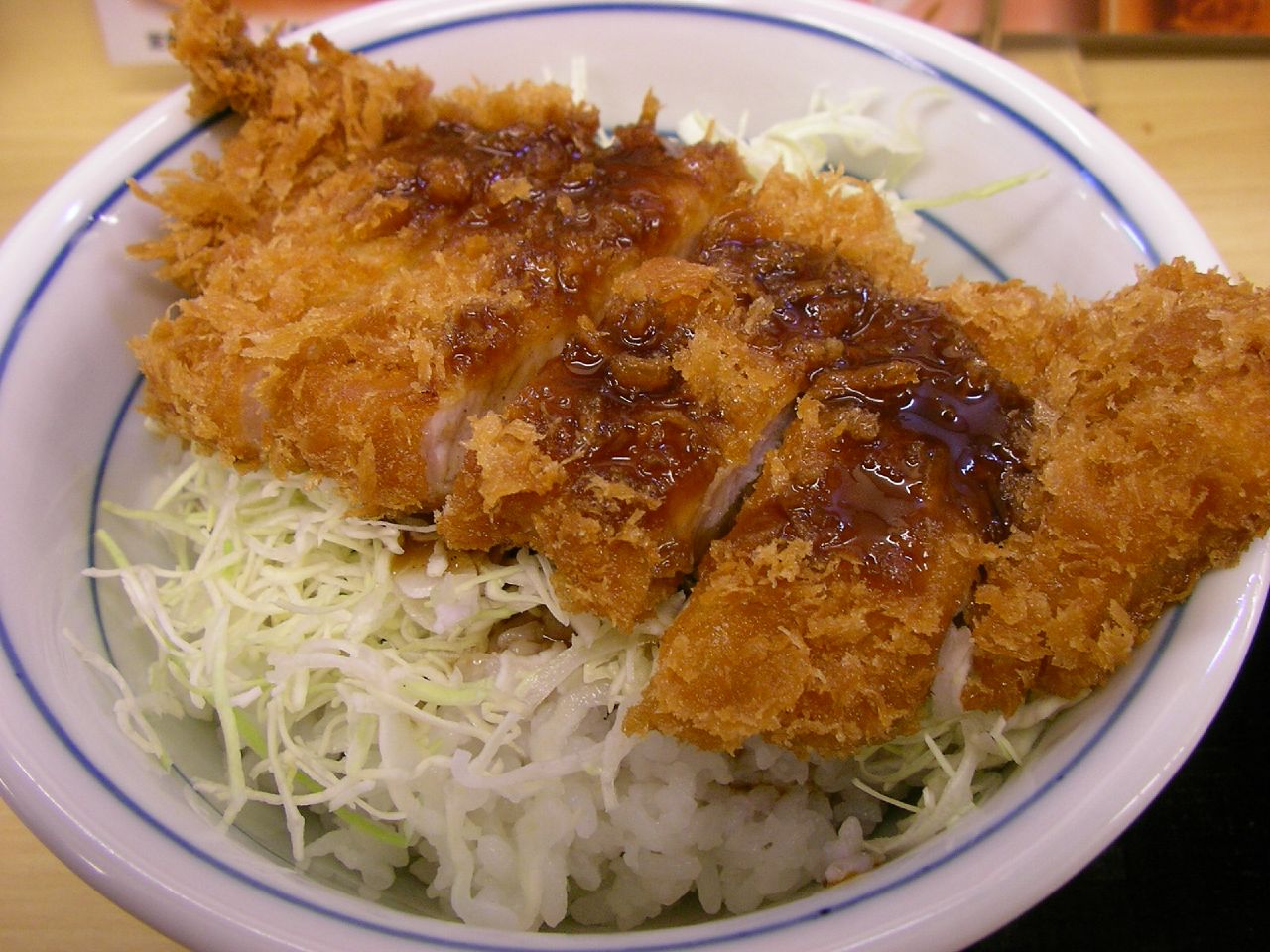
A breaded pork cutlet glazed with sauce over rice — the style of bowl Katsuya serves 🍖 Tonkatsu3
Tonkatsu — Pork Cutlet & Katsudon
Katsuya

A pork cutlet in panko breadcrumbs, deep-fried crisp outside and tender inside, glazed with sweet tonkatsu sauce and laid over hot rice as katsudon. Katsuya is the easiest-to-find and best-value tonkatsu chain, with over 500 branches across Japan — far more affordable than specialist tonkatsu restaurants, but the crunch and portion size hold their own.

Illustrative photo: a sauce-glazed cutlet over rice (representative of the katsudon style).

💴Price: katsudon from approx. ¥590–820 · tonkatsu set with rice/soup/cabbage ~¥800–1,100
🍽️Order this: katsudon · katsu curry (cutlet over curry) · the tonkatsu set with sides
📍Find them: near stations and office districts nationwide
💡Tip: the monthly promo days often discount katsudon · many branches offer free shredded cabbage refills
Osaka Food Guide →
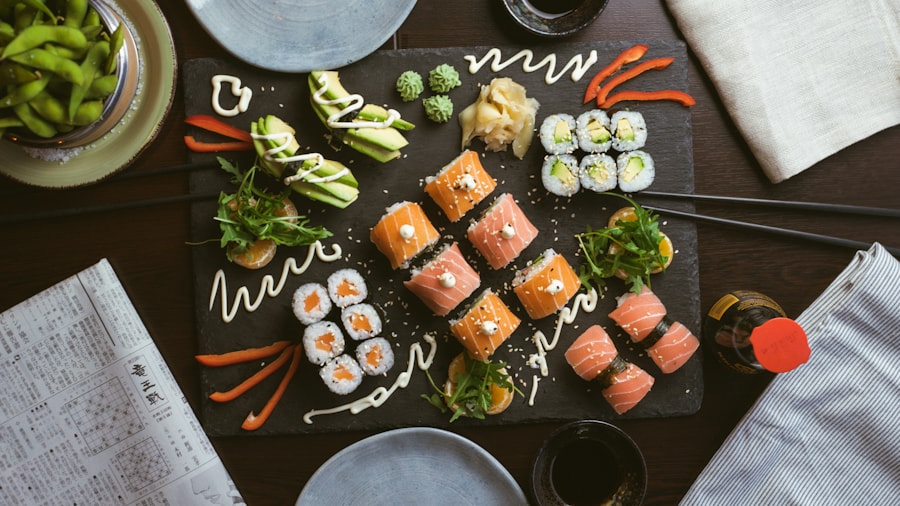
An assortment of sushi plates as served at a Japanese conveyor-belt sushi restaurant 🍣 Conveyor Sushi4
Kaiten-zushi — Conveyor-Belt Sushi
Sushiro · Kura Sushi

Budget revolving sushi that's fun from the moment you sit down. Order from a touchscreen at your table and the sushi races over on an express lane. Sushiro leans on fish quality and seasonal specials, one of Japan's top conveyor chains · Kura Sushi is famous for its Bikkura-Pon game — drop five empty plates in the slot for a chance at a gachapon prize, which kids adore.

💴Price: ¥115–150 per plate (by colour/item) · a full meal is ¥1,000–1,500 per person
🍽️Order this: salmon, tuna, ikura, seasonal uni · ramen and desserts too
📍Find them: large malls, suburbs, roadside — some city-centre branches too
💡Tip: weekend lines are long — grab a queue ticket from the machine or app first · free self-serve green tea at the table
Tokyo Food Guide →
🍤🍚🍤 Tempura5
Tendon — Tempura Over Rice
Tenya

Crisp shrimp and vegetable tempura glazed in sweet tare sauce over hot rice. Tenya is the biggest and best-value tendon chain in Japan, frying every bowl fresh, with prices that start in the few-hundred-yen range — fast and filling, perfect for a quick lunch or anyone who wants to try tempura without paying specialist-restaurant prices.

💴Price: ebi tendon approx. ¥490 · One Coin tendon ~¥500 · All-Star tendon ~¥720
🍽️Order this: All-Star tendon (shrimp, squid, fish and veg) · the set with soup and noodles
📍Find them: most common in Tokyo and the Kanto region · some Kansai branches
💡Tip: on the 18th of each month the One Coin tendon often drops to around ¥390 · add extra sauce to taste
Tokyo Food Guide →
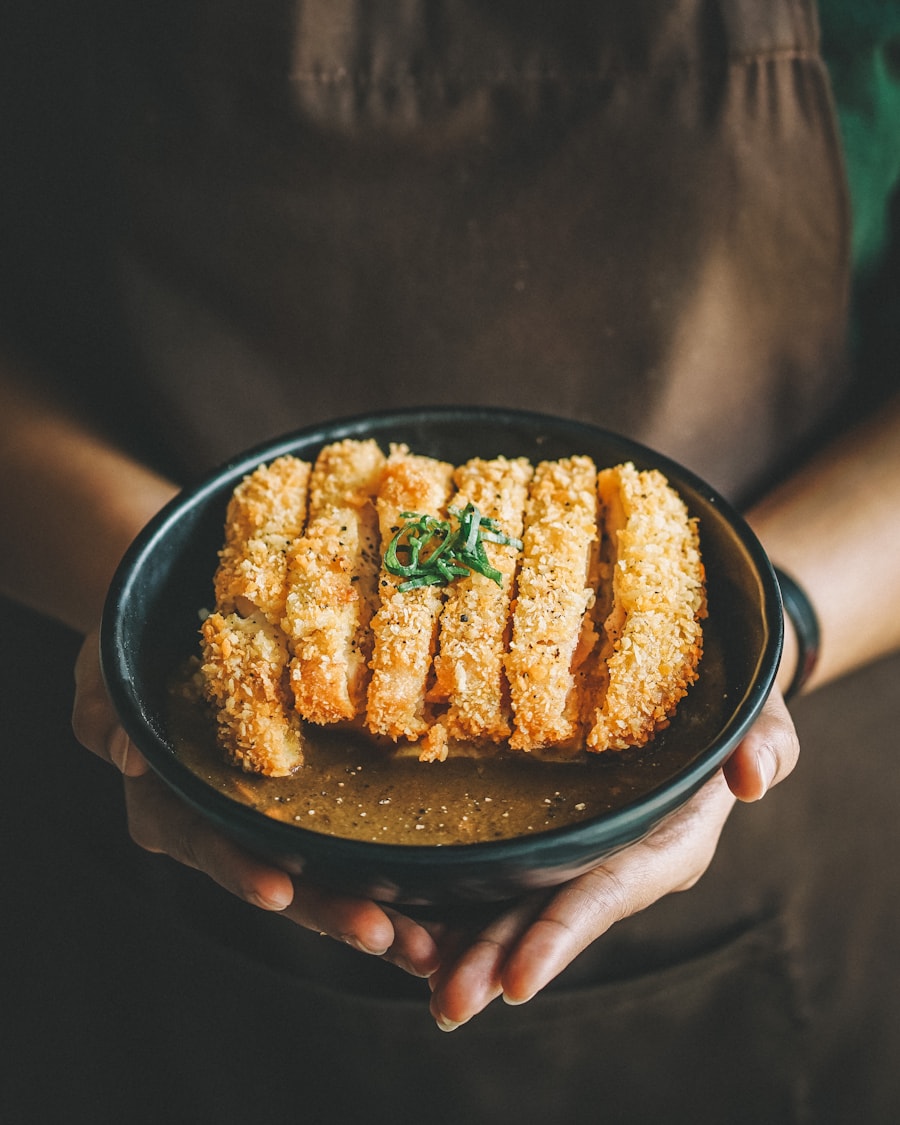
A breaded cutlet served over Japanese curry, a typical family-restaurant dish 🍝 Family Restaurant6
Famiresu — Family Restaurants
Saizeriya · Gusto

Comfortable sit-down spots with menus running to hundreds of items — ideal for families and groups where everyone wants something different. Saizeriya is a shockingly cheap Italian chain with pasta, pizza and doria at ¥400–600 a plate, and wine from ¥100 a glass · Gusto covers everything from hamburg steak to curry rice, with robot servers in many branches.

Illustrative photo: a cutlet over curry, a family-restaurant staple (representative photo).

💴Price: Saizeriya ¥364–600 a plate · drink bar ~¥200 · a full meal ¥700–1,200
🍽️Order this: Saizeriya: carbonara, hamburg steak, escargot · Gusto: cheese-in hamburg steak
📍Find them: nearly every neighbourhood, urban and suburban; some open late
💡Tip: add the drink bar for unlimited soft drinks/tea/coffee and linger as long as you like · self-order touchscreens have English in many branches
Japan Travel Guide →
🍛🍛 Curry Rice7
Curry Rice — Japanese Curry
CoCo Ichibanya

CoCo Ichibanya (nicknamed "CoCoIchi") is the king of Japanese curry, letting you build your own plate from scratch — choose a spice level from 1 to 10, your rice portion, and from over 40 toppings, from fried pork and chicken to egg, vegetables and cheese. The sauce is rich and well-rounded, and a big hit with Thai travellers.

💴Price: a basic pork curry starts around ¥646 · with full toppings it usually lands around ¥1,000–1,200
🍽️Order this: pork katsu curry · fried chicken over curry · spice all the way up to level 10
📍Find them: nationwide, urban and suburban
💡Tip: first-timers, start at spice level 2–3 · choose less rice to lower the bill · picture and English menus available
Osaka Food Guide →
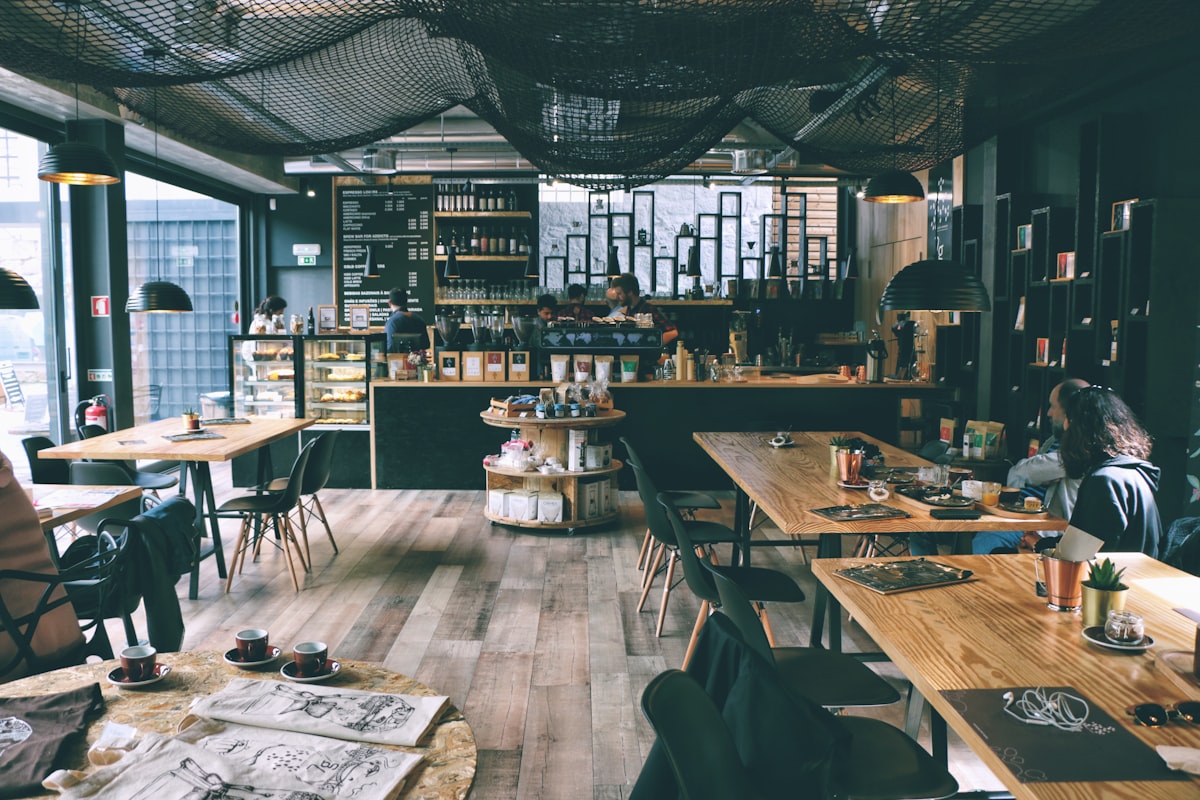
A relaxed cafe interior for a coffee break, like the Doutor chain ☕ Coffee8
Coffee — A Place to Rest Your Legs
Doutor · (Komeda)

Worn out from walking and want a hot coffee without paying Starbucks prices? Doutor is the cheapest, easiest-to-find coffee chain — coffee from ¥224, over 1,000 branches, and a great-value morning set · Komeda Coffee from Nagoya brings a warm kissaten atmosphere, and a morning coffee comes with free toast and a boiled egg.

Illustrative photo: a relaxed cafe interior (representative photo, not a specific branch).

💴Price: Doutor small coffee ~¥224 · morning set ~¥400 · Komeda house blend ~¥560
🍽️Order this: Doutor: morning set + Milano sandwich · Komeda: Shiro-Noir (Danish topped with soft serve)
📍Find them: near stations, in office buildings and malls across major cities
💡Tip: the morning set (around 7:00–11:00) is the best value · many branches have power outlets and Wi-Fi, handy for planning your trip
Tokyo Food Guide →
Price Table

Popular Menu Price Rangesat a Glance

Approximate prices including tax, per serving — based on standard city-branch menus. Updated 2026.

Chain / CategorySignature itemApprox. price
Sukiya · beef bowlregular gyudon~¥450
Matsuya · beef bowlregular gyumeshi (free miso soup)~¥460
Yoshinoya · beef bowlregular gyudon~¥498
Tenya · tempuraebi tendon / One Coin tendon~¥490–500
Katsuya · tonkatsukatsudon~¥590–820
Sushiro / Kura · conveyor sushiper plate (full meal ¥1,000–1,500)~¥115–150
Ippudo · ramenShiromaru / Akamaru~¥850–950
Ichiran · ramenclassic ramen (extra noodles ¥210)~¥980
CoCo Ichibanya · currybasic pork curry → with toppings~¥646–1,200
Saizeriya · familypasta/pizza per plate~¥364–600
Doutor · coffeesmall blend coffee~¥224
📌

A note on prices (updated 2026): Japanese prices move around and vary by branch, time of day (some shops add a late-night surcharge) and seasonal menus. The figures above are approximate, tax-included, to help you budget — before you order, double-check the latest price on the official site or the ticket machine to be sure.

Order Like a Local

Ticket Machines (shokken-ki)— No Japanese Required

Many ramen, gyudon and fast-food shops use a ticket machine by the entrance. Know these four steps and you can order anywhere.

1
Find the machine by the door
The machine (shokken-ki / 券売機) usually sits near the entrance. There are old button types and newer touchscreens, which often offer English and Chinese.
2
Insert money first
Always put in coins or notes before pressing anything — older machines often won't take ¥5,000/¥10,000 bills, so ¥1,000 notes are safest · newer ones accept IC cards and credit cards.
3
Press your dish
The popular or signature items are usually on the top row, so press there if unsure · lower rows are toppings, extra noodles and sides · press several buttons if you're ordering more than one thing.
4
Take the ticket to the staff
The ticket drops into a tray below (don't forget to collect your change), then take it to your seat and hand it to the staff or place it on the table. Your food is on its way.
💳

Sit-down chains use table touchscreens: Conveyor sushi (Sushiro/Kura) and family restaurants (Gusto/Saizeriya) usually skip the ticket machine and order from a touchscreen at your table instead — switch it to English, tap to order, and dishes arrive on the lane or by a server. You pay at the counter on your way out, with IC cards and QR (PayPay) widely accepted in 2026.

Value Tips

6 Things That Make Chain DiningCheaper and Smoother

🌅
Morning Sets Are Best Value
Many gyudon shops and cafes have special morning sets around 7:00–11:00 — a cheaper, fuller meal than later in the day.
💴
Carry ¥1,000 Notes + an IC Card
Old ticket machines reject big bills. Keep your Suica/ICOCA topped up and small notes handy so ordering always goes smoothly.
Dodge the Lunch Peak
11:30–13:00 is packed at shops near offices. Eat before 11:30 or after 1 pm for a calmer table.
📅
Catch the Monthly Promos
Many chains have regular discount days — Tenya's One Coin tendon on the 18th, for example. Check the shopfront or app first.
🍵
Water, Tea & Condiments Are Free
Self-serve water/green tea is free at almost every chain · top your gyudon with all the red ginger and seven-spice you like.
📶
Keep an eSIM On to Find Branches
Use Google Maps to find the nearest branch, check opening hours, and book a conveyor-sushi queue ticket through the app.
Related Guides

Plan Your Japan Eating — Cities, Districts & Local Dishes

🗼

Tokyo Food Guide

The best eats across Tokyo — ramen, sushi, street food, desserts, cafes, and the local spots Tokyoites love.

Tokyo Food Guide →
🦑

Osaka Food Guide

Japan's street food capital — takoyaki, okonomiyaki, kushikatsu, and everything along the Dotonbori canal.

Osaka Food Guide →
🇯🇵

Full Japan Travel Guide

Every region and city, plus visas, budgets, IC cards, the JR Pass, and complete itineraries for first-timers.

Japan Guide →
🏯

Full Tokyo City Guide

Everything Tokyo across every tab — where to stay, eat, what to see, itineraries, and how to get around.

Open Tokyo Guide →
🏙️

Full Osaka City Guide

Everything Osaka across every tab — where to stay, eat, what to see, plus Kyoto and Nara day trips.

Open Osaka Guide →
🧭

Japan Travel Essentials

Visa · eSIM · IC card · JR Pass · yen · plugs · etiquette — everything to sort before you fly to Japan.

Travel Essentials →
Frequently Asked Questions

FAQ —Japan Chain Restaurants

How much does a meal at a Japanese chain restaurant cost?
You can comfortably keep a meal to ¥450–1,000 per person. A regular gyudon (beef bowl) starts around ¥450–498 (Sukiya ¥450 / Matsuya ¥460 / Yoshinoya ¥498). A pork-cutlet bowl at Katsuya starts around ¥590. Conveyor-belt sushi is ¥115–150 per plate, so a full meal runs ¥1,000–1,500. A bowl at a famous ramen chain like Ichiran is about ¥980. Eating really frugally, ¥500–700 per meal is easy. (Updated 2026 — prices vary by branch and time of day, so check the official site for the latest figures.)
How do I order from a ticket vending machine in Japan?
Many ramen, gyudon and fast-food shops use a ticket vending machine (shokken-ki) by the entrance. The steps are: (1) insert coins or notes first — older machines often won't take ¥5,000 or ¥10,000 bills, so keep ¥1,000 notes handy; (2) press the button for the dish you want, with the most popular or signature item usually on the top row; (3) the ticket drops into a tray, so pick it up and hand it to the staff or place it on your table. Newer touchscreen machines offer English and Chinese and accept IC cards and credit cards.
Which gyudon is the best value — Yoshinoya, Sukiya or Matsuya?
All three are excellent in their own way and very close in price. Sukiya is the cheapest (regular bowl ¥450), has the most branches in Japan, and offers cheese and kimchi toppings. Matsuya (¥460) stands out by including free miso soup with dine-in orders and free rice refills on set meals. Yoshinoya (¥498) is the original, with its classic rich sweet-savoury sauce. For pure value, Sukiya and Matsuya lead; for the original flavour, Yoshinoya is the benchmark.
What's the difference between Sushiro and Kura Sushi?
Both are budget conveyor-belt sushi chains with plates starting around ¥115–150 (the era of every plate at ¥100 is over). Sushiro emphasises fish quality and seasonal specials, starting at ¥120 a plate. Kura Sushi is known for its Bikkura-Pon game — drop five empty plates into the slot and you get a chance to win a gachapon prize, which kids love. Both let you order from a touchscreen at your table, with dishes delivered on an express lane. A full meal is ¥1,000–1,500 per person.
Do Japanese chain restaurants have picture menus or vegetarian options?
Almost all chains have picture menus, and big ones like Sushiro, Kura, Saizeriya, CoCo Ichibanya and family restaurants (Gusto) usually offer English on their touchscreens. Vegetarian options are still limited, but Saizeriya has salads, vegetable pasta and a margherita pizza, and CoCo Ichibanya has a vegetable curry where you control the spice level and toppings. If you have allergies, check the ingredients with staff, since broths often contain pork or fish.
Can I pay by card or IC card at Japanese chain restaurants?
Usually yes. Large city-centre chains widely accept Suica/ICOCA, credit cards and QR payments (PayPay), and acceptance has grown a lot by 2026. However, some small ramen shops or rural branches still take only cash via the ticket machine. The safe approach is to carry some ¥1,000 notes and keep enough balance on your IC card, so ordering from a machine or touchscreen always goes smoothly.
Ready to Go?

Now You Know the Chains
Let's Plan the Rest of Your Japan Trip

Open the full Japan travel guide for cities, hotels, itineraries and local dishes in each region — or dive deeper into the best eats in Tokyo and Osaka.

🇯🇵 Japan Guide Tokyo Food