Hsinchu Attractions by Zone
City-centre sights within walking distance of Hsinchu TRA Station, then day trips reachable by bus or branch railway in 45–60 minutes. Each entry includes hours, admission, how to get there, and a practical caveat or insider tip.
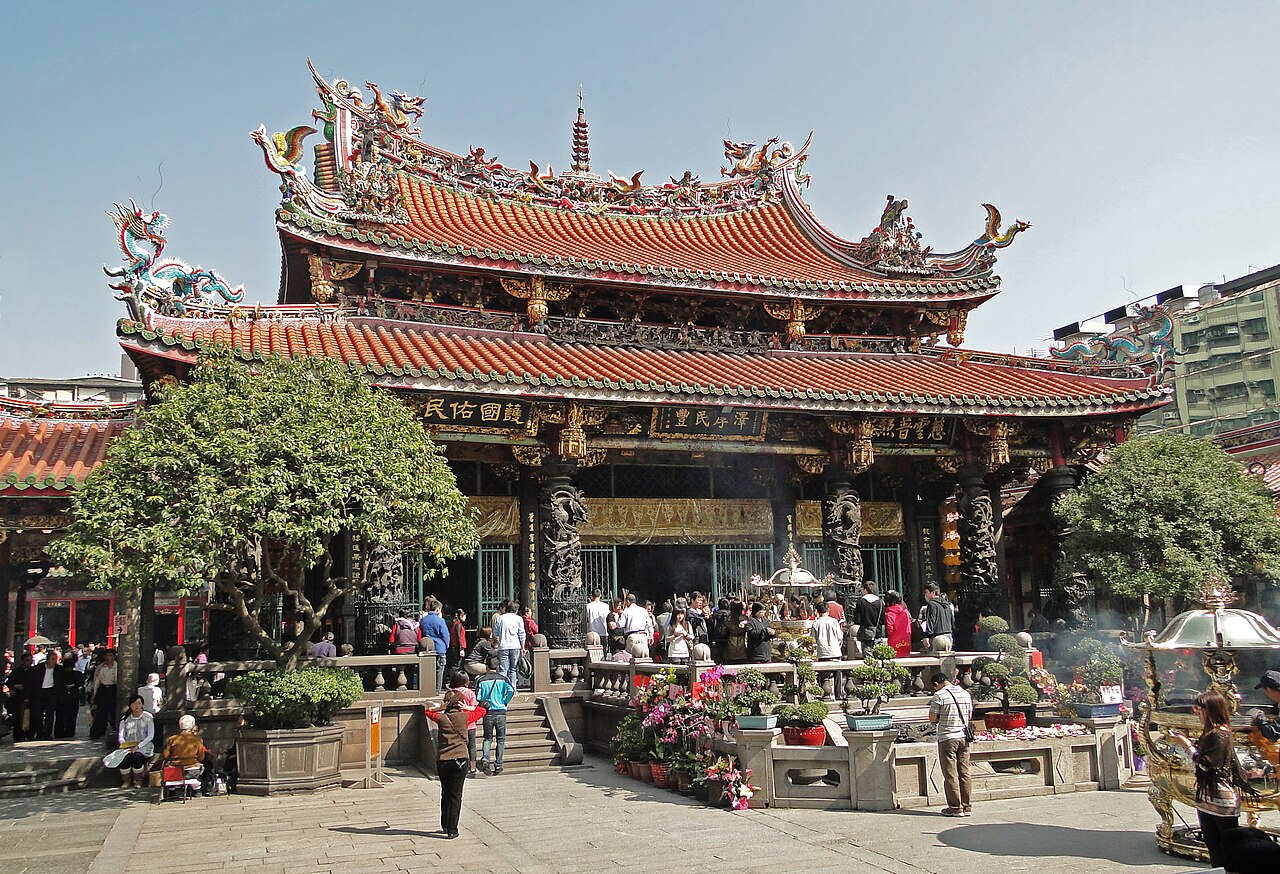 ⛩️ Major Temple1
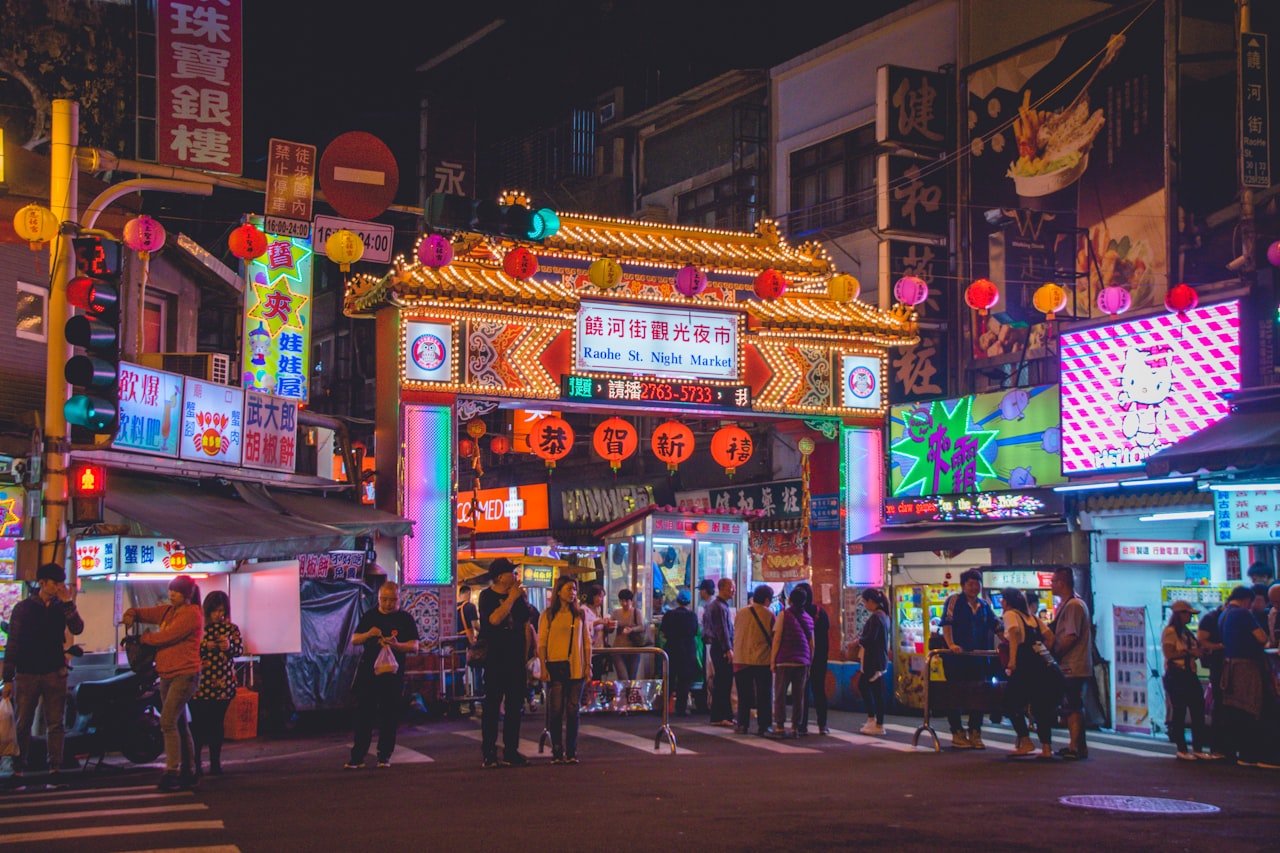
Founded in 1747 and holding the highest rank in Taiwan's network of City God temples — its deity is the City God of the Capital (都城隍), a grade above the city-level and county-level gods worshipped elsewhere. That seniority in the Taoist hierarchy makes this the destination of choice for petitioners seeking help with serious business disputes, legal matters, or major life crossroads. The main hall is architecturally extraordinary: gilded ceilings dense with carved dragons, fortune sticks worn smooth from decades of use, and incense smoke rising in columns through the high lantern opening. The surrounding Chenghuang Street and Beimen Street food market is the temple's equal attraction — some 50 stalls selling century-old Hsinchu specialties including rice noodles, pork intestine vermicelli, and meatball soup.
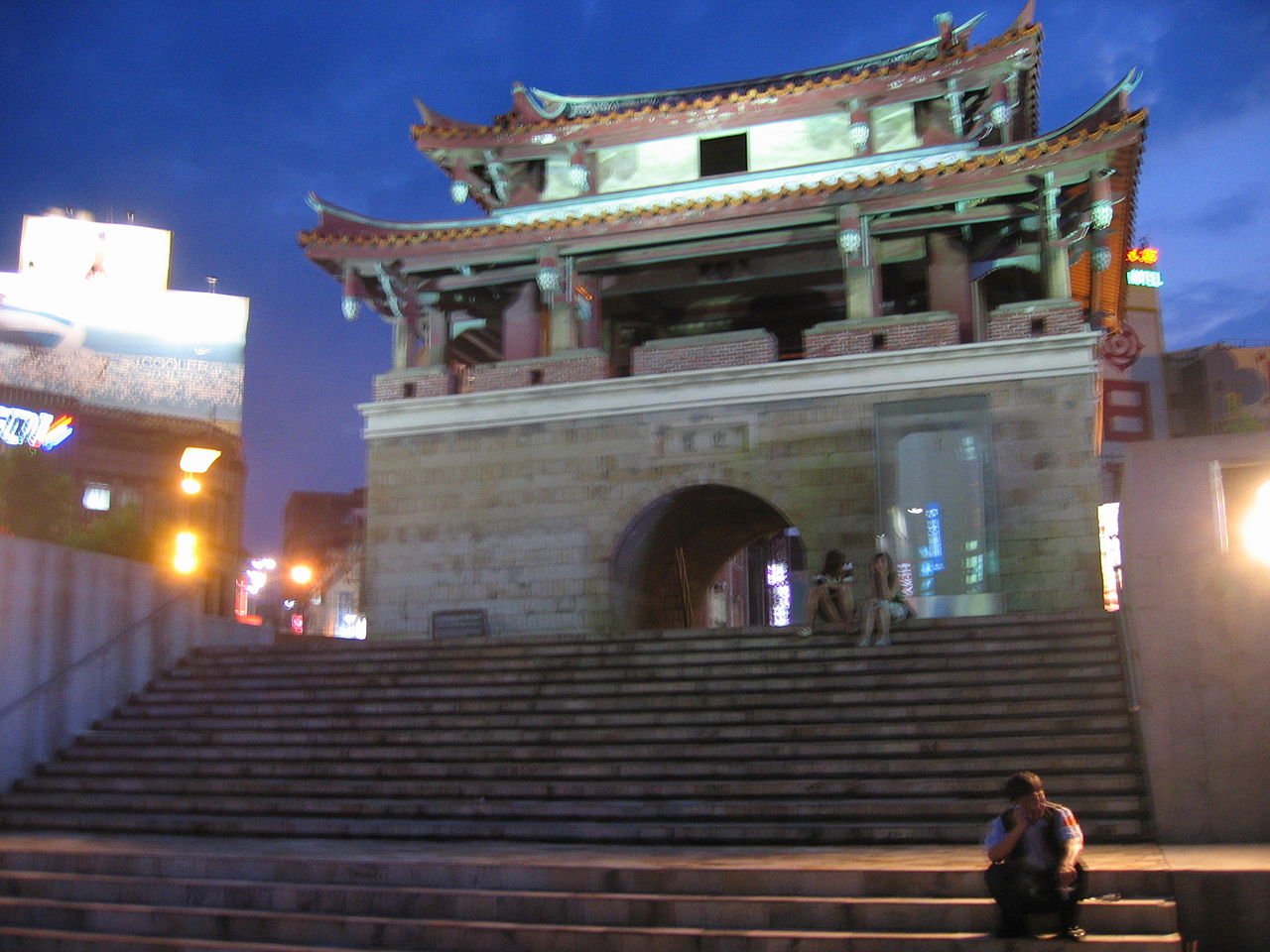
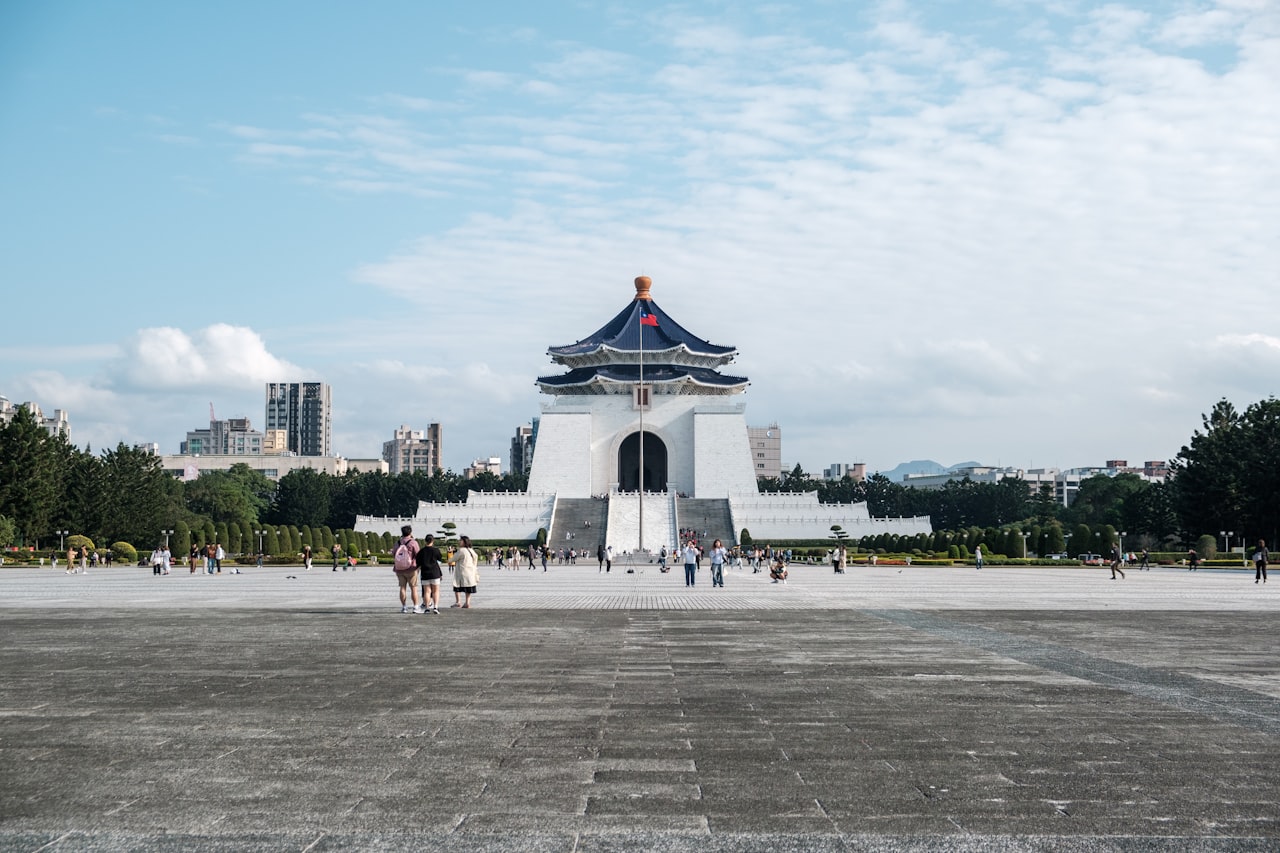 🏯 National Monument2
Built in 1827 during the Daoguang reign of the Qing dynasty, the East Gate (Yingxi Gate, meaning "welcoming the dawn") is the last surviving city gate from Hsinchu's original four-gate defensive wall. Declared a National Monument, the two-storey brick-and-stone structure sits on a traffic roundabout at the heart of the city, its curved roof tiers, whitewashed walls, and deep green glazed tiles forming a sharp contrast with the surrounding commercial buildings. The gate is illuminated at night and particularly photogenic in the early morning when light enters from the east — exactly the direction its name commemorates. A small park circles the base with shade trees and benches.
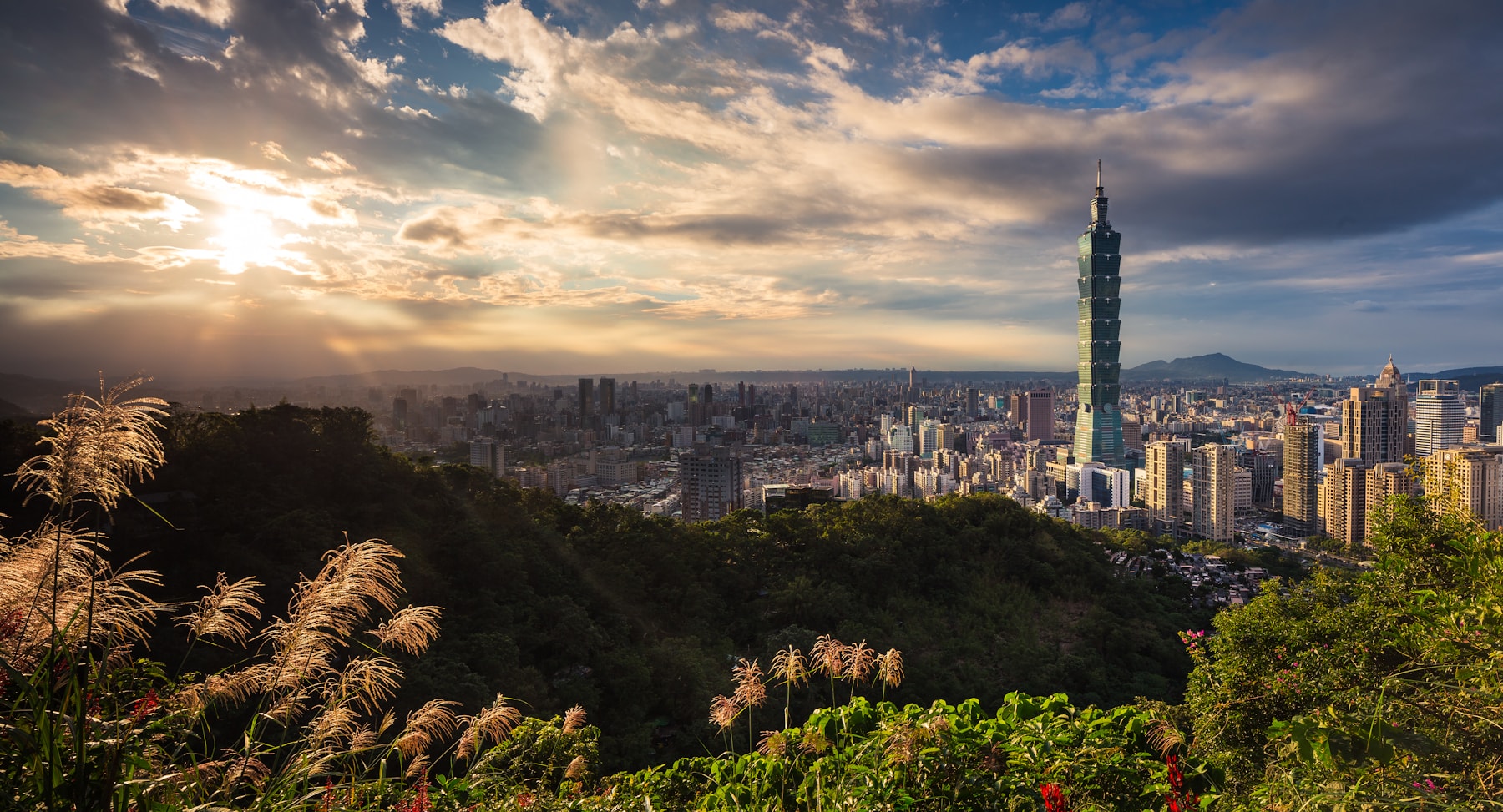 🌸 Cherry Blossoms3
A forested ridgeline park rising to 132 metres on the eastern edge of Hsinchu City, traversed by a 5-kilometre loop trail that offers panoramic views over the city and coast. The mountain's claim to fame is timing: with over 1,700 cherry trees of several varieties, its blossoms typically peak in late January to mid-February — among the earliest of any major cherry blossom site in Taiwan, beating Yangmingshan by two to four weeks. On clear winter mornings the trail is genuinely beautiful, with blossom-dusted paths and, from the higher ridgeline points, views extending to the Taiwan Strait. The access road heads east from the city; most visitors arrive by taxi in about 15 minutes from TRA Station. Admission is free, parking is available, and the trail is well-marked.
 🔮 Glass Art Museum4
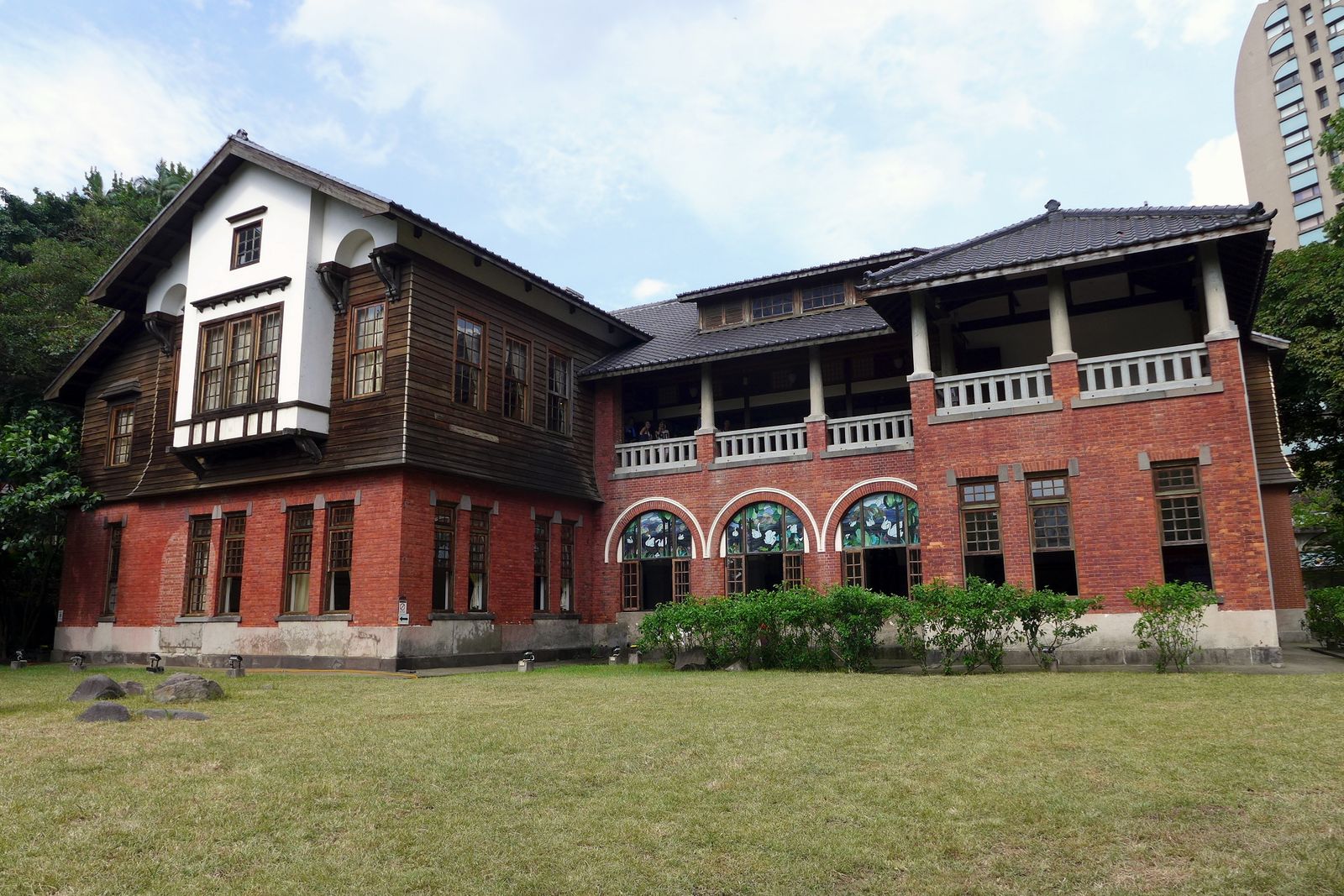
Housed in a beautifully preserved 1936 building that originally served as a rest lodge for Japanese royalty visiting Taiwan, the Glass Museum is the centrepiece of Hsinchu's identity as the glass manufacturing capital of Taiwan — the city produces an estimated 90% of Taiwan's decorative glassware. The collection traces glass-making from ancient Egyptian core-forming techniques through Venetian and Bohemian milestones to contemporary Taiwanese studio glass art. A working hot-glass demonstration studio operates on weekends, and a gift shop stocks locally made glass pieces at factory-direct prices. The building itself — symmetrical colonial facade, wide covered walkways, manicured garden — is worth the visit independently of the collection.
🎫 Find Hsinchu Day Trips on Klook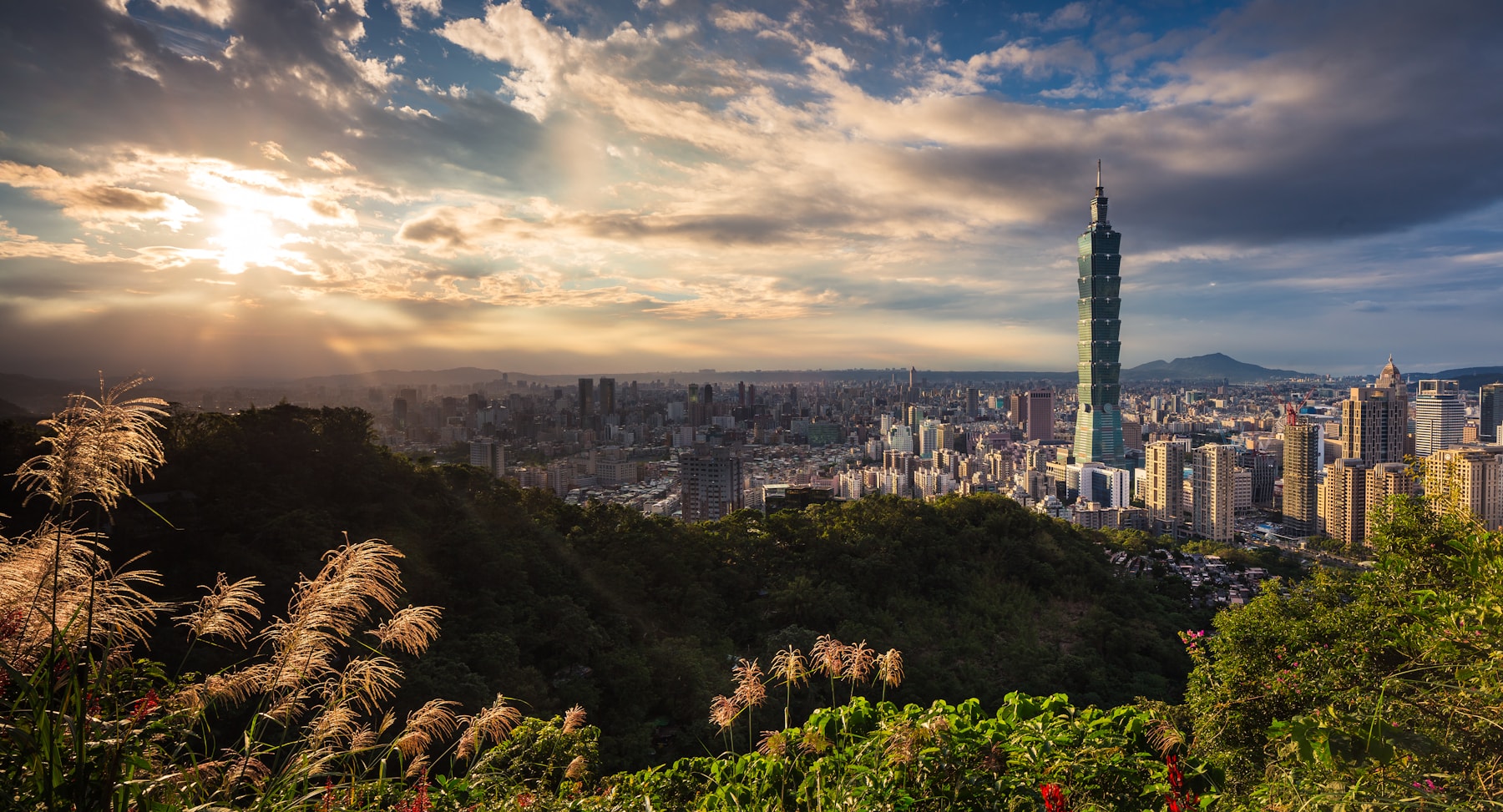 🦒 Taiwan's Oldest Zoo5
Taiwan's oldest zoo, established in 1936 under Japanese colonial administration and closed for a complete renovation from 2017 to 2019. The reopened facility houses around 50 species — pygmy hippos, red pandas, meerkats, Formosan black bears, flamingos, and a well-regarded primate house — in naturalistic enclosures that represent a genuine step forward from the original layout. Admission is free (NT$0), making it the best-value wildlife attraction in northern Taiwan. The surrounding Hsinchu Park provides a full afternoon's activity: playgrounds, a large lake with paddle boats, and a network of shaded walking paths connecting the zoo to the Glass Museum and adjacent botanical section.
 🎬 Film Museum6
Built in 1933 as Hsinchu's premiere cinema during the Japanese Showa era, the Image Museum is one of only two surviving cinema buildings from the colonial period still open in Taiwan. The exterior — a formal Art Deco facade in cream stucco with period lettering — has been impeccably preserved; inside, the original projection equipment, stage fittings, and curved balcony remain in place. The museum now screens both classic Taiwanese and international films in the restored main auditorium and runs regular exhibitions on the history of cinema and photography in Taiwan. Admission is among the lowest of any heritage site in the country. The building sits on Zhongzheng Road, a 12-minute walk from TRA Station past the East Gate.
🏛️ Heritage Station7
Built in 1913 and designated a National Historic Site, Hsinchu Station is the oldest operating railway station in Taiwan still serving its original function. The facade is a confident Baroque design — a central clock tower flanked by symmetrical wings, arched windows with classical keystones, and an ochre-and-white colour scheme that has been maintained since construction. Inside, the vaulted waiting hall retains original tile work and a period wooden ticket counter alongside the modern ticketing machines. The forecourt is Hsinchu's de facto town square: food carts, pigeons, school excursion groups, and the steady rhythm of trains departing for Taipei and Taichung. It is as much a living part of the city as it is a heritage attraction.
 💧 Reservoir & Sunset8
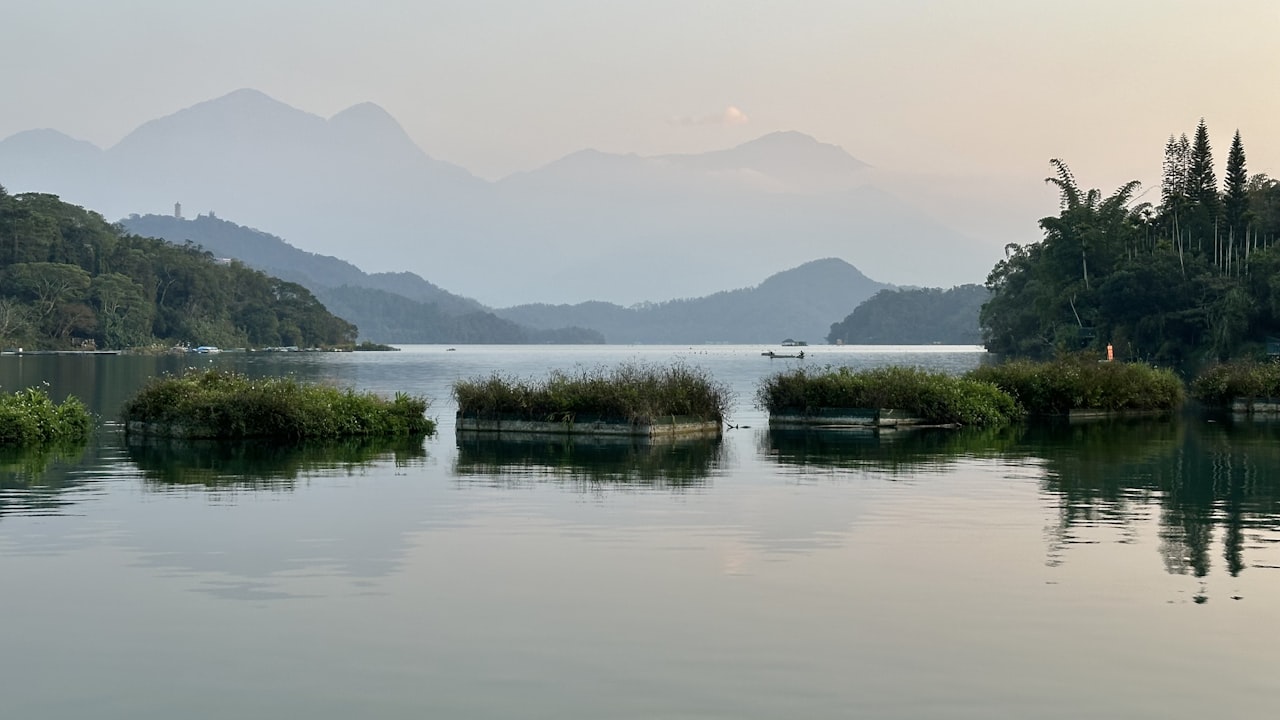
A reservoir on the eastern edge of Hsinchu City, ringed by low wooded hills, best visited in the late afternoon when the water surface turns gold and the surrounding ridgeline catches the last light. A lakeside path circles most of the reservoir, popular with Hsinchu residents jogging, cycling, and pushing prams in the evenings. A covered pavilion extends over the water at one end, providing the postcard shot: still water, green hills, and an open sky. There is no tourist infrastructure — no admission, no ticket booth, no tour groups. This is exactly the quality that makes it worth finding. The easiest approach is by taxi from TRA Station (about 10 minutes, NT$120–150).
 🚲 Coastal Cycling9
Hsinchu's working fishing harbour on the Taiwan Strait coast, about 6 kilometres west of the city centre. The harbour itself is a practical place — trawlers unloading, nets being repaired, restaurants serving the morning catch at prices the city-centre tourist spots cannot match. The greater draw is the 17-kilometre coastal cycling path that links Nanliao northward through sand dunes, windbreaks of casuarina pine, and flat open coastline all the way to the next township. YouBike 2.0 stations have been installed along the route; alternatively, rental bikes are available near the harbour entrance. Sunset from the harbour jetty, looking west over the Taiwan Strait, is reliably excellent on clear days between October and April.
 🍵 Hakka Lei Cha10
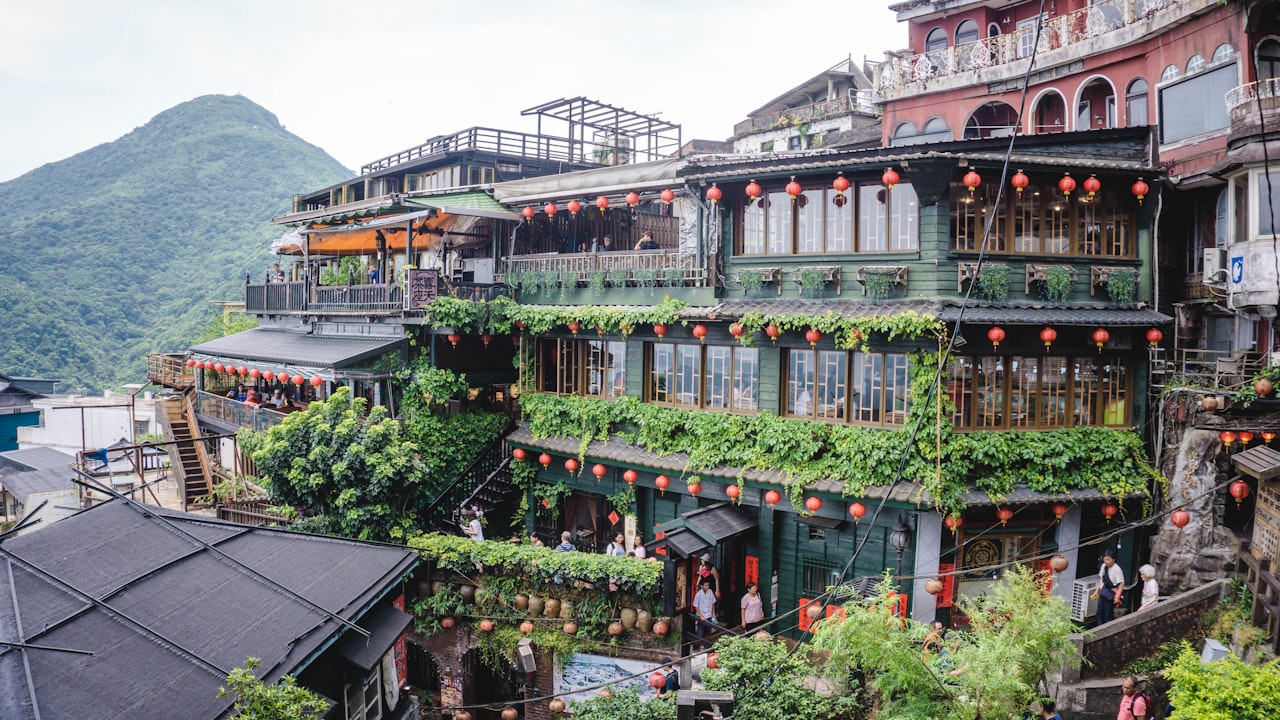
A Hakka village in the low hills south-east of Hsinchu City where an estimated 98% of residents claim Hakka ancestry — one of the most ethnically concentrated communities of its kind in Taiwan. The Old Street retains original Qing-dynasty shophouses in stone and brick, surrounding the handsome Tianshui Tang (慈天宮) temple complex. The defining experience is lei cha (擂茶): pounding a blend of green tea, roasted sesame, peanuts, and grains in a ridged ceramic bowl with a wooden pestle until you have a fine paste, then dissolving it in hot water and eating the resulting thick, nutty soup with puffed rice and grain toppings. Tea houses on the Old Street charge NT$150–200 per person for the full hands-on ceremony. Equally worth seeking out: oriole cake (鶯歌餅), a local sesame-and-winter-melon pastry, and glutinous rice cakes from the small market stalls.
 🚂 Branch Railway11
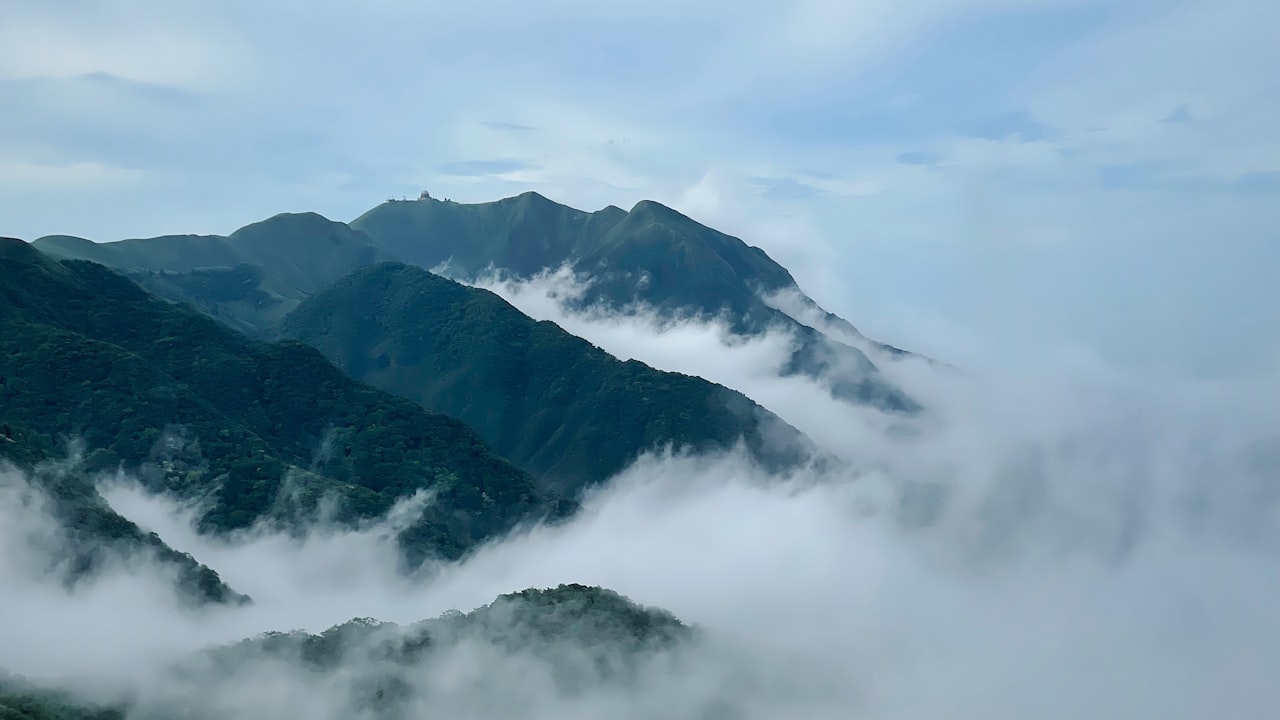
The Neiwan branch railway departs Hsinchu TRA Station and runs for 27 kilometres into the foothills of the Shei-Pa National Park range, terminating at Neiwan village after about an hour of genuinely pleasant countryside — rice paddies, river bridges, stands of bamboo, and a gradual green ascent. Neiwan village itself has a compact Old Street of perhaps 200 metres lined with Hakka food stalls: wild boar sausage grilled on charcoal, grass jelly drinks, taro and red bean mochi, and the local specialty of wild vegetable dumplings. A small pioneer museum documents the village's logging and mining history. The whole excursion — train out, lunch, an hour of strolling, train back — fits comfortably in a half-day. Trains run roughly hourly; check the TRA schedule for the current timetable.
🎫 Book Hakka Village Tours on Klook
♨️ Remote Hot Spring12
The hot spring area in Jianshi Township, deep in the Hsinchu County mountains, is one of northern Taiwan's most remote and rewarding thermal destinations — a sodium bicarbonate spring with a characteristic silky texture, set in a narrow river gorge accessible only by mountain roads. The approach passes three suspension bridges over the Qingjuan River, making the journey itself an attraction. Within the valley, the well-maintained Japanese-era residence of Zhang Xueliang (張學良) — the Manchurian warlord placed under house arrest here from 1946 to 1961 — is open to visitors and provides an unexpected window into one of twentieth-century Chinese history's most extraordinary stories. Hot spring resorts in the valley range from simple day-use tubs to inn accommodation. A car or scooter is the practical choice; public transport is limited to infrequent minibuses.
🎢 Theme Park13
Established in 1979, Leofoo Village (六福村) holds the distinction of being Taiwan's oldest theme park — predating Taipei's better-known Janfusun by a decade. The park is divided into themed zones: an African Safari area with live animals including giraffes and zebras that visitors can observe from open-topped vehicles; a Western frontier town with roller coasters; an Arabian Nights zone; and a South Pacific section. The safari component is the genuine differentiator from other Taiwanese parks. Weekend crowds are heavy; a weekday visit is strongly preferred if your schedule allows. Located in Guanxi, about 40 minutes south of Hsinchu by bus, the park makes a full-day excursion particularly well suited to families with children aged 4–14.