Home Destinations 🇯🇵 Japan Hokkaido Guide Sapporo Guide Hokkaido Attractions About 🇹🇭 ไทย🇬🇧 English🇨🇳 中文🇪🇸 Español🇫🇷 Français
🏔️ Attractions Guide · Updated 2026

The Best Things to Do in Hokkaido
Season by Season

Endless purple lavender fields in summer · the powder snow that skiers fly across the world to find · a historic canal under falling snow · one of Japan's most famous night views · onsen steaming in a volcanic "hell valley" — Hokkaido's best attractions collected on one page, with real photos, the right season for each, transit directions, and prices updated 2026.

Quick Overview

One Island,Four Completely Different Seasons

Picture an island where summer fields run purple to the horizon, the air stays cool while the rest of Japan swelters — and then, come winter, it transforms into a skier's paradise with snow so dry and light they gave it its own name: "Japow." That's Hokkaido, Japan's far-northern island, and it's so much larger than the others that seeing all of it in one trip is nearly impossible. So we've picked the 10 spots travellers rave about most and put them here — with honest advice on which season suits each one, how to get there, and what it all costs in 2026.

💜
Summer Flower Fields
The Furano-Biei lavender fields bloom across July — a sight that's genuinely hard to find anywhere else in Asia.
⛷️
Legendary Powder
Niseko gets 10–15 metres of dry powder a year — skiers and snowboarders fly in from across the planet for it.
🦀
Japan's Best Seafood
Three kinds of crab, scallops, sea-urchin rice bowls, miso ramen, soup curry, and famously rich Hokkaido dairy.
♨️
Real Volcanic Onsen
Noboribetsu, Lake Toya, and more — natural hot springs fed straight from active volcanic sources.
When to Go for What

Choose Your Season First,Then Choose Your Spots

Hokkaido changes character with the seasons more dramatically than anywhere else in Japan — read this before you book your flights, and your trip will match exactly what you came to see.

🌸

Spring

MAY – EARLY JUNE

Cherry blossoms bloom later than the main island (Goryokaku in Hakodate around early May). Fewer crowds, lower prices, crisp cool air.

💜

Summer

JULY – AUGUST

Peak of the Furano-Biei lavender. A comfortable 20–26°C makes it the best time for the outdoors — and the busiest season of the year.

🍁

Autumn

LATE SEP – OCTOBER

Foliage at Sounkyo Gorge and around the lakes arrives earlier than the main island — many travellers' quiet favourite.

❄️

Winter

DECEMBER – FEBRUARY

Niseko powder skiing · Sapporo Snow Festival (4–11 Feb 2026) · the Penguin Walk · soaking in onsen surrounded by snow.

10 Top Spots

Hokkaido AttractionsWorth the Journey

Ranked by visitor popularity — each with the season it shines, its location, how to get there, and tips drawn from real reviews. All prices updated 2026 (double-check official sites before you go).
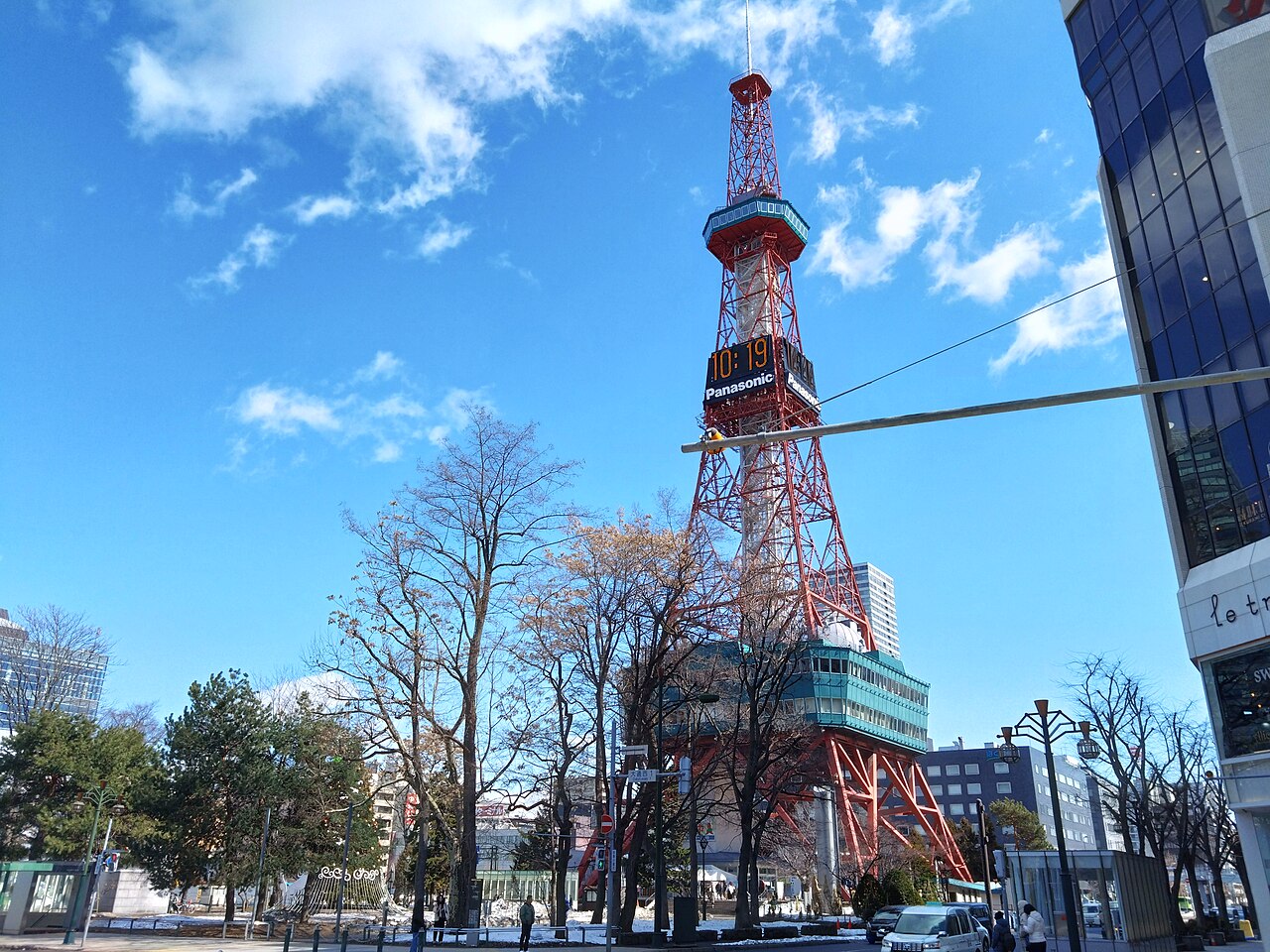
Sapporo TV Tower above Odori Park in central Sapporo 🏙️ Capital City1
Sapporo & Odori Park
Sapporo · Capital of Hokkaido

The gateway to Hokkaido and the home base for almost every trip. Odori Park cuts a 1.5 km green ribbon straight through the city centre, with the TV Tower at one end — a lovely stroll in any season. In summer there are fountains to splash in; in winter it becomes the stage for the largest snow festival in Japan. Around it you'll find the historic Clock Tower, the Sapporo Beer Museum, and the buzzing Susukino nightlife district.

🗓️Best season: Year-round · Snow Festival 4–11 Feb 2026 at Odori Park
Hours: Odori Park free, 24/7 · TV Tower observation deck ~¥1,000
🚆Getting there: Odori Station (3 subway lines) or a 10-min walk from Sapporo Station
💡Tip: Use Sapporo as your base, then day-trip out to Otaru or Noboribetsu — the JR trains make it easy and you won't need a car.
Full Sapporo Attractions →
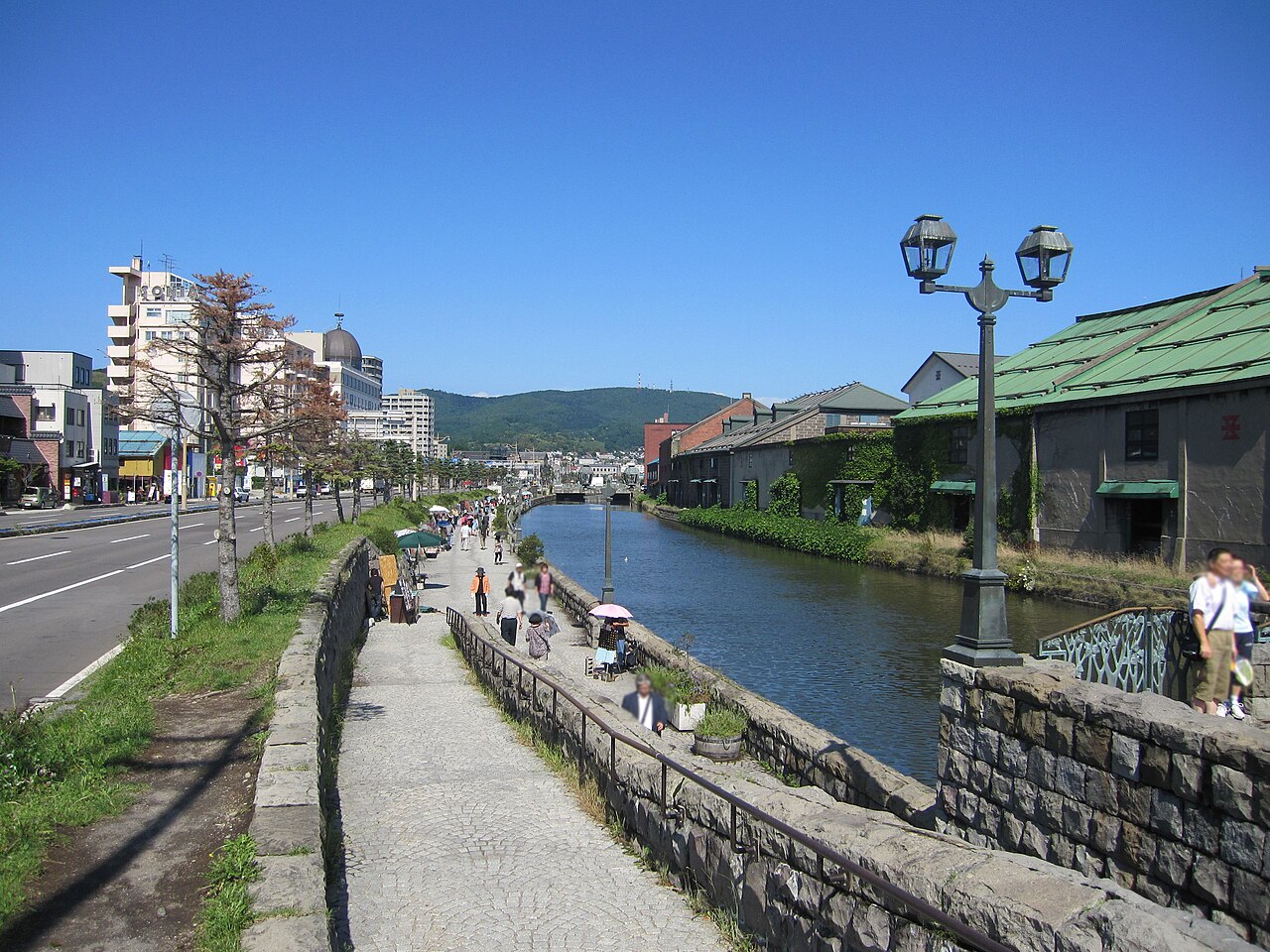
Otaru Canal lined with brick warehouses and gas lamps 🚣 Romantic Canal2
Otaru Canal
Otaru · Historic Port Town

A seaside port town just 30–40 minutes from Sapporo, the Otaru Canal is lined with 1920s brick warehouses and gas lamps that are lit every evening. At sunset, or under a blanket of snow, it's the most photographed scene in town. The Sakaimachi shopping street is packed with music-box shops, glassware studios, and some of the freshest sushi in Hokkaido.

🗓️Best season: Year-round · Feb brings the Snow Light Path festival, with snow lanterns along the canal
Hours: Canal walk free, 24/7 · Sakaimachi shops open daytime to early evening
🚆Getting there: JR from Sapporo to Otaru, ~30–40 min (the Rapid Airport runs through), then a 10-min walk
💡Tip: Arrive at dusk just as the gas lamps come on for the best photos. Pair it with a sushi lunch on "Sushi Street" before the canal walk.
Hokkaido Guide →
💜
Furano & Biei Flower Fields
Furano & Biei · Central Hokkaido

The defining image of summer in Hokkaido — rows of lavender shading into bands of multicoloured flowers at Farm Tomita in Nakafurano. Just beyond lies Biei, with its rolling "patchwork" hills and the surreal turquoise Blue Pond. This is exactly why so many travellers choose to visit Hokkaido in July specifically.

🗓️Best season: Lavender peaks mid–late July · Lavender East field open ~20 Jun–20 Jul 2026
Hours: Farm Tomita free year-round · go early (~8 a.m.) for the fewest crowds
🚆Getting there: JR from Asahikawa/Sapporo to Naka-Furano/Biei · a rental car is most flexible in summer
💡Tip: Avoid weekends in mid-to-late July when it's packed. Combine Furano + Biei + Asahiyama Zoo into a 2-day central-Hokkaido loop.
Best Time to Visit Japan →
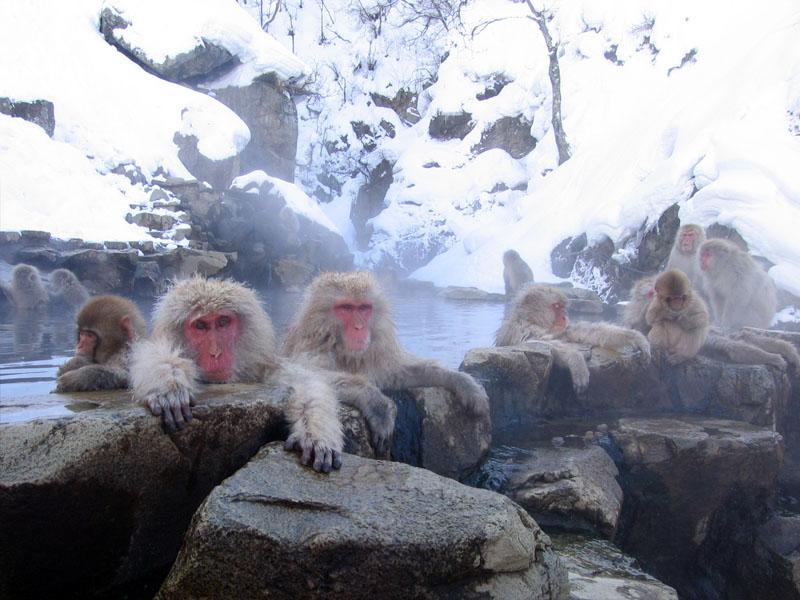
Snow monkeys bathing in a hot spring — an example of Japan's cold-climate wildlife (illustrative) 🐧 Zoo4
Asahiyama Zoo
Asahiyama Zoo · Asahikawa

The most famous zoo in Japan, thanks to enclosures designed to show animals' real behaviour — penguins swimming overhead in a glass tunnel, polar bears diving right in front of you. The undisputed highlight is the winter Penguin Walk, when a line of penguins waddles across the snow. Kids adore it, and it's the main reason families make the trip to Asahikawa.

🗓️Best season: Penguin Walk is winter-only (typically mid-Dec to March) · more animals active in summer
Hours: Vary by season (summer ~9:30–17:15) · ¥1,000 adult · junior-high age & younger free
🚆Getting there: JR to Asahikawa, then bus 41/42/47 for ~40 min
💡Tip: Check that day's Penguin Walk schedule on arrival — there are limited sessions. Pair it with the nearby Furano-Biei fields.
Hokkaido Guide →
The night view of Hakodate from Mt. Hakodate 🌃 Night View5
Mt. Hakodate Night View
Mt. Hakodate · Hakodate

One of the night views most often called the finest in Japan. Hakodate sits on a narrow isthmus, so the lights on either coast curve into a glittering fan shape — from the summit it looks like jewels scattered across the dark. The ropeway whisks you to the top in just a few minutes. By day, the city also has a famous morning market, the star-shaped Goryokaku fort, and the historic Motomachi district.

🗓️Best season: Year-round (clear, dry nights) · avoid heavy-fog evenings
Hours: Ropeway ~10:00–22:00 (schedule changes after 20 Apr 2026) · round trip ¥1,800 adult / ¥900 child
🚆Getting there: Hakodate tram to Jujigai, then a 10-min walk to the ropeway station
💡Tip: Go up ~30 min before sunset to catch both the daytime view and the city lights flickering on. Queues are longest right at dusk.
Hakodate Guide →
♨️
Noboribetsu Onsen & Jigokudani
Noboribetsu Onsen · Hell Valley

Hokkaido's most famous hot-spring town. Its heart is Jigokudani, or "Hell Valley" — a volcanic crater hissing with sulphur steam and boiling water, ringed by wooden walkways that let you see it up close. This is the source that feeds the mineral baths of ryokan all over town. Soaking in an outdoor onsen here, surrounded by snow, is Hokkaido at its most quintessential — and it's an easy day trip from Sapporo.

🗓️Best season: Year-round · soaking outdoors amid winter snow is the most magical
Hours: Jigokudani walk free, ~8:00–18:00 · day-use onsen at Dai-ichi Takimotokan ~¥2,500
🚆Getting there: JR Hokuto from Sapporo ~70 min (¥4,070) + 15-min bus · or direct Donan bus ~2 hrs (¥2,000)
💡Tip: You don't need to stay overnight — use a big ryokan's day-use bath. Walk Jigokudani by day, when the rising steam is at its most dramatic.
Hokkaido Guide →
Mountain and lake scenery typical of Hokkaido (illustrative) 🌋 National Park7
Shikotsu-Toya National Park
Shikotsu-Toya National Park · Crater Lakes

A national park gathering several beautiful caldera lakes. The highlight is Lake Toya, its clear water encircled by Mt. Usu and the still-steaming Showa-Shinzan volcano, with fireworks over the water almost every night in summer. Nearby Lake Shikotsu has some of the clearest water in all of Japan. It's the place to come when you want to escape the cities and lose yourself in nature.

🗓️Best season: Summer (Lake Toya fireworks) · October foliage is stunning
Hours: Open all day · free to enter the area · onsen ring the lakes
🚆Getting there: JR to Toya, then a bus to Lake Toya · a rental car is easiest as the sights are spread out
💡Tip: Combine with nearby Noboribetsu for a "south of Sapporo" loop. Stay overnight at a lakeside ryokan and watch the fireworks from your room.
Hokkaido Guide →
⛷️
Niseko
Niseko · Powder Snow Capital

A name skiers everywhere know. Niseko catches frigid air sweeping in from Siberia across the Sea of Japan, so it receives 10–15 metres of dry, feather-light powder a year — the famous "Japow." The main resort, Niseko United, links four ski areas, with celebrated night skiing and ski-in hotels and ryokan with onsen for soaking after a full day on the slopes. In summer it becomes a hub for cycling and white-water rafting.

🗓️Best season: Dec–Feb for the best snow · season runs roughly late Nov to early May (check official sites)
Hours: Lift/pass prices vary by resort · night skiing runs part of the season (this year ~mid-Dec to late March)
🚆Getting there: Bus/shuttle from New Chitose ~2.5–3 hrs · book transfers ahead in high season
💡Tip: In peak season (Christmas–Lunar New Year) lodging sells out fast and runs expensive — book months ahead. Beginners will find plenty of English-language ski schools.
Hokkaido Guide →
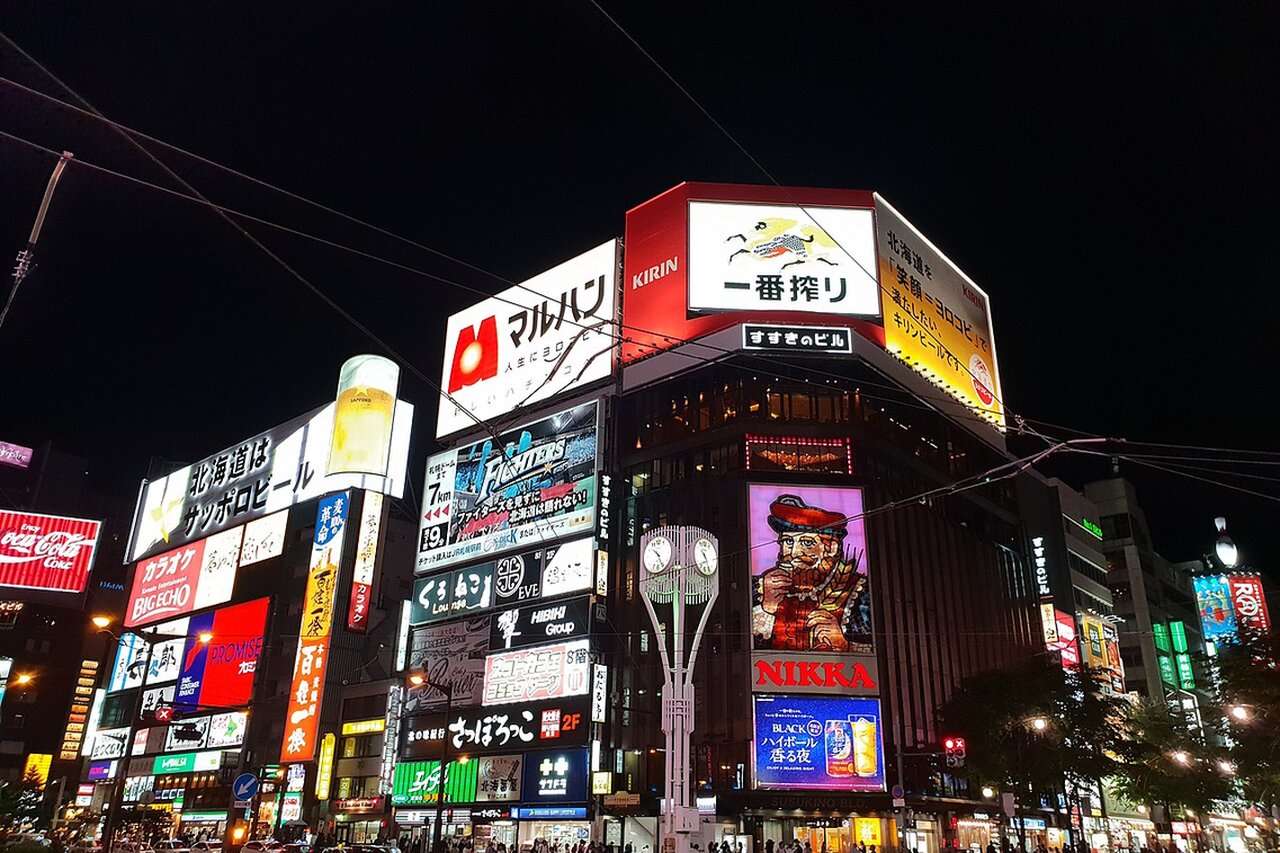
Night view of Sapporo's Susukino district 🌌 Viewpoint9
Mt. Moiwa
Mt. Moiwa · Sapporo Viewpoint

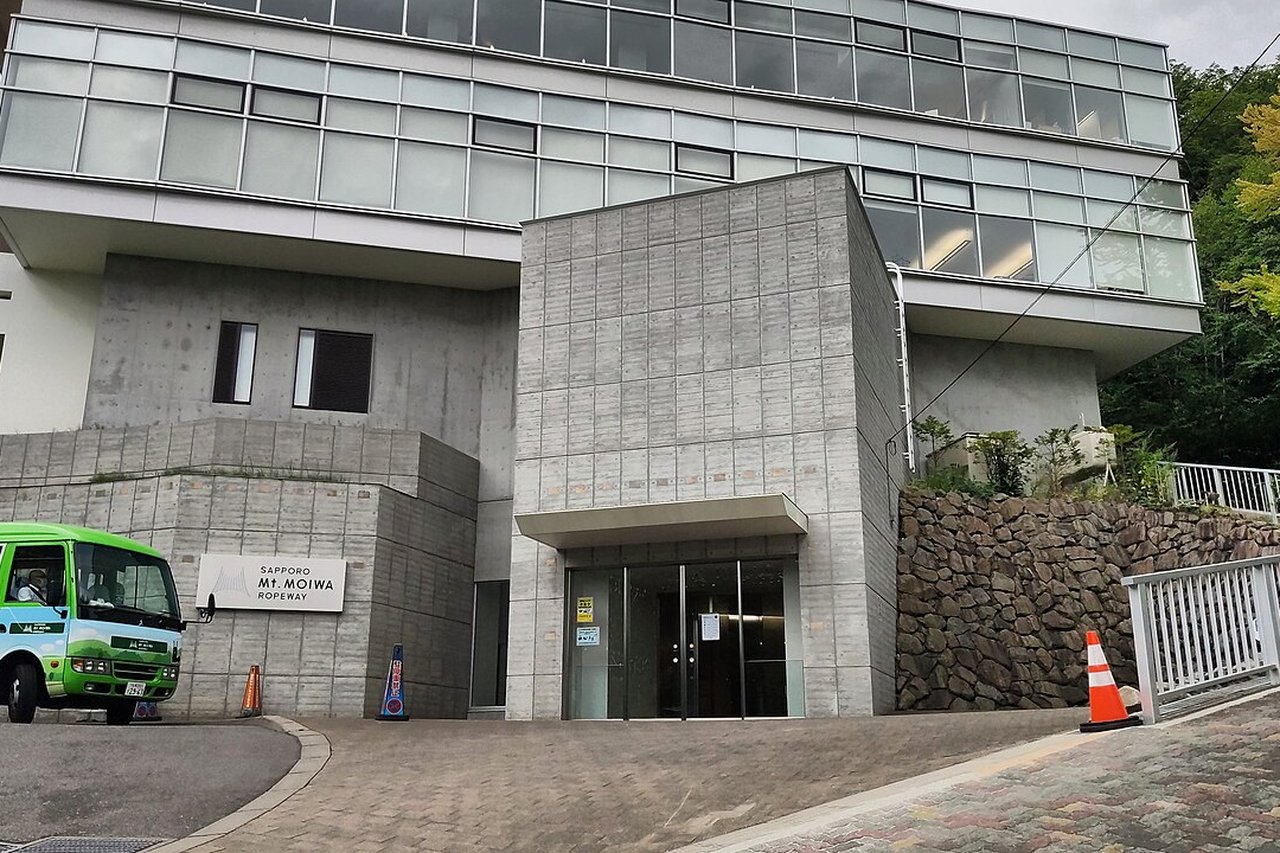
If Hakodate has its night view, Sapporo has Mt. Moiwa. A two-stage cable car carries you to a summit where the city lights stretch out all the way to the mountains. It's celebrated as one of Japan's "new top three night views," with a couples' bell and a café at the top — the perfect romantic way to close out a day in Sapporo.

🗓️Best season: Year-round · clearest city lights on a crisp, clear night
Hours: Open into the evening (usually late morning to ~22:00, varies by season) · cable-car fee applies, check the official site for the latest price
🚆Getting there: Sapporo tram to Ropeway Iriguchi, then the free shuttle up to the cable-car station
💡Tip: Go at dusk for both sunset and the city lights. The summit is much colder than the base — bring a warm layer.
Sapporo Attractions →
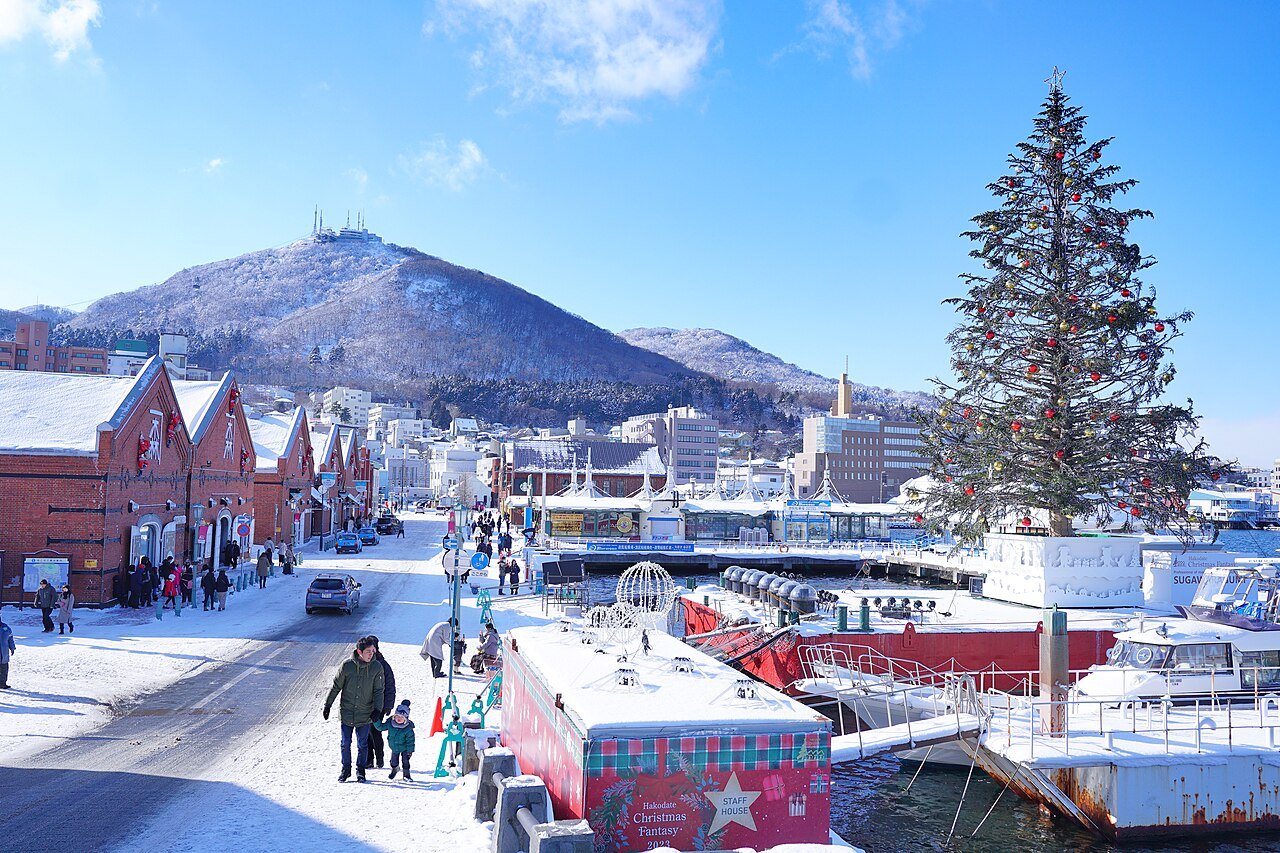
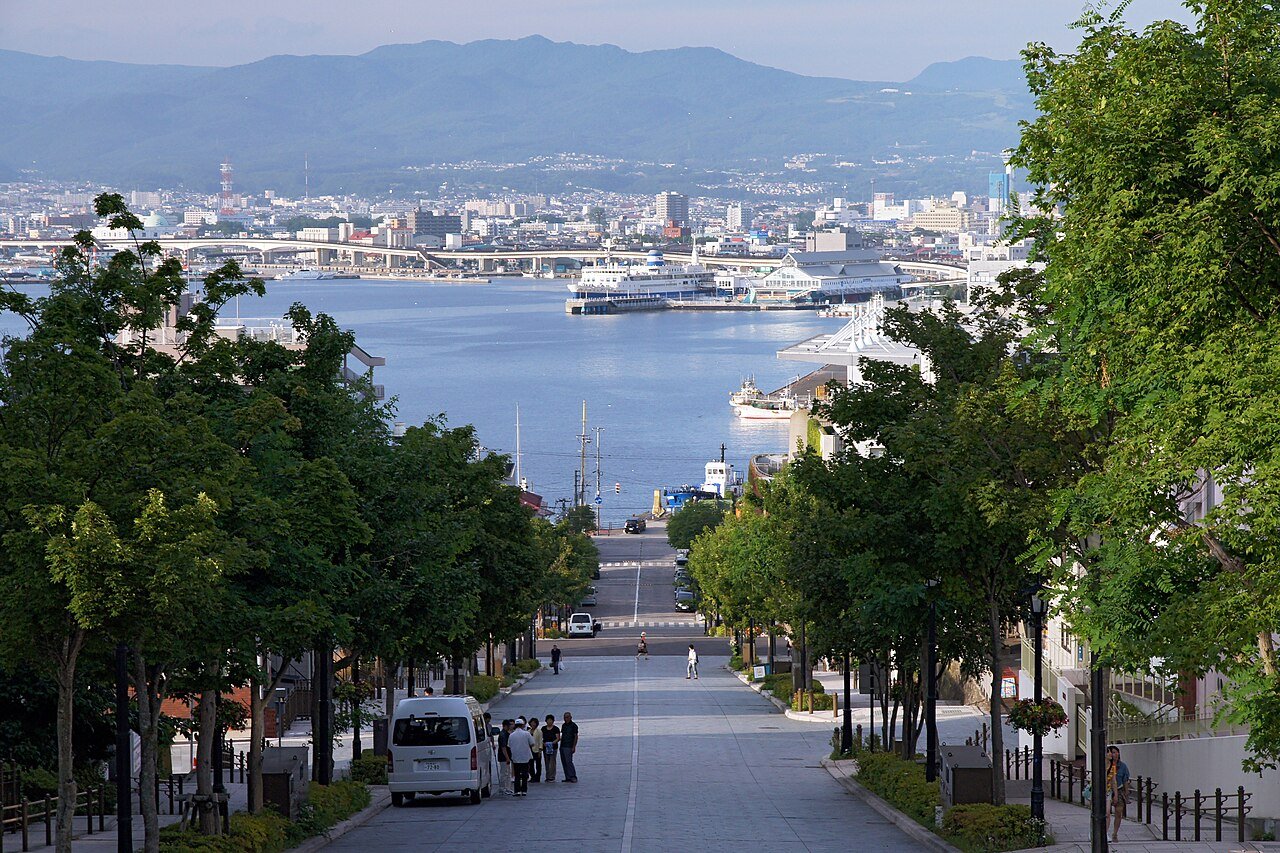
Hachimanzaka slope in Hakodate's Motomachi district, looking down to the sea ⛪ Historic Quarter10
Motomachi District, Hakodate
Motomachi · Hakodate

Hakodate was one of the first Japanese ports to open to the West, and its Motomachi district is full of churches, former consulates, and European-style houses climbing the hillside. The Hachimanzaka slope, running dead-straight down to the sea, is the classic photo spot. Right by the bay are the Kanemori Red Brick Warehouses, now a popular shopping-and-dining waterfront.

🗓️Best season: Year-round · evenings, when the slopes and brick warehouses are lit, are especially pretty
Hours: Walking the district is free · some churches/buildings have their own admission and hours
🚆Getting there: Hakodate tram to Suehirocho or Jujigai, then a 5–10 min walk uphill
💡Tip: Walk Motomachi in the afternoon, then head up the Mt. Hakodate ropeway in the evening — they're very close together.
Hakodate Guide →
Map

All 10 Hokkaido Attractionson One Map

Hokkaido is a huge island — use this map to group nearby sights into the same day and save serious travel time.

Hokkaido Travel Tips

6 Things That Make Your Hokkaido TripSmoother and Better Value

✈️
Fly into New Chitose, Then Take the Train
The main airport is New Chitose (CTS). The JR Rapid Airport train reaches Sapporo in ~35–37 min for roughly ¥1,150–1,230, running every 15 minutes.
💳
Carry Suica / ICOCA or Kitaca
An IC card works on JR trains, trams, buses, and at convenience stores across Hokkaido — no buying tickets one by one.
🚗
A Rental Car Pays Off in Summer
Flower fields, lakes, and nature spots are spread far apart — a car is far more flexible. In winter, if you're not used to snow driving, stick to trains and tours.
🧥
Always Pack a Warm Layer
Hokkaido is cooler than the main island in every season — even summer evenings are chilly, and winter is sub-zero with deep snow. Bring grippy footwear.
🦀
Eat the Hokkaido Specialities
Three kinds of crab, Sapporo miso ramen, soup curry, Genghis Khan (grilled lamb), rich dairy ice cream, and morning-market seafood — all genuinely worth it.
📶
Get an eSIM Before You Fly
Essential for navigating rural nature spots and checking Penguin Walk and ropeway schedules in real time while you're on the move.
Plan Your Trip

Fit These SightsInto Your Hokkaido Trip

Open a full city guide, dive into Sapporo's attractions, or read up on which season to visit Japan.

🏔️

Full Hokkaido Guide

The whole region — main cities, where to stay, signature food, getting around, and itineraries for every season.

Open Hokkaido Guide →
🏙️

Sapporo City Guide

Hokkaido's capital across every tab — hotels, food, attractions, itineraries, and how to get around.

Sapporo Guide →
🌃

Hakodate City Guide

A top-tier night view, a seafood morning market, the historic Motomachi quarter, and the star-shaped Goryokaku fort.

Hakodate Guide →
Related Guides

Plan All of Japan — Seasons, Cities & Essentials

📍

Sapporo Attractions

The Clock Tower, Mt. Moiwa, the Beer Museum, Hokkaido Shrine, Susukino, and the best spots in the capital.

Sapporo Attractions →
🇯🇵

Full Japan Travel Guide

Every region and city, visas, budgets, IC cards, the JR Pass, and itineraries for first-time visitors.

Japan Guide →
🌸

Best Time to Visit Japan

Cherry blossoms, autumn leaves, lavender, snow — a year-round seasonal calendar to help you pick the right month.

Best Time to Visit →
🌃

Tokyo Attractions

Shibuya Crossing, Senso-ji, Shinjuku, Akihabara, and the unmissable spots in the Tokyo megacity.

Tokyo Attractions →
🍜

Osaka Attractions

Osaka Castle, Dotonbori, USJ, Kuromon Market, and the best of Japan's street-food capital.

Osaka Attractions →
ℹ️

Japan Travel Essentials

Visa, eSIM, IC card, JR Pass, yen, power plugs, and etiquette — everything to sort before you fly.

Travel Essentials →
Frequently Asked Questions

FAQ —Hokkaido Travel

What is the best season to visit Hokkaido?
Hokkaido is beautiful year-round, but each season is completely different. Summer (July–August) is lavender season in Furano and Biei, with cool 20–26°C weather that's perfect for the outdoors — the most popular time of year. Autumn (late September–October) brings stunning early foliage at Sounkyo Gorge and around the lakes. Winter (December–February) is ski season in Niseko and home to the Sapporo Snow Festival (4–11 February 2026). Spring (May) sees cherry blossoms bloom later than the main island, with fewer crowds and cheaper prices.
How do I get from New Chitose Airport to Sapporo?
The easiest and fastest option is the JR Rapid Airport train from the station inside New Chitose Airport (CTS) to Sapporo Station, taking about 35–37 minutes for roughly ¥1,150–1,230 (just tap your Suica or ICOCA — trains run every 15 minutes). Airport buses cost about ¥1,500 and take 70–90 minutes, reaching many hotels directly. Check the official JR Hokkaido website for the latest fares before you travel.
When do the Furano lavender fields bloom?
Lavender at Farm Tomita in Nakafurano peaks from mid to late July, with early-blooming varieties starting to colour from late June. The separate Lavender East field is scheduled to open roughly 20 June–20 July 2026. Farm Tomita is free to enter year-round. Weekends in mid-to-late July get extremely busy, so visit on a weekday or aim for early morning around 8 a.m.
How much is Asahiyama Zoo and how do I get there?
Adult admission (high-school age and older) is ¥1,000; junior-high students and younger enter free. The highlight is the winter-only Penguin Walk — a parade of penguins waddling across the snow (typically mid-December to March) — plus exhibits built to show animals' natural behaviour up close. From Asahikawa Station, take bus 41/42/47 for about 40 minutes. Opening hours vary by season (summer is roughly 9:30–17:15); check the official website before you go.
Do I need to rent a car in Hokkaido, or are trains enough?
It depends on your route. The city circuit (Sapporo–Otaru–Hakodate–Asahikawa) is easy and convenient by JR train — no car needed. But the Furano-Biei flower fields, Lake Toya, and rural nature spots are far more flexible and time-efficient by car in summer (wide, easy-to-drive roads). In winter, if you're not used to driving on snow, trains plus bus tours are the safer choice.
How many days do I need in Hokkaido?
Four to five days comfortably covers the Sapporo side — 1–2 days in Sapporo, half a day in Otaru, and a day trip to Noboribetsu or Lake Toya. To add the Furano-Biei fields and Asahiyama Zoo, allow two more days (6–7 total). Hakodate is at the far south, so budget 1–2 extra days for it, or fly in and out of different airports. Hokkaido is a huge island — don't try to cram multiple cities into one day.
Ready to Go?

Pick Your Season
and Start Planning Your Hokkaido Trip

Open the full Hokkaido guide for main cities, hotels, food, and itineraries — or start searching for a place to stay in the city that makes the best base for the spots you want to see.

🔴 Search Hokkaido Hotels Hokkaido Guide