Quebec City must-seesworth your time
Ranked by popularity and logistics — from the iconic Château Frontenac to the vineyard island of Ile d'Orleans. Each entry includes location, directions and tips from real reviews.
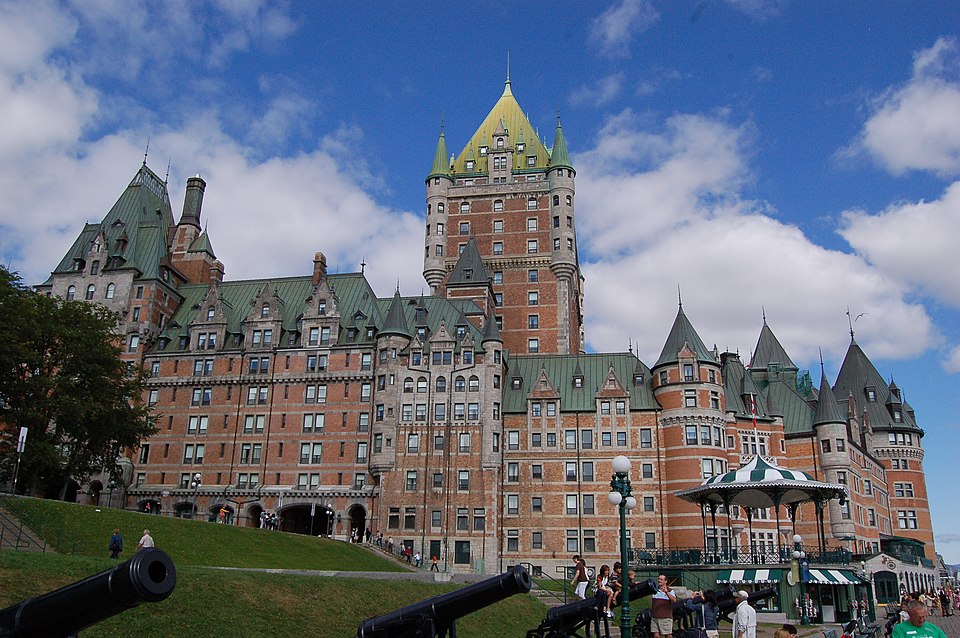 🏰 Iconic Castle1
The green-roofed castle on a cliff above the St. Lawrence River — one of the most photographed hotels on Earth. Built in 1893 by the Canadian Pacific Railway in French Château style, it is the very symbol of Quebec City, visible from everywhere. Even without staying, you can have a drink in the lobby or photograph it from Dufferin Terrace. Churchill and Roosevelt held WWII conferences here.
Full Quebec City Guide →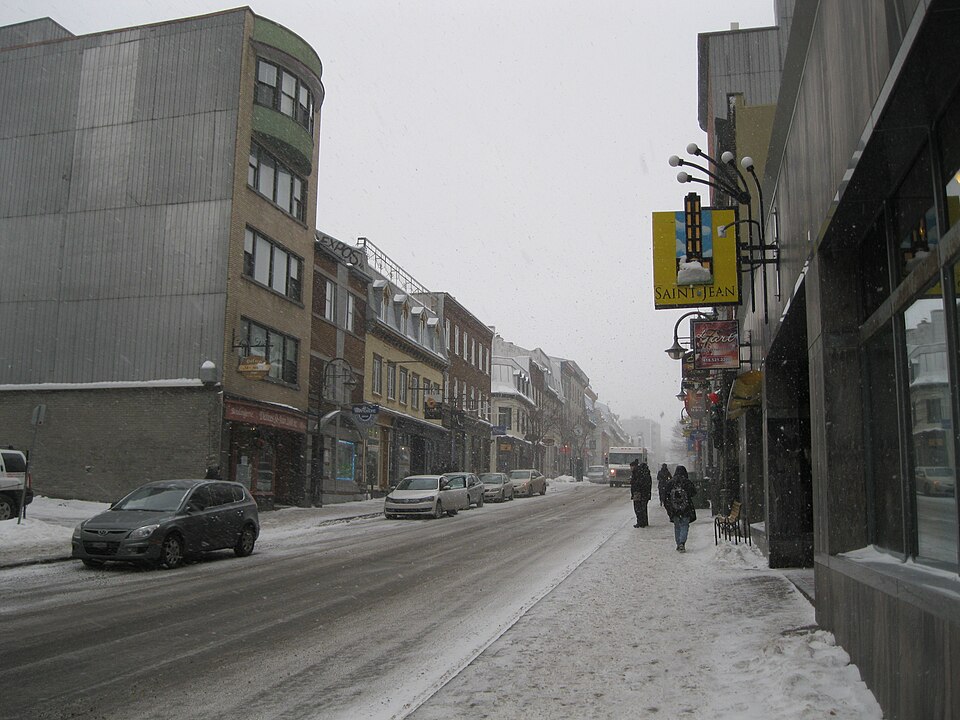 🧱 World Heritage2
The UNESCO World Heritage old town (since 1985) — the only fortified city north of Mexico with intact walls. Walk the 4.6 km Fortifications ring around the Upper Town, then wander the winding cobblestone streets of Rue Saint-Jean and Rue Saint-Louis past confectioners, cafés and the Porte Saint-Louis old city gate. It's the best place in the city simply to stroll.
Full Quebec City Guide →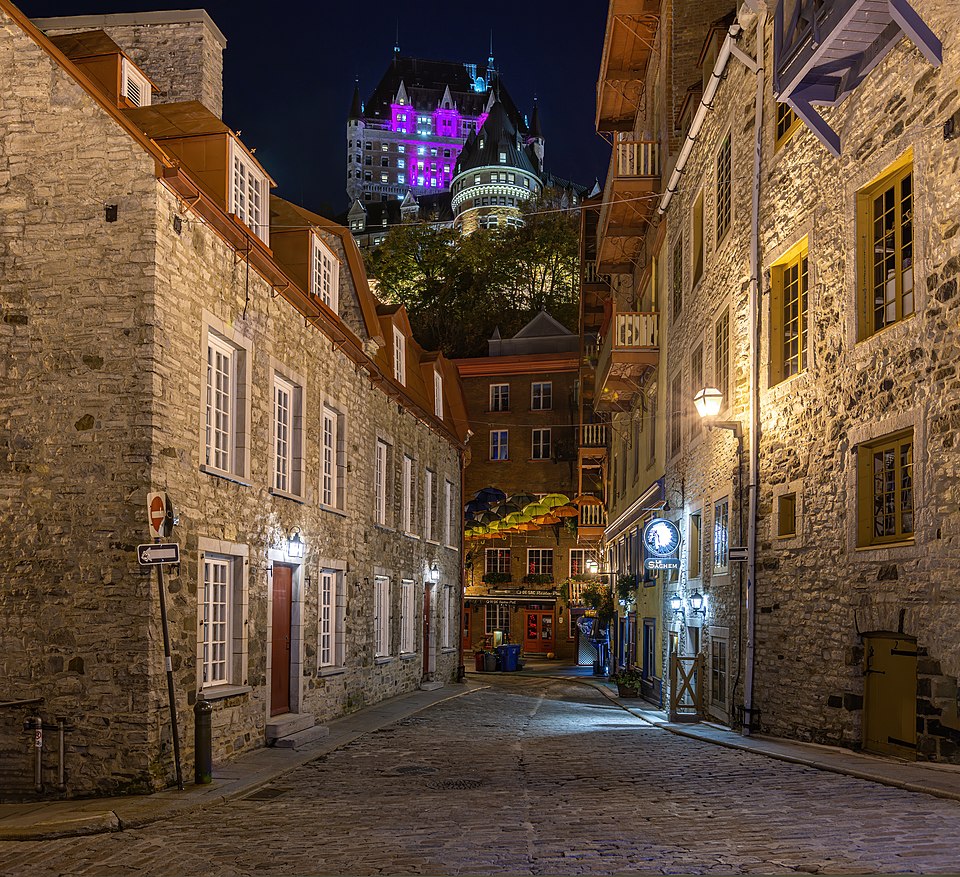 🛍️ Old Quarter3
Arguably the most photogenic street in North America — the continent's oldest commercial district (17th century), in the Lower Town beneath the castle. Boutiques, craft shops, cafés and French restaurants line colonial stone buildings. At Christmas it's decorated like a fairy-tale village. Don't miss the giant Fresque des Québécois mural that tells the city's history.
Full Quebec City Guide →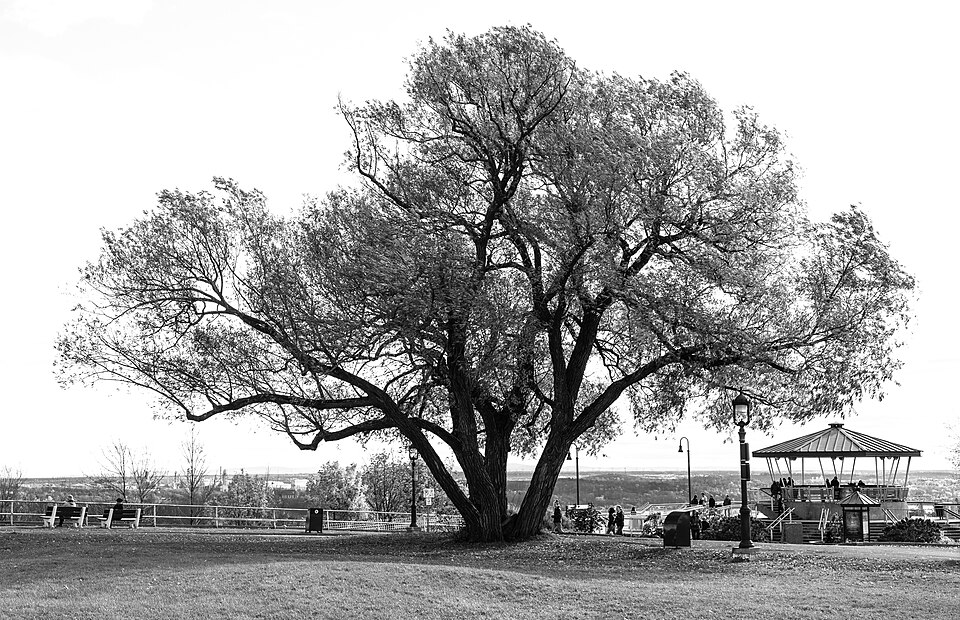 🌳 Historic Park4
A large city park that was the site of the pivotal 1759 battle where Britain defeated France, changing Canada's fate. Today it's a green space where locals picnic, run and cycle; summer brings outdoor concerts, and winter brings cross-country skiing and tobogganing. The Plains of Abraham Museum tells the story, and the St. Lawrence River views are lovely.
Full Quebec City Guide →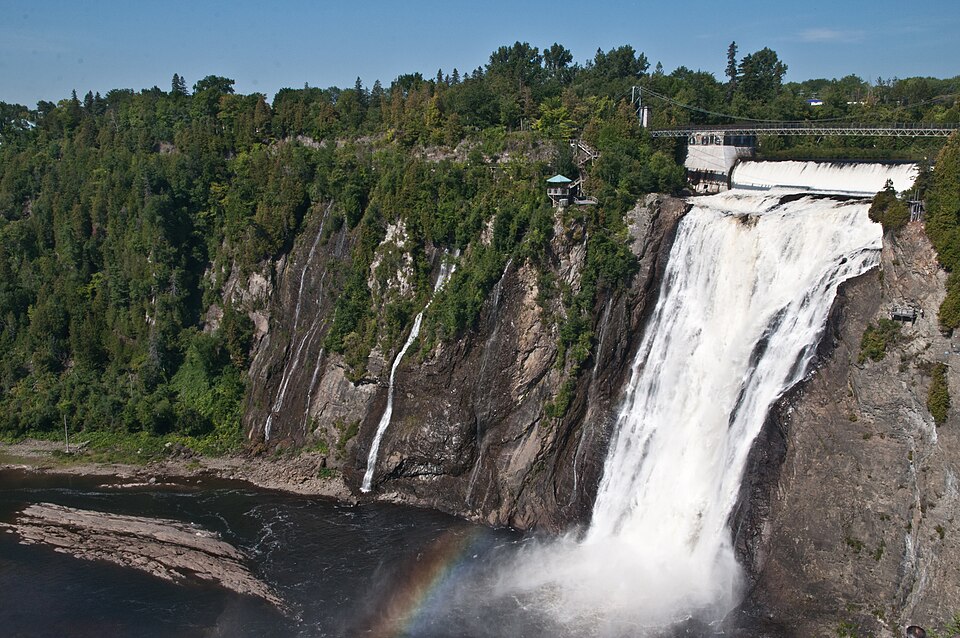 💦 Giant Waterfall5
An 83 m waterfall — 30 m taller than Niagara! (though much narrower) — just 15 minutes from town. A suspension bridge crosses the brink in the spray, a cable car climbs the cliff, and a 487-step staircase runs alongside. The bold can zipline across the face or climb the via ferrata. In winter the spray freezes into a giant "Sugarloaf" ice cone that people climb.
Full Quebec City Guide →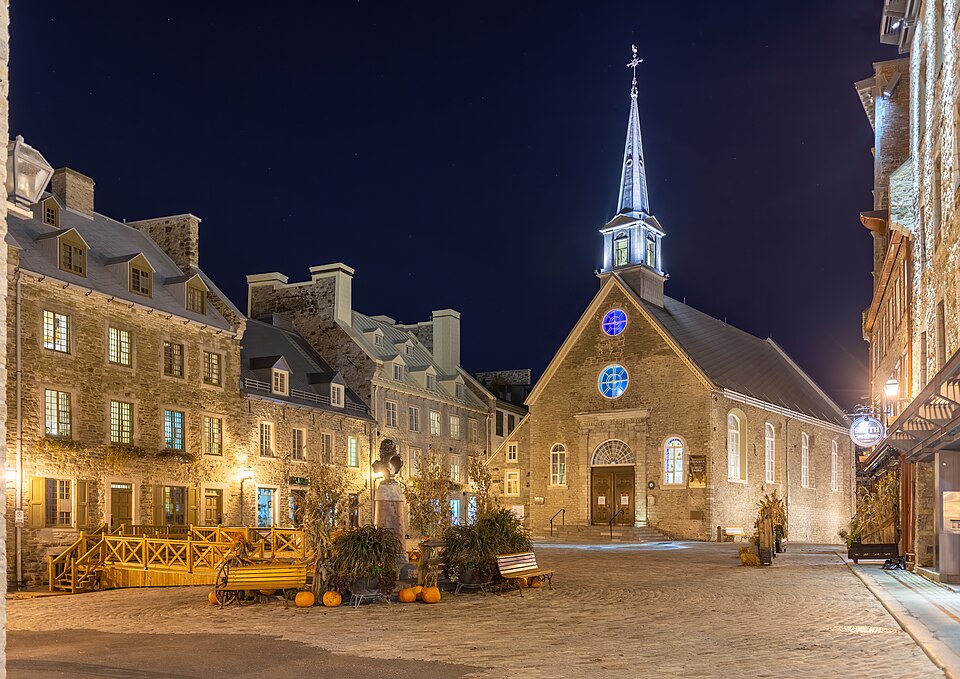 ⛪ Historic Square6
The stone square where Quebec City began — Samuel de Champlain founded the first French settlement here in 1608, the birthplace of French civilisation in North America. It holds the small stone church of Notre-Dame-des-Victoires (1688), the oldest in North America, and is ringed by restored colonial buildings that feel like 1700s Europe. It sits in the Lower Town near Petit-Champlain.
Full Quebec City Guide →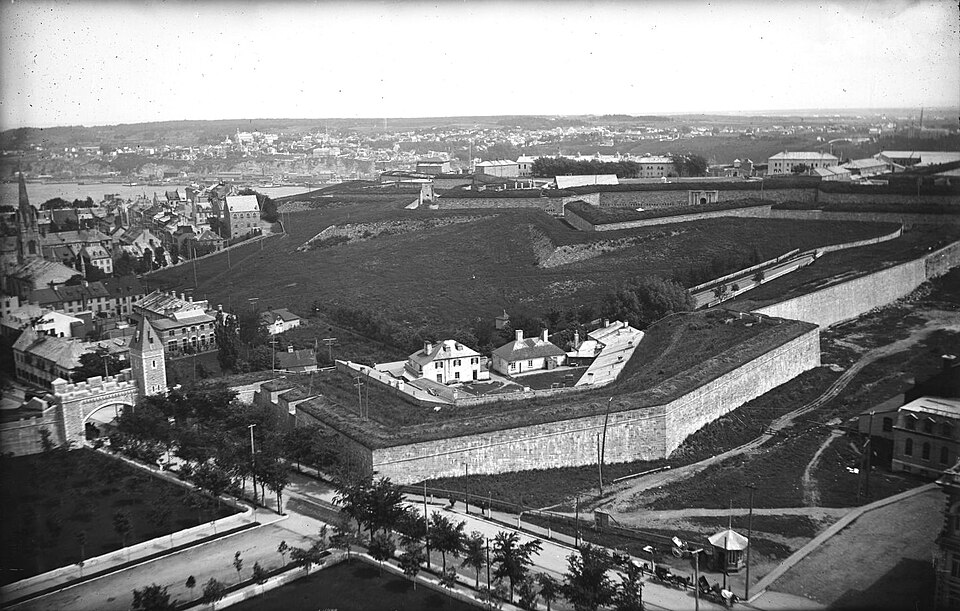 ⭐ Star Fort7
A star-shaped fortress still in active military use — the largest in North America with a serving garrison (the Royal 22e Régiment). Built by the British 1820-1850 atop Cap Diamant. In summer there's a Changing of the Guard ceremony complete with the regiment's mascot goat. Guided tours cover the history and offer city and river views from the ramparts. It's also the official residence of Canada's Governor General.
Full Quebec City Guide →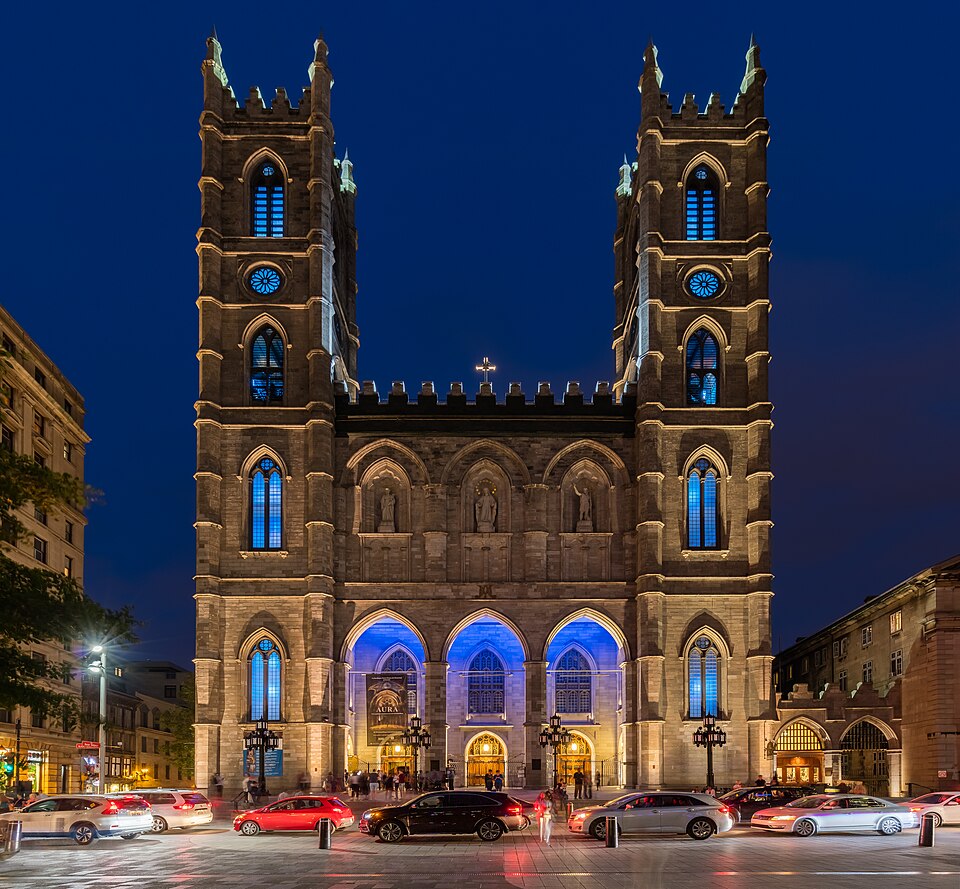 ⛪ Cathedral8
North America's first Roman Catholic cathedral (north of Mexico), first built in 1647 — seat of the continent's oldest archdiocese. Inside it's richly gilded, with a sky-blue vaulted ceiling and stained glass. It has a Holy Door — one of only seven in the world (opened only in Jubilee years) — and a crypt holding colonial-era bishops and governors. It stands in the heart of the Upper Town.
Full Quebec City Guide →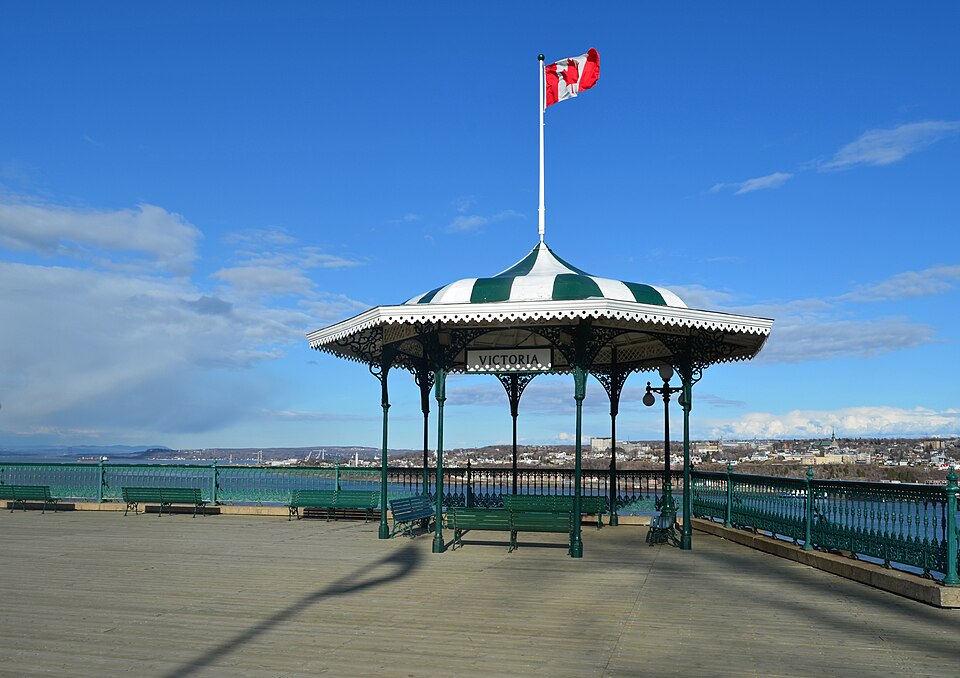 🌅 Viewing Terrace9
The wide wooden boardwalk along the cliff in front of Château Frontenac — the best vantage for the St. Lawrence River and the town of Lévis opposite. Street musicians, sketch artists and benches line it. In winter it becomes "Au 1884," a toboggan slide on a wooden chute that has run since 1884. Walk onward via the Promenade des Gouverneurs up to the Plains of Abraham. Free, always open.
Full Quebec City Guide → 🍇 Vineyard Island10
An island in the St. Lawrence known as "the garden of Quebec" — French colonial stone houses, strawberry fields, apple orchards, wineries/cideries and maple-syrup shops. The 67 km loop drive passes six historic villages where you can taste cheese, cider and blackcurrant products. It's 15 minutes from town across the bridge, perfect as a half-day with rental car alongside Montmorency Falls.
Full Quebec City Guide →