Home Tokyo Osaka Japan About
Home  ›  Asia  ›  Japan  ›  Tokyo  ›  Tokyo vs Osaka
City Showdown · Tokyo vs Osaka

Tokyo vs Osaka
which city should you choose?

Two of Japan's most popular cities with completely different characters — an endless modern megacity vs the friendlier, cheaper capital of food. A clear comparison before you plan (spoiler: if you have the time, doing both is the best value).

What to know first

Two crowd favourites with completely different characters

Picture this — you are planning your first trip to Japan and you hit the classic question everyone has agonised over: should you land in Tokyo or Osaka? The two are only about two and a half hours apart by bullet train, and people love to pit them against each other. Both are big cities with great food, both are safe and easy to get around — but the moment you actually arrive, you can feel that they are two cities in completely different moods.

Let's be honest up front: this isn't a question of which city is "better," it's a question of what kind of trip you want. Tokyo is a megacity so huge you'll never see all of it — dozens of neighbourhoods, each almost a city in itself, all modern, all great for shopping, with a huge range of day trips. Osaka is the city where people are warm and direct, the food is stacked in every alley, prices are friendlier, and it's the gateway to all of Kansai — Kyoto, Nara and Kobe.

This article compares both across every dimension — atmosphere, food, shopping, day trips, budget — and, just as importantly, how to do both cities on one trip. Because when the bullet train links them this quickly, sometimes the best answer really is "do both."

Quick verdict

The short answer before you read on

If you have to decide right now

First time in Japan / want the full iconic picture / love shopping, nightlife and pop culture / want lots of day trips to choose from Choose Tokyo — a megacity so big you'll never see it all, with dozens of distinct neighbourhoods, train lines covering the whole city, and a wide range of day trips from Hakone to Nikko to Kamakura.
A serious food lover / on a budget / love a friendly, relaxed vibe / want a base for Kansai and USJ Choose Osaka — the capital of food, where Dotonbori is packed in every alley, hotels and meals run about 15–30% cheaper than Tokyo, plus it's the gateway to Kyoto, Nara, Kobe and Universal Studios Japan.
Tokyo

The city that keeps you wide-eyed
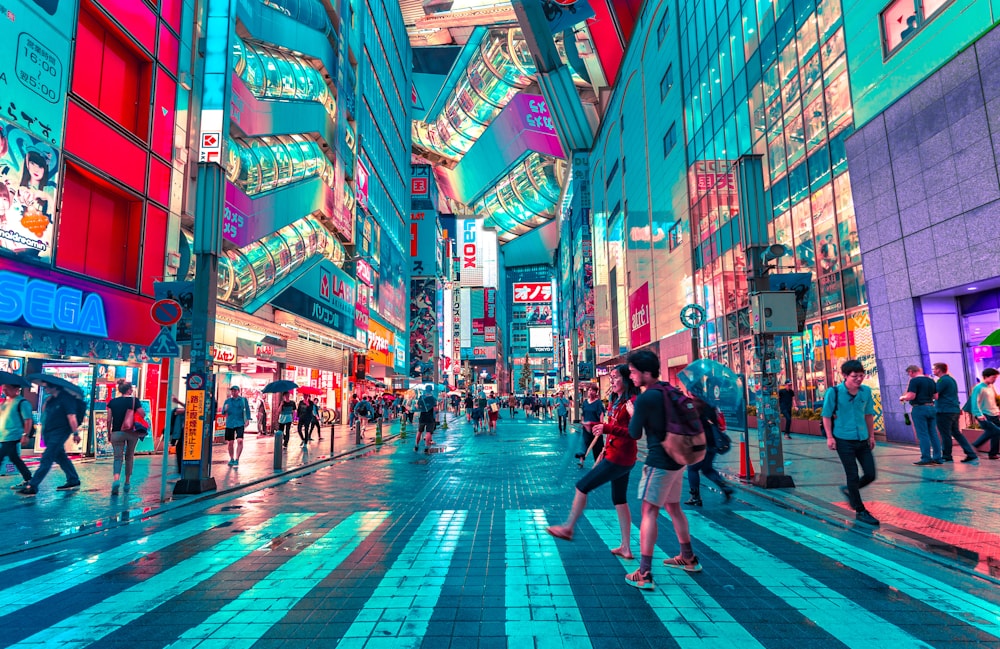
A neon-lit shopping street in Tokyo at night — the classic image of a modern megacity that never sleeps

Tokyo has something Osaka can't match — sheer size and variety you'll never finish exploring. This isn't one city but dozens of neighbourhoods, each almost a city in itself: Shibuya buzzing and colourful, Shinjuku that never sleeps, Asakusa still carrying an old-Japan air, glamorous Ginza, fashion-mad Harajuku. The train and subway lines weave together like a spider's web and can take you anywhere.

The thing that makes Tokyo special is having every flavour in one city — the ancient Senso-ji temple sits just a few train stops from the skyscrapers of Shibuya. In a single day you can walk from a centuries-old temple to a cat café, on to the electronics district of Akihabara, then finish at a hidden high-rise bar. Tokyo also has the widest choice of day trips: the onsen of Hakone, the World Heritage shrines of Nikko, and the Great Buddha of Kamakura.

On food, Tokyo stands out for range and level — it has more Michelin-starred restaurants than any other city on earth, from omakase sushi to tiny back-alley ramen shops to fine dining. If you want to see the full, iconic picture of Japan in one trip, Tokyo gives you all of it.

Pros & trade-offs
Endlessly varied neighbourhoods — Shibuya, Shinjuku, Asakusa, Ginza, each a city of its own
Every flavour in one city — culture, shopping, nightlife and pop culture all covered
Lots of day trips — Hakone ~90 min, Kamakura ~53 min, Nikko ~2 hrs
More Michelin-starred restaurants than any city on earth — omakase sushi to alley ramen
Trains and subway cover everything — easy to get anywhere, every area connected
Hotels and food run about 15–30% higher than Osaka (2026 prices)
A huge, sprawling city — some days you lose time on long cross-town train rides
Rush-hour trains are packed — avoid hauling big luggage morning and evening
During Golden Week (late Apr–early May) it's crowded and hotels get pricier
Tokyo highlights · don't miss

What makes Tokyo, Tokyo

🗼
The iconic neighbourhoods — Shibuya, Shinjuku, Asakusa
Spread across the city · linked by JR + metro · a full day each

Tokyo's charm is in how different each area feels — the Shibuya scramble where thousands cross at once, Shinjuku's neon towers after dark, and the ancient Senso-ji temple in Asakusa. See everything on our Tokyo attractions page, and go deeper on the hottest district in our Shibuya neighbourhood guide.

See all attractions →
⛩️
A wide choice of day trips from Tokyo
Hakone ~90 min · Kamakura ~53 min · Nikko ~2 hrs

Tokyo's edge is the range of day trips: Mount Fuji-view onsen at Hakone, World Heritage shrines at Nikko, and the seaside Great Buddha at Kamakura. Out in the morning, back by evening — easy. See how to plan it in our Tokyo travel guide.

Read the full guide →
🍜
Food in every style, at every level
The city with the most Michelin stars on earth · from alleys to fine dining

Tokyo shines on variety — omakase sushi, tiny ramen counters, tempura, all the way to top-tier fine dining. You can eat for a few hundred yen or tens of thousands. Get the big picture in our Japan food guide.

Read more →
Osaka

The city that makes you eat until you drop

Osaka doesn't try to out-size Tokyo — it plays a completely different game. This is the friendliest food capital in Japan. Osakans are famous for being direct, good-humoured and easy to talk to. The Dotonbori district along the canal is crammed with giant neon signs, a moving crab, and the smell of sauce from a takoyaki griddle on every corner. It's a city that feels fun from your very first step.

The headline here is kuidaore — eat until you drop, a phrase locals genuinely use. Takoyaki, okonomiyaki, kushikatsu, all delicious and friendly on the wallet down every alley. The other magnet is Universal Studios Japan, home to Super Nintendo World (with the Donkey Kong Country zone that opened in late 2024). And crucially, Osaka is the base for all of Kansai — you can reach Kyoto, Kobe or Nara within half an hour.

To be honest about it too: Osaka's sights are more compact than Tokyo's, so if you love endless variety you may feel you've covered it in 2–3 days. But it pays you back where it counts — hotels and food run about 15–30% cheaper than Tokyo (2026 prices). If you come for the food, the friendly vibe and a budget that stretches further, Osaka rewards you in full.

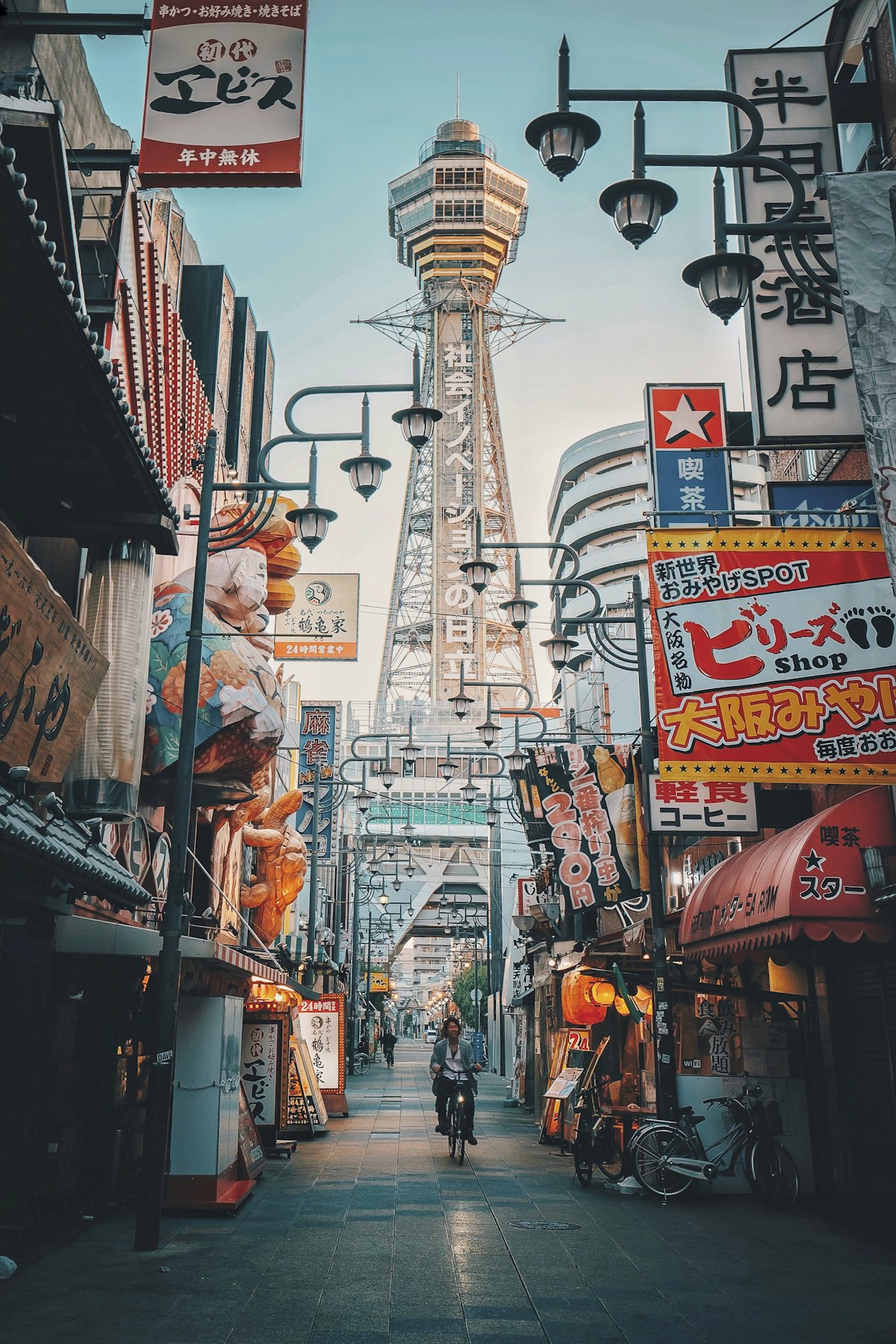
Tsutenkaku Tower in Osaka's Shinsekai district, surrounded by restaurant signs and the city's easygoing atmosphere
Pros & trade-offs
The capital of food — Dotonbori, takoyaki, okonomiyaki, kushikatsu, great in every alley
About 15–30% cheaper than Tokyo — hotels and food both, so your budget stretches
A base for Kansai — Kyoto ~15 min, Kobe/Nara ~30–50 min, easy day trips
Universal Studios Japan + Super Nintendo World — a magnet for families and gamers
Friendly people, a fun vibe — direct, good-humoured and easy to talk to
More compact sightseeing than Tokyo — variety-seekers may feel they finish quickly
Fewer cultural sights in the city itself — Kyoto/Nara are the cultural day trips
USJ and Dotonbori get very crowded on weekends and long holidays
Summer (Jul–Aug) is hot and humid — walking around midday is harder than other seasons
Osaka highlights · don't miss

What makes Osaka, Osaka

🦀
Dotonbori + the Namba district
Heart of Minami · giant neon signs by the canal · liveliest at night

The real heart of Osaka is the canal-side food district of Dotonbori — the Glico sign, the moving crab, and rows of street-food stalls you can graze through all night. Go deeper in our Namba neighbourhood guide and see everything on our Osaka attractions page.

Read the district guide →
🎮
Universal Studios Japan
West side of the city · Super Nintendo World · book tickets ahead

The theme park people flock to Osaka for. It has Super Nintendo World and the Donkey Kong Country zone that opened in late 2024. Queues for the big rides hit 90–180 minutes at peak, so consider an Express Pass if you don't want to wait. Plan the big picture in our Osaka travel guide.

Read the full guide →
⛩️
A base for Kansai — Kyoto, Nara, Kobe
Kyoto ~15 min · Kobe ~30 min · Nara ~35–50 min

Sleep in Osaka and you can easily day-trip to the cities around it: Kyoto's temples and shrines, Nara's deer to feed, Kobe's legendary beef. That makes Osaka the best-value base for Kansai. See well-placed hotels in our Osaka hotels roundup.

See all attractions →
Common ground

Clearly different but alike in many ways

Before we compare the differences, here's the thing — whichever city you choose, some things you'll get either way. And that's exactly why both cities are a great time to visit.

Great food in both — Tokyo for variety and high-end dining, Osaka for great-value street food
Super easy to get around — comprehensive, punctual trains and subway; IC cards (Suica/ICOCA) work in both
Safe and clean — comfortable walking at night, lost items often turn up, like big cities across Japan
Shopping galore — Don Quijote, department stores, duty-free shops and souvenirs, all in both cities
Linked by bullet train in ~2.5 hrs — pick one city or carry on to the next with ease
Similar travel seasons — autumn leaves in late Nov, cherry blossoms late Mar–early Apr (see the best time to go in the guide below)
Compare

Every dimension in one table

Dimension Tokyo Osaka
Atmosphere Modern megacity, varied neighbourhoods, fast and buzzing Friendly and fun, all about eating and easy wandering
Food Every style, the most Michelin stars on earth Street-food capital — takoyaki, okonomiyaki, great value
Shopping Ginza, Shibuya, Harajuku, Akihabara — every style covered Shinsaibashi, Namba, Den Den Town — fun and good prices
Day trips Hakone ~90 min, Kamakura ~53 min, Nikko ~2 hrs Kyoto ~15 min, Kobe ~30 min, Nara ~35–50 min
Theme park Tokyo Disneyland + DisneySea Universal Studios Japan + Super Nintendo World
Budget Higher — mid-range hotel ~¥18,000–25,000/night About 15–30% cheaper — mid-range hotel ~¥12,000–18,000/night
Best for first-timers Very — the full iconic picture of Japan in one city Very — a Kansai base, fun food, friendly budget
Best for Shoppers, city people, pop culture, a first trip to see it all Food lovers, tight budgets, families + USJ, a Kansai base
The best answer

Why not do both cities?

When two cities are linked by a ~2.5-hour bullet train, picking just one is rarely the best move. Here's how to pair them on a single trip — what people call the Golden Route.

🚄
Bullet train: Tokyo → Shin-Osaka, ~2.5 hrs
The Tokaido Shinkansen Nozomi service from Tokyo station to Shin-Osaka takes about two and a half hours (the fastest runs are around 2 hours 21 minutes), with several trains an hour from early morning until late at night. A reserved seat costs around ¥14,720 (~฿3,300 · 2026 prices, with up to ¥400 added in peak periods). With a JR Pass you can ride the Hikari/Kodama services for free (Nozomi costs extra). Check whether it's worth it before you buy on the JR Pass calculator.
1
Start in Tokyo for 3–4 days
Cover the main neighbourhoods — Shibuya, Shinjuku, Asakusa, Ginza, Harajuku — plus a day trip to Hakone or Nikko. See our Tokyo attractions and go deeper on the hottest district in our Shibuya neighbourhood guide. Plan the whole trip day by day with our 7-day Japan itinerary.
2
Take the bullet train on to Osaka for three days
Get off at Shin-Osaka, drop your bags and dive into Dotonbori-Namba in the evening. The next day, day-trip to Kyoto (~15 min) or Nara, and if you're with family, save a day for Universal Studios Japan. See our Osaka attractions and Namba neighbourhood guide.
3
Fly home from either city (an open-jaw plan)
Fly into Narita/Haneda and out of Kansai (or the reverse) so you never have to double back — saving you half a day. Start your hotel search with our Tokyo hotels and Osaka hotels, and for general travel info see our Japan travel info.
The decision

Pick this city if you're…

On your first trip to Japan, or want the full iconic picture — choose Tokyo. Dozens of neighbourhoods give you culture, shopping and pop culture all in one city, plus a long list of day trips, so you can tick off nearly every image of Japan in your head.
A serious food lover, or on a budget that needs to stretch — choose Osaka. Dotonbori and its street food are superb value, and with hotels and meals about 15–30% cheaper than Tokyo, you can travel longer without straining the wallet.
A shopper, a fashion fan, or into nightlife and pop culture — choose Tokyo. Ginza, Shibuya, Harajuku, Akihabara and the hidden late-night bars give you a clearly deeper and more varied set of options.
Travelling with family + set on USJ, or using a base for Kansai — choose Osaka. Universal Studios Japan has Super Nintendo World, and you can reach Kyoto, Nara and Kobe in a day, so you can cover Kansai from a single base.
Travelling with 5–7 days or more — do both. Start in Tokyo to soak up the megacity, then take the ~2.5-hour bullet train to finish in Osaka as your Kansai base, flying out from whichever city suits. This is the Golden Route, the best value for anyone who wants to see both sides of Japan.
Frequently asked

FAQ · Tokyo vs Osaka

First time in Japan — should I choose Tokyo or Osaka?
If it is your first trip and you want the full, iconic picture of Japan, Tokyo is the better starting point: it is huge, with wildly different neighbourhoods (Shibuya, Shinjuku, Asakusa) covering culture, shopping and pop culture, plus a long list of day trips (Hakone, Nikko, Kamakura). Osaka is a great pick if your priorities are food, a tighter budget, a friendlier atmosphere and using it as a base for Kansai (Kyoto, Nara, Kobe), with Universal Studios Japan on top. If you have enough time, the best answer is usually to do both. See the overviews in our Tokyo travel guide and Osaka travel guide.
Which city is better value to stay in, Tokyo or Osaka?
Overall Osaka runs about 15–30% cheaper than Tokyo for both accommodation and food. A mid-range hotel in Osaka averages around ¥12,000–18,000 a night, versus roughly ¥18,000–25,000 in Tokyo for a comparable standard and location (2026 prices may rise in peak season). If budget is your main factor, or you are staying many nights, Osaka clearly saves money — but Tokyo also has friendlier neighbourhoods for accommodation, such as Asakusa or the area around Ueno station. Compare stays in our Osaka hotels and Tokyo hotels roundups.
How long does it take to travel between Tokyo and Osaka, and how?
It is fast and easy. The Tokaido Shinkansen Nozomi service from Tokyo station to Shin-Osaka takes about two and a half hours (the fastest runs are around 2 hours 21 minutes), with several trains an hour from early morning until late at night. A reserved seat costs around ¥14,720 (~฿3,300 · 2026 prices, with up to ¥400 added in peak periods). With a JR Pass you can ride the Hikari/Kodama services for free (Nozomi costs extra). Check whether a pass is worth it on our JR Pass calculator.
For food lovers, which city should I pick, Tokyo or Osaka?
If food is the star of your trip, Osaka is the answer. Locals have a word for it — kuidaore, literally 'eat until you drop' — and the Dotonbori district is packed with takoyaki, okonomiyaki and kushikatsu at friendly prices and a fun atmosphere. Tokyo, on the other hand, shines on variety and high-end dining, with more Michelin-starred restaurants than any other city on earth, from omakase sushi to tiny ramen shops down back alleys. In short: choose Osaka for great-value street food, and Tokyo if you want to try every style, fine dining included. More in our Japan food guide.
How many days do I need to see both Tokyo and Osaka?
The popular plan is the Golden Route over about seven days: start with 3–4 days in Tokyo (the main neighbourhoods plus a day trip to Hakone or Nikko), then take the ~2.5-hour bullet train to Osaka for another three days, usually adding Kyoto or Nara as day trips from your Osaka base. With less time, five days is enough to hit the highlights of both cities. Flying into Narita/Haneda and out of Kansai (an open-jaw plan) saves time so you never have to double back. See a day-by-day plan in our 7-day Japan itinerary.
For families or anyone set on Universal Studios, which city wins?
Both cities are easy with family. Tokyo has Tokyo Disney Resort (Disneyland + DisneySea) and plenty of kid-friendly museums, while Osaka has Universal Studios Japan with Super Nintendo World (including the Donkey Kong Country zone that opened in late 2024), a magnet for families and gamers. Osaka also has the edge of being a base for a quick day trip to Nara, where kids can feed the deer. If the theme park is the highlight of a trip with children, Osaka delivers both USJ and Kansai day trips in one place. See sights in our Osaka attractions guide.