Book ahead — you won't regret it
Ordered by what people rave about most often — with price ranges and how to get there.
 1
1
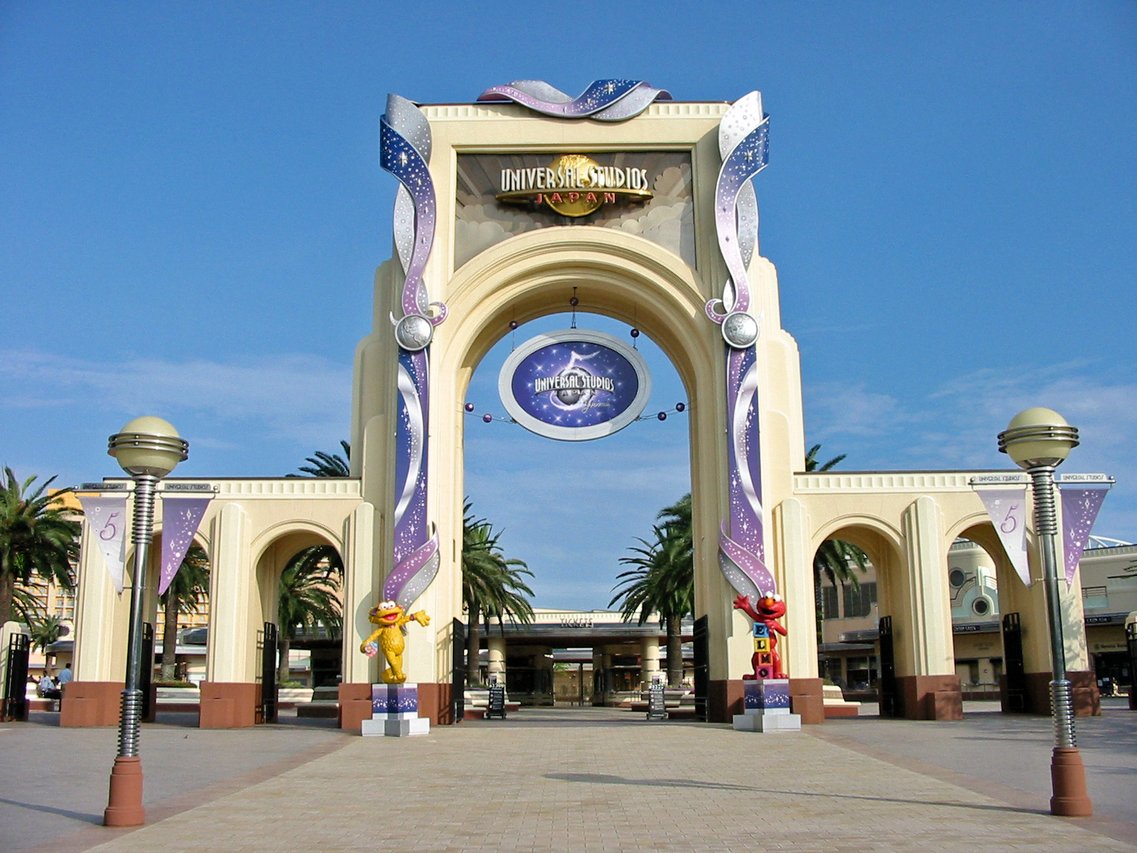
Picture driving a Mario Kart through the Mushroom Kingdom and actually grabbing Bowser — that is Super Nintendo World, the zone that draws the longest queues at USJ. Beyond it there are Harry Potter, Minion and Jurassic Park areas plus limited-time seasonal events that change all year round. Honestly, you could spend a whole day here and still not see it all. The key thing: on busy days Super Nintendo World needs an Area Timed Entry Ticket (free in the USJ app) or an Express Pass that guarantees entry to the zone. On Japanese long weekends, having an Express Pass in your back pocket saves a huge amount of time.
Book on Klook →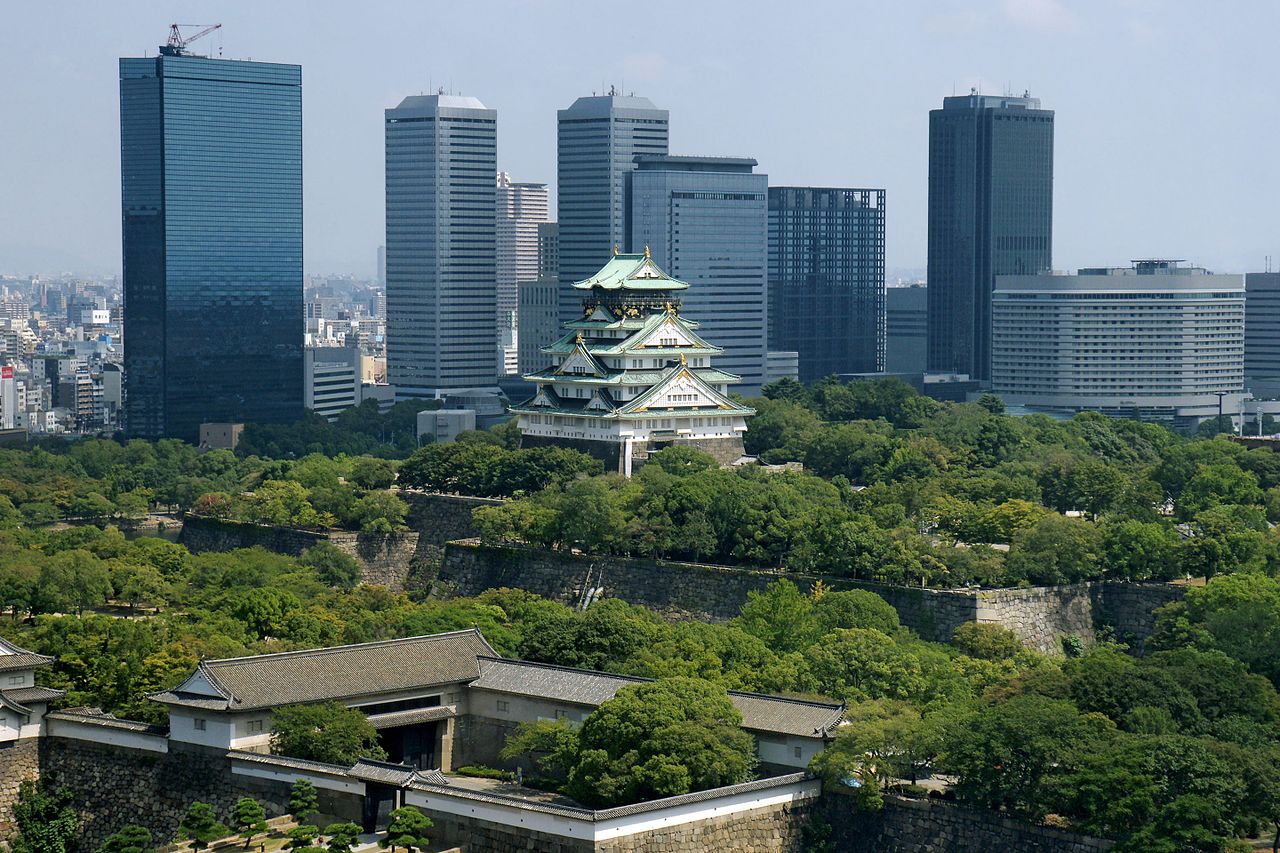 2
2
Osaka Castle is the image of the city everyone comes to photograph at least once. The keep you see today is a reconstruction, and inside it is a museum telling the story of Toyotomi Hideyoshi, who built the original castle in the sixteenth century. Climb to the top floor and there is an observation deck with views right across the city. The park surrounding the castle is huge and free to walk, and it gets especially busy during cherry-blossom and autumn-leaf seasons. Honestly, exploring the whole grounds easily fills half a day.
Book on Klook →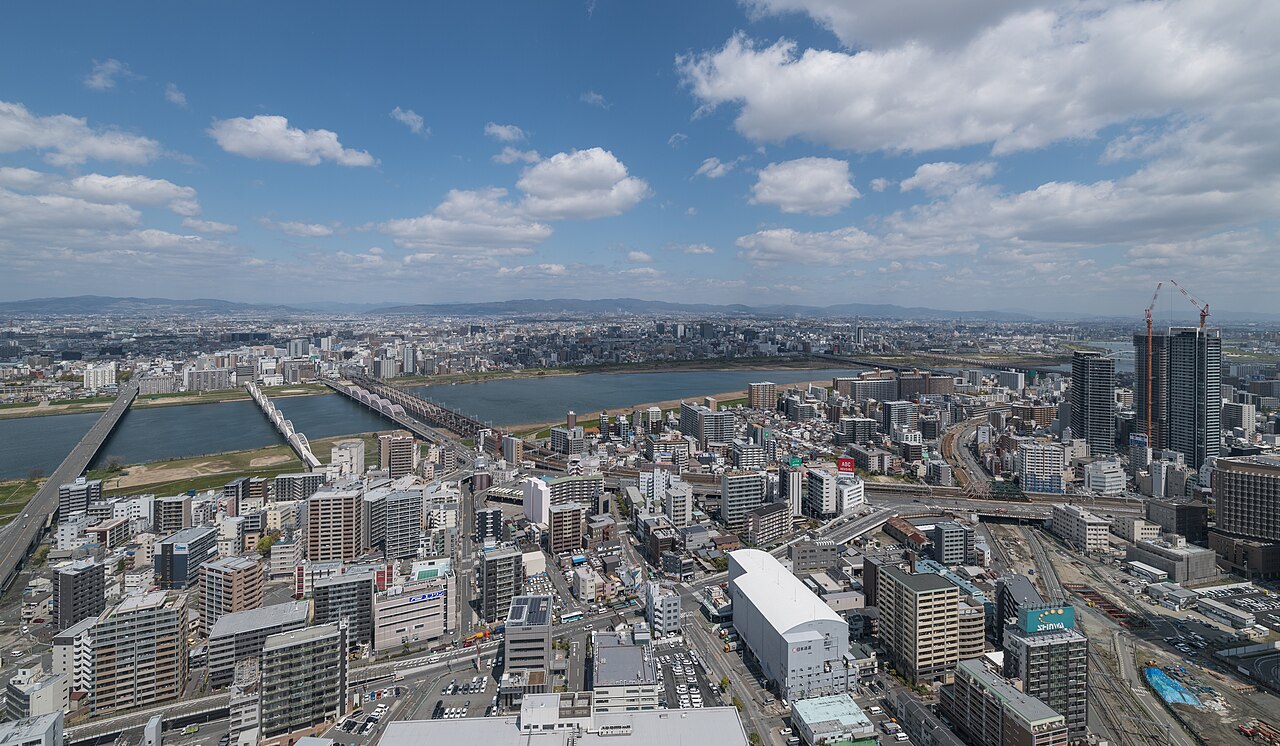 3
3
Two towers joined at the top by a ring-shaped deck floating in the sky — the Floating Garden Observatory at 173 metres is an open-air viewpoint that gives you both the breeze and a full 360-degree sweep over the Umeda district. On the way up, an escalator crosses the gap between the towers with the ground visible straight below, so the thrill starts before you even reach the deck. Sunset into dusk is the most beautiful time, and people who have been say it feels far more romantic than any indoor observation deck.
Book on Klook →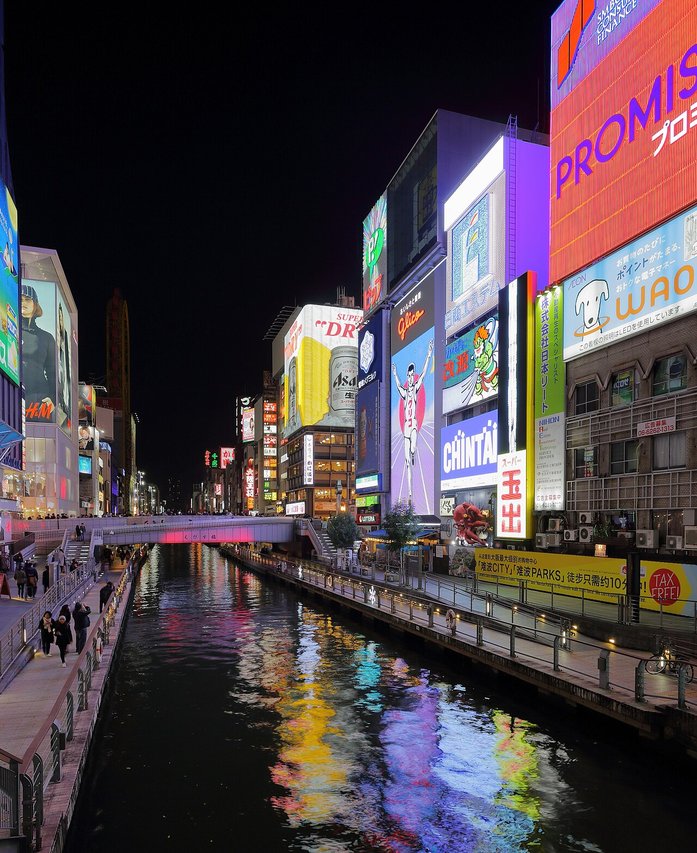 4
4
Osaka is nicknamed "Japan's kitchen," and Dotonbori is its heart — the Glico neon sign, the giant blowfish, the moving mechanical crab over a restaurant front, all packed along one canal. A food tour brings a local who takes you to spots off the main strip, explains where takoyaki, kushikatsu (no double-dipping the sauce) and okonomiyaki come from, and helps you order in Japanese. It is ideal for first-timers who would rather not waste time choosing where to eat. If you travel confidently, eating your own way down the street is just as much fun.
Book on Klook →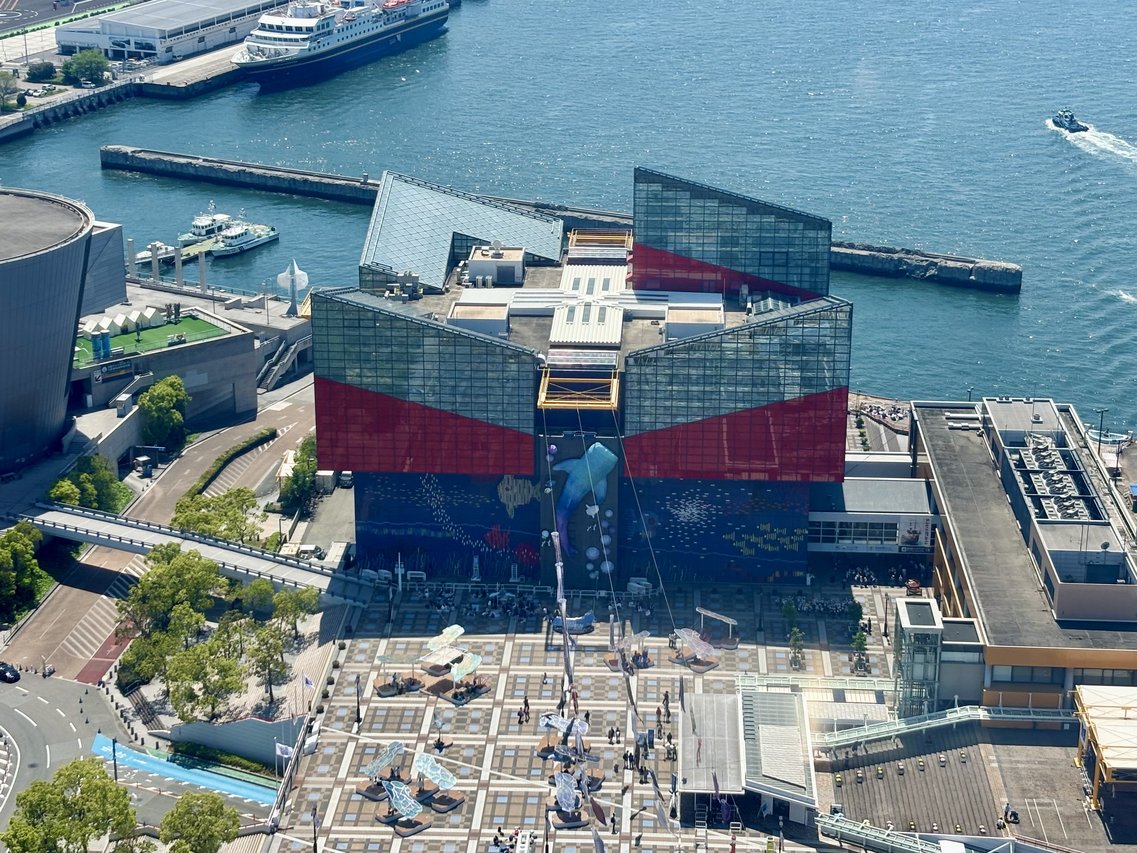 5
5
Kaiyukan is one of the largest aquariums in Japan, and the star is the nine-metre-deep "Pacific Ocean" tank where real whale sharks circle. The route spirals down around the tank, so you see the same creatures from different depths as you descend — fun for kids and adults alike. Right next door are the Tempozan Ferris wheel and a harbour where you can carry on with a bay cruise. It makes for a relaxed half-day, and parents say their kids fall for the whale sharks every single time.
Book on Klook →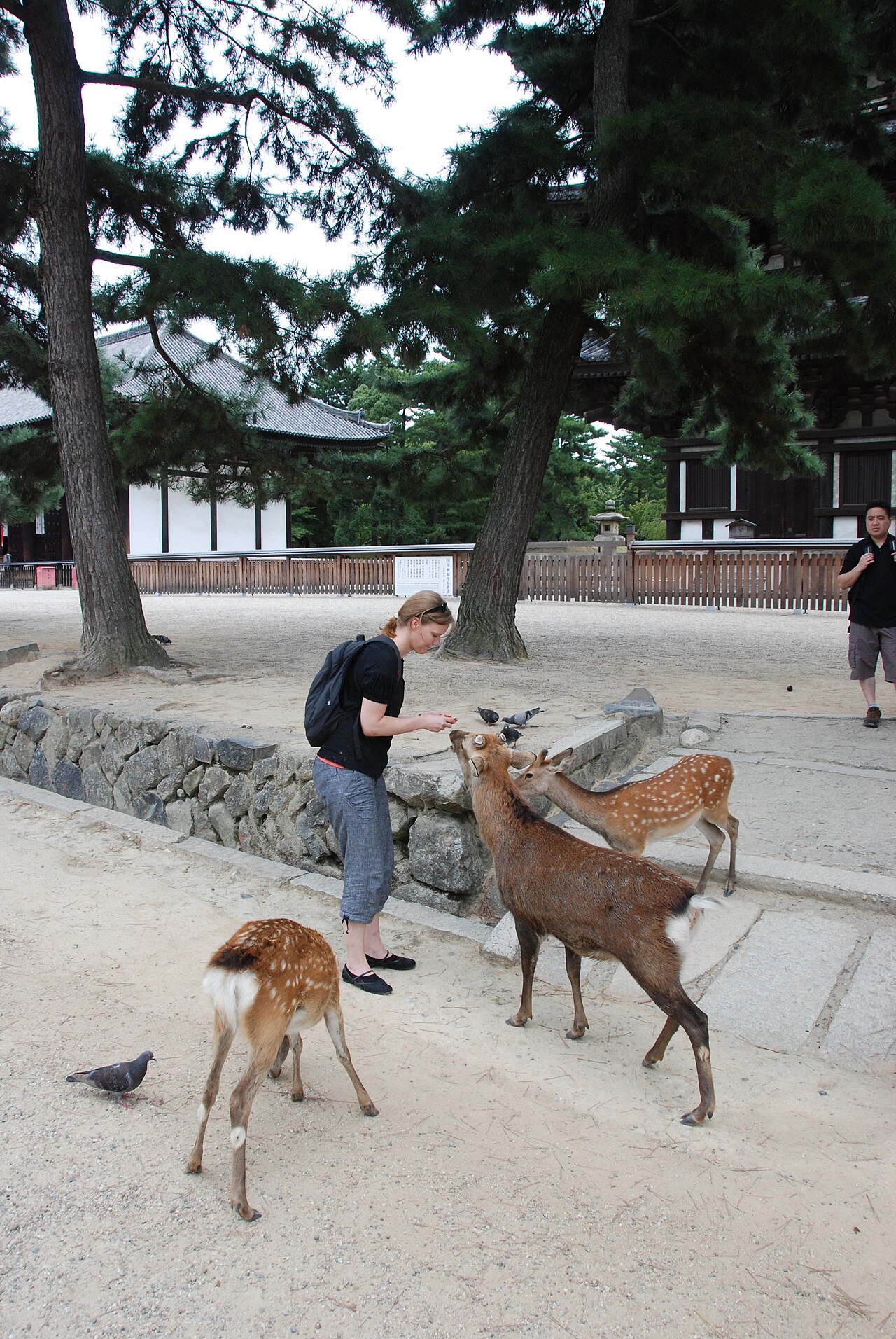 6
6
Nara is only about 40 minutes from Osaka, yet it feels like a different world. In Nara Park, more than a thousand deer roam freely — buy shika senbei crackers from a stall and you can feed them, and some even bow their heads as if they know their manners. From there, walk to Todai-ji to see the Daibutsu, a giant bronze Buddha housed in one of the largest wooden halls in the world. It is an easy out-and-back in a single day, and if you would rather go independently the train makes it simple. See routes and other stops at Osaka attractions →
Book a tour on Klook →Takoyaki was born in Osaka, and almost every household here keeps a dimpled pan to make it at home. A cooking class teaches you the whole thing — mixing the batter, pouring it into the wells, and turning each ball with a pointed pick until it is perfectly round (the hardest and most fun part) — until you have your own crispy-outside, molten-inside takoyaki. Some classes also cover Osaka-style okonomiyaki. Honestly, eating something you made yourself, hot off the pan, beats buying it at a stall by a mile. It works for couples, families and solo travellers who want a hands-on activity.
Book on Klook →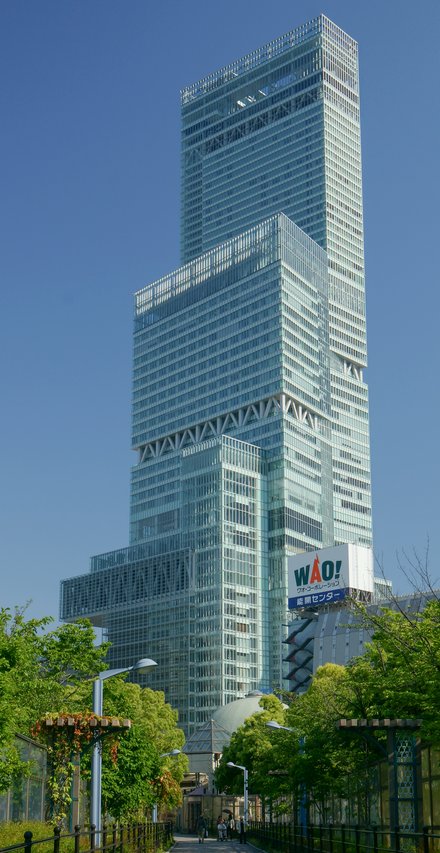 8
8
At 300 metres, Abeno Harukas is one of the tallest buildings in Japan, and the "Harukas 300" observation deck takes up its top three floors, wrapped in floor-to-ceiling glass. On a clear day you can see all the way to the Kansai mountains and Osaka Bay. The middle level has a café where you can sip a coffee with the city below you. Unlike Umeda Sky, this one is an indoor deck that is higher and offers a wider view, and it sits directly above Tennoji station so onward travel is dead easy. People who have been up say the lights come on so beautifully in the evening that they did not want to leave.
Book on Klook →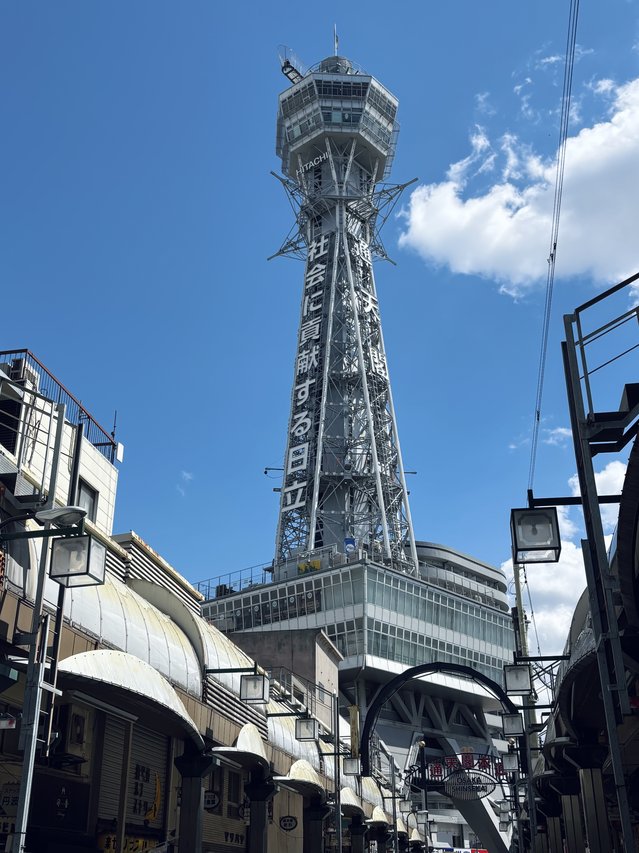 9
9
Tsutenkaku is the landmark tower of "old Osaka," standing in the middle of Shinsekai, a quarter that still holds onto its Showa-era atmosphere completely — retro neon signs, rows of kushikatsu joints, and the lucky mascot Billiken whose feet people rub for good fortune. Go up to the observation deck for views across the city. If you like a thrill there is the open-air Tenbo Paradise deck and the Tower Slider that spirals down from the building. At night the whole quarter glows with neon, and you can wander and snack late into the evening. See more nearby spots at Osaka attractions →
Book on Klook →