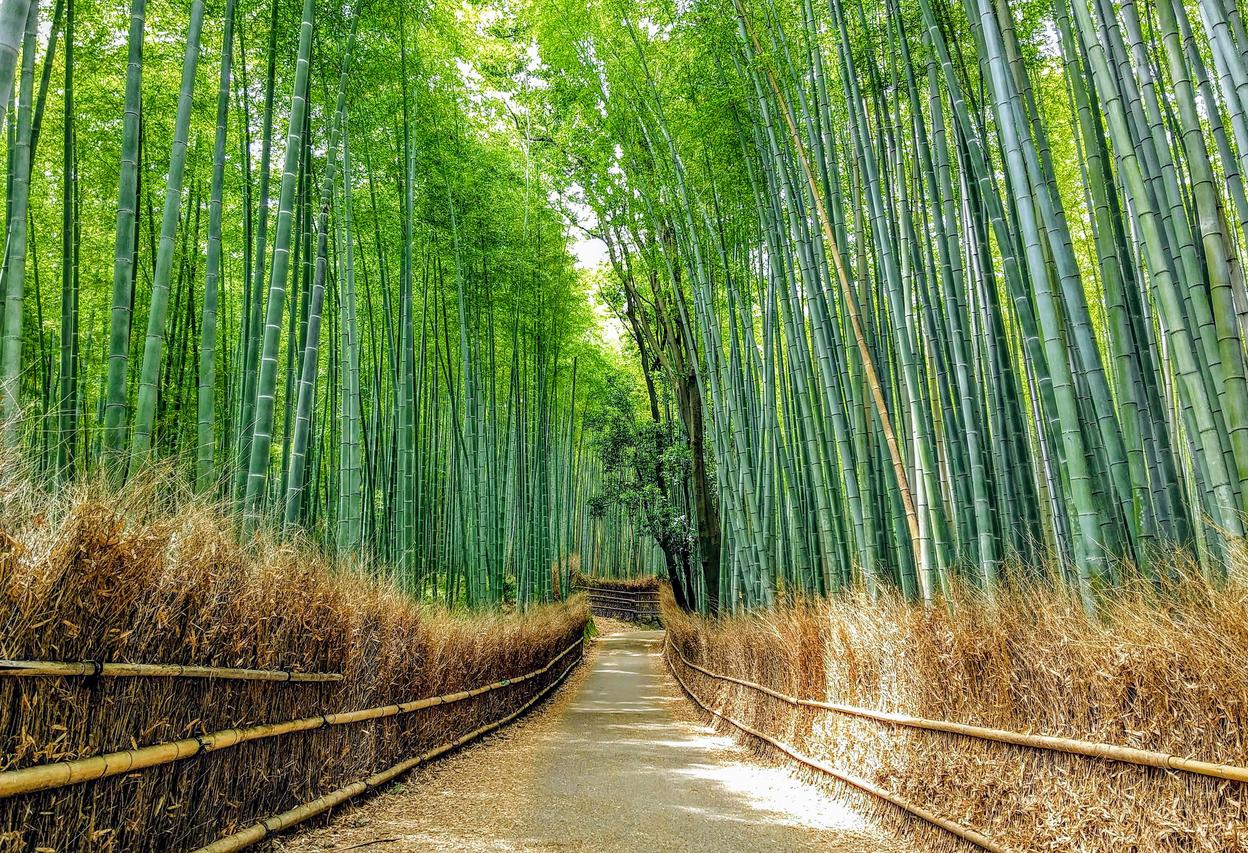
Kyoto is different from Japan's other big cities in one way that matters: it leans on buses more than the subway. Many temples and shrines are reachable by bus only, while the subway has just two lines. Learn how to pair the buses, the trains and the right pass, and a full day of temple-hopping turns out to be far easier — and cheaper — than you'd expect.
Here's the honest truth: a lot of people arrive in Kyoto expecting that Japan means "take the train", then open the map and wonder why famous temples like Kinkaku-ji or the Gion district have no subway station anywhere near them. The answer is that Kyoto runs mostly on buses, not the subway. The City Bus network blankets the whole city and reaches nearly every temple and shrine, while the subway is just two lines crossing in the centre.
Good news for us: an ICOCA, Suica or Pasmo taps for everything — buses, subway, tram and JR — so there's no buying a ticket for every single ride, and Google Maps works to the full (Japan doesn't block it), giving you bus numbers and the stop to get off at. The thing to brace for: Kyoto's buses get extremely crowded at peak times, in both the autumn-foliage and cherry-blossom seasons, so you'll want to allow extra time and know when to switch to a train to cut the wait.
This guide brings together every way to get around Kyoto — from the city bus that reaches every temple, to the fast and punctual 2-line subway, the JR trains and the Randen tram that carry you to Arashiyama and Fushimi Inari, through to which pass is best value for your particular trip, and the bike rental that many travellers love. Know a little of this and the whole trip flows smoothly, and stays cheap.
Kyoto's core network, carrying you to Kinkaku-ji, Kiyomizu, Gion and Arashiyama. A flat ¥230 across the central zone.
The Kyoto City Bus is the real star of sightseeing here, because the headline temples and shrines — Kinkaku-ji (the Golden Pavilion), Kiyomizu-dera and the Gion district — are mostly reachable by bus only. Across the central zone the fare is a flat ¥230 per ride (¥120 for children), near or far. The way it works: board through the rear door, then pay as you get off at the front — and if you use an IC card inside the flat-fare zone, you simply tap once on exit.
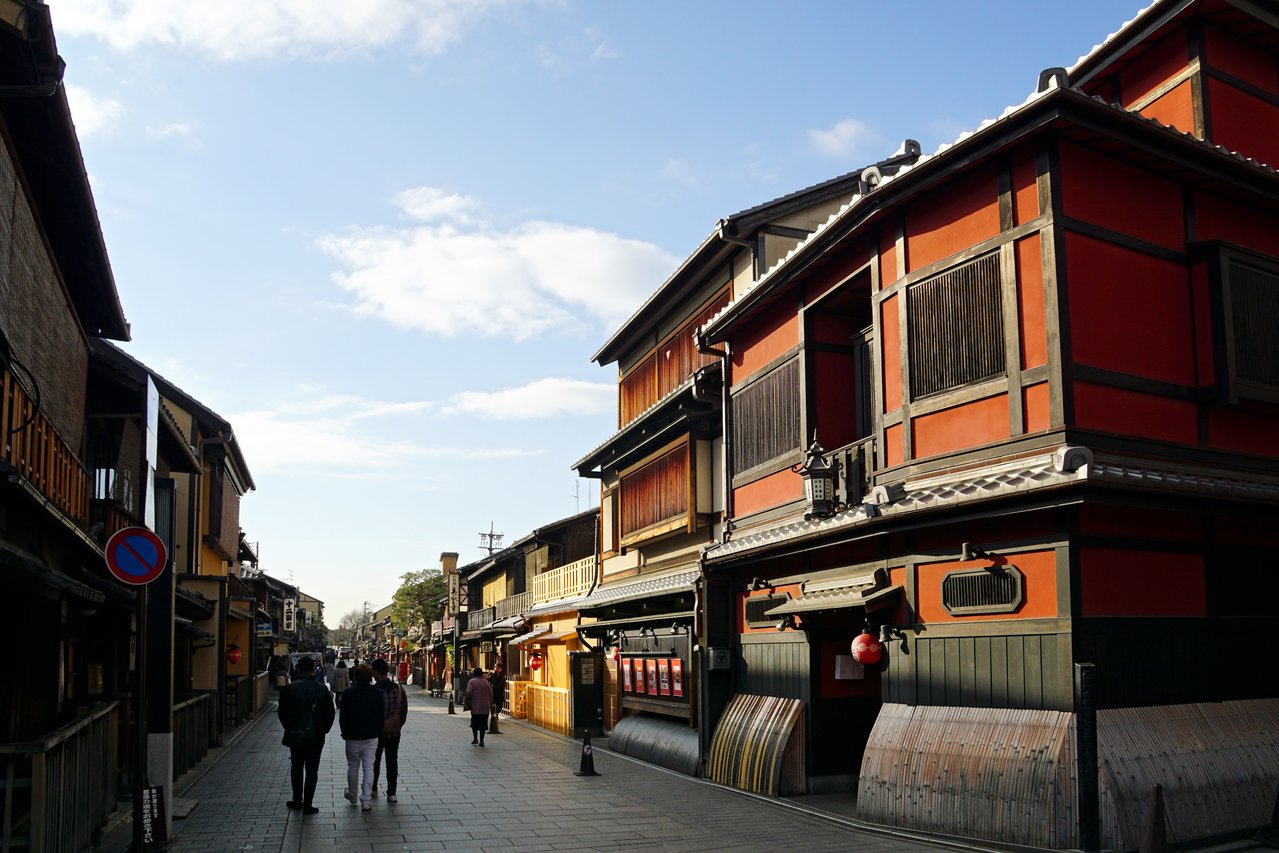
The route numbers visitors use most often include routes 100 and 206, which loop past the eastern temples (Kiyomizu, Gion, Ginkaku-ji), while routes 101, 102 and 205 head up to Kinkaku-ji in the north. The single most important boarding point is the bus terminal in front of Kyoto Station, where the route numbers and destinations are clearly signposted in English. When in doubt, open Google Maps and type the name of your destination temple — it gives you the route number and the stop to get off at.
Kyoto's subway has just 2 lines, crossing in a cross shape at Karasuma Oike Station in the city centre — remember this spot for changing lines. Fares are distance-based, from ¥220 up to around ¥360. The subway is much faster and more punctual than the bus and is great for north–south journeys through Kyoto Station, but it reaches fewer temples, so it's usually paired with the bus.
| Line | Route | Key stops |
|---|---|---|
| Karasuma (green · K) | North ↔ south | Kyoto Station · Shijo (shopping district) · Karasuma Oike · Kitaoji |
| Tozai (orange · T) | East ↔ west | Karasuma Oike · Sanjo Keihan · Higashiyama · Nijo Castle (Nijojo-mae) |
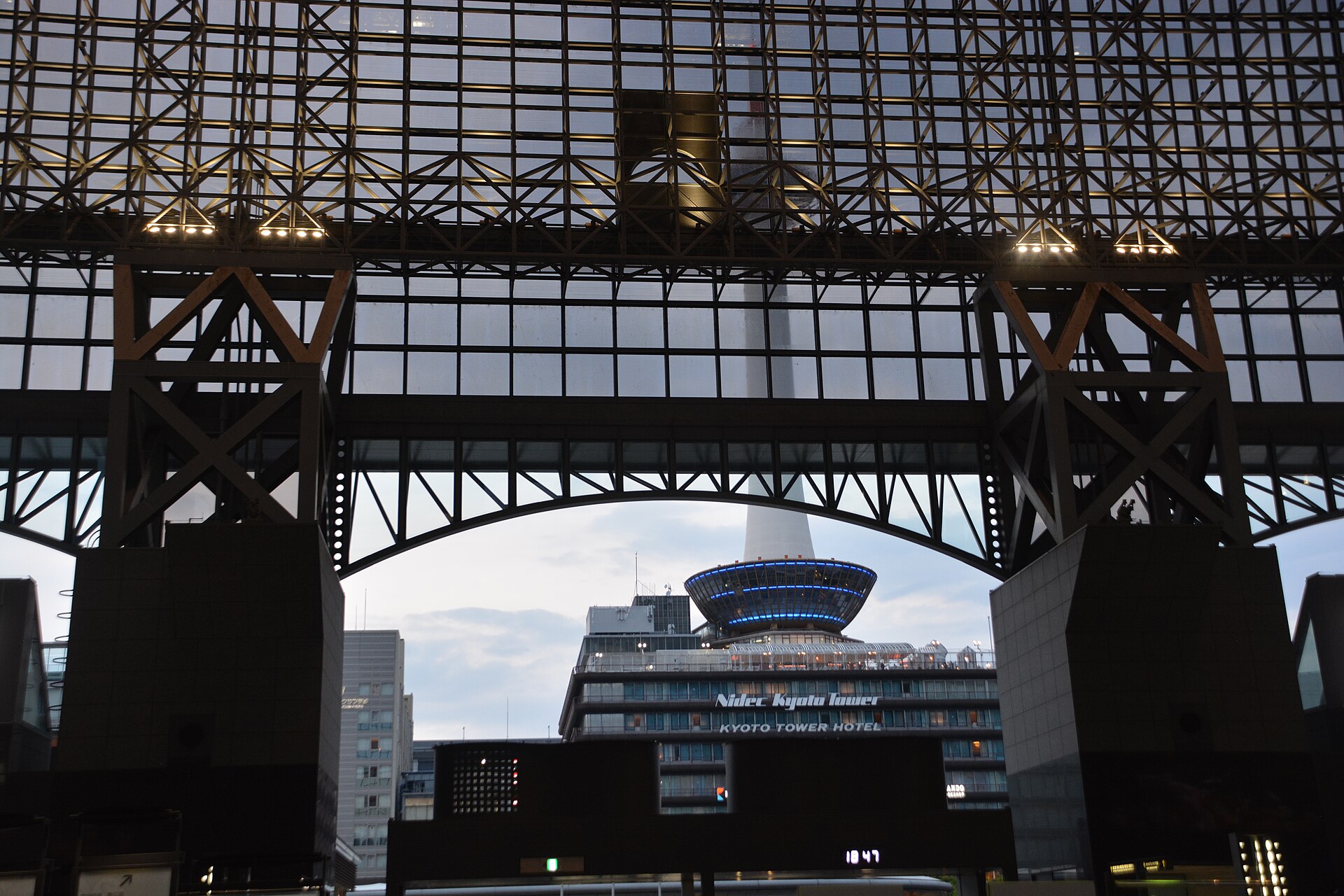
JR West's IC card for the Kansai region. ¥2,000 (¥1,500 of travel value + ¥500 deposit). Taps on buses, subway, tram and JR — easy to buy at Kyoto Station.
Already have a Tokyo IC card? Use it as-is. Suica, Pasmo, Kitaca and ICOCA are interchangeable nationwide, tapping for the bus, train and tram all over Kyoto.
For the subway, buy from a machine (English menu). For the bus, drop the flat ¥230 into the fare box as you get off — keep coins or small notes ready.
An unlimited-ride one-day pass pays off if you're temple-hopping a lot that day — see the comparison table below for which one to use when.
| Pass | Price (adult) | Covers / conditions |
|---|---|---|
| Subway & Bus 1-Day Pass | ¥1,100 | Unlimited 1 day on the City Bus + both subway lines + selected Kyoto/Keihan/JR West Bus services · best value for temple-hopping (pays off from about 5 bus rides) |
| Subway 1-Day Pass | ¥800 | Unlimited 1 day on both subway lines · suits a day focused on subway travel only |
| Randen 1-Day Pass | ¥500 | Unlimited 1 day on the Randen (Keifuku) tram · suits a day on the west side / Arashiyama |
| Bus 1-Day Pass | Discontinued | The bus-only pass (formerly ¥500) was withdrawn in late 2023 · use the Subway & Bus 1-Day instead |
Honestly, on any day you're hitting several temples by bus, just grab the Subway & Bus 1-Day Pass at ¥1,100 — the flat ¥230 bus fare means about 5 rides covers the cost, and you get the subway for free on top. But on a day with only 2–3 bus rides, tapping your ICOCA per ride may work out cheaper. And on a day heading to Arashiyama by tram, use the separate Randen 1-Day Pass at ¥500 or simply tap your IC card as you go. Prices may change in 2026, so check the city's official site for the latest.
JR · Inari + Arashiyama + Nara
JR is the shortcut that lets you skip the crowded buses to certain spots. The most-used services are the JR Nara Line to Fushimi Inari (get off at Inari Station, about 5 minutes from Kyoto Station, and the shrine of red torii gates is right there) and the JR Sagano (San-in) Line to Arashiyama (get off at Saga-Arashiyama, about 15 minutes).
That same Nara Line carries on to the city of Nara in around 45 minutes — a hugely popular day trip. Every line starts from Kyoto Station; pay with an IC card or buy a ticket from the machine.
Tram · Arashiyama
The Randen (Keifuku) is the only tram line left in Kyoto, running across the west of the city to Arashiyama. The fare is a flat ~¥250 per ride, near or far, and you can tap ICOCA or Suica. The mood is classic and retro, rolling past old residential streets, and in the blossom season the views to either side are especially lovely.
Ride from Shijo-Omiya station, or connect from the subway at the end of the Tozai Line (Uzumasa Tenjingawa, then walk to the Randen station), all the way to Arashiyama at the end of the line. If you're touring the west side all day, the Randen 1-Day Pass at ¥500 is good value.
Central Kyoto is fairly flat and a real pleasure to cycle, and many districts sit closer together than you'd think. Rental shops are everywhere, costing around ¥1,000–1,500 a day. It suits the city centre, the Kamo River and temples that cluster near one another, and saves you waiting for a packed bus.
Worth knowing: for the hillside temples to the east (such as Kiyomizu) or the longer trip out to Arashiyama, the bus and train are still more comfortable. And you must park in designated bicycle parking, or you risk a wheel lock and a fine.
Kyoto taxis are all metered, with a flag-fall of around ¥500. They're ideal when you've got a lot of luggage, for hillside temples the bus doesn't reach, and for a group of 3–4 splitting the fare — sometimes cheaper than buying several passes — or late at night after the buses and trains stop. Most cars take credit cards and IC cards.
Tip: most drivers speak little English, so have the temple name or destination address in Japanese script, or drop a pin in Google Maps to show the driver — that's easiest. The GO app hails cars in Kyoto, though in the city centre joining a station rank or flagging one on the street works just as well.
Honestly, the real enemy of sightseeing in Kyoto isn't the cost — it's buses that get crowded and slow in rush hour, especially in the morning around 8:00–9:30 before the temples open, and late afternoon as everyone heads back. In the autumn-foliage season (November) and at blossom time (late March–April), buses can get so full you'll often have to wait for the next one. The way out is to set off earlier than the buses fill up and pick a JR or subway train on any route that allows it.
If you're hauling a big suitcase, don't board a bus in rush hour — luggage space is limited and the buses are packed. Stash your bags in a coin locker at Kyoto Station, or use a luggage-forwarding service to your hotel (takkyubin), and sightsee light. It's far more comfortable.
Buses are fullest in the morning 8:00–9:30 and late afternoon, and absolutely jammed in the autumn-foliage season (November) and at blossom time (late March–April). Set off a bit earlier and you'll get quieter temples and emptier buses. On any route a train can serve, take the train first.
Japan doesn't block Google, so Google Maps is highly accurate in Kyoto, giving you bus route numbers, the stops to board and alight, plus the subway, tram and JR with times and fares. Japan Transit Planner and Navitime are just as good. Carry a SIM or eSIM with data so you're online as you go.
If I could give one piece of advice: first look at how many temples you'll hit by bus that day, because that's what decides whether to buy a pass or tap per ride — on a day running between several temples (about 5 bus rides or more), the Subway & Bus 1-Day Pass at ¥1,100 is clearly cheaper, but on a day with only 2–3 bus rides, tapping your ICOCA per ride is usually less.
Another thing that helps: give each mode a clear role — buses for reaching temples, the subway for long north–south runs, and JR/the Randen tram for Fushimi Inari and Arashiyama. Splitting the roles this way tells you exactly which pass to carry on which day, so you never buy more than you need. If you're heading on to other Kansai cities (Osaka, Kobe, Nara), check the JR Kansai Pass too.