Home Destinations 🇯🇵 Japan Tokyo Nikko Kyoto 🍁 Autumn Leaves Guide 🧭 Travel Prep Guide About Contact 🇹🇭 ไทย🇬🇧 English🇨🇳 中文🇪🇸 Español🇫🇷 Français
🍁 Autumn Leaves · Koyo · 7–10 Days

Japan Autumn Leaves Itinerary — Chasing the Koyo North to South

Autumn colour rolls north to south, the mirror image of the cherry blossoms — so we've built a day-by-day 7–10 day plan that follows it from the Nikko highlands (mid-October), down to Hakone and Fuji, ending in Kyoto in late November, with the night light-ups, the real train routes, and each stop's peak window all on one page.

Start Here

The Autumn Leaves Don't Turn All at Once —They Flow North to South

Ever planned a beautiful autumn-leaves trip, only to arrive and find the trees still green — or already bare? Honestly, this trap is the exact mirror image of the cherry-blossom one — koyo (autumn colour) flows from north to south, and from high ground down to the lowlands, starting in Hokkaido and on the mountain peaks from early October, then working its way down to Kyoto and the plains by late November. So the route on this page is built to follow the koyo line from north to south, catching several stops at peak in a single trip — no guessing which spot is good right now.

This plan is laid out day by day across 7–10 days — start in Tokyo, head up to the Nikko highlands (which turn before anywhere else), come down to Hakone for maples beside Mount Fuji, then take the shinkansen down to Kyoto, which peaks last of all, complete with night light-ups, the actual train routes, and tips along the way. Want to dig deeper into the koyo forecast spot by spot? Read on in our Japan autumn leaves guide.

🍁 Straight up, before anything else: the peak dates for autumn leaves change every year with the weather. The windows on this page are based on multi-year averages and the latest koyo reports — a solid planning framework — but a warmer-than-usual year turns the leaves later. Before you lock in real tickets, always re-check the latest koyo forecast (official sources like japan-guide and JNTO, plus spot-by-spot reports, update weekly through October–November).
🍁
High Ground / North First
The Nikko highlands and Oku-Nikko turn early to mid-October.
🗻
Hakone & Fuji Follow
Owakudani and Lake Ashi, early to mid-November.
🏙️
Tokyo Comes Later
Rikugien and the Meiji Jingu ginkgo, late Nov to early Dec.
🍂
Kyoto Peaks Last
Eikando and Tofukuji, late Nov to early Dec.
Trip Overview

The 7–10 Day Route North to South, at a Glance

A bird's-eye look at where each stretch goes, when it turns colour, and how you get there — laid out in the real day order, working from high ground / north (turns first) down to the lowlands / south (peaks later). The koyo windows are multi-year averages; check the latest before you go.

DaysDestinationZoneKoyo peak windowHighlights / Getting there
Days 1–2TokyoTokyo · KantoLowlandLate Nov–early DecRikugien · Meiji Jingu ginkgo avenue · Mount Takao — into the city from Narita/Haneda
Day 3NikkoNikko · TochigiHighlandMid–late OctIrohazaka · Kegon Falls · Lake Chuzenji — Tobu railway from Asakusa, ~2 hrs
Day 4HakoneHakone · KanagawaHighlandEarly–mid NovLake Ashi + Fuji · Owakudani · onsen — Odakyu railway from Shinjuku
Days 5–7KyotoKyoto · KansaiLowlandLate Nov–early DecEikando · Tofukuji · Arashiyama · Kiyomizu night light-up — shinkansen from Tokyo, ~2.5 hrs
Day 8 (add-on)OsakaOsaka · KansaiLowlandLate Nov–early DecOsaka Castle · Minoo — train from Kyoto, ~15 min
📅 How to read the table: why go up to Nikko and Hakone before dropping into Kyoto? Because high ground turns colour about 3–4 weeks ahead of the lowlands — schedule a mid-to-late October trip and Nikko peaks perfectly; schedule late November and Kyoto peaks perfectly but Nikko has already dropped. Choose your travel dates around the stop you most want to catch at peak, then use this table to order the rest. A warmer-than-usual year can push the colour back by up to a week.
Day by Day

The Autumn Leaves Trip 7–10 Days, Day by Day

This is the heart of the page — day by day, where to go, what to catch, how to travel, and why the order runs this way. Stretch or shrink it to fit the number of days you actually have.

🏙️ 🗼 Tokyo · Lowland1
Days 1–2 · Tokyo
Tokyo · Rikugien · Meiji Jingu Gaien

Start in Tokyo to shake off the jet lag, then warm up with autumn colour in the city — Rikugien, an Edo-era garden where red maples reflect on the pond (with an evening light-up), Meiji Jingu's ginkgo avenue (Ginkgo Avenue), 146 golden-yellow trees over 300 metres, and if you have half a day to spare, head up Mount Takao for an autumn hike just ~1 hour from the city centre.

📍Where to catch it: Rikugien (Komagome) · Meiji Jingu ginkgo (Gaienmae) · Mount Takao (Takaosanguchi)
🍁Peak window: late Nov–early Dec (the ginkgo usually yellows just ahead of the red maples)
🚆Getting there: into the city from Narita/Haneda · around town use the JR + Metro subway lines
💡Tip: Tokyo peaks after Nikko and Hakone — if the leaves are still green at the start of your trip, save it for the loop back before you fly home.
Tokyo Guide →
🍁 ⛰️ Nikko · Highland2
Day 3 · Nikko
Nikko · Irohazaka · Kegon Falls

Today you climb to high ground for the trip's first koyo — the Irohazaka road, a winding 48-bend road that climbs from town up to Lake Chuzenji, autumn leaves blanketing the mountainside on both sides. Stop at the Akechidaira viewpoint to look out over Kegon Falls pouring from the lake, then visit Kegon Falls itself — one of Japan's three most beautiful waterfalls at 97 metres, ringed with autumn colour.

📍Where to catch it: Irohazaka · Akechidaira Ropeway · Kegon Falls · Lake Chuzenji
🍁Peak window: Oku-Nikko/Lake Chuzenji mid-Oct · Irohazaka late Oct · Nikko town early Nov
🚆Getting there: Tobu Limited Express from Asakusa, ~2 hrs to Tobu-Nikko, then the Tobu bus on the Chuzenji Onsen line up the mountain, ~50 min
💡Tip: On peak weekends traffic on Irohazaka is brutal — go early and avoid Saturdays and Sundays · Nikko uses the Tobu railway, not JR
Nikko Guide →
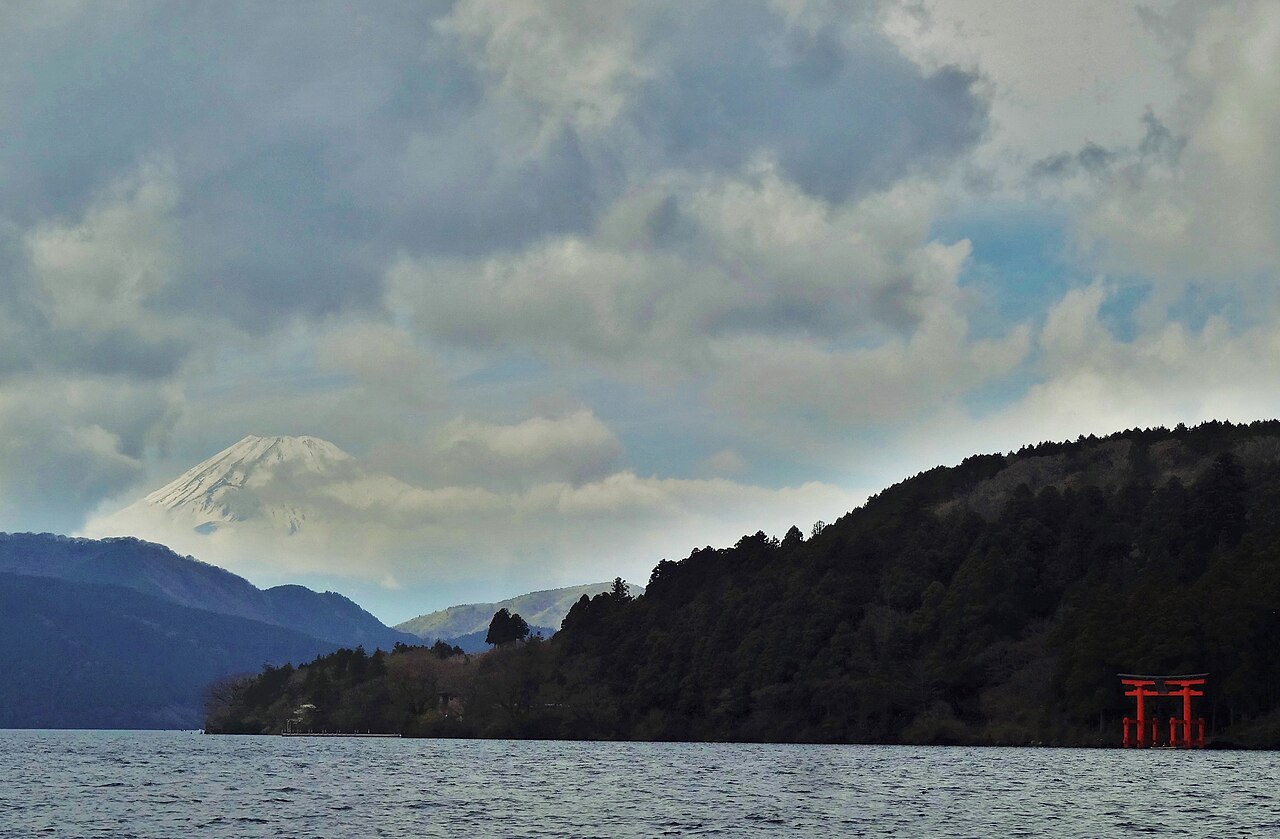
Lake Ashi with the red torii gate of Hakone Shrine and snow-capped Mount Fuji behind it 🗻 Hakone · Highland3
Day 4 · Hakone + Fuji
Hakone · Lake Ashi · Owakudani

Come down from Nikko to catch autumn leaves beside Mount Fuji at Hakone — the classic shot is the red torii gate of Hakone Shrine on the shore of Lake Ashi, with snow-capped Fuji behind it on a clear day. Ride the pirate ship across the lake, transfer to the Hakone Ropeway up to Owakudani, the volcanic valley that turns colour before anywhere else in Hakone, then end the day soaking in an onsen to ease your legs.

📍Where to catch it: Lake Ashi + Hakone Shrine · Owakudani · ropeway/boat/cablecar views
🍁Peak window: high Owakudani late Oct–mid Nov · around Lake Ashi/Yumoto mid–late Nov
🚆Getting there: Odakyu Romancecar from Shinjuku, ~85 min to Hakone-Yumoto · use the Hakone Free Pass for the ropeway-boat-cablecar loop
💡Tip: Fuji usually shows clearest in the morning · check the Owakudani status first, as it closes some days for volcanic gas · staying one night in Hakone for the onsen is well worth it
Hakone Guide →
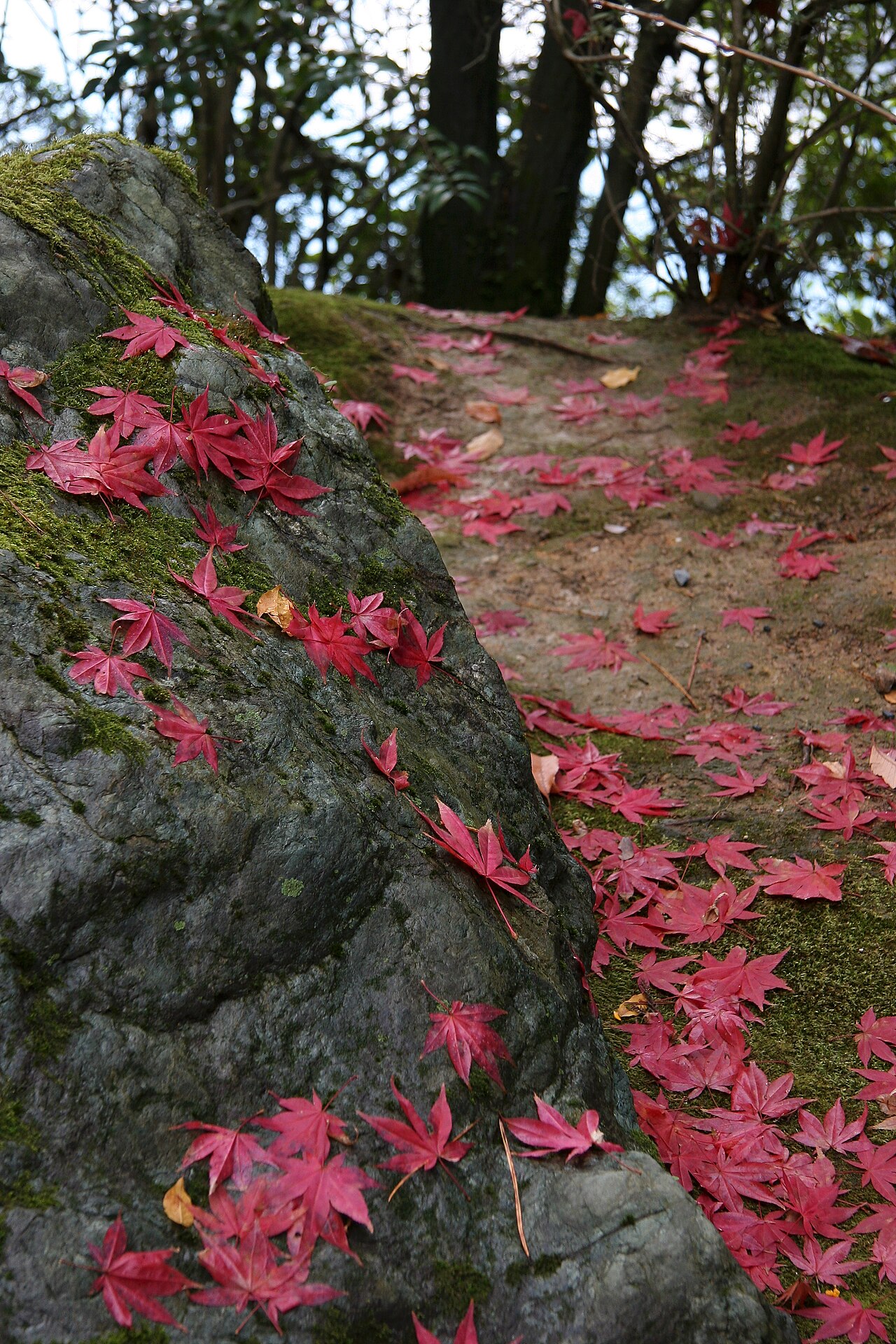
Red maple leaves fallen on stone and moss at a Kyoto temple during the autumn-leaves season ⛩️ Kyoto · Lowland4
Days 5–7 · Kyoto
Kyoto · Eikando · Tofukuji · night light-up

The trip's headline act, and the spot that peaks last of all — Eikando temple (Zenrin-ji), where over 3,000 maples reflect on a pond and the night light-up is the most beautiful in Kyoto; Tofukuji temple, with its sea of maples in the valley seen from the Tsutenkyo bridge; a walk along the Philosopher's Path beside the canal; and Arashiyama plus Kiyomizu-dera, both of which run light-ups during the koyo too. Give it three days — there are a lot of temples and the crowds are real.

📍Where to catch it: Eikando · Tofukuji · Philosopher's Path · Arashiyama · Kiyomizu-dera
🍁Peak window: late Nov–early Dec · Eikando light-up roughly mid Nov–early Dec, open evenings until ~9 pm (separate night admission, check the temple's 2026 site)
🚆Getting there: shinkansen from Tokyo, ~2.5 hrs to Kyoto · around town use buses + the Keihan/Hankyu railways
💡Tip: Tofukuji at dawn is quietest · the night light-ups are very crowded, so arrive before the gates open to be near the front of the queue · the JR Pass can't be used on the Nozomi shinkansen
Kyoto Attractions →
🏯 🍜 Osaka · add-on5
Day 8 · Osaka (add-on)
Osaka · Osaka Castle · Minoo

Tacking an extra day onto Kyoto is easy — it's just ~15 minutes by train — Osaka Castle has the Nishinomaru Garden, where autumn leaves frame the keep, and if you want an easy nature walk near the city, head to Minoo Park, strolling along the stream up to the waterfall with red maples the whole way. Bonus: you get to try the local specialty, maple leaves battered and deep-fried (momiji tempura).

📍Where to catch it: Osaka Castle + Nishinomaru Garden · Minoo Park (Minoo Valley)
🍁Peak window: late Nov–early Dec (close to Kyoto)
🚆Getting there: train from Kyoto, ~15 min (shinkansen) or ~45 min (local lines) · for Minoo, take the Hankyu from Umeda
💡Tip: you can also base in Osaka and day-trip into Kyoto — rooms are usually cheaper and more available than in peak season
Osaka Attractions →
🍂 ⛰️ Far-north start · add-on6
Option · Start in the Far North
Early-season start · Tohoku / Hokkaido

If your trip falls in early October, the lowland leaves haven't arrived yet — so shift your starting point to the far north. Tohoku (the Naruko Gorge, Lake Towada, Oirase Gorge) turns colour early to mid-October, while Hokkaido (Mount Daisetsuzan) is the very first place in the whole country to colour up, from late September, before you follow the line south on the main plan. It catches the longest stretch of koyo in a single trip.

📍Where to catch it: Oirase Gorge · Lake Towada · Naruko Gorge (Tohoku) · Daisetsuzan (Hokkaido)
🍁Peak window: high Hokkaido late Sep–early Oct · Tohoku early–mid Oct
🚆Getting there: Tohoku shinkansen from Tokyo up to Sendai/Aomori · for Hokkaido, flying into New Chitose is easier
💡Tip: great for early-season travellers (October) who don't want to wait for Kyoto's late-month peak · it's a long way out, so budget extra travel days
Spot-by-spot Autumn Leaves Guide →
Travel + Catch the Season

3 Things That Keep YouFrom Missing the Peak

Koyo isn't guesswork — it tracks temperature and elevation. Get your head around these three things and you'll pick your dates and route far more accurately.

STEP 1
Think Elevation + Latitude

Koyo starts furthest north and on the peaks first, then works south and downhill. High ground and the lowlands in the same prefecture can differ by as much as 3–4 weeks. That's exactly why we go up to Nikko/Hakone (high ground) first, then drop to Kyoto (lowland), which peaks later — following the line south like this catches several stops.

STEP 2
Check the Latest Koyo Forecast

Use official sources: japan-guide.com has spot-by-spot koyo reports with live photos, while JNTO and Weathernews summarise the colour line nationwide. They all update weekly through October–November — always re-check just before you fly, because a warm year turns the leaves later.

STEP 3
Pick the Right Pass for the Route

This route mixes several rail companies — Nikko uses Tobu, Hakone uses the Hakone Free Pass (Odakyu), while Tokyo–Kyoto–Osaka runs on the shinkansen (JR). Calculate first whether a JR Pass beats the rides you'll actually take, and remember the JR Pass can't be used on the Nozomi — you'll need the Hikari/Kodama.

🚄 Run the numbers first: compare separate ticket prices against a JR Pass with our JR Pass calculator, and ballpark your whole-trip budget with the Japan trip budget calculator before you lock in the plan.
Where to Base Along the Route

Set Up Your Base on the Route Wherever Is Peaking Now

This trip moves city to city, so basing yourself where the leaves are at their best saves the most time — open each city guide for hotels, sights, and how to get around.

🗼
Tokyo — Base for Start/End
Stay near a major station (Shinjuku/Tokyo) for easy Tobu to Nikko and Odakyu to Hakone · Tokyo Guide →
⛰️
Nikko — Stay for an Early Start
Spend a night around Nikko or Kinugawa Onsen and head up Irohazaka in the morning before the traffic · Nikko Guide →
♨️
Hakone — Stay for the Onsen
A Hakone ryokan is the highlight — spend a night soaking in the hot springs after a day among the autumn leaves · Hakone Guide →
⛩️
Kyoto — Main Base, 3 Nights
Stay near Kyoto Station or in the Higashiyama district for easy temple-hopping and night light-ups · Kyoto Guide →
🍜
Osaka — The Value Option
When Kyoto is full or pricey at peak, base in Osaka and take the train into Kyoto, ~15 min — better value · Osaka Attractions →
🏨
Book Early for Koyo
In late November Kyoto is high season on a par with the cherry blossoms — book months ahead · Search Kyoto hotels →
Route Map

The Autumn Leaves RouteTokyo–Nikko–Hakone–Kyoto

See clearly why you work north to south — the high-ground/northern stops (Nikko, Hakone) turn first, the lowland stops (Tokyo, Kyoto) peak later. Plan in this order and you catch several stops in a single trip.

Tips Along the Way

6 Things That Keep Your Autumn TripOn Peak and On Track

🌃
Allow Time for Night Light-ups
Kyoto (Eikando, Kiyomizu, Kodaiji) and Rikugien in Tokyo floodlight the leaves in the evening — book a night session or arrive before the gates open.
🧥
Pack a Warm Layer
High ground like Nikko/Owakudani and the evenings are much colder than the lowlands — bring a jacket and layers, especially if you start out around Tohoku/Hokkaido.
🕖
Start Early to Beat Crowds and Traffic
Nikko's Irohazaka and the famous Kyoto temples get packed at peak — arrive by 8–9 am for both better light and people-free shots.
🎟️
Pick Cancellable Rooms
The actual peak can land several days off the average — book free-cancellation rooms first so you can adjust once the koyo reports firm up.
📶
Get an eSIM Before You Fly
You'll want to check live leaf status spot by spot and navigate with Google Maps to whichever temple is peaking — steady data helps a lot.
🚄
Reserve Shinkansen Seats Ahead
In late-November koyo (especially over long weekends) the Tokyo–Kyoto shinkansen fills fast — a reserved seat beats standing.
Related Guides

Keep Planning Your Japan Trip — Autumn Leaves, Routes, and Cities

🍁

Japan Autumn Leaves Guide

Dig into the koyo forecast spot by spot, the peak window for each region, and how to read the colour reports accurately.

Autumn Leaves Guide →
🗓️

Japan 7-Day Itinerary

The 7-day Golden Route — Tokyo–Hakone–Kyoto–Osaka, day by day — perfect for building on this trip.

7-Day Plan →
🧭

Plan Your Own Japan Trip

A step-by-step tool to plan your Japan trip — pick cities, set the number of days, and thread the route together.

Start Planning →
⛰️

Nikko Guide

Irohazaka, Kegon Falls, Toshogu Shrine, hotels, onsen, and how to get there from Tokyo on the Tobu.

Nikko Guide →
♨️

Hakone Guide

Lake Ashi, Owakudani, onsen ryokan, the ropeway-boat-cablecar loop, and the Hakone Free Pass.

Hakone Guide →
🇯🇵

Full Japan Travel Guide

Every region and city, with links into city guides, hotels, and attractions across Japan.

Japan Guide →
Frequently Asked Questions

Questions Abouta Japan Autumn Leaves Trip

What month do the autumn leaves turn in Japan?
Koyo (autumn colour) moves from north to south, the opposite direction to the cherry blossoms. It starts in Hokkaido and the high mountains from early October, reaches the Nikko highlands and other elevated areas around mid-October, hits Tokyo and Kyoto from late November into early December, and continues down to Kyushu around mid-December. The peak dates shift every year with the weather — a warmer-than-usual year turns later — so always check the latest koyo forecast before you plan.
What route should an autumn-leaves trip follow?
Follow it from north (high ground, turns first) to south (lowlands, turn later). A popular 7–10 day route is two days in Tokyo, then up to Nikko (Irohazaka / Kegon Falls, mid-October), down to Hakone (Fuji + maples, early to mid-November), then the shinkansen down to Kyoto (Eikando / Tofukuji, late November), with an optional add-on to Osaka. Working north to south lets you catch several stops at peak in a single trip.
When does Nikko peak for autumn leaves, and how do you get there?
Nikko turns by elevation — the highest part, Oku-Nikko, around early October; Lake Chuzenji and Kegon Falls in mid-October; the winding Irohazaka road in late October; and Nikko town itself in early November. Get there from Tokyo on the Tobu Limited Express from Asakusa (about 2 hours to Tobu-Nikko), then transfer to the Tobu bus on the Chuzenji Onsen line up Irohazaka, about 50 minutes. Traffic on the road is heavy on peak weekends, so go early and avoid Saturdays and Sundays.
When do Eikando and Tofukuji hold their night light-ups?
Eikando (Zenrin-ji) in Kyoto runs its autumn-leaf light-up from roughly mid-November to early December, open in the evening until around 9 pm, with a separate night-session admission. Over 3,000 maples reflected on its pond are stunning. Tofukuji is known for the valley of maples seen from the Tsutenkyo bridge (mainly a daytime view). Dates and times change every year, so always check the temples' official sites and 2026 prices before you go.
When does Hakone peak for autumn leaves, and where can you see them?
Hakone spans several elevations, which stretches its koyo season out — the high Owakudani turns first, roughly late October to mid-November, while around Lake Ashi and Yumoto town it's mid to late November. The classic shot is the red torii gate of Hakone Shrine on the shore of Lake Ashi, with snow-capped Mount Fuji behind it on a clear day. You can ride the ropeway, cablecar, and pirate ship around the lake to take in the leaves all in one day.
Should an autumn-leaves trip use a JR Pass?
It depends on your route. On a Tokyo–Nikko–Hakone–Kyoto–Osaka trip, the part that pays off is the Tokyo–Kyoto shinkansen (and back), while Nikko uses the Tobu railway (not JR) and Hakone uses Odakyu's Hakone Free Pass. So it's worth calculating first whether a JR Pass beats buying individual tickets for the rides you'll actually take. Use our JR Pass calculator to compare separate fares against the pass, and remember the JR Pass can't be used on the Nozomi shinkansen.
Ready to Chase the Autumn Leaves?

Time It to the Peak
Then Book Before It Fills Up

Start by choosing travel dates that line up with the stop you most want to catch, then build it into a full plan with our trip planner — or get a head start on accommodation near the viewing spots before koyo season sells out.

🔴 Search Autumn-Season Hotels Autumn Leaves Guide